The phenomenon of the Bravo group is obvious and cannot be doubted. From the moment of its foundation, when Aguzarova joined them with a ridiculously forged passport in the name of “Ivona Anders” straight from outer space, the team began to issue non-films, be it “I Believe” or “Yellow Shoes”. Zhannochka’s subsequent flights to Mars made it impossible for her to continue participating in the band’s work, although there is an opinion that long before this, Zhanna-Ivona practiced jumping upside down into a dehydrated pool. After some trials, Evgeny “Crying-Zhenechka-in-the-phone-booth” Osin came to replace him, with whom the band recorded an entire tape album, and before him Irina Epifanova managed to record the Caribbean hit “Jamaica”. But either that’s not it, or the vocalists got picky…
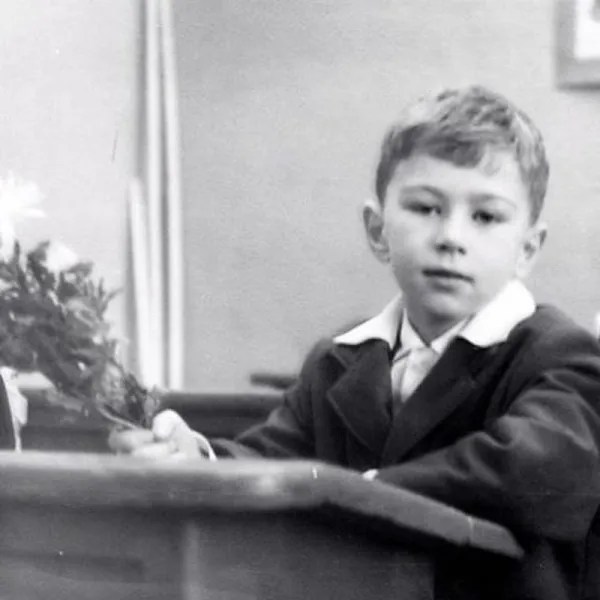
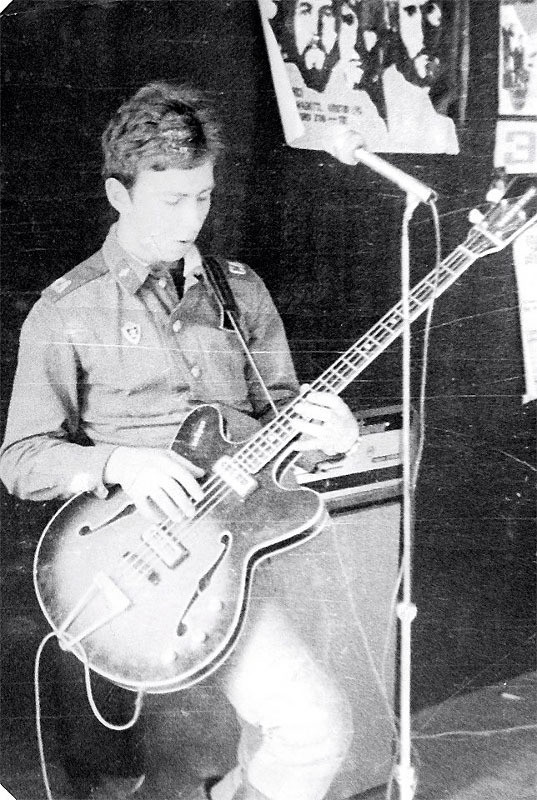
Meanwhile, Valery Miladovich Syutkin, born on March 22, 1958, had been operating in Moscow for some time. From a young age of fourteen, he worked as a labourer in pubs, making a lot of money (his parents had just divorced, and Valerka attributed most of his income to his mother). At eighteen, he joined the regiment of brave pilots, where Syutkin played music more than greasing the landing gear and scrubbing the ailerons.
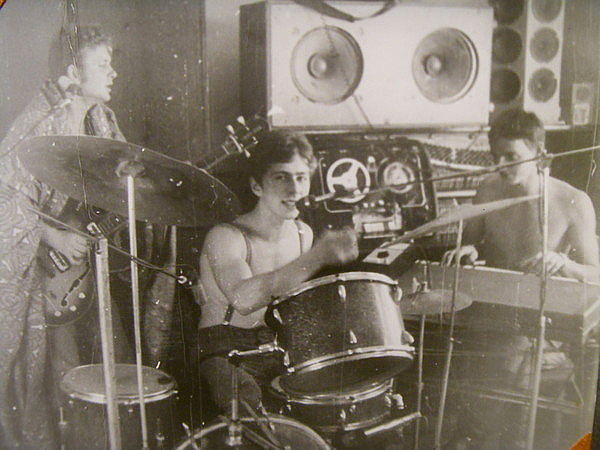
Immediately after the army, he was drafted into the band “Telephone”, which played very bad rock and roll (they sounded cooler than “Zoopark”, but the lyrics were exclusively about the ethnic mafia and corruption in Moscow, today their songs are much more relevant than in the mid-eighties).
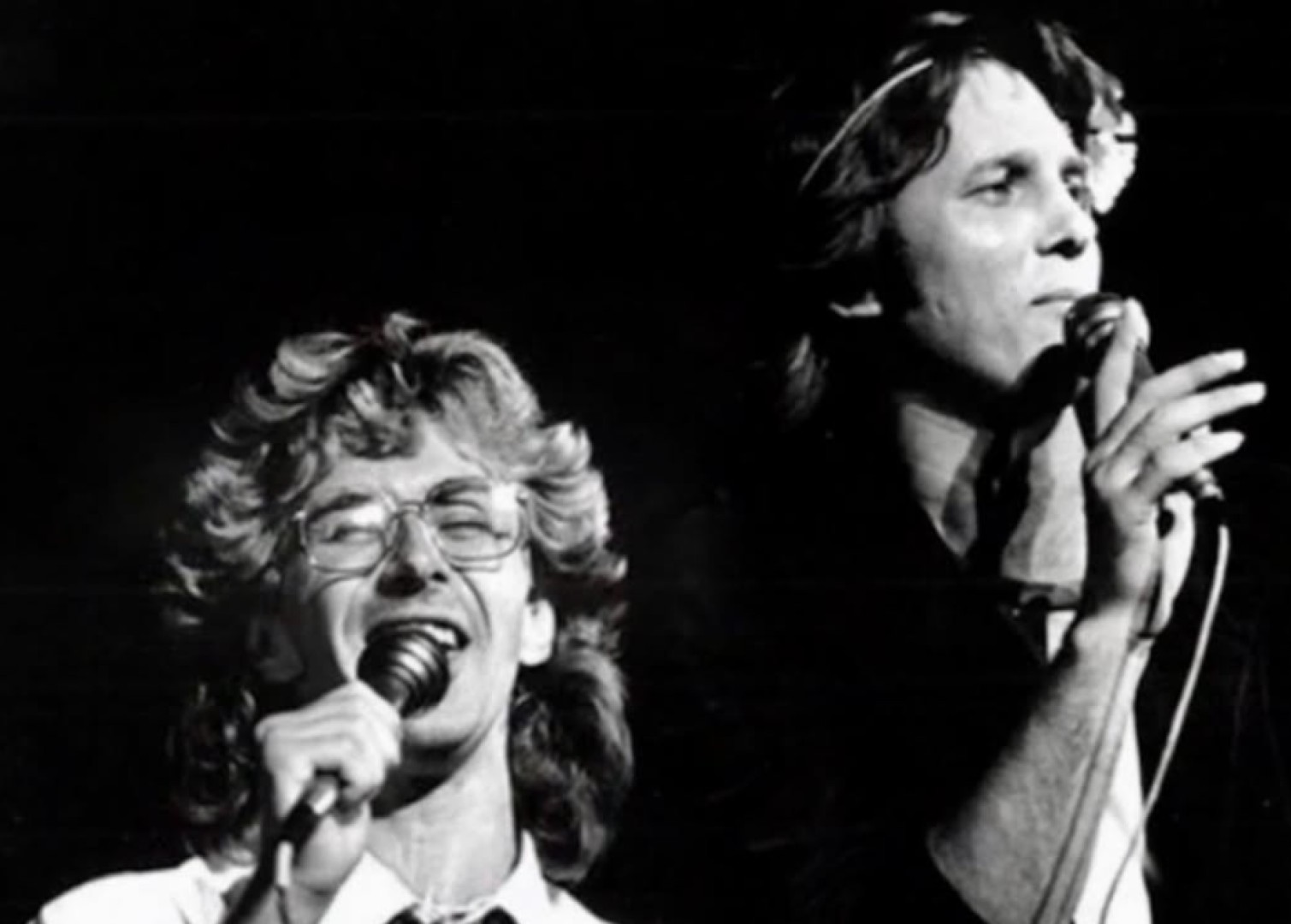
Yuri Loza lures Valery to the Zodchie group, which, thanks to the efforts of Syutkin and Loza, is transformed into one of the most incendiary concert compositions of its years. But Miladych does not sit still, after a couple of years he leaves the “Zodchie” to create his own lame on both legs “Fan-O-Man” project. It was a time of “perestroika” and other experiments, let’s forgive Valery those little silly things.
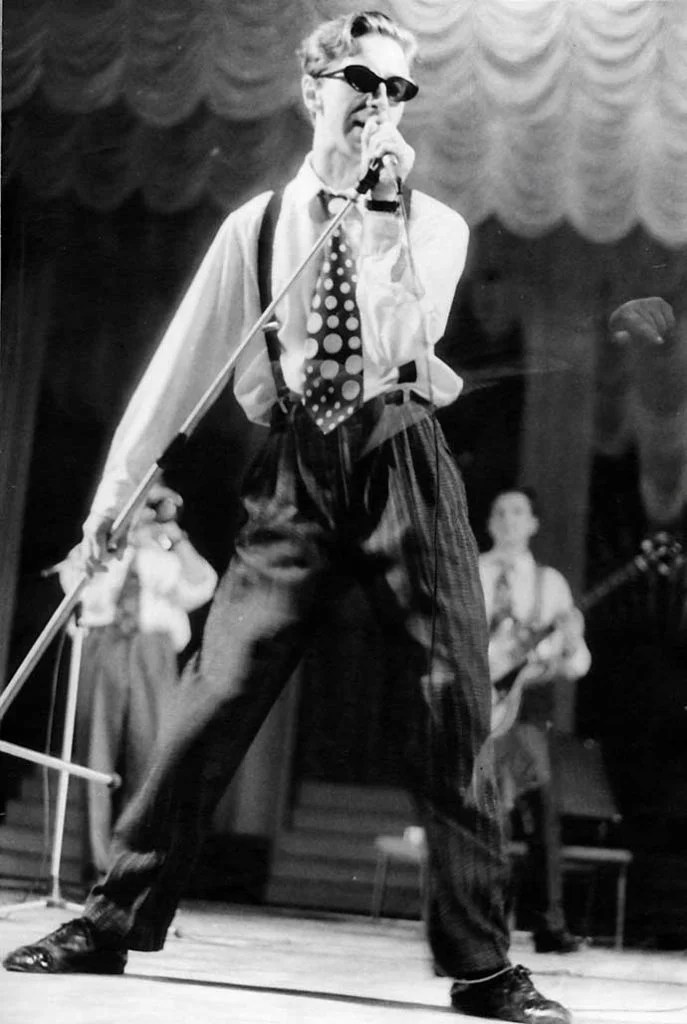
In the end, everything coincided: Osin could not cope with the role of the vocalist of Bravo, Syutkin could not cope with the idiotic name of his solo voyage, Khavtan deftly caught the moment and dragged Syutkin into Bravo. This is already a legend, the hits of three albums written jointly by Khavtan and Syutkin are still being played on radio stations, and the fact that the great Muslim Magomayev agreed to sing “Luchshy Gorod Zemli” with the guys speaks to the highest appreciation of the work done in just five years. On the third album, there was also a split in the aspirations of the guitarist and singer, to the point that Evgeny meowed the completely foreign song “Sand Castle” on his own, while three luxurious numbers – “On the Waves”, “King of the Resort” and Denis Mazhukov’s swashbuckling boogie “Natasha” – were left out.
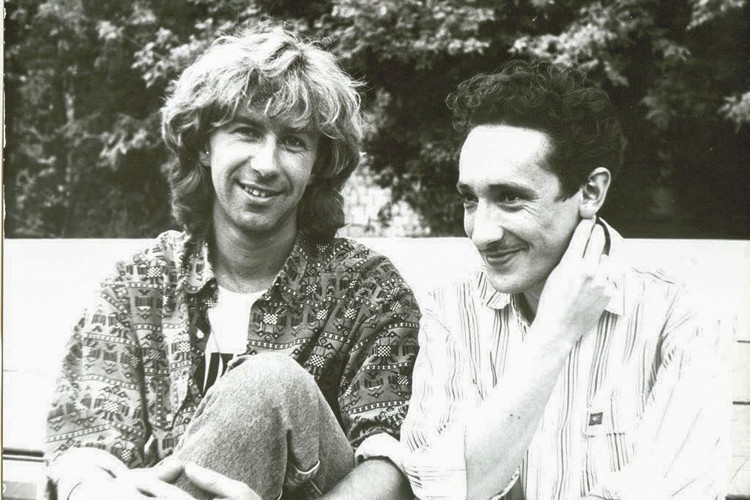
It should be noted that Syutkin came to Bravo not as a dandy, but as a guy with a hairstyle fashionable for rockers of that time, “it’s raining, and we’re hoarding.” It took Khavtan a while to get Miladych to get a haircut, but when he got a haircut, Syutkin felt the full power of hepcat style, and then a magnificent symbiosis of classic rock and roll, poetry in the spirit of Soviet hits, and softening of the singing style, albeit with some pressure on consonants in the style of Vysotsky, appeared.
Anyway, the country got two great bands instead of one: the rockabilly “The Wind knows” from the band “Bravo” began to interrupt “7000 above the Ground”, an insinuating, as if completely Soviet, but very swinging song from “Syutkin & Co”. In fact, from the very first album, Valery hit jazz, but it was pop jazz. Although the main hits of each album were great songs, again in the neo-Soviet manner: “Radio of Night Roads”, “Far Away” et cetera.
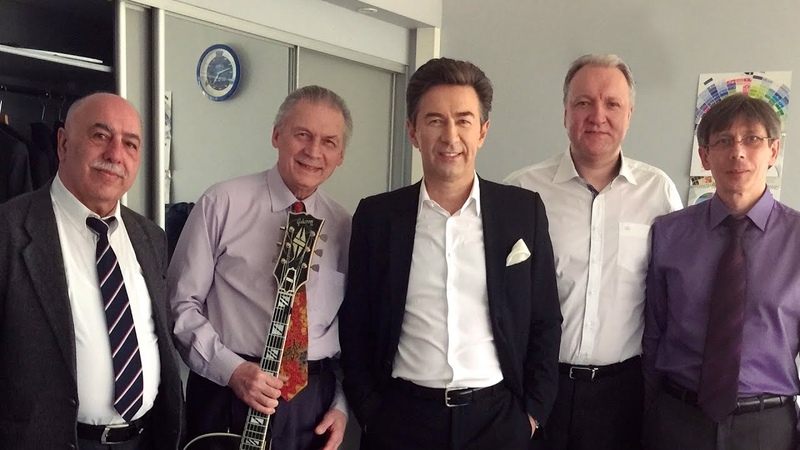
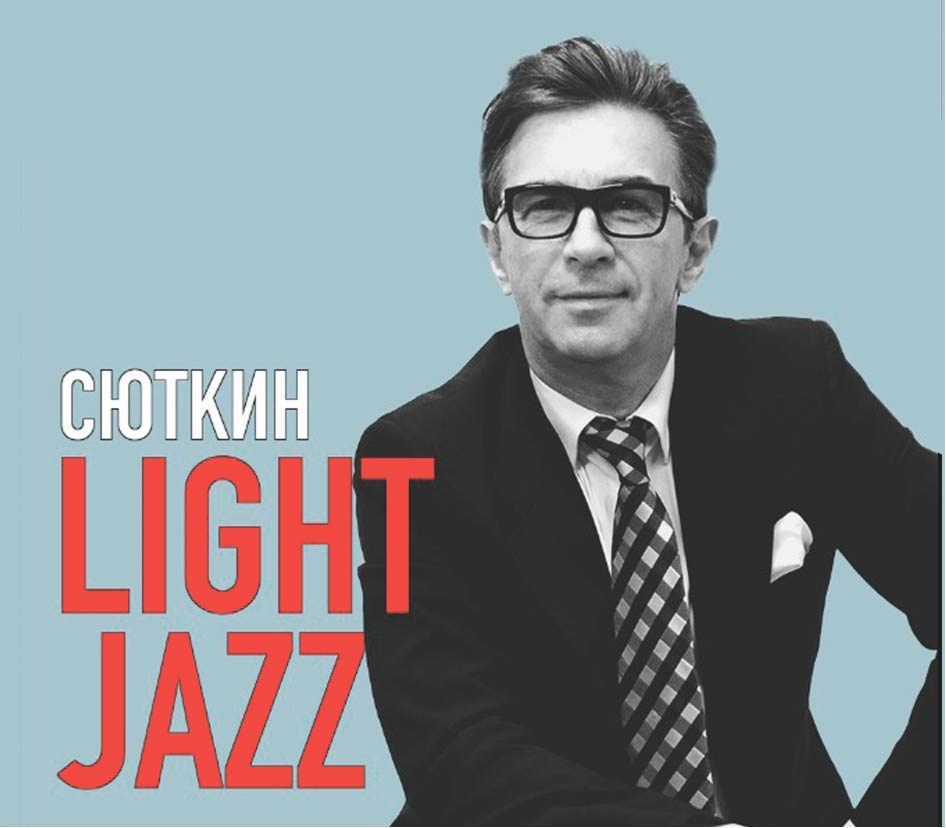
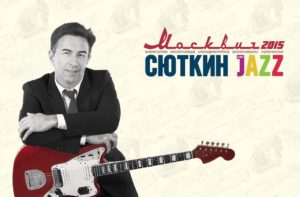
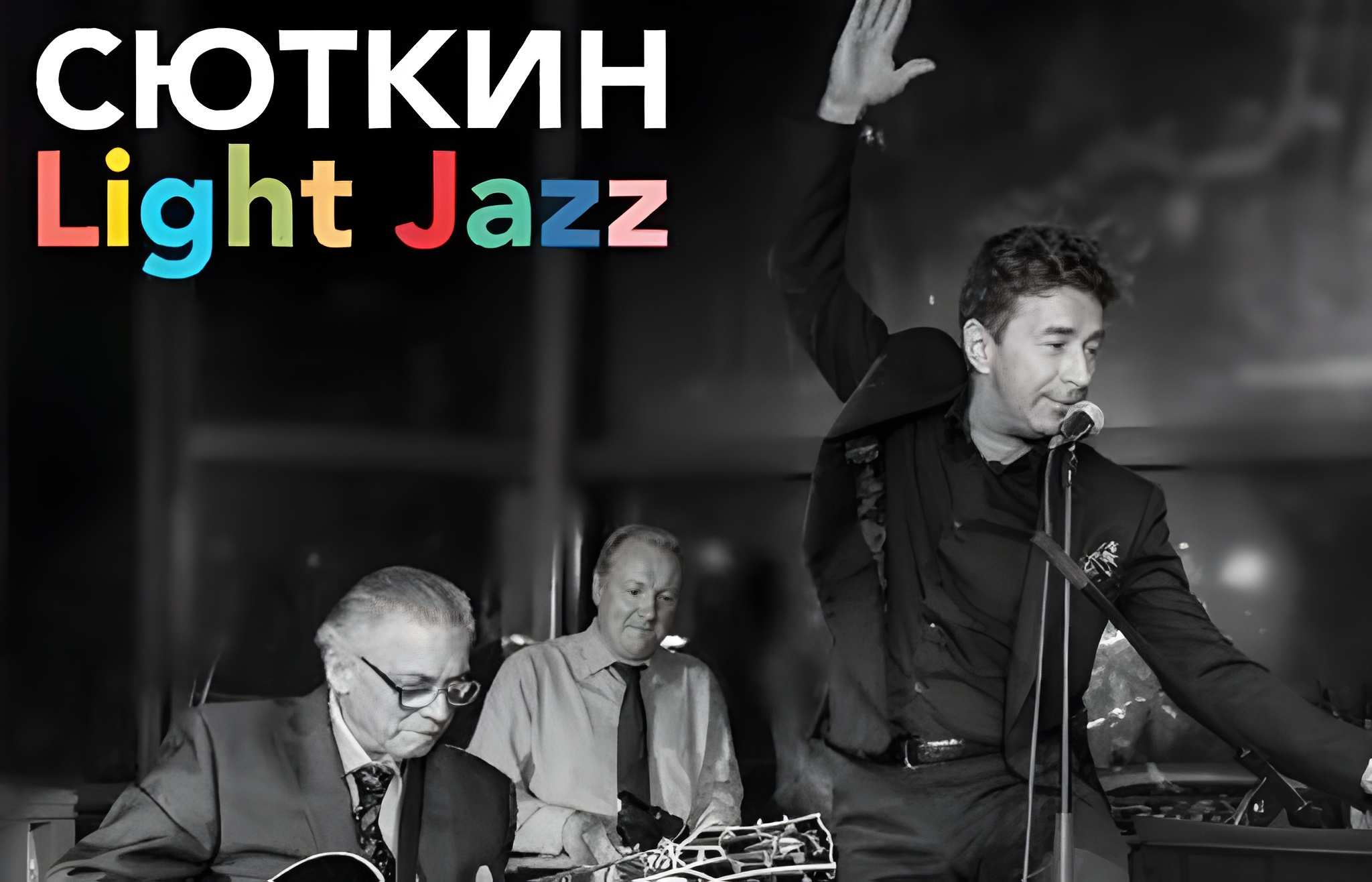
At the same time, Valery Miladovich began to engage in various TV shows that did not benefit anyone and never in any way. Therefore, he managed to say a new word for himself, albeit in the same logical retro way, only in 2015 with the help of the Light Jazz collective. The collection of songs from the “totalitarian” stage was named “Moskvich 2015”, positioning itself as a jazz album, although jazz was already present in most of those songs, and here it is present in a really light key. Let’s listen, comrades!
“Good Evening” is well known for its performance by Lydia Klement, the bright angel of Leningrad. The band, quite obviously, takes her version as a basis, adding the most delicious pieces of gypsy jazz there. The vocal ensemble is very good.
“Why, why?” is perhaps one of the most striking examples of the Russian foxtrot. A neat, no-frills version.
“I’m walking through Moscow” is sung no worse than Mikhalkov. The accordion gives out neatly broken jazz.
“Three years I dreamed of you” has a difficult story: Mark Bernes initially refused to sing it, but the director of the film “Big Life” Lukov stamped his boot, after which the next morning Bernes not only sang, but also sincerely loved the song. Syutkin lacks the tenderness of Chet Baker here.
“Sunday” is a very restrained version of Jean Tatlian’s famous twist.
“My Friend’s Song” is again from Bernes’ repertoire. Mark and Valery are very good and sincere.
“Guys of the seventieth latitude” about the Arctic: Norilsk, Pevek, Khatanga. Composer Stanislav Pozhlakov also wrote all sorts of “Baby Stomps” and “Does a man need a lot”. The forgotten genius. Surprisingly, Pozhlakov’s version sounds both modest and rock’n’roll. Syutkin and his comrades make everything much softer, but not to say that it is worse. But softer.
“August” is an elegy that pierces nerves with thin needles of memories. The fur instrument emphasizes the premonition of the autumn of life.
“And it’s snowing” could have been more insinuating in the verses, but everything is forgiven for the instrumental solo.
“Moscow Windows” is sung with a special tremulous warmth. And this is important.
“Street Lights” is another song by Jean Tatlyan. It’s magically fascinating in the original. Here, the feline is insinuating.
“Moscow Nights” sounds very good, played in a swing, framed by an accordion.
“My dear Muscovites” was sung not only by Leonid and Edith Utesov, but also in the brilliant film The Pokrovsky Gates. The Syutkin band completes the album with it, softly and without fanfare.
Valery Miladovich’s 2015 album was perhaps the most soulful of his entire career. It seems that after all the strange experiments, Syutkin has found a calm harbor from which he can slowly bombard our schooners with orange ties and hits from half a century ago. We don’t mind, do we?
PS: The latest album by Syutkin and Light Jazz “Atmosphere” is already on sale.