Starting as a merchant settlement of Dutch colonists on the island of Manhattan, New Amsterdam was transformed into New York by the will of businessmen and the stubs of dynasties. Having existed for several years as the capital of a newborn state in the 18th century, New York turned into the cultural center of the United States. Each burrer, wearing glasses, proclaimed himself a playwright or, at least, a composer. Plays were staged on Broadway, which were trumpeted by The New York Times, and at some point it resembled genuine art. In the early decades of the 20th century, Chaliapin repeatedly made a splash among the sassy, diamond-studded public. Louis Armstrong began to perform Russian songs. But in the convulsive 20th century, priorities changed at the speed of a Maxim machine gun. This did not prevent New York from remaining New York. And look down on the states where there were no big-nosed writers.
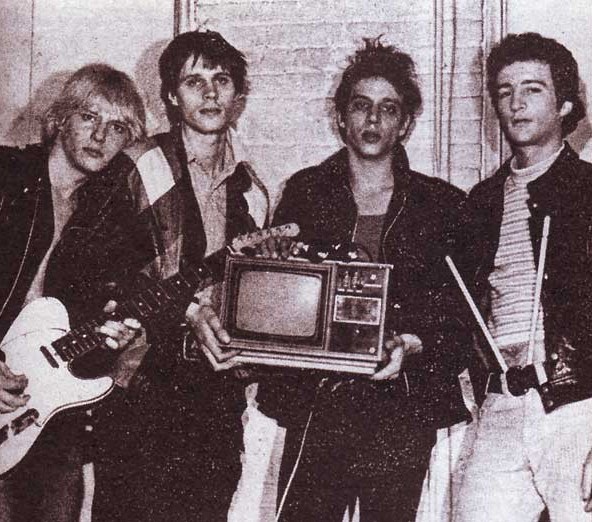
In the state of Delaware, since its proclamation as a state, graphomaniacs have counted the fingers of one hand, and the number of jobs/hands is not enough. Miliskauskas, a wandering Latvian, who was renamed Miller back in Scotland, found a Polish wife here. The twin sons were named after the traditional Polish names Tom and John. The sons have grown up. John preferred sports activities – running around with a rubber pumpkin under his arm until he was knocked down and trampled. Tom chose the bookstore when his mind was firmly fixed on bohemian French poets. It was then that he met Richard Mayers.
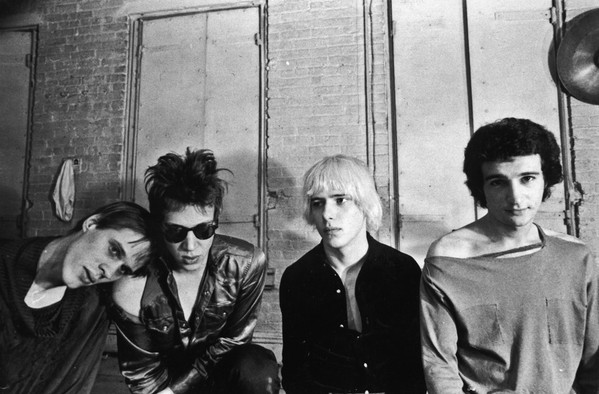
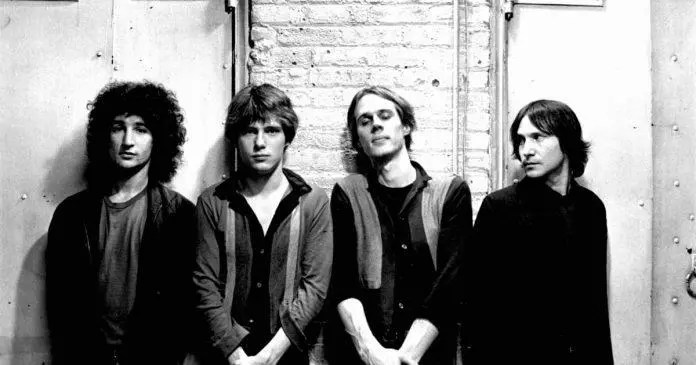
Having discovered many common themes with this half-jew from Kentucky, Tom saw in him the only friend at that time. Their musical interests at that time largely coincided: both loved innovative jazz, from Coltrane to Getz, and The Rolling Stones. Who among the rebels of that time did not like The Rolling Stones? The guys decided to go to New York. In 1972, they did just that, pulling drummer Billy Ficca, a Tom’s childhood friend, with them. Tom took the pseudonym “Verlaine”, Richard declared that he was a complete “Hell”. Guitar and bass, respectively. The band was called The Neon Boys, and what else would the guys from the countryside with such ambitions be called? But that was the point.
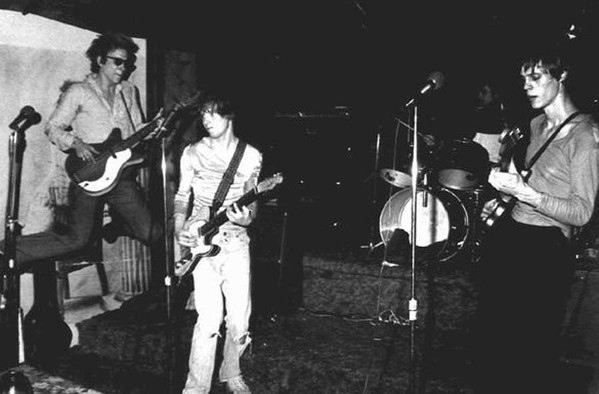
Once, during a performance, Tom barked at Richard: “stop jumping around me!”, but Richard did not stop. It was at the iconic CBGB club, where our heroes became the first rock performers. Verlaine and Hell stopped being friends and colleagues at the same time, although they managed to rename the gang to Television. When leaving the band, Hell took with him the bass and his own compositions, one of which was “Blank Generation” (it was cleverly “reinterpreted” by Brian Setzer in his “Stray Cat Strut”).
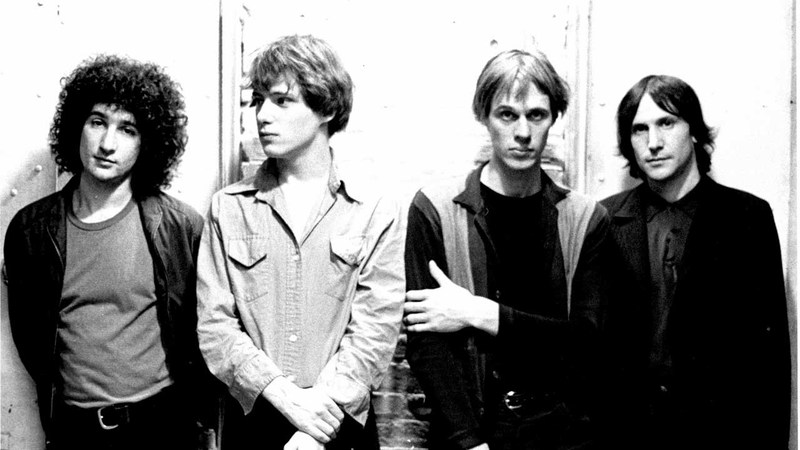
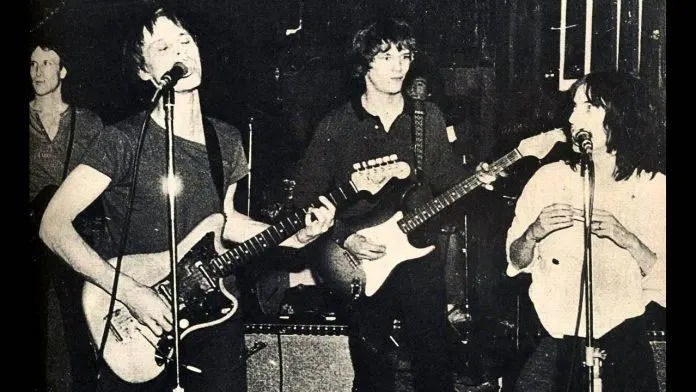
Fred Smith, known in New York clubs as Frederic Lefkowitz, was invited to replace him. Richard Lloyd became the second guitarist of Television, and this discovery completed the line-up of the band. The only problem now was that Tom Verlaine wasn’t going to sign contracts. More precisely, he was going to sign a single contract on his own terms. There were no doubters about his determination, even Brian Eno, who pretended to be a degenerate genius, turned Tom around (soon the Eno would accept U2, the Guinplains would find each other).
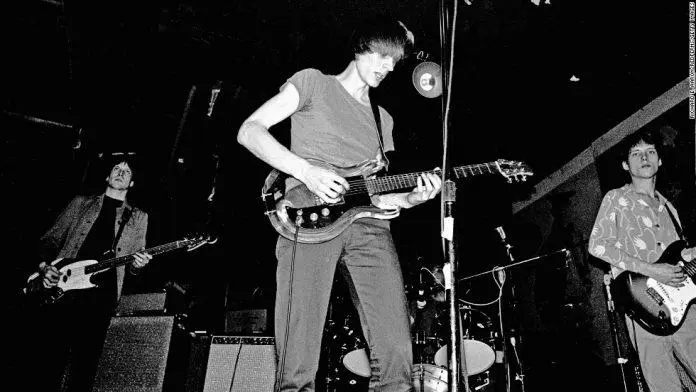
CBGB Television shone on the stage, many labels wanted them, but Tom Verlaine wanted complete creative freedom on his own terms. Meanwhile, the trickster Malcolm McLaren has already stolen Richard Hell’s “pin style” for his oligophrenes Vicious and Rotten. It couldn’t wait any longer. Tom stated that he needed a good sound engineer, and Elektra Studio provided one. Andy Jones has already worked with the Rolling Stones and has been approved by the entire team. Television was preparing for the recording for eight hours in a row. When they arrived at the studio, they gave out the songs from the first takes, and Jones simply recorded what excellent form Television was in at that moment. Let’s take a sniff, Moon Dawgs!
See No Evil is an elegant interpretation of garage rock by 13-th Floor Elevators. Sometimes it resembles The Doors, sometimes it goes wild.
Venus is very beautiful. It promises the embrace of Venus de Milo, an armless statue. We should also mention the performance of the drummer and one of the solo guitarists (it looks like it was Verlaine). Tom’s voice is stridently arrogant. You want to follow him, and the most beautiful guitar solo confirms that a fall is inevitable.
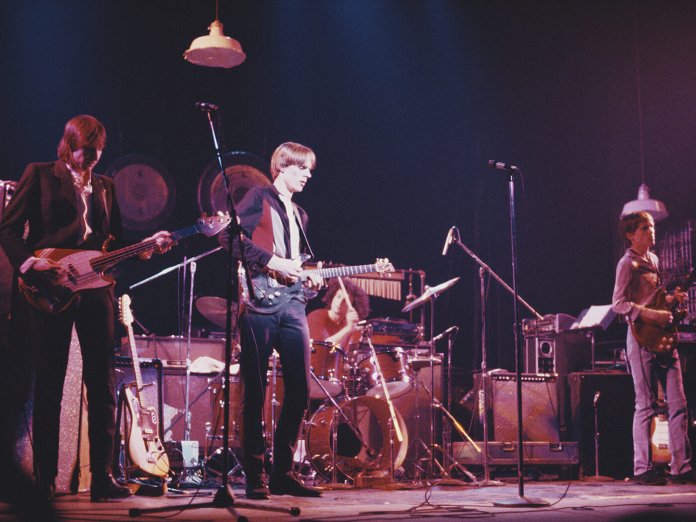
Friction is even more garage-like, which is confirmed by the backing tracks and guitar passages. Poetic images give the music the necessary absurdity: “My eyes are like telescopes. I see it all backwards, but who wants hope?”.
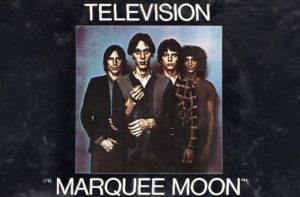
Marquee Moon begins as a kind of mutated reggae. Suddenly, it comes to a climax. The guitar seems to be egging on. Teasing and laughing. Together with the vocalist. The solo reaches the finish line, the two guitarists switch passages, then converge into a single riff to fall silent in a beautiful keyboard passage, come to life again and shut up for good. “Marquee” has long meant any bright place with a hundred lights. Train station, cinema, restaurant, etc.
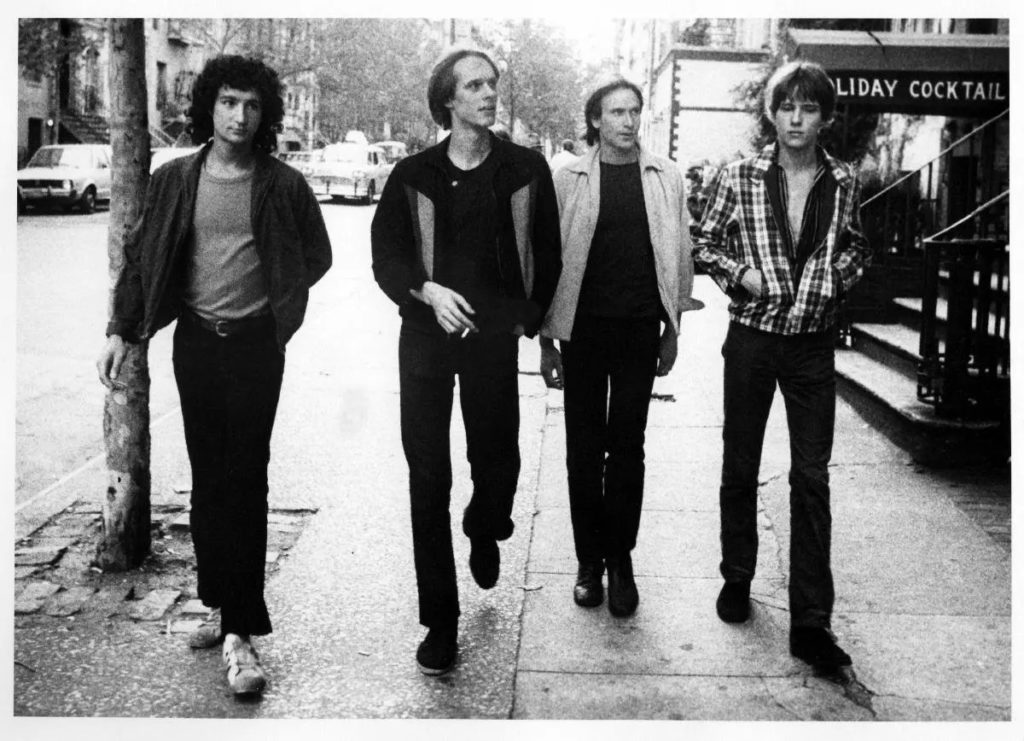
Elevation is decorated with magnificent meowing guitars, where each phrase is like a separate song. The convulsive chorus only emphasizes the poorly concealed tenderness of the verse. The most feline passages in the universe.
Guiding Light is quite a Rolling gospel song at first, but it quickly turns into a TV movie. It’s as beautiful as a dozen Negro churches.
Prove It looks like the usual teenage rhythm and blues for Television, developing into a magical crescendo that returns to childhood.
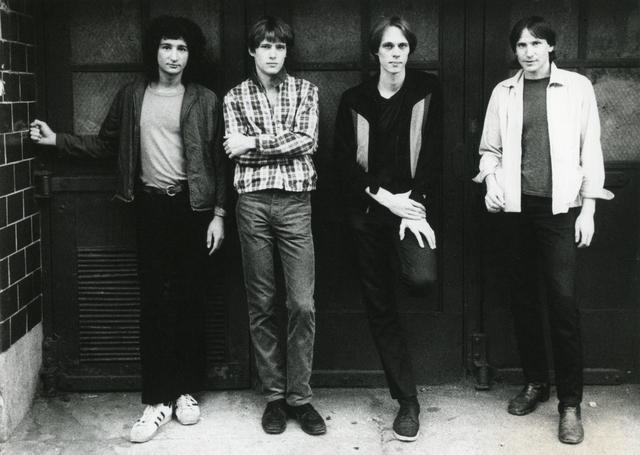
Torn Curtain begins with a drum crescendo, merging this song with the previous one. Here, like nowhere else, Tom Verlaine’s uncompromisingly high tenor sounds desperate and heartbreaking. And the guitars are just crying. If you need drama, here it is. One of the greatest songs in the Galaxy.
No one expected Television’s debut album to be so powerful. Even the music critics, who know less about music than your doggie, whined with delight, pressing their ears to their tails. Tom Verlaine’s poetry and voice were especially appreciated in the UK. It’s our turn, Moon Dawgs!