
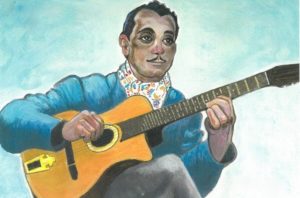
Reinhardt returned from the United States tired and disappointed. By that time, Grappelli was spending most of his soirée at the newly opened R-26 art salon owned by the Perrier family after the Nazis fled. The windows of the salon overlooked Montmartre, the neighbors included writers and artists, the air was filled with the aroma of an accordion with notes of croissant. The salon once again, as in pre-war times, became a favorite place for Django and Stephane to rehearse and jam.
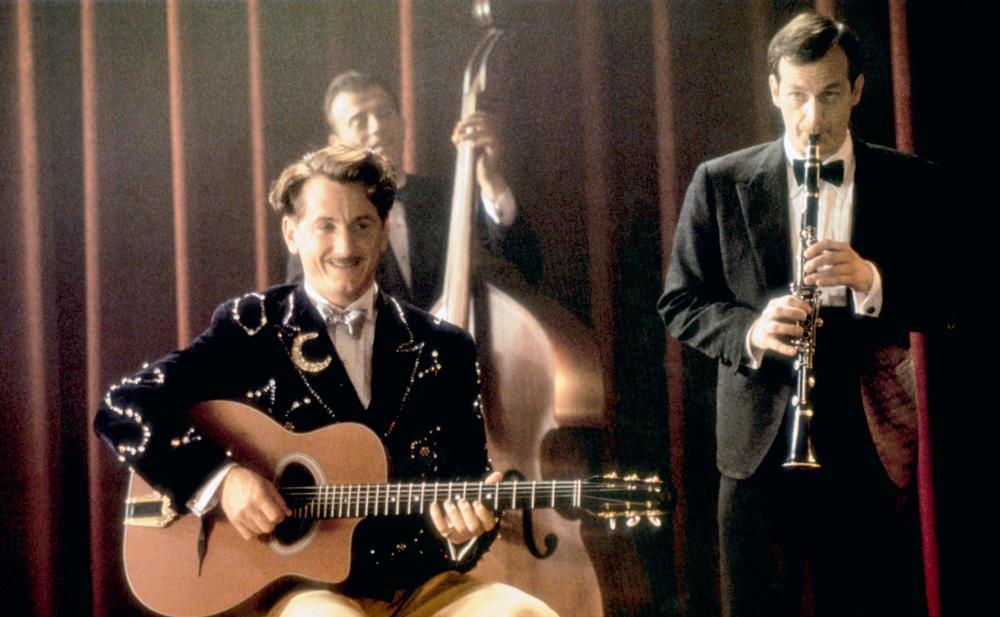
However, the guitarist’s real concert work began to be a mess: for a while he just moped, refusing to get out of bed, at other times he forgot to bring his guitar to the performance, and sometimes he just went to admire the fog, ignoring the full sale of tickets. Director Woody Allen would later present this anecdotal instability of the performer in the form of a comedy about the fictional jazzman Emmett Ray, Sweet and Lowdown, where Sean Penn would portray all the famous tales about Reinhardt’s quirks with an ungentlemanly expression.
In 1949, Stephane and Django went to Rome, where they recorded more than 60 compositions with a local piano-bass-percussion trio. In June of the following year, Benny Goodman came to Paris, Reinhardt was among the invited special people. After completing the program, Goodman invited Django to the USA with him, Django politely agreed, but later telegraphed a refusal, which should be regretted by all progressive humanity. Some people think he was jealous of Benny’s nickname “The King of Swing,” but the truth is that Django no longer trusted the Yankees, who had already been dynamiting him for a year.
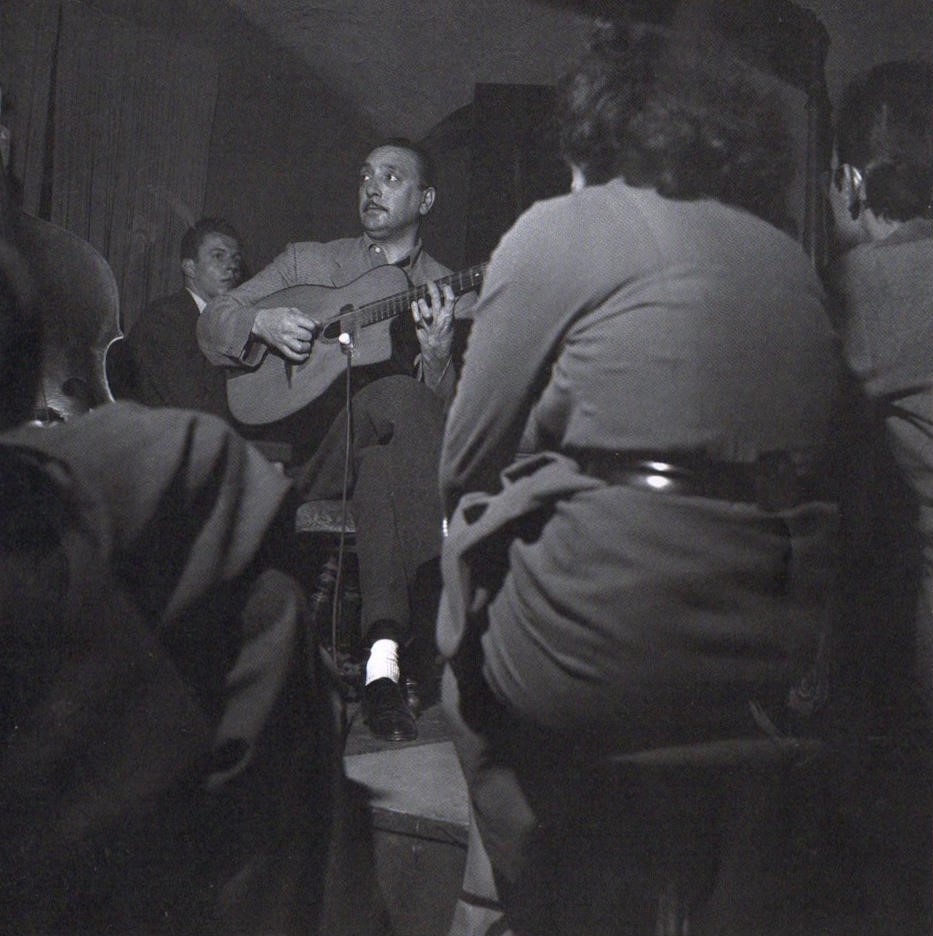
After leaving the apartments in Paris, he moved to the commune of Samois-sur-Seine. Here Reinhardt began to master impressionist painting, sometimes traveling to Paris, where they already knew that he might not show up, but they waited until the last moment anyway. When the post-war euphoria subsided with the obligatory semi-pop big bands a la Glenn Miller, jazz exploded with a bomb with a mint-heroin flavor called be-bop. Gillespie and Parker played it very fast, Django decided that he couldn’t give a damn about that speed.
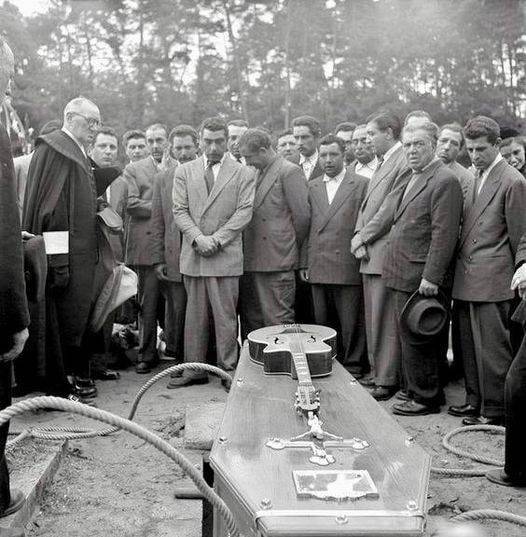
At the junction of 1952-53. with his new team Nouvelle Quintette, he recorded a complete sequential album for the first time, using, moreover, an electric guitar. On May 16, 1953, Django was returning from another performance, making a promenade from the train station to his house. Suddenly, my legs gave way, and the earth changed places with the sky. In those days, they hadn’t invented an ambulance yet, and it took the doctor too long to get to the patient that Saturday afternoon. At Fontainebleau Hospital, Reinhardt was diagnosed as “dead on arrival.” Django died of a cerebral hemorrhage at the age of just 43.
Stephane Grappelli was not that lucky: he survived. When you try to play be-bop on the violin, it sounds like a czardache mocking a Polka. For almost two decades, the great violinist played music for the well-fed and overeager in fashionable restaurants, until in 1971, British presenter and jazz lover Michael Parkinson came up with a joint performance of Grappelli with classical violinist Yehudi Menuhin on his show called either “I’m Shaking” or “Parkinson”.
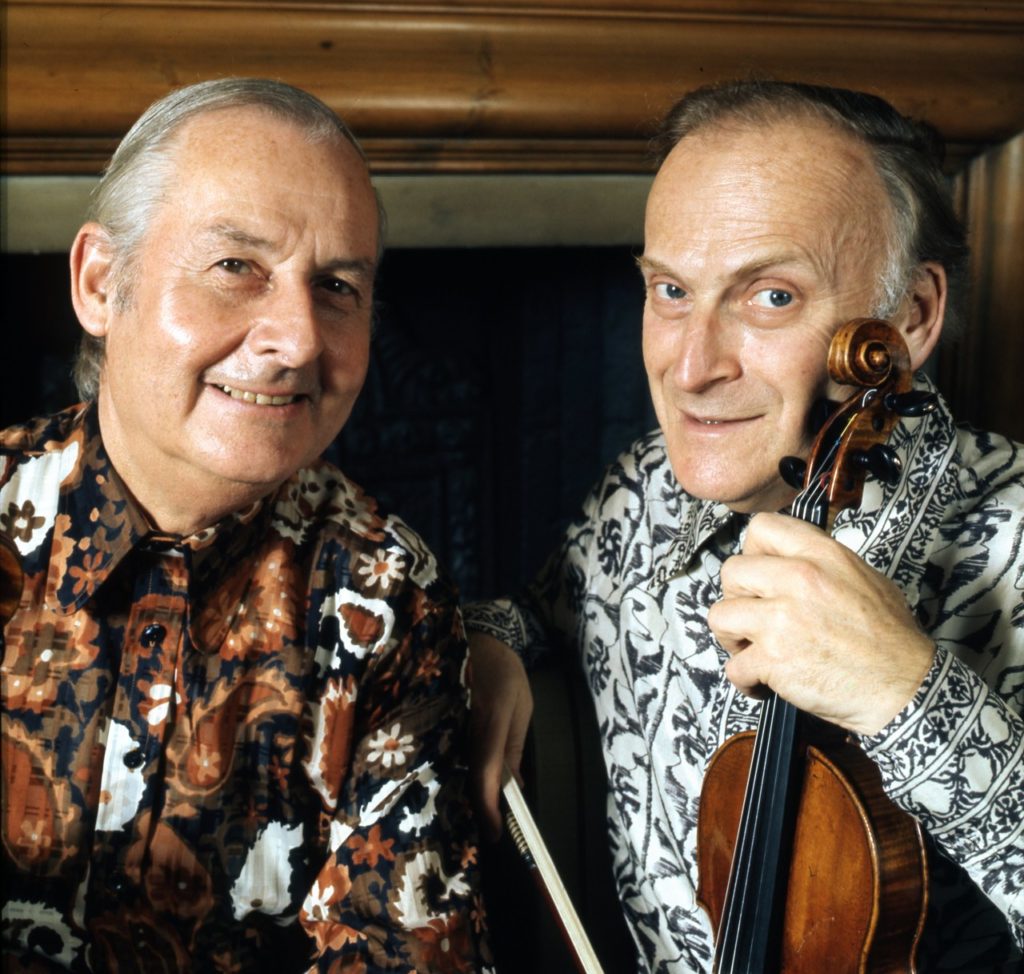
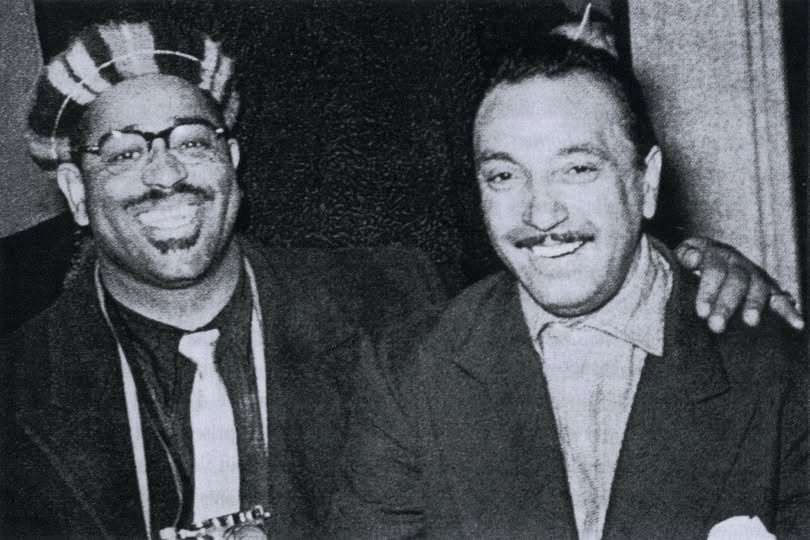
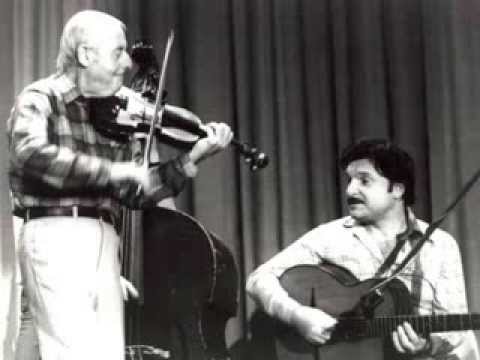
The very fact of the release of three albums by the duo Grappelli speaks to the success of this endeavor./Menuhin for four years. The baton was picked up by guitarist Diz Disley, who suggested that Stephane revive the spirit of the quintet of the thirties, but with a greater emphasis on the violin. The result was charming, with a soft warm breath between phrases, with a well-honed melody and weightless improvisations. Disley and Grappelli have released seven records together.
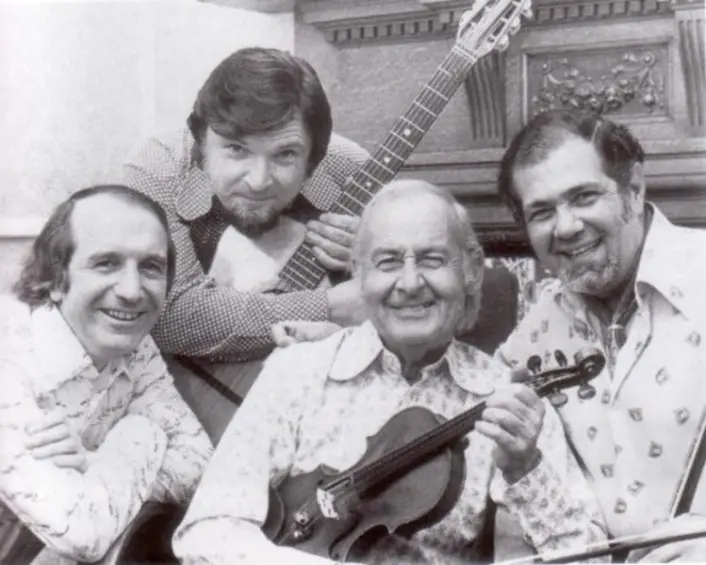
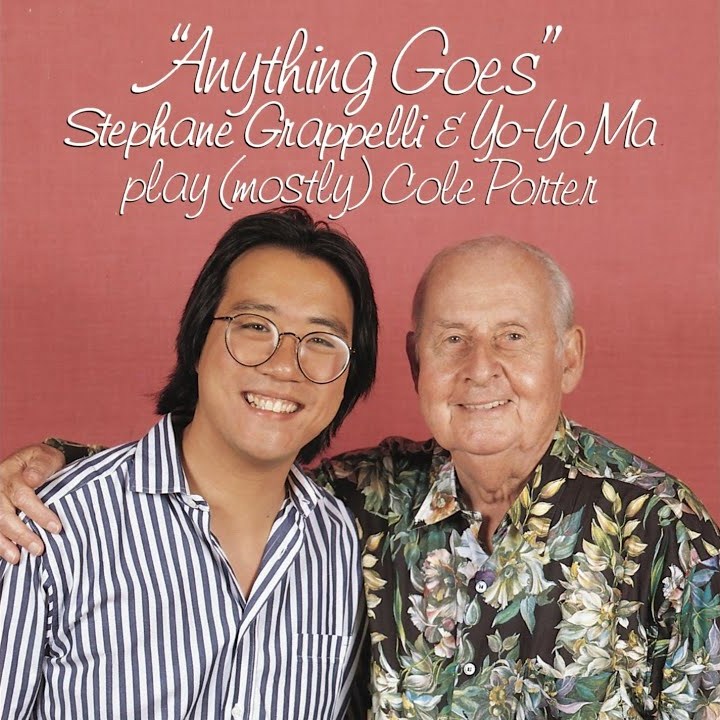
In 1975, Pink Floyd invited Stephane to record for the song “Wish You Were Here”, but later they drowned the violin in the arrangement so much that they decided not to even include him among the recording participants. In 2011, justice was restored by remastering, which made all the instruments sound. Among the huge number of Grappelli’s recordings, the absolutely amazing collaboration with the brilliant cellist Yo-Yo Ma “Anything Goes” also stands out. Stephane Grappelli gave his last concerts at the age of 89 in 1997 in Australia and New Zealand, after which he returned to Paris, where he died on December 1 of the same year.
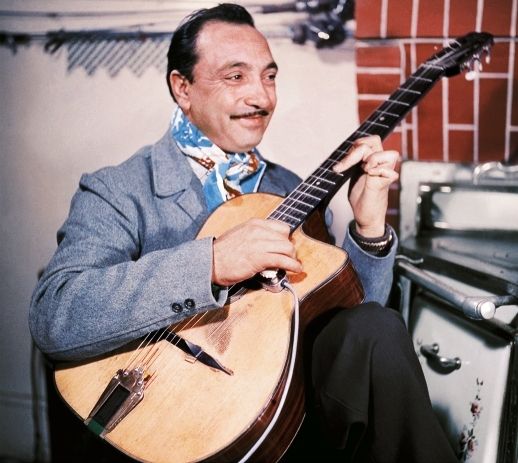
The influence of Django Reinhardt and Stephane Grappelli on jazz and the mass culture in general cannot be estimated. Big fans were Chet Atkins, Willie Nelson, Mark Knopfler, Jeff Beck. Black Sabbath guitarist Tony Iommi, who had a similar hand injury, believed in himself after hearing Django (for better or worse, another question). Manush or gypsy jazz is flourishing to this day, represented by such musicians as Stoshelo Rosenberg, Bireli Lagren, Frank Vignola and others. The Samois-sur-Seine commune hosts the annual Django Reinhardt Memorial Festival. The story is not over.




In the movie “Sweet and Lowdown”, mostly tales about Charlie Parker are reproduced – shooting at rats, stealing silver ashtrays… And Sean Penn always says a stupid phrase that no one else plays like that, there is only one gypsy in Paris – in fact, the musicians had a carriage and a small cart.
After waiting for the last part, I reread everything in one fell swoop, it turned out to be a good series.