I don’t know exactly when it happened, but Cargo 200 has long been a much scarier horror movie for me than any John Carpenter or David Cronenberg movie. And Leonard Cohen’s Everybody Knows scares more than any horror-punk track. Let them call me completely lost in nostalgia or even just not quite adequate, but I will still say that the reason is simple: it used to be better and the grass was greener. And when the world was plus or minus in order, scary things had to be looked for in something beyond and supernatural. Now the situation is such that ordinary existential horror scares much more than any werewolves and vampires.
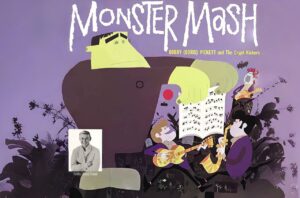
Nevertheless, there is one Halloween song from a beautiful faraway place that remains popular even 64 years later. It even recently hit the music charts again: in 2021, 2022 and 2023. To be honest, it’s so popular that I just won’t believe anyone who says they’ve never heard it. It has been on countless soundtracks, it is played on the radio and sometimes even in stores, just as “last Christmas I gave you my heart” sounds from all the irons during the New Year season. And we are talking, of course, about the composition of Bobby Pickett’s Monster Mash.
How did Monster Mash come about? Song History
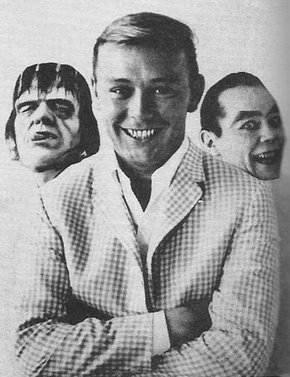
History has no consensus on exactly how and why Monster Mash appeared. Steve Greenberg, for example, says that in 1962, America was just going crazy for monster movies. The classic Dracula, Frankenstein and the Invisible Man were released from cinema screens for the first time and moved to home television, which made the United States remember and love the immortal black-and-white horror films again. Monsters began to appear on lunch boxes and were sold as toys… In addition, the wave of wild rock and roll was replaced by commercial dance music, so radio stations were flooded with a lot of quazi rock-and-roll, but much more civil dances: twist, watusi, mashed potato (the mash), stroll, et cetera. According to Greenberg, Bobby Pickett cold-bloodedly and very purposefully combined two popular dances into one track and got the quite expected hit.
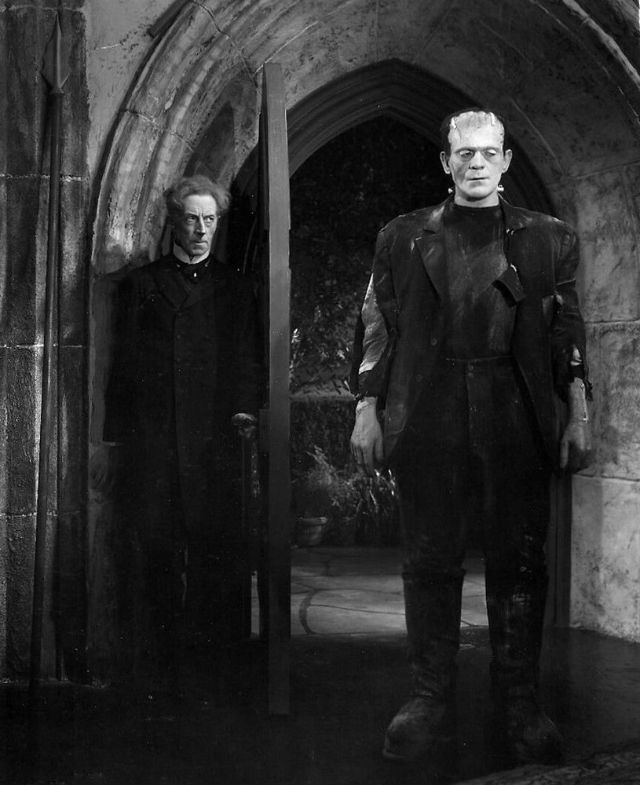
A more popular version suggests that Pickett simply loved old horror movies. Comrade Pickett’s father ran a cinema, and therefore Bobby became addicted to cinema from a young age, and he especially liked horror films. In particular, Pickett was a fan of Boris Karloff, whom to this day every true moviegoer deeply loves for his performance of Imhotep from the original Mummy, Fu Manchu, Frankenstein and many others. It was Karloff who Bobby parodied most successfully: before recording the Monstrous Mash, Pickett would manage to win several talent shows with his comedy act built around imitating the famous actor. Therefore, when he got to imitating music, Bobby simply continued to use a successful stage image, which he himself really liked. There was no talk of any deliberate musical success: in particular, Pickett himself mentioned in an interview that he wanted to become an actor, but the only agent he managed to find after months of searching died of a heart attack two weeks later, and Bobby Pickett’s acting career clearly went nowhere. Monster Mash was a way for Pickett to make some money: in the same interview, Bobby recalls how he never doubted for a second that only a couple of Karloff complete fans would love the song. But familiar musician Gary Paxton, who performed the piano part and created sound effects for the legendary track, believed in the future hit from the first day. Providing backing vocals was the all-female Black group The Blossoms, featuring Darlene Love; she later recalled that the song was very ridicoulos – making it difficult to record and that none of the session musicians really believed it got more than zero potential.
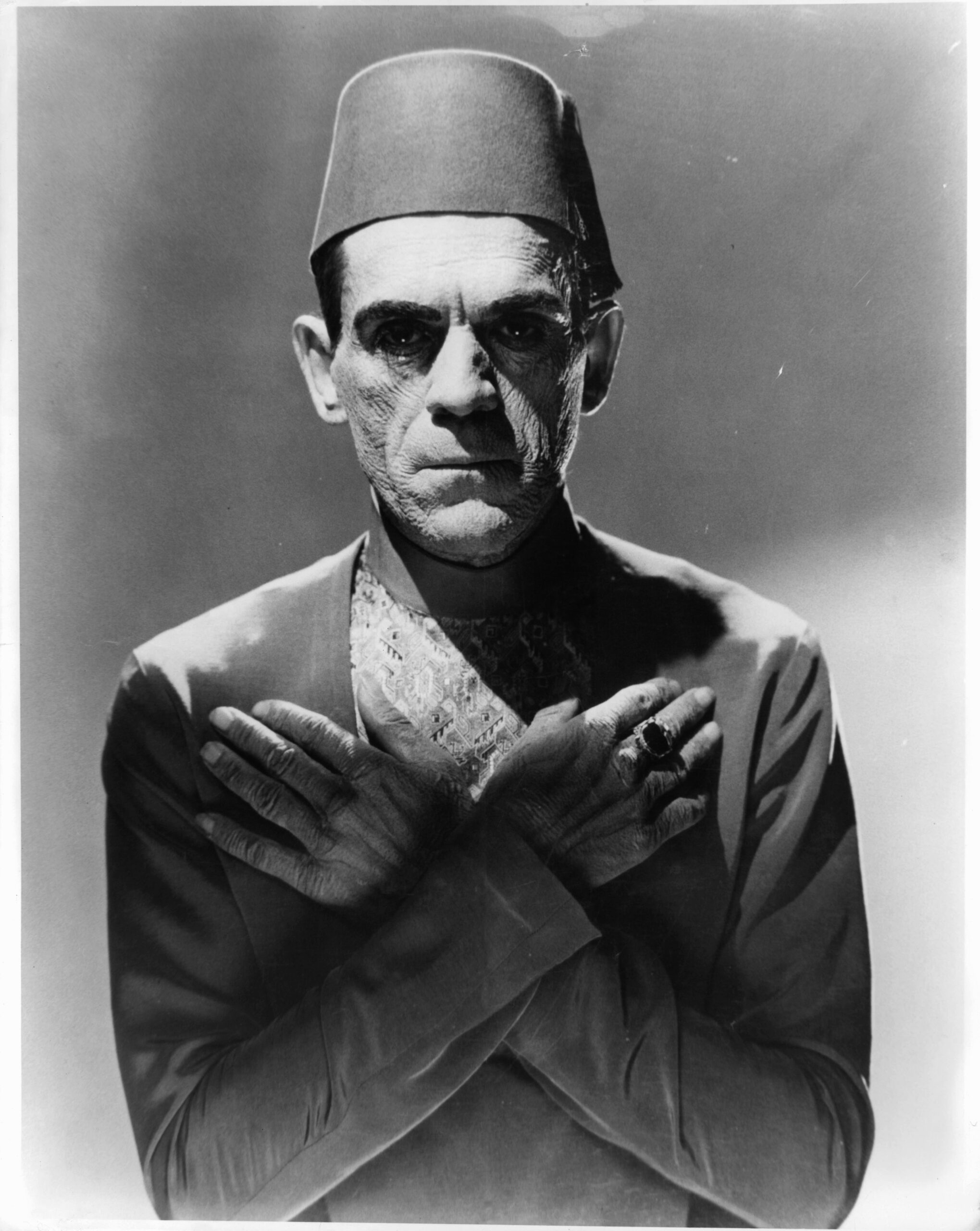
The truth, as usual, is somewhere nearby. On the one hand, Pickett was definitely a fan of Karloff and wanted to be an actor. On the other hand, after Monster Mash became a hit, Bobby did not hesitate to record an entire album of tracks of this kind and continued to record from time to time until 1993. And he attended all sorts of conventions and other gatherings right up to the end of his life, not considering it shameful to take quite decent money for an autograph. So love is love, and pragmatism was definitely no stranger to Pickett, and in his eyes a business approach could well coexist with creativity.
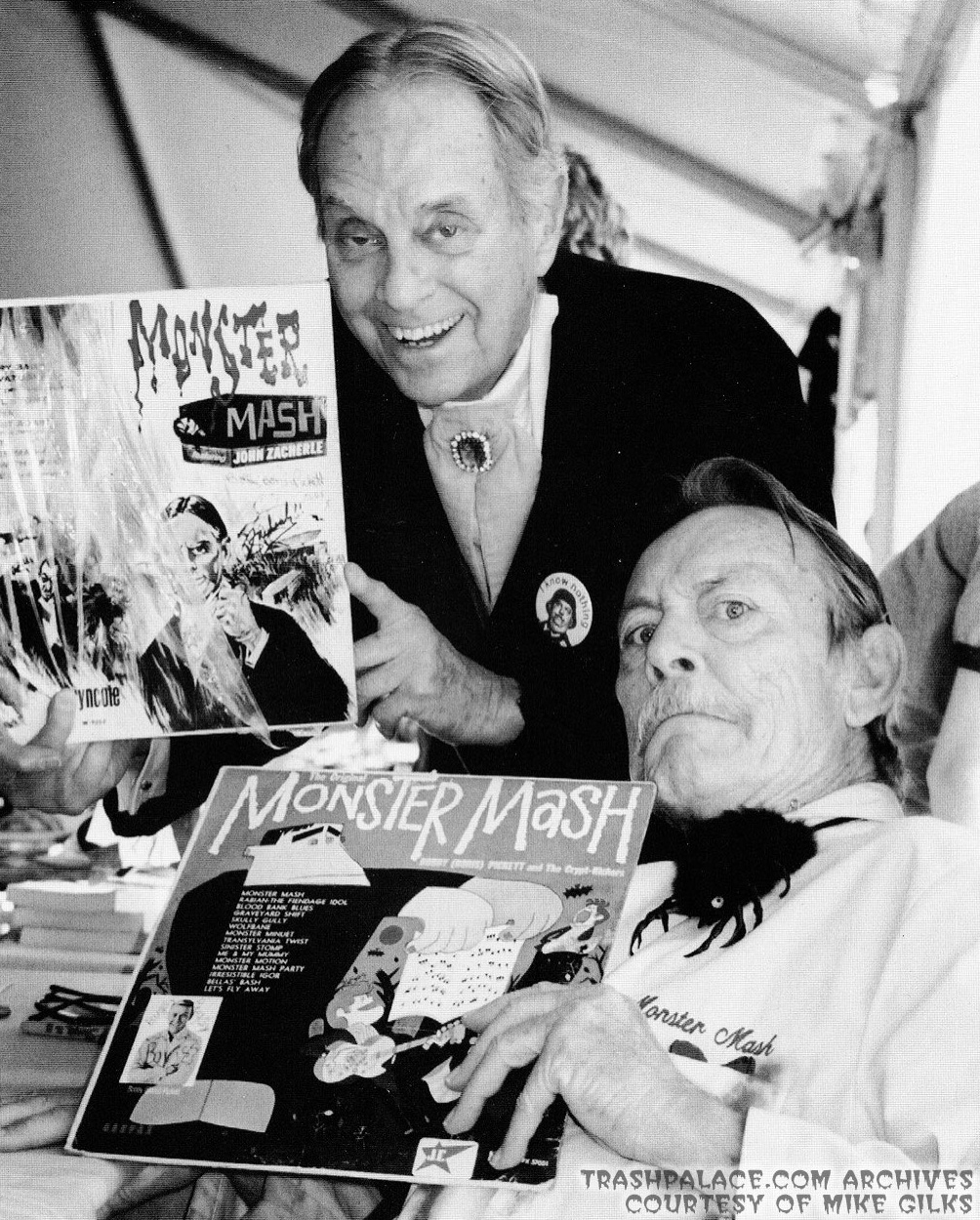
What is known for sure is that no label in 1962 saw Monster Mash as a track worth spending precious vinyl reserves on. Why? Good question. Labels are not required to explain refusals, but BBC Radio, for example, refused to play the track in the same 62nd, giving as an official explanation the phrase “too morbid”, which can be translated as “too gloomy”. Whether Monster Mash was really too dark at the time of 1962 is difficult to say.
Here’s the thing: the songs banned by the BBC and the reasons why they were banned are something with something that deserves a separate article. For example, in 1942, Bing Crosby’s Deep In The Heart Of Texas was not broadcast: the management seriously considered that factory workers would be distracted from their instruments and clap their hands to the beat of the music, and during the war this was absolutely unacceptable. The Everly brothers’ Ebony Eyes was banned because “the lyrics are too tragic.” David Bowie’s Space Oddity was banned until Apollo 11 successfully completed its flight. And, of course, we must not forget how in 2013 the song Ding Dong The Witch Is Dead from the 1939 film The Wizard of Oz was banned. The solemn blow by Banhammer 74 years after the release of the film was timed to coincide with the death of Margaret Thatcher.
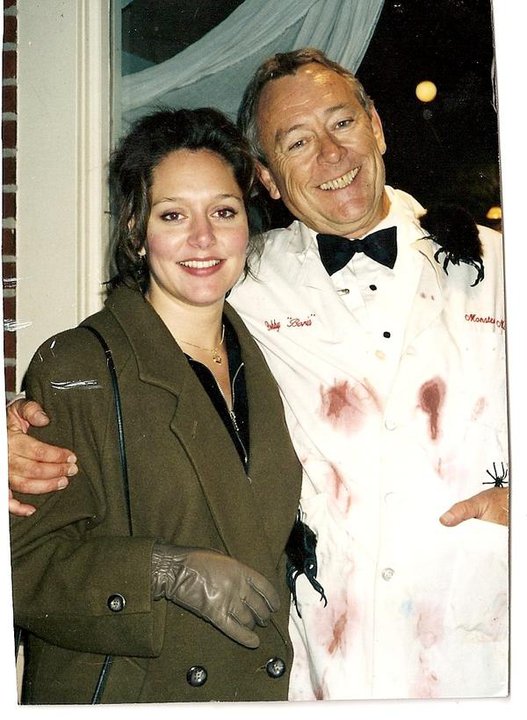
Anyway, apart from the BBC version about the excessive gloominess of the Monstrous Mash, there don’t seem to be any other versions. Of course, there is a banal assumption that simply none of the big labels understood the potential of the song, but somehow it is painfully hard to believe in such a thing. A small print run of several hundred copies was also given to much weaker recordings. In general, in the end, Gary Paxton personally took over the distribution. He had a hit called Alley Oop just a couple of years ago and had some money left, so Paxton personally ordered a thousand records, without much thought about the name, signed the discs to the Garpacks label and sent the resulting indie horror to DJs on radio stations all over the country.The success was amazing. The rest is history.
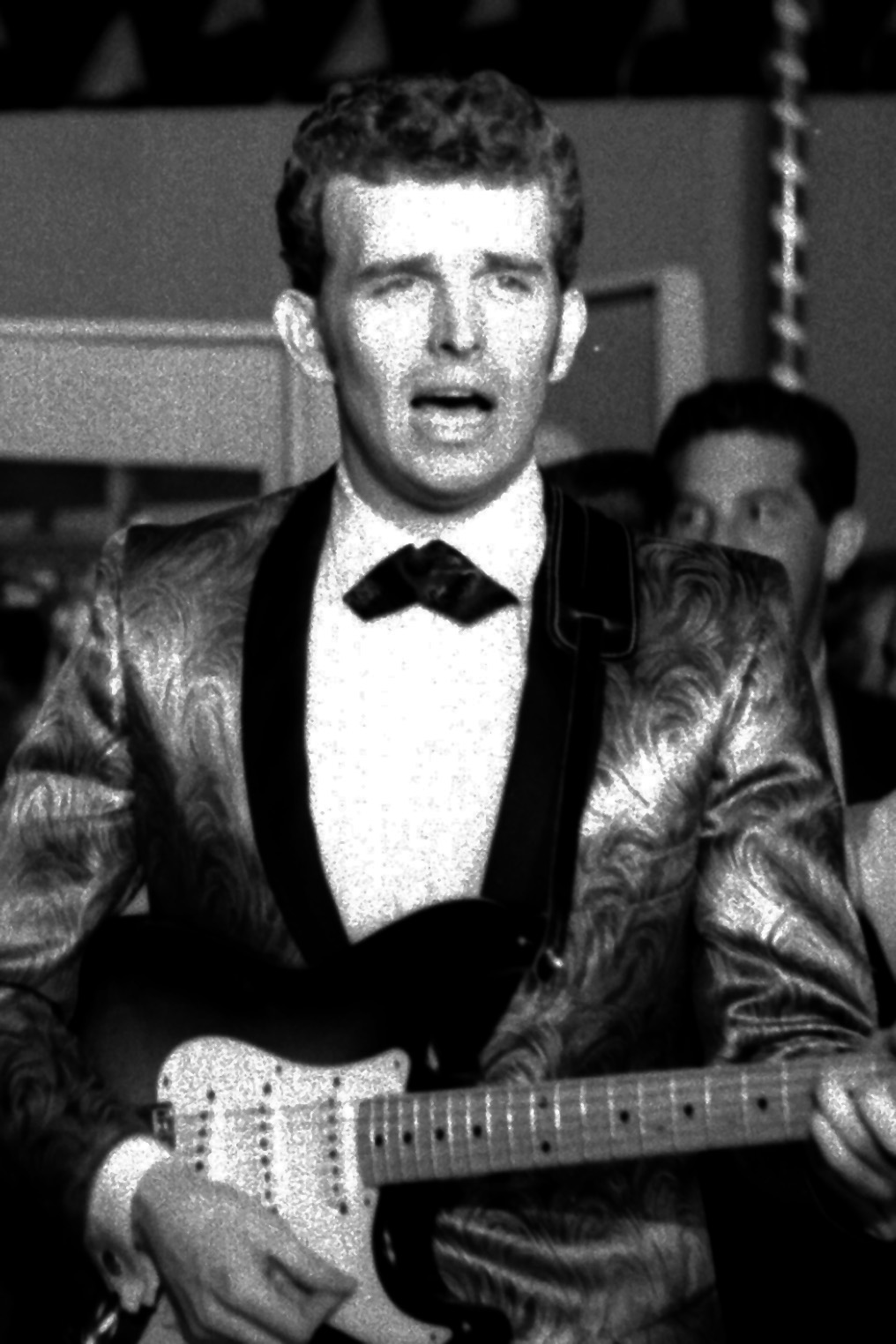
But there is one point that I personally do not understand in this whole story. Let me highlight the following point from all of the above: even if Pickett did not initially plan Monster Mash as a commercial hit, he was still definitely not shy about monetization after the success of the record. And Bobby was absolutely trying to record another hit. Most of Bobby Pickett’s songs are based on the image and likeness of a Monstrous Mash: a popular dance based on a skilful parody of Boris Karloff’s voice and sound effects. The same cabbage soup, but pour in more.
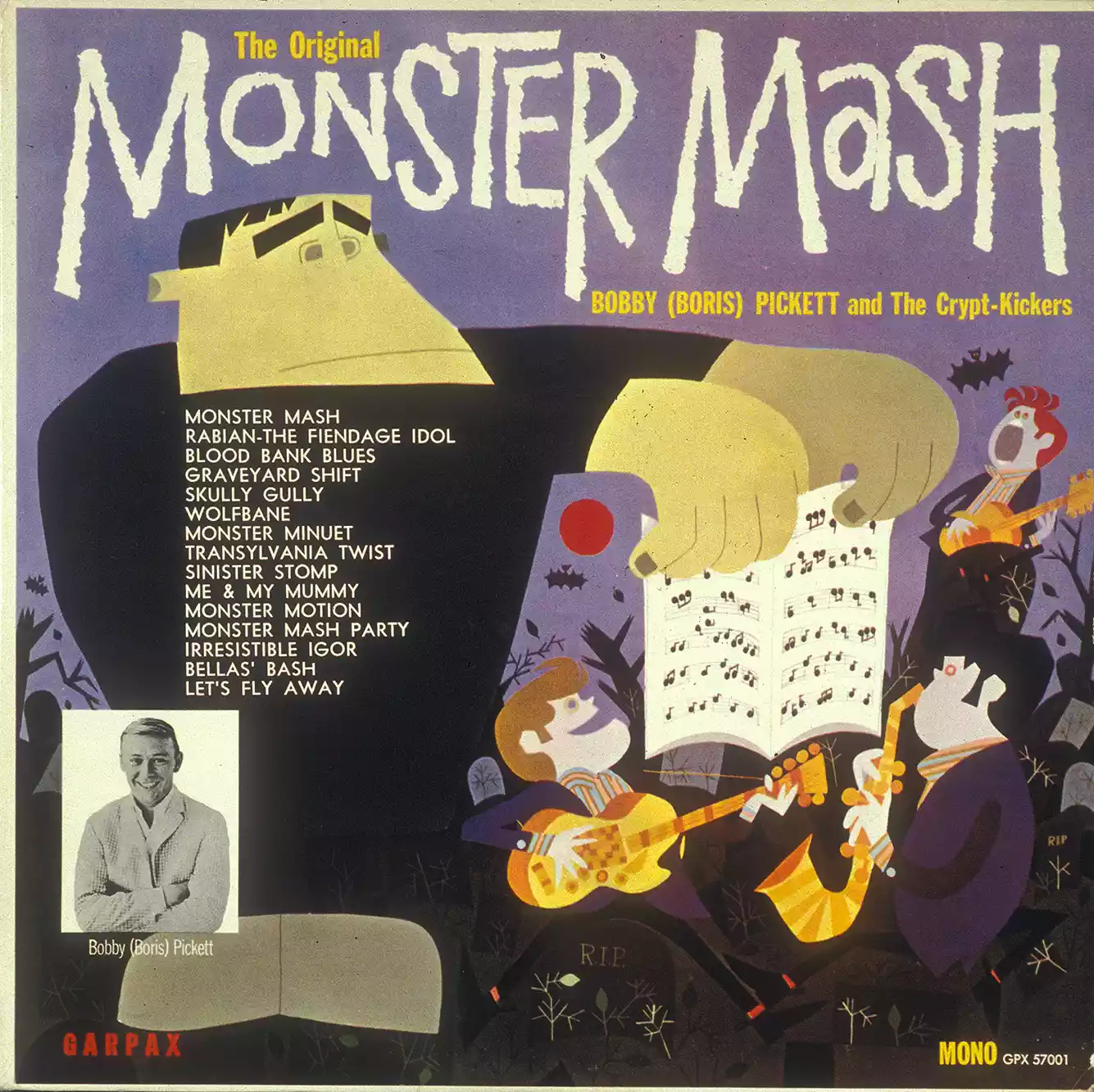
Other Bobby Pickett Songs
Maybe Pickett couldn’t get monotonous enough after all. Real conveyors are as safe as possible. Their absolutely tasteless and unprincipled sequels and franchises are no creativity, a minimum of creativity. Just repeat the template and the success of the original. All the early Merseybeat bands sound like the Beatles. All Motown Sound songs were recorded by the same band, The Funk Brothers, using the same template. Bobby Pickett, however, chose different popular dances, sometimes changing the set of instruments… As a result: commercially failed. But his songs are… It’s still interesting to listen. Yes, he doesn’t seem to be reaching his full potential, trying to hit the Monster Mash, but nevertheless, his discography has a certain variety. So finally, I want to make the top 5 songs of the legendary Bobby Pickett that deserve more attention on the night from October to November.
Wolfbane
To be honest, it’s far from the coolest and most original song, but I really like the lyrics. Moreover, this is the track that I personally worked a little bit on, and therefore I want to share the result. It seemed to me that there was too much growling at the end of the song, so I decided to cut it out. So I present you Wolfsbane: Rock This Town Edition.
Bobby ‘Boris’ Pickett And The Crypt-Kickers – Wolfbane (Roarless Edit)
Skully Gully
Although Comrade Pickett has a track called Blood Bank Blues, Skully Gully seems to me much more bluesy in sound. The distinctive harmonica and piano somewhere far in the background definitely resemble a very typical blues sound.
Bobby ‘Boris’ Pickett And The Crypt-Kickers – Skully Gully
Me & My Mummy
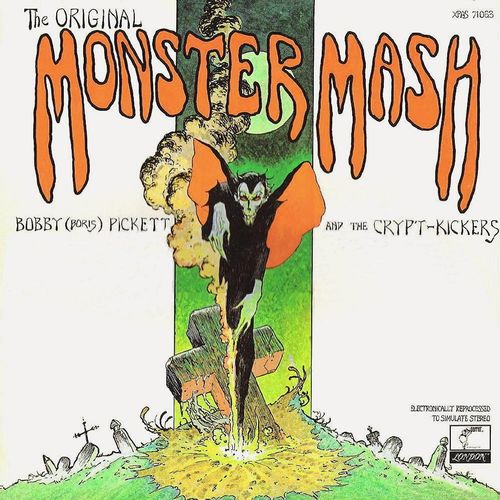
If you came here for horror, then I would say that this particular track is the scariest. The story of how someone fell in love with a mummy, as a result of which he was embalmed and placed in the same crypt with her, personally seems to me very scary, and the slow and rather cheerful sound, which is absolutely unsuitable for this story, only adds to the strange eeriness of this song. In addition, Bobby Pickett for once abandons the Karloff-style recitative and sings a little.
Bobby ‘Boris’ Pickett And The Crypt-Kickers – Me & My Mummy
Monster Rap
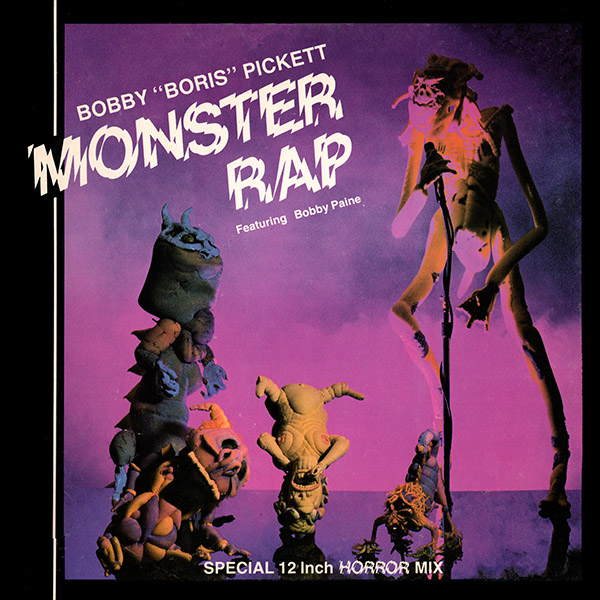
Bobby Pickett found out about rap, which appeared relatively recently (for 1984, of course), and seemed to have found himself. The Roland TR-808 and the Boris Karloff-style recitative seemed to have been created for each other, adding another extremely unusual track to the boundlessly creative golden era of hip-hop. There’s not much to add here: Comrade Pickett performs everything as usual, but the fresh genre of music itself takes him to a new level, and a guest performer, one Bobby Pain, successfully complements the unusual mix.
Bobby ‘Boris’ Pickett & Bobby Paine – Monster Rap (Club Mix)
It’s Alive
10 years have passed since the release of Monster Rap, and Pickett releases his latest and most powerful track. If any of Bobby’s songs deserved to repeat Mash’s success, it’s definitely It’s Alive. Extremely assertive vocals. A lot of creativity: in addition to the usual imitation of Karloff, Pickett fully uses two more voices, and each pleases the ear in its own way. The shouts of “it’s alive!” throughout the song are frankly shaking. Musically, Bobby naturally settled on rap: an even beat serves as the main theme of the whole song. And it is impossible not to mention, perhaps, the best lyrics of all Pickett’s songs. I especially liked the moment where the creation of Frankenstein is completed by the power of music.:
Fritz, work quickly! We may lose control!
Only music has the power to give it a soul!
Get The Wolfman on drums, let The Mummy play bass!
Give The Thing a guitar, there’s no time to waste!
Bobby ‘Boris’ Pickett – It’s Alive
***
What can I say in the end? Bobby Pickett’s songs are an extremely interesting thing. They seemed to have absorbed almost the entire previous century. Starting with Boris Karloff and silent films, and ending with rap and synthesizers. And Monster Mash in particular is a phenomenon and a cultural pillar. And the main thing, it seems to me, is not just to listen, but to be fully familiar with the creativity that made such a song come to light. From Boris Karloff to Elvis Presley. From silent movies to rock and roll. Listen to old music, watch old movies. Don’t forget about how it all started. And don’t let vampires bite you. Good luck to all!
Bobby ‘Boris’ Pickett And The Crypt-Kickers – Monster Mash