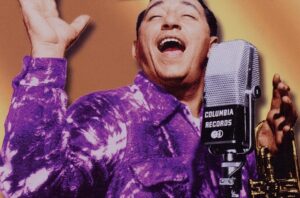
In New Orleans, weddings and funerals are celebrated with equal gaiety. Therefore, going to the sounds of the wind instruments, do not rush to congratulate the hero of the occasion, perhaps he has already departed. For example, this happened to Louis Prima on August 24, 1978, but to this day the kids hear his voice in the Disney classic “The Jungle Book”, where Louis sings in the voice of the banderlog leader Louis. Mature minds will also find his songs in “Analyze This” and other comedies about Italian mafiosi in the USA.
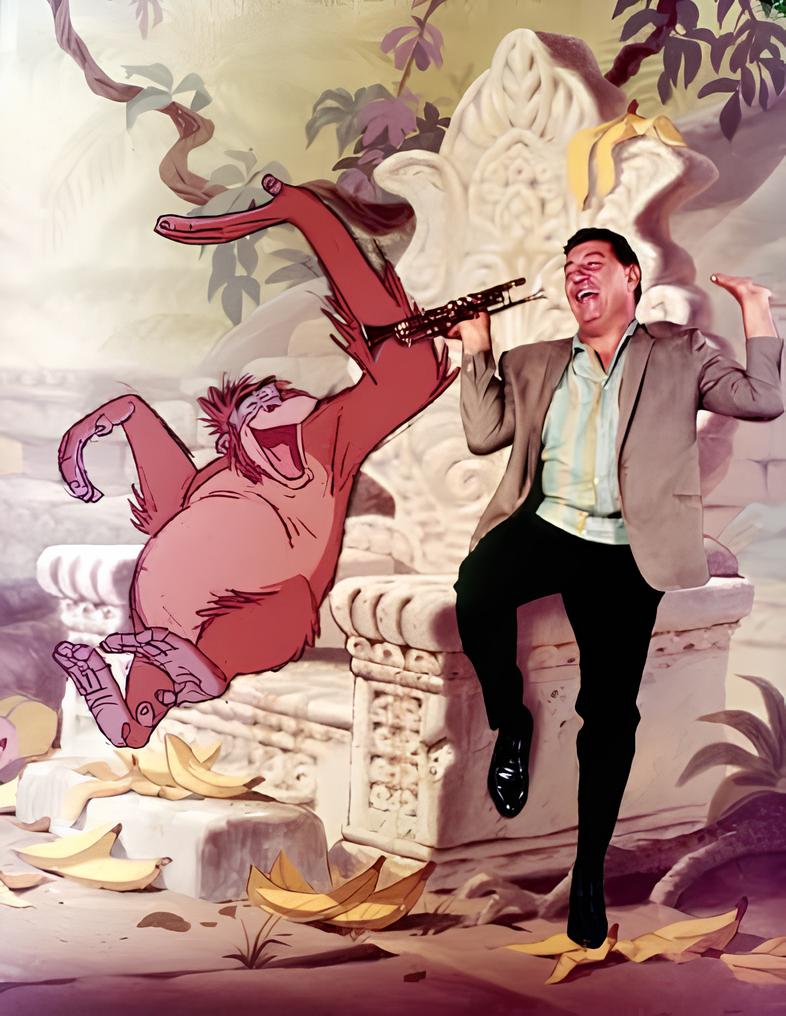
Although Louis had nothing to do with gangsterism during the Prohibition era, unlike, apparently, Leon’s older brother, who opened his own tavern with money, the presence of which cannot be justified by anything other than bootlegging. Exactly when his brother went to Texas in order, apparently, to organize the supply of illegal tequila, Louis, who, at his mother’s insistence, mastered the violin, took up the clarinet, which Leon had left at home, and together with his school friends organized his first jazz band.
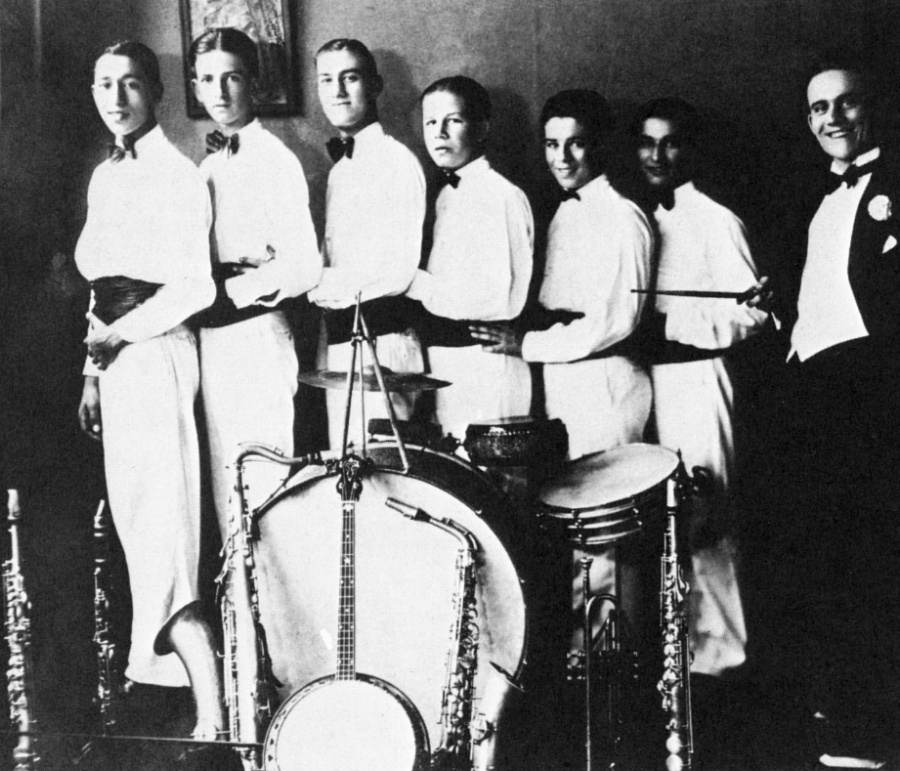
While making music in New Orleans, it is impossible not to organize jazz bands. Even the most ferocious hurricanes did not break the desire of the local public to play music. Moreover, it was in the 1920s that the talent of a certain Louis (every second one is called Louis, it seems) Armstrong, the future world jazz star and the prototype of many cartoon characters from Kievnauchfilm, flourished under the wing of King Oliver.
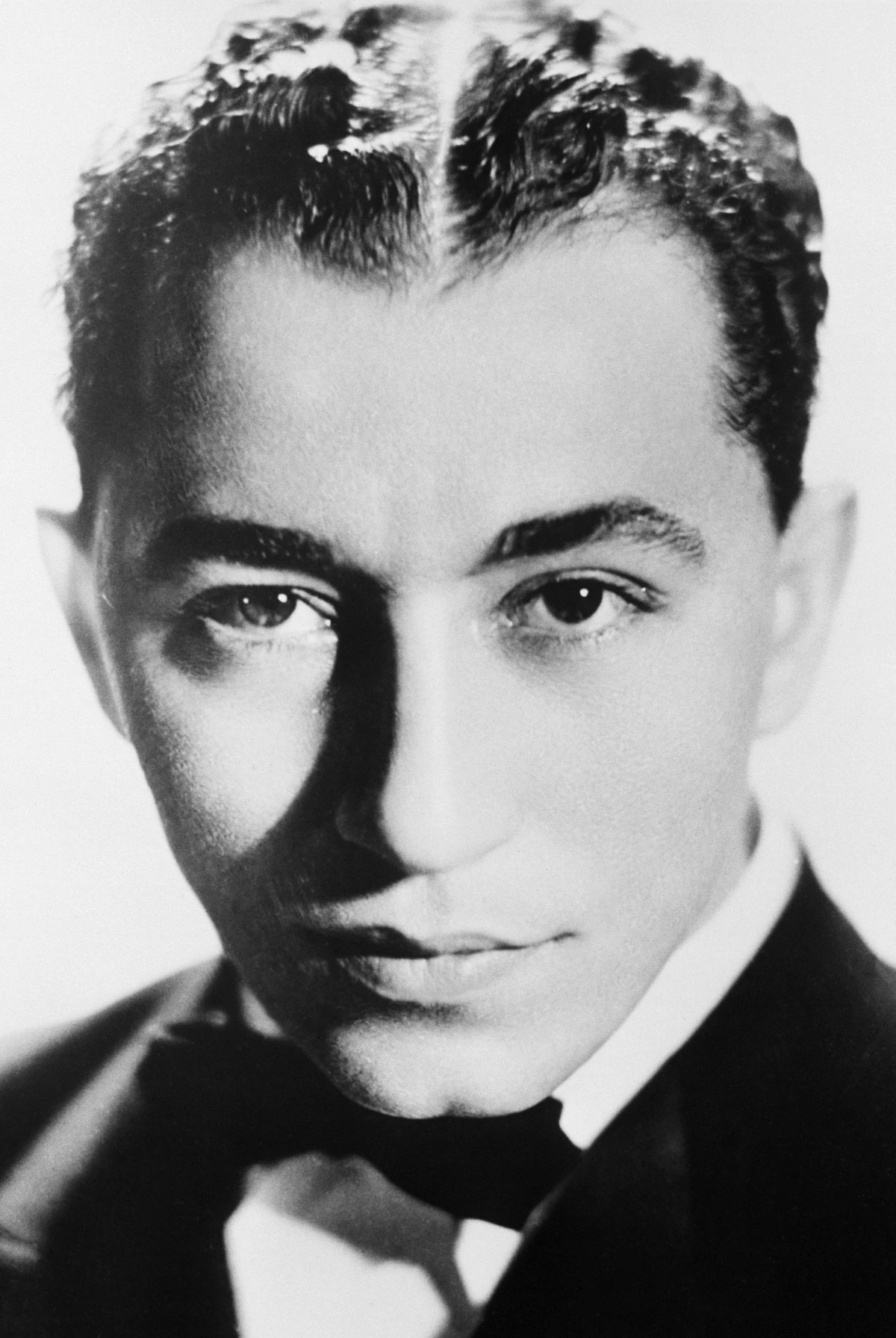
By 1928, Louis Prima, who had reached the age of eighteen, decided that he was already an adult professional musician, working on a steamer and in brothels. It should be noted that segregation did not flourish in New Orleans as it did in the rest of the South. Italian Americans were free to attend concerts by African Americans and vice versa. That’s why Prima quickly picked up the right notes. But soon the maps were confused by the Great Depression. Stockbrokers began to step out of the windows, and starving musicians moved to industrial megacities.
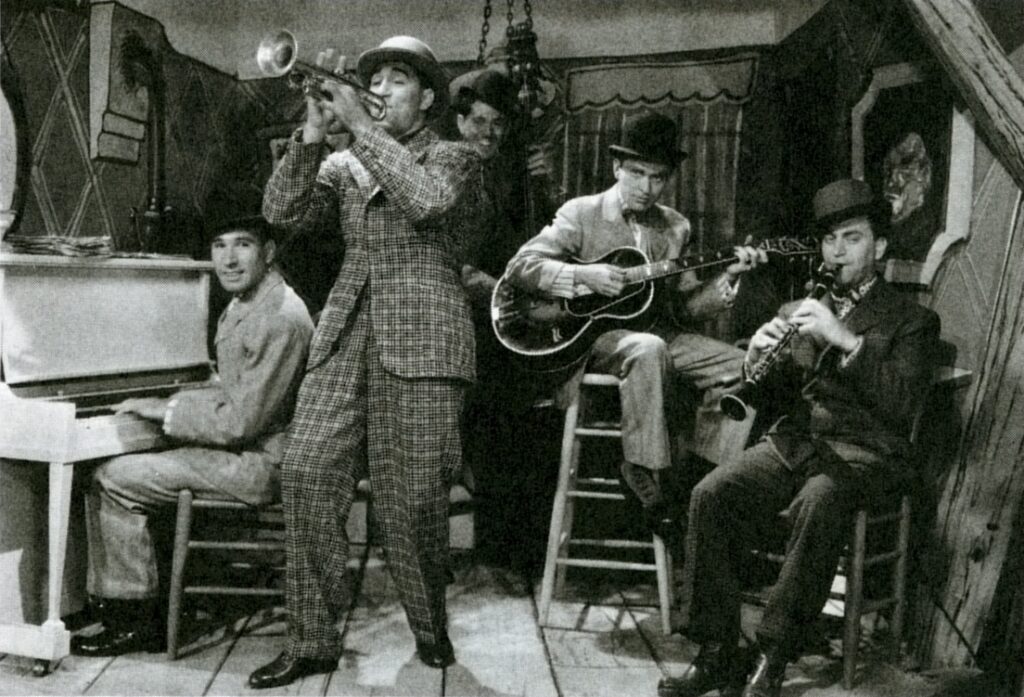
In 1934, Louis signed a contract with the Brunswick label, firmly established in New York. By this time, he was already an accomplished trumpeter who returned the clarinet to his brother. Prima named his new line-up The New Orleans Gang, which, among others, included the famous clarinetist Pee Wee Russell, who in those days was criticized by many for, in their opinion, playing past the notes. After a couple of decades, John Coltrane will come and show everyone what it’s like to play past the notes.
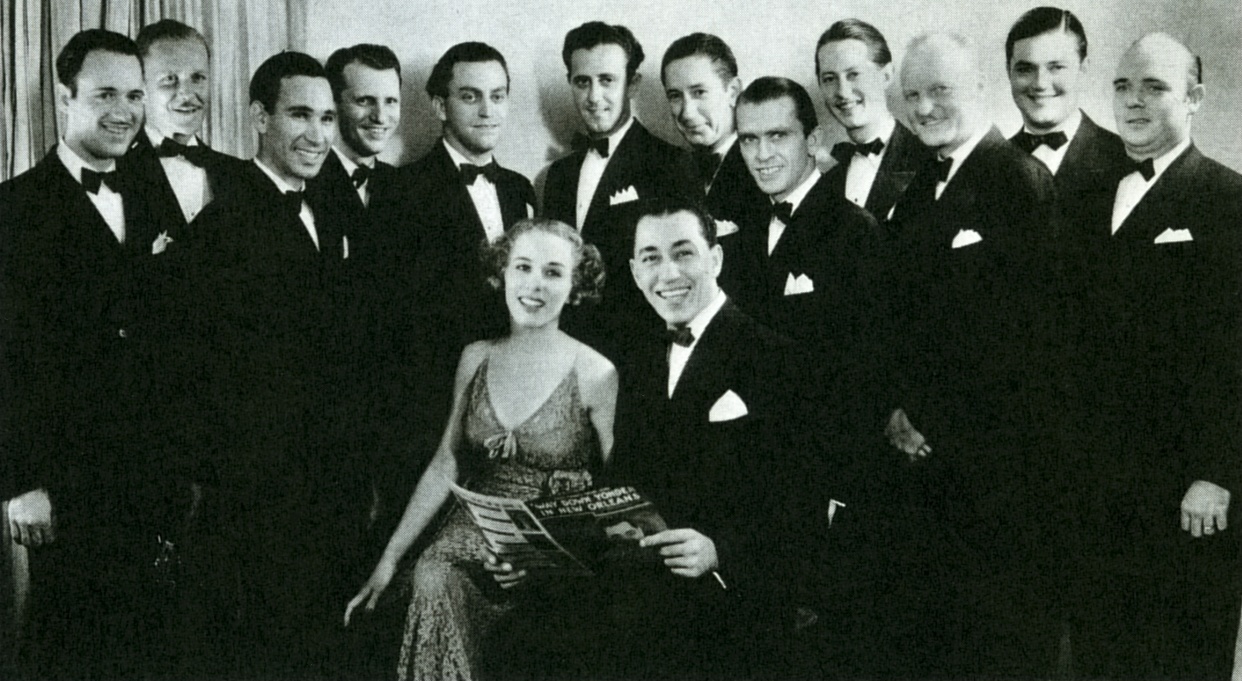
Louis Prima – The Lady In Red (instr)
In 1935, Prima’s little orchestra recorded its first major hit, “The Lady In Red.” Prima already demonstrates here that he does not care about stylistic conventions, all his early recordings combine urban swing and dixieland, although the “Sing, Sing, Sing” released a year later became the standard swing already performed by the Benny Goodman orchestra. Louis also shows himself to be an excellent showman and entertainer, and a short collaboration with actress Marta Ray will affect his work in the future. In 1936, Louis divorced his wife Louise and hired Louis Winter as a double bass player (no, well, there’s definitely every other Louis who isn’t Louise!), then moved to California. Here he finds a new spouse and tries to create a big band.
Benny Goodman Orhestra – Sing Sing Sing

All attempts will be unsuccessful, and Prima will return to New York with her proven combo. He will be noticed by Eleanor Roosevelt, soon Louis Prima will be seen in joint photographs with her husband, which will add popularity. In the forties, Prima added an Italian flavor to her music. Despite the fact that Mussolini’s fascist Italy and later the fascist Republic of Salo (not to be confused with what is known) were opponents of the United States and its allies, Louis’ approach is a resounding success. First of all, among Italian Americans, of course.
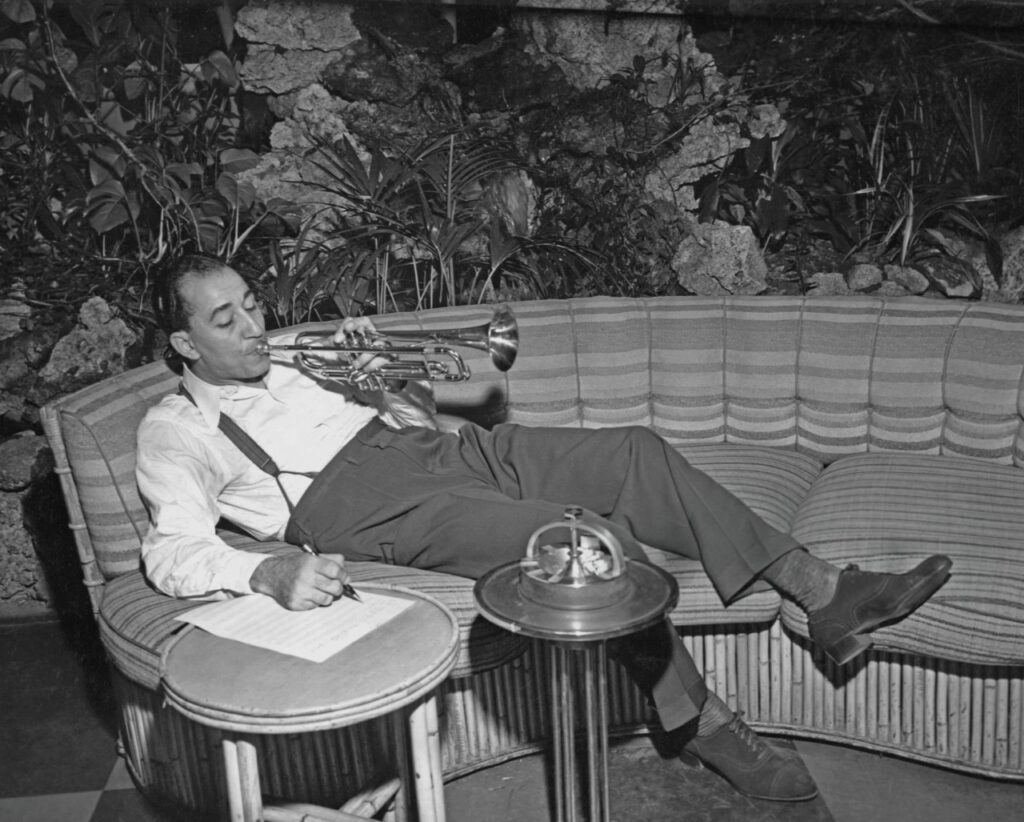
In 1949, Louis meets a young singer, Keely Smith, who will become his fourth wife four years later. We will attribute this love to a Mediterranean temperament, and the invitation to the orchestra is an echo of a successful collaboration with Martha Raye. At this time, the sound of the ensemble was already acquiring jump-blues features with a touch of tarantella and other spaghetti, the vocalist often uses Italian instead of jazz imitation of musical instruments, called skate.
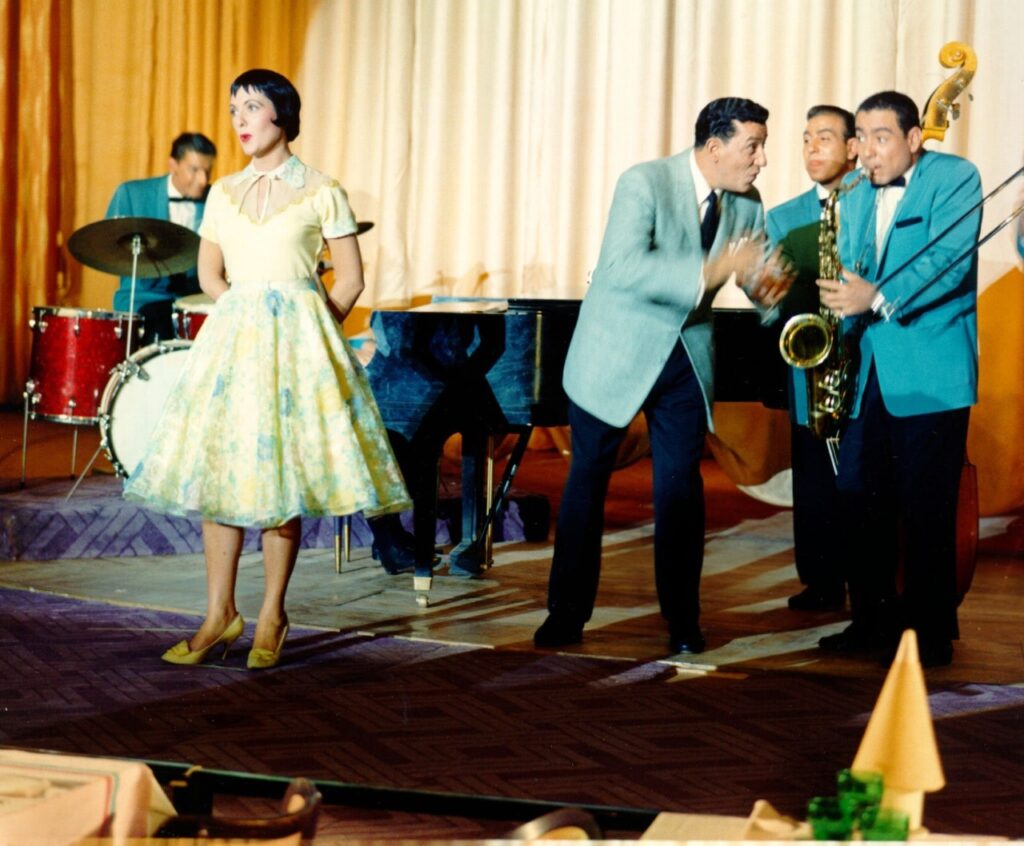
Perhaps the real triumph of Prima should be recognized in 1954 and the following years, when the musician moved to Las Vegas. In addition to Keely Smith, he is joined by virtuoso saxophonist Sam Butera. The show of this trio becomes simply sparkling: Keely with a funeral face, Louis with his fervent, like the farewell words of a mafia, hoarse baritone, Sam with his rollicking, like a last wish, saxophone. Probably, stylistically, this orgy can be defined as a “jive”, even if it sounds very rock’n’roll without any rock’n’roll. The fifties flew by unnoticed and had a lot of fun.
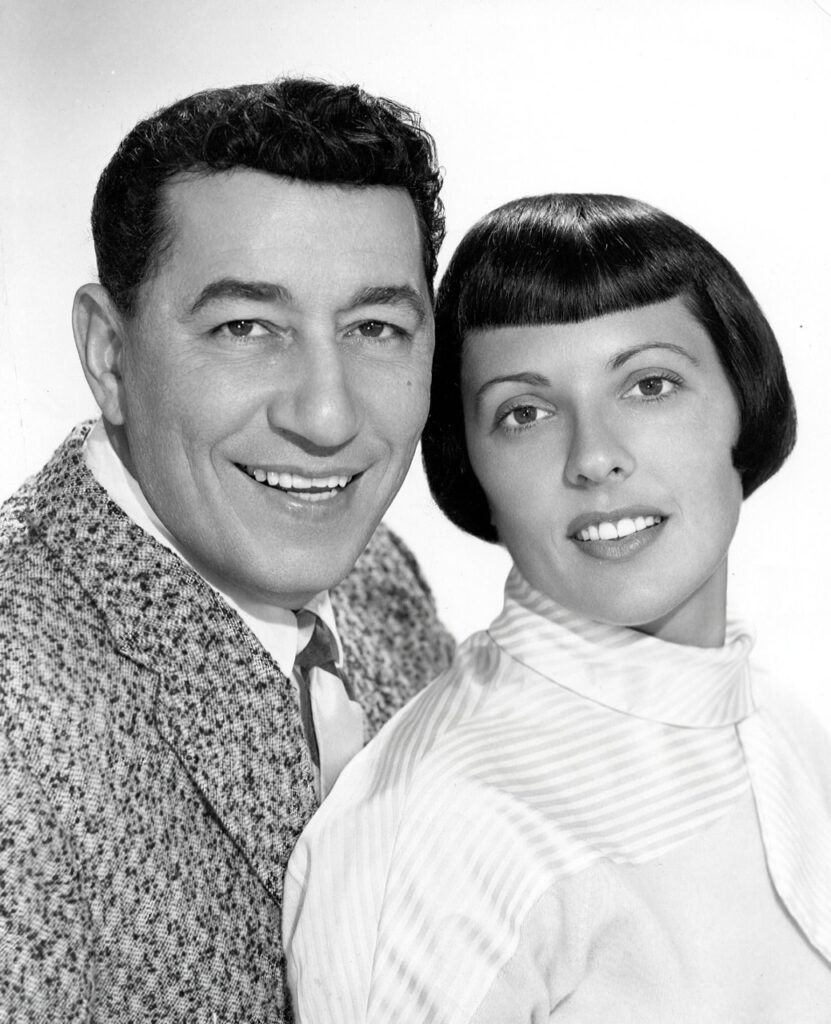
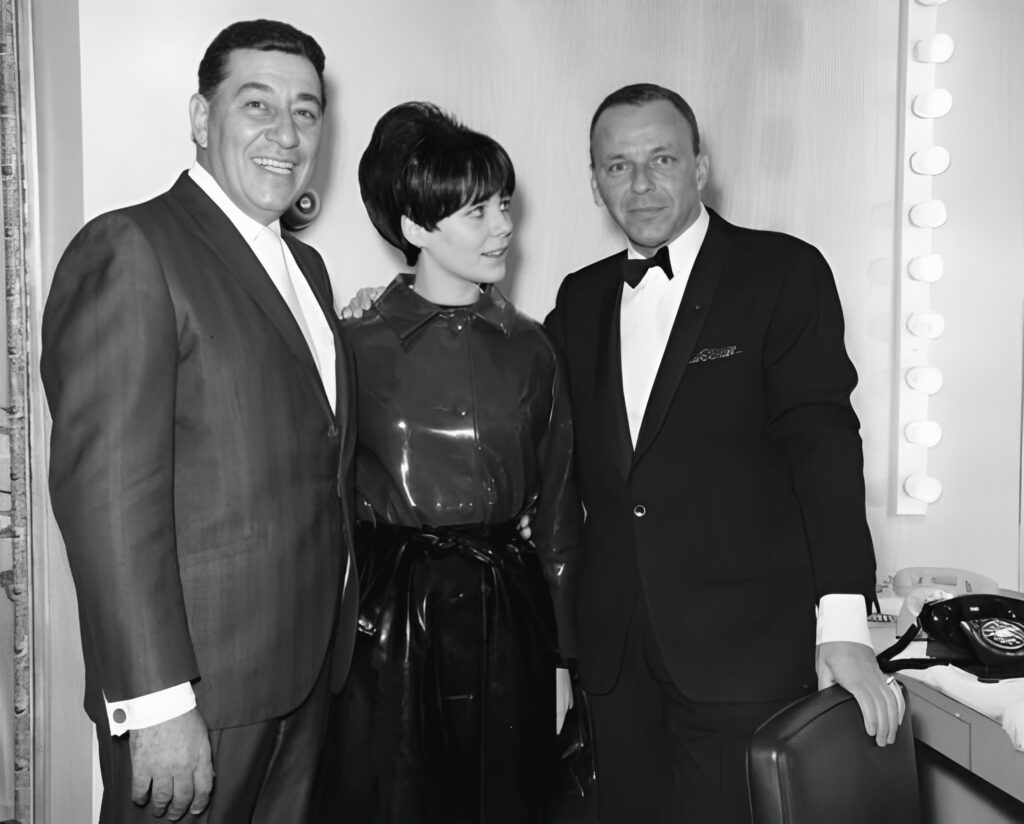
The sixties came with the fashion for a twist. Prima was not at a loss here either: after divorcing Keeley, he married Gia Maione, who also participated in his show. Well, then everything went smoothly, until this minor aforementioned nuisance called death happened.
Louis Prima – Jump Jive an’ Wail
Louis Prima has created his own unique style of music. Having influenced many, he made his sound unique and foot-shaking. “Oh, Marie”, “Just A Gigolo/I Ain’t Got Nobody”, “Jump, Jive An’ Wail”. Don’t listen to Louis at night, Moon Dawgs, then you won’t be able to sleep!