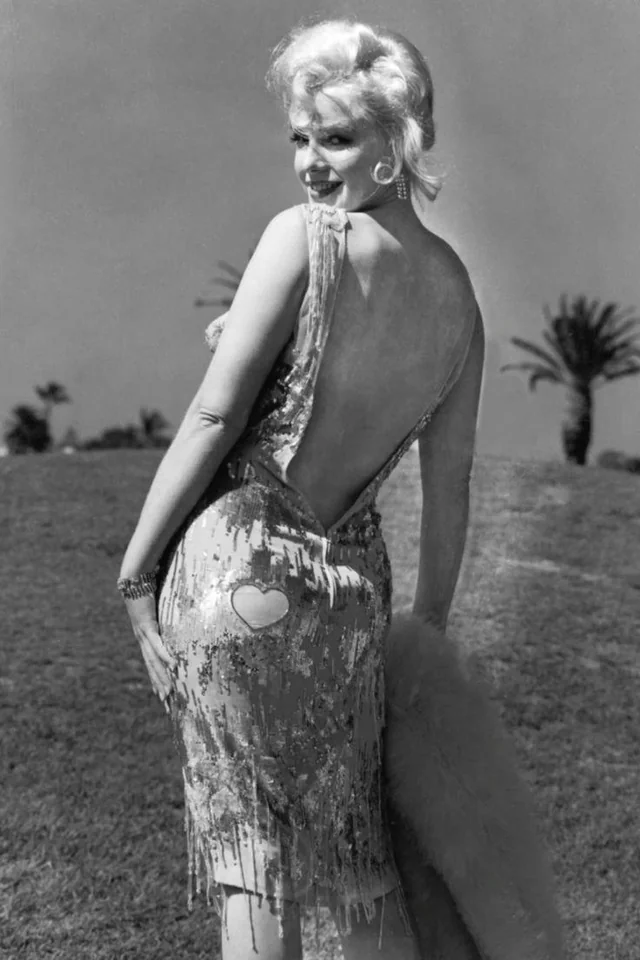
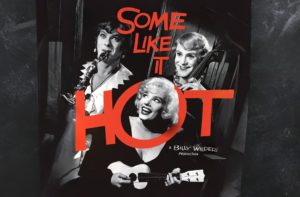
Perhaps the most famous and most beloved image of Marilyn Monroe was created in the film of the classic of American cinema Billy Wilder “Some like It Hot”. It should be noted that after being released in the Soviet Union in 1966, the film changed its name, that was referring to a phraseological unit familiar to every American since childhood with the approximate meaning of “who likes what”. But more on that later, and before that, a little bit about how this movie was born, which, according to some polls, is recognized as the best comedy in the history of American cinema.
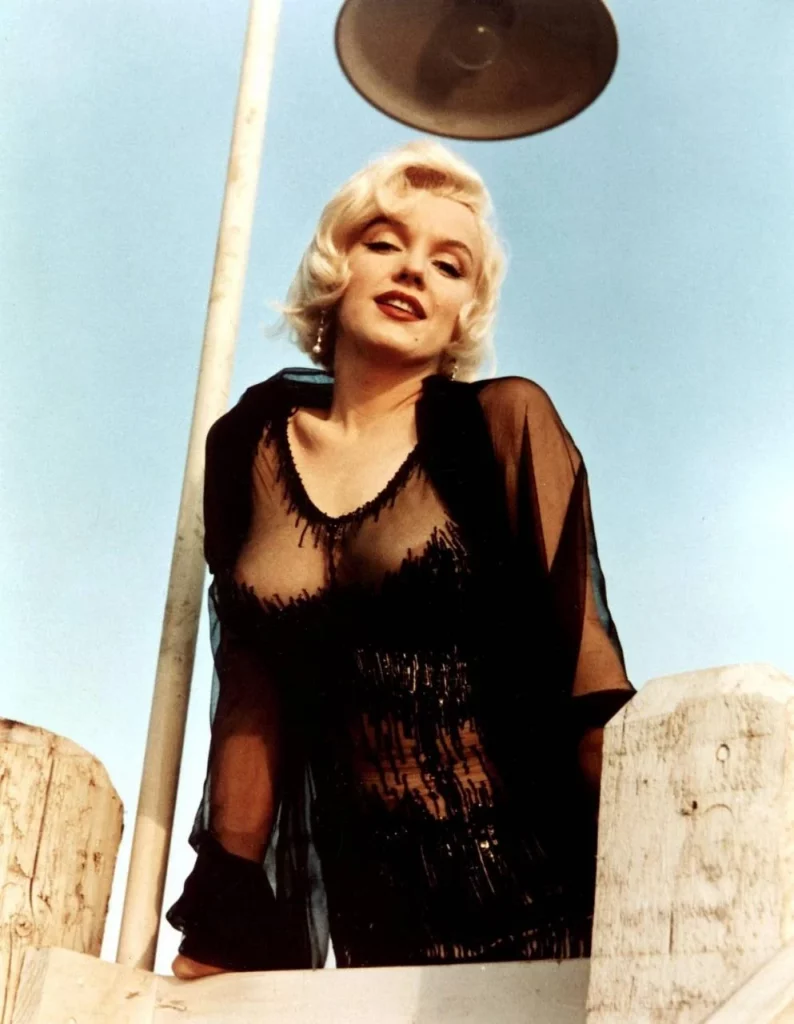
The general contours of the well-known plot collisions of “Some Like It Hot”, with two musician friends dressing up in women’s dresses, were first used in the third-rate French film “Fanfare of Love” almost a quarter of a century before the creation of Billy Wilder’s comedy masterpiece. But the way these travesty contours were inscribed into the historical fabric of the Prohibition era, how wonderfully the characters’ dialogues were written out, and even the suspense was maintained in an exemplary Hitchcockian manner, speaks to the highest skill of the film’s scriptwriters.
 Marilyn and Billy Wilder at a press conference on the release of the movie "Some Like It Hot" on July 8, 1958
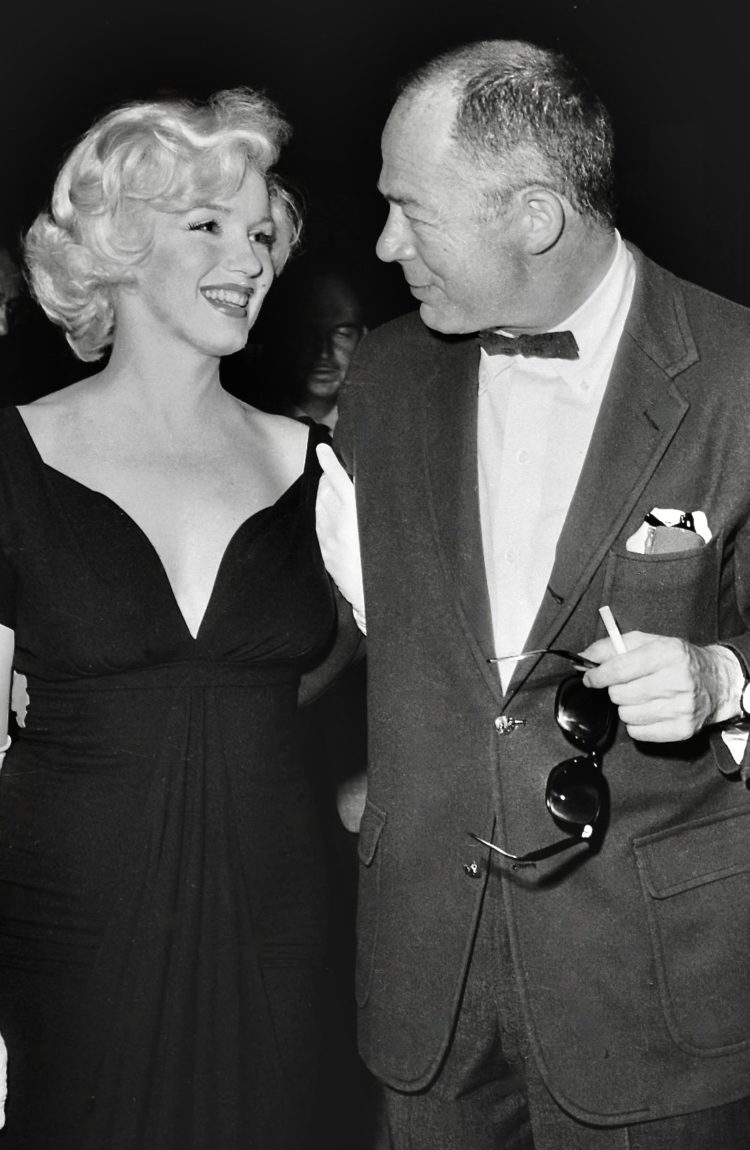
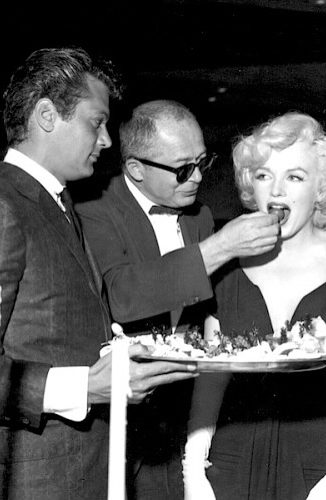
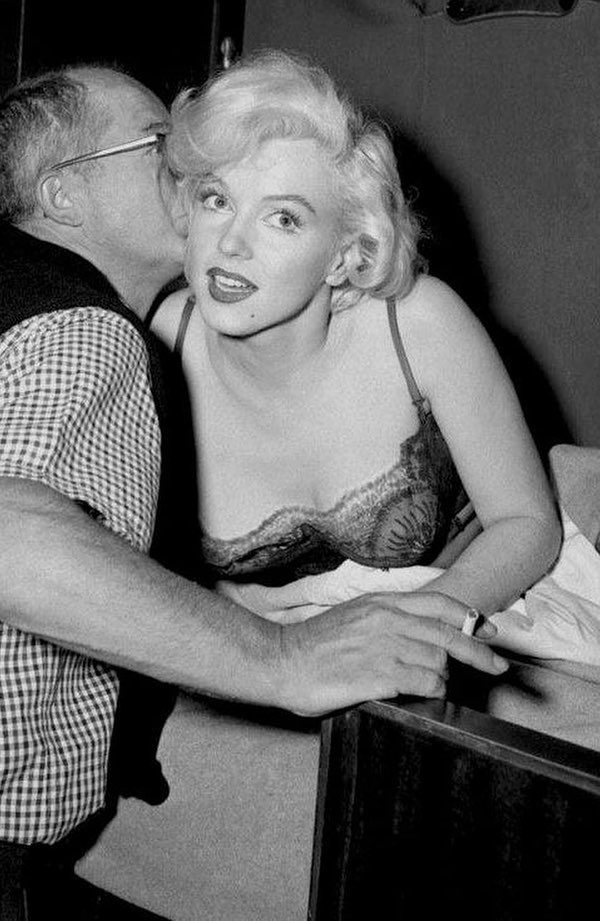
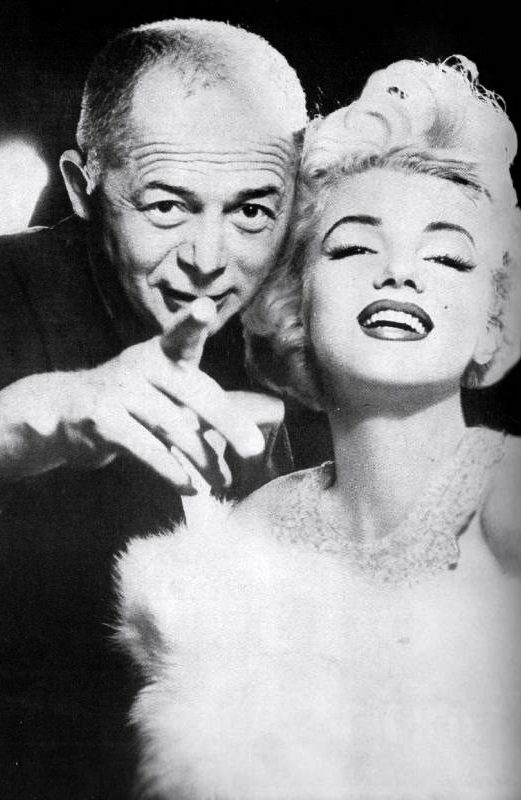
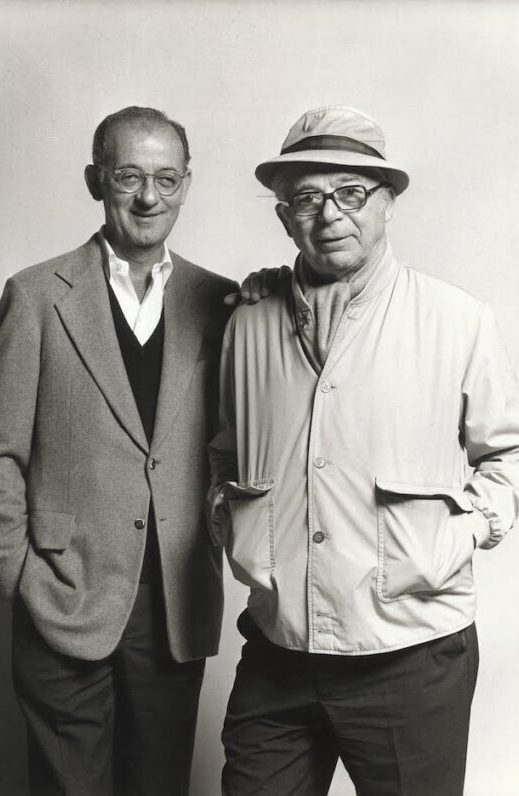
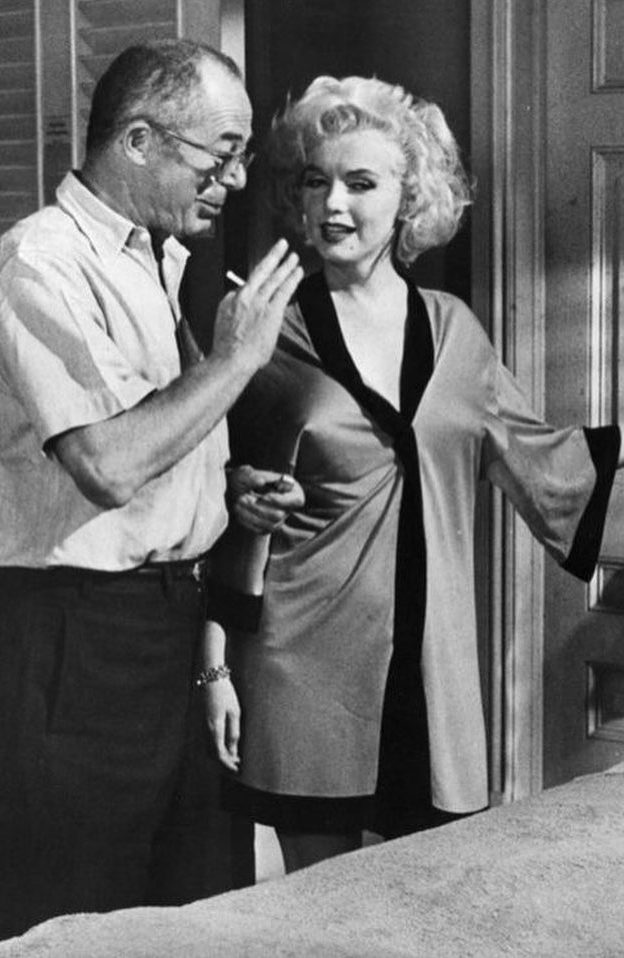
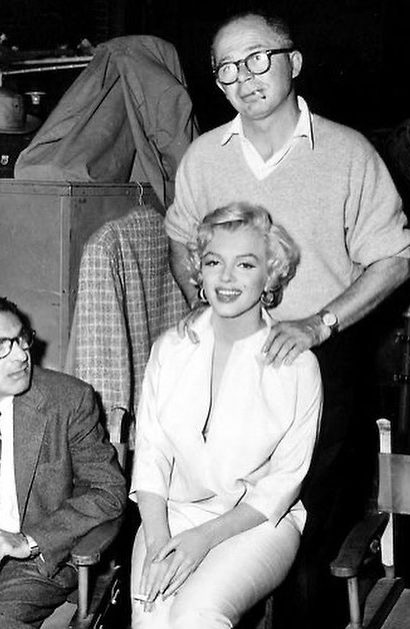
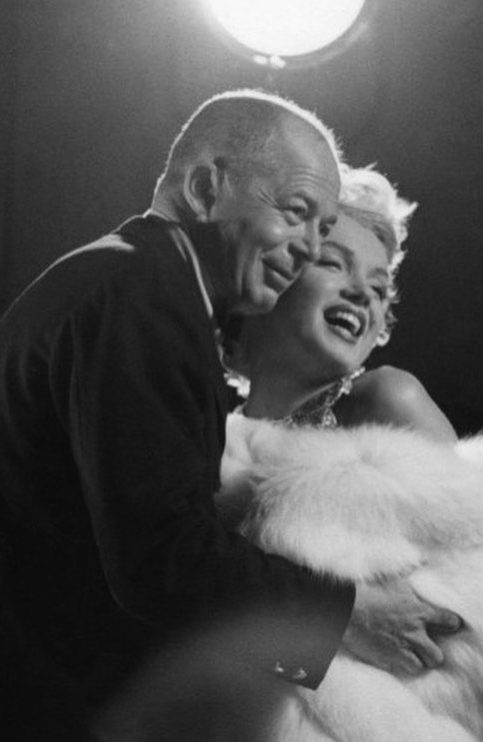
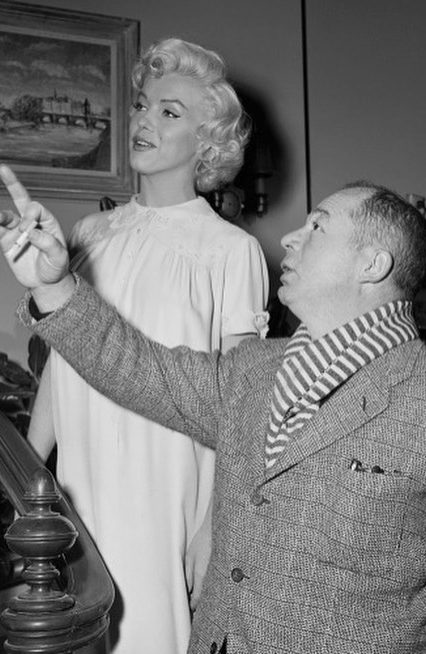
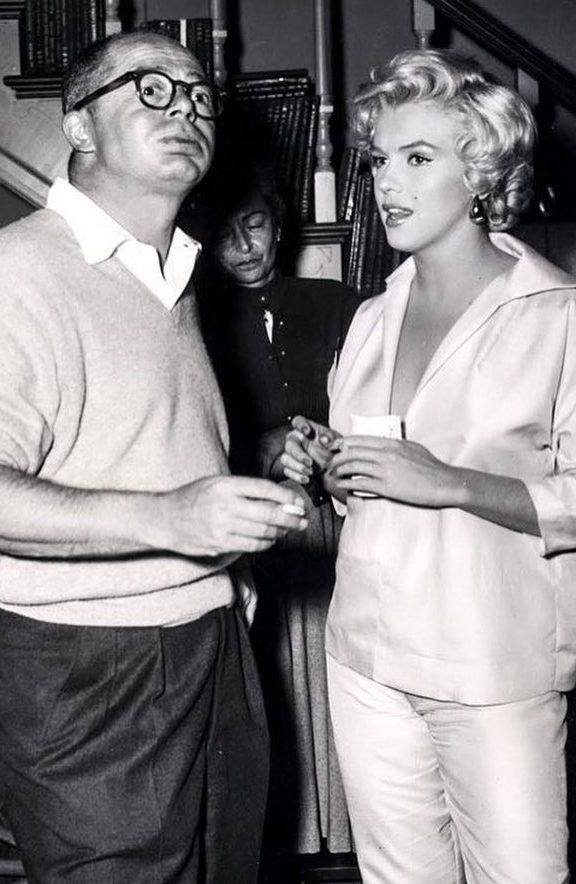
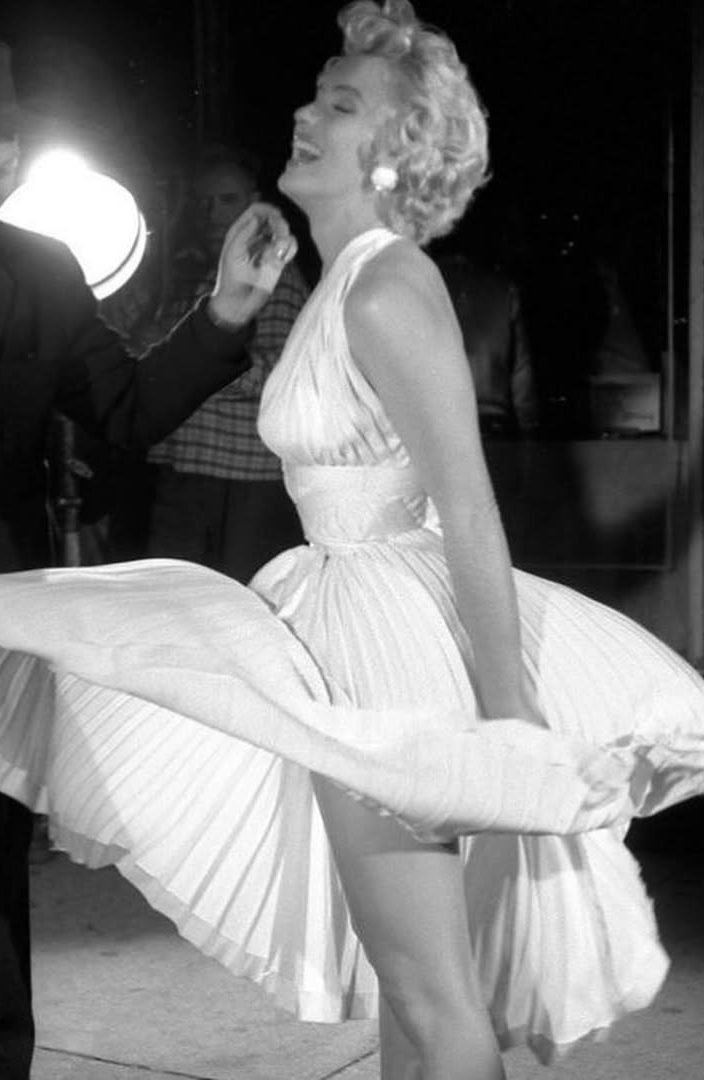
This was the second film in which Wilder worked in collaboration with I.A.L. “Iz” Diamond, with whom they created dozens more wonderful comedies in the future. It’s hard to believe, but English was not a native language for the co-authors of the script, because both came to America from Eastern Europe. Wilder, who moved to Hollywood in the mid-thirties, seemed to have a couple of common expressions in his linguistic baggage. But by the end of the fifties, Billy Wilder was fluent in English. And even more, because many phrases from this ageless comedy have become famous, firmly embedded in American English. If you could recall one of the most famous lines that sound at the very end – “Well, nobody’s perfect”, as indicated by a separate dictionary entry in Wikipedia.
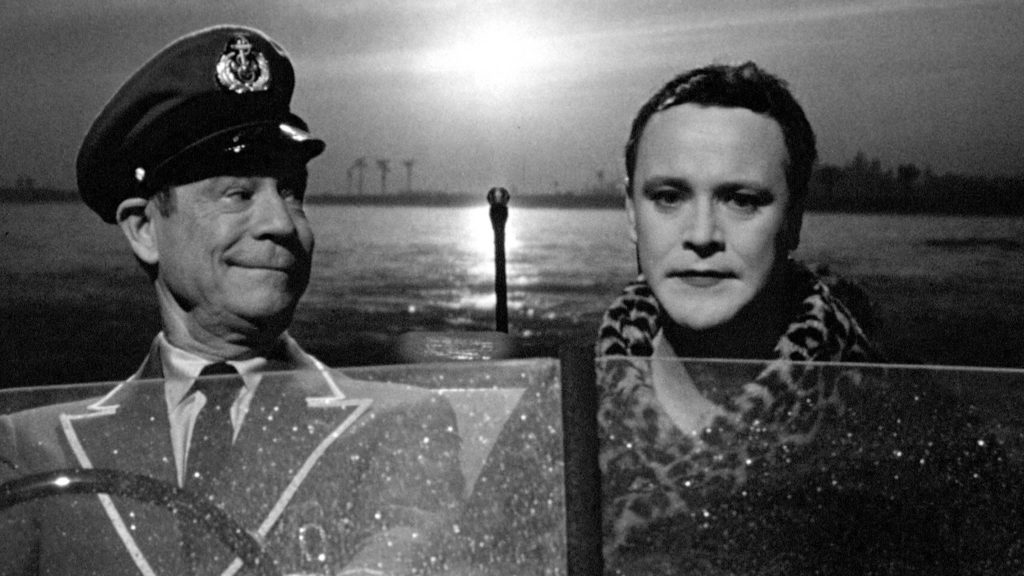
American viewers of the older generation should have received a special relish from the farcical way in which the cliches of gangster cinema were played out in “Some Like It Hot”. Some of the actors who embodied him, even in supporting roles, for example, George Raft (who appeared here as a mafia dandy in white leggings) They played their best screen roles in “Some Like It Hot.” And the male lead actors Tony Curtis and Jack Lemmon have transformed into their characters in such a way that we can say that the images of their Josephine and Daphne have become memes. The same self-sufficiency of the image is achieved without words by Marilyn Monroe’s “Sugar”.
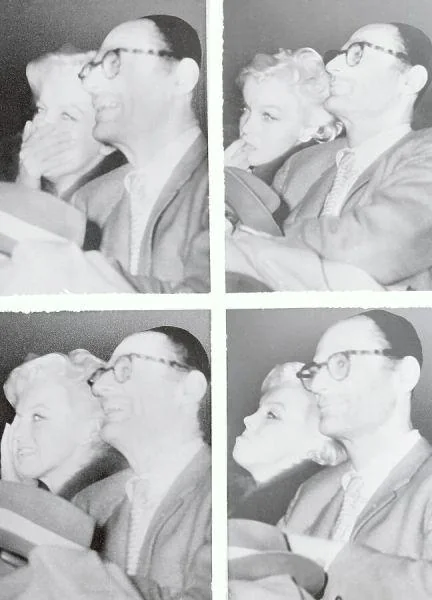
Curiously, the scriptwriters wrote out this role for a not-so-stellar actress, and Marilyn’s desire to star in this role was, on the one hand, a great success. But on the other hand, the filming process with MM immediately became dramatic on an epic scale.
 Sandra Warner: "Marilyn and I were very similar. I was a little taller than her, but her wardrobe suited me... and since she was pregnant, I was asked to take promotional photos instead. In most of the pictures, wherever you see Marilyn Monroe, Jack Lemmon and Tony Curtis, they used my body and Marilyn's face... and everything turned out perfectly, it couldn't have been better, and I really enjoyed working with them."
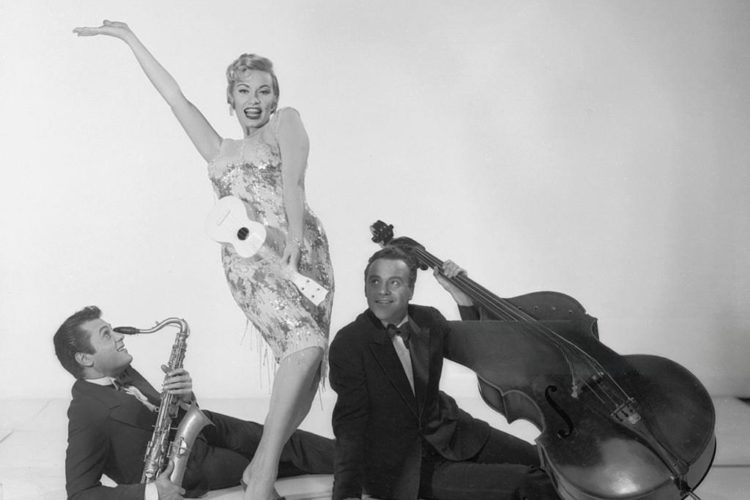
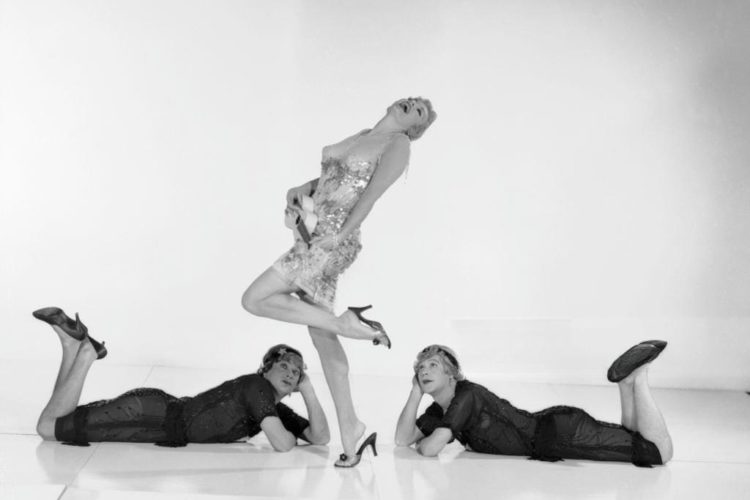
 Sandra Warner: "Marilyn and I were very similar. I was a little taller than her, but her wardrobe suited me... and since she was pregnant, I was asked to take promotional photos instead. In most of the pictures, wherever you see Marilyn Monroe, Jack Lemmon and Tony Curtis, they used my body and Marilyn's face... and everything turned out perfectly, it couldn't have been better, and I really enjoyed working with them."
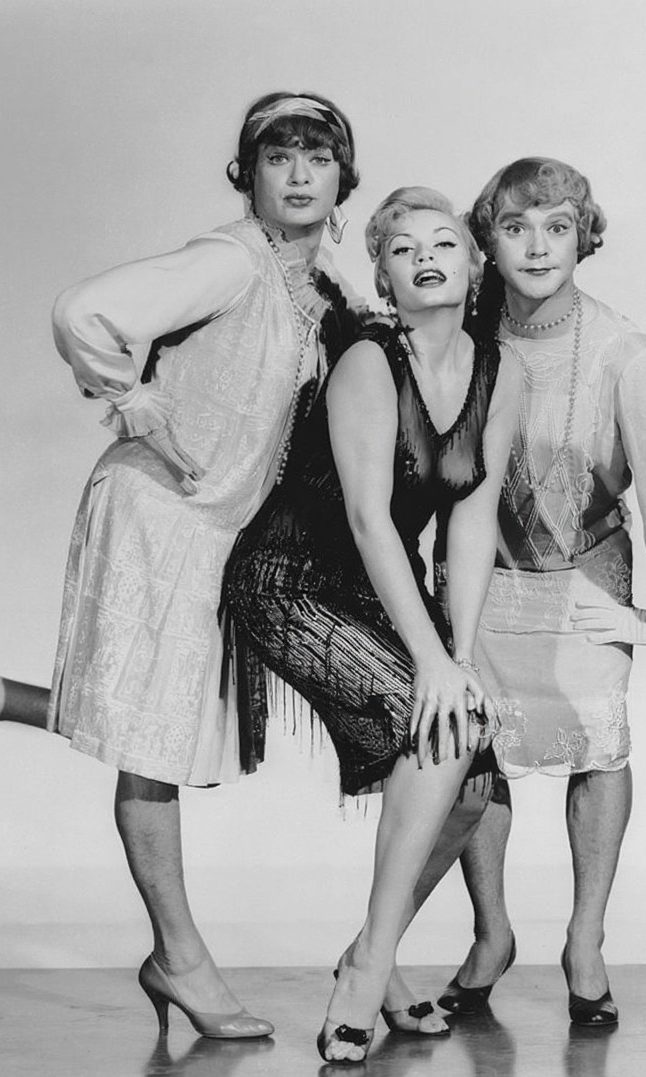
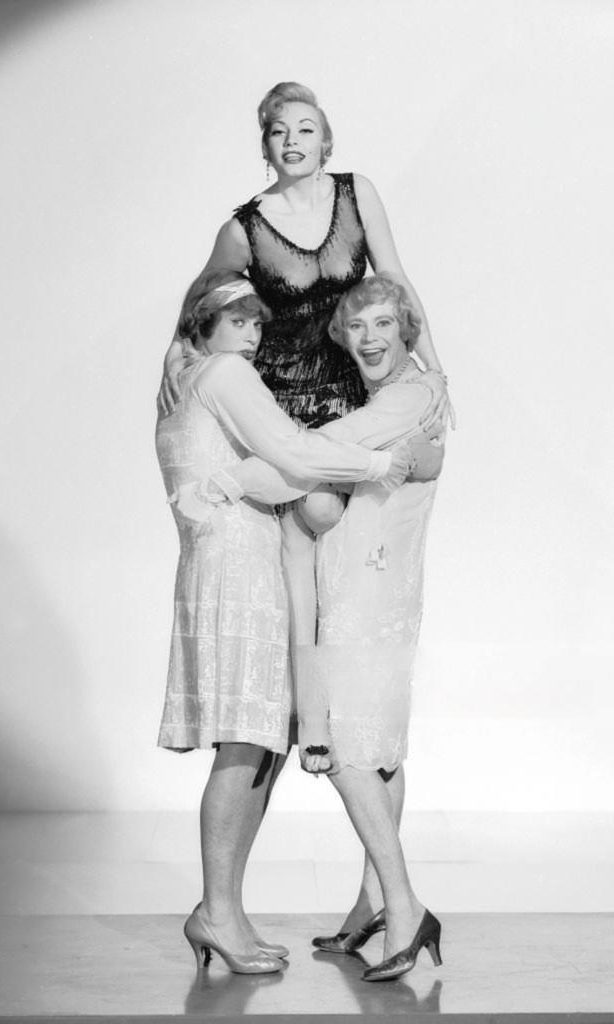
Many scenes were reshot dozens of times at Marilyn’s request, plus it’s worth adding a lot of free tips on how to improve the scenes being shot, which the director of the movie received from the spouse of the main star, playwright Arthur Miller and her acting mentor Paula Strasberg. Years later, Billy Wilder, paying tribute to MM’s wonderful acting, aphoristically and sarcastically remarked:
“I think more books have been written about Marilyn Monroe than about World War II, and they have a lot in common.”
And, of course, it is worth recalling that “Only Girls In Jazz” as this film was called in the Soviet box office, is filled with wonderful jazz music and songs (which is worth at least “I Wanna Be Loved by You”), which is performed by a childishly naive heroine of the screen story. The way Marilyn Monroe does it is fascinating with each new viewing of the film. In the early seventies, the musical “Sugar” was even staged on Broadway, inspired by this masterpiece of comedy.
Marilyn Monroe – I Wanna Be Loved by You
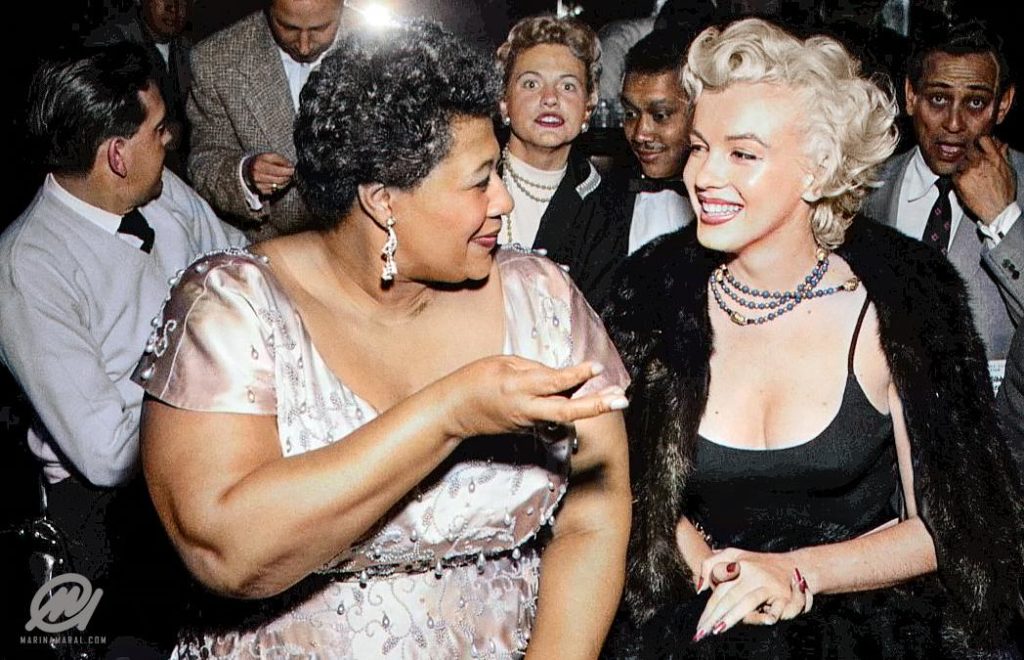
“Only girls in jazz” was released on Soviet screens at the end of August 1966. But few people know that for the first time “Some Like It Hot” was seen in Moscow seven years earlier, when the American National Exhibition was held in the capital of the Country of Soviets, during which rare lucky people had the opportunity to see Marilyn in this movie. And in September of the same year, as part of Soviet leader Khrushchev’s American tour, MM even had the opportunity to chat with him at a dinner in his honor hosted in the capital of the world of cinema. If it hadn’t been for the unfortunate incident with Pilot Powers on May 1, 1960, which froze Soviet-American relations, Wilder’s comedy, which could have been seen as a satire on capitalist mores, could have been released in Soviet box office already in the early sixties. But, it turned out the way it turned out, and the imprinting love for Marilyn occurred for Russian viewers already beyond the threshold of her earthly existence. Having left tragically early, she left us with her vulnerable, almost otherworldly, ageless image – the image of eternal love. The great Ella Fitzgerald summed up Marilyn’s life this way:
“I am deeply indebted to Marilyn Monroe.… she personally called the owner of the Mocambo Club and said that she wanted me to be invited immediately, and then she would take a table in the front row every evening. She told him–and it was true, given Marilyn’s celebrity status–that the press would love it.
The owner agreed, and Marilyn was there, at a table in the front row, every night. The press just went crazy. After that, I never had to play in small jazz clubs again. She was an extraordinary woman, a little ahead of her time. But she didn’t know that.”
Billy Wilder on Marilyn Monroe:
“The last time I saw her, she was pregnant, and she was breaking up with [Arthur] Miller. She was with Yves Montand. She came to a party at Romanoff’s, after a screening of The Apartment. She was shooting a picture with George Cukor [Let’s Make Love, 1960], as nice a man as you can find. But [Monroe and I] never had any great or close personal relations. I did not bend, you know, to her whims. I was there. I was there and she was not there. I would send somebody for her, to knock on the door to her dressing room, the second assistant, ‘Miss Monroe, we’re ready.’”