The era of big band swing danced to its twilight in the 1940s. The last striking phenomenon was the Glenn Miller Orchestra, which was also evidence of the growing crisis in jazz: Miller’s magnificent arrangements, coupled with the lack of vivid improvisations, proved the complete commercialization of the genre that had turned into mainstream pop music. In a large cast, where, apart from a couple of soloists, the remaining two or three dozen blockheads follow the scores, it’s easy for any mediocrity to get lost. Musicians with ambitions could not be satisfied with such a situation. In New York, Dizzy Gillespie, Charlie Parker and the rest of the camarilla are beginning to develop a new jazz that is impossible to dance to, and the speed and skill of improvisation are cutting off the incompetents: bebop. Much more free music, allowing jazzmen to play in four or five instruments in small clubs. Highbrow Broadway pods and other beatniks immediately followed the novelty, God have mercy on them.
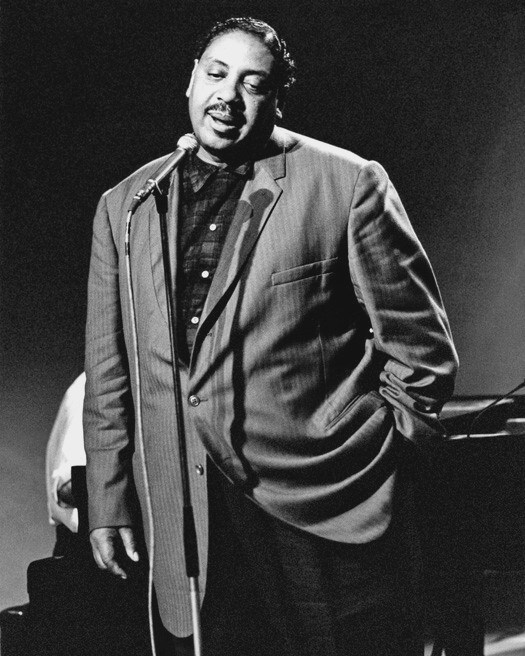
In the South, meanwhile, jump blues is already laughing and rumbling, swinging to the core, enhanced by boogie bass, springy drums and, often, electric guitar. Big Joe Turner distinguished himself back in the 1930s by recording the boogie blues “Roll ’em Pete”, and in the fifties he was already considered a rock and roll star with hits “Shake, Rattle & Roll”, “Honey Hush”, “Boogie Woogie Country Girl”.
Tiny Bradshaw recorded “Train Kept-a Rolling”, which the Burnette brothers would later turn into a rockabilly standard. Louis Prima, the Louisiana guido, the author of the great “Sing, Sing, Sing” stands apart. His fervent fusion of jump blues with Italian tarantella can be heard in half of the films about the Sicilian mafia and on the album “Dirty Boogie” by Brian Setzer.

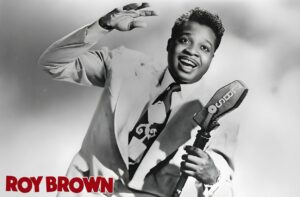
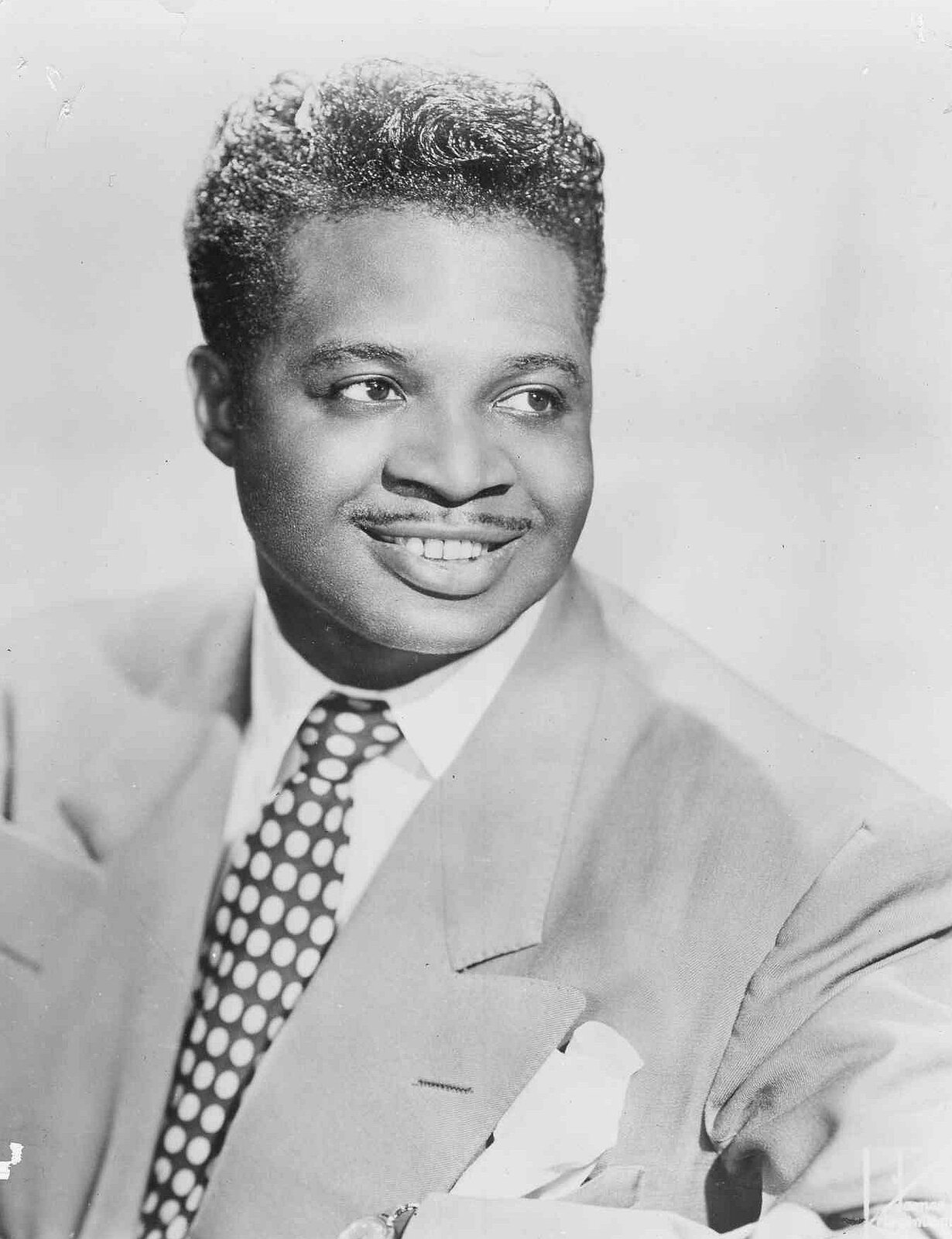
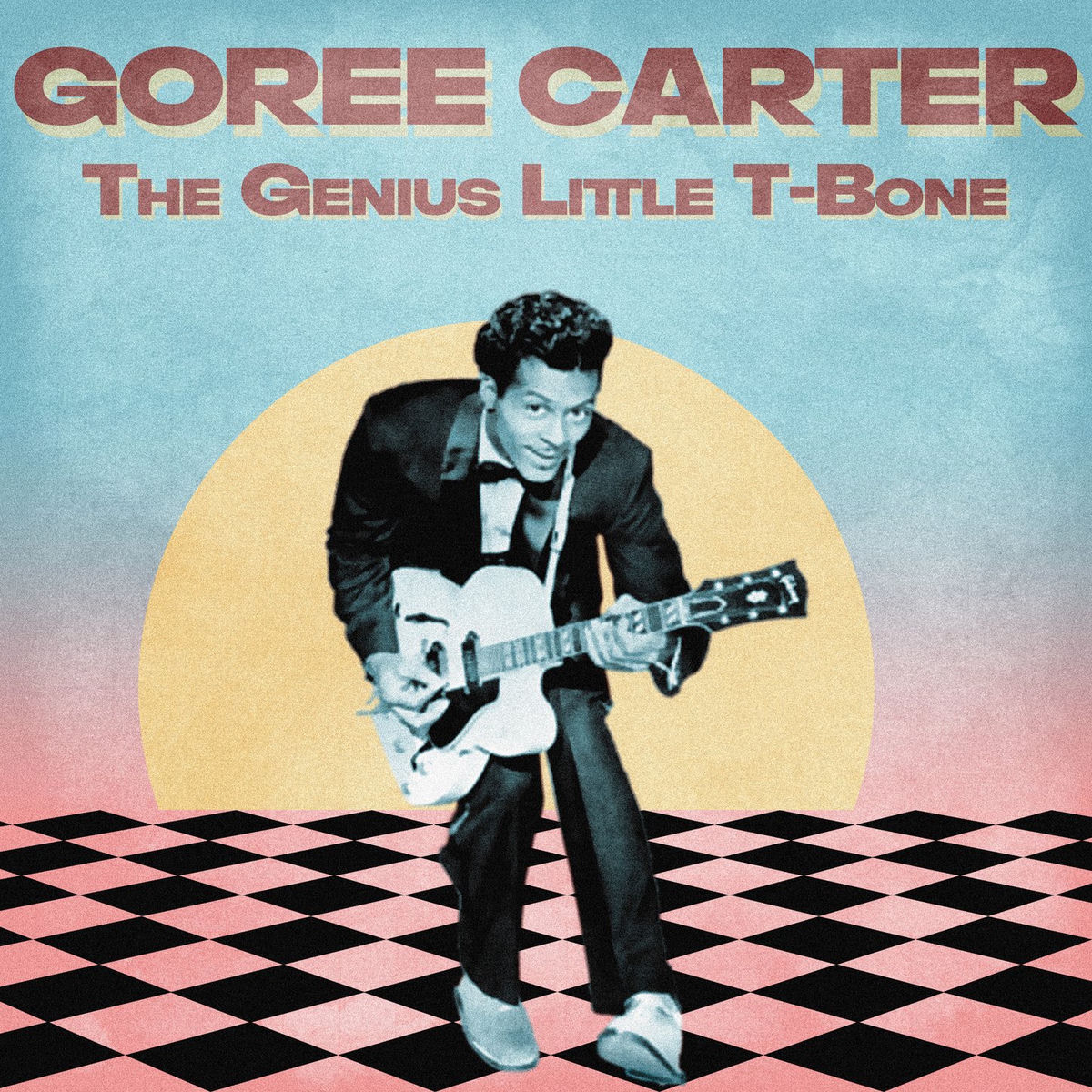
Guitarist Goree Carter‘s song “Rock Awhile” is considered by some musicologists to be the first rock’n’roll. The facts are as follows: already in the forties, the term “Rock” in Black community meant dance, although not yet a musical style; Chuck Berry clearly “brought” something from Carter’s technique to his playing style, to put it mildly. Each of the gentlemen of the “bouncing” blues deserves a separate article, but today we will talk about Roy Brown, the singer whom Elvis himself was guided by.
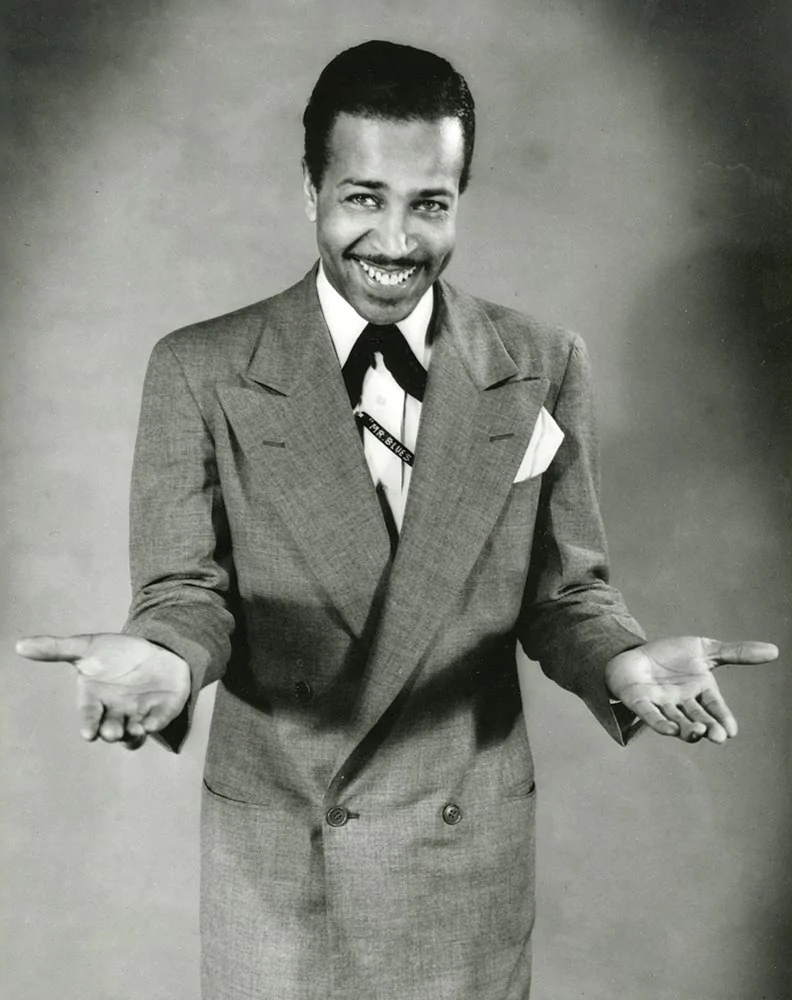
Roy Brown was born in Kinder, Louisiana, on September 10, 1920. Together with his mother, he sang in the church choir, which did not prevent him from later moving to Los Angeles and starting hanging out with the baboon grunts of his neighbors in the middleweight division. Although it’s true: there’s not a word about boxing in the Bible. Roy, of course, was also embarrassed by the fight for money, so he went into music, becoming the winner of a song contest in 1945 at The Million Dollar Theatre, one of the largest concert and cinema venues of its time, a sandbox for Nat Cole and Joe Liggins with his The Honey Drippers.

Brown soon moved to Galveston, Texas, and later to Shreveport, Louisiana. In both cities, his repertoire consists mainly of swaggering ballads from the repertoire of Bing Crosby and other well-fed cats. The US Army, which is recruiting for military service, rejects Roy because of his flat feet, and the impresario is hired to perform as a black man singing in white. The guy, however, is not so simple, inspired by Wynonie Harris, he starts composing his own material.
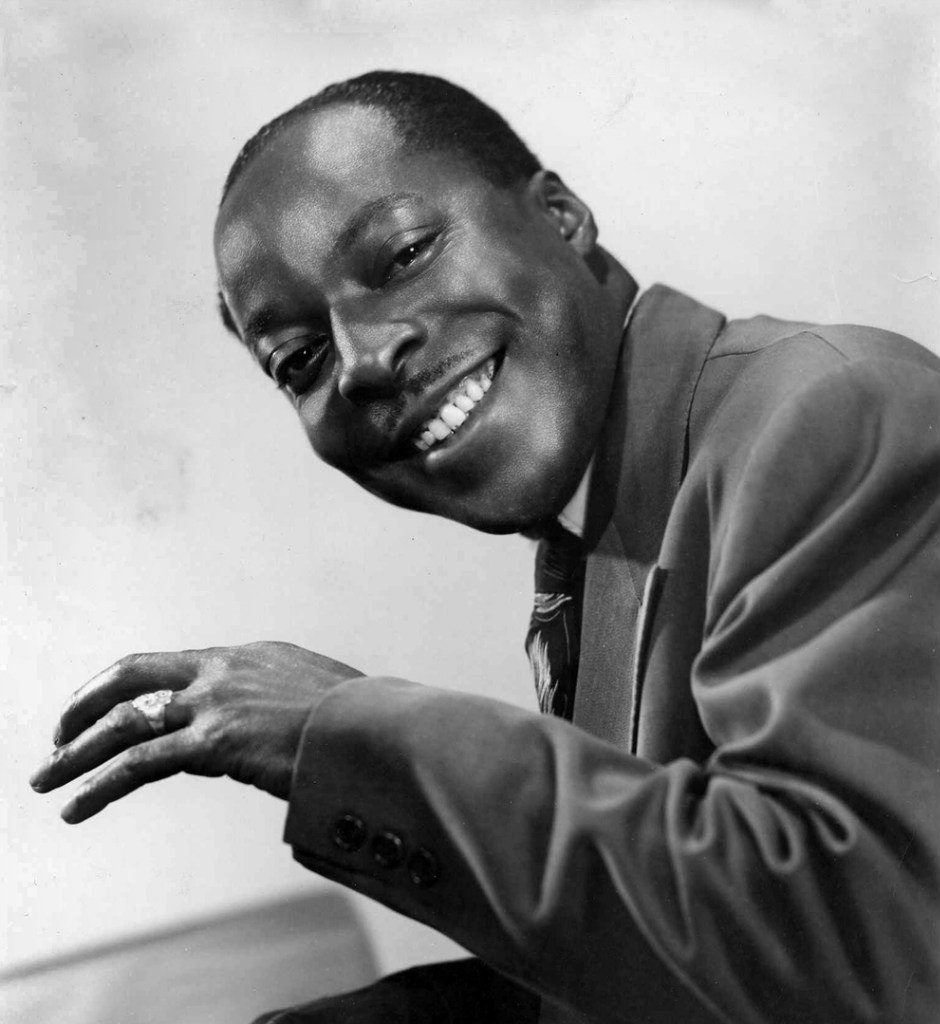
One hot New Orleans night, Roy tries to get backstage at the club where Wynonie was performing to present him with the newly composed “Good Rockin’ Tonight.” The gorillas at the entrance turn the novice author away, Brown stomps into the next block, where Cecil Gant performs in another club. Everything goes like clockwork here: Cecil listens to Roy, calls the president of De Lux Records, Jules Brown (it’s already 4:00 a.m. midnight), makes Roy sing into the phone and, bang, bang, voila: the contract has been received! In 1948, Roy Brown’s “Good Rockin’ Tonight” was released, taking 13th number in the chart. Wynonie Harris, who did not even know that he had been approached with the song, records it after listening to it in a jukebox, taking 1st number in the same year.
For the next three years, until 1951, Brown churned out hits like “your gangster’s bullets from a Thompson machine gun.” “Hard Luck” sounded like the inspiration for Elvis Presley’s “Heartbreak Hotel,” and “Love Don’t Love Nobody” was a ready-made stencil for Jackie Wilson’s work. And in 1952, at the peak of his popularity, Brown discovered a terrible thing: King Records paid him much less than required. A lawsuit ensued. Brown won the battle, but he lost the war: the owners of all major labels, whether Jews, Turks, Anglo-Saxons or other Cypriots, refused to deal with an arrogant Black bluesmen. The singles continued to be released on King Records, but they no longer received rotations, which may serve as indirect evidence of corruption at radio stations known as Payola.
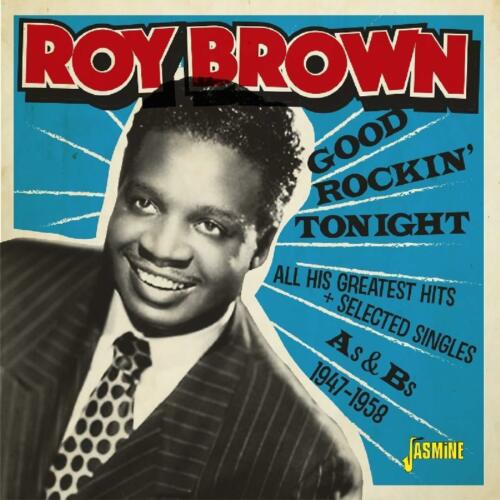
However, times are changing. And the music has changed significantly in just five years: in 1956, after completing contractual obligations and switching to Imperial, Roy Brown was well aware that rock and roll was gaining strength, so the first single was the high-speed “Saturday Night”, a truly killer thing that Little Richard would envy.. And then the most incredible thing happened: a Black singer, who unwittingly became one of the godfathers of white rockabilly music, began to sing rockabilly himself. And he had every right to do so. “Party Doll” by Buddy Knox was the first in row, and then along the roll: “Hip Shakin’ Baby” by the already mentioned Burnette brothers, “Be My Love Tonight”, “The Tick Of The Clock” and others.
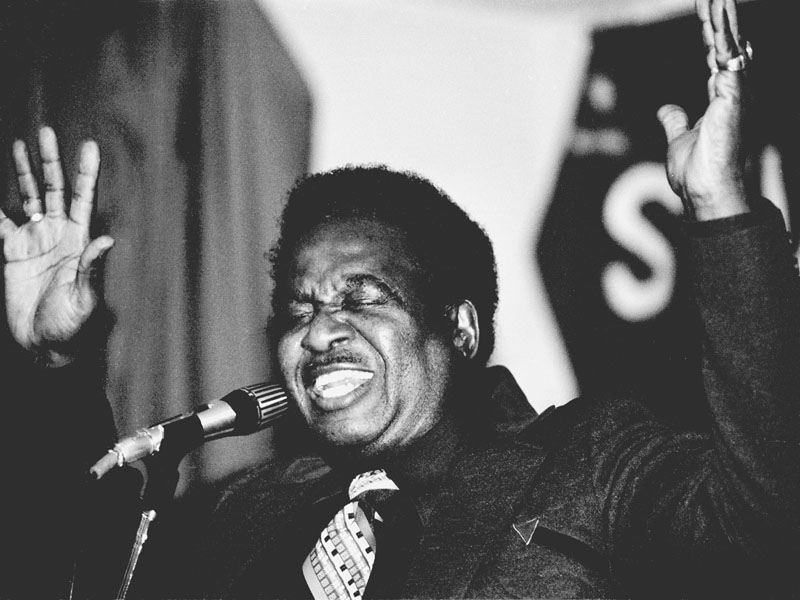
A selection of singles released by Imperial Records is a treasure chest where there is not a single bad note. Nevertheless, these amazing recordings did not bring Roy the proper recognition, at some point he was forced to travel as a traveling salesman around the houses, selling either the Bible or some other book. In the 1960s, Brown’s musical activity came to a minimum, and only in the 1970s Johnny Otis, an old friend of Greek descent, begin to drag him onto the stage. It helped Roy, but only for a decade.
On May 21, 1981, Roy Brown walked off the Сrossroads, plunging into the thicket of heavenly Louisiana, from where there is no extradition or return. It’s all the more disappointing that the legacy of a man who inspired dozens of beloved musicians is sinking into oblivion. Put on any of his recordings, and your feet will stomp to the beat, the stars will dance, the owls will hoot. Here’s good rockin’ tonight, Moon Dawgs!