Stories about vampires have penetrated from small-town Eastern European folklore into the big mass culture relatively recently by historical and ghoul standards: some two hundred years ago. To begin with, Dr. Polidori pretty much messed with his then-patient Lord Byron, making him the prototype of the antihero of the novel “The Vampire”. A couple of decades later, Alexey Konstantinovich Tolstoy made his debut in Russia with the verse “Ghoul”, incomparably more creepy. But the fashion for (non-) dead parasites was introduced in 1897 by the Irishman Bram Stoker with his novel “Dracula”.
A new art called cinematography, scaring cowboys with the “Arrival of the train,” developed quickly enough. Already in 1922, in Germany, Friedrich Murnau prepared a dish called “Nosferatu,” a loose interpretation of Stoker’s net film, for everyone who lacked the bloody products of the First World War. At the height of the Great Depression, an already licensed film adaptation of Dracula was released in the United States with Bela Lugosi, who instantly became a star and hostage of one role. As a result, the vampire theme descended into the grotesque and self-parody, exploiting Lugosi in increasingly absurd productions of category “B” and lower alphabetically. Roman Polanski drove the last stake with the enchanting comedy “Dance of the Vampires”, after which it simply became impossible to take works on the mentioned topic seriously. The earls were replaced by a dead and not very lumpen proletariat with a Texas chainsaw and someone else’s skin on their own face.
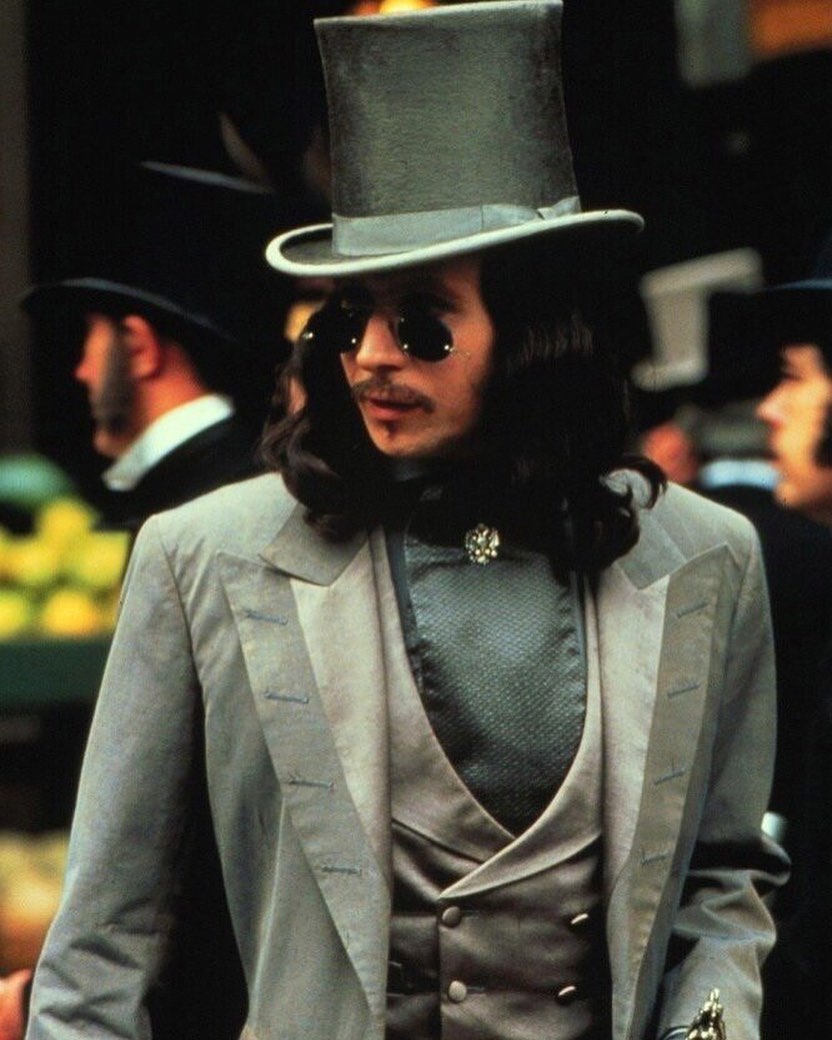
The story, however, is either cyclical or spiral, but in 1991, F. F. Coppola, who ate the dog in the jaws of the Godfather trilogy in the image of real leeches on the body of the working people, undertook to tell about fictional leeches. His Dracula, played by Gary Oldman, hipped around London in Lennon-like glasses and hair, and in the Transylvanian patrimony he sported strange curls on a withered skull. The images were created by the famous “father” of Hellboy, Mike Mignola, but what is smooth on paper fell into the ravines. Anyway, a certain part of humanity exclaimed that the patchy Oldman was a darling and was allowed to suck out as many biological fluids as he wanted from their mortal bodies.
The ground for the glamorization of ghouls and the emergence of a new type of graphomaniac was prepared by the rather talented novelist Anne Rice: in 1994, with her participation and based on her book of the same name, director Neil Jordan directed Interview with the Vampire, where Tom Cruise performed superbly, Kirsten Dunst brilliantly demonstrated the ten-year-old bloodsucker forever, and only Brad Pitt walked all the way with a drooping lip, restless. And even though a certain part of humanity admired what a charmer Pitt was, and unfinished semi-blockbusters with sexy bloodsucking dead poured out like buckets of abundance. Of course, the snide Tarantino and witty Rodriguez couldn’t help but mock the trend that was gaining momentum. Already in 1996, they made their own horror movie “From Dusk till Dawn” with whores and Cheech Marin, and everything was fine here. So much so that the topic seemed to be closed again, despite a couple of sequels. Only the ink-fed Anne Rice graphomaniacs were awake.
To the glee of the poor in spirit, who squeal with delight at the sight of fangs, the Hollywood film industry in 2008 released a film adaptation of the Mormon S. Mayer novel “Twilight”. Even Stephen King, who hasn’t often been caught out of his mind lately, was pretty outraged by the quality of Mayer’s prose, and the main “pattison” of the saga still can’t get rid of it. In the light of such “advantages”, success among teenagers all over the world was guaranteed to “saga”. But the HBO channel, known for not being shy about anything, demonstrating sex, cruelty, racism and other pleasures, went too far in the same year 2008, releasing a kraken called “True Blood”.
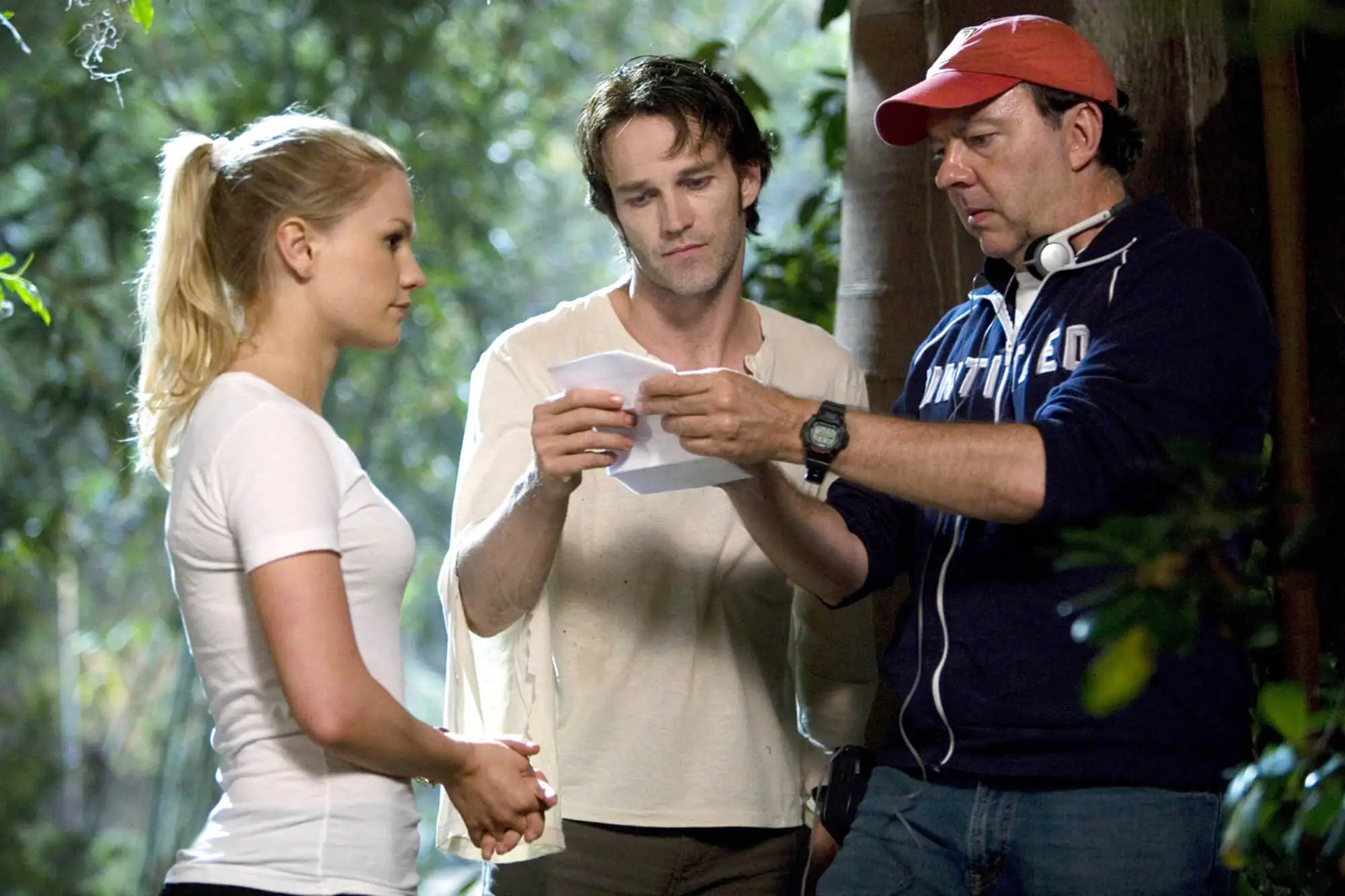
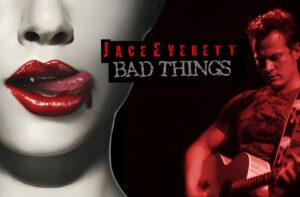
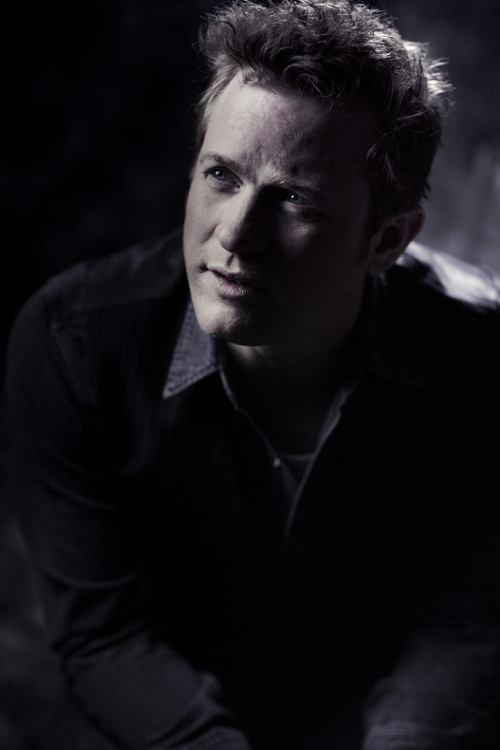
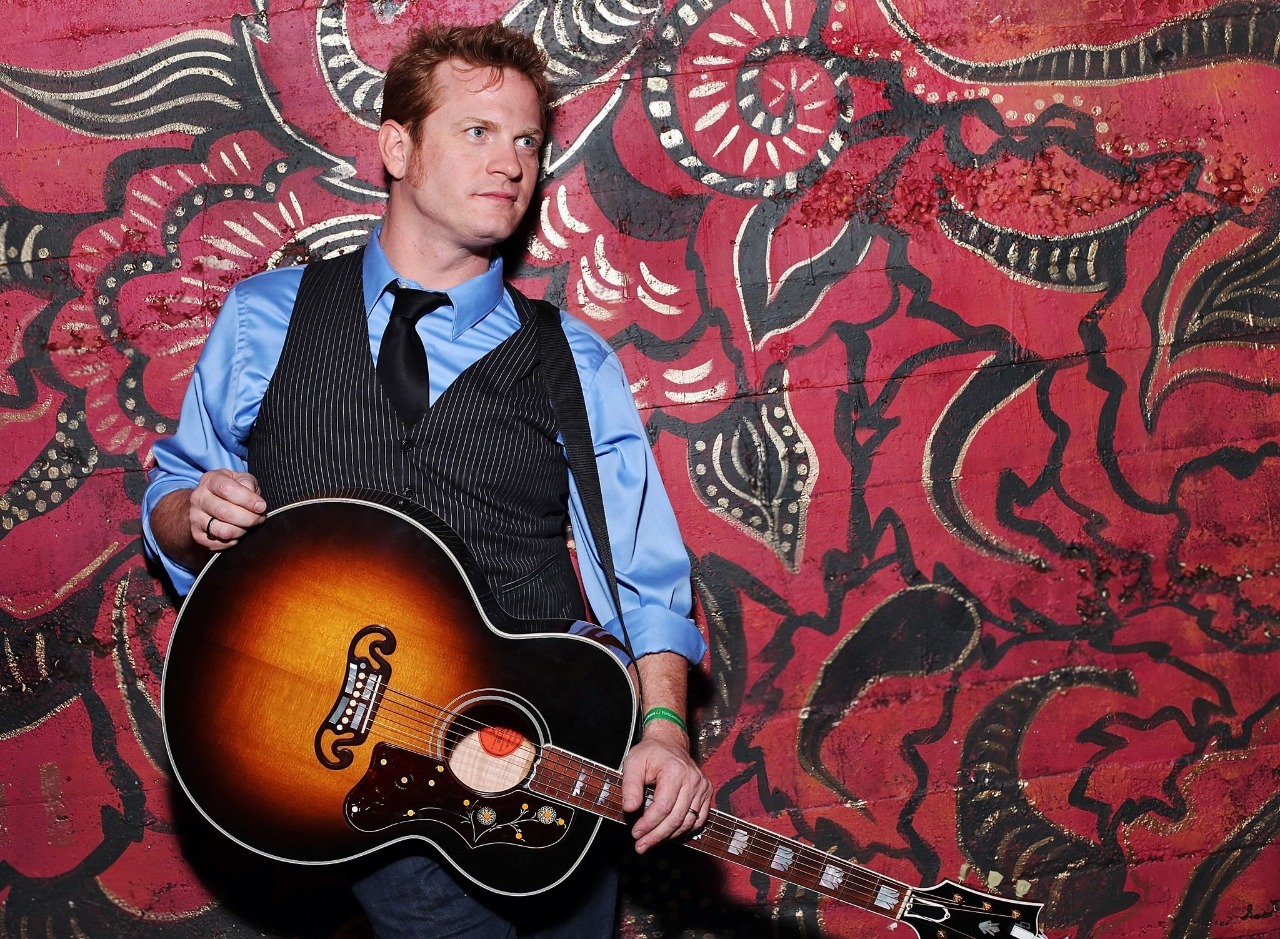
Based on the works of Charlene Harris, the series directed by Alan Ball played in many ways on the field of “From Dusk till Dawn”, mixing sepulchral humor with good old-fashioned ultraviolence, and brought romantic tripe to a logical development in the spirit of Tinto Brass. But all people of good will and good taste were most pleased with the soundtrack and, first of all, the hypnotic opener, which they did not want to squander throughout all seven seasons. Singer Jace Everett did a great job composing the infernal “swampy” rockabilly “Bad Things”, in which there is not a single extra note, but there is a powerful groove and “thoroughbred” talent. Unfortunately, Everett is little known world wide, even in niche rock’n’roll circles he was not noticed, and we will try to correct this misunderstanding.
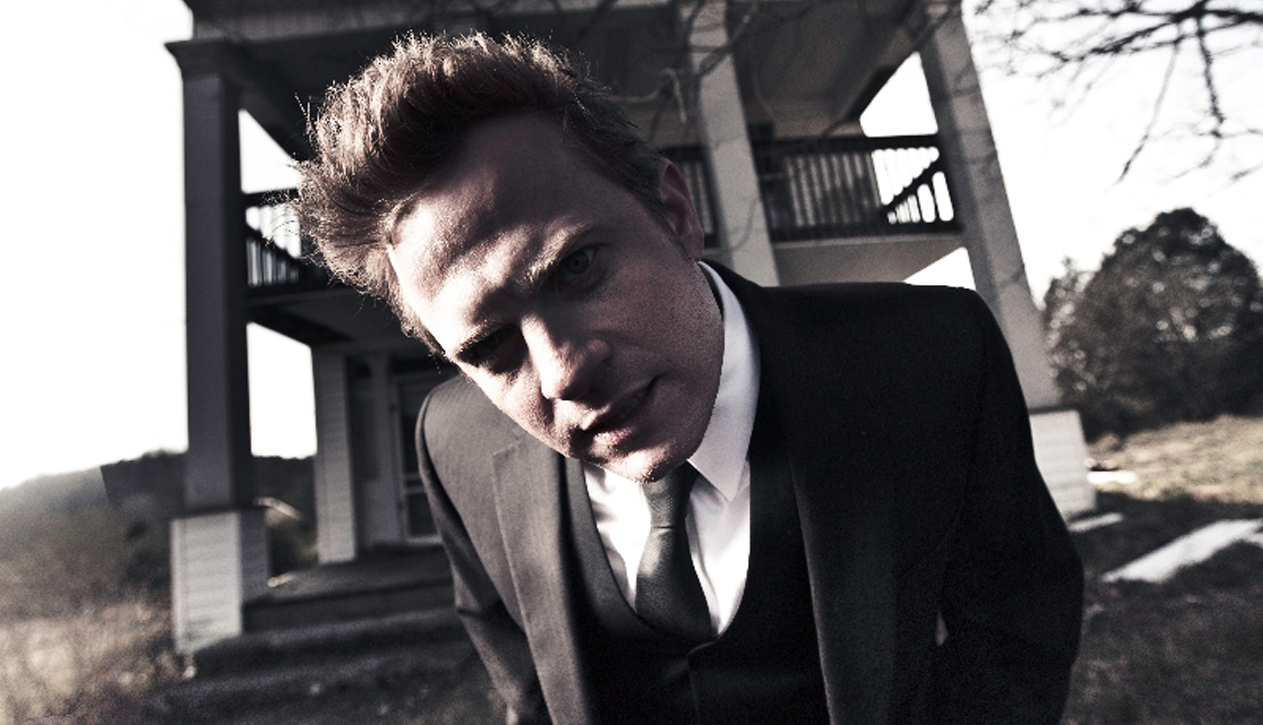
Jace Everett Beasley was born on May 27, 1972 in Indiana, but by the age of six he was moved by his parents to Texas, where he grew up. The city of Fort Worth is not so far from the border with Louisiana, the interpenetration of cultures is obvious, hence the notorious “swamp” sound that appeared in Everett’s music, although this is still a long way off. Jace started strumming the guitar, as usual, with school friends, and singing, of course, at the local church. After graduating from high school, he rushed to Belmont University, which is located in Nashville, the capital of country music. Belmont, among other things, annually graduates dozens of musical specialists from all fields of show business, but here’s what Everett himself says:
“I’m a lucky guy, that’s for sure. Every time people ask me about my life, I remember that I literally dug ditches, and things are definitely better now. Although I have no complaints about the ditch diggers, I welcome their work, all ditches and trenches must be dug out.”
He started playing music professionally quite late, the first single was released in 2005, when Jace was already 33. A year later, a full-length album is released, and the simple country song “Your Man” written for Josh Turner suddenly tops the charts. The second album goes as unnoticed by the public as the first, but Gary Calamar, who is selecting music for the TV series “True Blood”, is looking for a southern blues gloom and comes across the single from the first record “Bad Things”. The choice of the opener for the TV movie was devilishly successful.
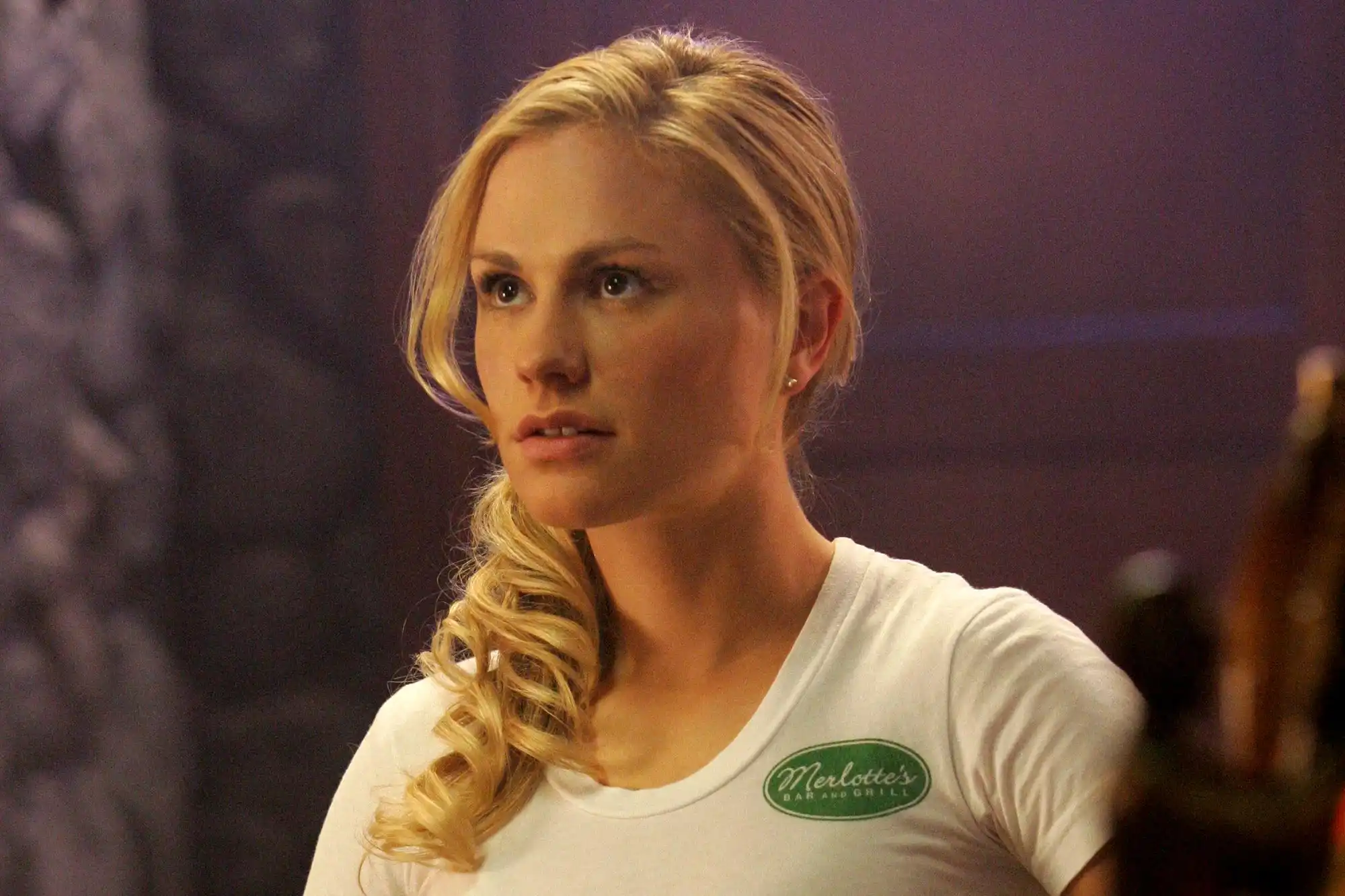
Jace Everett – Bad Things (mp3)

By the second season, Jace, with the help of C. C. Adcock (there will be a separate conversation about this gentleman), records a version of the blues“Evil (Is Going On),” which was previously performed by Howlin’ Wolf, sounded terrifying, but now it smelled like a cemetery where not all the corpses were laid to rest.
Jace Everett and C.C. Adcock – Evil (Is Going On) (mp3)
At the same time, in 2009, Jace Everett (he left Beasley’s last name behind the scene) released his third full-length album “Red Revelations”, and the “Red” in the title is not a red word. We will listen to him at this terrible midnight.
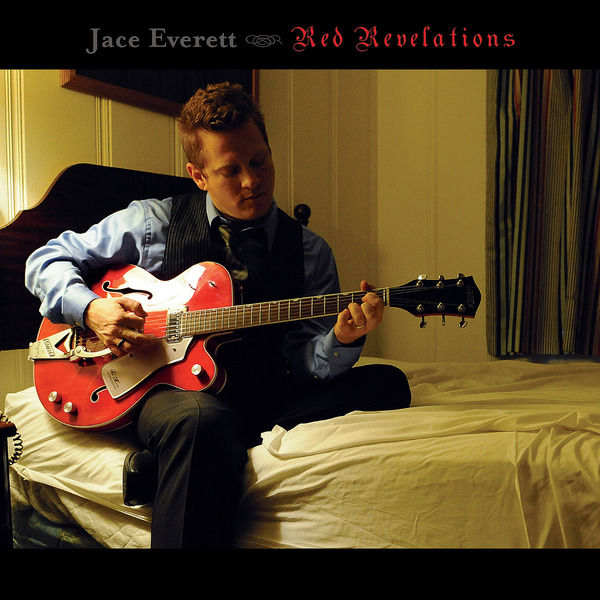
Possession seems to be saturated with the miasma of the Louisiana swamps, where not everyone drowns on their own, alligators know a lot about delicacies, and trees are twisted by voodoo magic. That’s a good start, isn’t it?
Burn For You is rockabilly for authentic ghouls burning up in the rays of the rising sun.
More To Life (C’mon C’mon) is a cheerful mid-tempo country rock with a hint of the sixties. I see Oldman’s Dracula dancing around.
The Good Life meows guitars in a gypsy sing-song.

Damned If I Do is an insinuating ballad that would do credit to Chris Isaac.
One Of Them is swamp rockabilly again with a damn good sound and a well-fed reptile voice.
Permanent Thing is an excellent piece with an unexpectedly disturbing chorus. It’s like the devil is sitting in a bell tower.
Little Black Dress is slightly more restrained than it deserves to be. A little more pressure, and it would have turned out no worse than John Fogerty‘s.
Lean Into The Wind is supported by a chorus of frogs and boots splashing through the quagmire. A ready-made hit.
What It Is is so rhythmically perky that you shouldn’t be afraid when your right foot suddenly makes a cracker and your eyebrows start dancing in a quadrille. That’s the way it’s meant to be.

Slip Away has the genuine charm of old Dixie and a funereal rhythm. He even squeezes out a tear in the company of a corn mutterer.
Bad Things, re-released on this album and for the second time as a single, reached the second place in the Norwegian chart. The rest of it was mentioned above.
“Red Revelations” is an excellent record, devoid of passing moments. It is suitable for dancing, bloody stories and fast running from alligators. Disturbing dreams, Moon Dawgs!