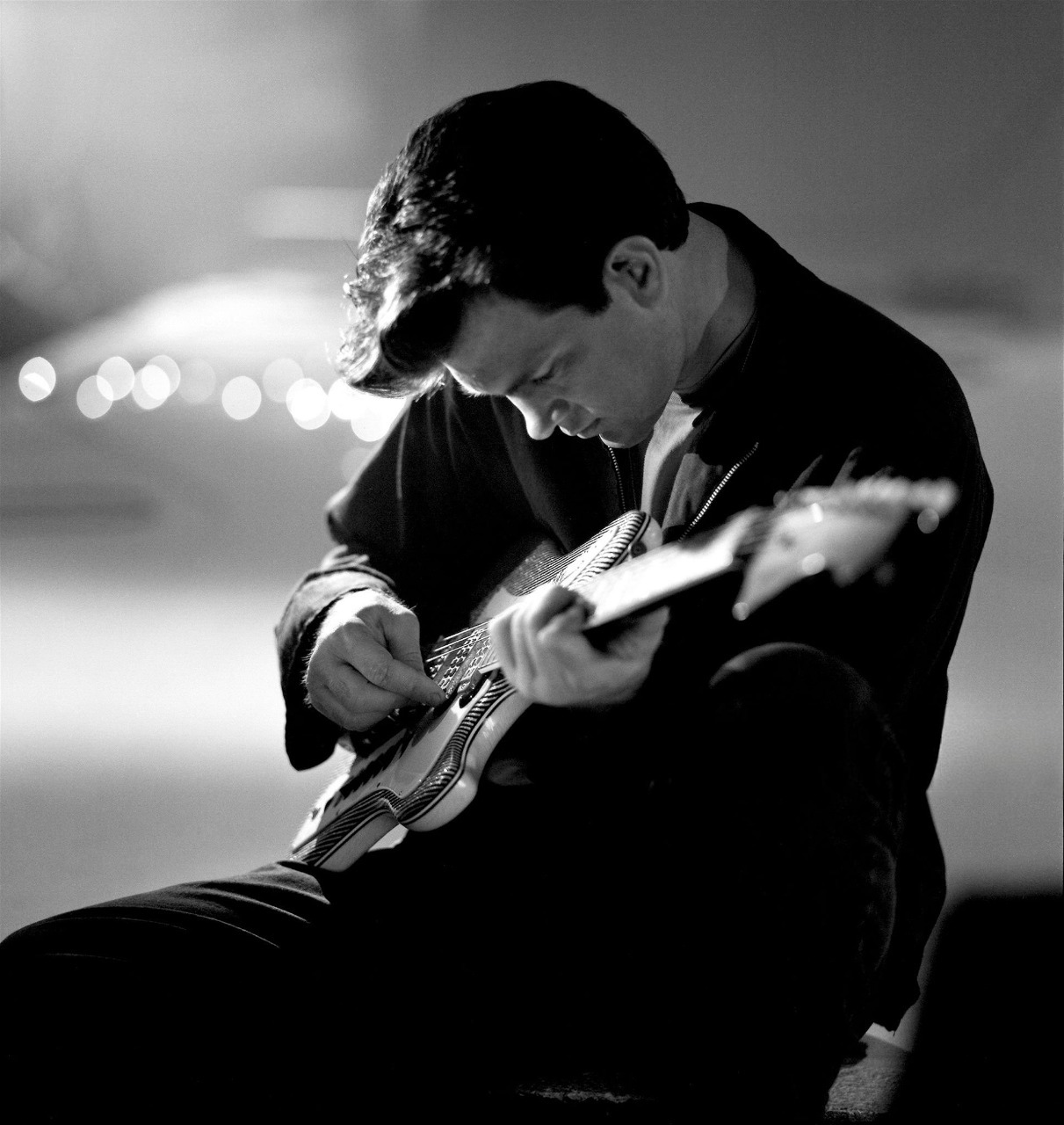
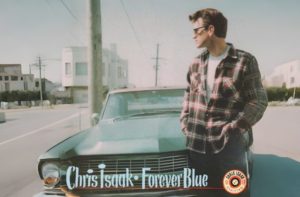
Chris Isaak is celebrating his 70th birthday, and this is the first time in my memory (he was either 67 or 69 the day before). On this occasion, June 2026 in the Urals, echoing Chris’ music, was born in all the keys of rain, from a light “blind” through an elegiac drizzle to a noir downpour. Hail shook the roofs of cars with the elastic power of Kenny Dale Johnson. With the premiere tour, real American tornadoes arrived, literally demolishing roofs. Holiday. In honor of this event, I would like to recall Isaak’s best album “Forever Blue”, thirty years ago nominated for a Grammy as the best rock album, but lost to the album of Alanis Morissette, who, with all due respect, is remembered only for the role of himself The creator of Kevin Smith’s schismatic comedy “Dogma”.
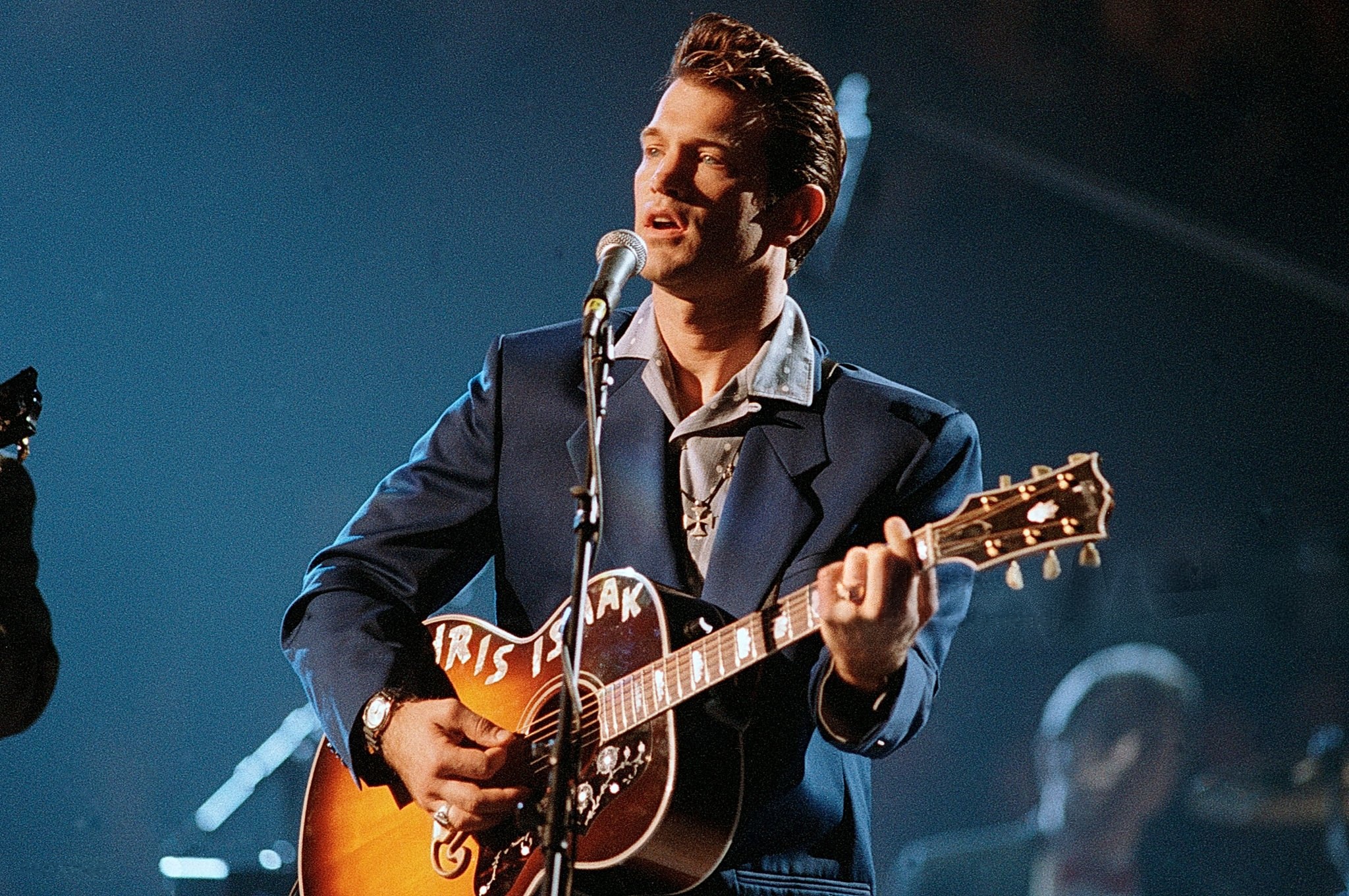
“Forever Blue” is distinguished not only by its magnificent compositional work, but also by its delightful instrumental parts, each of which is a piece of a mosaic perfectly embedded in the overall picture. This is all the more surprising since James Calvin Wilsey, co-founder of Isaak’s band Silvertone, was forced to leave it during the recording of the fourth album “San Francisco Days”. Heroin was created for German soldiers to go into battle, ignoring bullet holes and severed limbs. It seems that Wilsey, following Keith Richards, felt like a fighter of the rock front, and country guitar virtuoso Danny Gatton and, interestingly, hard rock guitarist Jeff Wilson, known for his two-handed tapping technique, had to clean up after him.
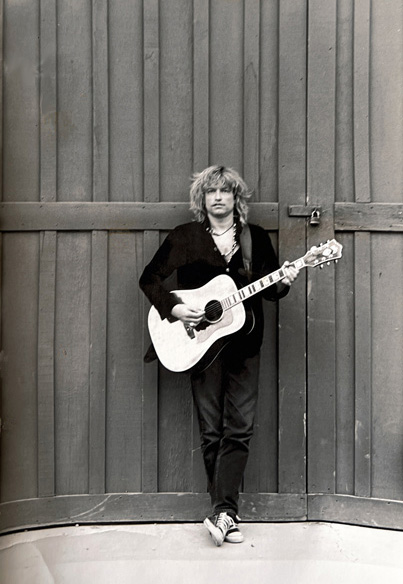
By the time “Forever Blue” was recorded, a stable new six-string had not yet appeared, but Jeff, with his unusual approach, came back to court: now he sounded like Paul Burlison, tenderly in love with Patsy Cline.
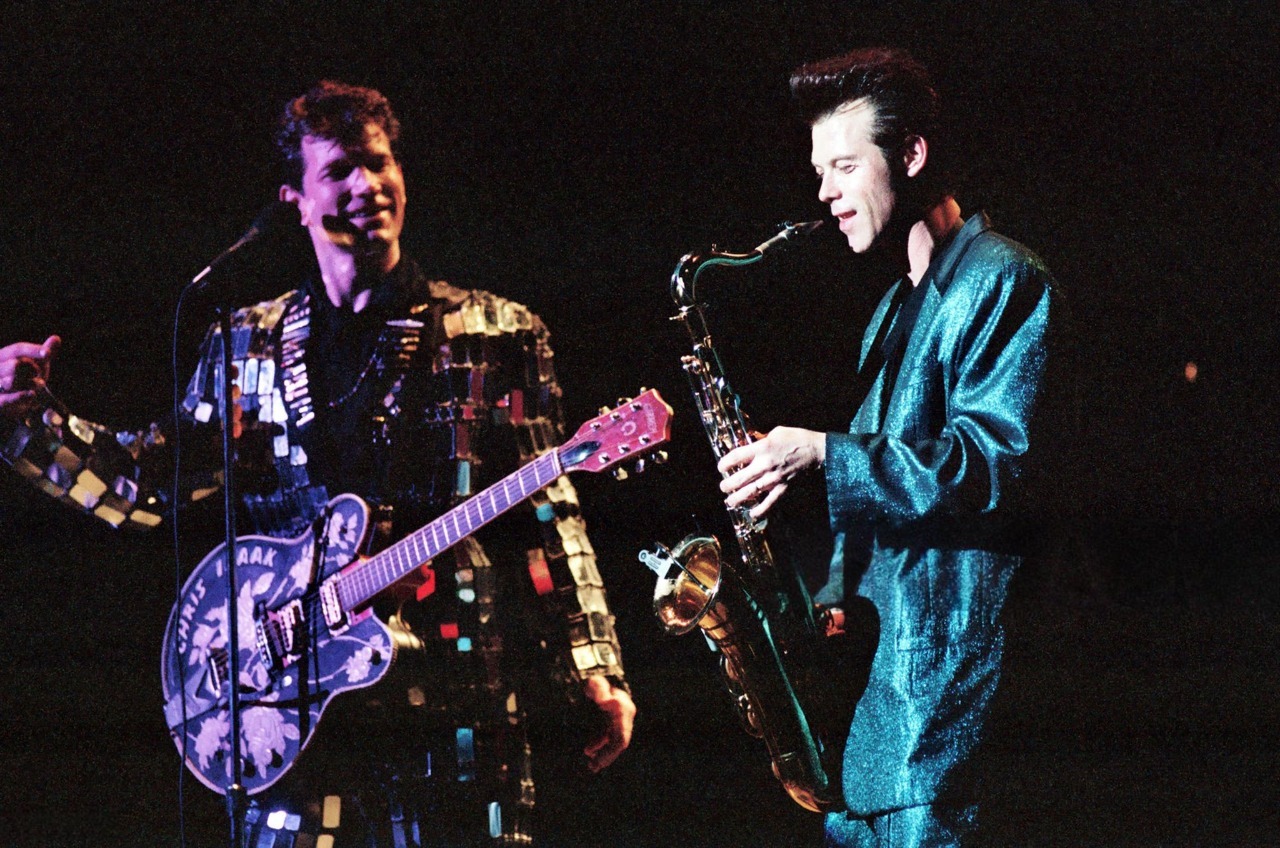
The album also featured Jimmy Pugh with his hammond organ, Bruce Kafan on pedal steel guitar, David Grisman on mandolin, and Johnny Reno, legendary for all rockabilly after the movie “Racers/Roadracers”, who was announced as a saxophonist, although the saxophone on the recording has to be searched with a stethoscope. The rhythm section, represented by Rowley Sally and Kenny Dale, was initially an unshakable lump. And, perhaps, enough of the praises, let’s go listen!
Baby Did A Bad Bad Thing is an insinuating rockabilly boogie that threatens impossible enjoyment. The keyboards in the background suddenly start sounding like police car sirens, immediately calming down and whistling an infernal melody. Stanley Kubrick didn’t use this song in his latest masterpiece “With Eyes Wide Shut” for nothing.
Somebody’s Crying is reminiscent of folk rock in the spirit of The Byrds, while remaining completely Isaakian.
Graduation Day is a school noir with a touch of country and Twin Peaks. Very rainy weather. Very beautiful. It’s creepy.
Go Walking Down There is disturbing and heartbreaking, reminiscent of The Shannon Cases and some desperate songs by The Yardbirds and The Animals. The music video for the song was directed by Bill Pope, a cinematographer who worked with Sam Raimi on Army of the Dead. The video features beautiful people and an inescapable horror in the brightest colors. A unique combination of music and video, creating a three-minute rainbow horror movie.
Don’t Leave Me On My Own is a pop rockabilly that combines the spirit of Presley, Orbison and Gene Vincent. Moreover, it is a completely independent work with its own groove and melodicism. Delightfully. It was like a sudden downpour in the middle of a sultry day.
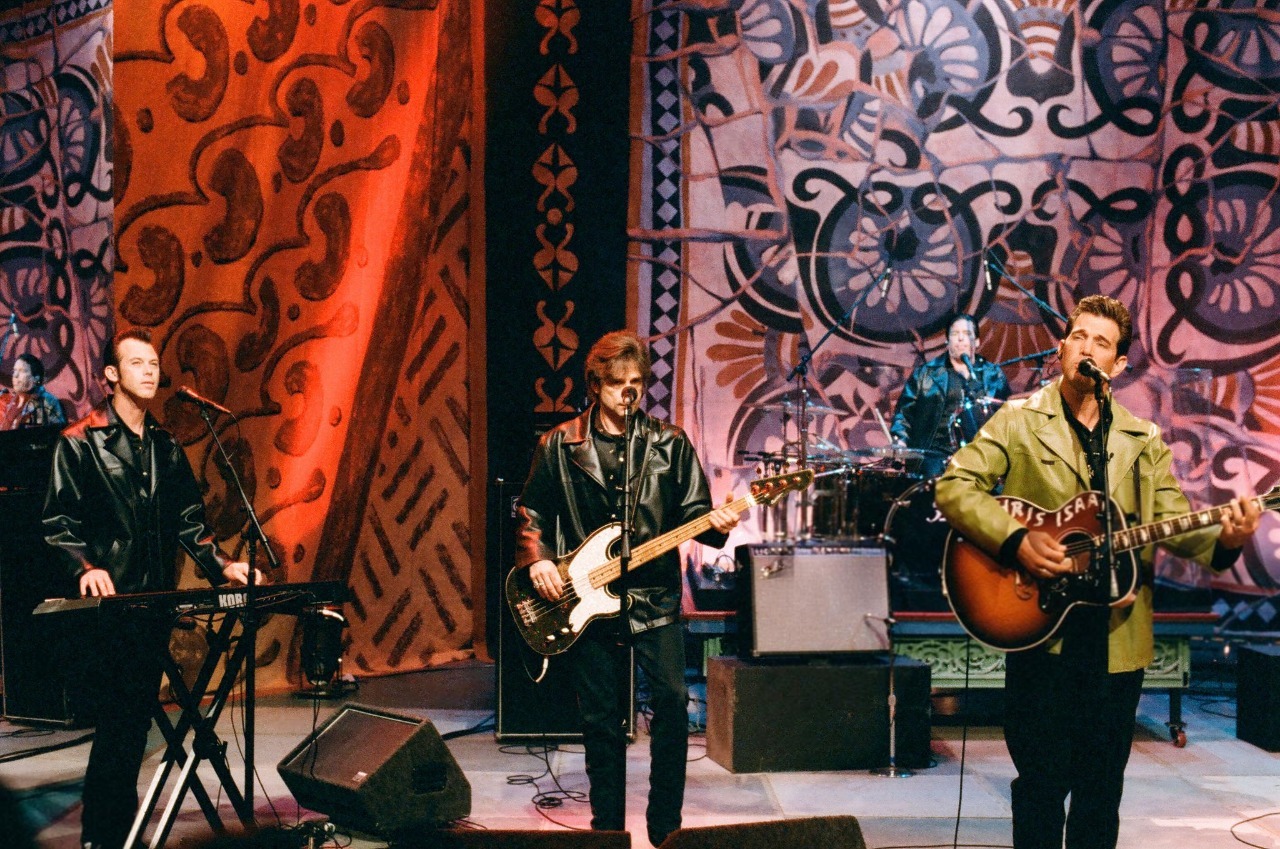
Things Go Wrong is a beautiful country ballad with a deep tremolo and a delightful crescendo.
Forever Blue, with its velvety texture, resembles a lost jazz masterpiece that Gene Vincent forgot to sing.
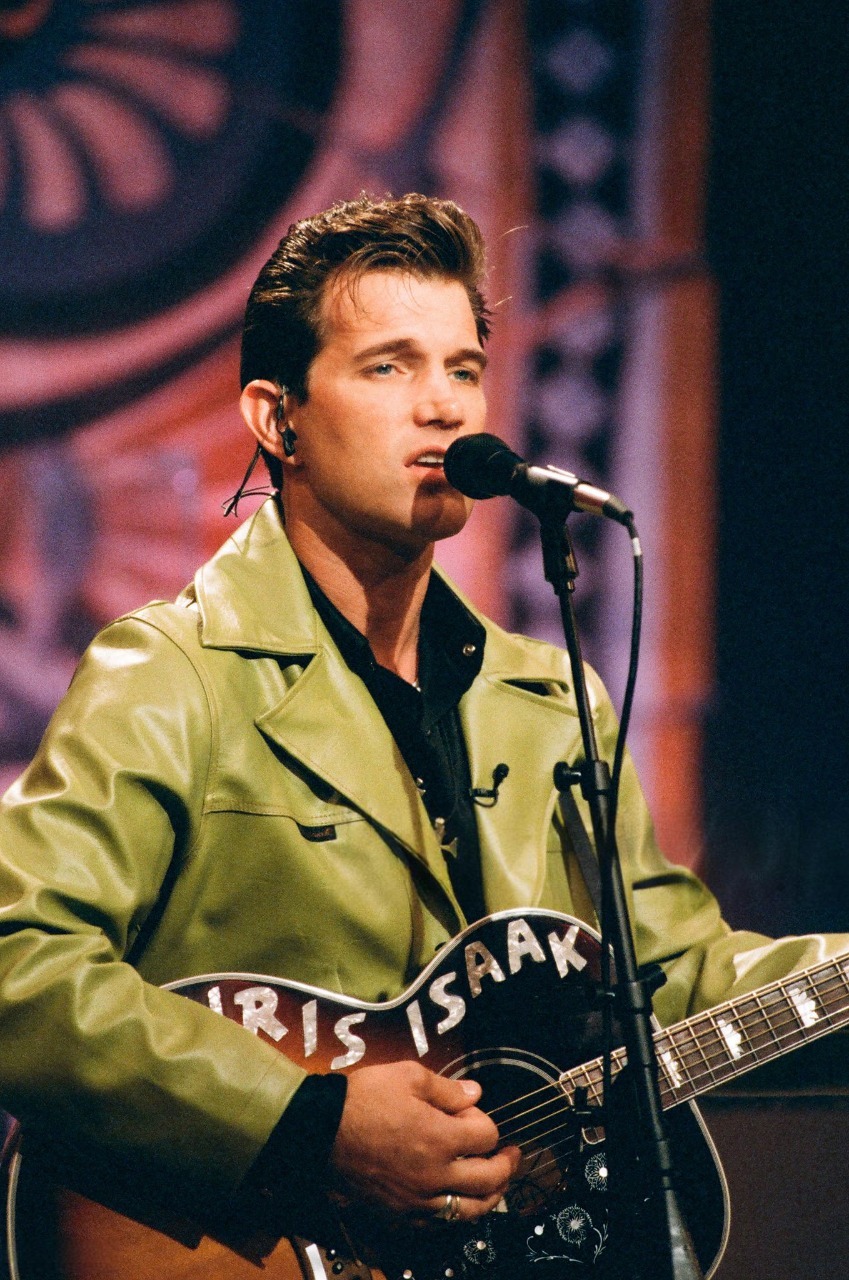
There She Goes is simply luminous with its lightest sadness, deliberately carefree melody and hidden depth.
Goin’ Nowhere is another “lost hit of the 1960s” and just a mighty song.
Changed Your Mind is a surf noir. The surf brings with it fresh drowned people, and the storm on the horizon is something worse.
Shadows In The Mirror is probably Chris’ greatest song. Impossibly beautiful. The best of his vocalizations. It’s heartbreaking. It’s soul-soothing.
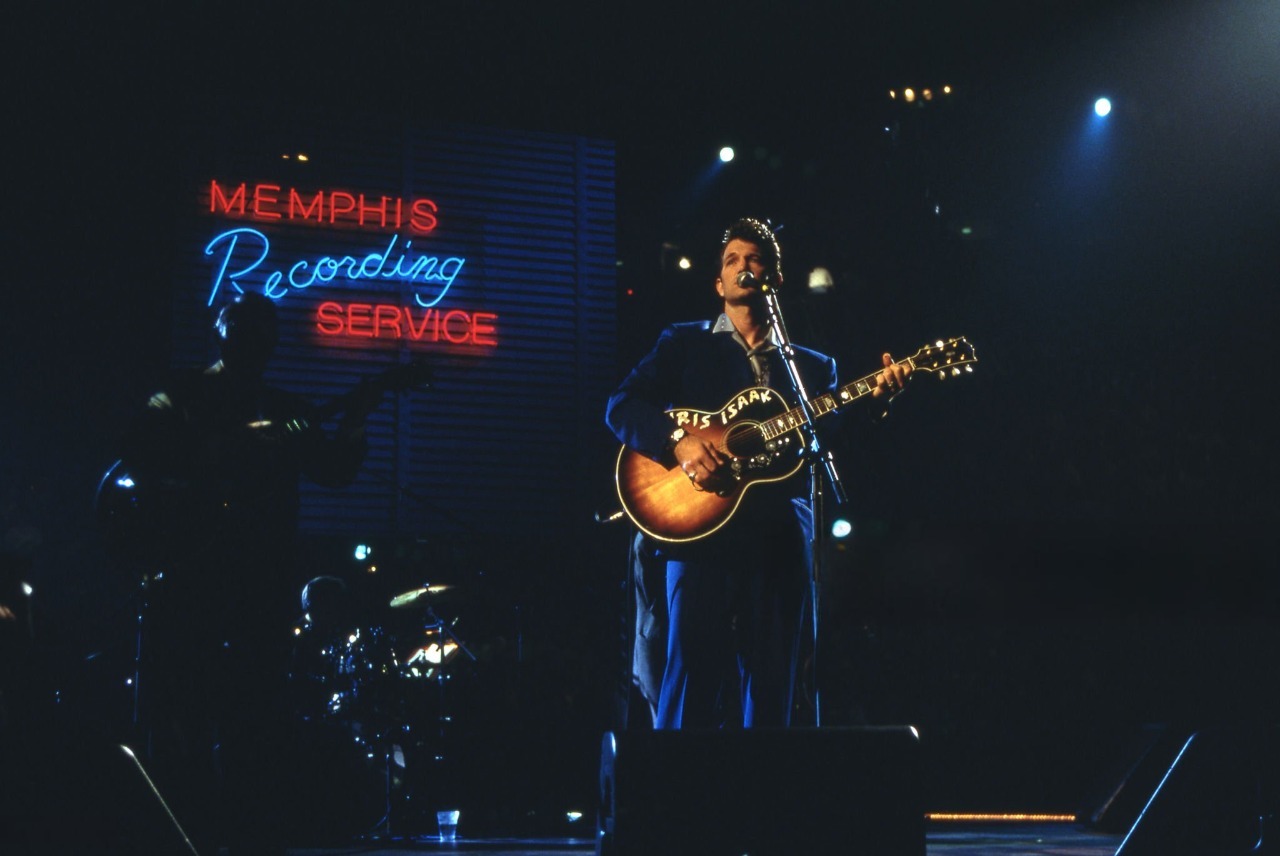
I Believe is cheerful on the surface, bitter in depth, but the melody is magical, anyway.
The End Of Everything is a beautiful and scary ballad. A beautiful and scary pedal steel guitar echoes Chris’ voice.
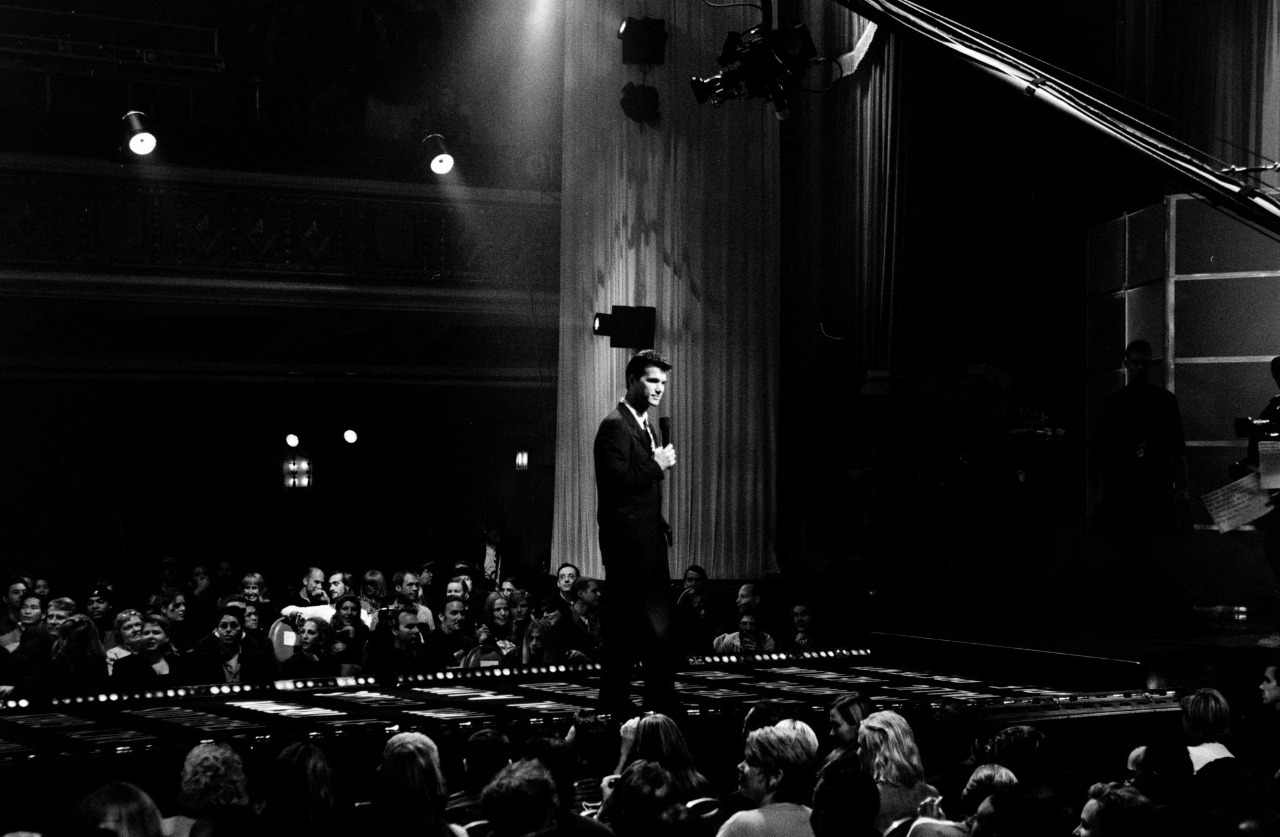
Not a single weak song, laconic piercing arrangements – the album is listened to twice in one breath. Then it is played over and over again. And then you can’t leave him at all.
And when you walk through the Gate and stand in front of Alanis Morissette, you can confidently say that you’ve heard “Forever Blue” but not “Jagged Little Pill.” Stay on the right course, Moon Dogs! It’s warmer in Hell and the music is better! Although the rain will be missed…