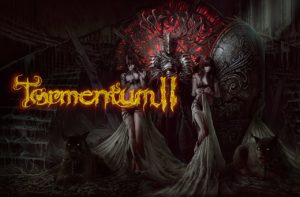
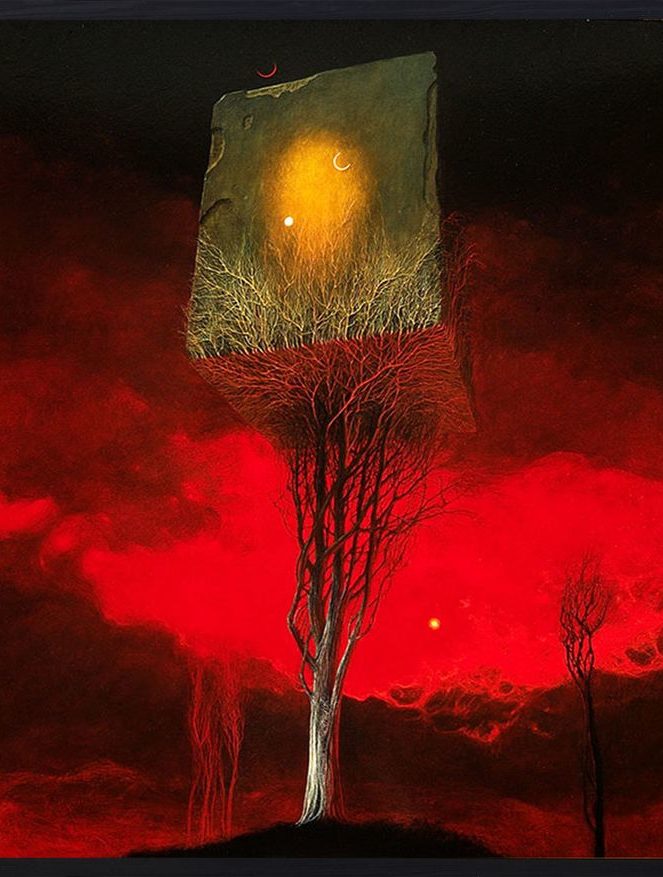
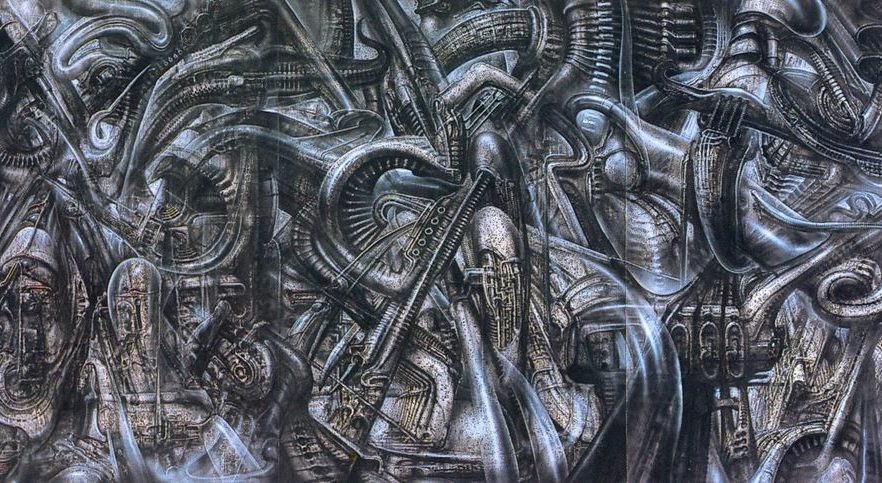
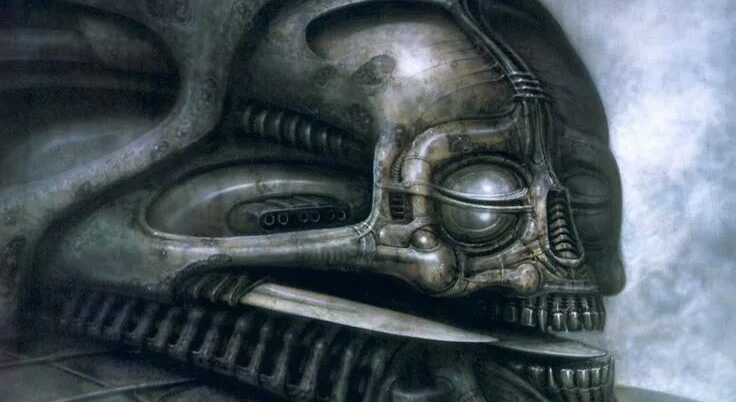
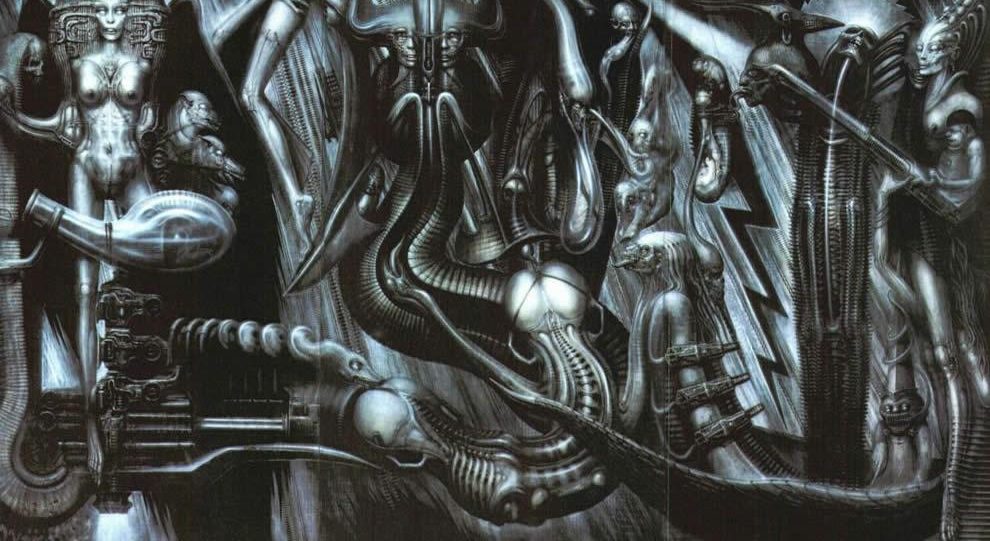
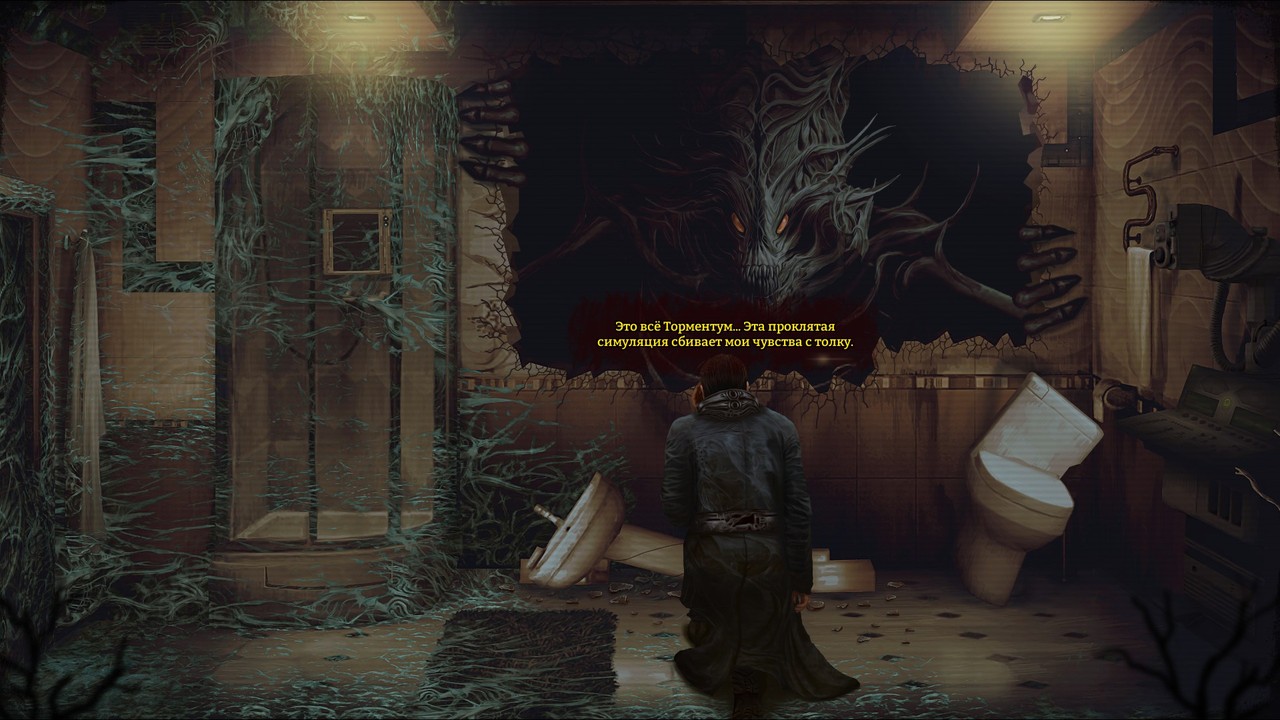
Some types of electronic entertainment are always soothing, even if they are filled with creepy and frightening images. Such games offhand include walking simulators, visual novels, and quests that are especially dear to the heart of a Russian person. The ones that point&click. For example, a walk through an art gallery or a museum can give you similar sensations. A cleansing catharsis will inexorably overtake you among the paintings of Zdzisław Beksinski or Hans Ruidi Giger, and you will feel very comfortable among these uncomfortable images. It is precisely this paradoxical pacification that the new OhNoo studio game called Tormentum II causes.
To begin with, a small rebuke for those who are puzzled by the fact of choosing this game for our magazine. I could take my favorite skein of white thread and sew it thematically through cyberpunk, Lovecraft, and a reinforced concrete thesis about psychobilly guys who love horror in all its forms, but this time I’ll refrain. The main reason for writing this article is the studio’s direct appeal to our editorial office, so it would be rude to ignore it. Moreover, for me personally, this game has a partly mystical story.
 Wake up, samurai!
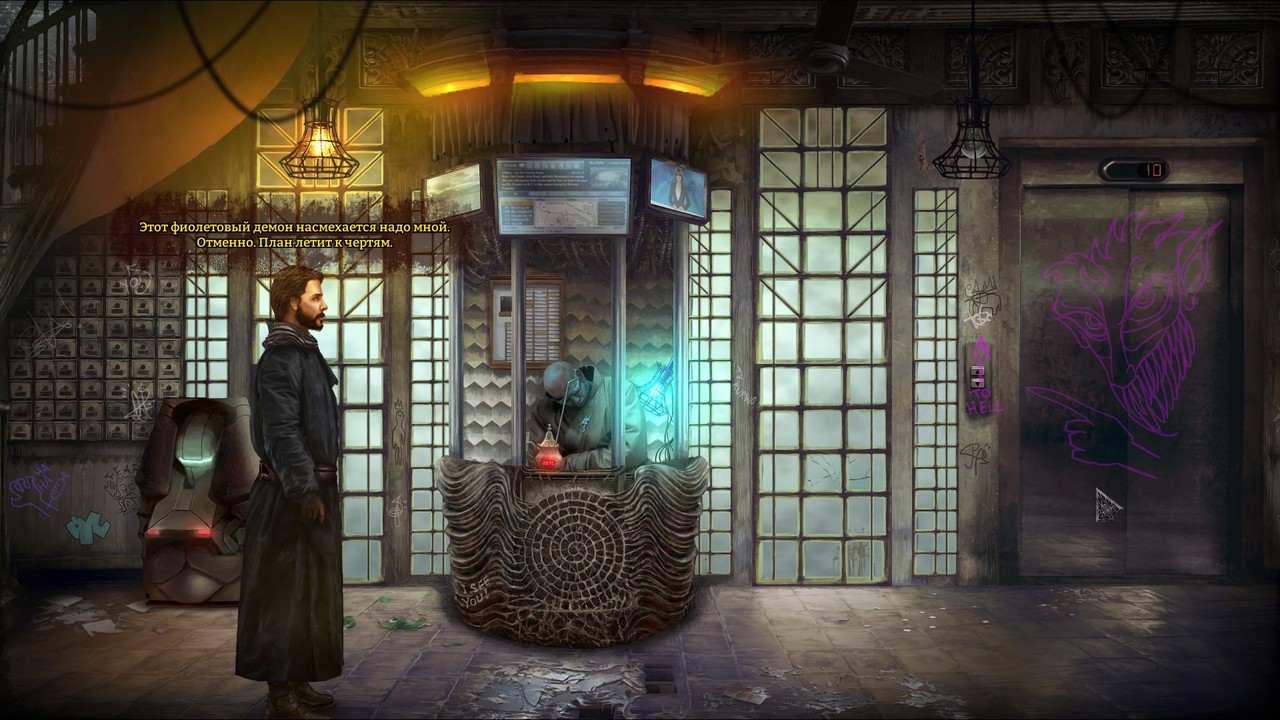
As in the case of Alone in the Dark, there is a bit of external mysticism surrounding this game series. A few years ago, I came across the first part of Tormentum in some kind of soulful pirate compilation of indie games. This mysterious quest or art project, which it seemed like at the time, was very much sunk into my soul, but for inexplicable reasons it was lost after a single game session, and the name did not stick in my memory. So the fact that Lucas and Peter, the developers who previously released Tormentum: Dark Sorrow, contacted our magazine, which is not very specialized in the field of video games, can be considered a kind of providence.
A youthful Midsummer Night’s Dream
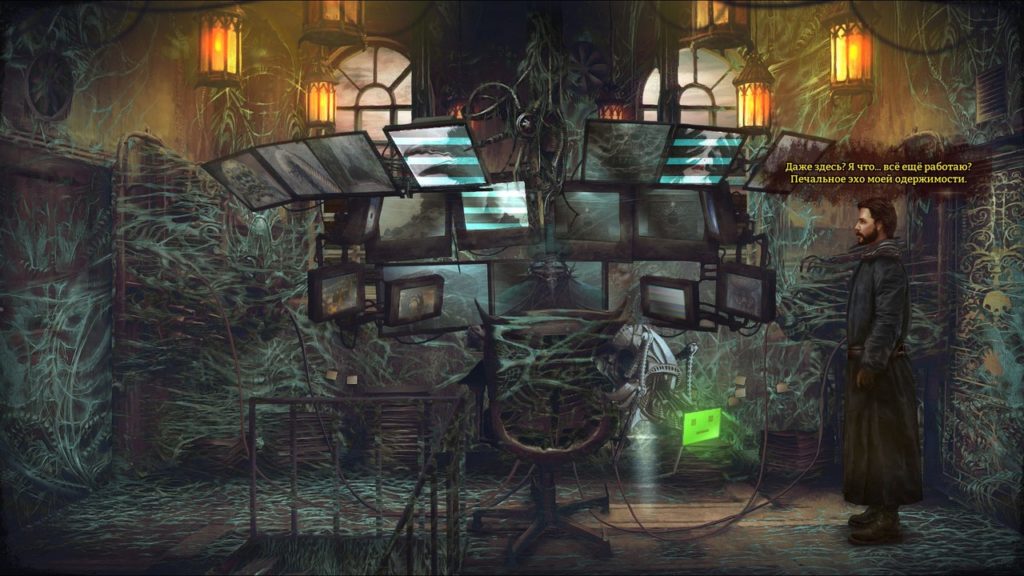
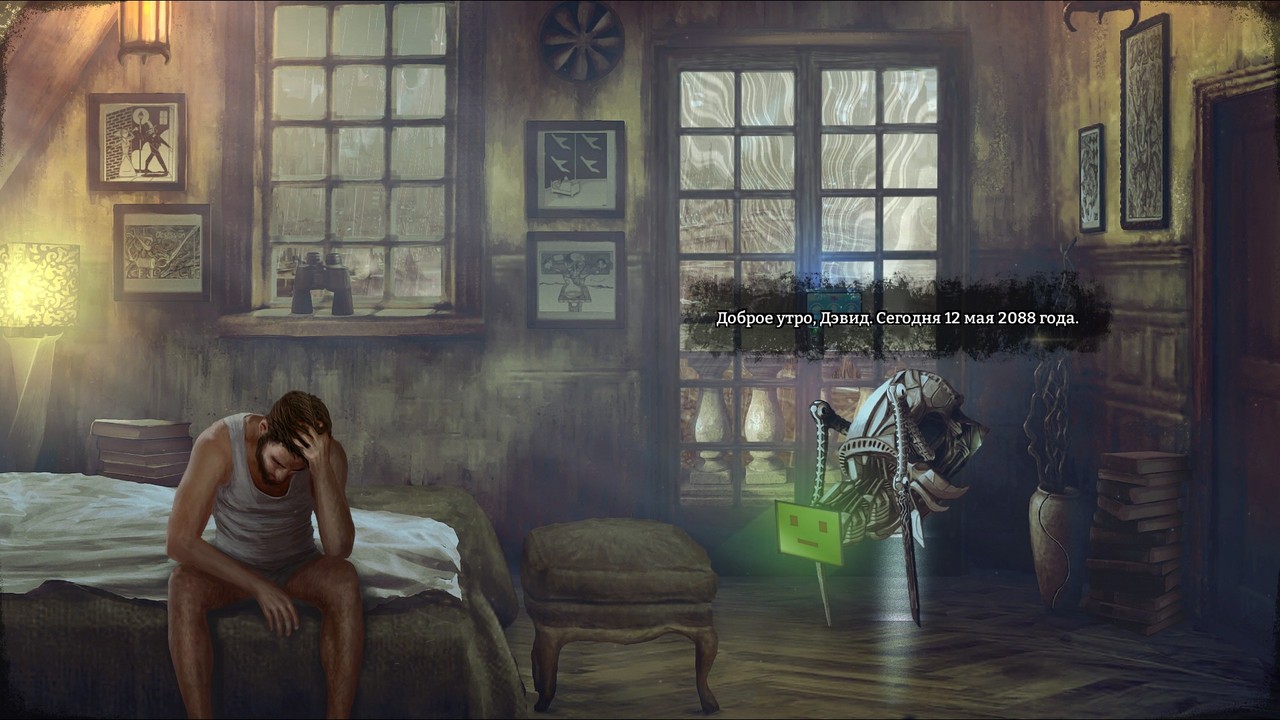
The narrative part of this game is twofold. It’s simple and cliched in places, but it’s more touching, like a visit to your beloved grandmother. The plot begins with the fact that a lonely and misunderstood game designer, David, is making his own virtual reality called Tormentum. I haven’t delved into it, but it’s possible that this is the first part of the game itself. He also has nightmares, and he doesn’t know which is a dream and which is reality. And then he gets into his own creation. Or has he always been there?.. Ellipsis… The understatement…
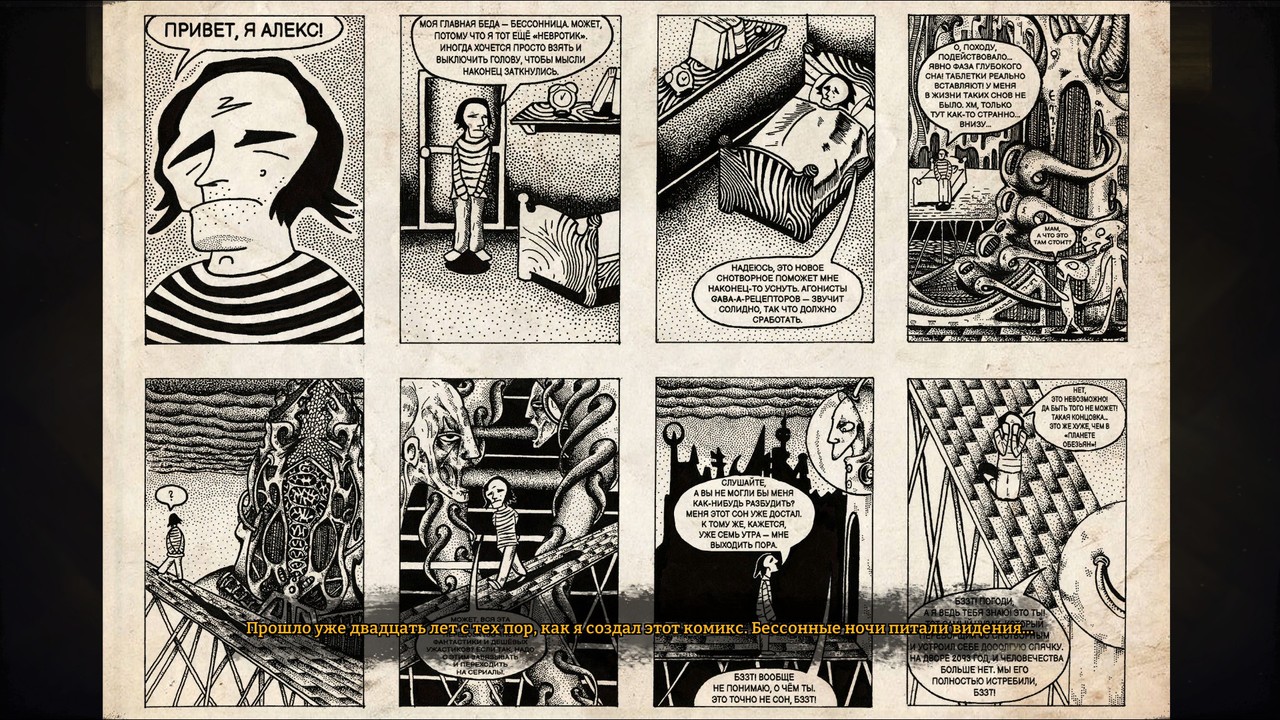
 Graphic drawings in the game are a separate gem
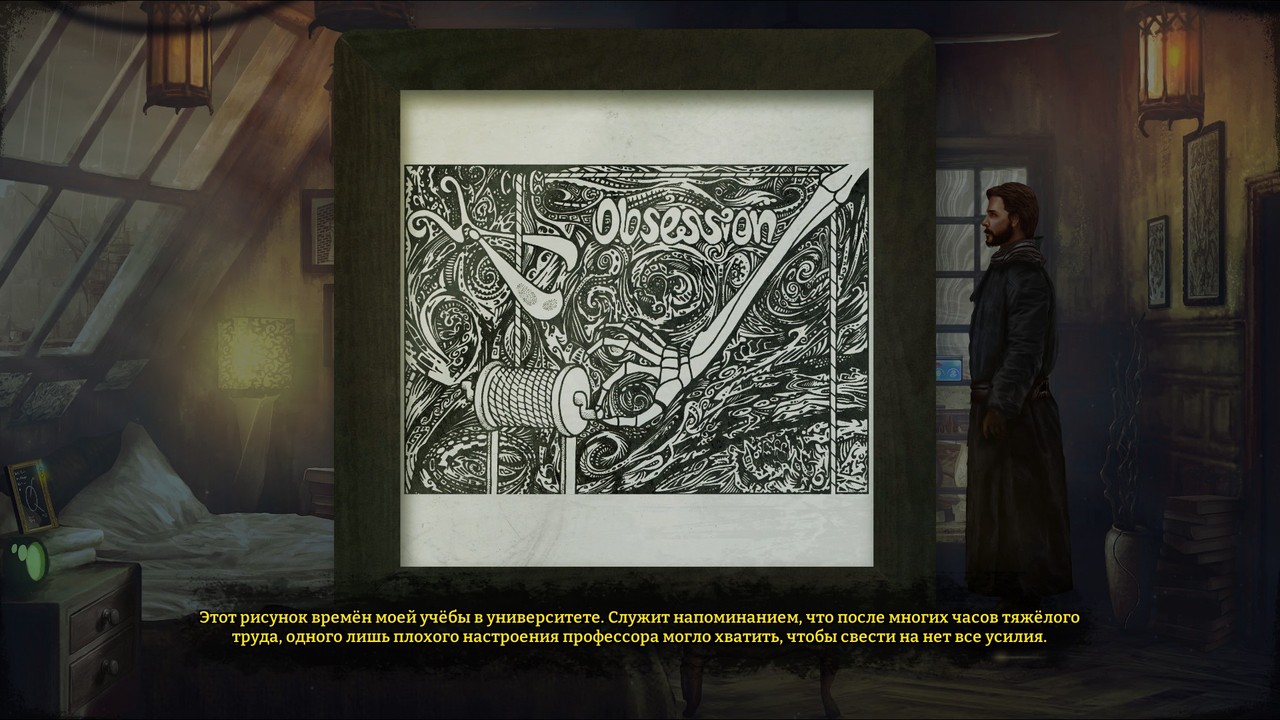
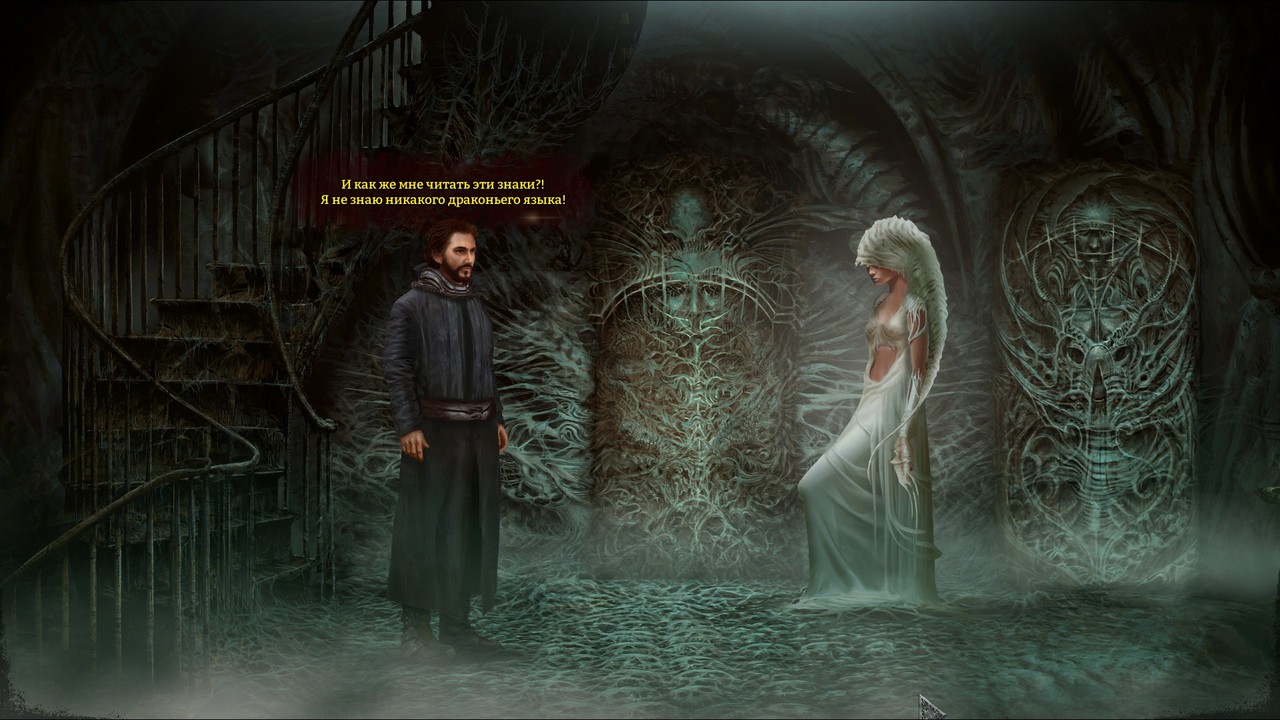
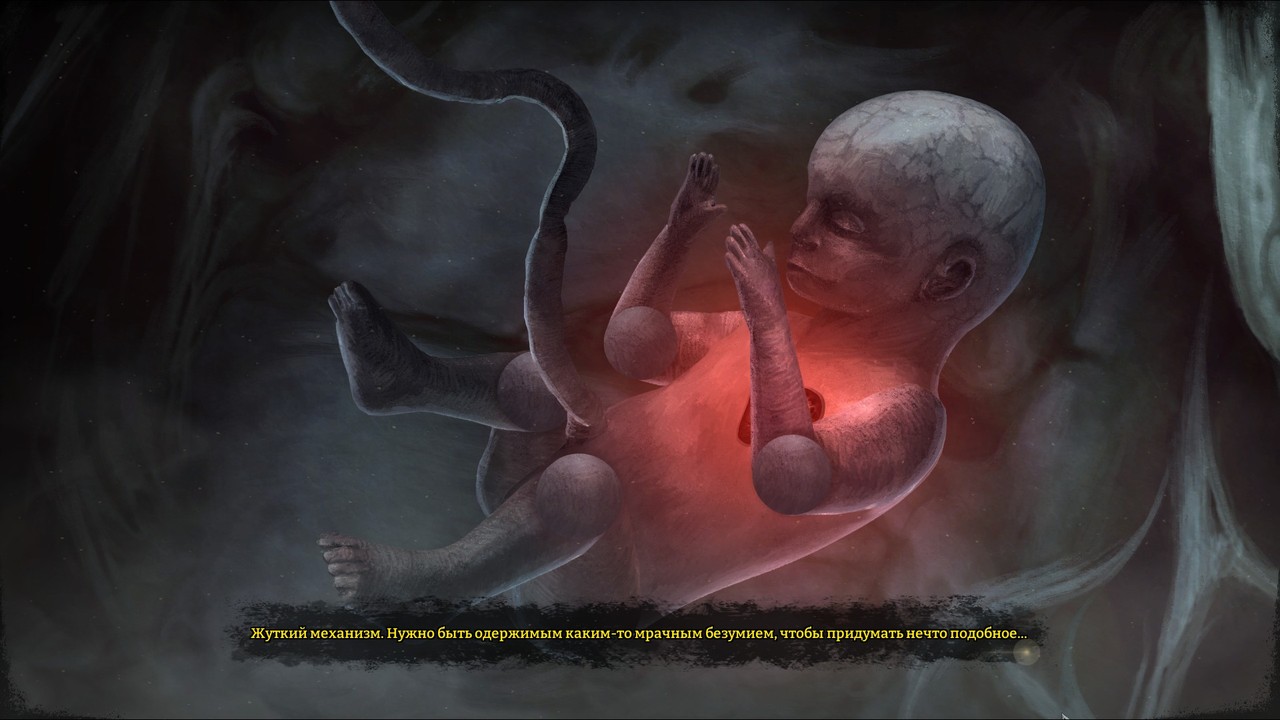
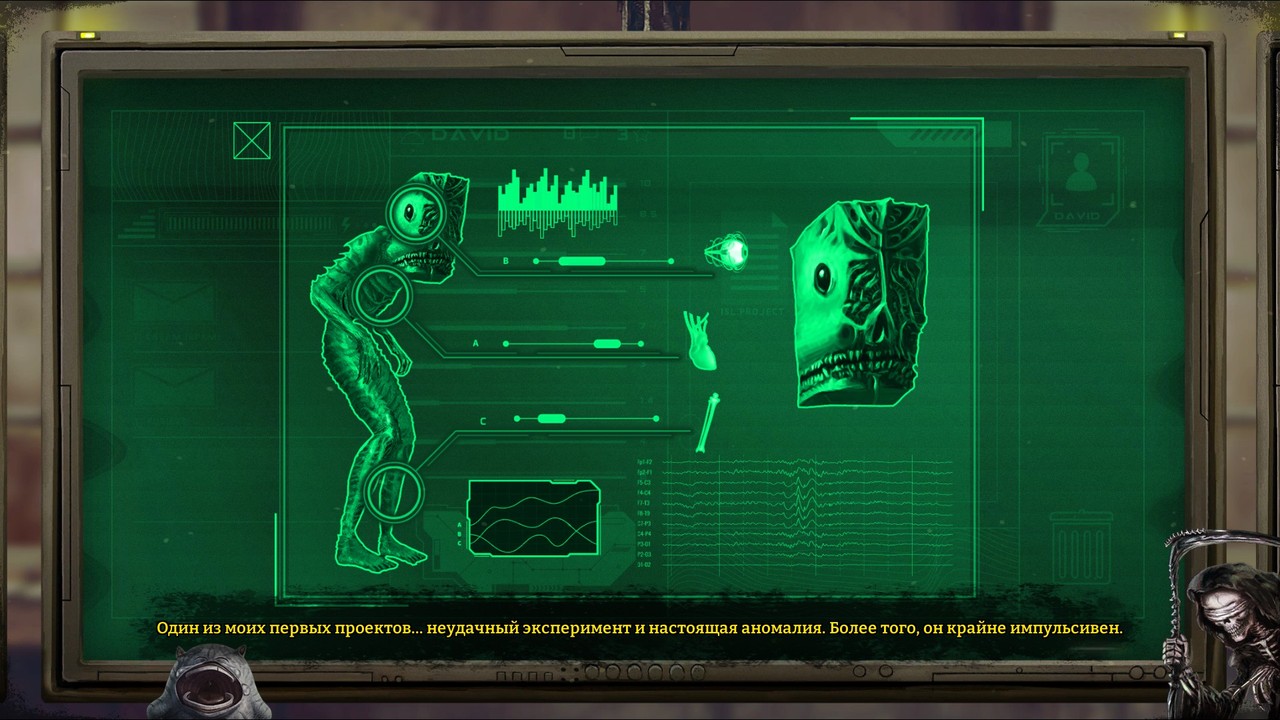
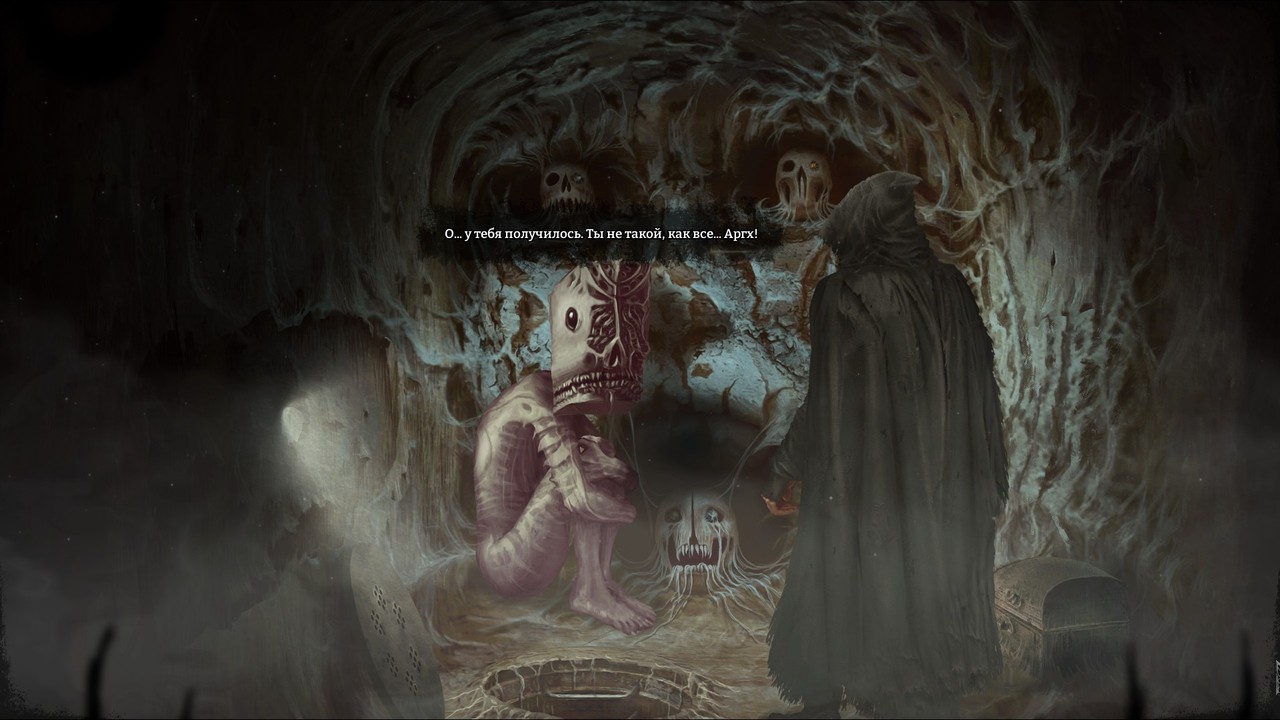
And it all looks just adorable! Imagine the scenario of David Cronenberg‘s “Existence” (perhaps the main character is named after him) retold by Sergei Lukyanenko. It’s simple, entertaining, with jokes and mundane digressions, but it’s accurate enough and very exciting. For example, I was very hooked by the joke about fingers, which can be used to determine the level of reality. According to the developers, during the creation of the game, artificial intelligence has become extremely close to our world.
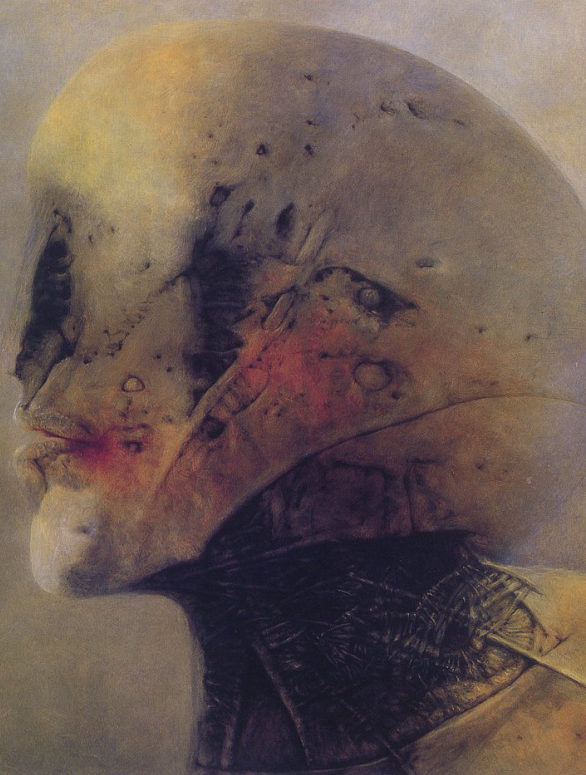
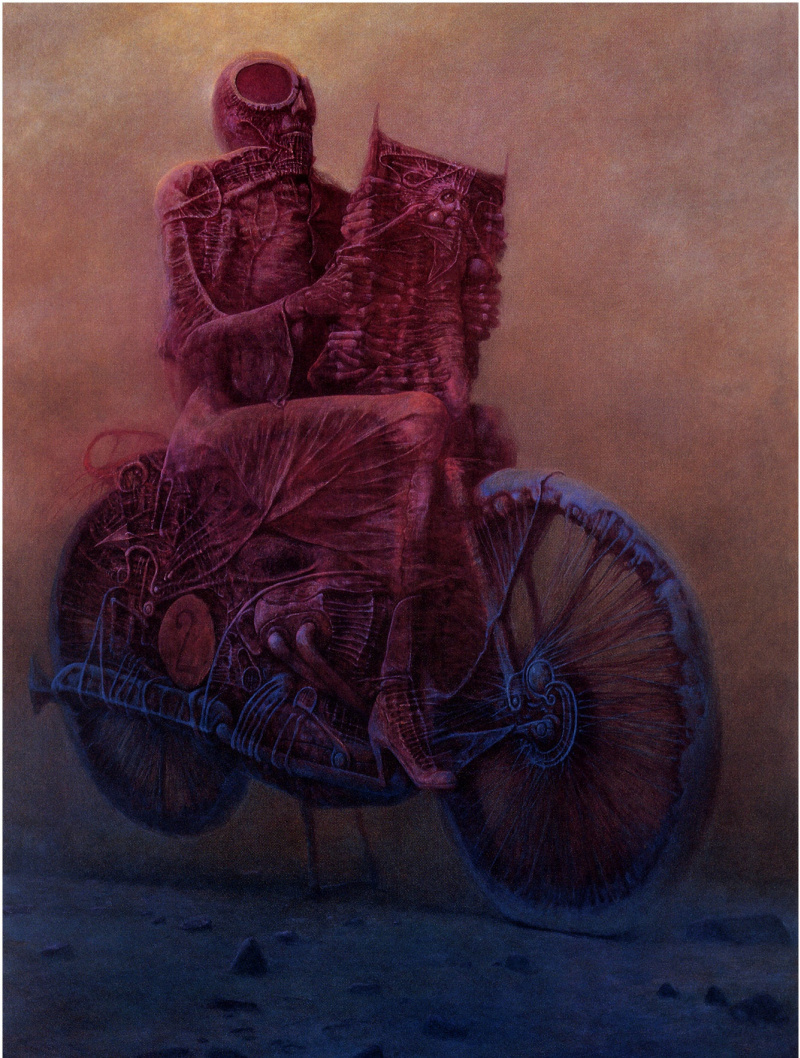
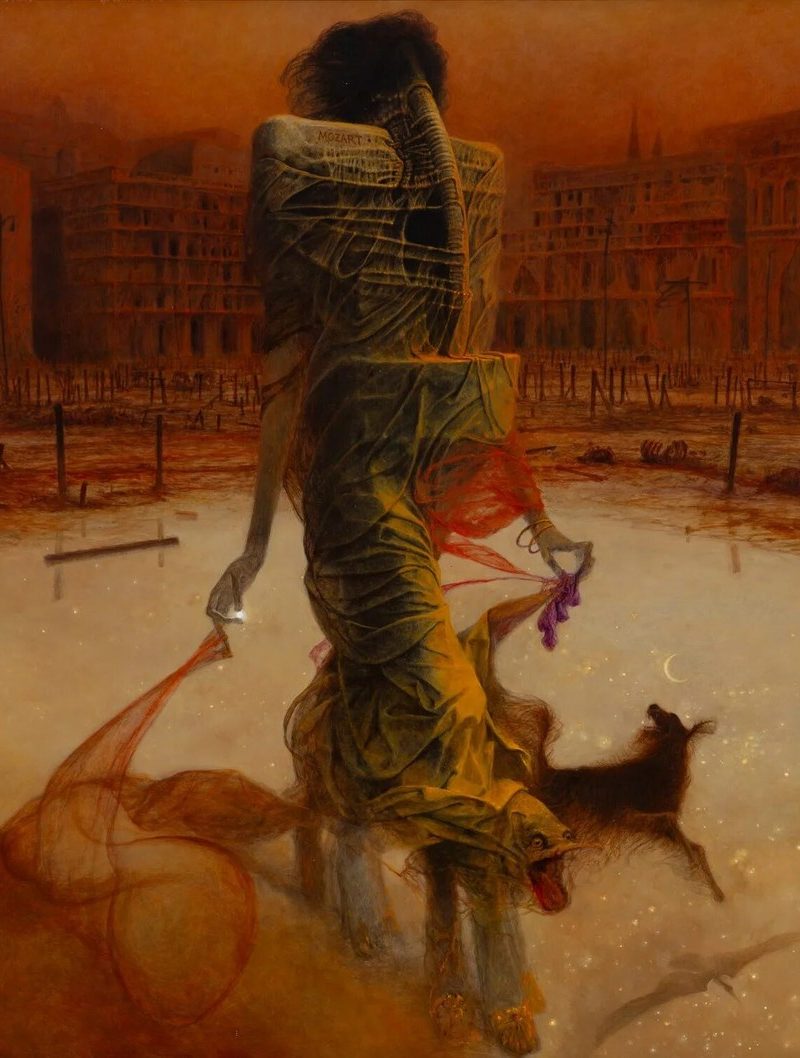
The main character seemed to come out of the fantasies of informal youths, and his native cyberpunk setting matched this. But at the same time, you don’t want to look at him condescendingly. His image and story are interesting, despite his naivety. Perhaps even thanks to her, the characters evoke sympathy. David and the rest of the characters seem to have come out of fan fiction. But this is fan fiction based on the paintings of the aforementioned Beksinsky and Giger.
 Paintings by Zdzislaw Beksinski
 Paintings by Hans Giger
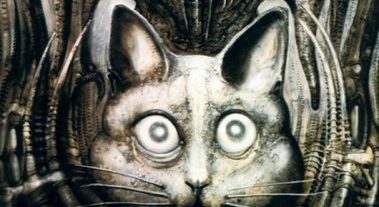
Panic in the art gallery
And here is the real expanse. First of all, it’s beautiful. Secondly, everything is as much in its place as possible. And thirdly, with all the popularity of these artists and their creations, how often do you see competent artistic quotes on them outside the context of names and hyped images?
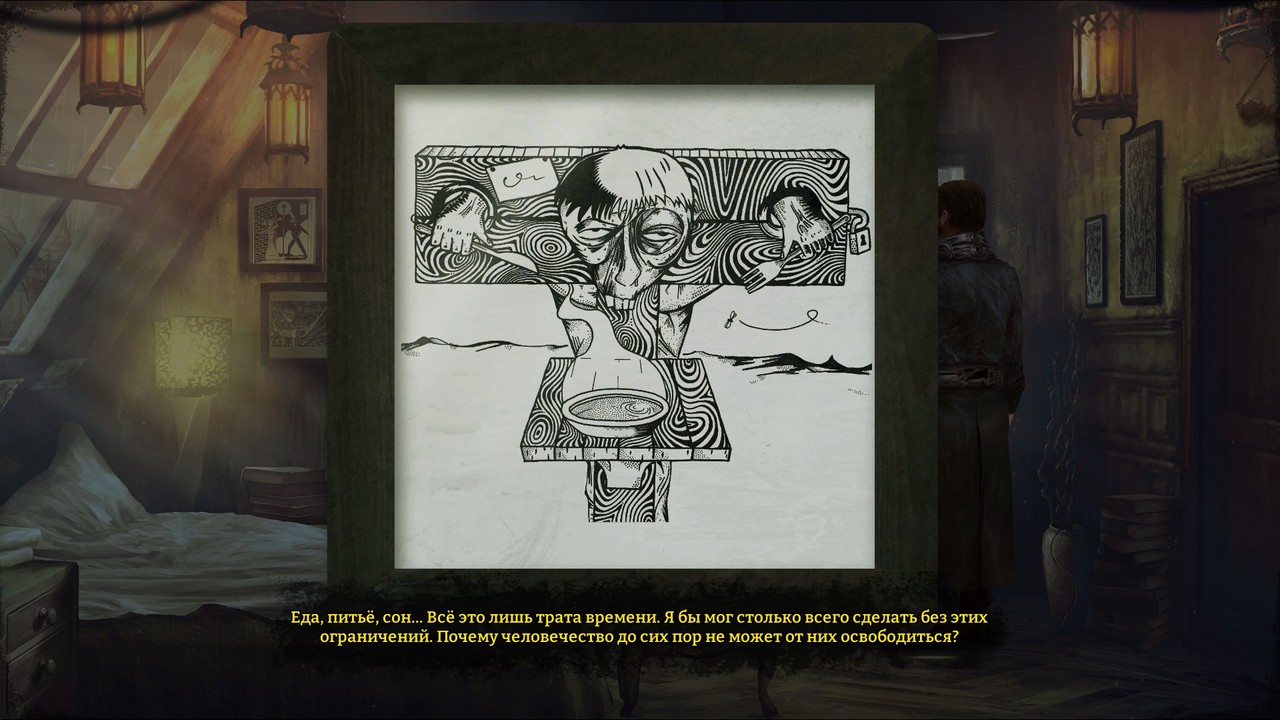
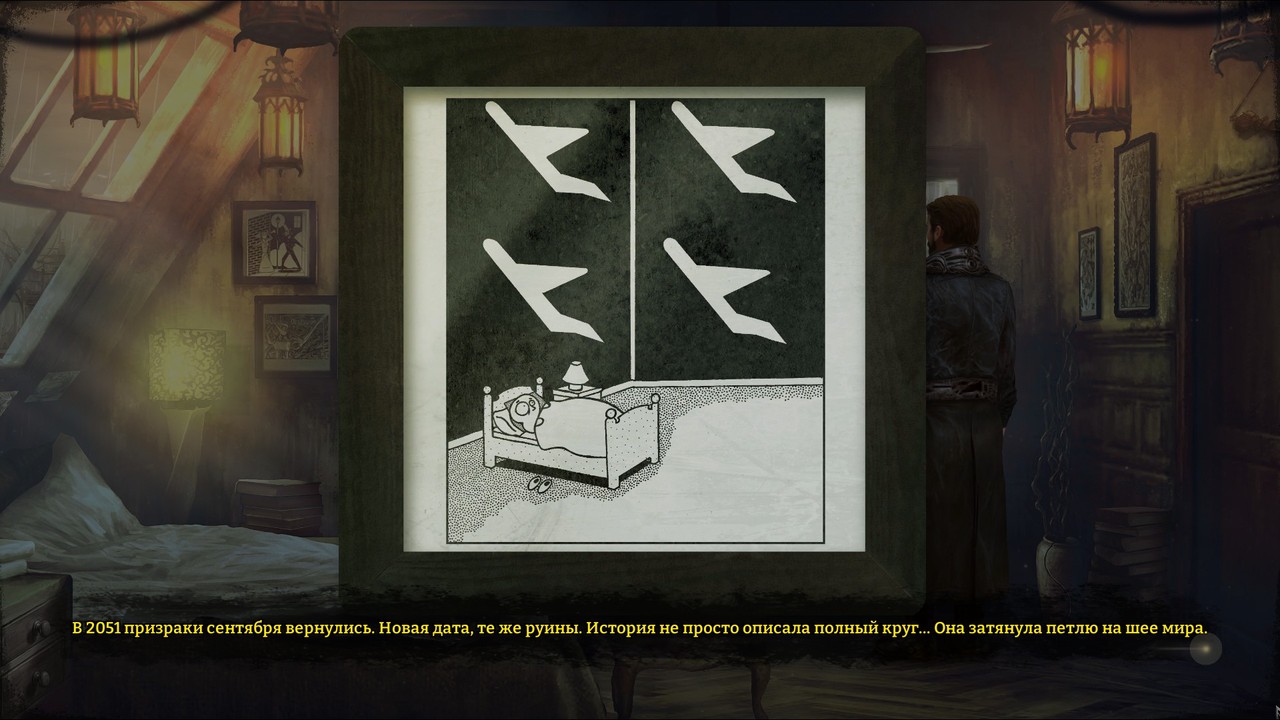
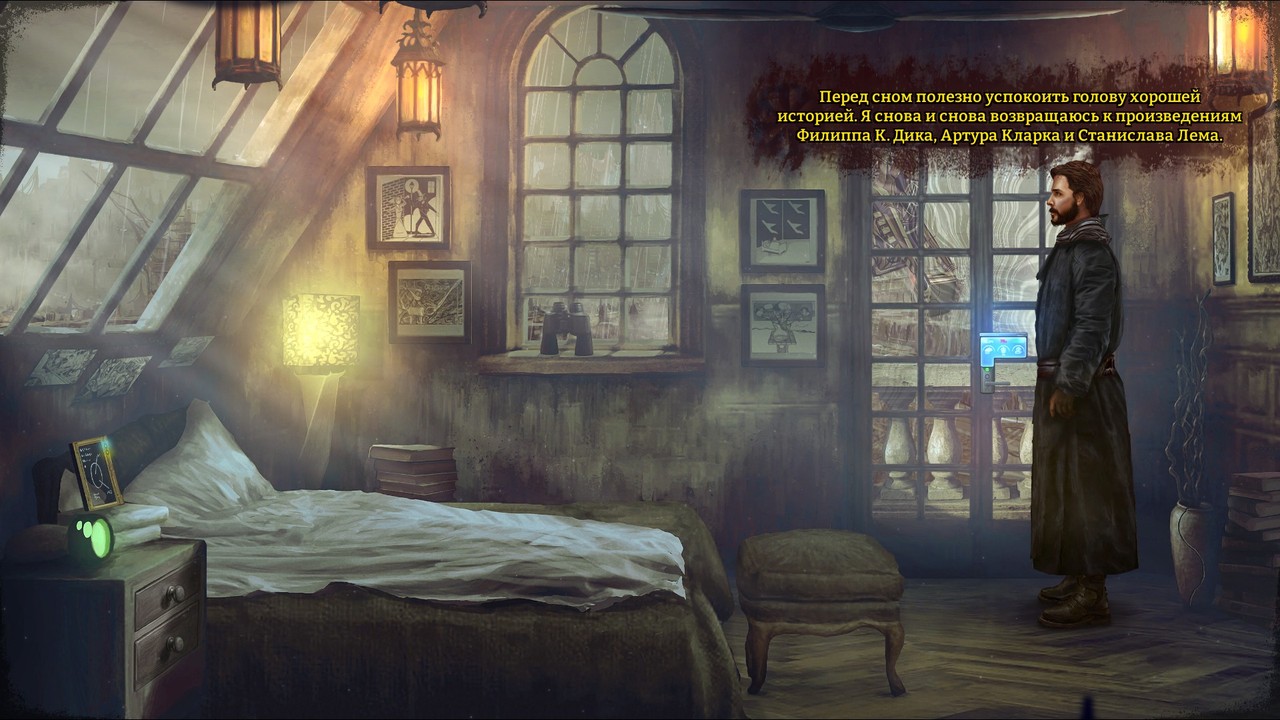
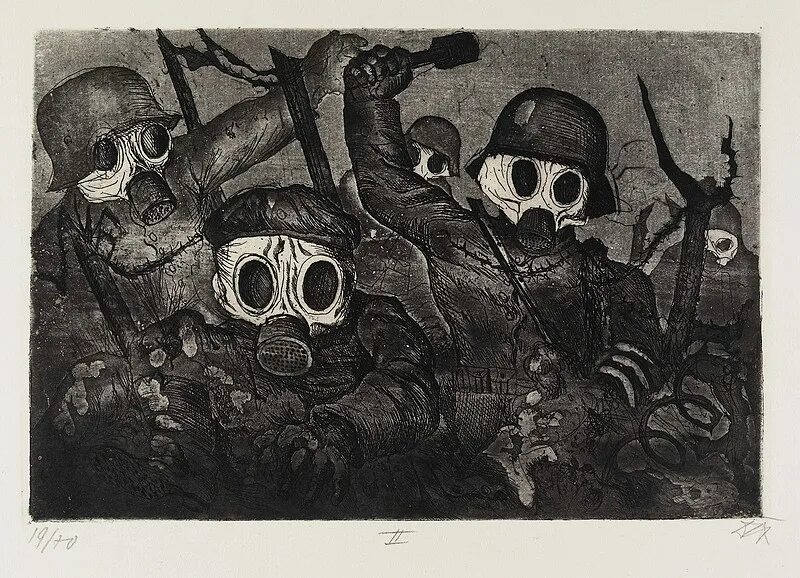
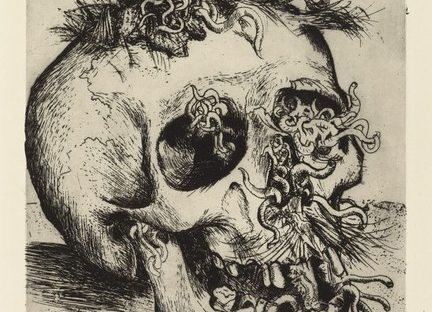
Tormentum II, like any metamodern work, contains a lot of references. But Pyotr Rushkovsky is primarily an artist, and he made references to other artists precisely as an artist. The graphics alone, in the sense of a pencil drawing, are worth it! I’m not going to try to get into this deeply, so as not to flaunt ignorance, but I saw Otto Dix and even something from Picasso. What about the opportunity to talk to Beksinsky’s signature freaks? Here they are quite active NPCs.
 Without! False! Modesty!
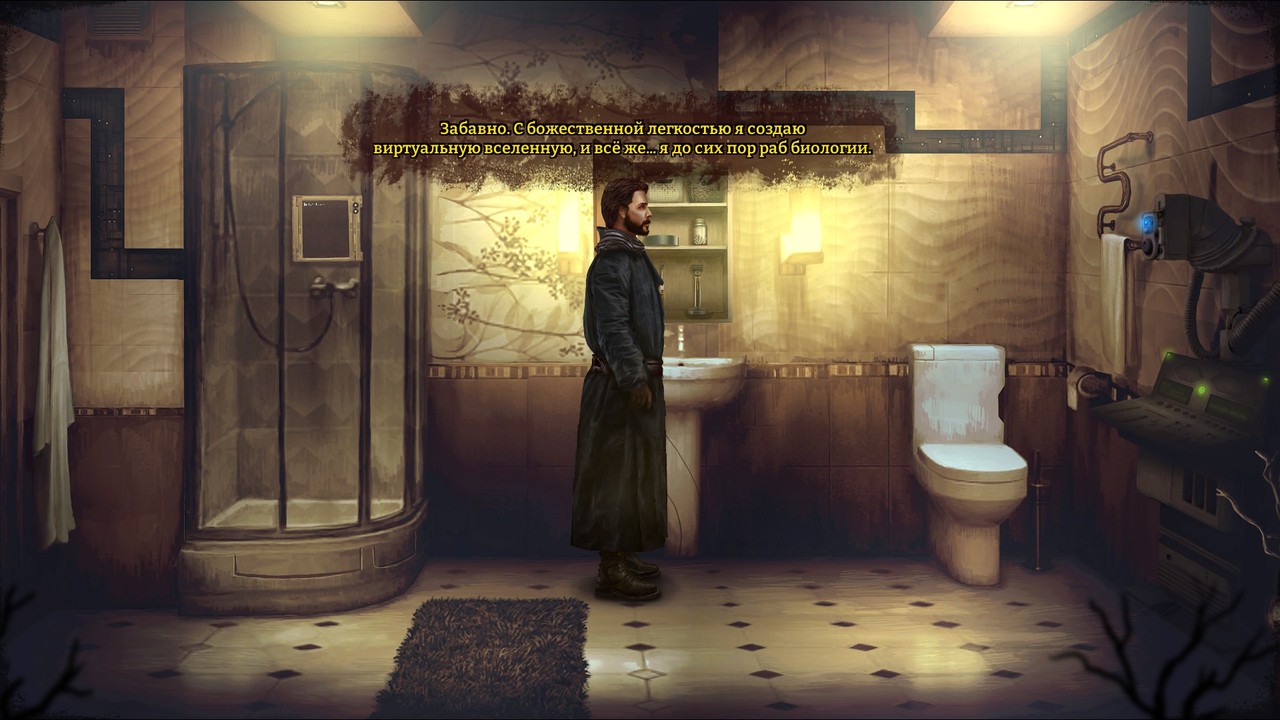
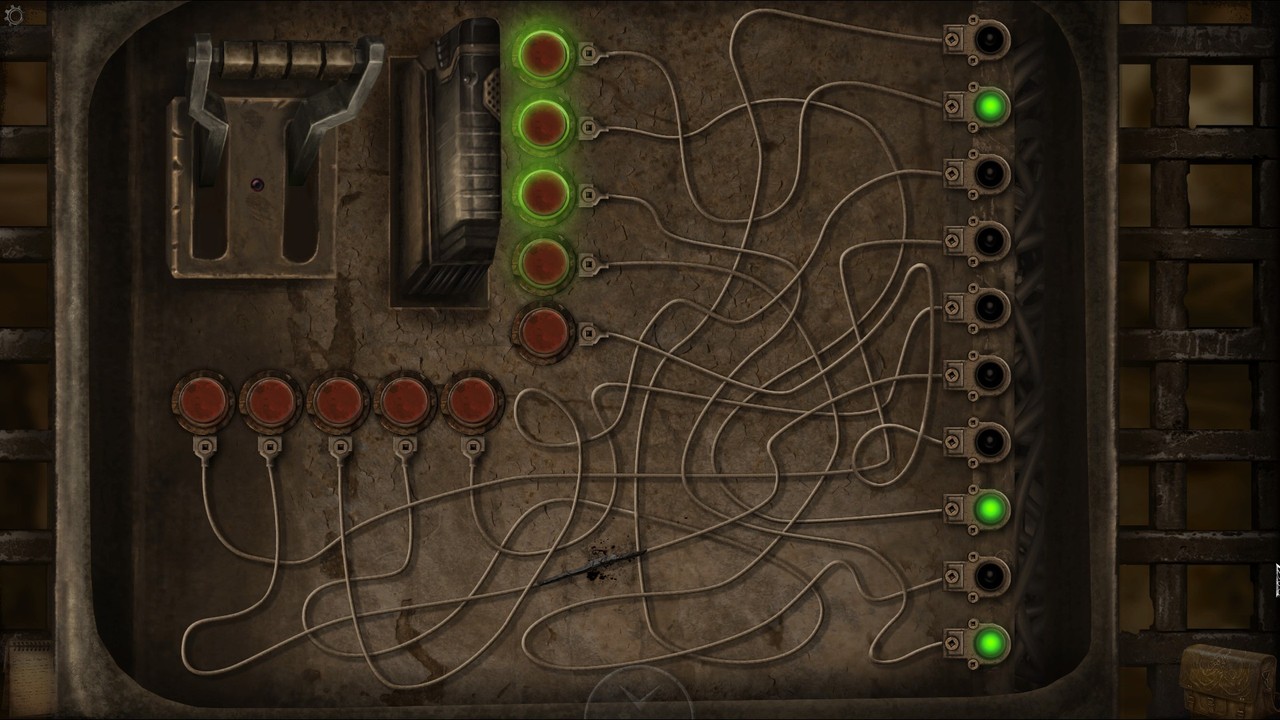
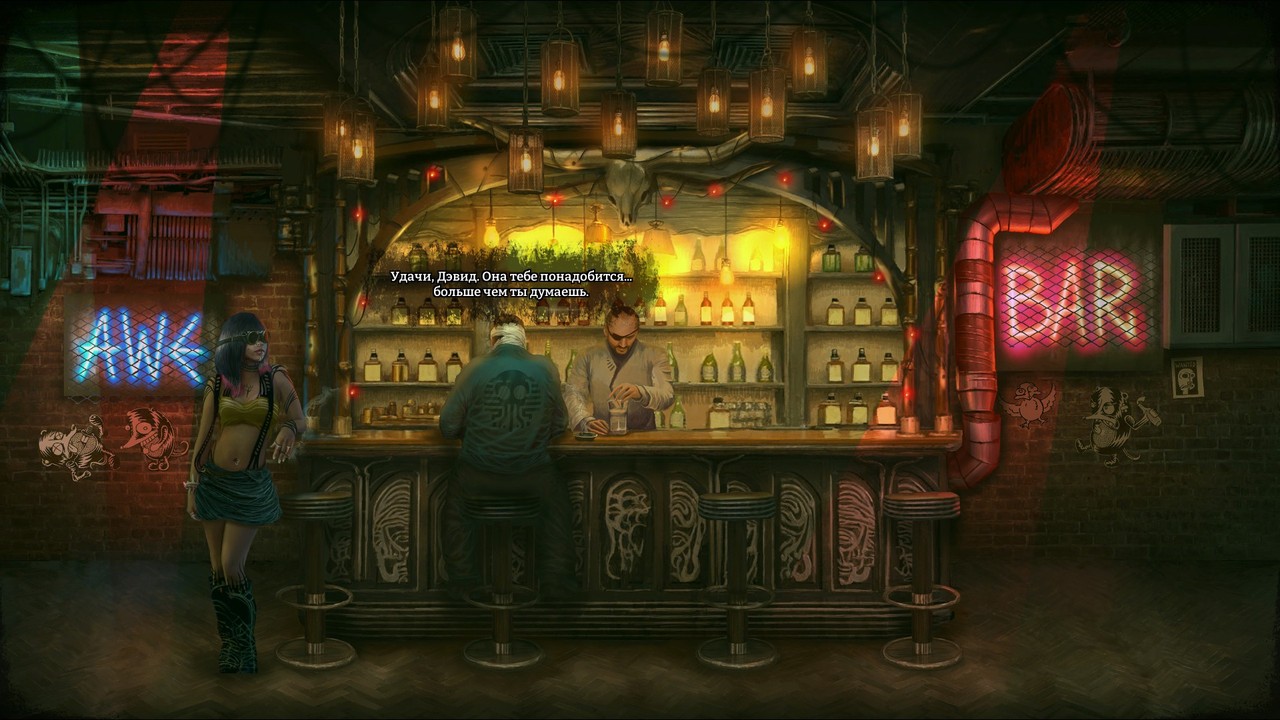
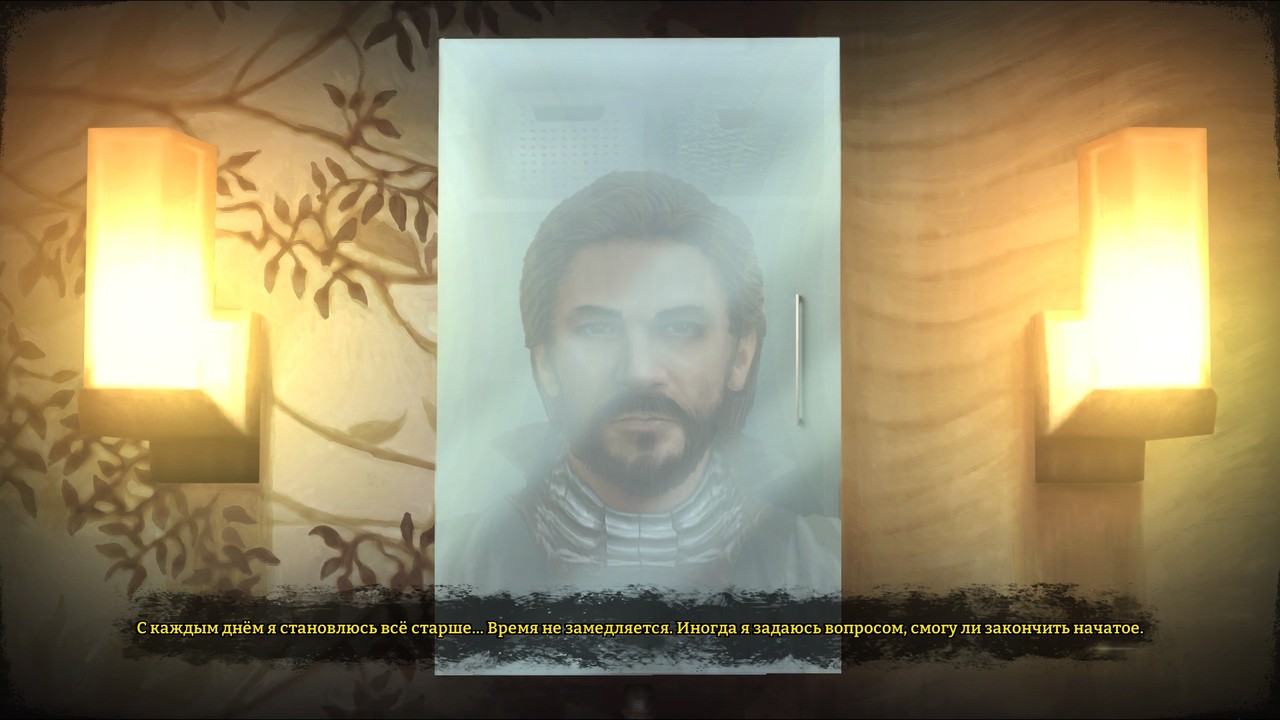
Giger here is also not what we are used to. Instead of the Alien registered in the genocode of pop culture, which has long become Its Own, the artist is represented here by erotic images of seductive biomechanical decorations.
As in the narrative part, there is a fly in the ointment here, which only gives the taste more piquant notes. In fact, there are almost no animations in the game. David is not being chased across the screen like Ben the Biker, the robot from the Machinarium, or Petka and Vasily Ivanovich. Static images are animated here. And it works great because there are a lot of different pictures, like in a graphic novel. That is, really a lot. The eye does not have time to get blurred by static and everything looks like a conscious choice of visual style, not economy.
 Paintings by Otto Dix
The sound part was also a success. It’s wildly diverse musically. There are wild cellos, clearly referring to the work of Krzysztof Penderecki, and the royal ambient from the films of the aforementioned Cronenberg. There is also a pinch of underground industrial, which finally turns the soundtrack into a playlist of favorite songs by the very teenager who wrote the fanfiction.
 That's why it's empty.
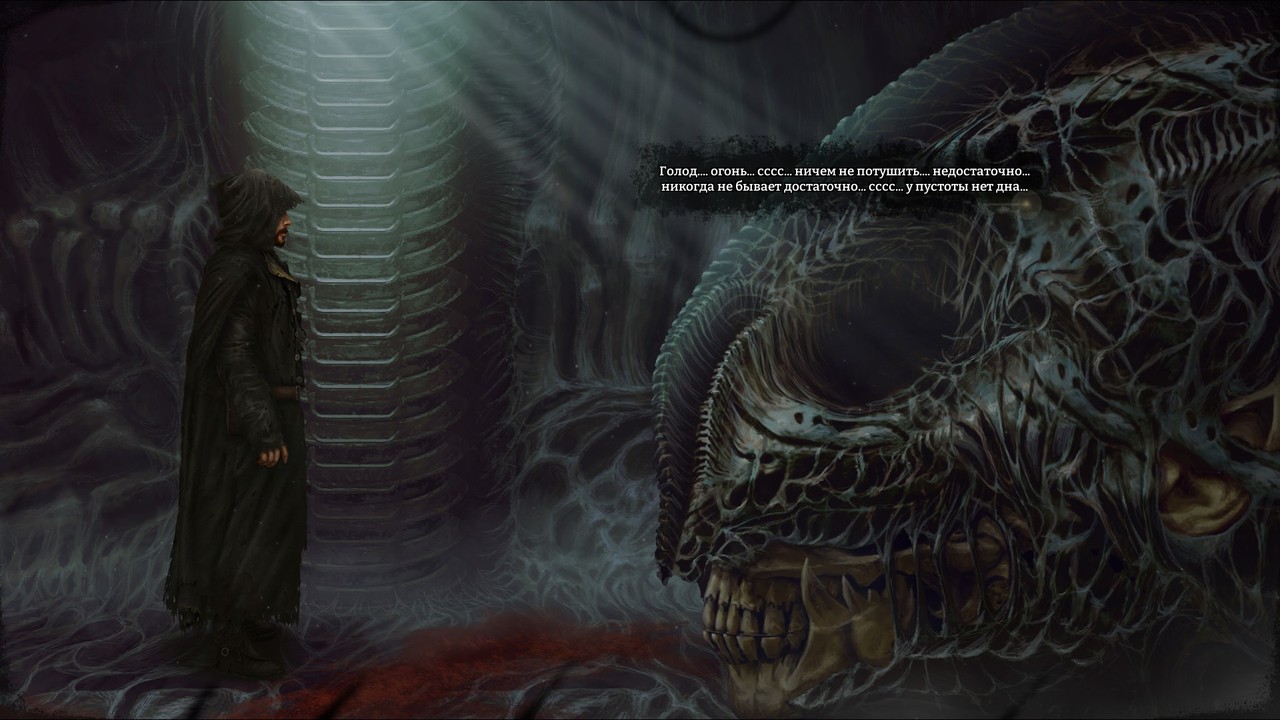
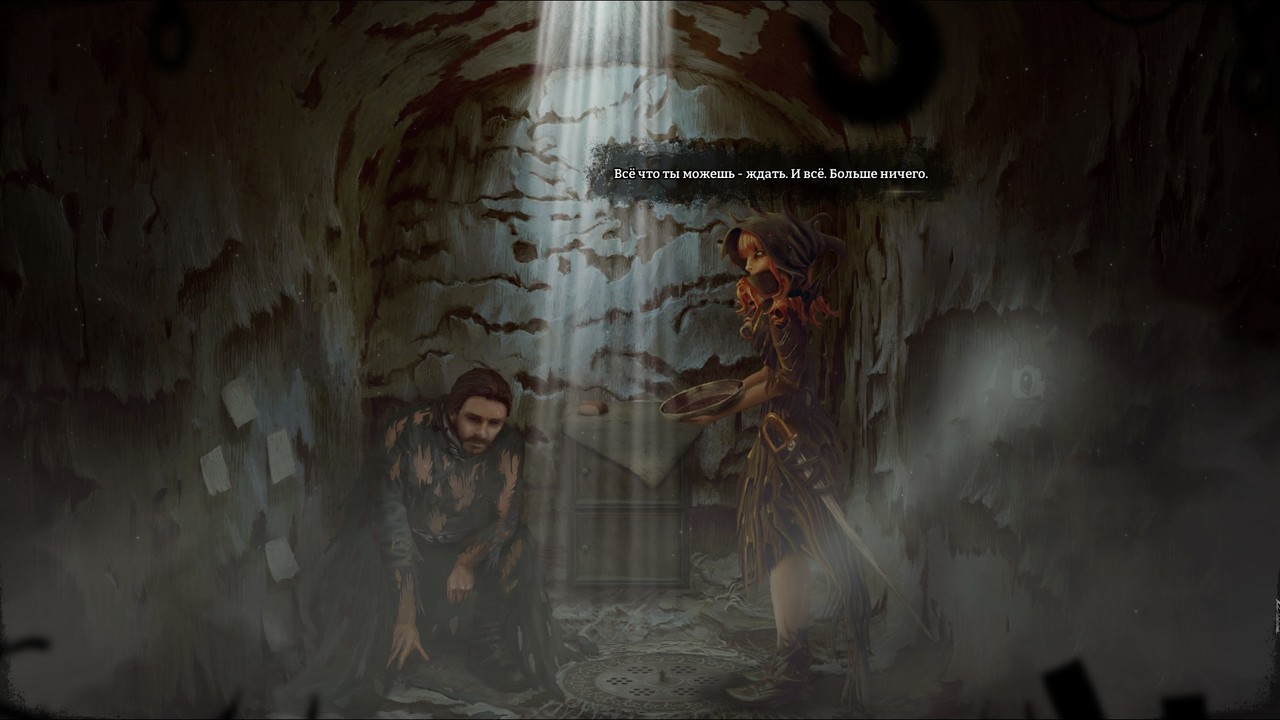
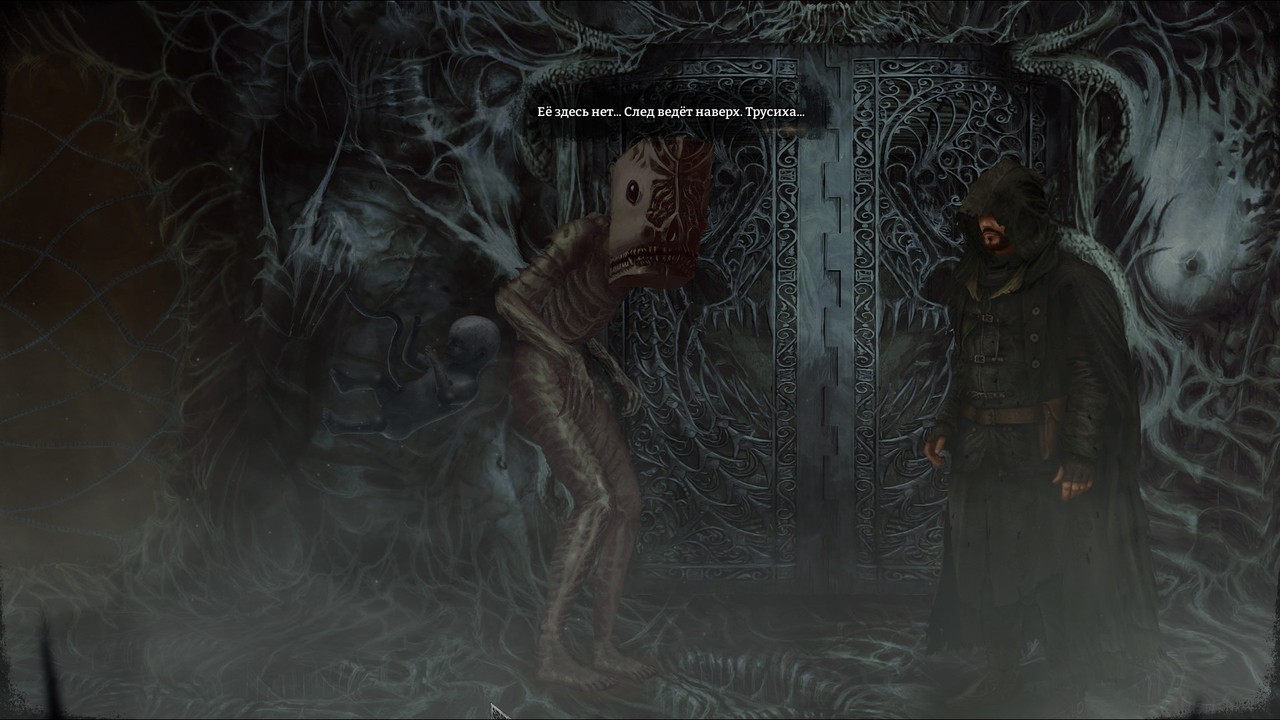
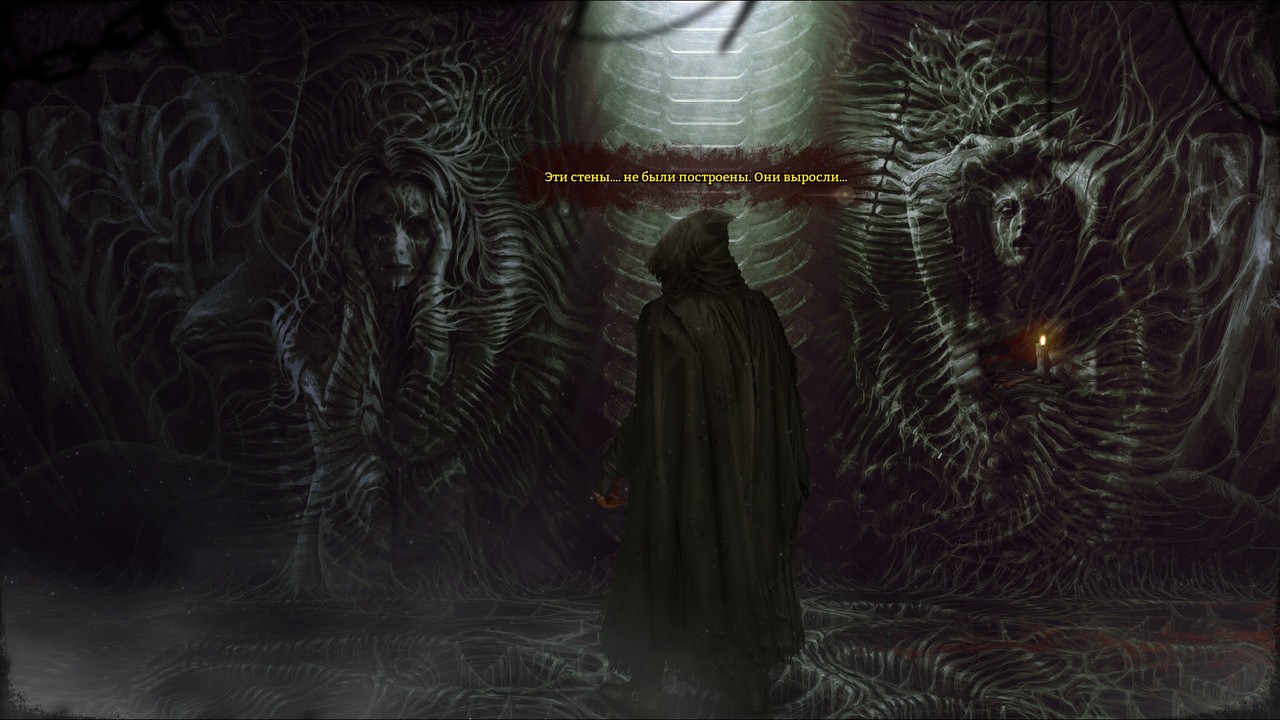
As for the gameplay, it’s a smooth quest with clear and logical puzzles. No effect of the Pilot Brothers is noticed here, and the puzzles are much simpler than in the same Full Throttle.
There is a point that the game is actually closer to a visual novel than to a pure quest. Perhaps in the modern world, these genres will merge together to increase their survival rate. The game is in many ways related to the Russian biopunk visual novel Athanasy. The game also resembles the brilliant Axiom Verge in its plot and setting, but we’ll talk about metro publications another time.
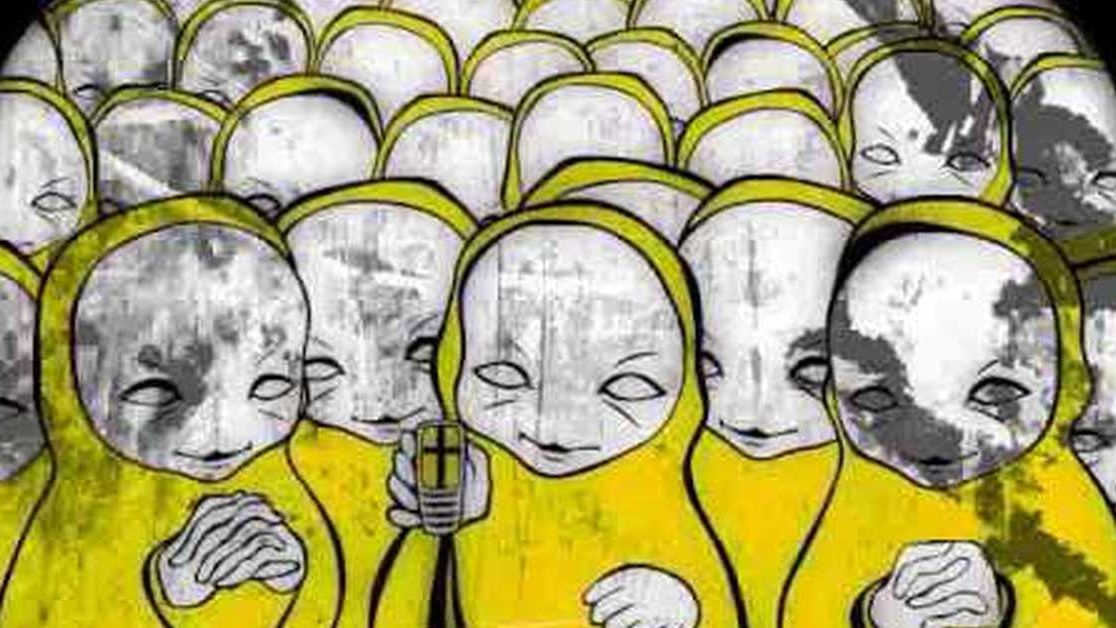
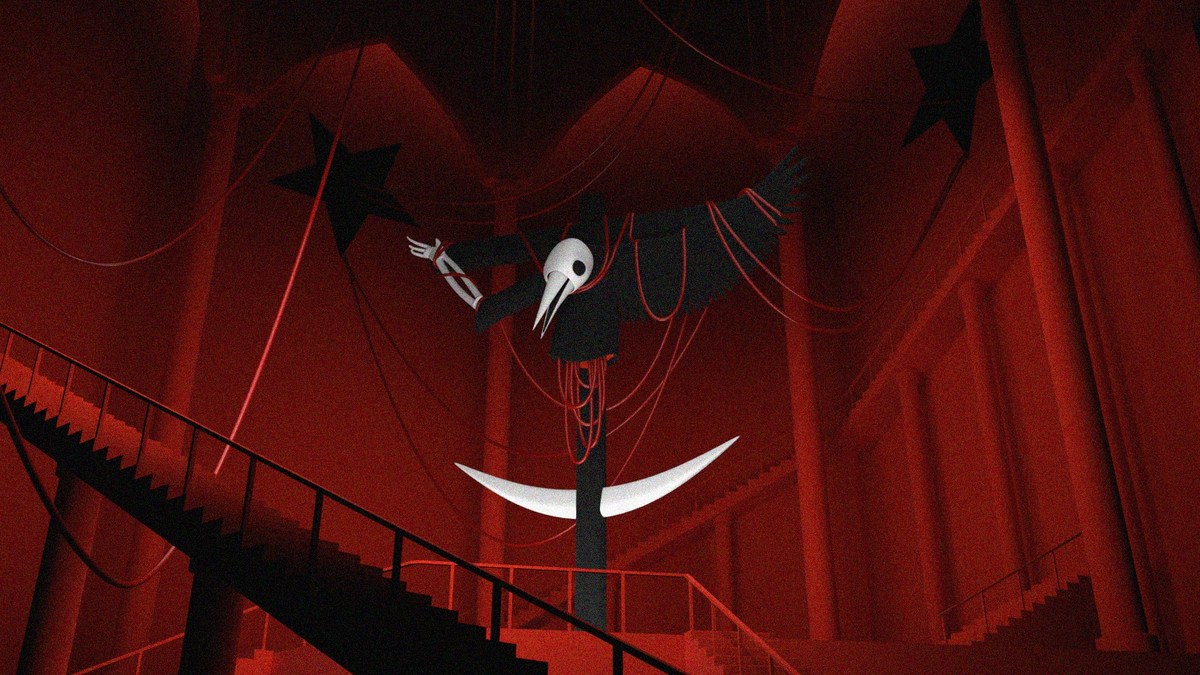
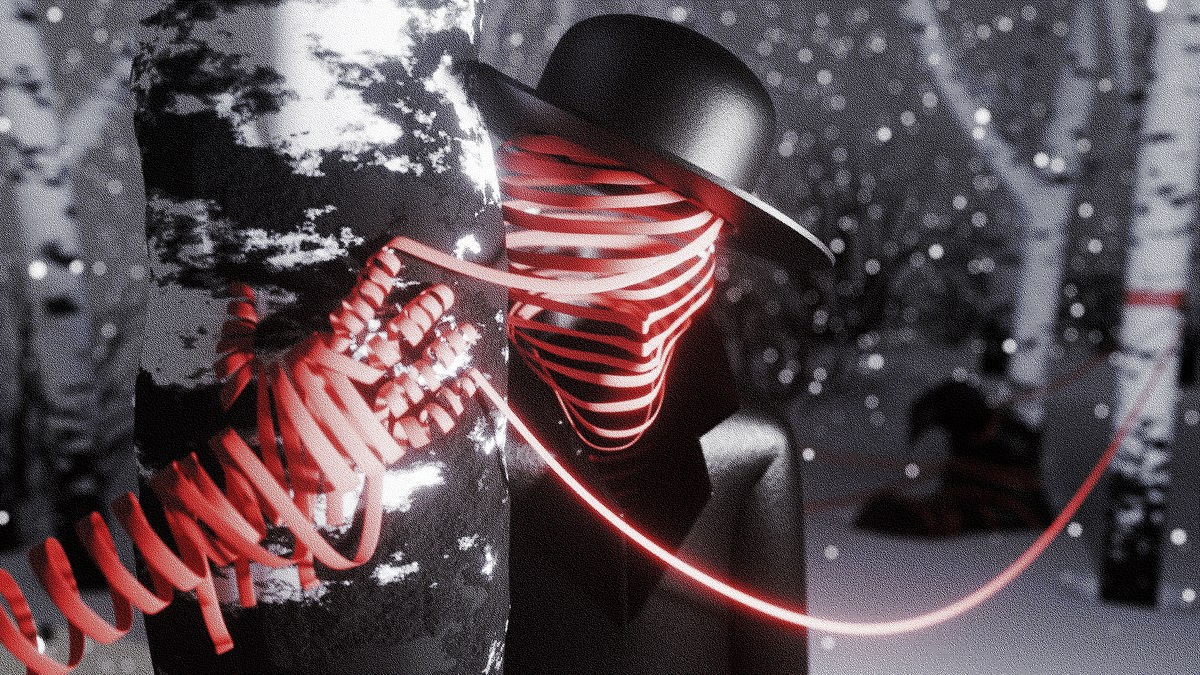
 Paintings by Nikolai Belov a.k.a. Collapse
The way home through decomposition
There is another root to the feeling of peace, which I mentioned at the beginning. Everything in this game is very native. Perhaps the Slavs just love post-apocalyptic biopunk. I immediately recall such Russian projects of the past years as Turgor and Sublustrum, the Serbian Scorn, the Polish Gorky 17 and the recent Cronos. The digital sphere is not limited to video games, and I also want to mention my favorite digital artist Nikolai Belov, who works under the pseudonym Collapse. All this is always organic and understandable to our long–suffering souls, but why this is so is a matter for another large-scale discussion. I just urge you to experience this paradoxical comfort once again, in the game Tormentum II. Comfortable Nightmare, as it is.
Download the game on Steam
Transfer money to your Steam account