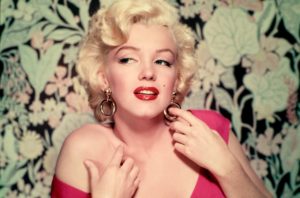
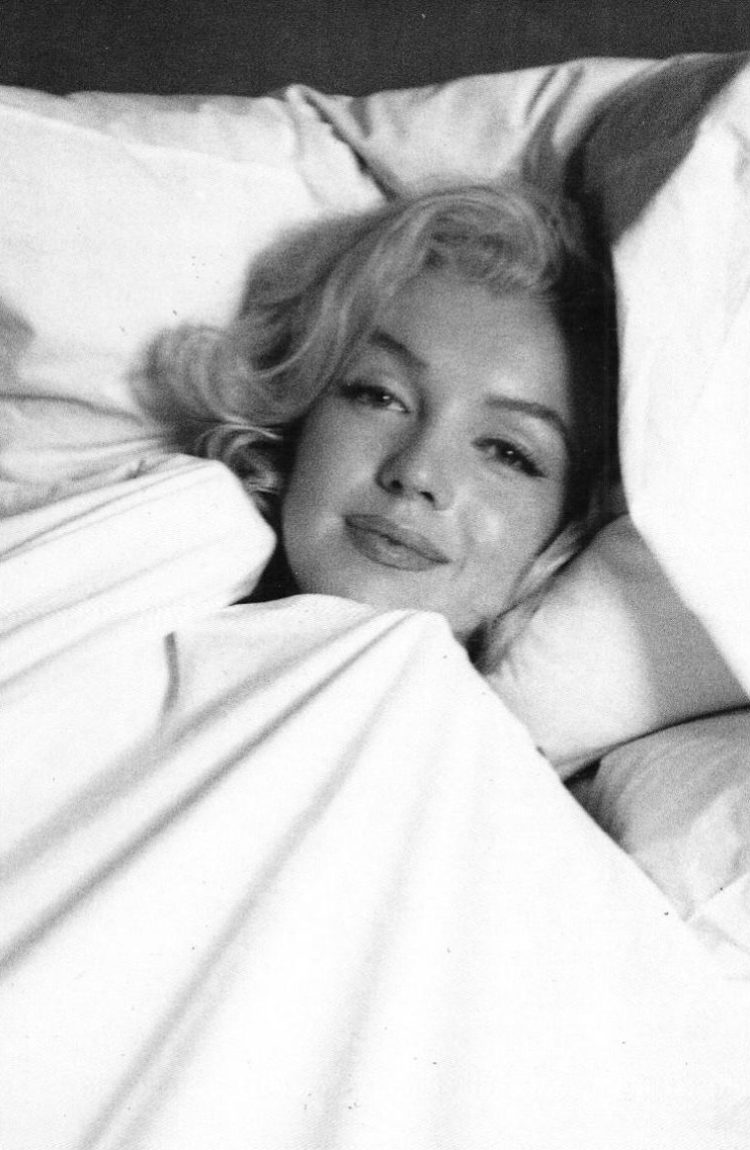
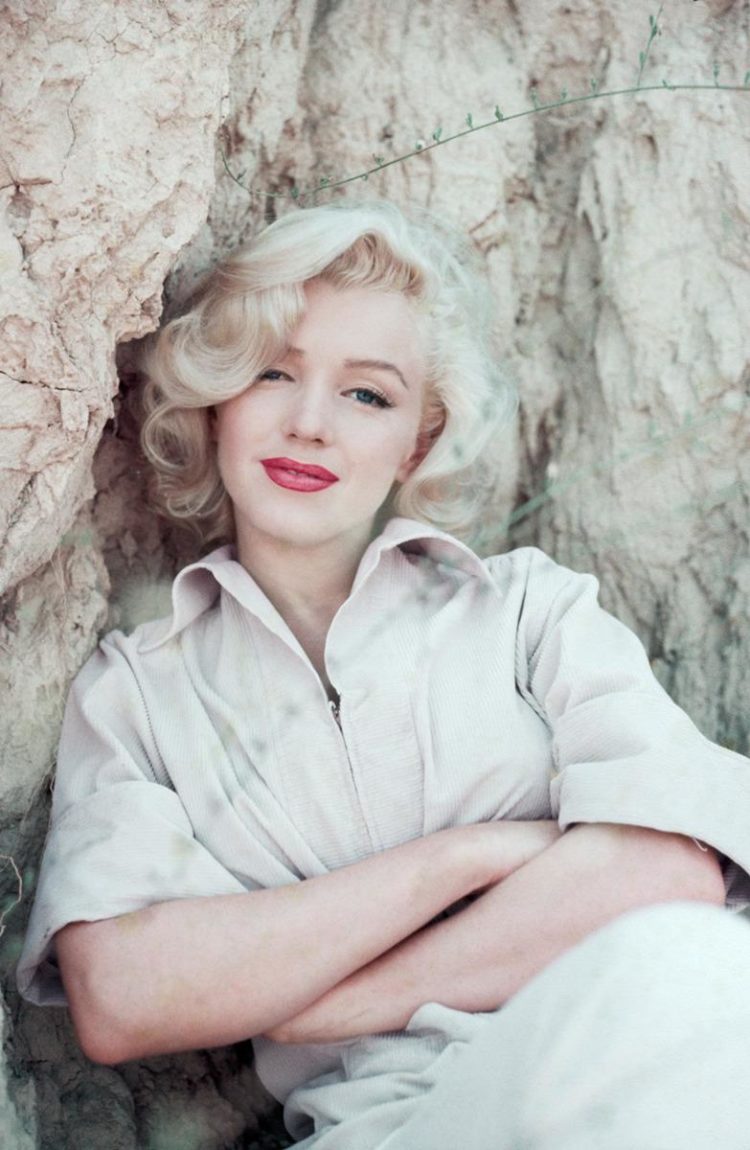
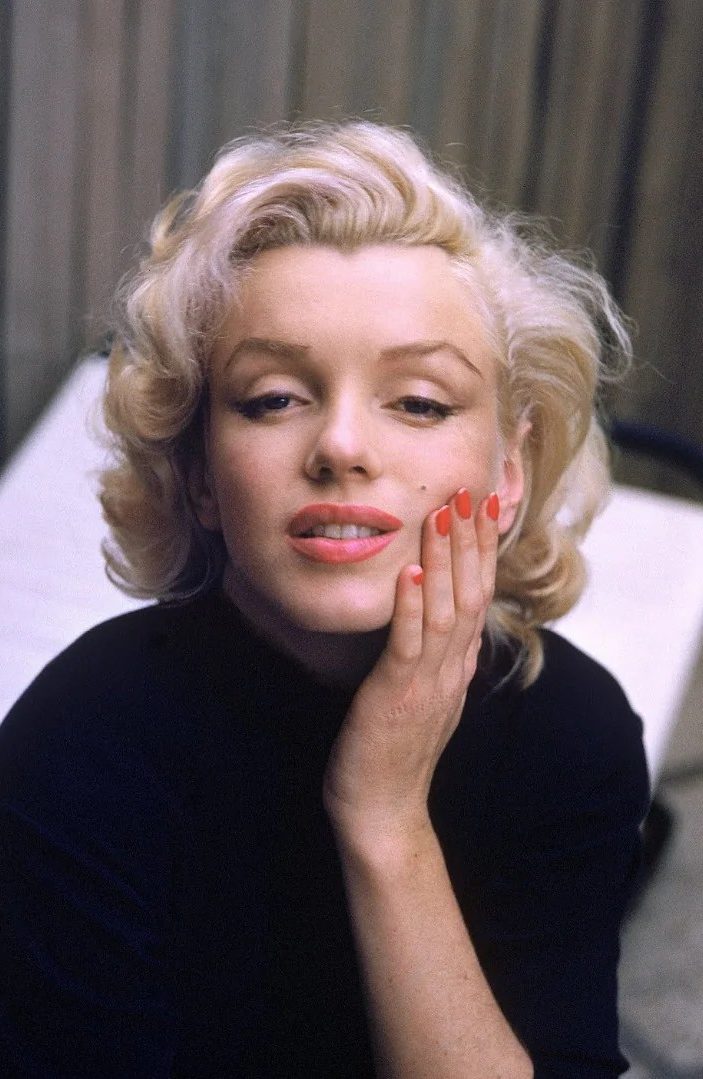
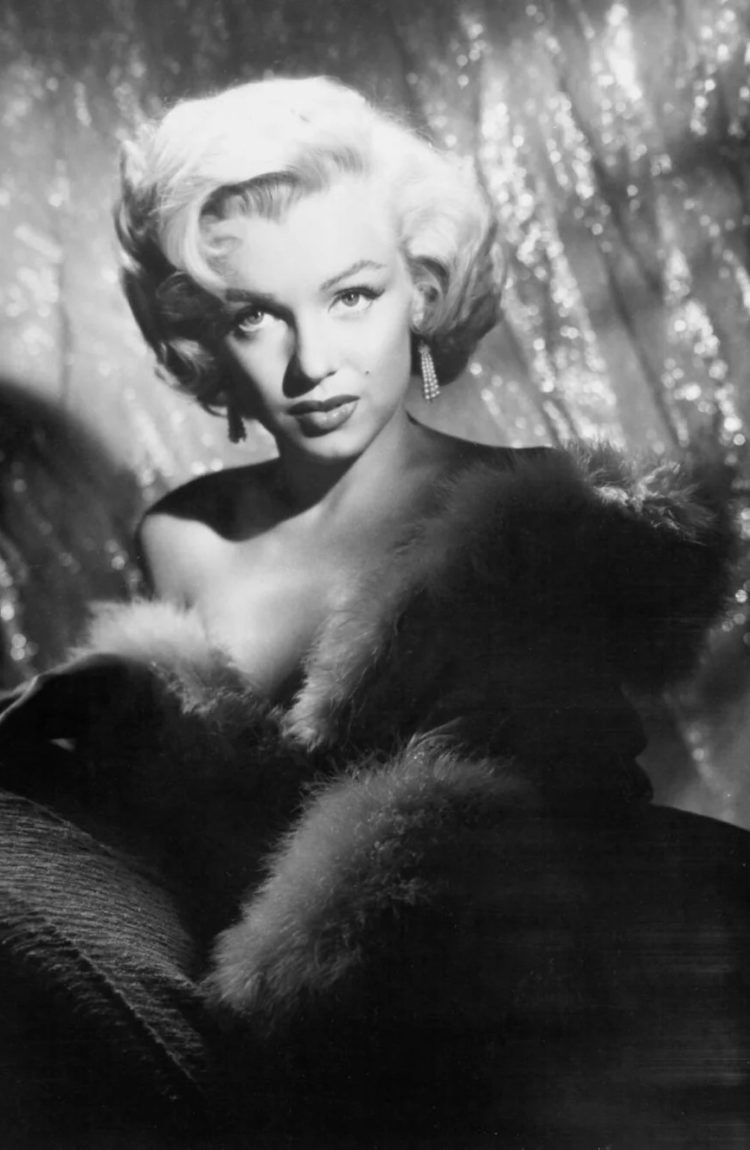
The year 1953 marked a milestone in Marilyn Monroe‘s film career. The 27-year-old actress, who rose from the passing roles of the second row, not only gained the status of one of the stamped stars of the dream factory, but became part of the collective unconscious for more than one generation of viewers, creating her own unique image.
 Marilyn Monroe, 1952
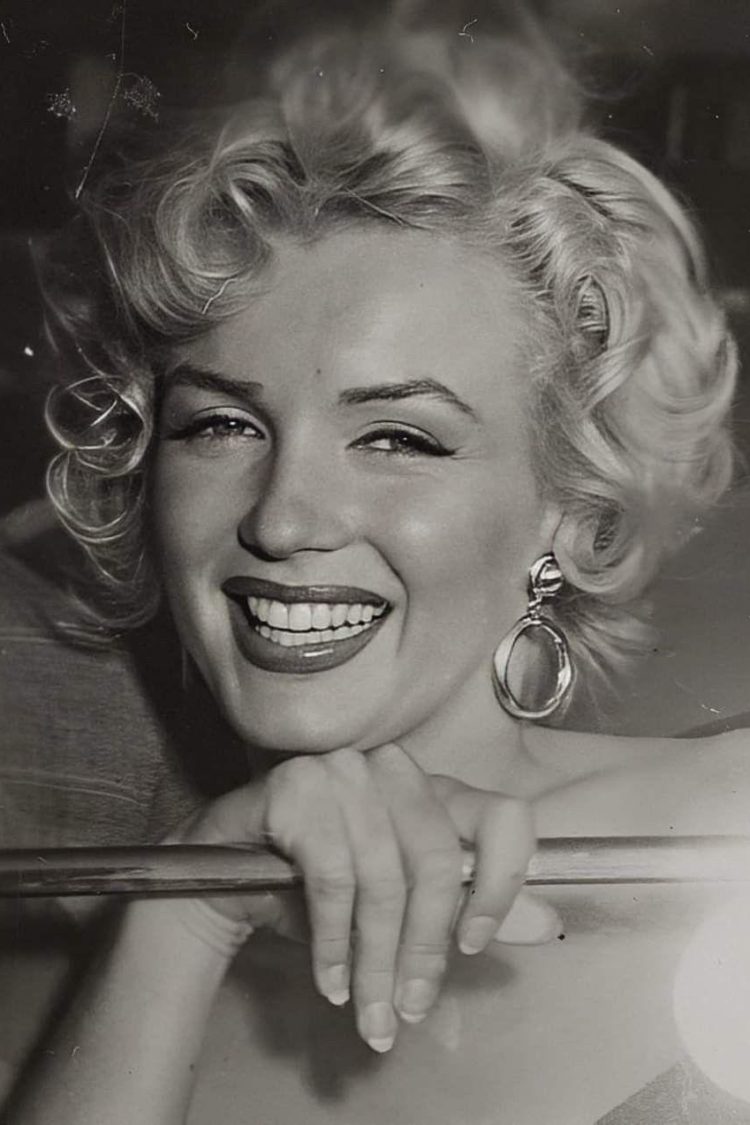
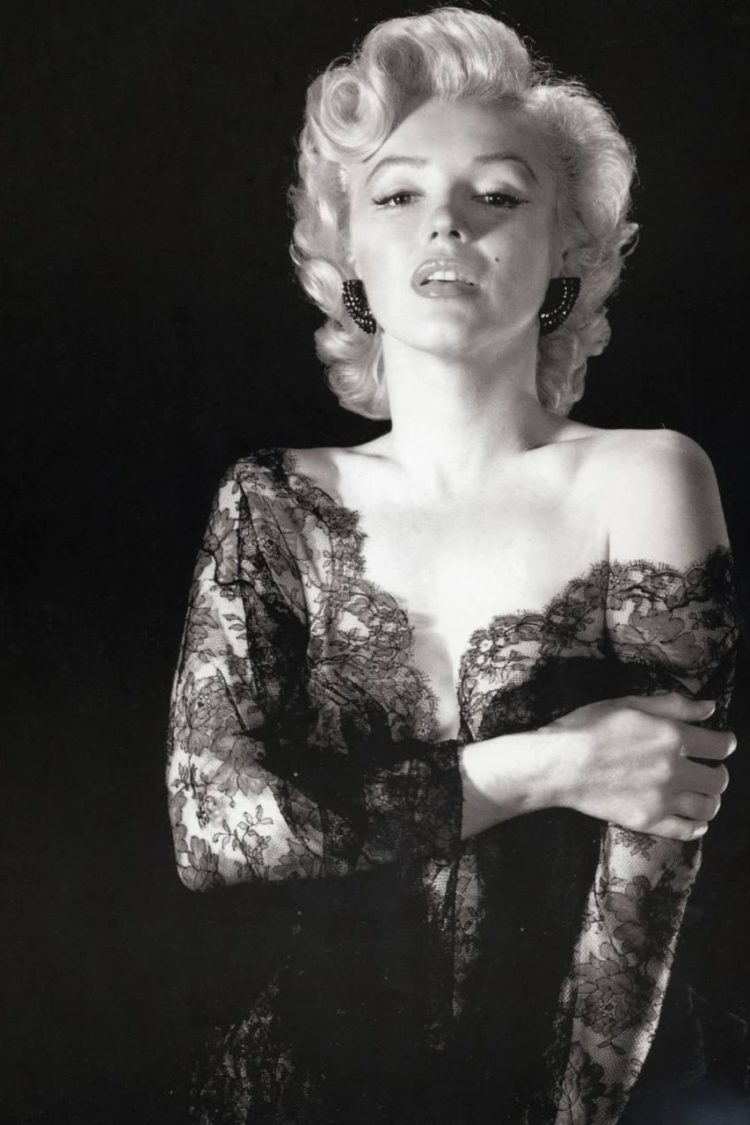
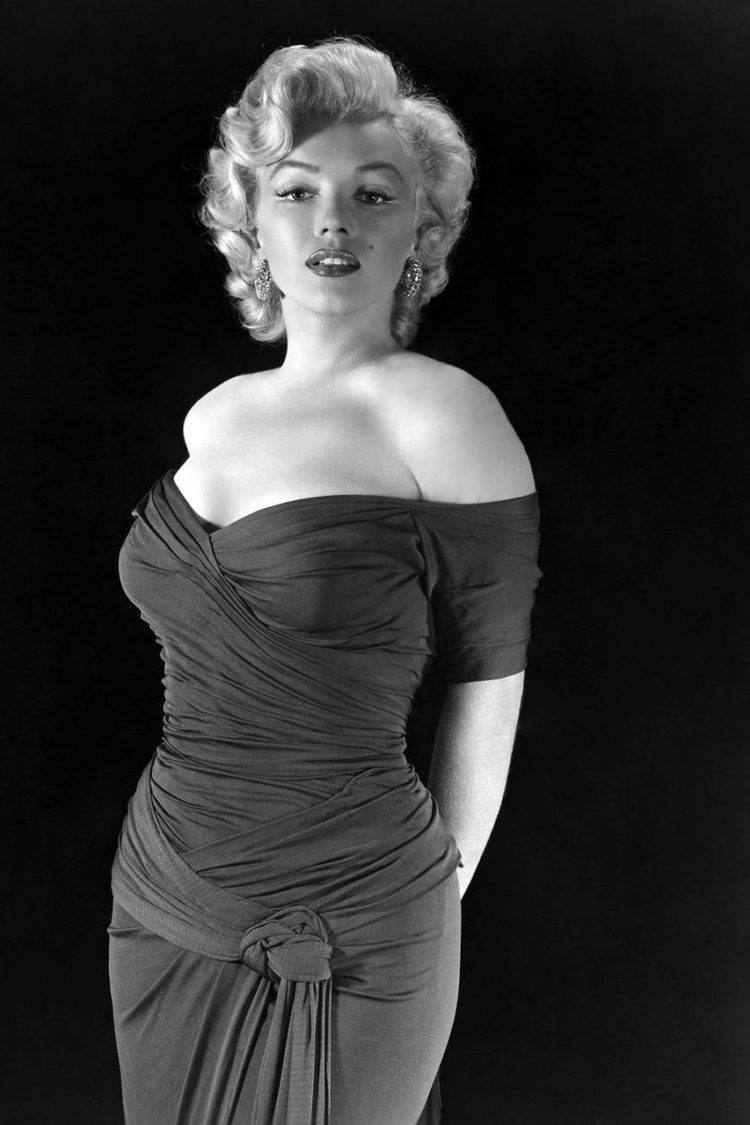
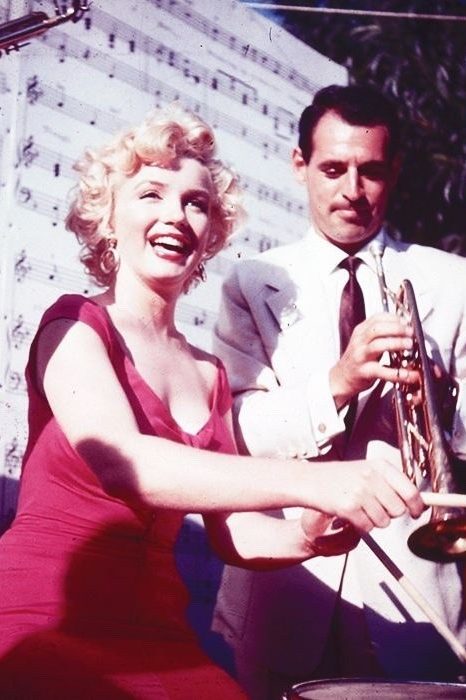
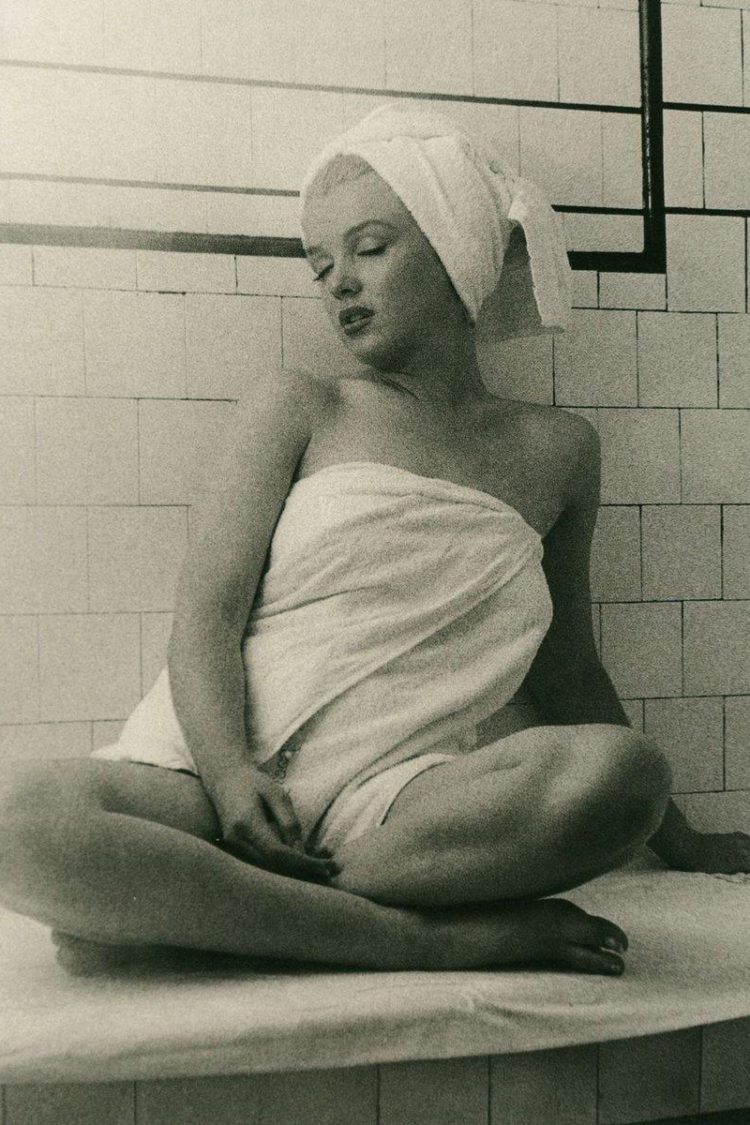
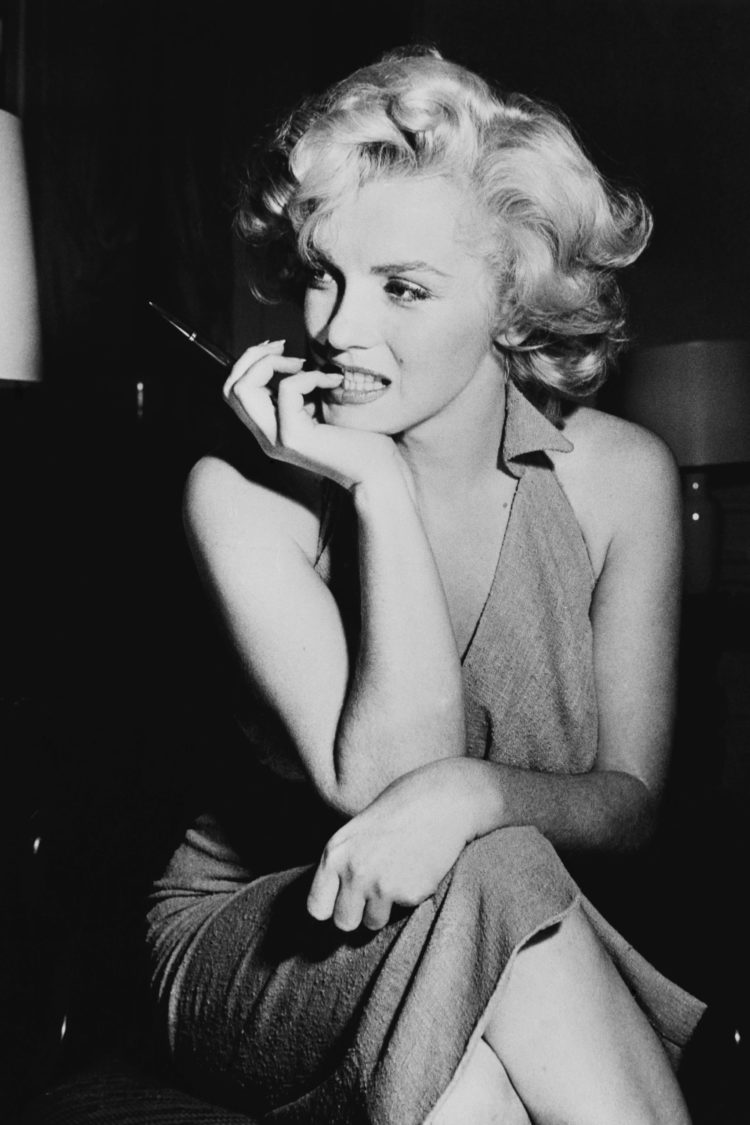
In Henry Hathaway’s film Niagara, which was a symbiosis of Hitchcock thrillers and classic melodrama, M.M. (as her fans now often called her) played the role of the wife of a shell-shocked veteran of recent wars (including the one called “Korean”, familiar to many moviegoers from the Oscar-winning anti-war comedy “MASH” and the TV series of the same name).
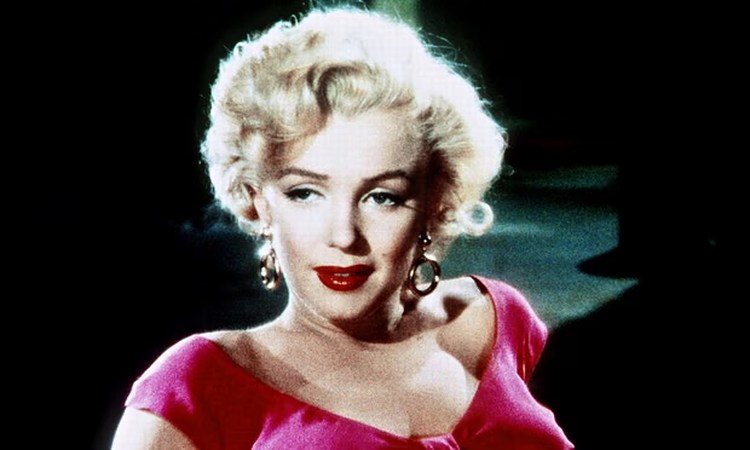
The image of Rosa Loomis created by the actress was striking in its unique combination of the image of a “femme fatale” (a vamp, as this role was called in the film world) and a defenseless simpleton doomed to become a victim. And, of course, the majestic spectacle of a grand waterfall was thoughtfully set off by the uncomplicated event fabric of the film and the captivating (and at the same time, hypocritical) image of the main character of the tape. Here is what the staff film critic of the legendary New York Times wrote, without hiding his admiration, the day after the premiere of the film:
“Obviously, ignoring the fact that there are already seven wonders of the world, 20th Century-Fox decided to open two more additional ones in the film Niagara, which fell like a waterfall on Roxy [the famous New York cinema] yesterday. For the producers, it seems, the main thing was to use the grand falls of Niagara and the splendor of Monroe. Perhaps Miss Monroe is not an ideal artist and her acting leaves much to be desired, but also the director and the gentleman who had the camera in his hands (and it was Joe McDonald, who shot “How to Marry a Millionaire” with the same M.M., and ended his career in cinema with the filming of the great the western “McKenna’s Gold”) seemed to be the least bothered by this. By dressing her in a tight dress, they use the camera to capture every possible curve of her body and emphasize her seductiveness, even when she’s just walking.”
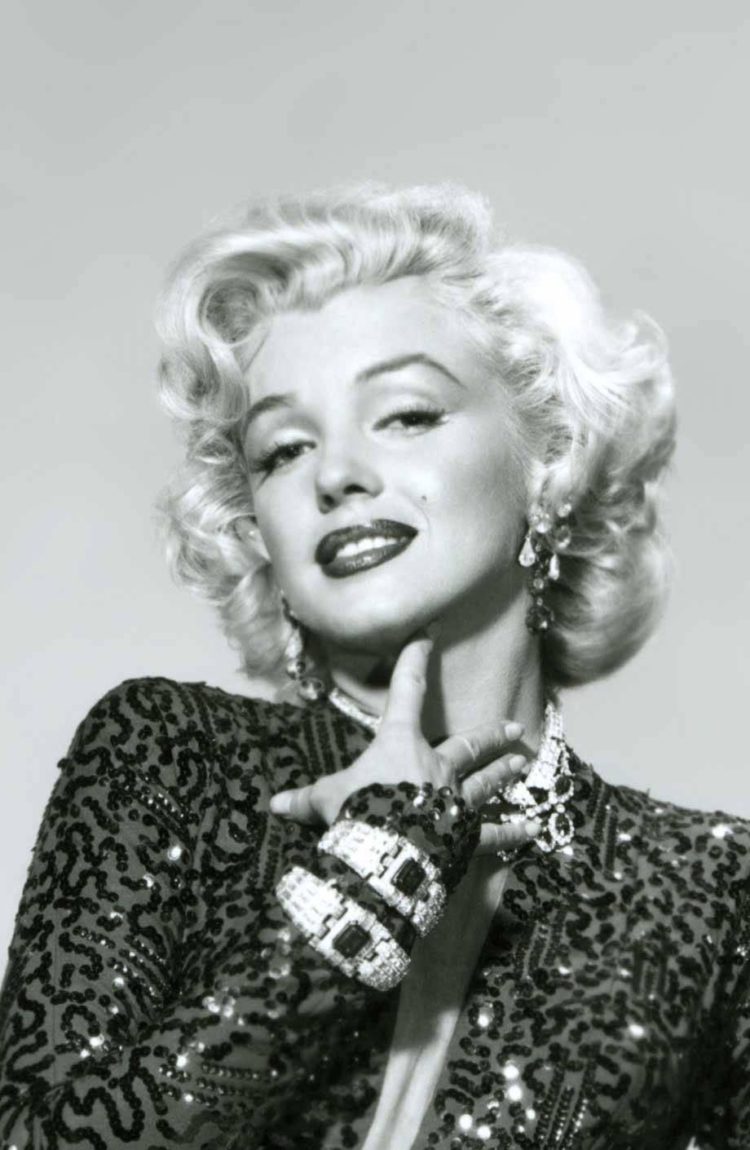
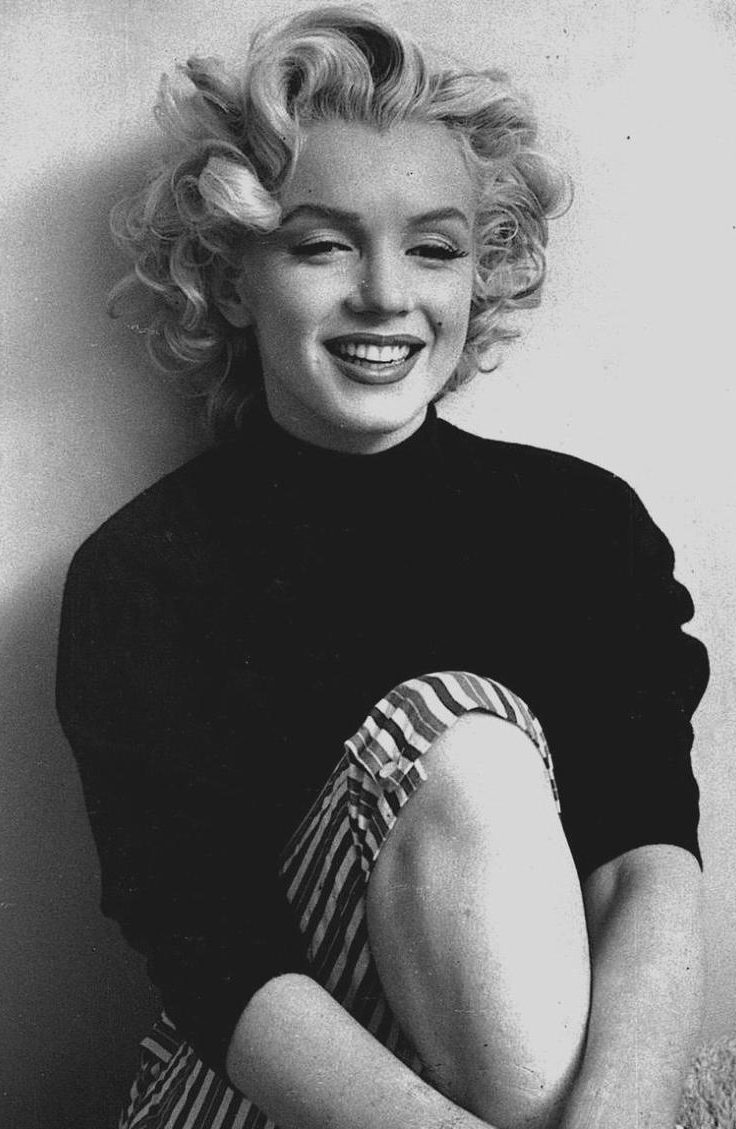
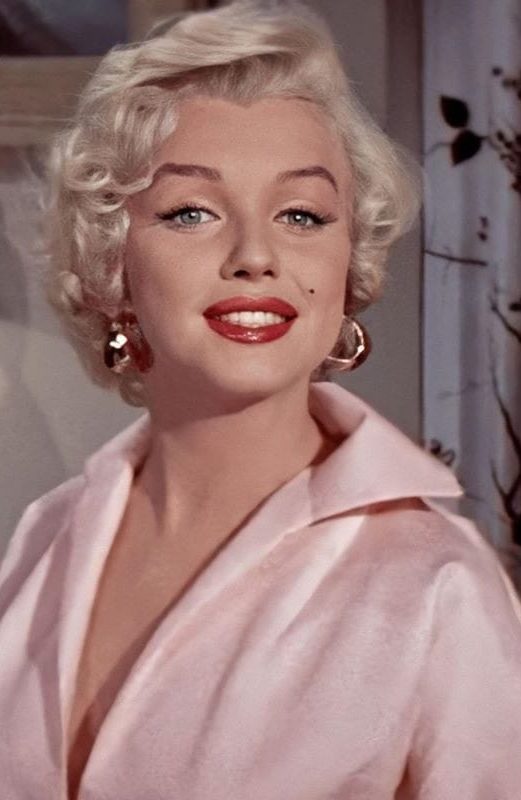
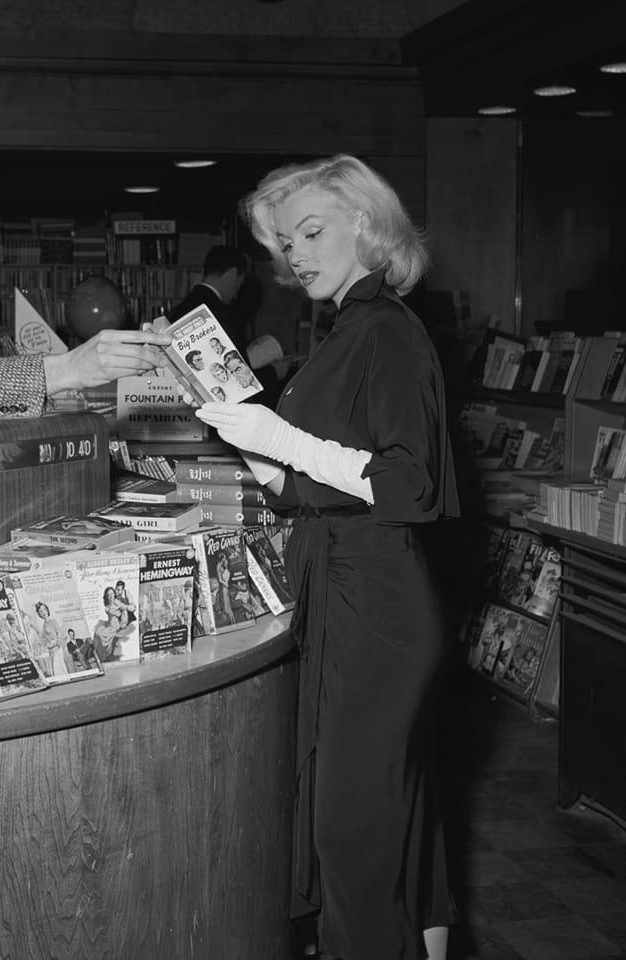
The next two films of the same year with the participation of M.M. were even more resounding success and still exploited what was called “sex blonde”. In Howard Hawk’s Broadway hit comedy musical “Gentlemen Prefer Blondes,” Marilyn appeared as a naive variety show star with a baby face, obsessed with receiving diamond jewelry as a gift from overage suitors. Curiously, Monroe got a place in this film not only because of the audience hype around Niagara, but also because of the cheapness (!) actresses. Slated for the role of Lorelei, which eventually went to Marilyn, one of the highest-paid Hollywood stars of the time, Betty Grable, was supposed to receive 150,000 dollars for filming at that time, and M.M. was paid only 500 dollars a week. By the way, her partner in this film Jane Russell received a fee of 200,000 green banknotes for filming.
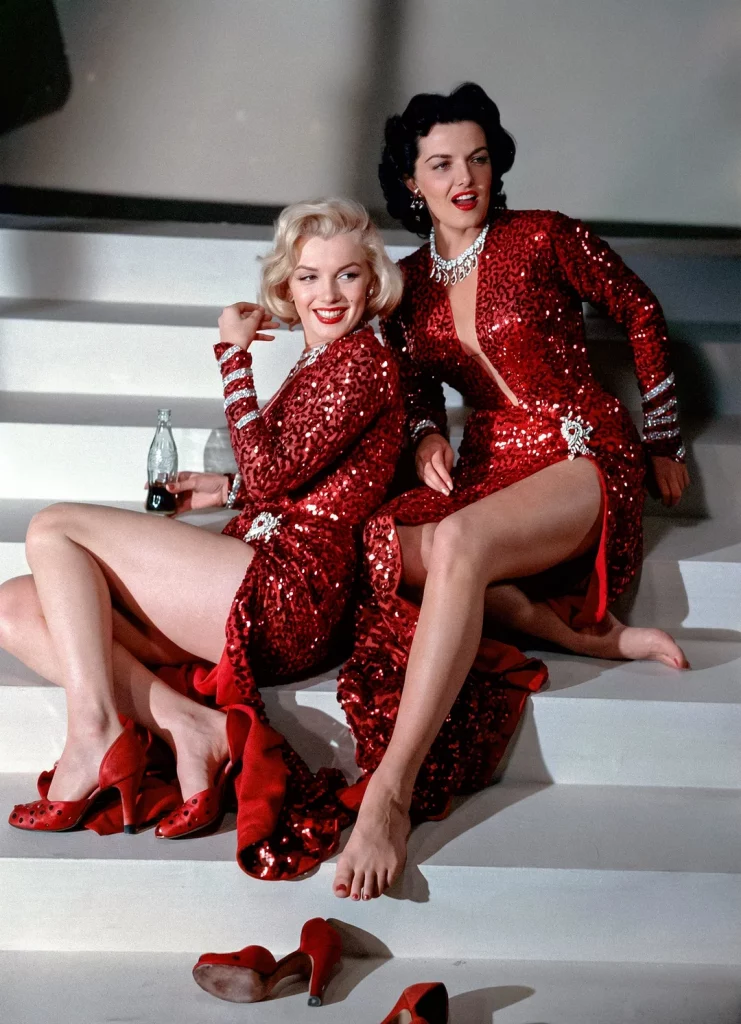
In addition to the brilliant performance of both actresses, according to both critics and viewers, the musical and dance numbers choreographed by Jack Cole also received special praise. Marilyn’s crowning number in this tape was the performance of Jule Styne’s smash hit “Diamonds Are a Girl’s Best Friends”. In 1998, this song, which was later performed by pop divas such as Madonna and Kylie Minogue, took 12th place in the list of “100 best songs from American films in 100 years according to AFI” (American Film Institute).
And finally, the third movie hit of 1953 with the participation of M.M. was the romantic comedy by Jean Negulescu “How to marry a millionaire.” Marilyn’s partners in this film were: the aforementioned Betty Grable and the incomparable Lauren Bacall (the owner of the famous “hole” of the Rat Pack, which included her husband Humphrey Bogart, Frank Sinatra, Dean Martin, Cary Grant, Nat King Cole and a number of other brightest stars of their time). The film, whose heroines form a kind of syndicate for seducing representatives of the stronger sex with a bank account of at least six zeros, began with an eight-minute musical introduction by the orchestra conducted by the musical director of the studio “20th Century Fox” Alfred Newman. By the way, he is the most decorated composer of the world cinema screen – a nine-time Oscar winner and a 45-time nominee for the American Film Academy Award! However, this sitcom with a trio of charming heroines has gone down in movie history thanks to Marilyn Monroe’s participation in it.
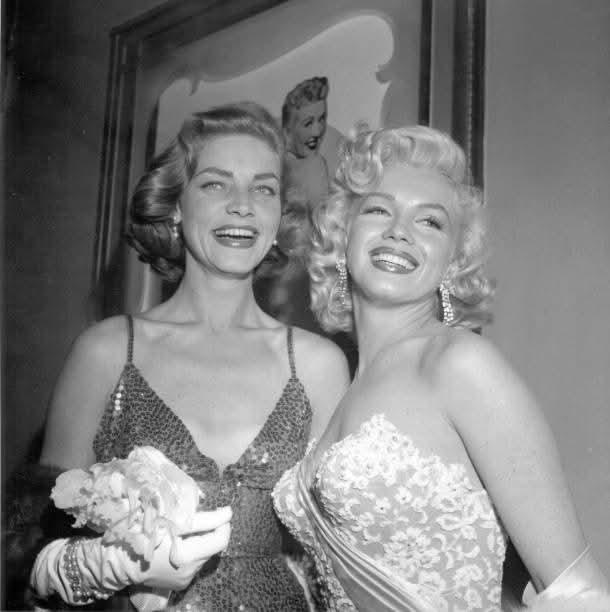
In a biographical book about Marilyn Monroe, the famous film critic Alexei Grachev described the image created by the actress very accurately.:
“Marilyn is trying to go beyond her usual role, sketchily outlines her theme – the theme of female weakness and vulnerability. She plays a short-sighted girl who doesn’t wear glasses, as a result of which she gets into comical situations. Naivety, mental fragility and inner doom can be seen in her character.”
However, unfortunately, this theme did not receive its continuation in the roles that Marilyn Monroe managed to create on the screen. But we’ll talk about these roles, including two wonderful westerns, separately.
To be continued…