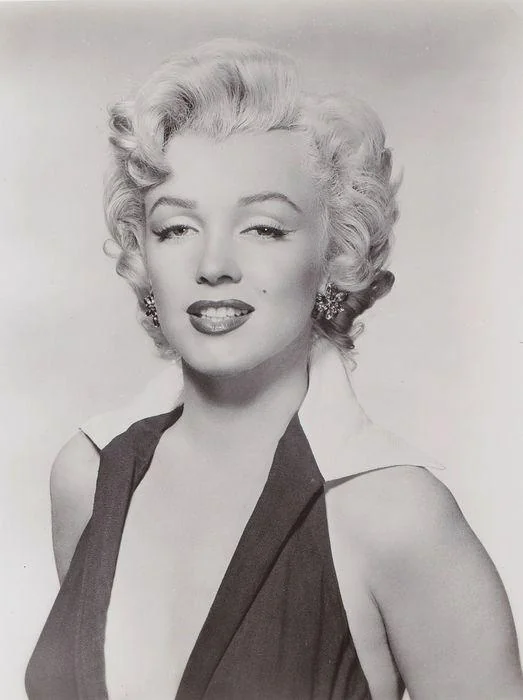

Hardly anyone could have predicted the fate of the baby girl, who was born on the first calendar day of the summer of 1926 in the overseas City of Angels. However, by that time Los Angeles was becoming more and more established in the unspoken status of the capital of the cinematic world, where all those who cherished the hope of becoming a screen star aspired.
But, born to a single mother, a girl with a double name, Norma Jean Baker, initially had few chances to enter the world of the “great illusion” at all, because she spent the first seven years of her life in a foster family with strict Christian rules. It was only in 1933 that Gladys Baker (nee Monroe) managed to reunite with her daughter and take her to her Hollywood home, which she shared with an actor couple. However, Norma Jean was soon forced to live in the status of a hanger-on again when a mental illness imprisoned her mother in a clinic for the mentally ill.
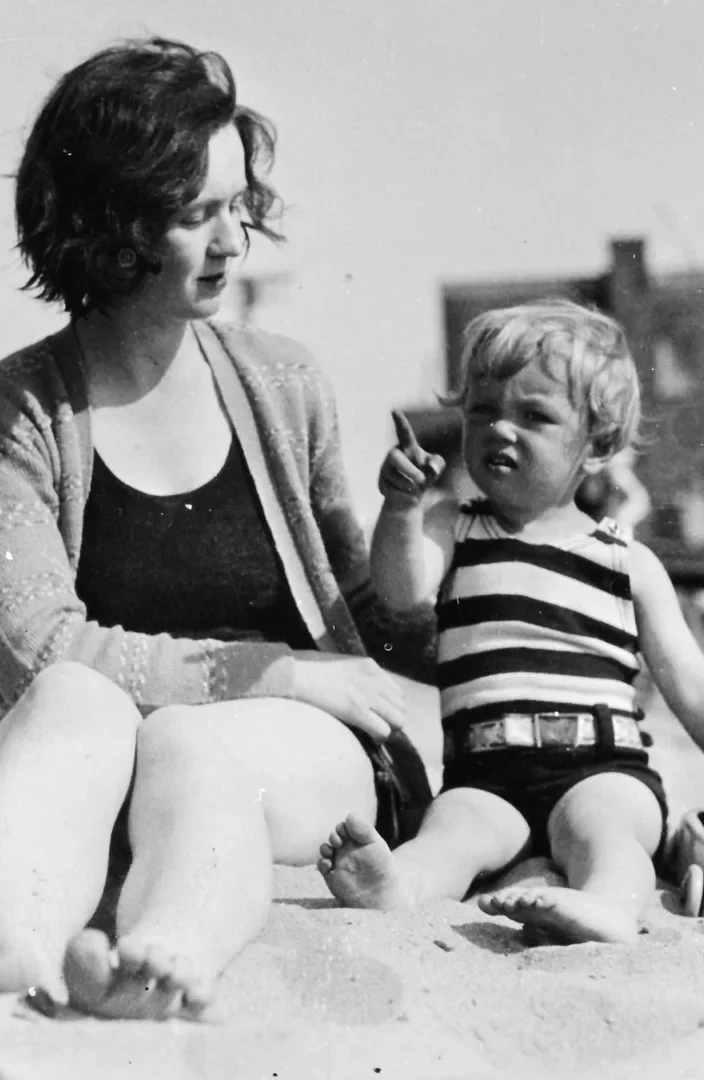
 Norma Jean Baker, 2 years old with her mom
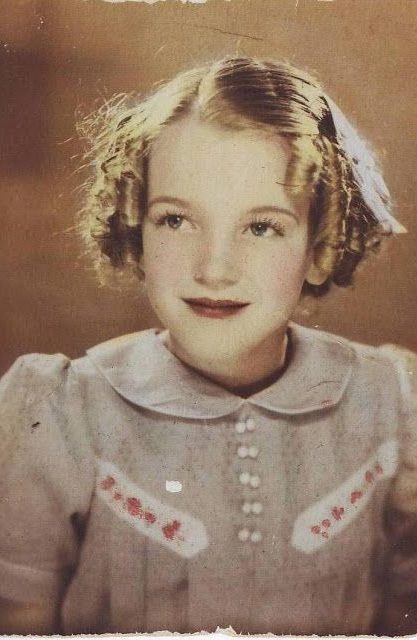
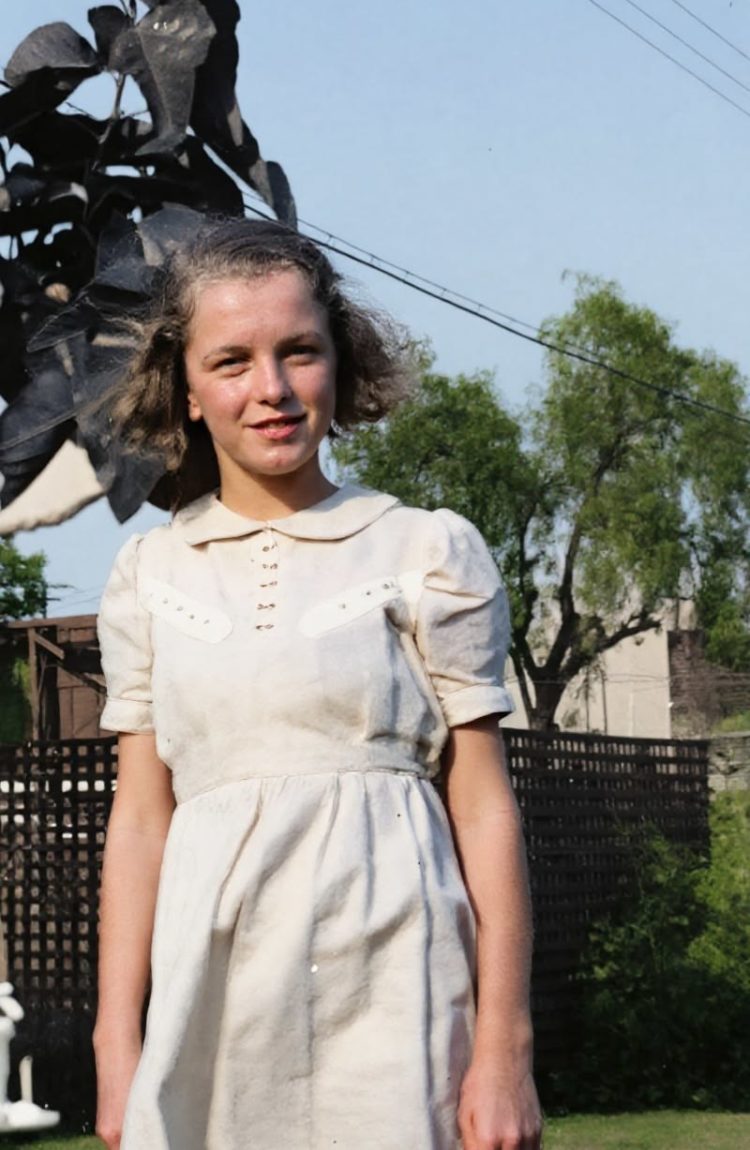
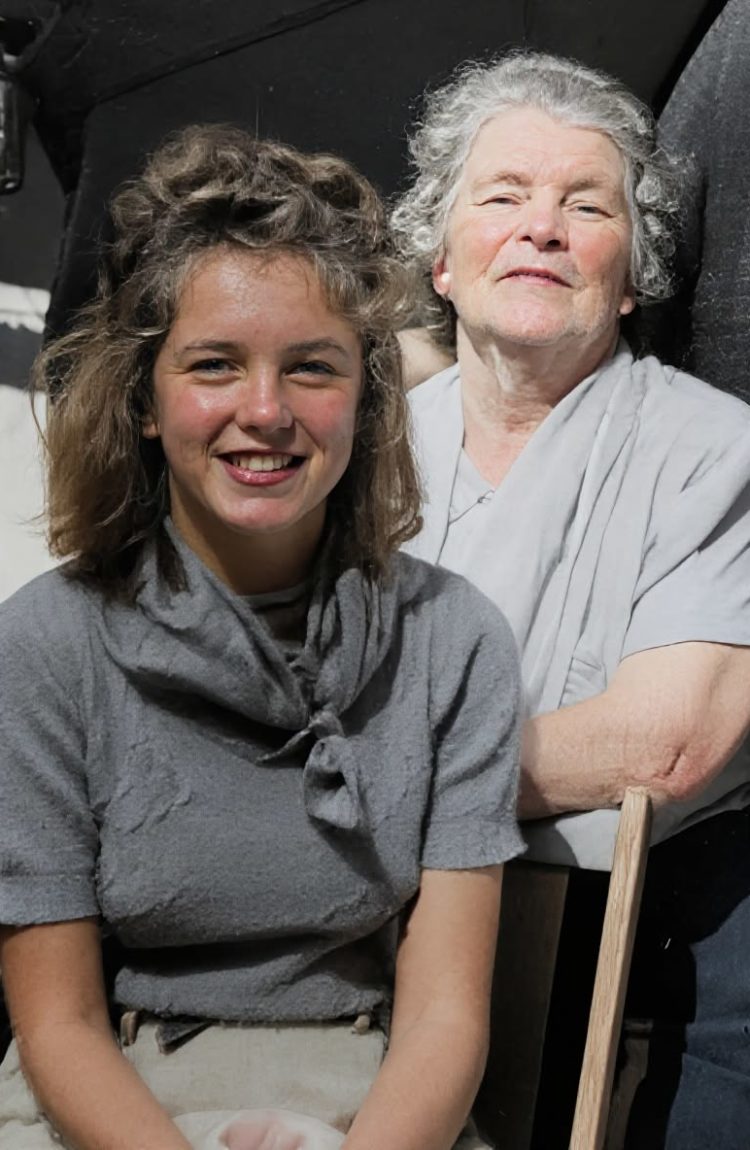
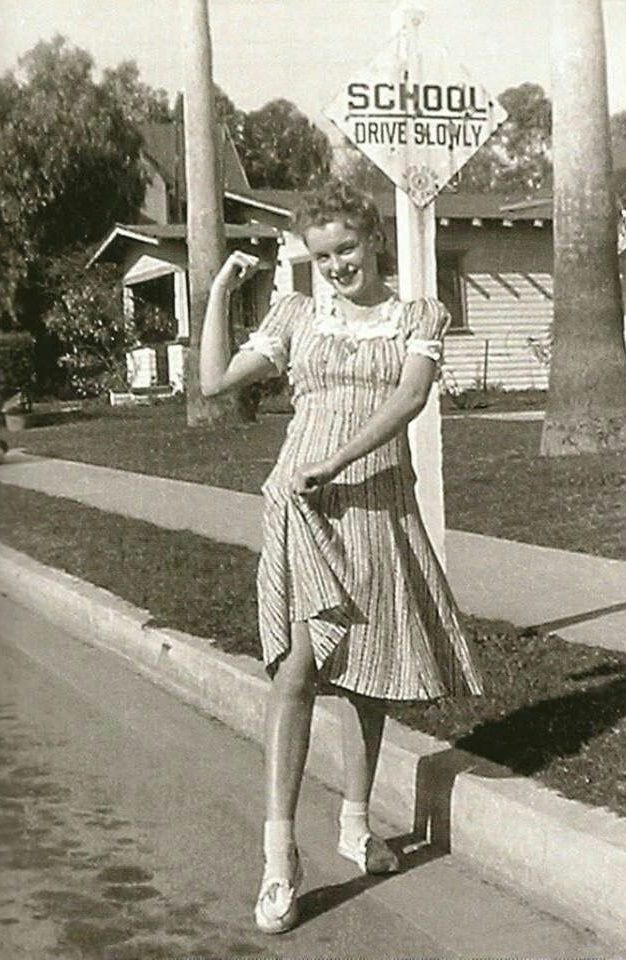
In the year and a half that the girl spent without supervision, as the movie star later admitted, she was for the first time subjected to what is now called “harassment.” Further, new wanderings to foster homes began, and the young Norma Jean increasingly found joy in the world of man-made dreams. She later recalled this period:
“I wanted to become an actress when I was about five years old. The world around me seemed dark, but I liked pretending to be someone else… when I found out that it was called “acting,” I declared that this was exactly what I wanted to do. Some foster families sent me to the cinema to keep me occupied, and I spent whole days there. I loved it.”
 Wedding photo of 21-year-old James Dougherty and 16-year-old Norma Jean
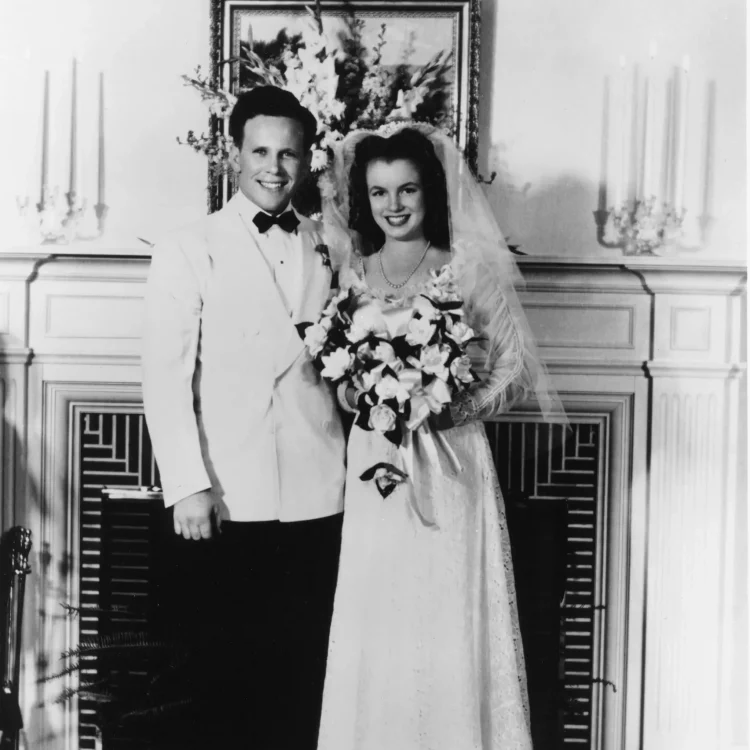
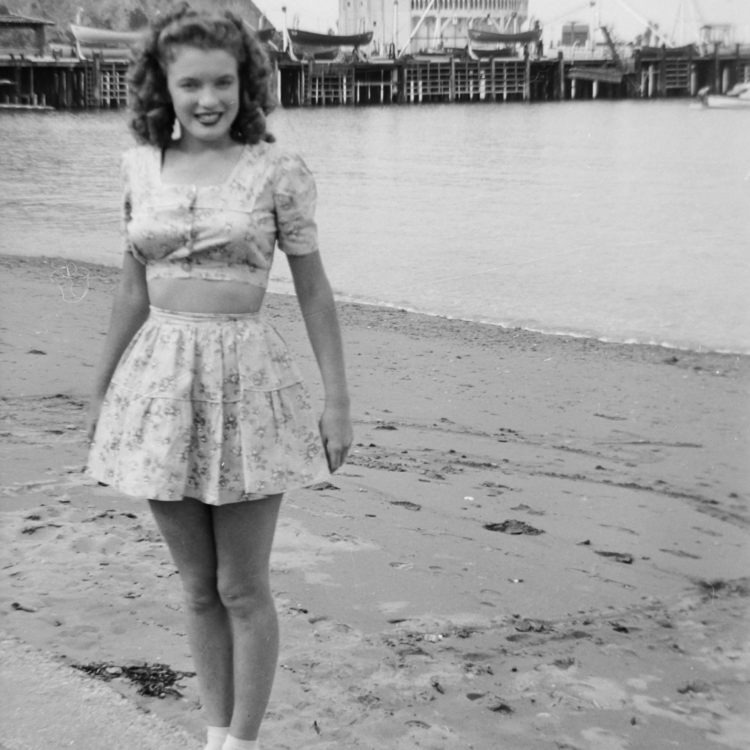
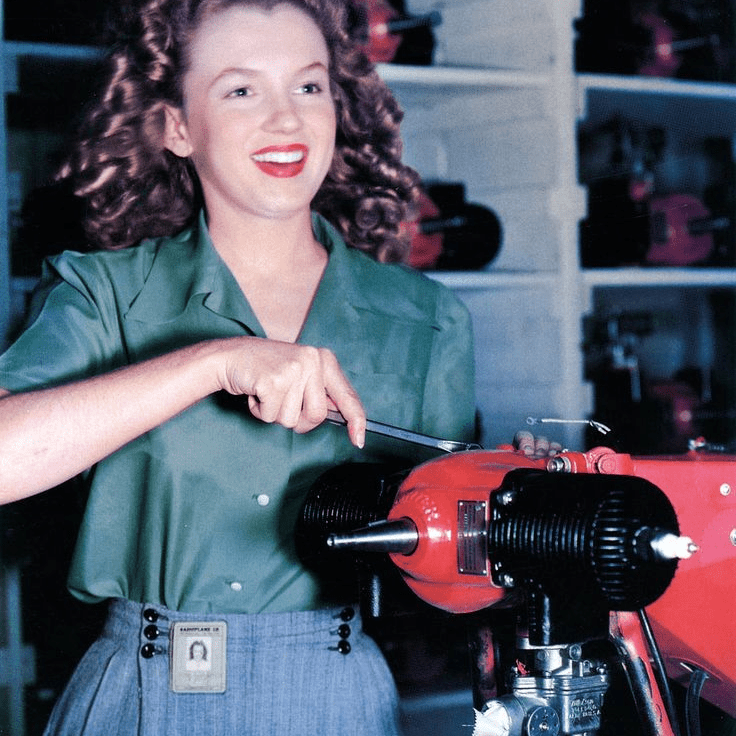
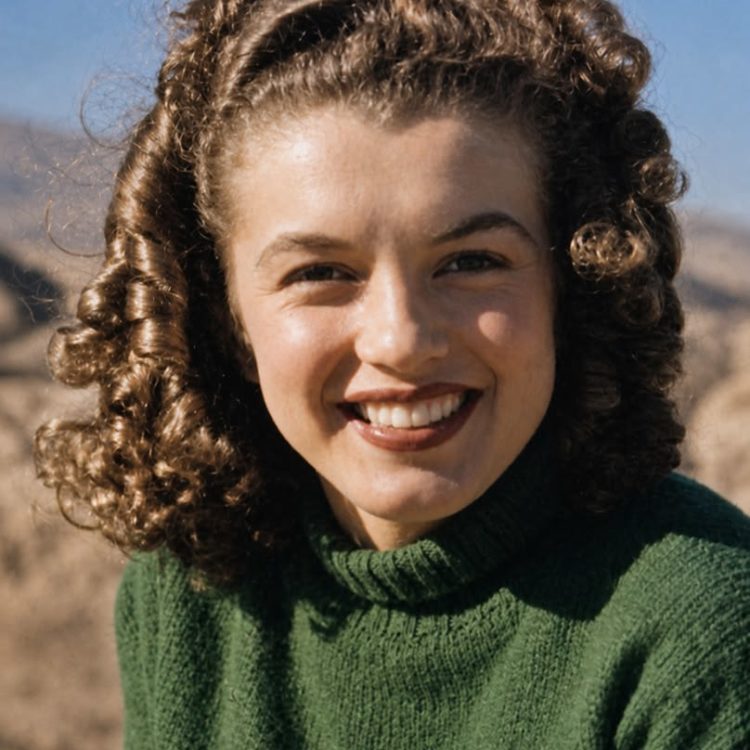
Life circumstances led to the fact that in 1942, as soon as Norma Jean turned sixteen, she married a neighbor’s boy, who soon enlisted in the Merchant Navy. And soon, together with her husband, without graduating from high school, she moved to the island of Santa Catalina near Los Angeles. In the spring of 1944, at the height of the war with Japan, her husband is called up for two years of service in the Pacific Fleet, and Norma Jean gets a job at a military factory. That’s where she gets into the lens of photographer David Conover, who took uplifting photos for American soldiers.
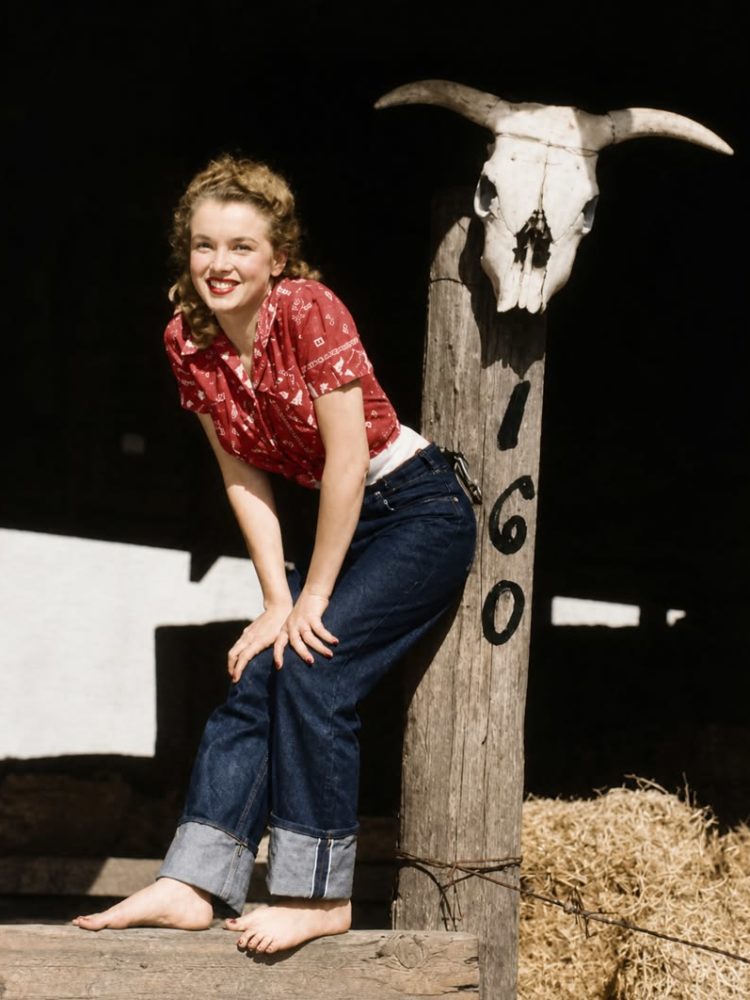
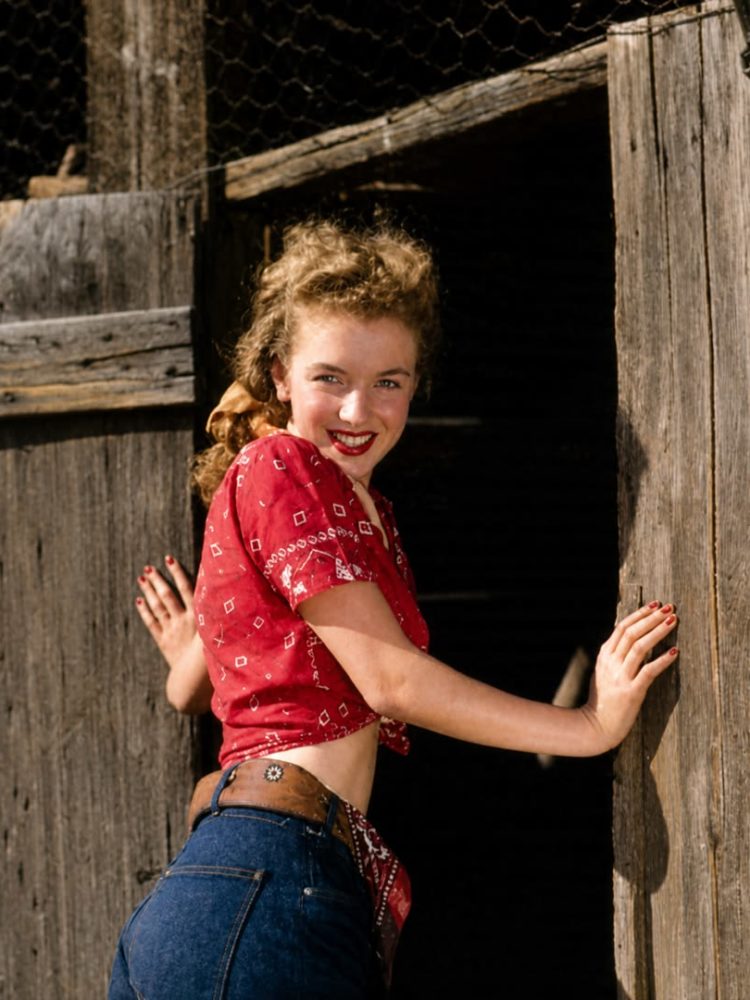

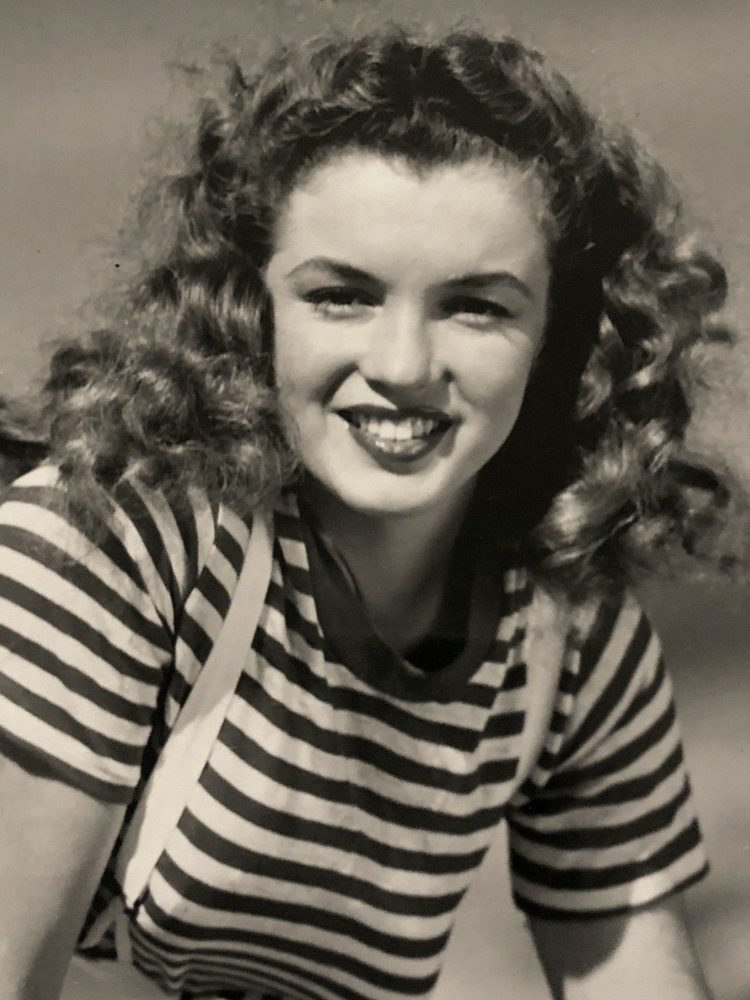
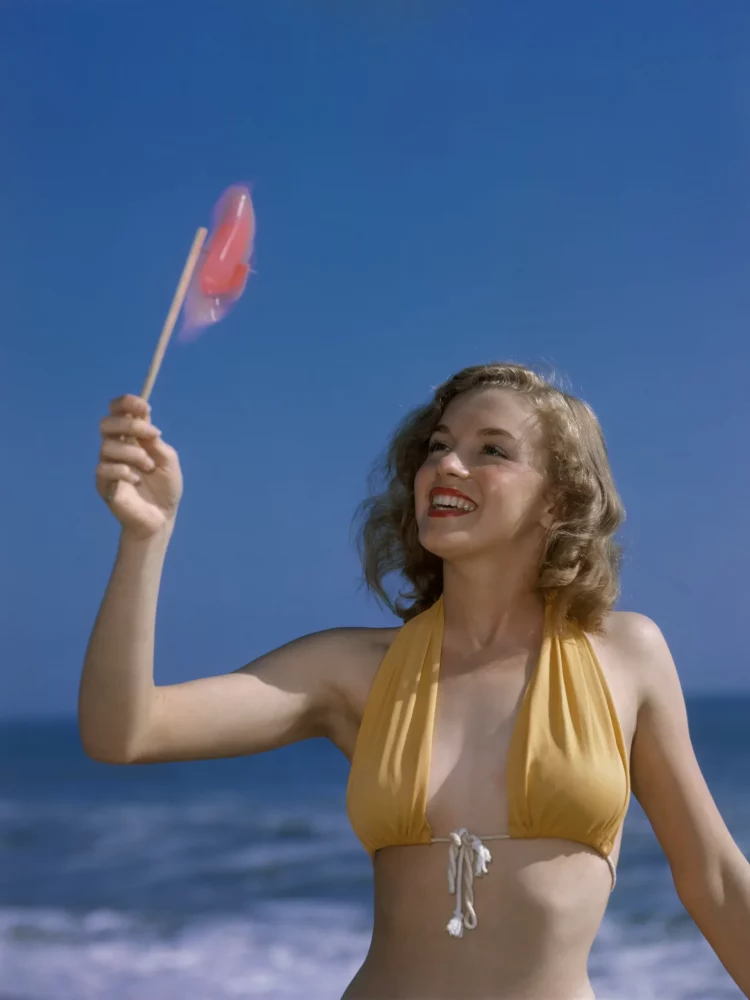
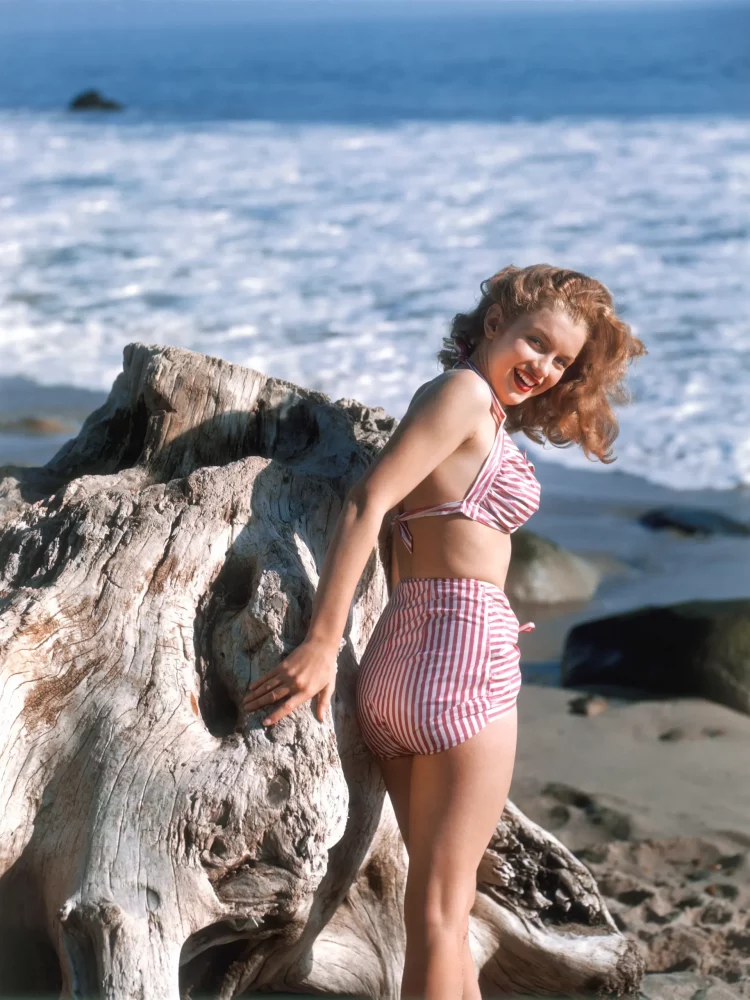
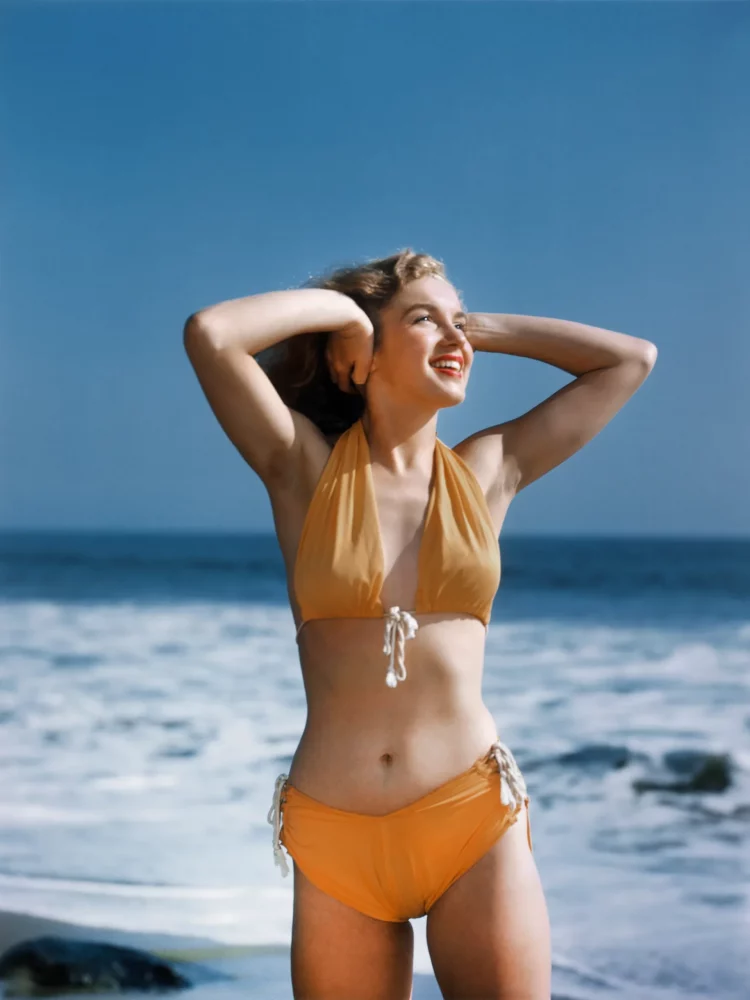

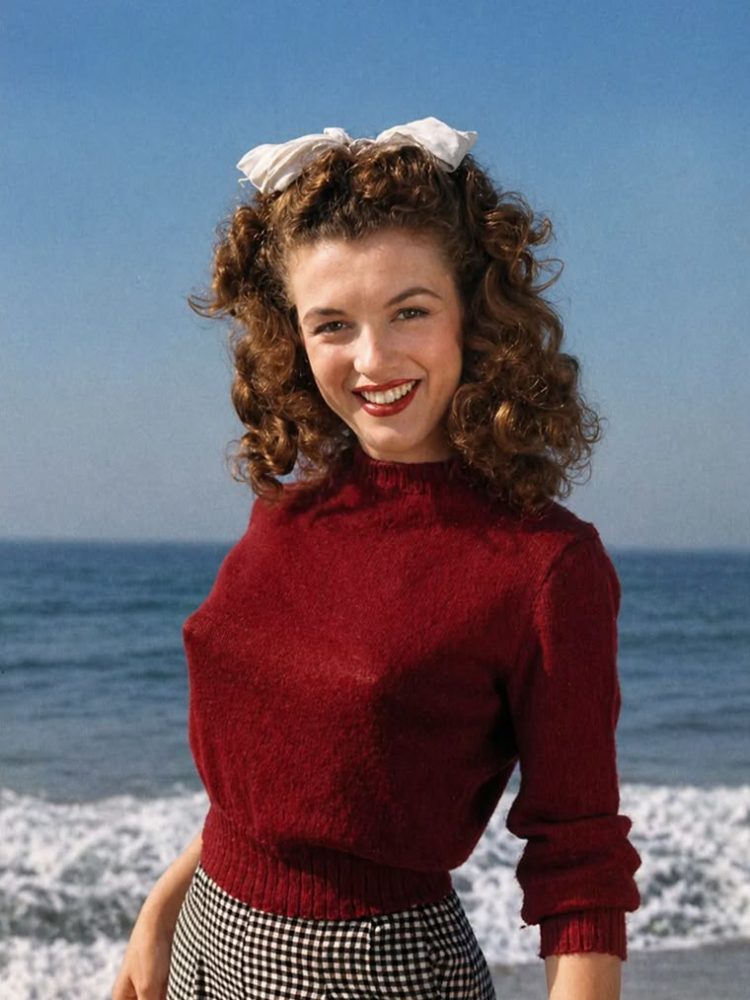
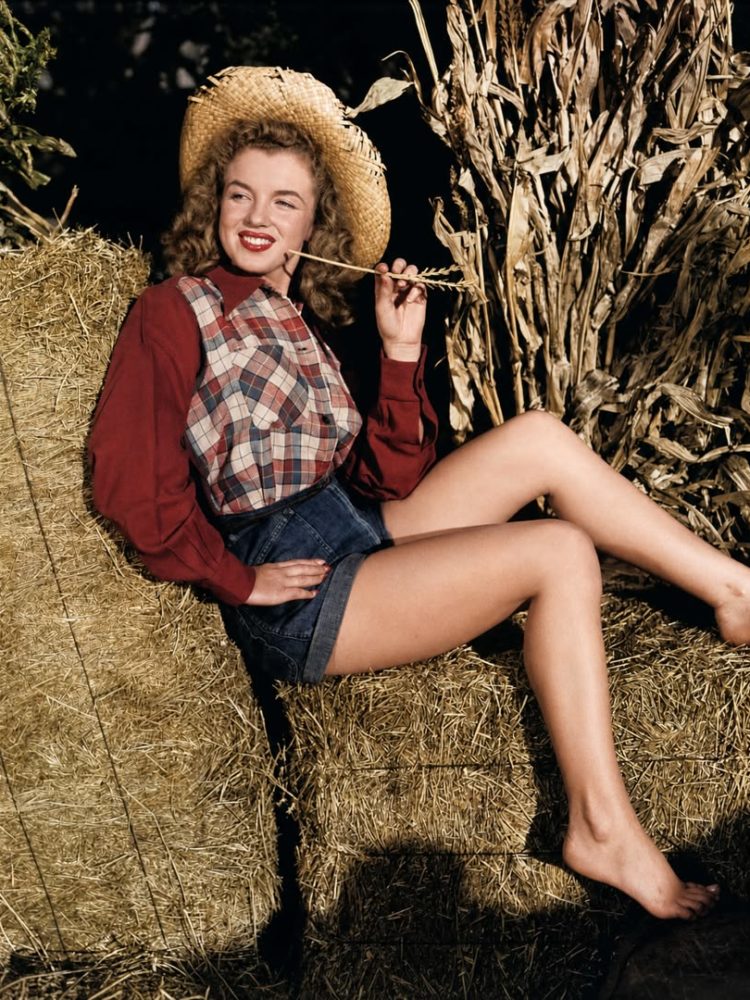

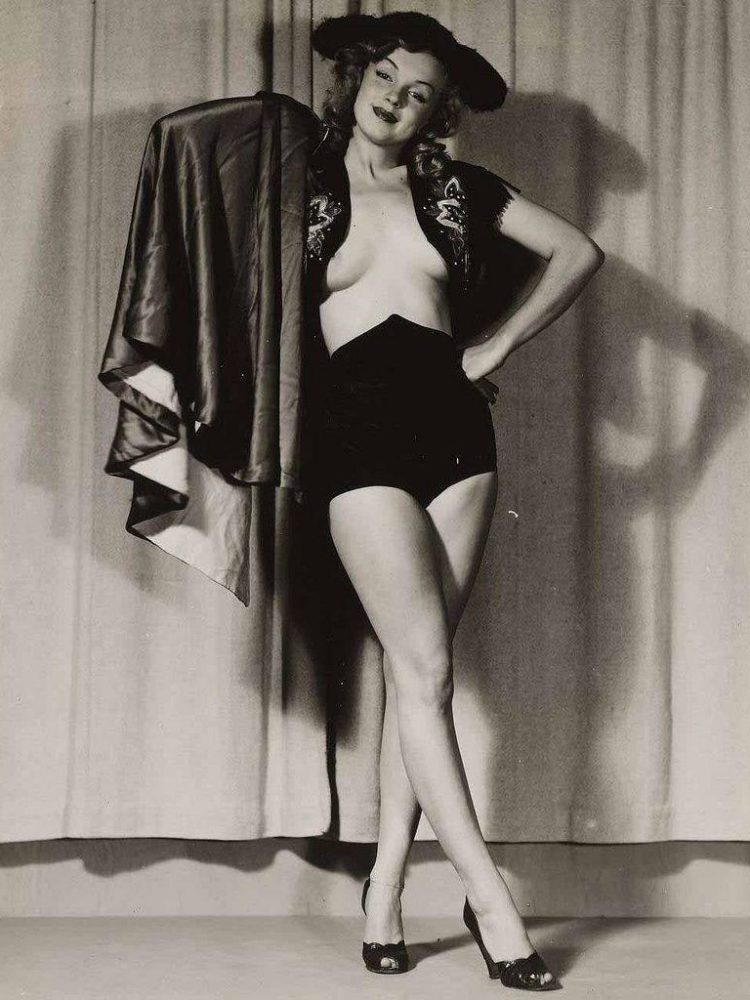
In August 1945, Norma Jean signed a contract with a modeling agency and moved out of her husband’s house. She becomes a pin-up girl (the girl in the photo that guys in military uniforms dream of). If she had lived in Italy then, she would have become one of the heroines of the photo novels about which Federico Fellini would make the poignant tragicomedy “The White Sheik” in the early 1950s. But life near Hollywood already in June 1946 brought a twenty-year-old beauty to an acting agency. Having become a blonde by this time, Norma Jean, on the advice of the head of the 20th Century Fox film company, Ben Lyon, chooses a more sonorous artistic name – Marilyn Monroe (the first part of it was borrowed from the Broadway star of the 1930s, Marilyn Miller).
For the first six months of her studio life, Marilyn underwent initial acting training, which also included vocal and dance classes. In early 1947, the first cameo roles followed. The patronage of the head of the studio allowed the aspiring actress to study at a real acting school.
“That was the first time I felt,” Marilyn later said, “what a real dramatic game is, and I was completely fascinated by it.”
After losing her contract with 20th Century Fox, she signed a contract with Columbia Pictures in 1948, using the patronage of one of Hollywood’s bonzes, Harry Shank. It is here that she finds her classic look – a platinum blonde, who, as the head of the studio, Harry Cohn, saw, was supposed to replace one of the brightest stars of the forties, Rita Hayworth, who left Hollywood at that time because of her marriage to the son of Sultan Aga Khan III.
However, Marilyn did not become the “second Rita Hayworth”, having never received notable roles in Columbia Pictures films. Having lost her contract with this famous studio, Marilyn returns to the world of photography, sometimes starring in the “Eva costume”.
Having found a new patron, Johnny Hyde, who became her impresario, the budding actress gets a small role in one of Hollywood’s absolute masterpieces– the Joseph Mankiewicz film “All about Eve.” The great Bette Davis, who played the main role in this film, later recalled her impressions of the young actress.:
“I was sure that she would succeed. Marilyn was a very ambitious girl, she knew what she wanted, and she took it very seriously. I thought she had talent.”
 Marilyn and Johnny Hyde
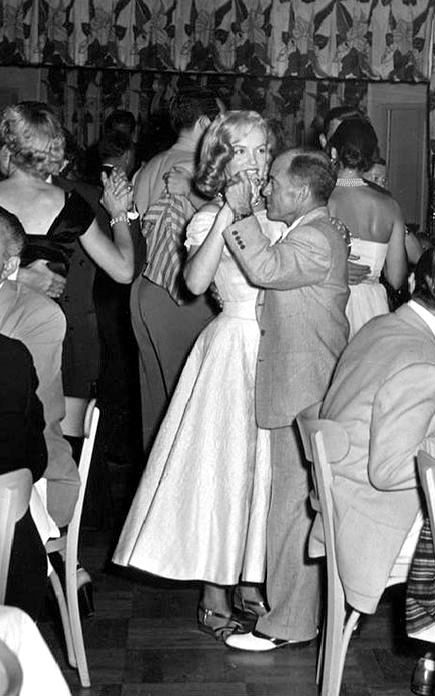
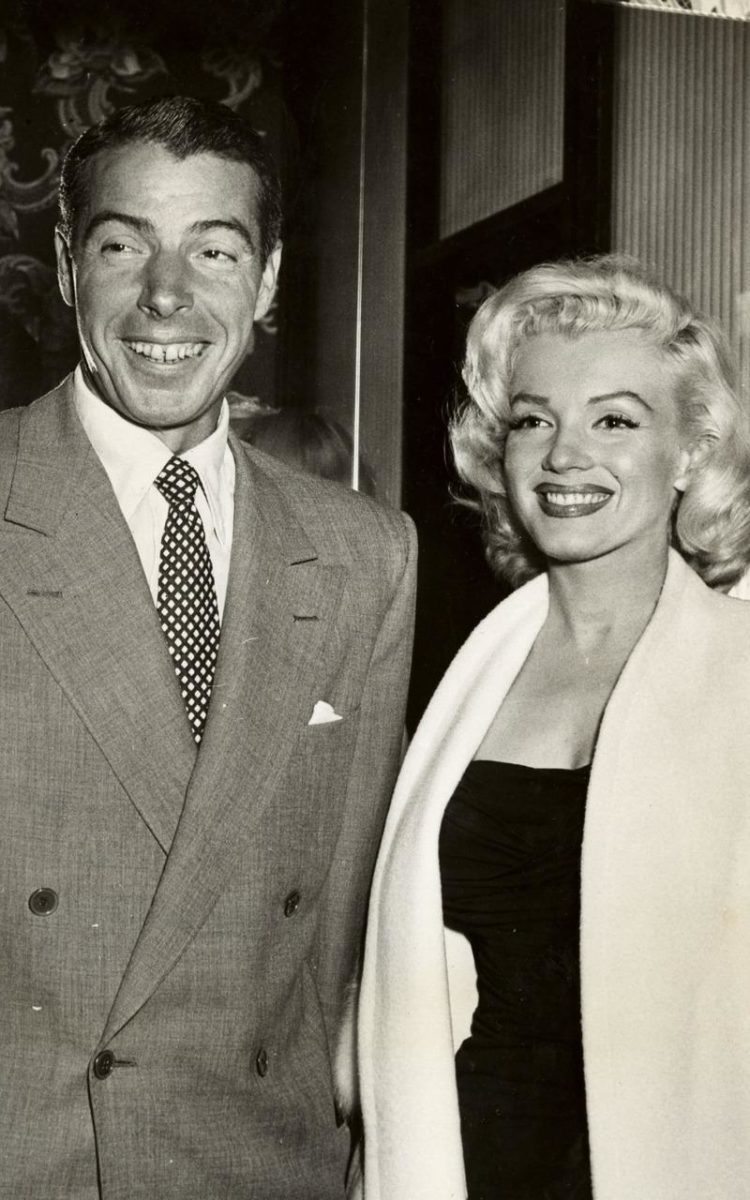
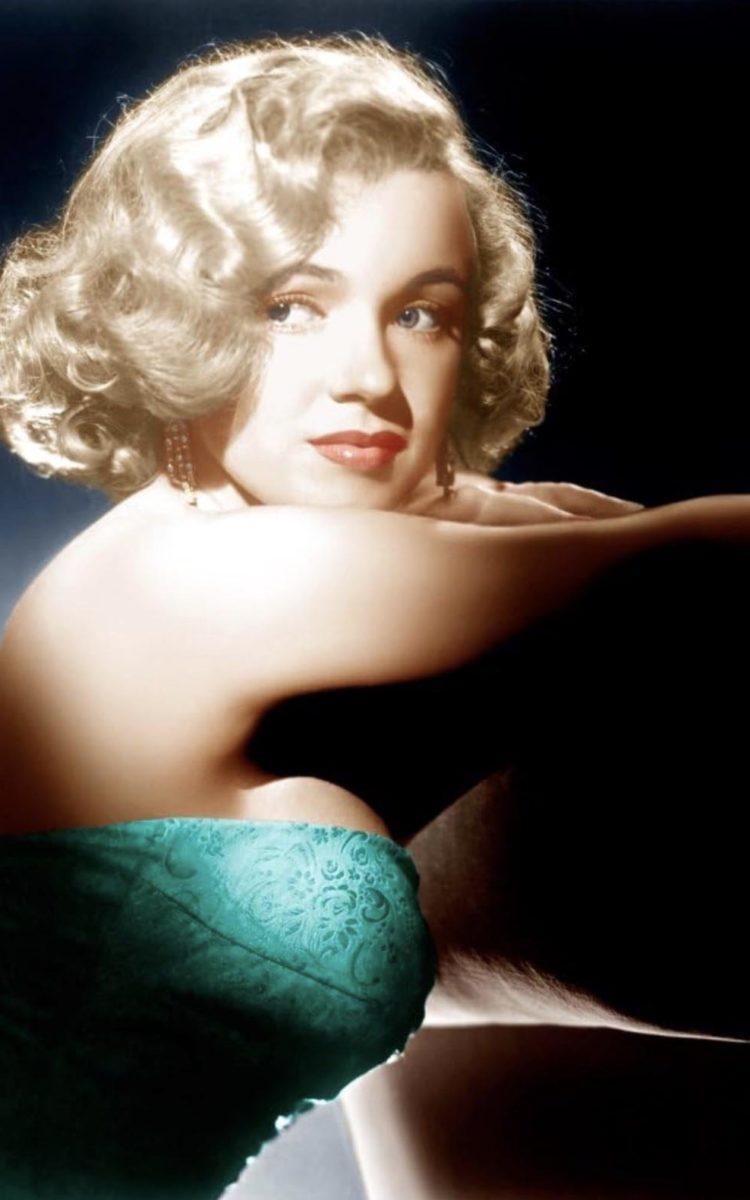
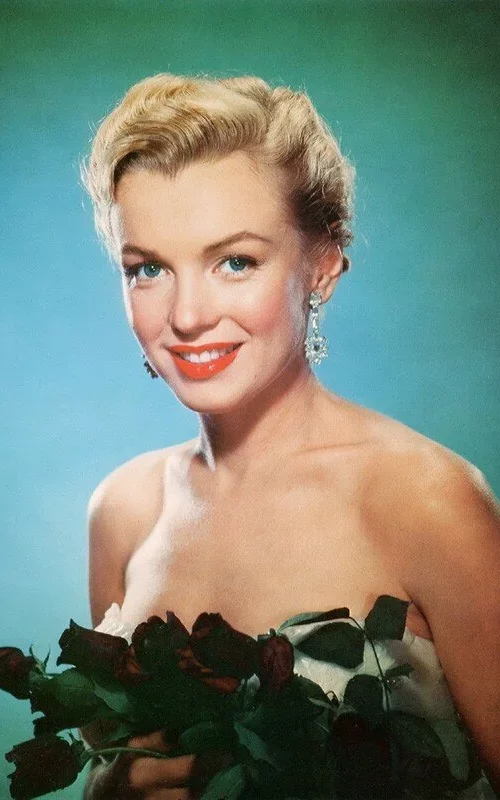
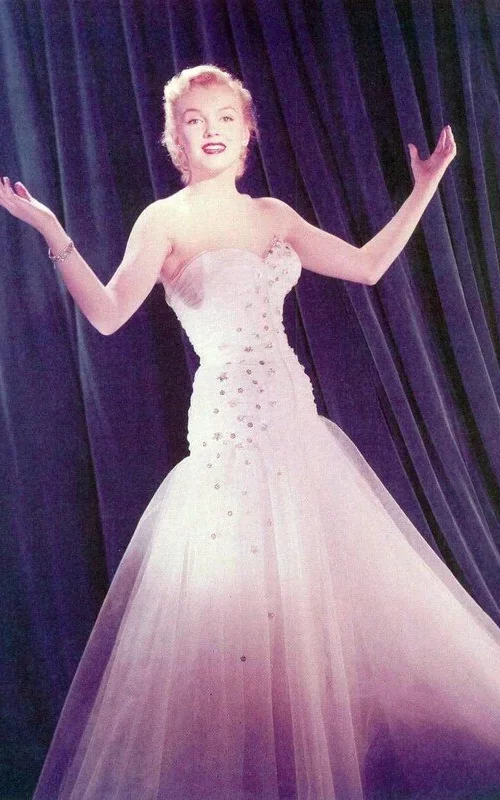
And soon Marilyn proved it by getting a more significant role in John Huston‘s film Asphalt Jungle. Thanks to these works, her impresario Hyde managed to get Marilyn a seven-year contract with her first studio, 20th Century Fox. The first three films after returning to the studio (low–budget comedies) exploited Marilyn’s sex appeal, but the actress’s performance received favorable reviews from film critics, and most importantly, a large army of her fans appeared, waiting for new tapes with her participation.
Marilyn’s popularity was also added by her romance with baseball superstar Joe DiMaggio. To overcome the stereotype of her acting abilities, Marilyn Monroe takes acting lessons from Mikhail Chekhov himself (whose students she considered herself, for example, Yul Brynner and Clint Eastwood) and gets serious roles, in particular, in the film by the brilliant Fritz Lang “Skirmish in the Night.” Well, the role that raised Marilyn to the Olympus of Hollywood was played by Rose Loomis from Henry Hathaway’s thriller Niagara, which was released in January 1953. But it’s worth talking about this tape and a number of the following works that have formed the canon of the undimmed myth of Marilyn Monroe separately.