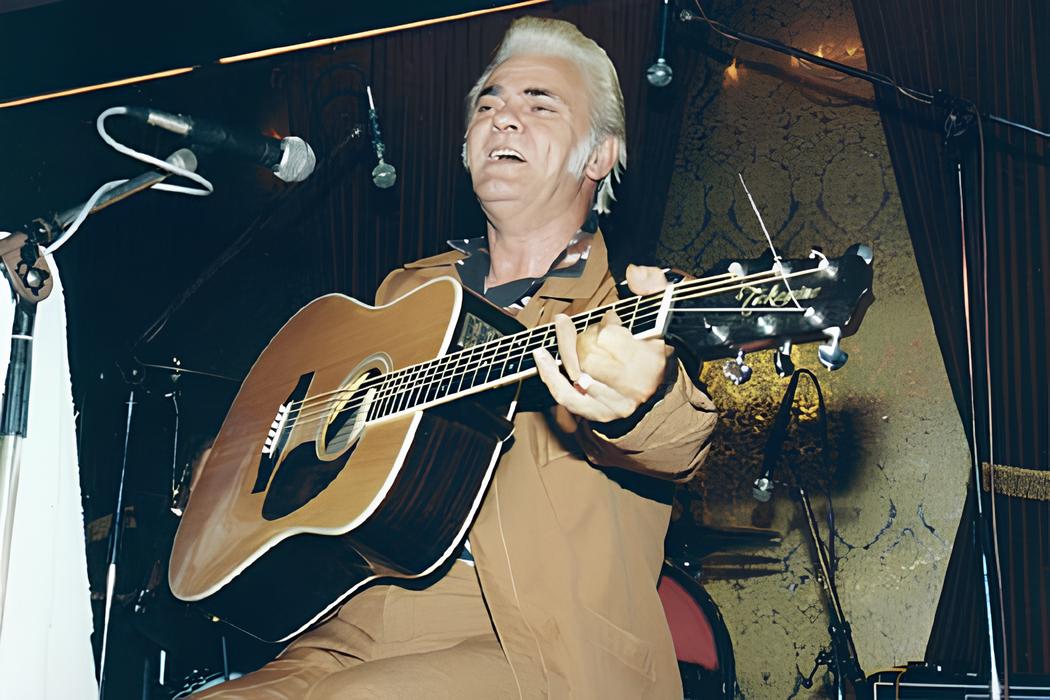
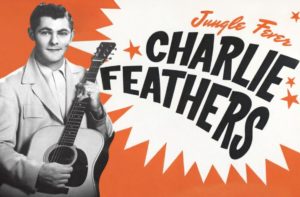
Little known to a wide range of listeners, Charlie Feathers (12/06/1932 – 08/29/1998) is a resident of Sam Phillips’ legendary Sun Records, one of the wildest and strangest voices in the history of rock and roll. He did not achieve commercial success during his lifetime, but decades later his songs were featured in films by Quentin Tarantino and Robert Rodriguez, and he became popular among connoisseurs of authentic rockabilly.
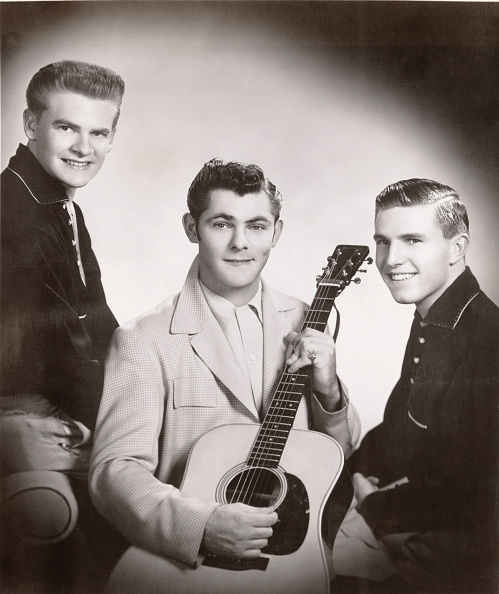
His trademark hiccups and vocals that break into whines, howls or meows are his calling card. This style inspired Lux Interior from the legendary psychobilly band The Cramps, who also recorded songs of their idol. Bob Dylan also called Feathers one of his favorite rockabilly artists.
Feathers was born in Holly Springs, Mississippi, 50 miles southeast of Memphis, and grew up listening to the field blues of black workers. At the age of 9, he attended a concert by bluegrass icon Bill Monroe, and at the age of 10, his aunt bought him a guitar, and he took lessons from legendary bluesman Junior Kimbrough. Feathers called Kimbrough “the beginning and the end of all music.”
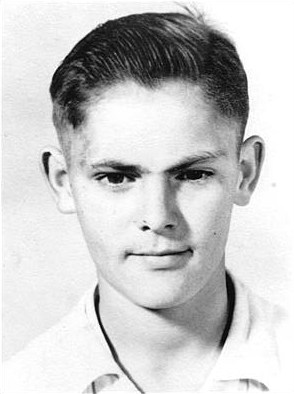
After working with his father on oil pipelines in Illinois and Texas, Feathers moved to Memphis in 1950, and might have been driving a truck at a box factory if he hadn’t been hospitalized for spinal meningitis in 1951. Listening to the radio daily in his hospital bed and composing songs, he then left the hospital with the firm intention of becoming a professional singer. Feathers began hanging out at Sam Phillips’ Memphis Recording Service studio, with the approval of Howlin’ Wolf, who was recording there. In 1952, Phillips opened a new studio and Feathers became a session player, aiming to release something of his own on Sun Records. He filled in for everyone he could, helping with the arrangements, even playing spoons on the Miller Sisters sessions. Demo recordings of songs with pedal steel guitarist Stan Kesler earned him half of the royalties when Elvis recorded their song “I Forgot to Remember to Forget” on Sun. Years later, Feathers made shocking claims: it was allegedly he, Charlie Feathers, who arranged “That’s All Right” and “Blue Moon of Kentucky” for Elvis and recorded “Good Rockin’ Tonight” before him.
Phillips decided to create a local non-union label called Flip in order to try out new artists on it, and, having brought Feathers together with country musicians Bill Cantrell and Quinton Klunch, released Charlie’s first single on this label, “Peepin’ Eyes/I’ve Been Deceived”. The record made enough of an impression locally for Feathers to be transferred to Sun to record a second single, but the artist had bigger plans.
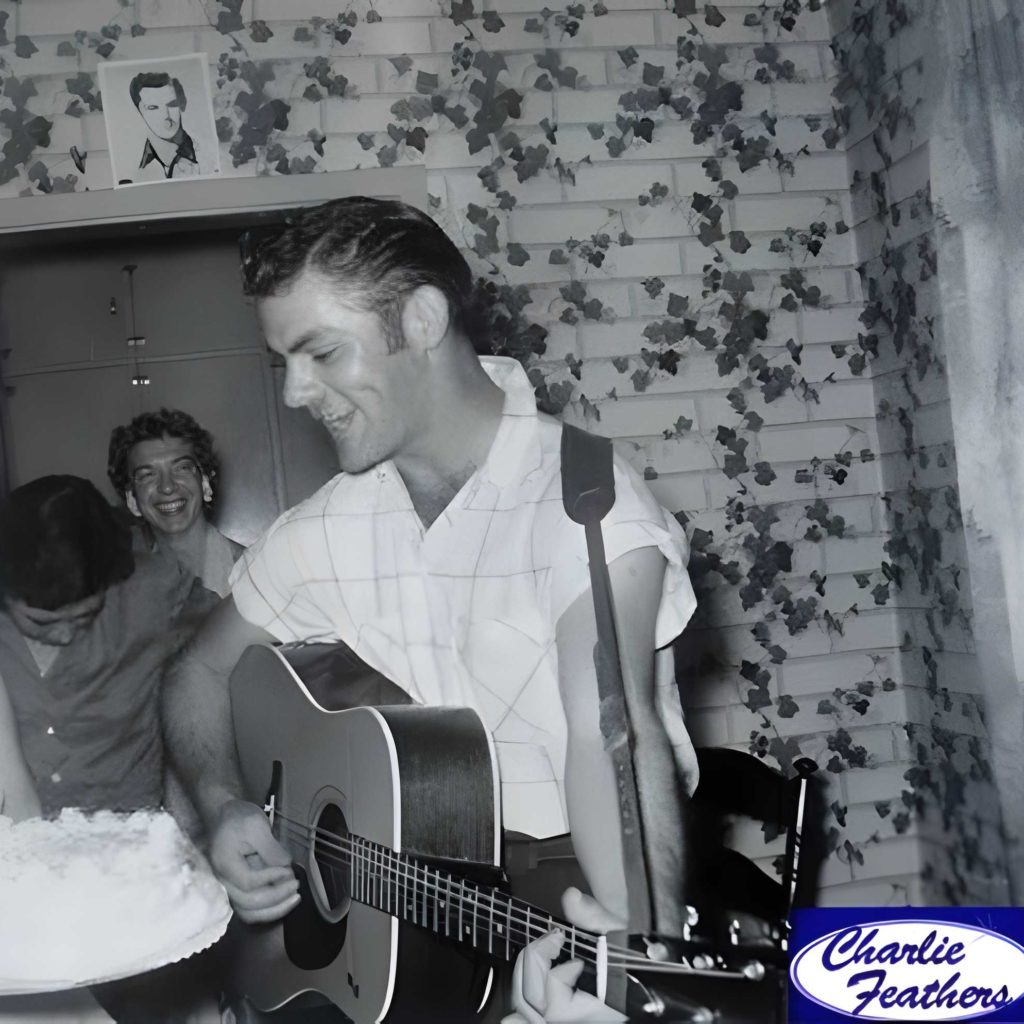
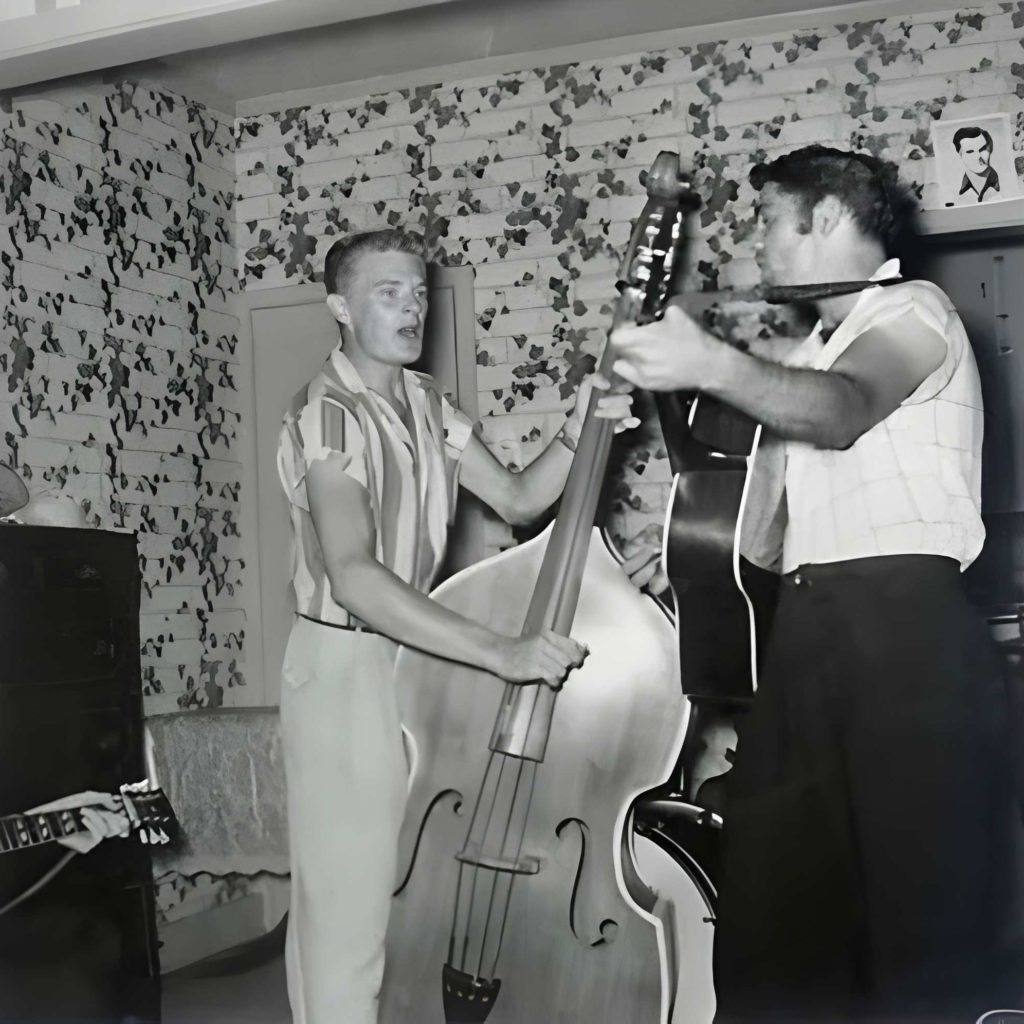
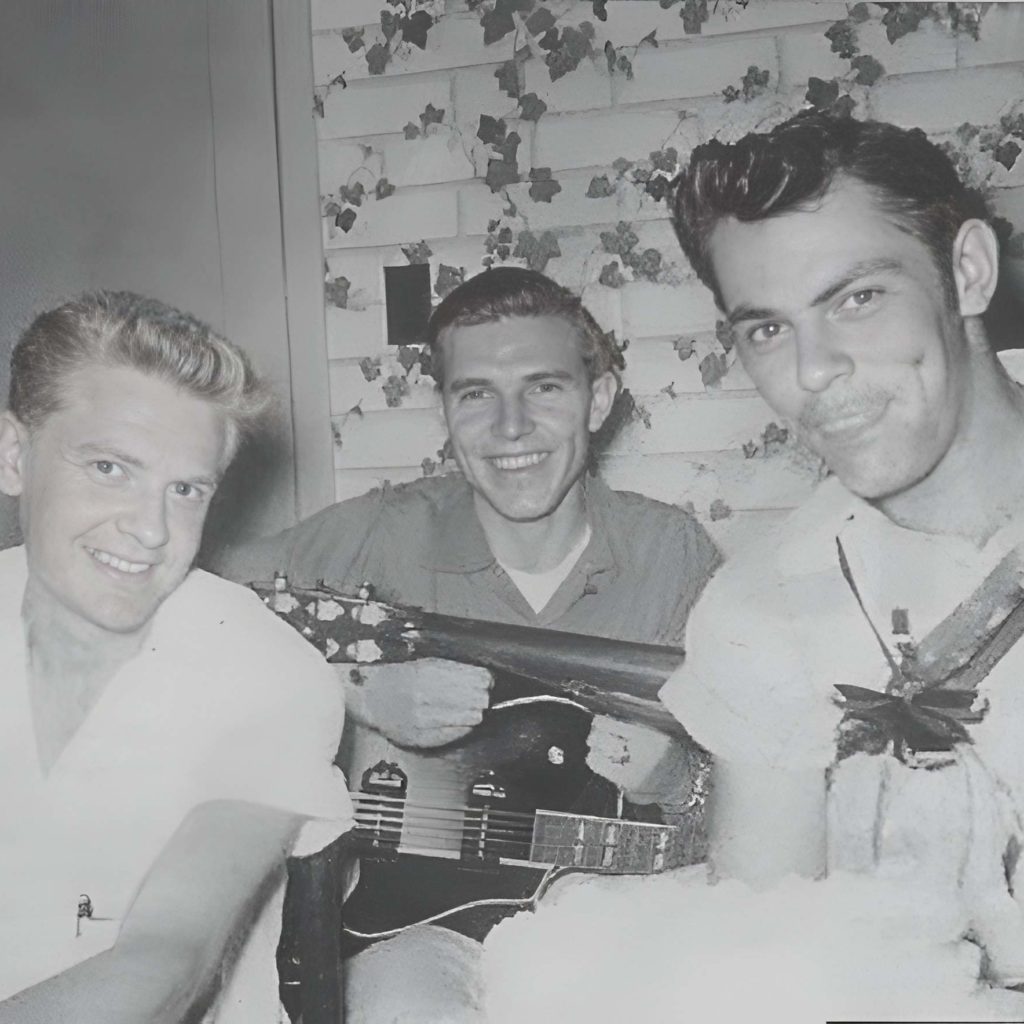
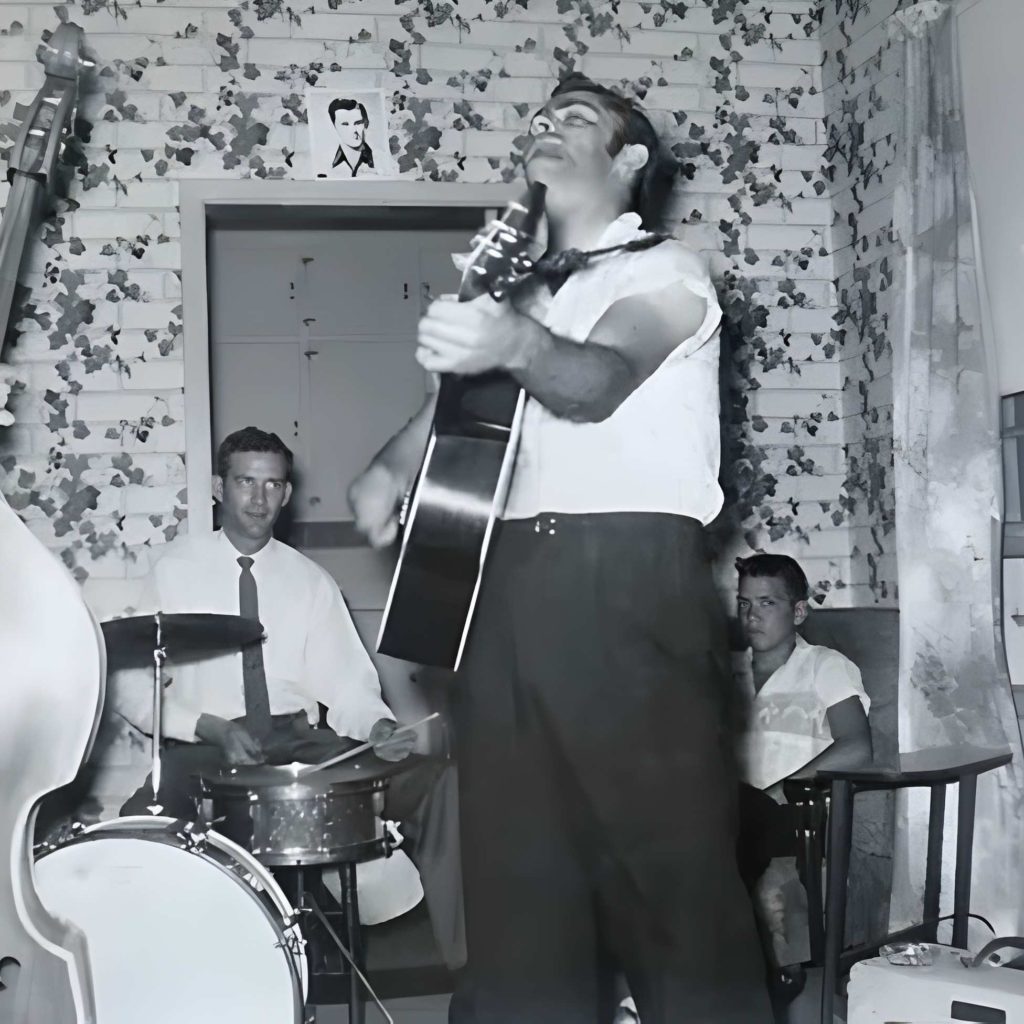
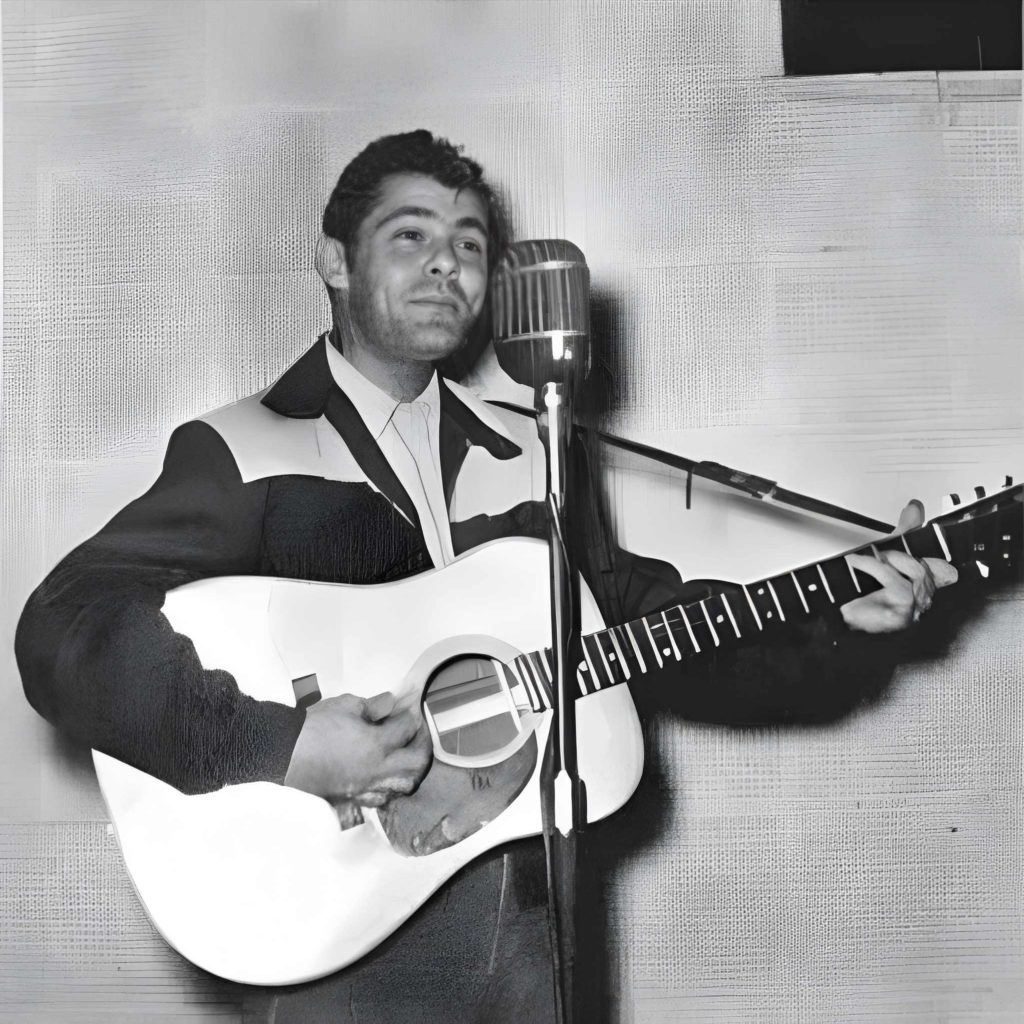
Although Phillips considered him an excellent country singer and styler, Feathers wanted to record rockabilly songs on Sun Records. But Phillips ignored his requests, then Feathers’ patience snapped and he went to competitors, to Meteor Records studio in Memphis, where in 1956 he recorded rockabilly classics “Tongue-Tied Jill” and “Get With It” together with guitarist Jerry Huffman and bassist Jody Chastain. Commenting on the minimalism of the sound, Feathers stated:
“The drums are not needed, they collide with the double bass. The real rockabilly is guitar, bass and voice!”
This single received enough radio rotation in Memphis and stayed at number one for a week, securing him a contract with King Records (Cincinnati, Ohio), and this is where the story of Charlie Feathers as a rockabilly legend begins.
The dozen or so singles he recorded for King are excellent rockabilly songs from the 50s that broke free from the hegemony of Sun Studio: “One Hand Loose”, “Bottle to the Baby”, “Everybody’s Lovin’ My Baby” and “I Can’t Hardly Stand It” became classics of the genre. Although Feathers himself did not like them – all because of the specific sound – the local spring reverb tank could not be compared to the slapback-echo on the San.
Due to his fame in Memphis, Feathers participated in numerous tours and performed at the Big D Jamboree Festival in Dallas on several occasions. When his contract with King ended, Feathers continued to record individual singles for various Memphis labels, stubbornly performing his music for any local audience that wanted to listen to it. For example, “Jungle Fever” is a creep record with a maximum slapback echo that sounds like it was recorded in a dungeon or “Stutterin’ Cindy”, where all the trademark stutters, sobs and quirks are in place. It seems like he recorded the last one in 1968, and “That Certain Female” in 1974, but they sound like they were recorded in the 50s. Despite the quality of the music, the singles sold poorly.
Rockabilly revival and recognition in Europe
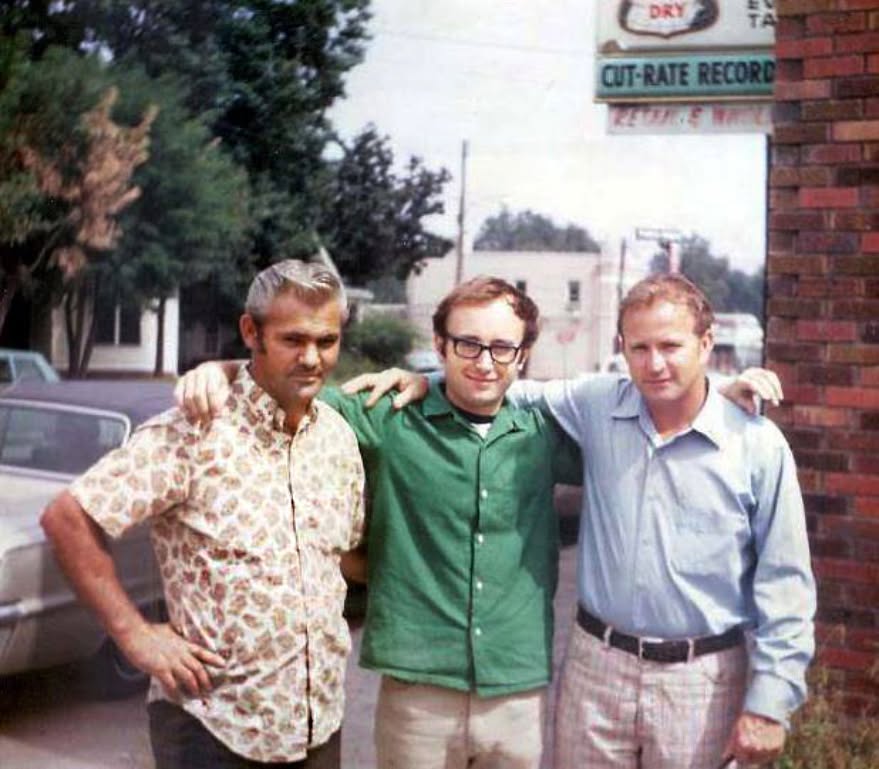
While the Americans ignored Feathers, he was idolized in Europe. In France and England in the 1970s, his original magpies began to cost hundreds of dollars, and records with his old material began to be reissued there, and fans of psychedelic rockabilly enjoyed them. And Charlie, who was already under 50, boarded a plane and set off to conquer the European scene with his son Bubba Feathers on guitar. John Peel invited him to record on his radio.
Charlie Feathers – John Peel Session (3rd May 1977)
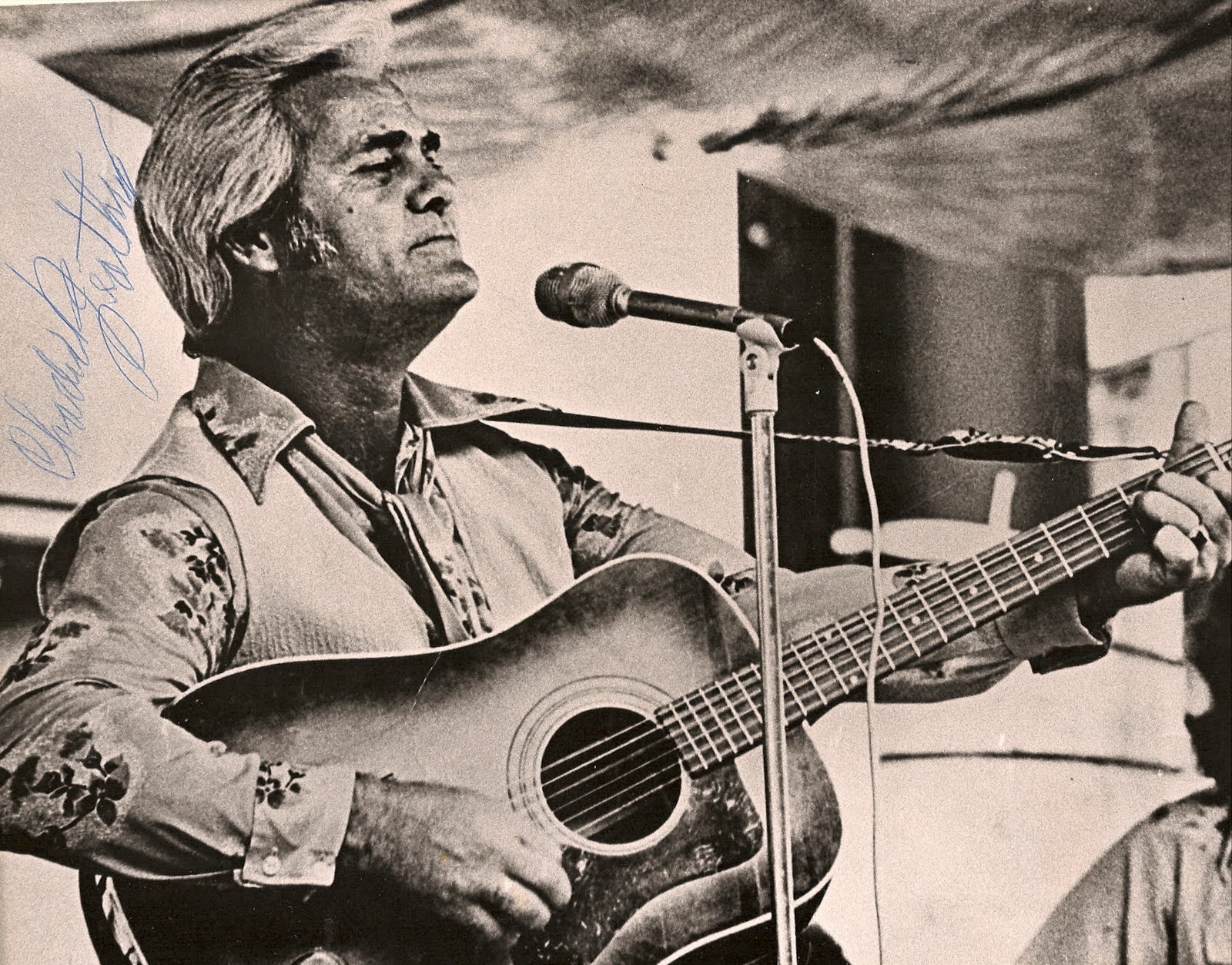
Feathers performed in London, Paris, and rockabilly revival festivals as a living example of the wild, unbridled sound of the 50s. Yes, his concerts were a lottery (there was too much chatter between songs), but those who saw Charlie live remembered him forever. In 1990, he received unexpected support from Johnny Cash:
“Charlie Feathers never received the honors and recognition he deserved. I will always be a Charlie Feathers fan.”
 Charlie Feathers, 1977
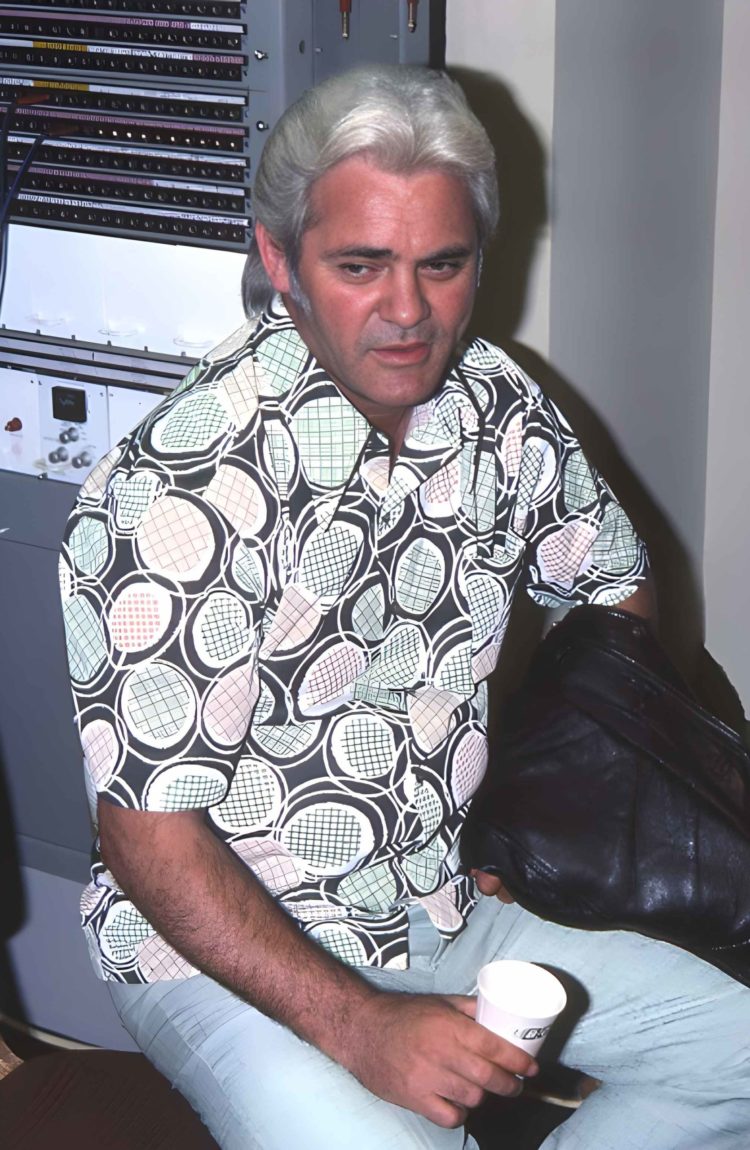
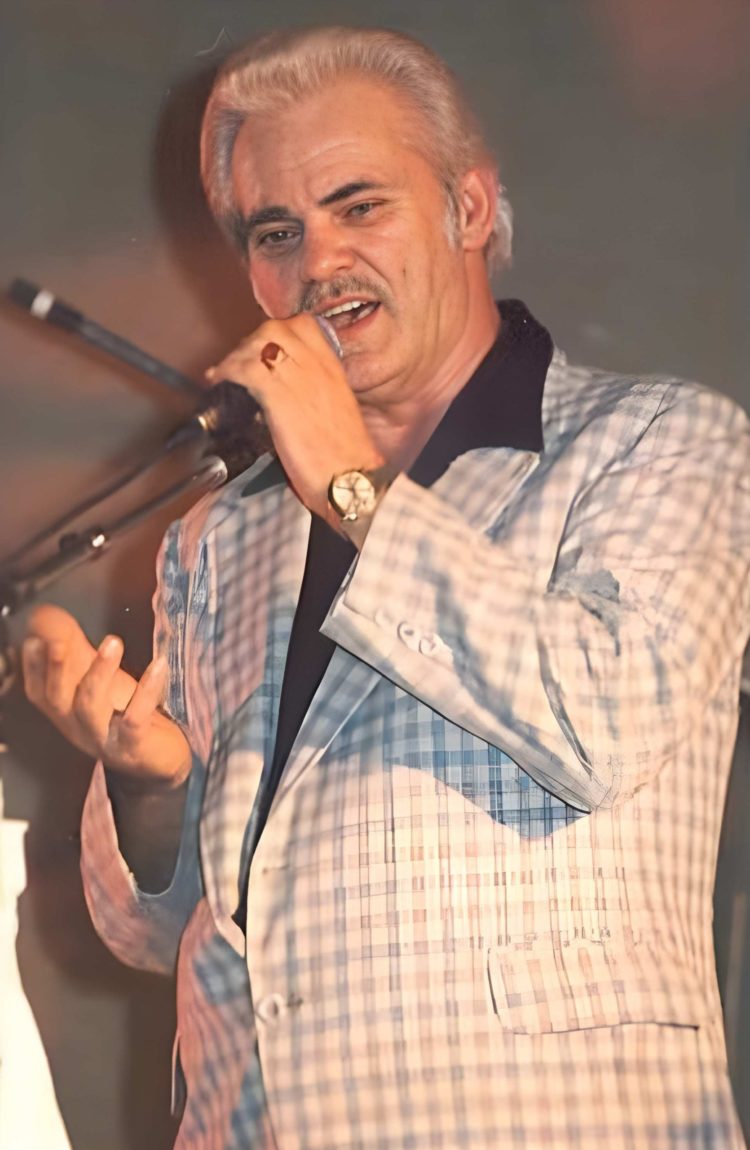
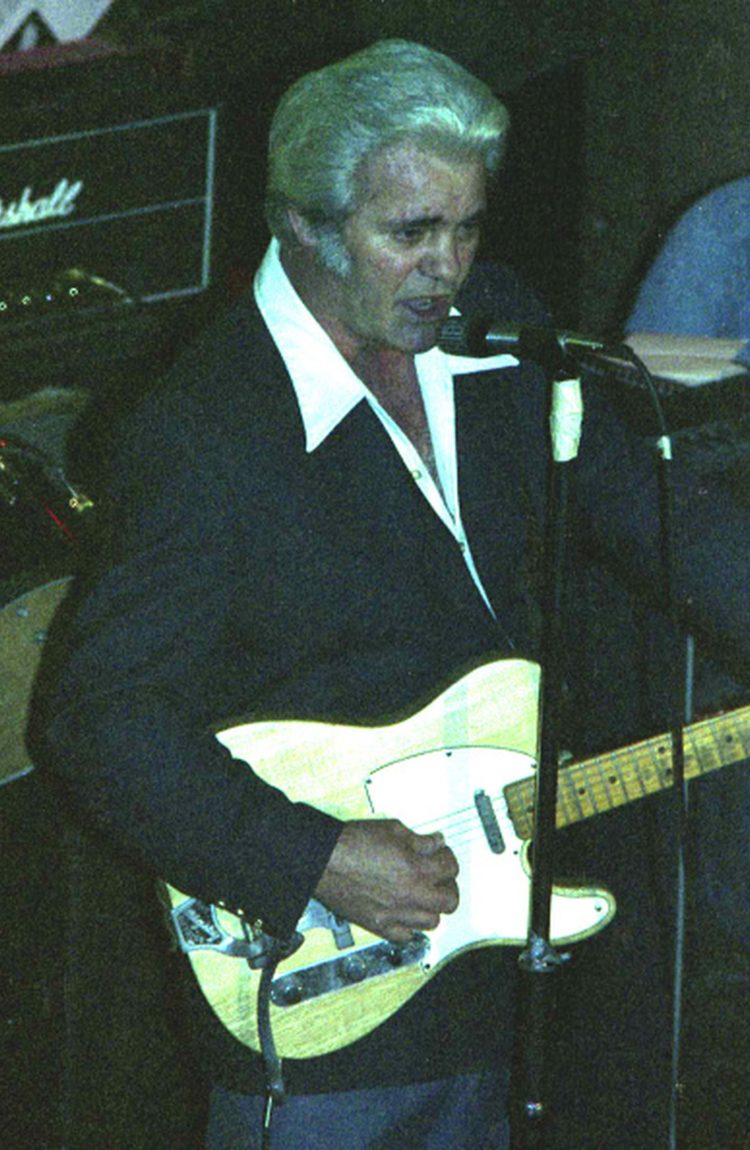
Subsequently, due to diabetes and lung surgery, he moved around in a wheelchair, but neither of these prevented him from continuing to perform and even recording his first album for the major label Elektra in 1991. Charlie Feathers died in Memphis on August 29, 1998 from complications after a stroke. He was 66 years old.
How Rodriguez and Tarantino gave Feathers a Second life
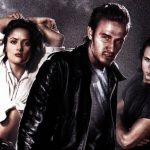
Robert Rodriguez directed the series “Racers” for the Showtime series “Rebel Highway” (1994), which turned out to be the best in the clip, and among other bangers, “Stutterin’ Cindy” sounded in it.
In 2003, Quentin Tarantino used Charlie’s song “That Certain Female” in the soundtrack to the first part of Kill Bill. An authentic rockabilly song plays merrily in the sheriff’s car as he goes on a call, where he sees a scene of carnage in a church. And in the second part of the dilogy there is “Can’t Hardly Stand It”, an example of slow, swinging rockabilly with that signature hiccup. This song is also later used by Jarmusch in his vampire epic “Only Lovers Left Alive” And “Defrost Your Heart” is featured in Johnny Cash’s biopic “Walk the Line.”