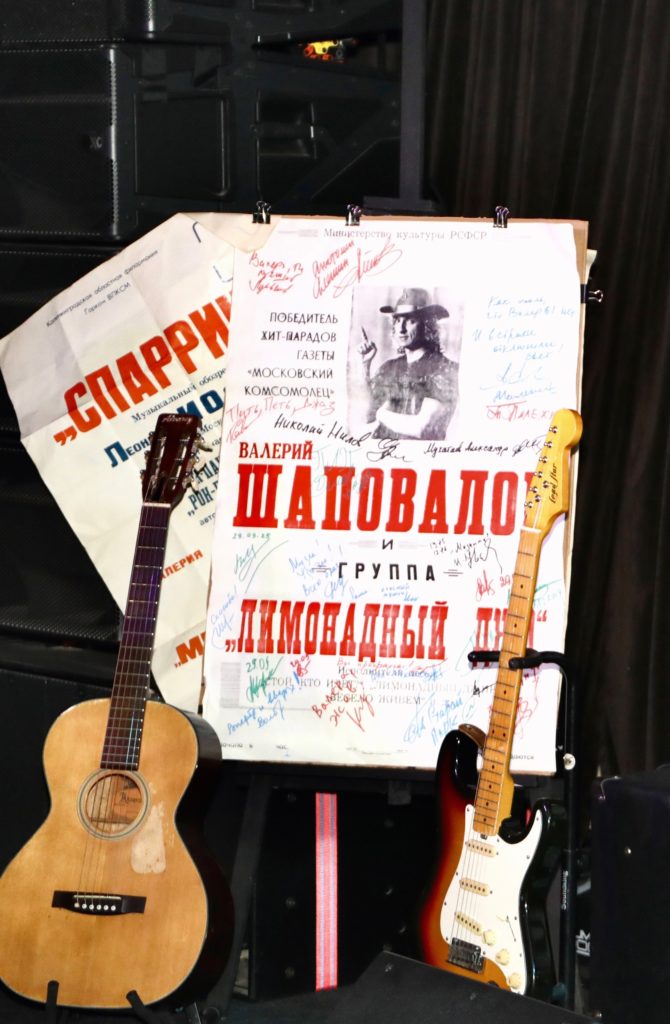
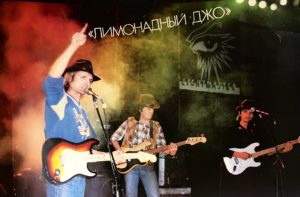
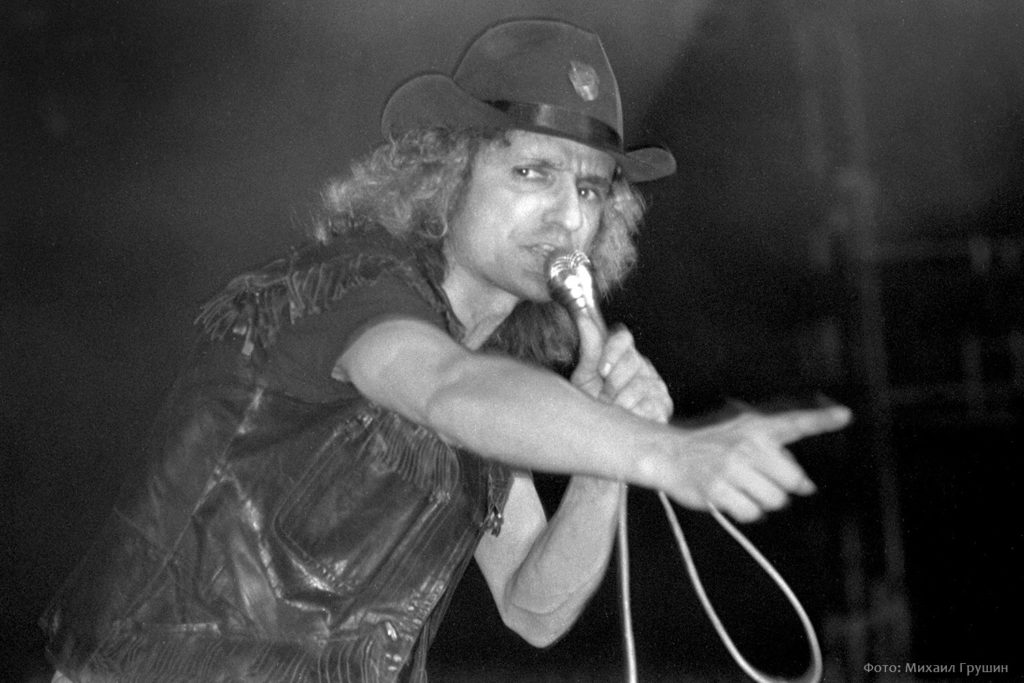
We all come from childhood. For most, hopefully, a happy one. So much so that someone gets stuck in it until retirement age, when they should return to childhood. The young organisms that grew up in the 1980s heard and even sang a funny song with the refrain “ay-yay-yay, you can’t go there!”, cartoonish in sound, maliciously politicized in essence. A man with glasses, curly hair, and a cowboy hat laughed at her from every television window. The Lemonade Joe group, led by this guy with curly glasses, obviously borrowed the name from the 1964 Czechoslovak comedy western of the same name (this flick requires a separate review). With such terms, should we expect the band to produce some kind of country music? And it will come to that.
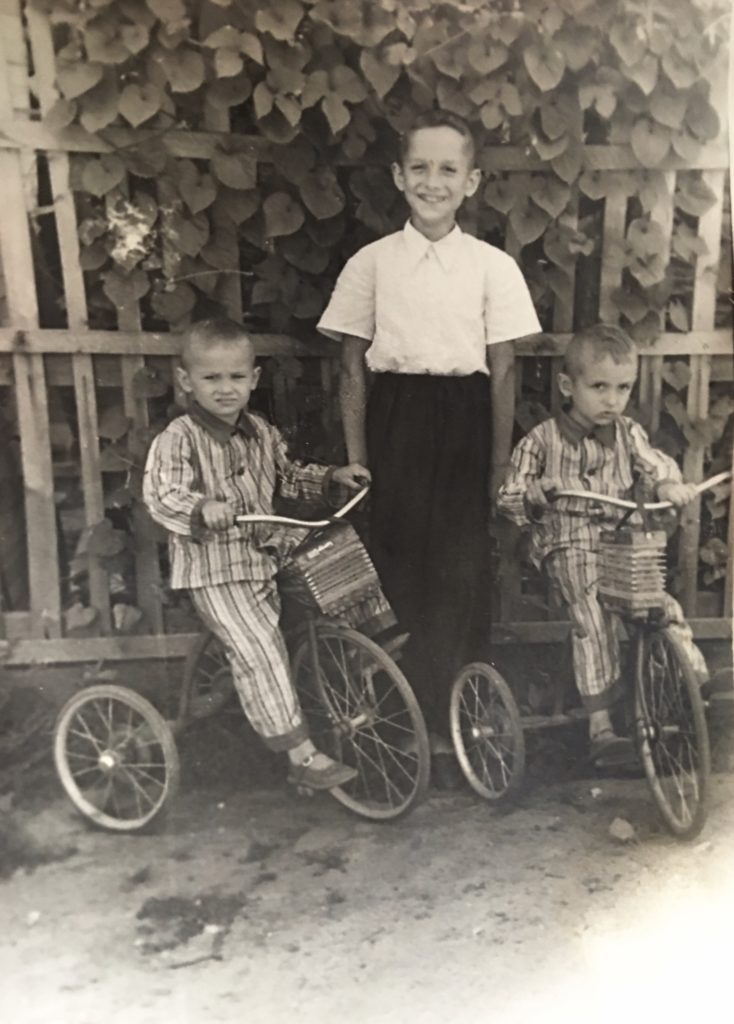
Yevgeny Shapovalov, a front-line soldier, and a veteran of the Great Patriotic War, had three sons, the youngest two were born with an interval of twenty minutes. The eldest son, Vitya, began to style himself from the cradle, tying them in the manner of actress Dietrich’s scarves. It was Victor who taught the younger ones how to catch illegal radio stations on an imported radio receiver, and there they broadcast current jazz and a little bit of Elvis. Valera and Volodya not only listened eagerly, but also wanted to interpret what they had heard themselves. For this, the little ones were sent to a music school, where they were given one althorn for two. When the brothers got used to it, they were given a trumpet and a saxophone, but guitar music was becoming fashionable.
Picking up their first seven-string, the brothers tried to pinch the chords according to the photos of the Beatles and realized that they didn’t understand anything. A domestic dude with a nickname “Kettle”, who tried to lure the surrounding girls with a thug’s meow, showed Valera how to rebuild a seven-stringed guitar in a six-stringed way. But there was only one guitar, and Vovka and Valerka often used to monkeying for possession of it. Soon, under the supervision of the elder, the brothers sawed out real electric guitars for themselves, even made bigsby themselves. Hence, a different conversation started.
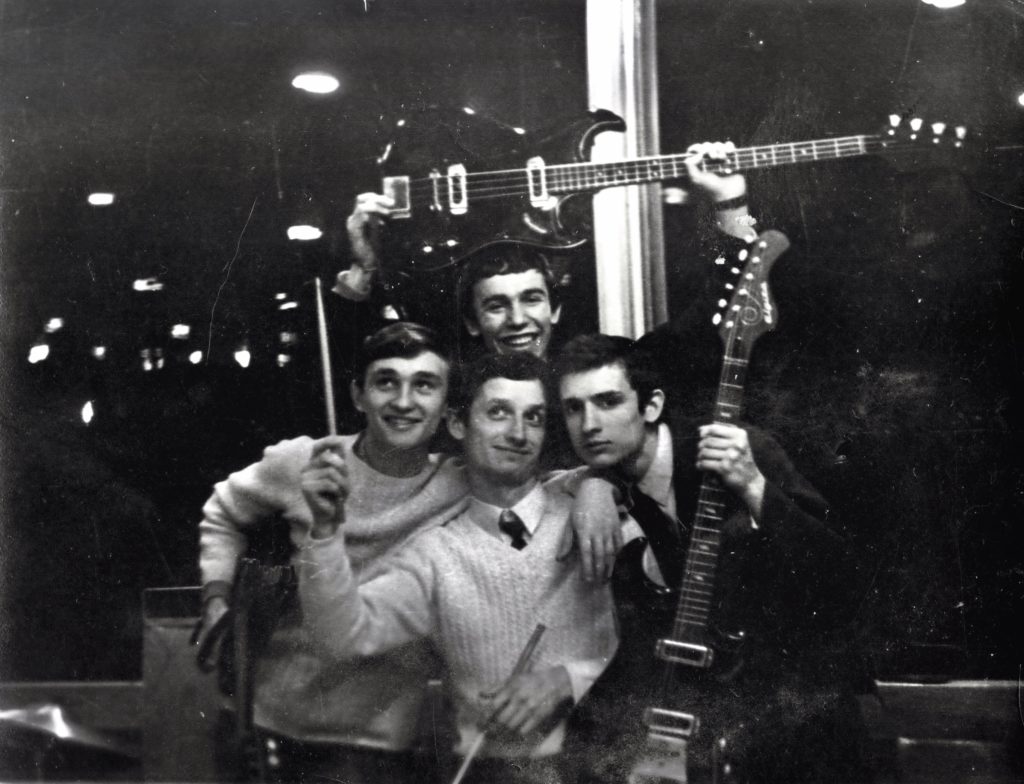
Vladimir Shapovalov – rhythm guitar “mowed the rhythm” (left), Viktor Shapovalov – drums “sat at the kitchen” (center), Valery Shapovalov – lead guitar “led solo” (right), Alexey Tseitlin-Shachnev – bass guitar “stood on the bass” (top)
Homemade guitars were plugged into the radio receiver unit, until Victor (apparently, a radio technician from God) made real combo amplifiers. Although the first “models” of these amplifiers burned regularly once a rehearsal, the rule of a thumb was able to adjust the sound of the young band. The only problem was that the band consisted of two people plus a (temporary) friend, Alik, who was also a guitarist. The eldest, Victor, unable to watch the ordeal of his younger brothers, clearly determined that he would become their drummer. Again, it was he who sawed out a completely distinctive bass guitar that had no one to play.
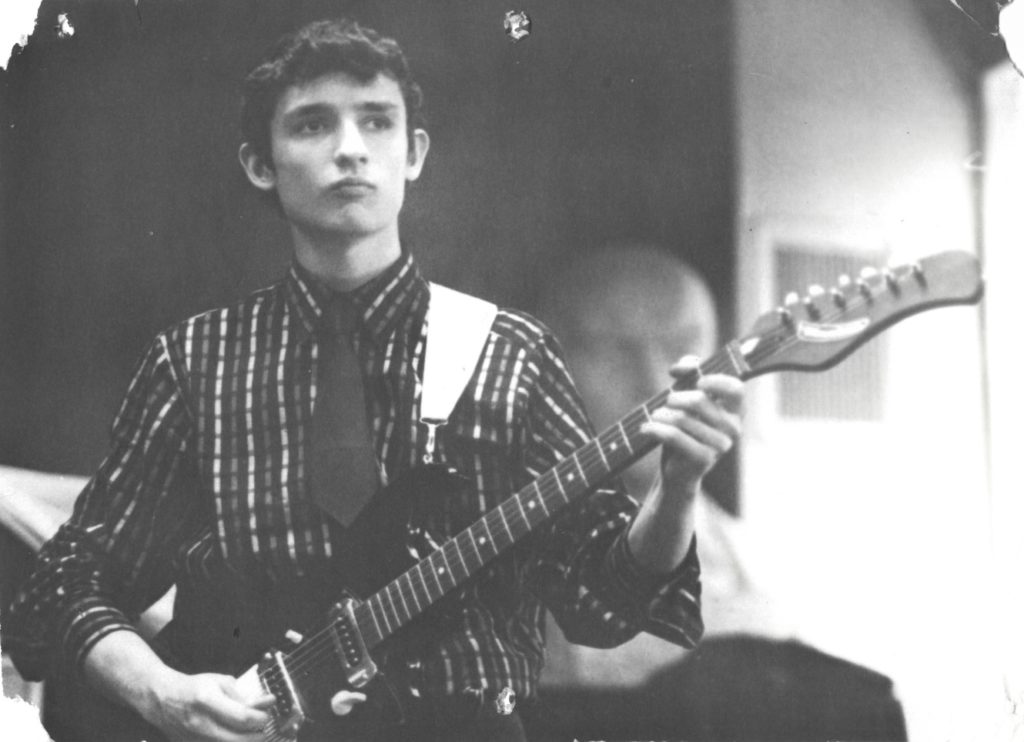
Already in the first half of the sixties, everyone fancied himsef John Lennon and no one was Paul McCartney. And since there was a drummer in the band, we had to look for a place for rehearsals, where the neighbors would not invite kind listeners in police uniforms. Such a place became a club at a Moscow textile factory called the Red Rose. Alexey Zeitlin-Shachnev turned out to be an unexpectedly excellent and long-playing bass player. It was then that the Shapovalov brothers’ team earned its best. Soon, having taken on the name “Moskvichi”, the group moved to the cafe “Seasons” at the Gorky Central Park. All their performances began to be accompanied by a bloody beating, but no one ever called the police, because, apparently, everyone liked everything.
The Shapovalov brothers band played real surf rock without any vocals, and Valery pushed the solo harder than Hank Marvin from The Shadows. It seems that the “Moskvichi” were the first surf-rock band in the USSR. And really cool, by the way: listen to their version of “Roll Over Beethoven”! Valery’s guitar twang sounds an order of magnitude brighter than the originals he was guided by.
Muscovites – Roll Over Beethoven
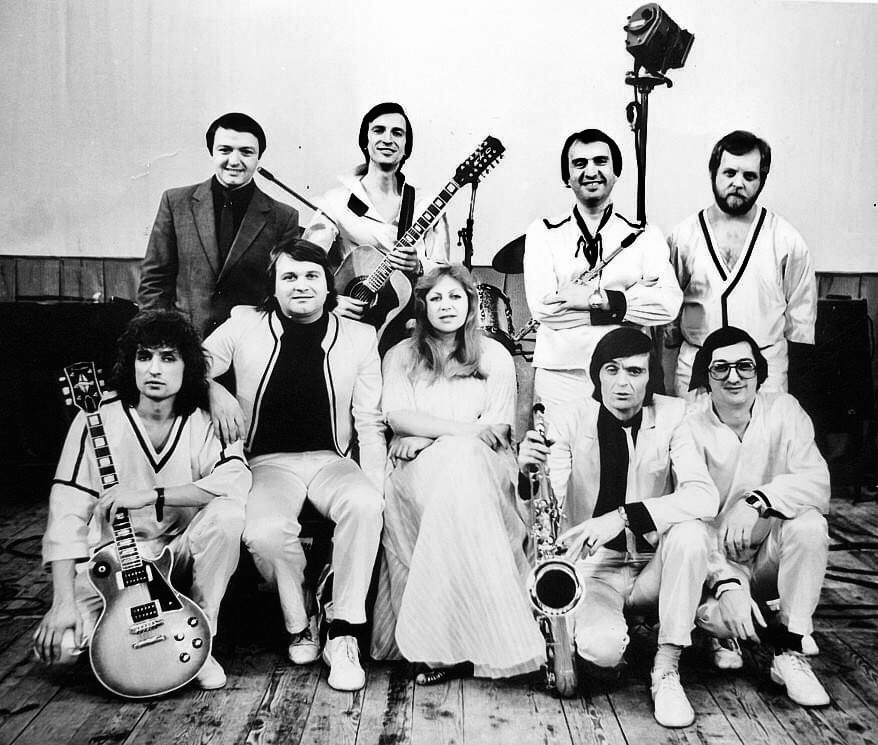
“Moskvichi” became so popular in Moscow itself that the newly formed “VIA Moskvichi”, run by Yulia Slobodkin, became slightly jealous. “I don’t care!” the Shapovalov brothers decided and began performing under the name “The Shapovalov Brothers.” Bassist Zeitlin, who left them, recommended Valery as a dashing guitarist to Vyacheslav Malezhik. The two of them had been grazing for some time on the lush meadows of the Soviet stage, while the Shapovalovs uncompromisingly tore the strings in strange taverns. After some negotiations, Valery moved to VIA Plamya (The Flame band). But he moved on to that untimely moment when the leaders of VIA decided to move away from pop music to mixing with jazz, prog- and hard-rock.
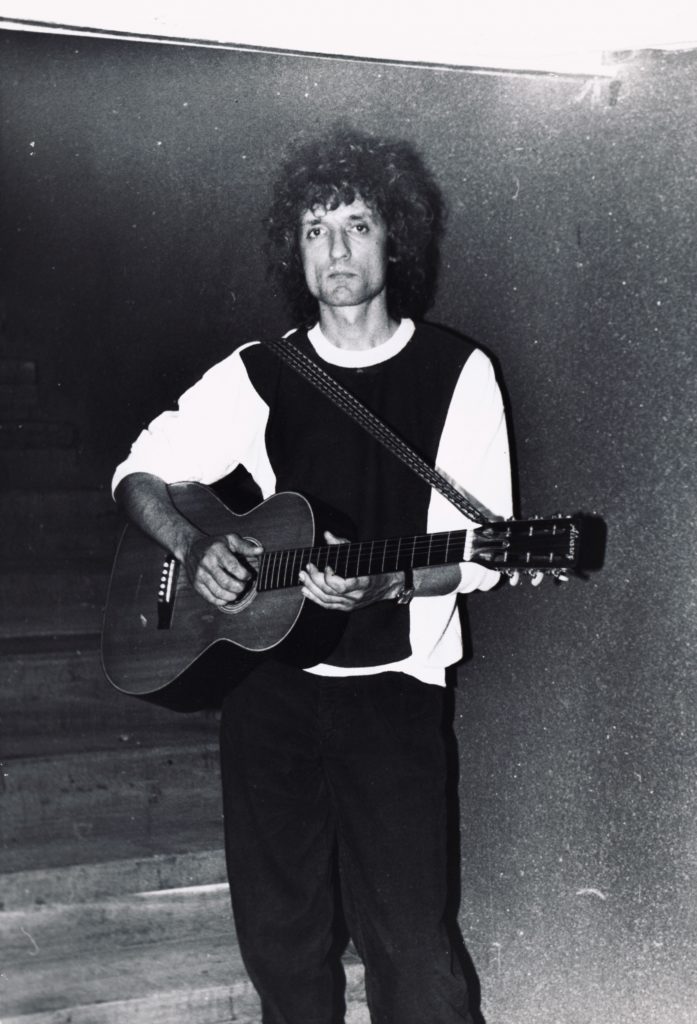
As a result, Valery Shapovalov switched to playing music in the spirit of early Dylan, with harmonica and guitar as friends. And in this guise, he sounded like a country star. It was then that he was invited to the Rock Panorama festival, where Valery scandalized with his caustic lyrics. The director of the young band “Aria”, Vekshtein, was particularly fierce. But it didn’t matter anymore, since Gorby had already started glastnost and perestroyka.
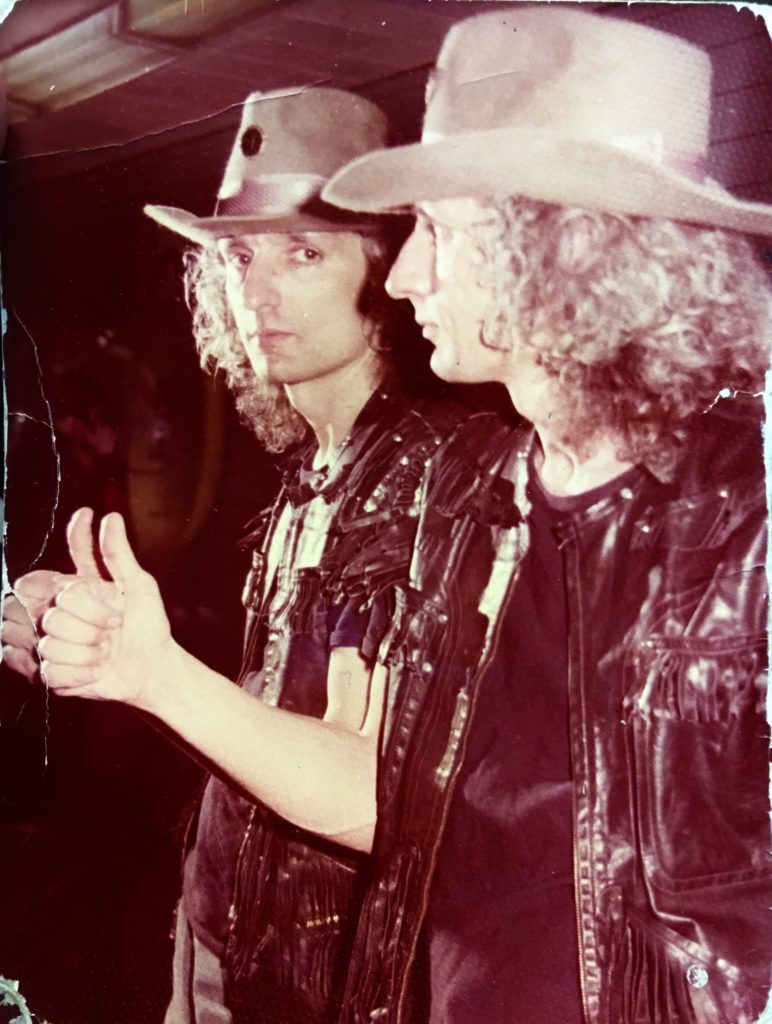
In 1987, Valery Shapovalov released a solo long-playing record “Zvezdny Put'” (Starlight) at the monopolist vinyl company “Melody”. It’s all the more surprising that the recording quality is vary badly. And the songs are all pop-country, except for one. “Trapeza” is a swashbuckling hillbilly song with a parody of English-language vocals. In the future, Valery builds his repertoire according to the principle: a third of the lyrics in the spirit of Soviet VIA with a country flair, a third of pop or country rock, a third of the songs that would best fit into A. Tatarsky’s animation (“Wings, Legs, Tails”).
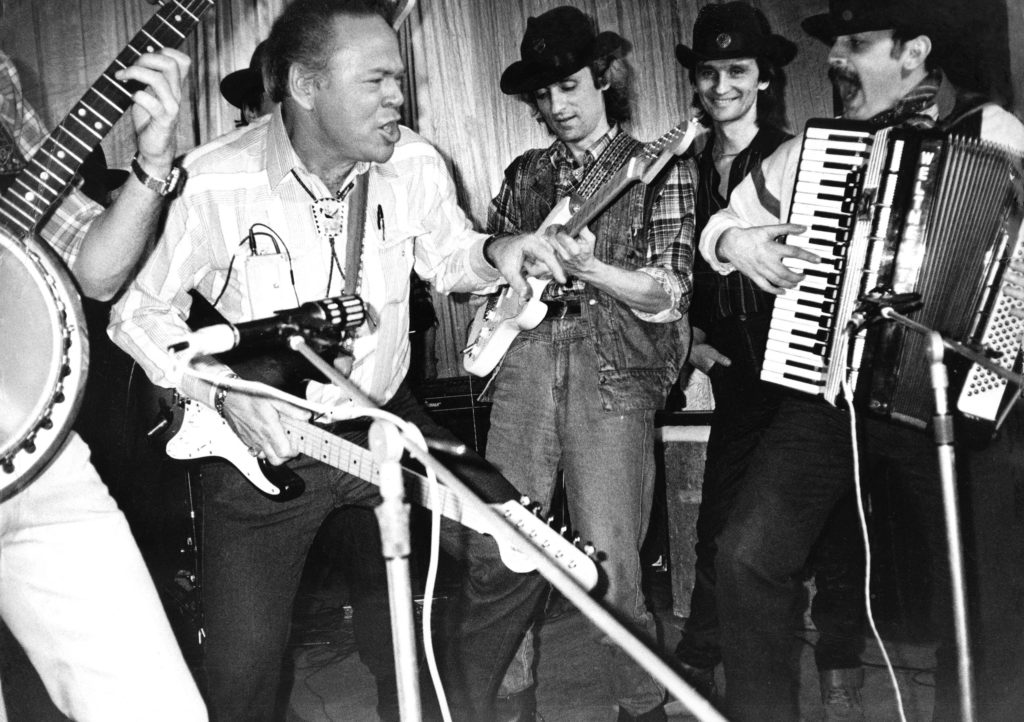
With this approach, he forms a band “Lemonade Joe”, and in 1988, the country music mastodon Roy Clark came to the Soviet Union. A really superb country guitarist, rest in strings. Shapovalov invites him to a joint concert. In spite of Shapovalov is not sure if Clark will show up, he buys chicken and vodka for the latter, sets up the stage, and waits. And so the Soviet (KGB) and American (CIA) delegations are overwhelmed. An hour of your own music, an hour of jam with Americans, an hour or more of heavy drinking. After that evening, visiting Yankees began to recognize Shapovalov on the streets of Moscow. Well, in 1989, there was a breakthrough with the very “You can’t go there!” (“Wait, who’s coming?!”). Success came from nowhere. It must have boiled over.
But such wild Lady Luck pleases the author for half a year at most. Then it slowly begins to infuriate and imagine the author as a hostage of one song. Valery was not going to become the author of one hit, but the anthem of the Beer Lovers Party came out frankly faceless. “Lemonade Joe” was disbanded. Instead, Valery turned to surf rock again: the album “Nostalgia” contains a lot of innovative techniques. The pseudonym Valerock already seems frivolous for a musician with such baggage, but Valerok also records “Red Songs Of Russian Revolution” – a collection of magnificent surf interpretations of Russian revolutionary anthems.
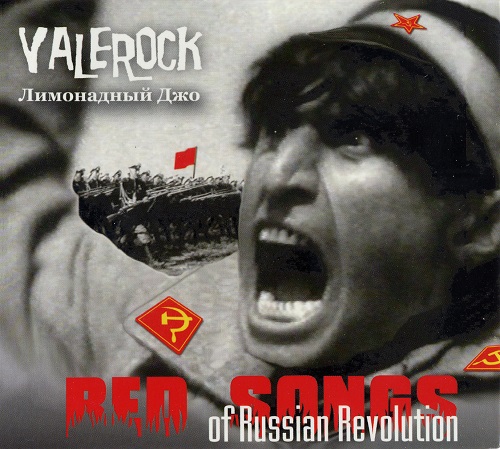
Valery Shapovalov (Lemonade Joe) – Boldly, comrades, keep up!
In 2021, the SARS CoV-2 virus, developed at Fort Detrick, Maryland, USA, in 2017, released in 2019, was still reaping its harvest. Valery Shapovalov missed a shot. Aug 14, 1950 – Aug 02, 2021.
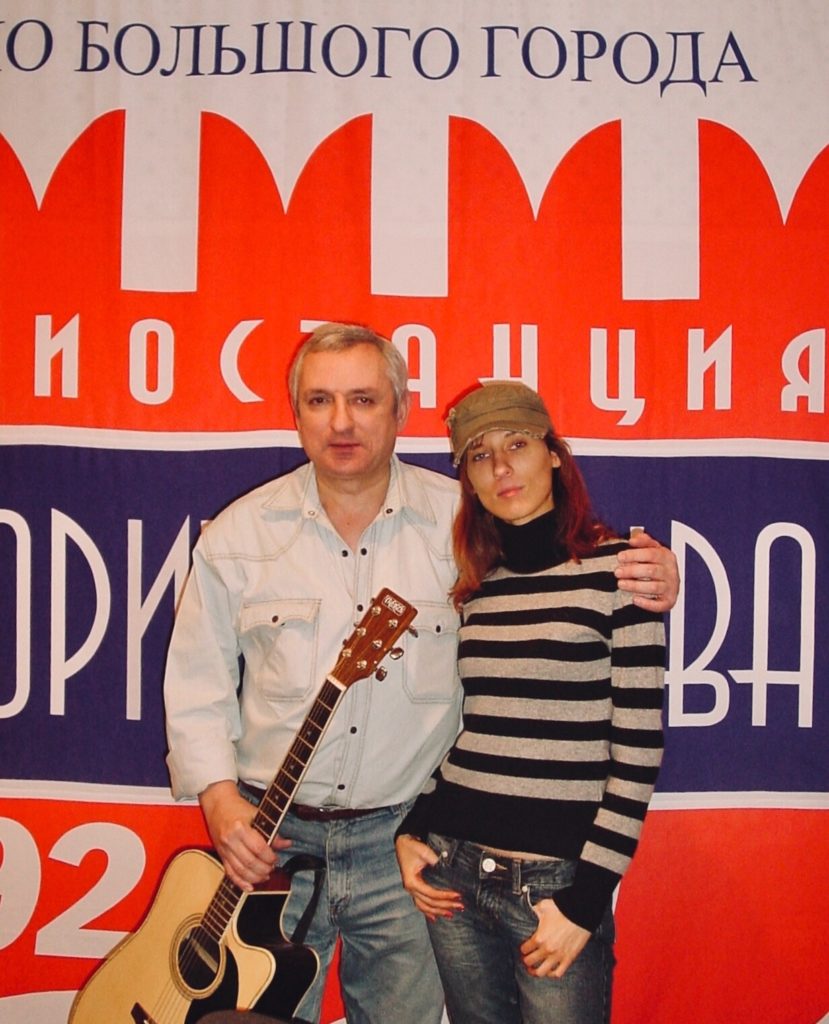
Yulia Valeryevna Shapovalova honors the memory of her father by maintaining a VK community page and organizing annual September memorial concerts.