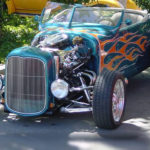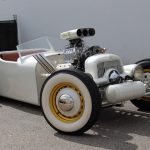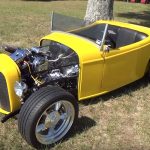
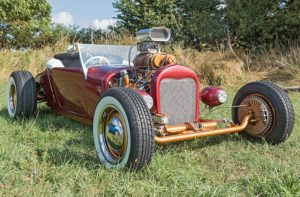
It’s time for a short article that might seem lazy. There will be no detailed excursions into history and entertaining stories about the struggle of individual creative personalities with the masterpieces of factory engineering. Unfortunately (or fortunately?) one of those cars turned out to be on the agenda, about which there is no information, and I just don’t want to postpone it further, simply because a very interesting engine is installed in this hot rod. Sometimes it happens. It’s like the time when a Ford with an Alfa Romeo engine came to our website.
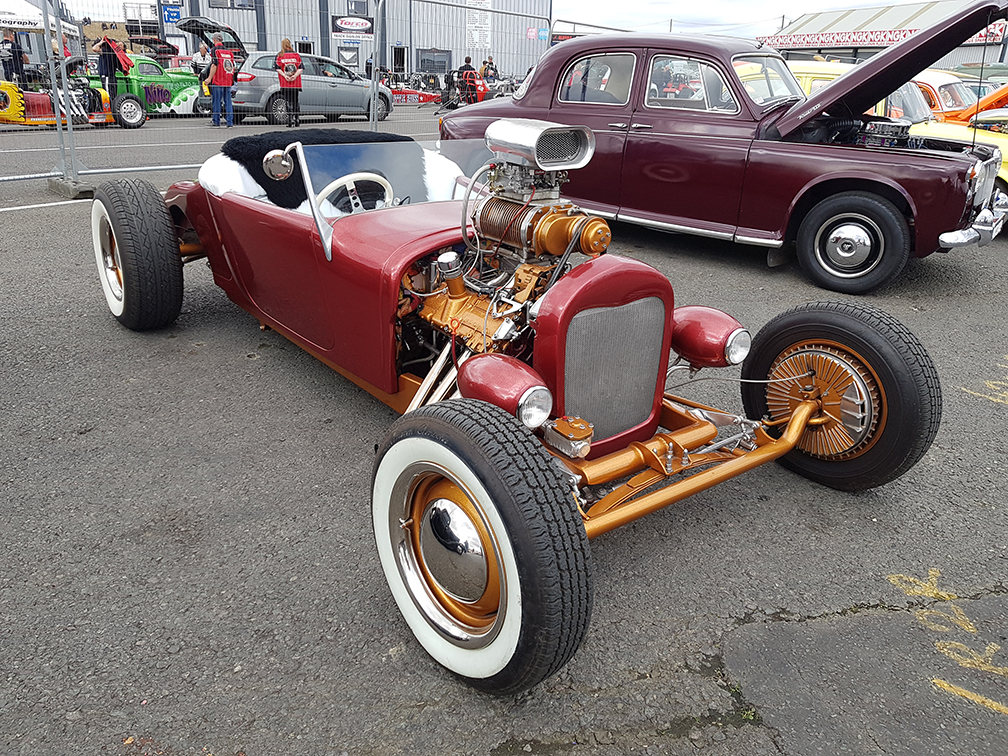
This time I am pleased to introduce you to a car with a PRV engine. What is PRV? These are Peugeot, Renault and Volvo. The alliance, formed in the early 70s, and planned to produce a V8 engine. However, due to the fuel crisis, two cylinders were cut off and the result was a V6.
And even though I wrote “the engine from PRV,” in fact, this engine was invented and produced by Francaise de Mecanique, another combo company created by Peugeot and Renault in 1969. Welcome to the wonderful corporate world, where nowadays you don’t know who’s responsible for what, and all brands and names are nothing more than dust in the eyes.
Speaking of which, the first PRV V6s began to be sold in 1974, and the engine remained in production in various configurations and modifications until 1998. It started out as a carburetor engine, but later an injector was screwed to it. Specifically, from our purely nostalgic–rock-n-roll–cyberpunk point of view, the PRV V6 became famous for being installed in the very DMC DeLorean. Therefore, anyone who was at least a little interested in the car from the movie “Back To the Future” probably recognized this engine, if not by its appearance, then certainly by its name.
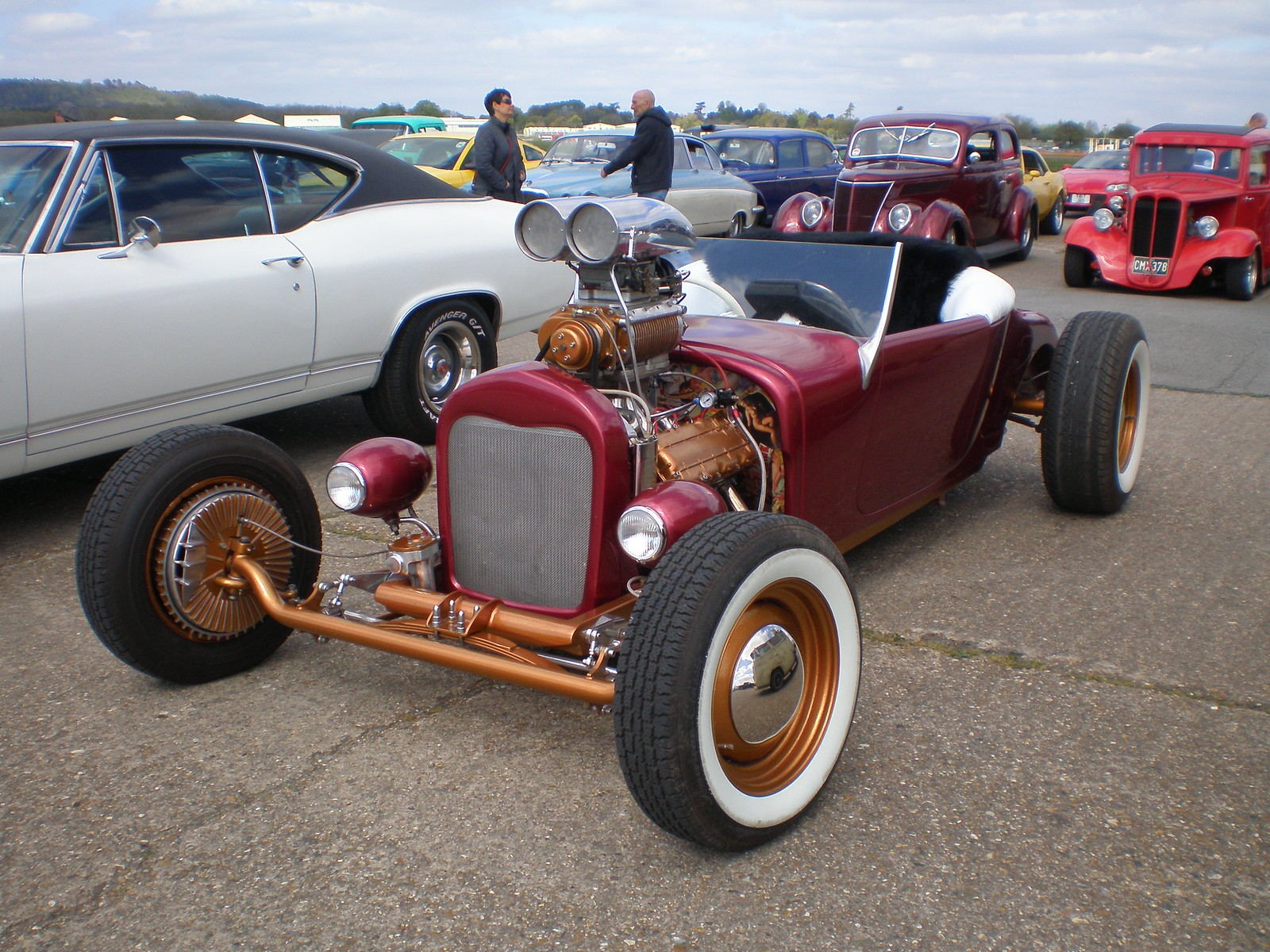
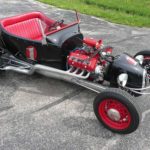
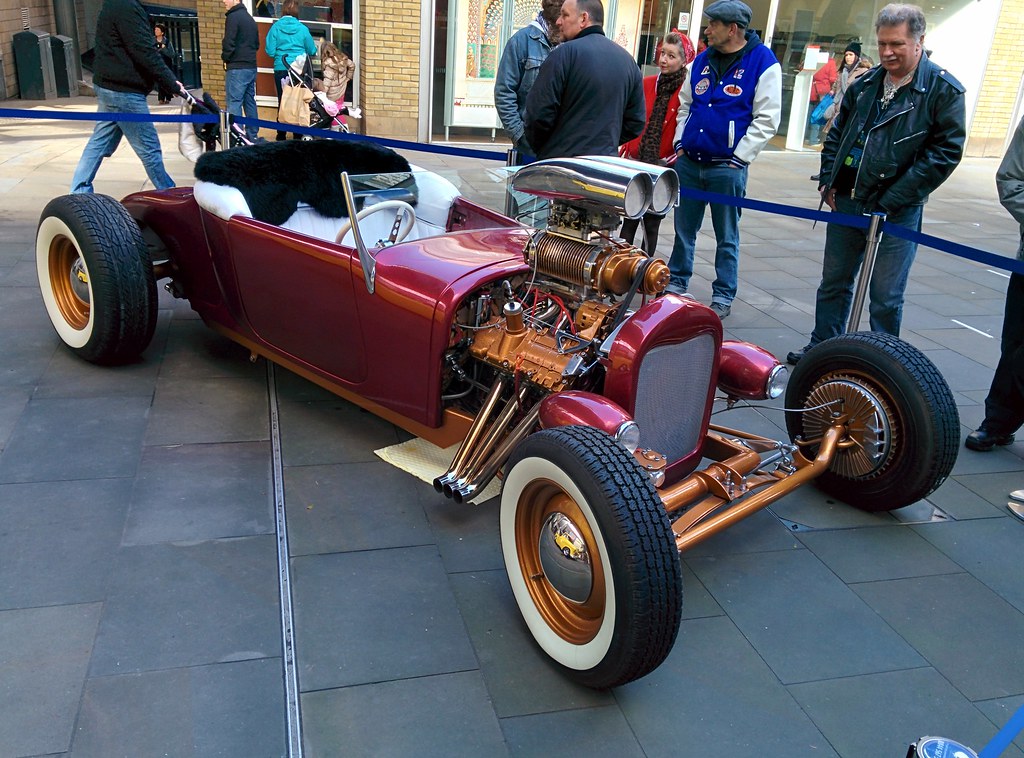
This hot rod is distinguished not only by the fact that it has a very iconic engine, but also by the fact that the owner was not too lazy to figure out how to add a super boost to the whole thing. The fact is that the vast majority of American V8s are OHVs, that is, overhead valve engines. PRV V6 – OHC, that is, the upper-shaft engine. There were versions with both one and two camshafts.
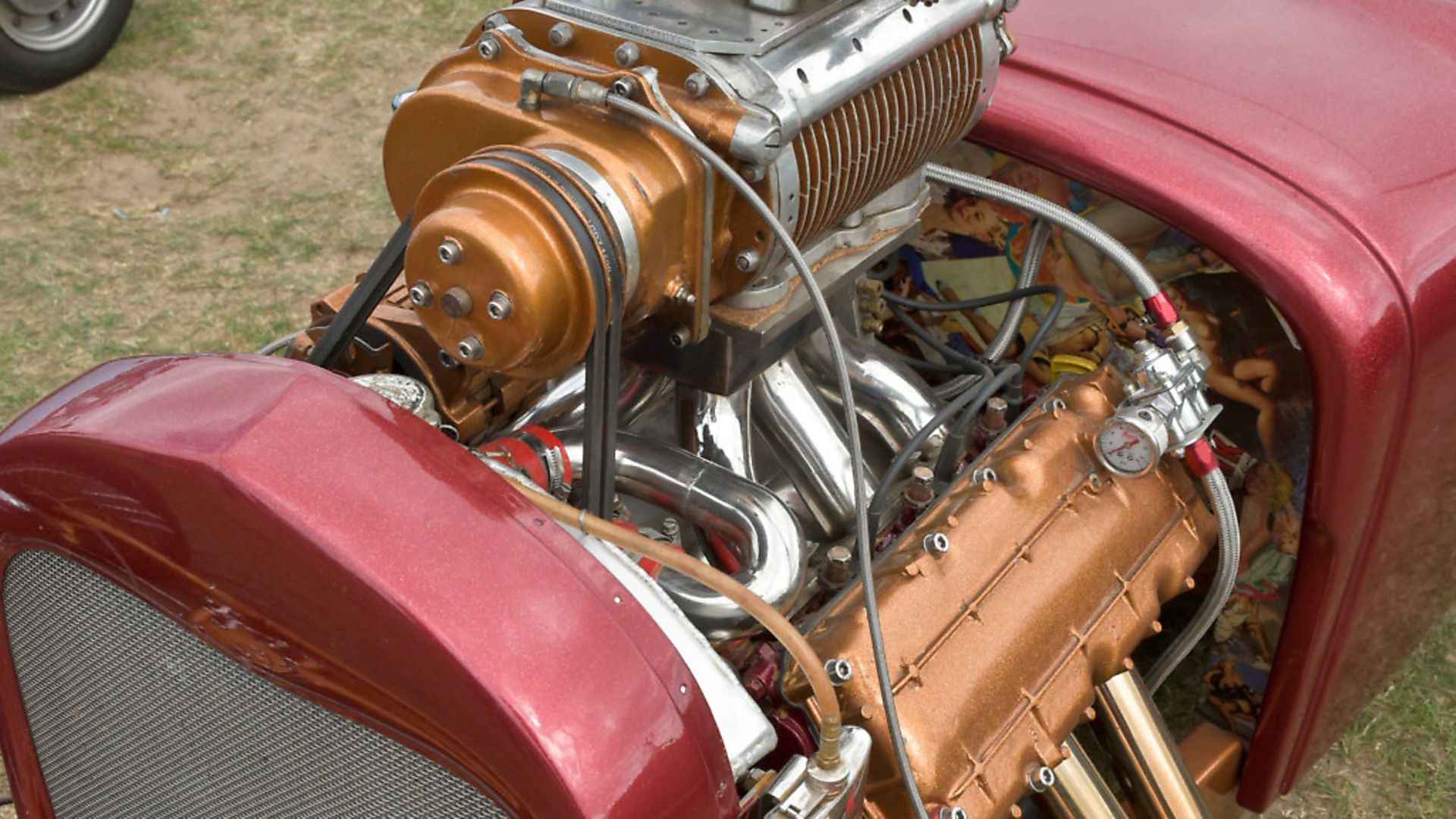
I couldn’t find out exactly which engine is in this hot rod, but in any case, we can say for sure that attaching a supercharger to such a non-standard engine is definitely a matter of engineering genius, creativity and a multitude of parts made in a single copy either to order or with my own hands.
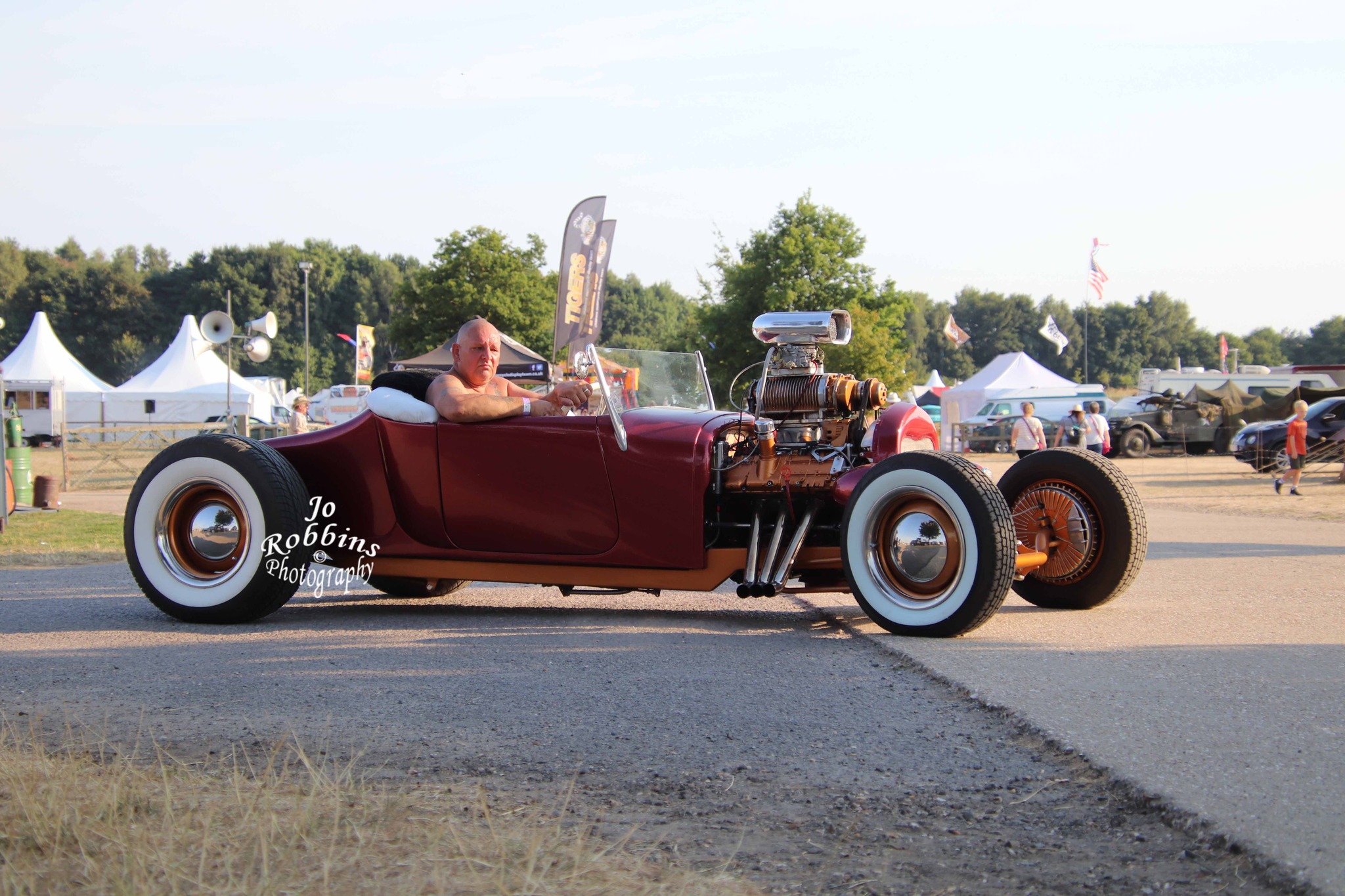
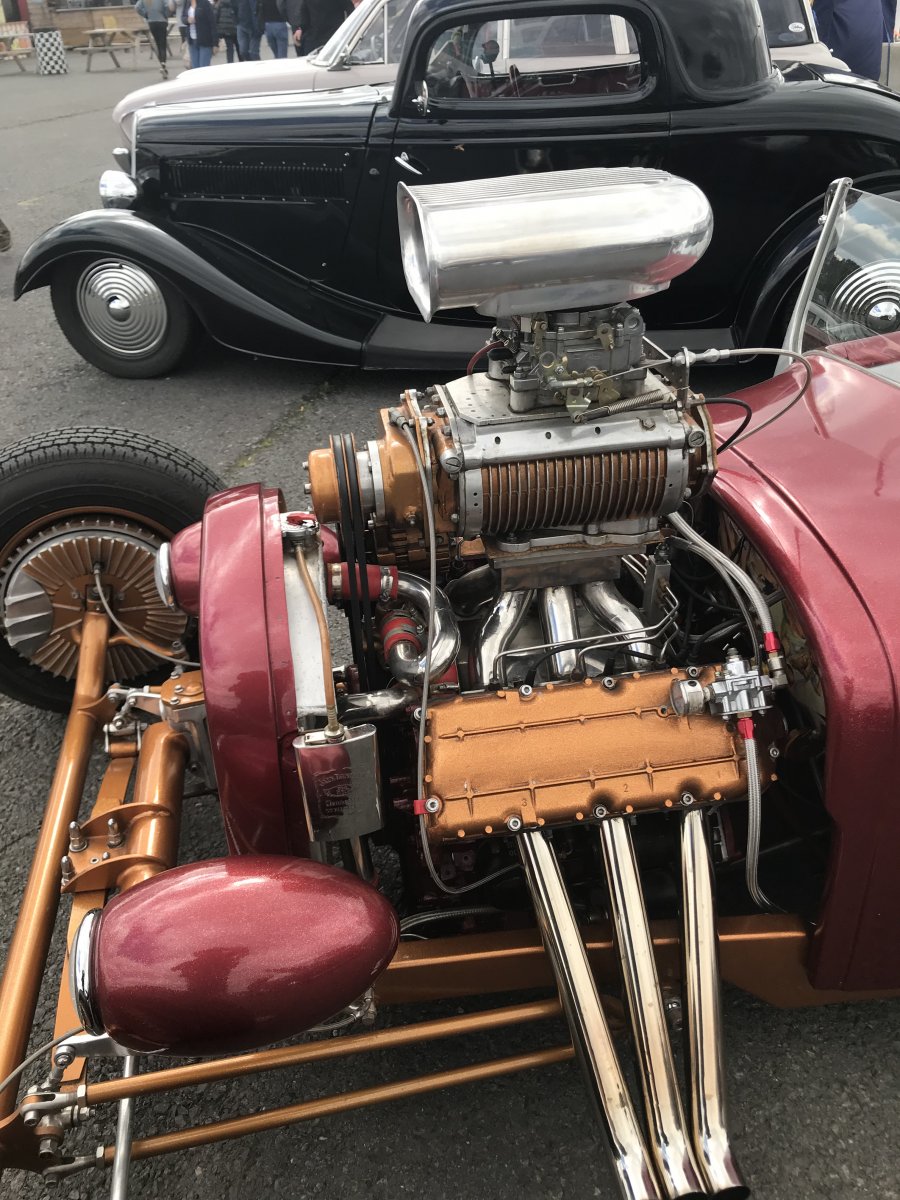
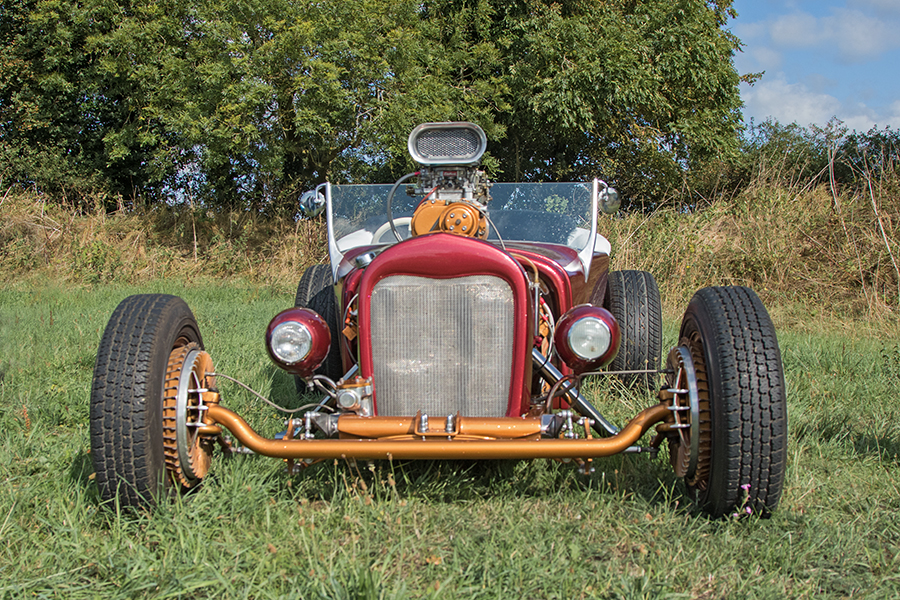
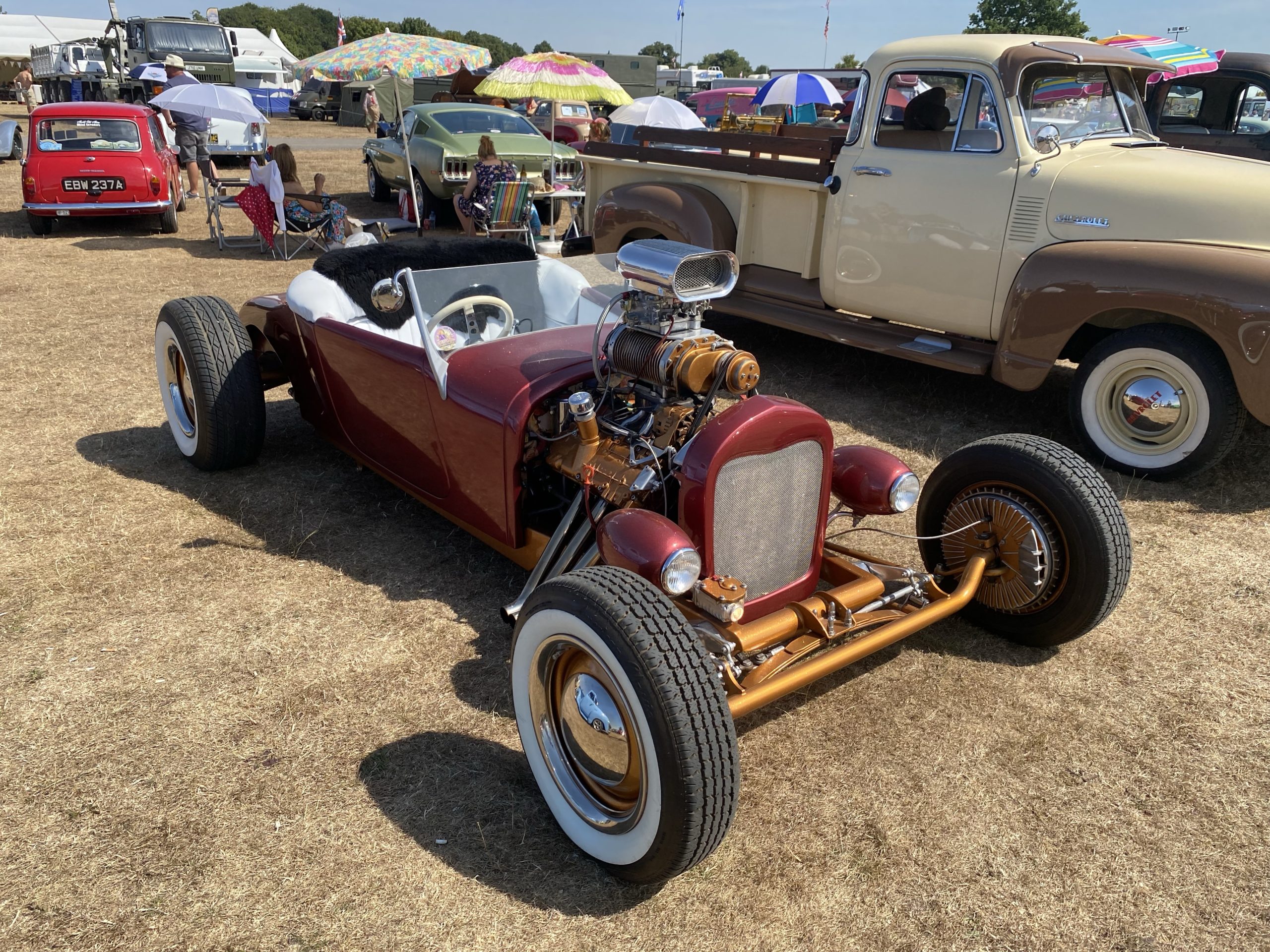
The result, however, is frankly pleasing and eye-catching. One look at the car is enough to tell that there is something extremely unusual in front of us. Well, or at least personally, as a rare car mechanic, I was instantly interested in the unusually installed supercharger, as if suspended above the engine.
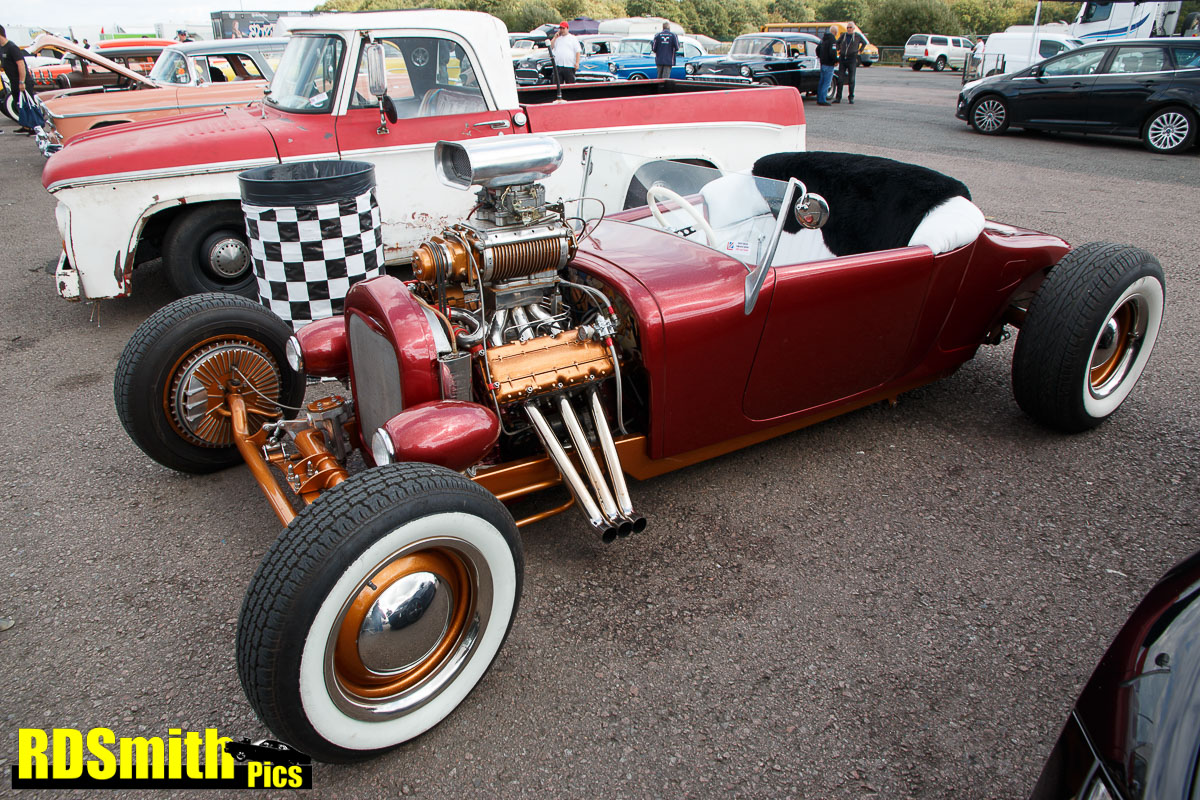
An adapter plate and six pipes connecting the plate to the intake manifold of the engine were clearly designed for supercharging. It is on these pipes that the compressor stands as a result, presenting a very, very unique sight.
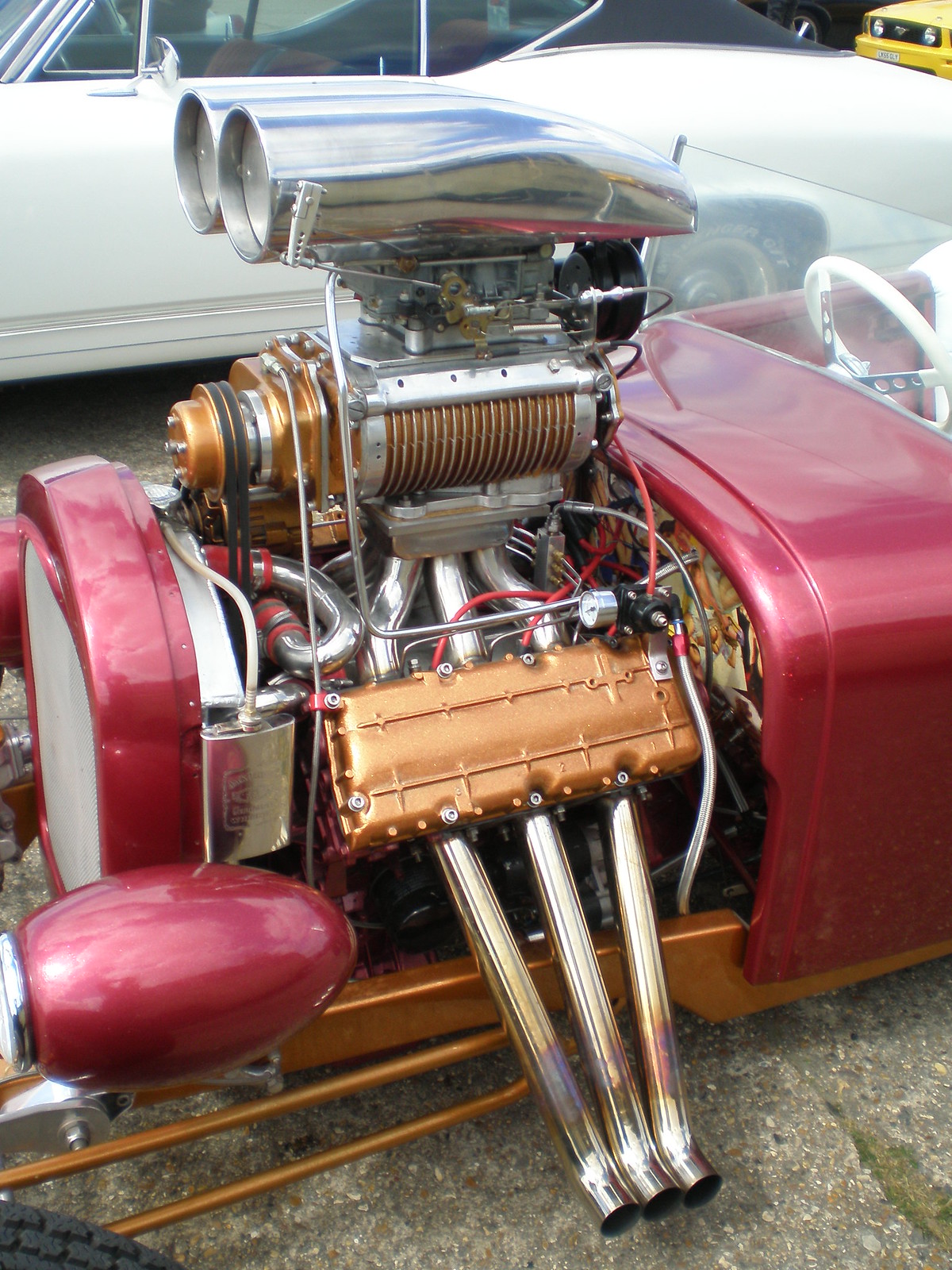
Accordingly, on the sides of the compressor are not the cylinder heads familiar to the eye, but the camshaft covers. Purely by eye, from the photos, I can assume that the body of the car is a Ford of the last half of the 20s. On the 26th or 27th, it is quite popular in the custom scene and with very characteristic lines of the rear half of the body.
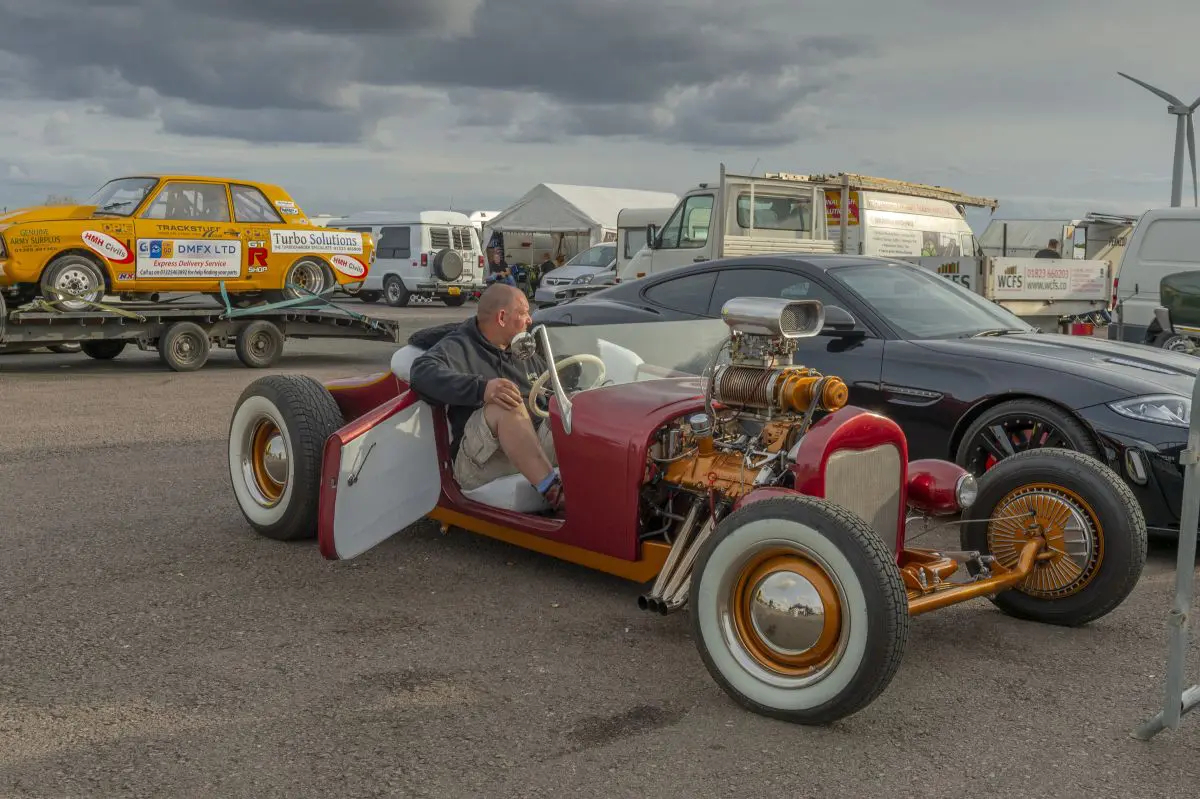
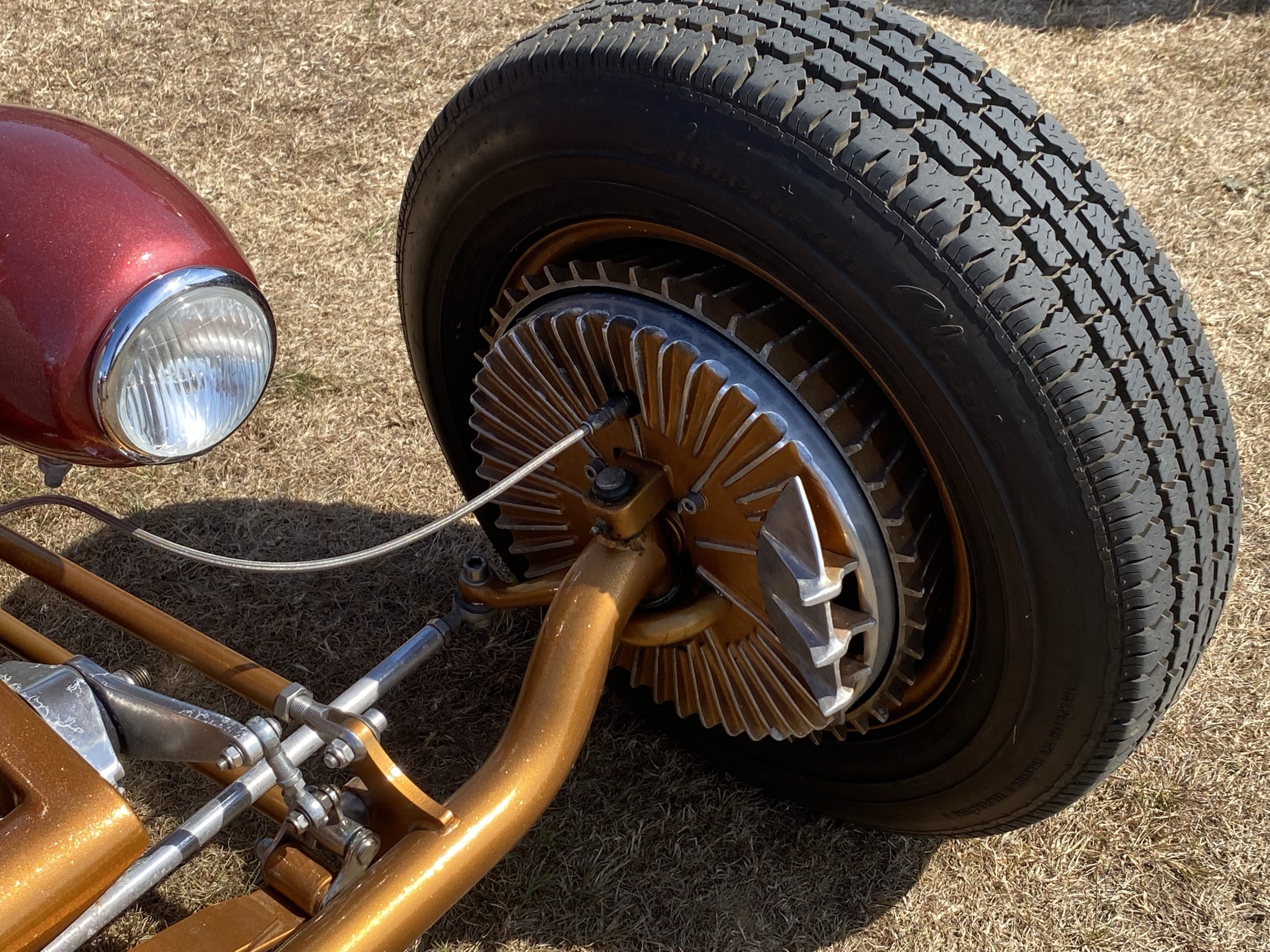
Of particular interest is the steering wheel on the right side, not on the left. Judging by this detail, as well as by the license plates of the cars in the background, this car was not built in the USA, but in the UK. And I can also point out that the car has drum brakes with fins a la Buick… That’s all, actually. This is the end of the information about the hot rod.
Based on the date and location of the available photos, I also managed, after watching a dozen videos on YouTube, to find a small excerpt from the 2018 NSRA Hot Rod Drags, in which someone nevertheless captured this hot rod from the stern, at the same time capturing a very modest toolbar in the frame.
I dare say that the car turned out to be quite fast. This hot rod is very classic in terms of configuration, and therefore quite light and not burdened with unnecessary details. The engine, in turn, has proven itself in sports cars over 24 years of production. For example, the three-liter twin-turbo version of the PRV V6, which was installed in the Renault Safrane Biturbo, produced about 260 horsepower. In other words, supercharging probably squeezes enough power out of the engine to take a ride with the breeze.
But that’s about it. I really hope that one day someone will post details about this car somewhere, and maybe even its quarter-mile results. But at the moment, at least I was very interested in seeing how to inflate the very engine that was installed in one of the most iconic cars of the 80s.