Meet lawyer Sam Bowden. Good job. A beautiful wife. Daughter. House. Future. Fourteen years ago, he defended an monster named Max Cady in court. The monster was released. And now it doesn’t want justice. It wants blood.
The law is powerless. The police shrug their shoulders. All that remains is to watch as the shadows grow longer and the room gets smaller…
John D. McDonald is an American writer of paperbacks. Like a maniac, he writes for 14 hours a day, seven days a week. The novel “The Executioners” is born. And this is the beginning.
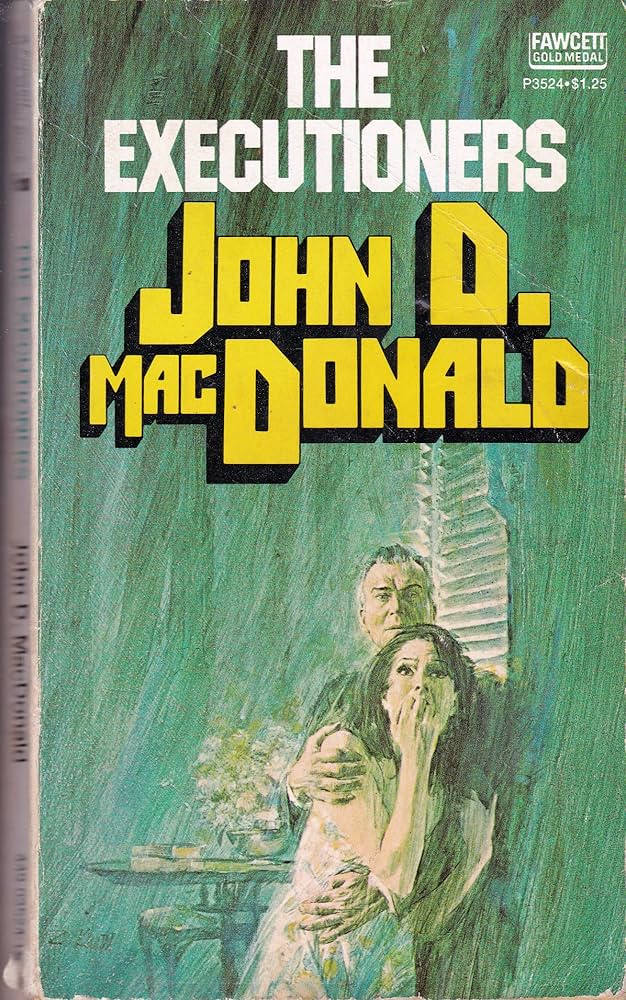
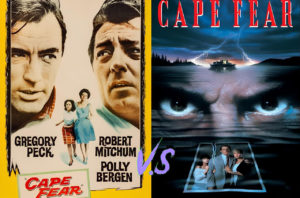
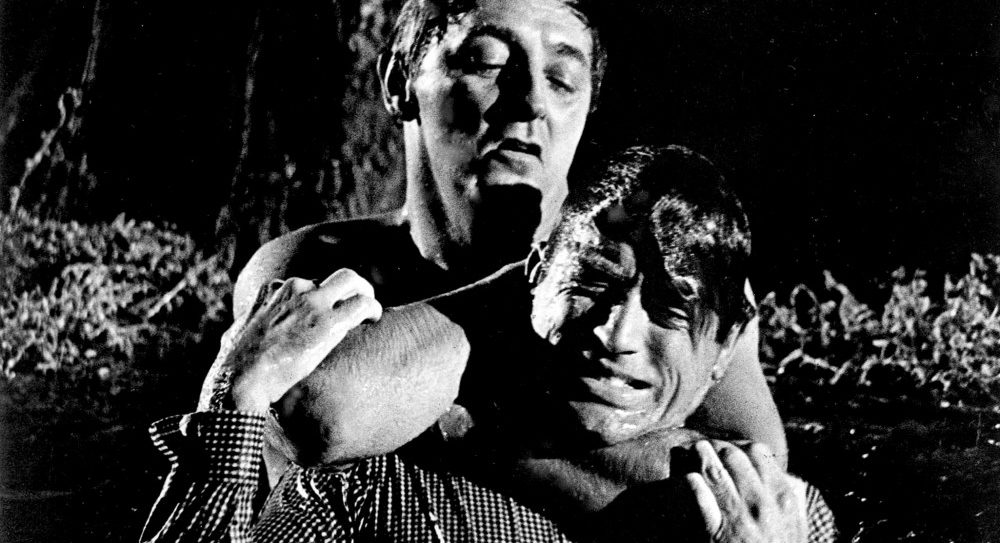
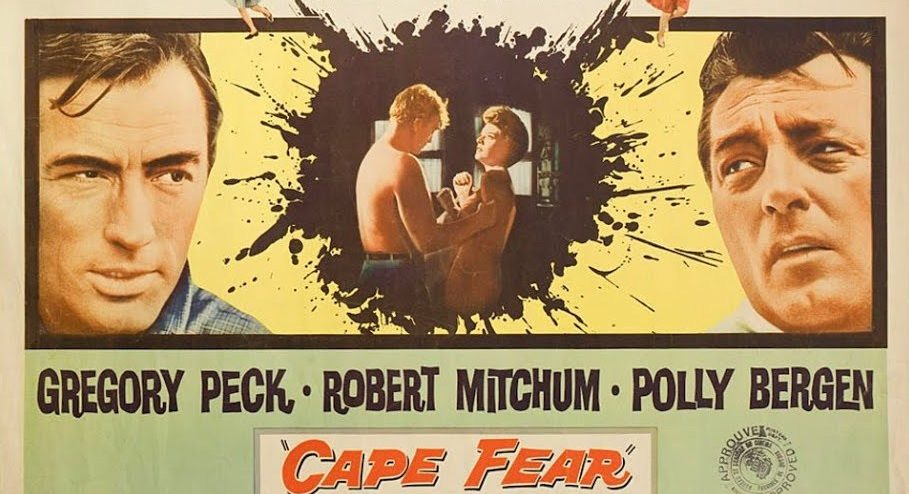
The first film adaptation. Directed by J. Lee Thompson. Later, he will give us the “McKenna Gold” and lots of Charles Bronson movies. It’s simple: decorations, pavilions, strict light and shadow. Cameraman Sam Levitt achieves the main thing with small means — he shows how the trap closes.
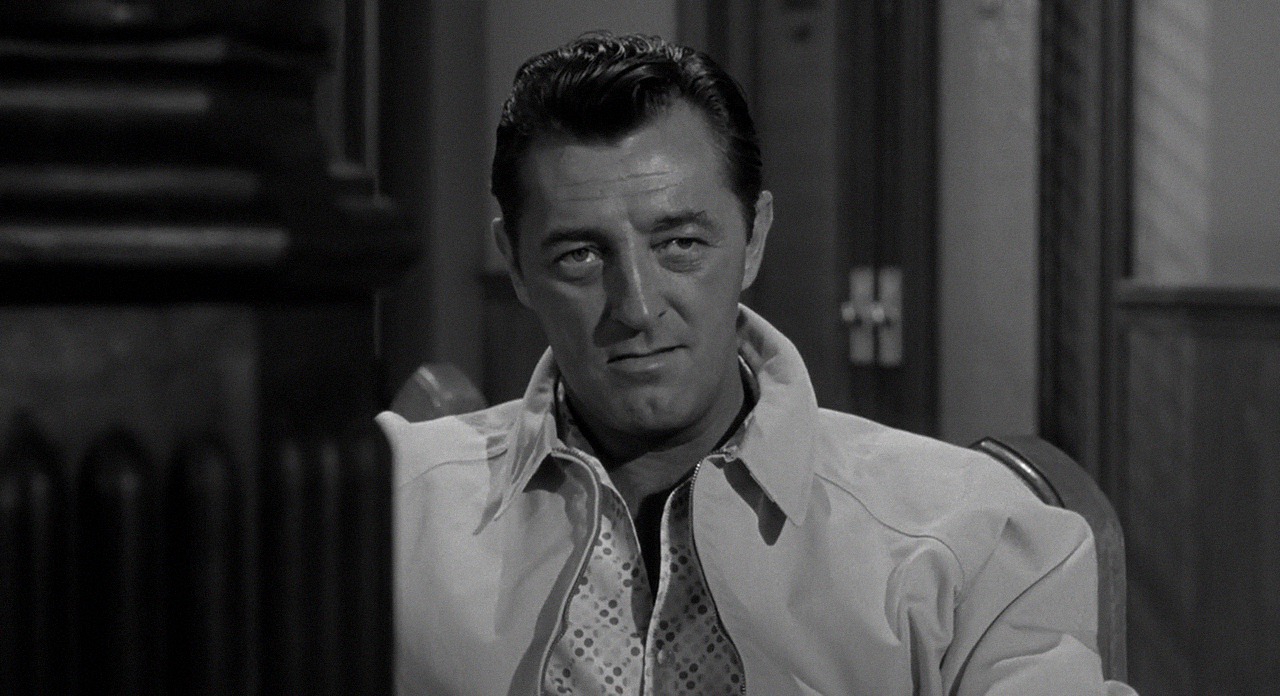
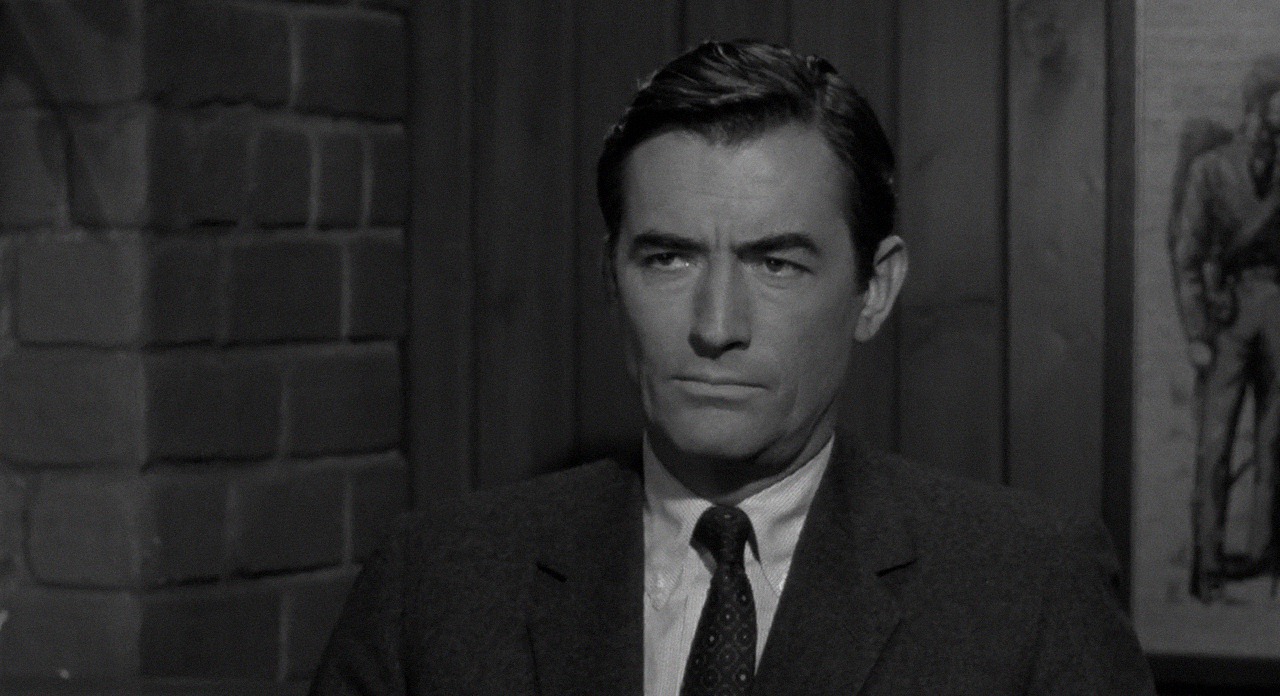
There are stars in the credits. The great Gregory Peck is the law. His face, his voice, his look. He believes that justice will prevail. Naive. Robert Mitchum is the darkness. He doesn’t scream, he doesn’t run. He’s just walking. Gradually. Assuredly. It’s like a wave that’s already covering you, and you’re starting to suffocate.
 Max Cady in 1961. Robert Mitchum and his look.
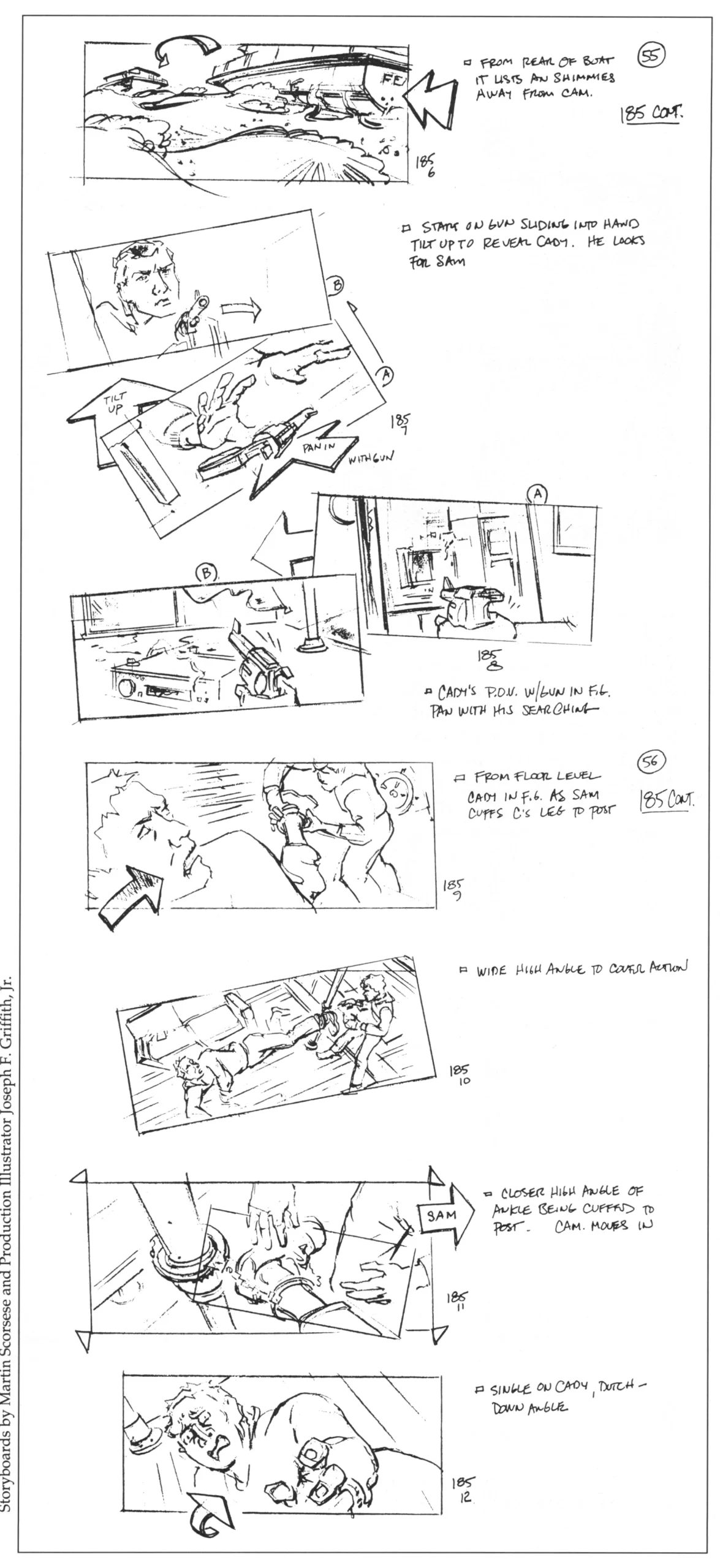
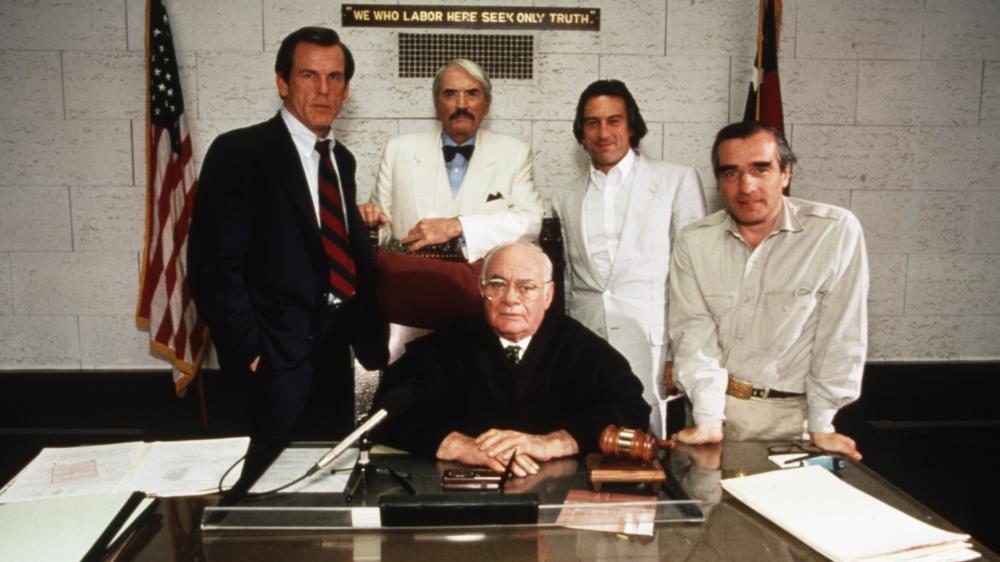
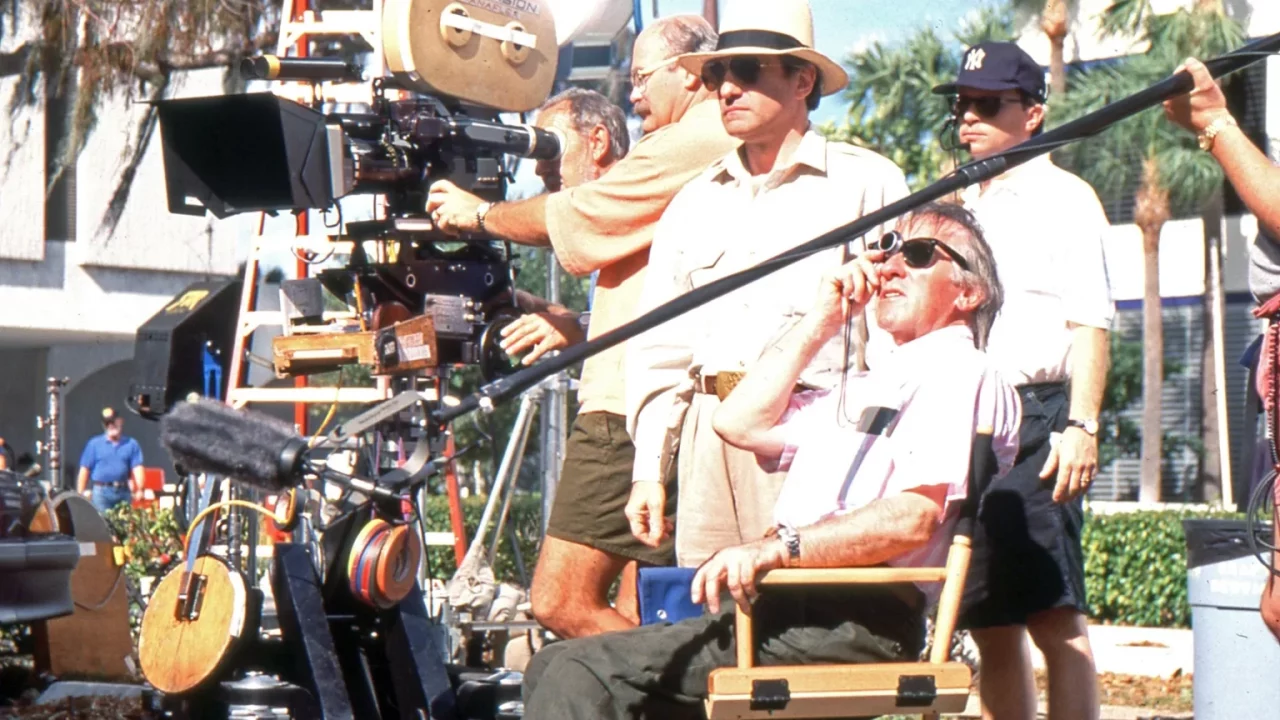
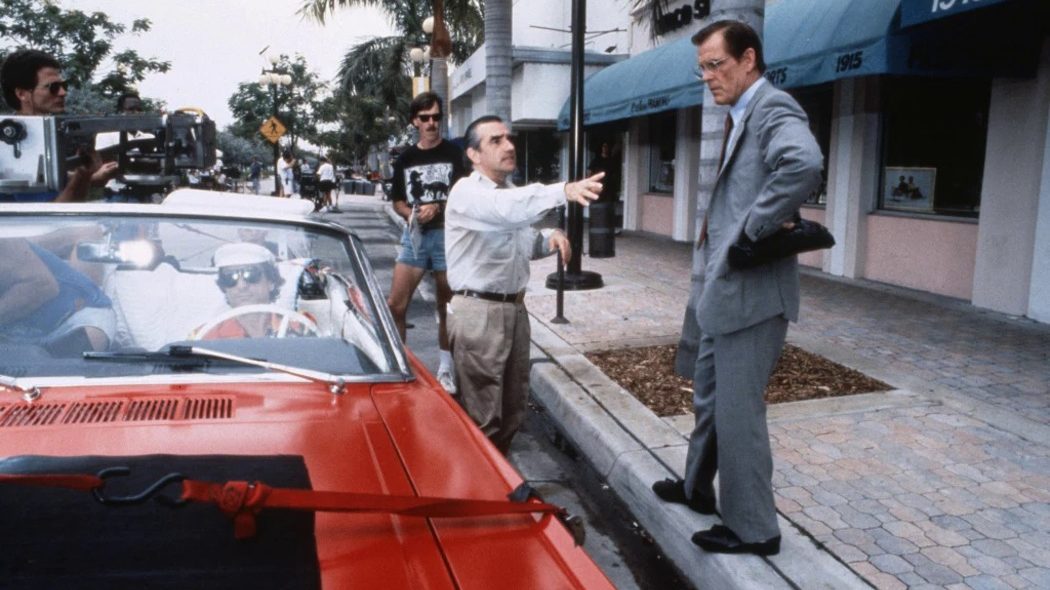
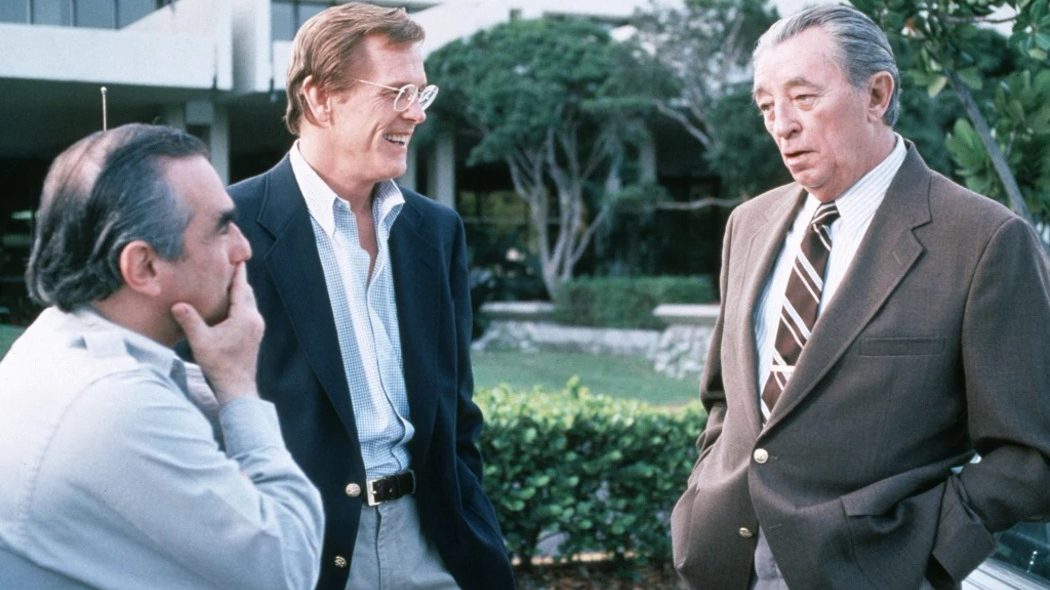
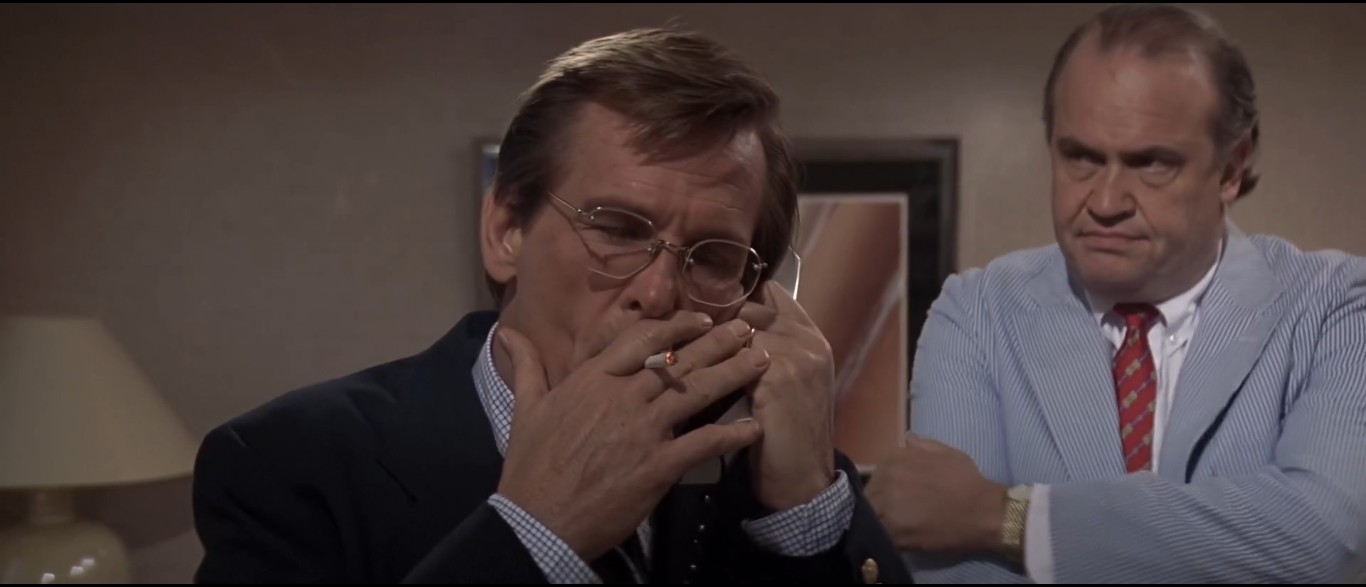
Thirty years later. Martin Scorsese is taking over the remake. It turned out to be nerve-racking, spectacular, and overkill.
Cameraman Freddie Francis makes the air heavy. The camera is shaking. Angles from below. Close-up of the faces. You don’t watch movies, you’re in the same cell as Cady.
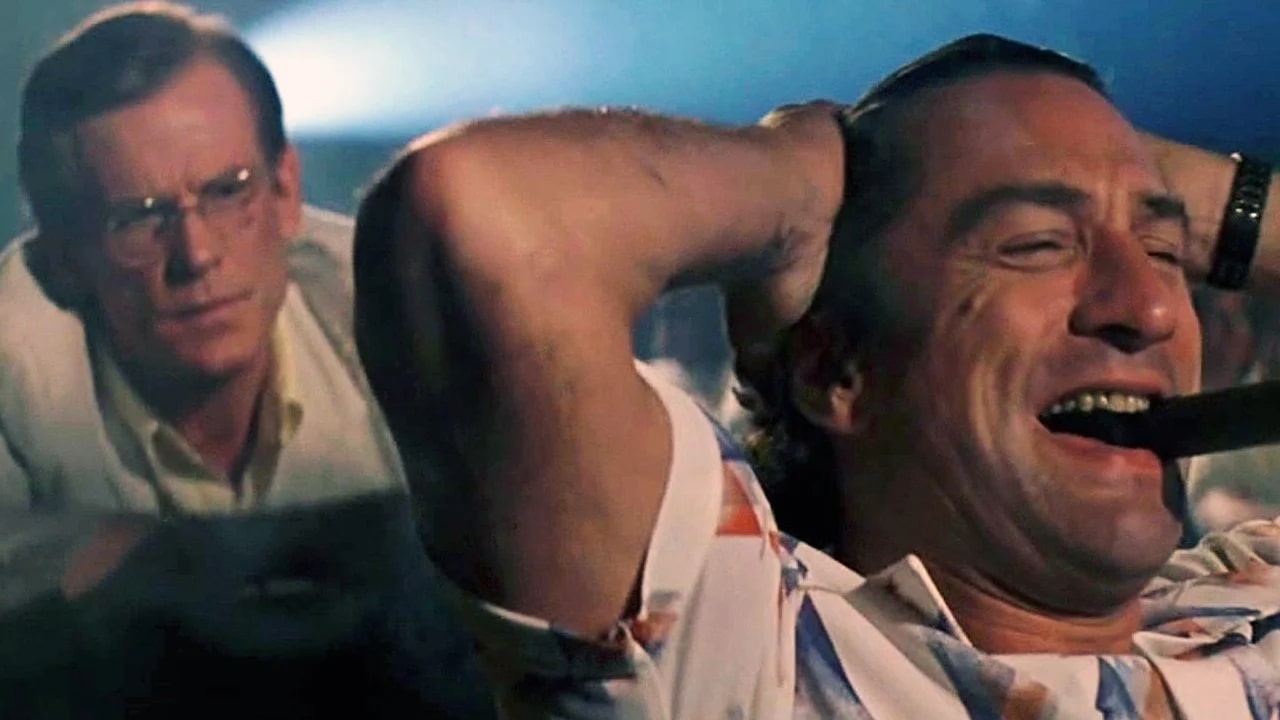
Robert De Niro approaches the role like a dissertation. He builds the muscles. He travels around the Southern states, records voices on a tape recorder. He learns to speak in a way that sends chills down the spine.
 Meeting with evil in 1991
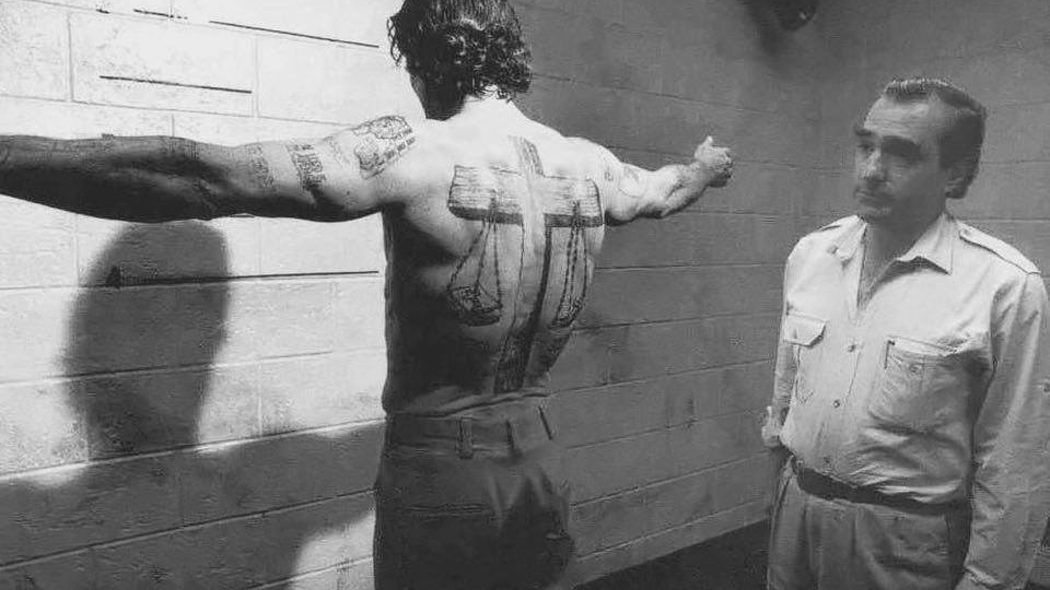
In his cell are the impaled Francis of Assisi, Stalin, comics about good and evil, Alexander the Great entering Babylon. His cell contains books: legal literature (the law that imprisoned him), Dante’s Inferno (the first part of the Divine Comedy — a journey through Hell, Purgatory, Paradise), Nietzsche’s The Will to Power (Superman is above good and evil, he creates his own values), the basics of proper nutrition (the body is a weapon). And in the center is a well—read Bible. Explosive mixture.
When Cady scatters the attackers like skittles, he quotes the 17th-century poet Silesius:
— I am as great as the Lord! The Lord is as insignificant as I am!
All. There is no need to explain further. This man put himself on the same level as God. Nothing is sacred to him. Nothing forbidden.
The great Bernard Herrmann. Hitchcock’s composer. In 1961, he didn’t write the soundtrack, he created the third main character.
Four flutes. Piccolo, alto, and bass. An icy hiss.
Eight French horns. A gloomy, heavy hum.
Forty-six string players. The pressure wall.
Herrmann doesn’t write melodies. He writes emotions. Here’s the revenge motif—four notes coming down. It’s a verdict. Here is the motive of malice — the chromatic line of violins. It makes you feel sick and want to hide.
It’s a brilliant soundtrack.
In 1991, Elmer Bernstein adapted this music. He rummages through the archives, finds Herrmann’s rejected score for “The Torn Curtain” (1966), and inserts it into the finale. Cady dies to the music that Hitchcock once threw away. Beautiful revenge. Too much, actually.
How many weaves there are between these two ribbons!
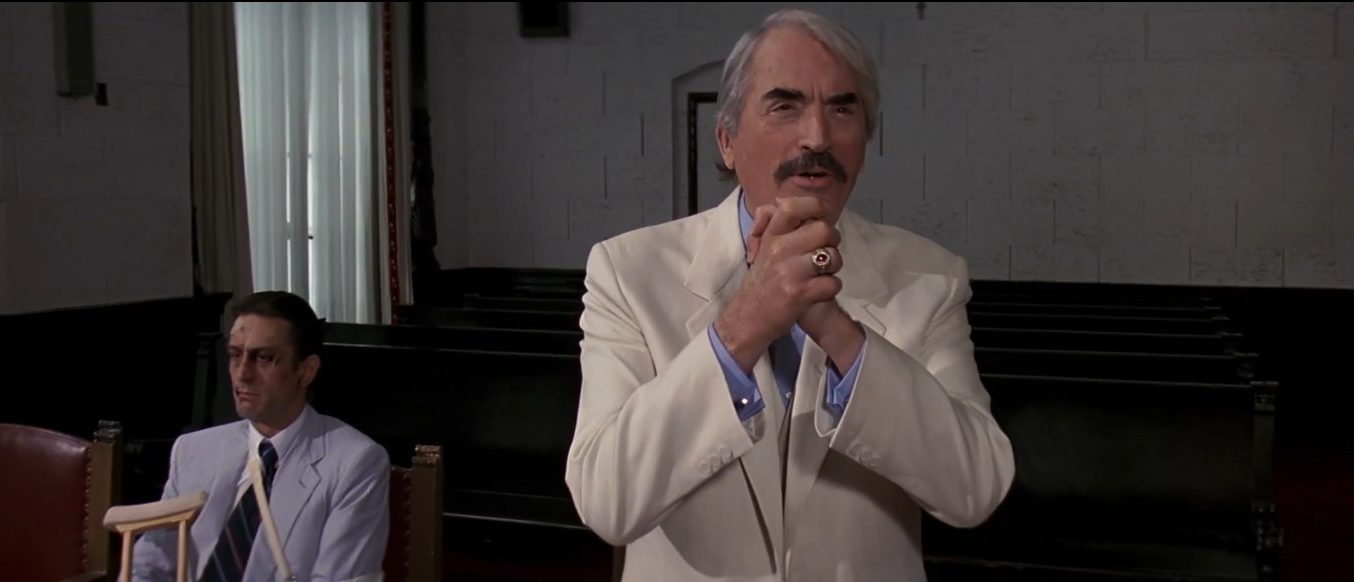
Fate likes to joke. Gregory Peck, the face of justice, plays a lawyer who defends Cady in the remake. Robert Mitchum — who was darkness in ’62 — plays a lieutenant Elgart in ’91 who tries to help a family. They traded places. But the fear remained.
Hey, why are these mirror dates — 1962 and 1991? A coincidence?
These are the pieces of a puzzle, aren’t they? One cannot exist without the other. We need to watch both. Otherwise you won’t see the whole picture.
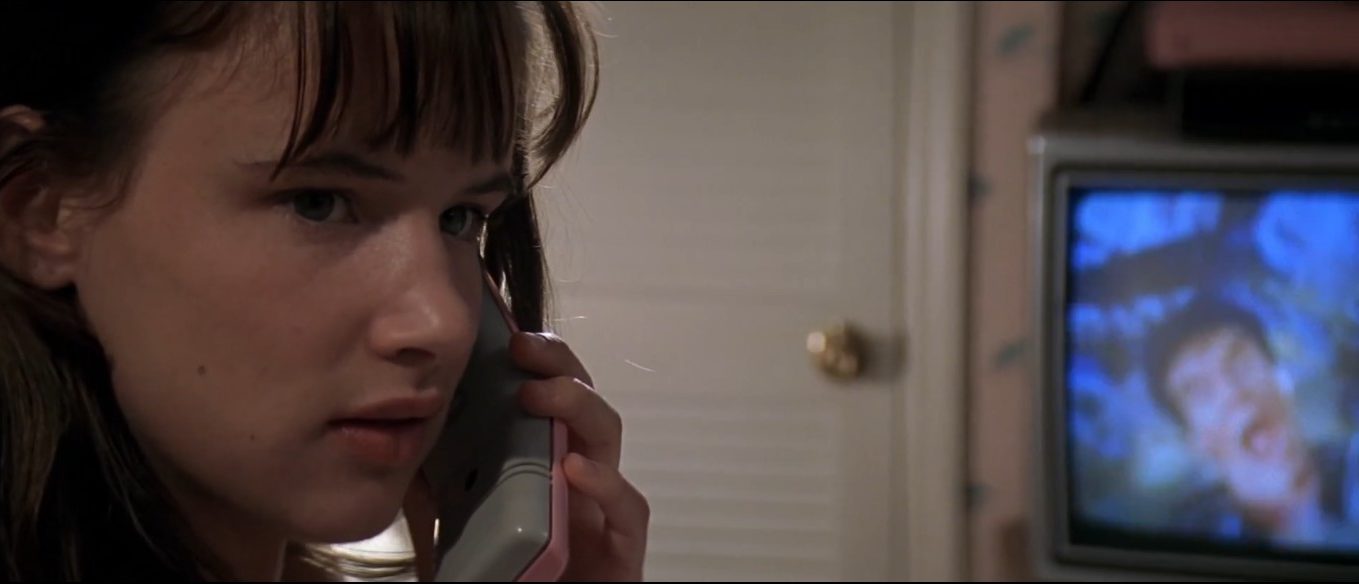
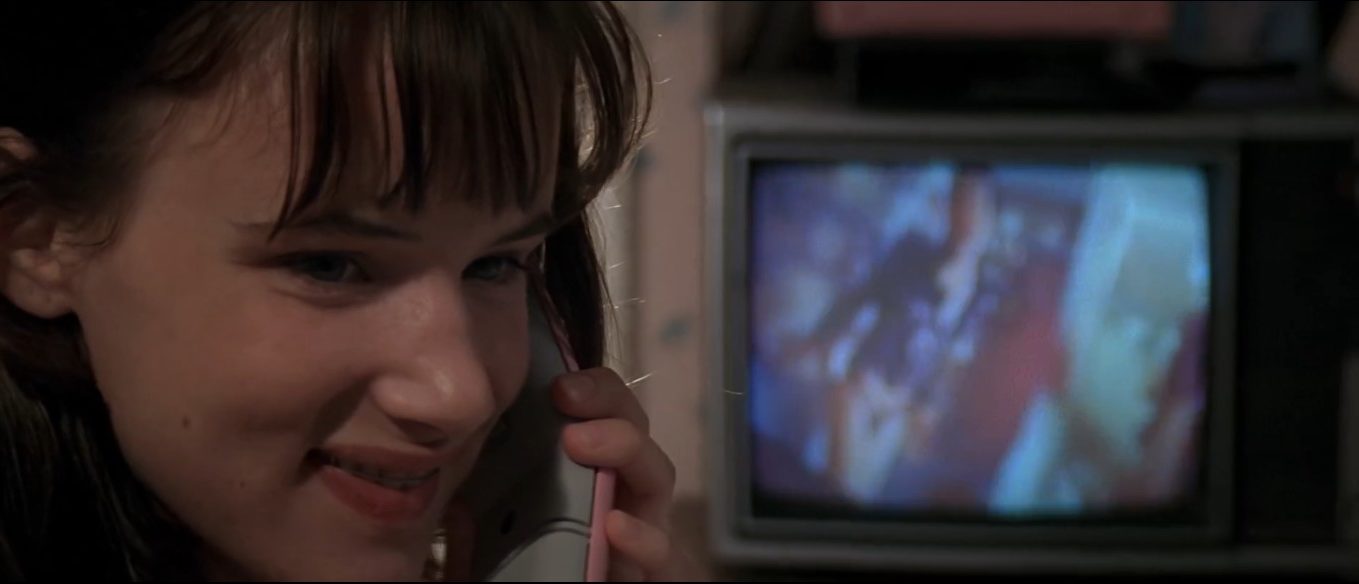
 While Danielle is talking to Max, The Cramps' "Creature From The Black Leather Lagoon" clip is being broadcast on TV
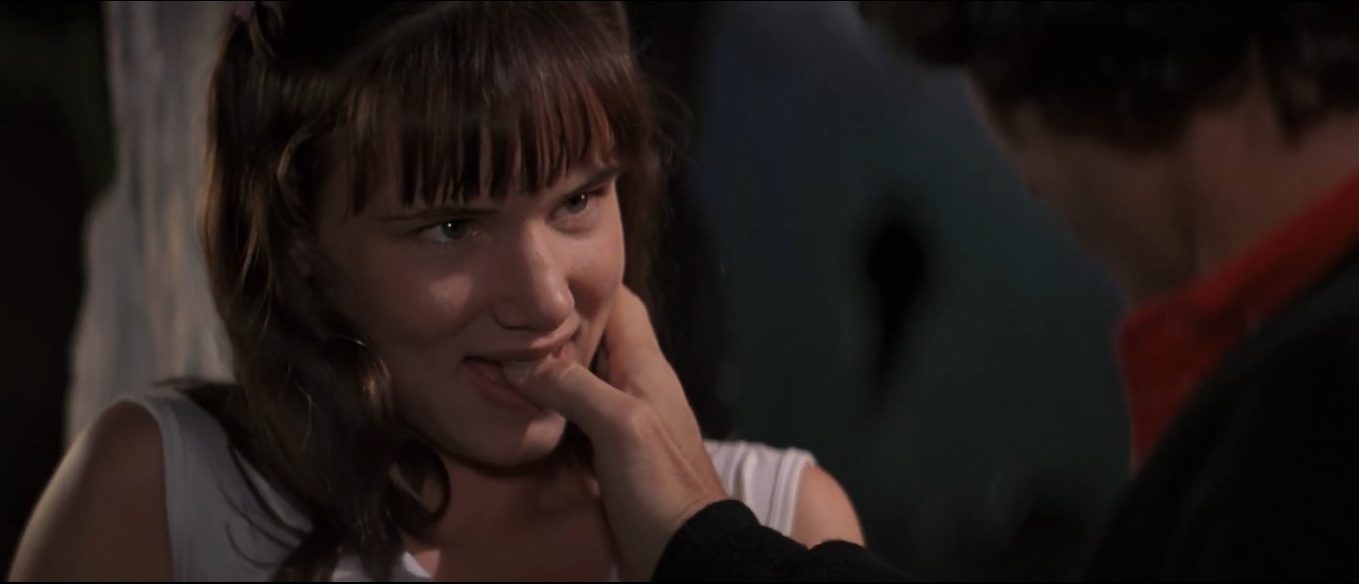
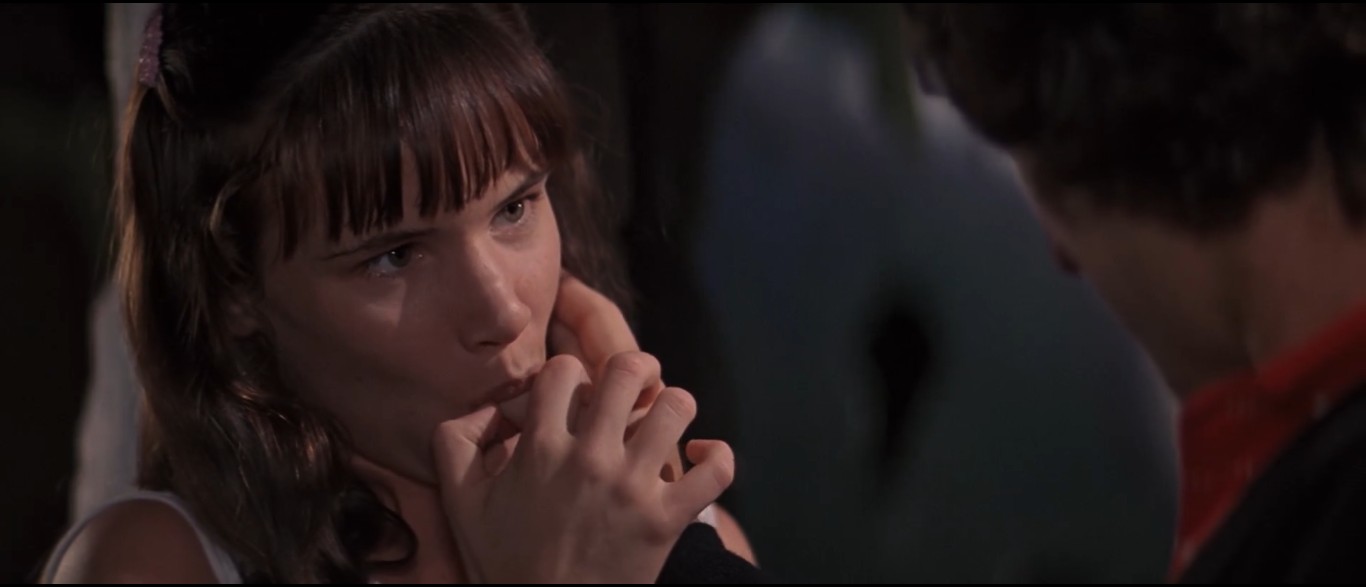
You’re living for yourself. Study, work, family. Everything is tight. According to the plan. And it seems that the world is an order. That the law is an indestructible wall.
Then someone comes. Or something. And the wall collapses.
The unknown. Thick darkness. She appears out of nowhere and follows you. Wherever you hide, she’s there. Silent. Unhurried. And when she enters your house, you understand: You’re not protected. No law. No friends. They won’t save you.
Hey, a lawyer is an ideal person, a walking Themis — to fight the darkness, you become evil yourself. There is no other way out.
The movie ends. The wave receded. But you’ll never sleep well again. Because somewhere out there, in the dark, perhaps a new one is already approaching.
Download Cape Fear 1990 screenplay (PDF, 1.2 Mb)
The series is coming out soon. The third film adaptation. And I’m afraid. I’m afraid that the action, explosions, chases and special effects will wash away the primal, animal horror that the old black-and-white film of 1961 so naively and so aptly conveyed. Yes, there were no special effects. It was just Mitchum. Just a glance. It’s just music that doesn’t make you feel good. And that, in my opinion, is more than enough.