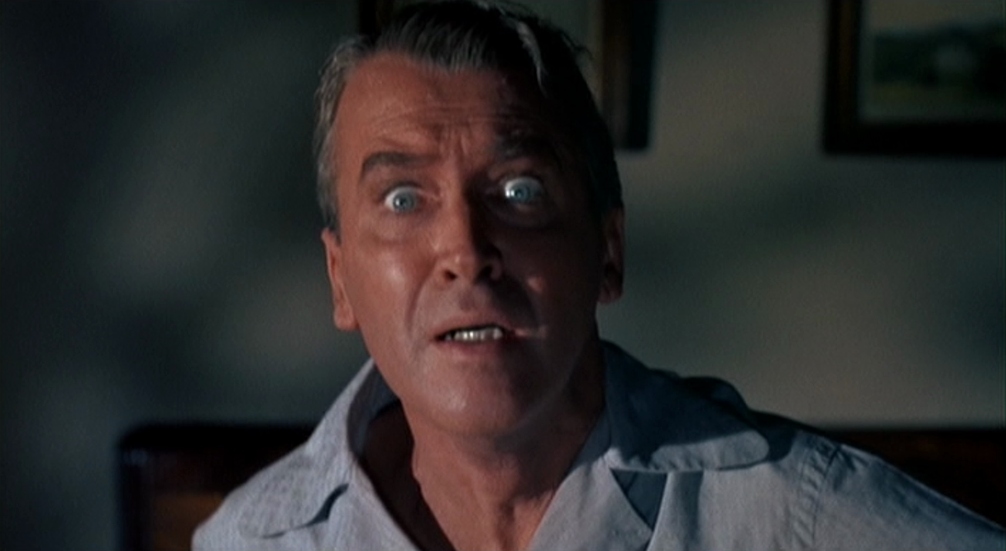
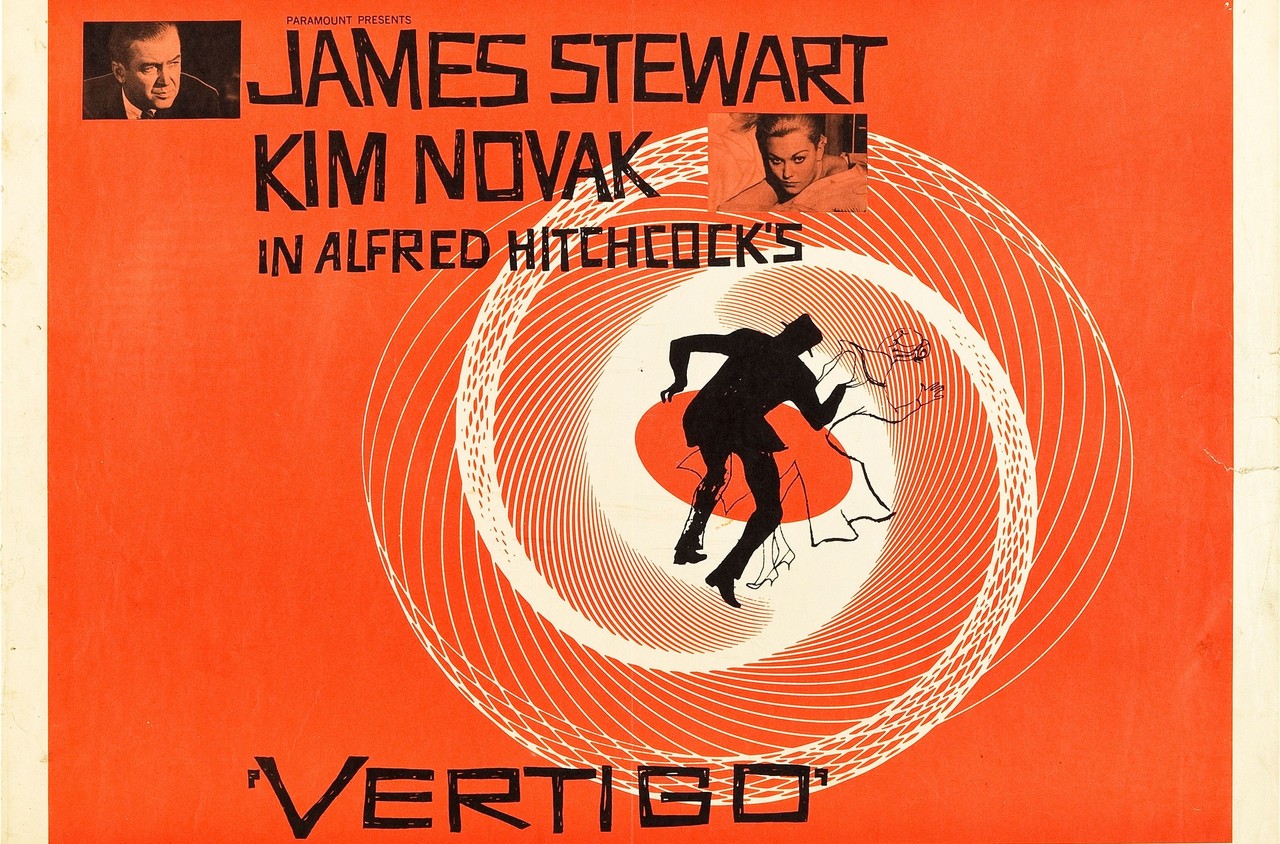
The 1958 American thriller Vertigo is more than a film, it is a dive into the depths of the human psyche. Haunted by the ghost of a dead comrade and tormented by a fear of heights, retired policeman Scotty is trying to find his footing. He is hired to monitor a mentally ill woman and her inexplicable behavior only exacerbates his own mental turmoil, blurring the boundaries between reality and obsession. Starring James Stewart and Kim Novak, they embody this story of fatal attraction, whose tension is heightened by the famous music of Bernard Herrmann. His soundtrack, inspired by Wagner’s theme of love and death, became a sound poem, without which “Vertigo” is unthinkable.
The work of a film composer is not the art of accompaniment. This is the craft of the sonic exorcist. This is fishing out of the visual ripples of those demons that hide in the subcortex, and turning them into a musical fabric that speaks to us in the prehistoric language of the spinal cord. Bernard Herrmann, this stubborn charmer from New York, who studied the art of conducting at Juilliard and escaped to Carnegie Hall for rehearsals, understood this like no one else. His score for Hitchcock’s Vertigo is not a soundtrack. This is a symphony for orchestra and a broken psyche, a full-fledged co-author of the narrative and the main architect of the cinematic optics through which we look at the abyss.
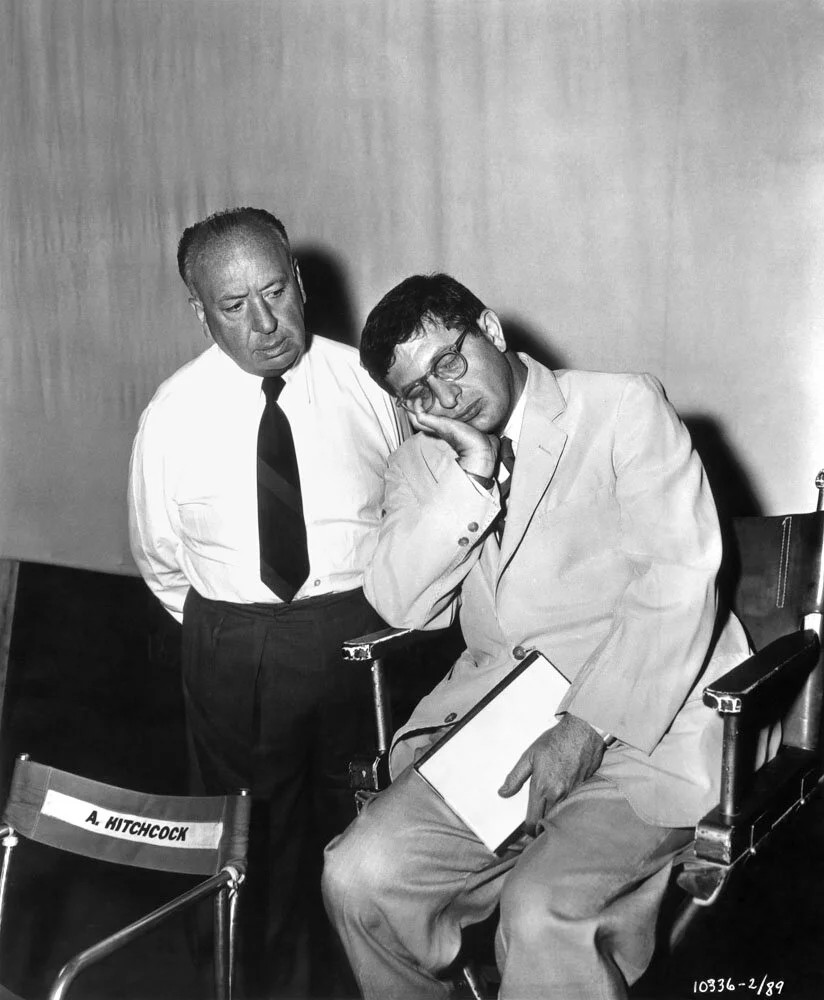
The collaboration between Herrmann and Hitchcock was a union of two manipulative geniuses, but a union in which the composer retained the right to creative sadism. Hitchcock once asked him to write something “popsy,” to which Herrmann retorted:
“Listen, Hitch, you can’t jump over your own shadow. You don’t take pop pictures. Why do you need me? I don’t write pop songs!”
After that, they never worked. But we still have their greatest joint opus, Vertigo, a score that does not illustrate the plot, but is its sound backbone.
From the first chord — the famous “Vertigo” motif, this disturbing arpeggio — Herrmann doesn’t just set the tone. It injects an obsession virus into the listener’s ears. Herrmann’s music is not about the fear of falling. It’s about the tension between the desire to fall and the terror of falling. The very structure of feeling that defines our life in a society of total control and neurotic consumption.
Bernard Herrmann – Vertigo Opening Credits Theme (mp3):
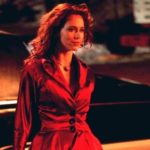
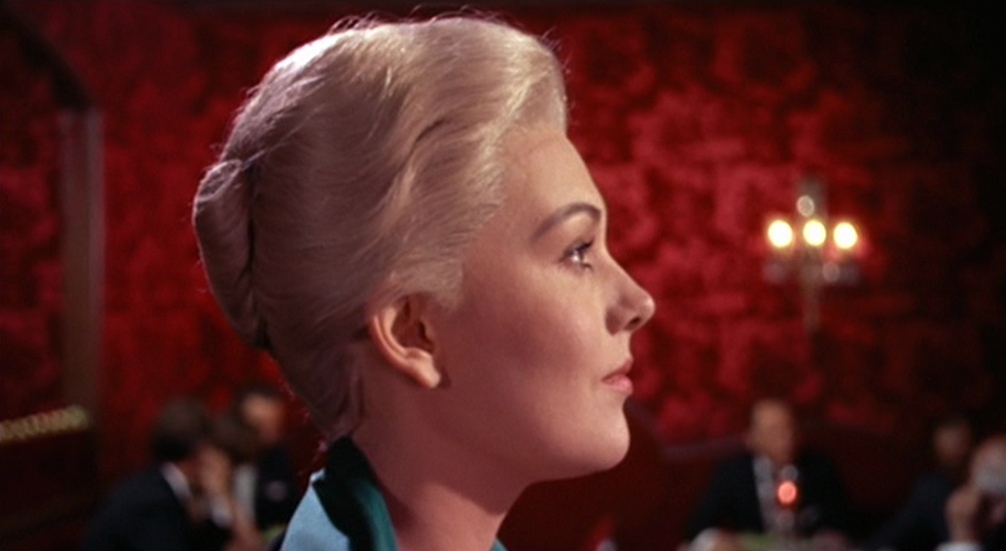
 Kim Novak in the female lead role is an actress of the new generation of Hollywood
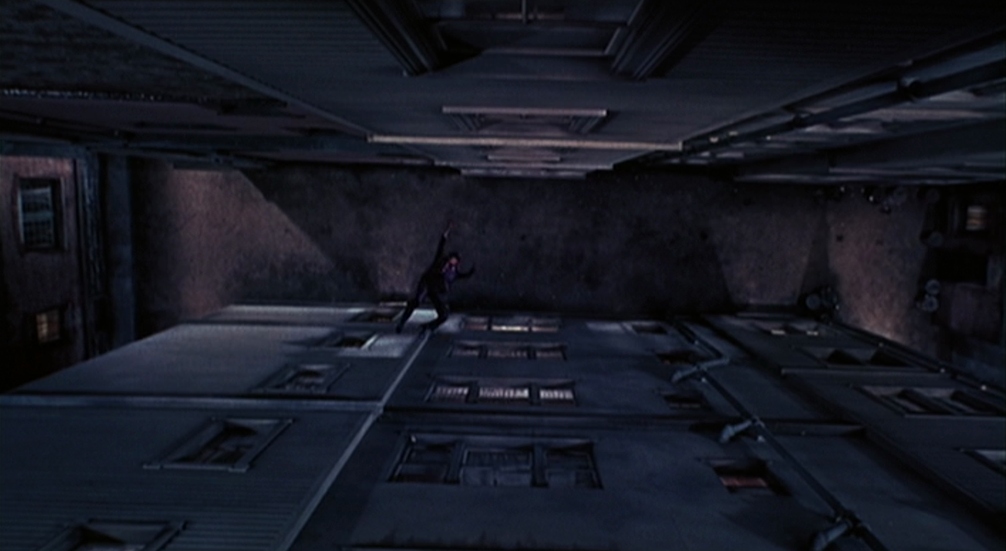
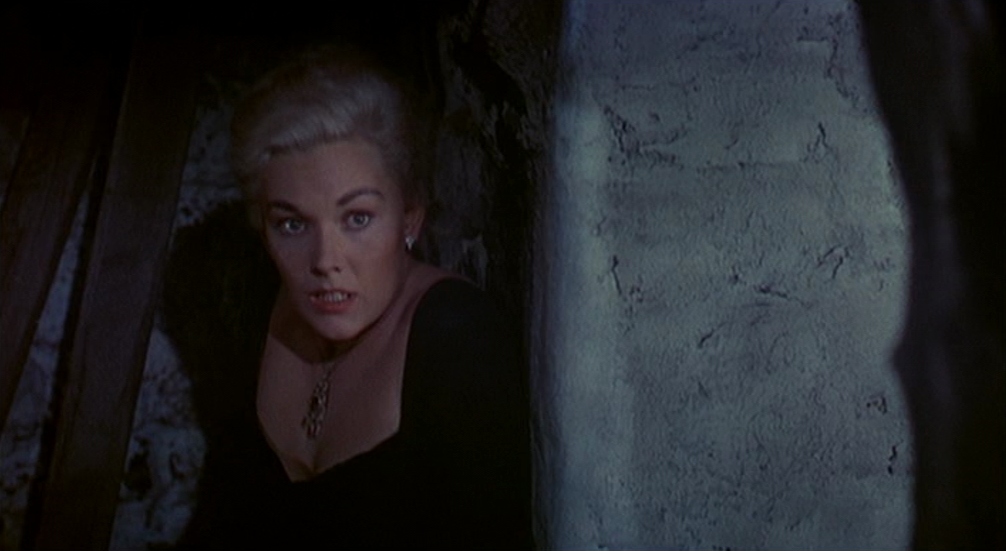
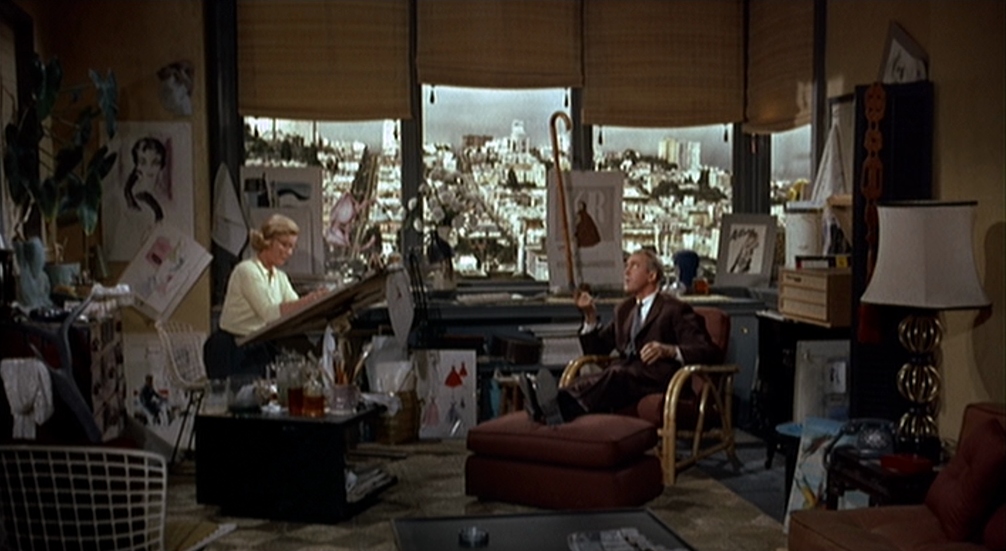
Herrmann, this genius of the subconscious, designed his music for the listener who perceives it “half-hearted”. He deliberately used short, almost truncated motifs so that they would dig into the subcortex. Take his “Leitmotif of Love” — just four notes stolen from Wagner from “Tristan und Isolde”, a symbol of doomed love. Alex Ross subtly noted that Herrmann does not just steal, but “stirs the memory of those who know Tristan and the subconscious of those who do not know.” His hidden quotes point to an unstoppable repetition of the past. Scotty is obsessed with the past represented by Madeleine, and we, the listeners, are obsessed with the sound of that past, which will never be real.
Take for example the scene in the forest (track “The Forest”). The music here is not an accompaniment to a dialogue about rings on a piece of wood. This is an independent psychedelic journey. Herrmann uses gloomy, pulsating two-note figures in the wind instruments, creating a sense of ancient, almost prehistoric horror. When Madeleine utters her surreal phrase “Somewhere here I was born, and there I died,” the music responds with shrill brass figures that sound like a scream from another dimension. Madeleine is a ghost, and her theme, wandering and melancholic, sounds perfect in an era when, in the words of Franco Berardi, we live in a “world after the future.”
 The main character needs to re-compose a woman, the loss of which he deep down refuses to accept
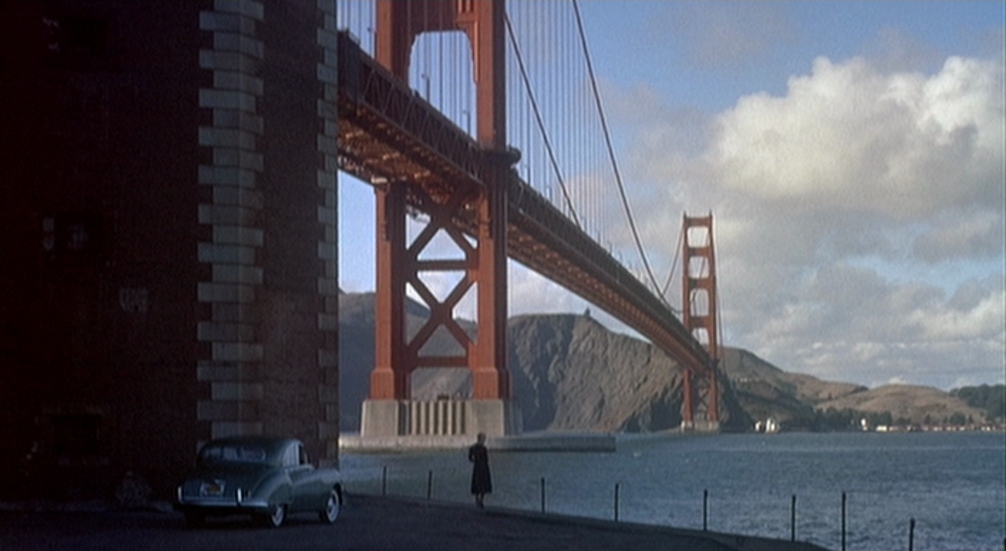
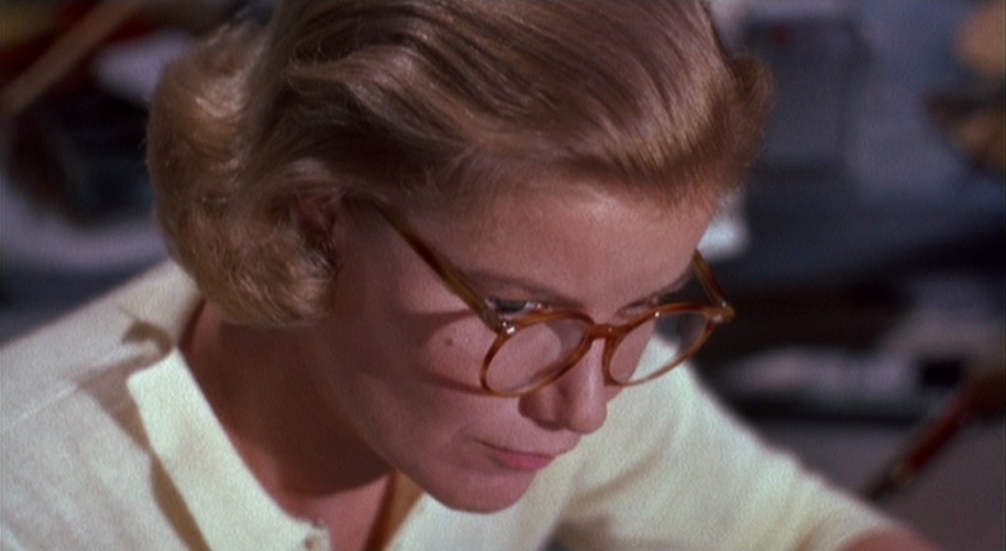
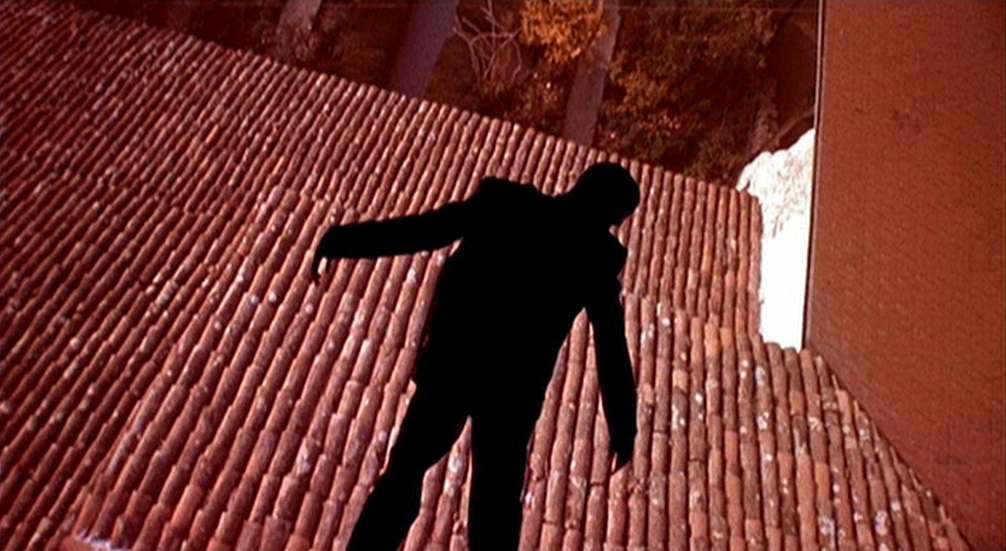
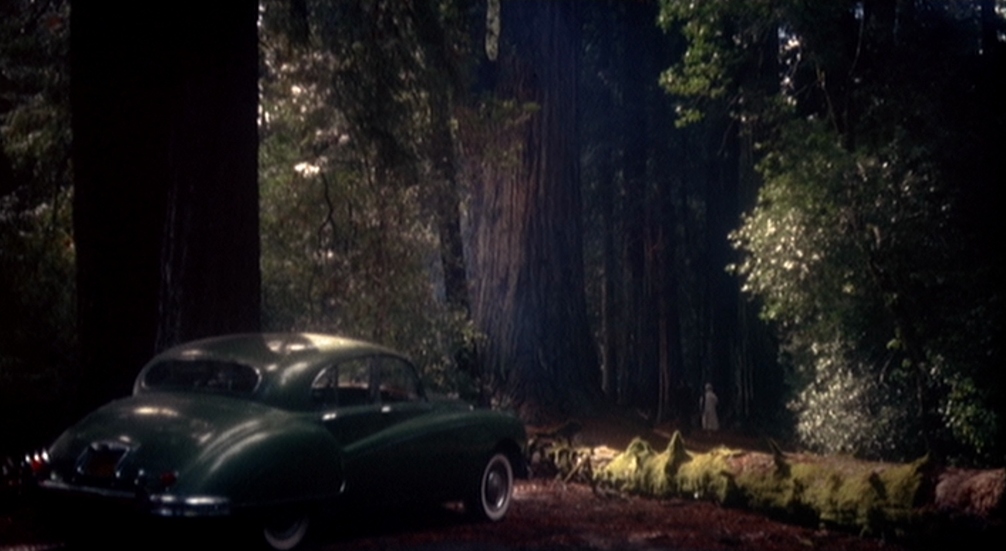
But the real masterpiece of manipulation is the “Scene of Love” (Scène d’amour). The title is cynical… This is not a love scene, but a violent reconstruction scene where Scotty reshapes Judy into the image of his dead fantasy. And here Herrmann’s music acquires a hypnotic, almost insane power. The love motif, that four-note sign of doom, becomes an obsession, an all-consuming idea, the sonic equivalent of Scotty’s obsession.
The ending of this scene is paradoxically solemn and confident. Some musicologists see this as a symbol of the fact that the illusion has finally eclipsed reality for Scotty. He didn’t just find his Madeleine; he escaped into a self-created simulacrum, into that very “cultural dead end.” After all, Herrmann didn’t just write the music for the film. He projected a soundscape of madness, running in circles in search of a lost future.
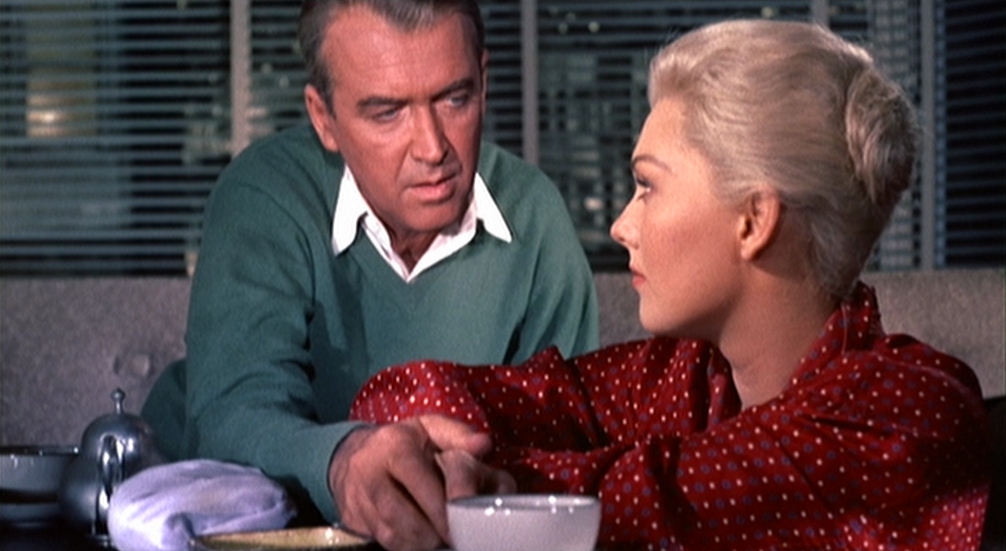
 James Stewart and Kim Novak, the artists who gave Vertigo a special charm
So what’s left for us, wallowing in this swamp of retro styles and ghostly nostalgia? Bernard Herrmann was not a punk in the usual sense. He was wearing a suit, not a leather jacket. But his attitude to power—whether it was the power of a director, studio, or established musical norms—was pure punk. He was a “spell caster”, not an employee.
So his will is not notes on paper. It is a call to listen with disobedience. Create your own soundtrack consisting of static, cacophony and the crackle of breaking illusions. In a world where the future is no longer what we have been waiting for and (in some places still stupidly) waiting for, the only act of resistance is to continue dancing on the edge of the roof, to the sounds of our own personal “Vertigo”.
Choose a fall. But choose it for your soundtrack.