
Comparing the cinema of the “golden era” of Hollywood with products not even Soviet, but European, one has to laugh through tears. The Yankees staged a frank farce with elephant grace, and the sons of Odessa shoemakers led the farce. The hippie era of the 1960s had a bad effect on music, but it brought fresh blood and fresh ideas to the film. Scorsese, Polanski, Peckinpah… The real “golden age” falls, perhaps, on the period from the late 1970s to the late 1990s, it was during this time that both franchises and individual classics were born, which are loved to this day.
That’s why the newest film company has developed a passion for speculating on nostalgia, and people who were raised on “Stay with Me” and “Back to the Future” have reached the camera. Another thing is that these precocious directors’ own nostalgia is genuine, and their talent often deserves respect. The greatest success in dancing on the strings of memories was achieved by twin brothers Matt and Ross Duffer, who brought their “Very Strange Things” to cult status. It’s all the more curious that they were invited to the role of executive producers in the new Boroughs project, without giving them a minute to direct. What kind of “Boroughs” are these?
 Grandpa is online
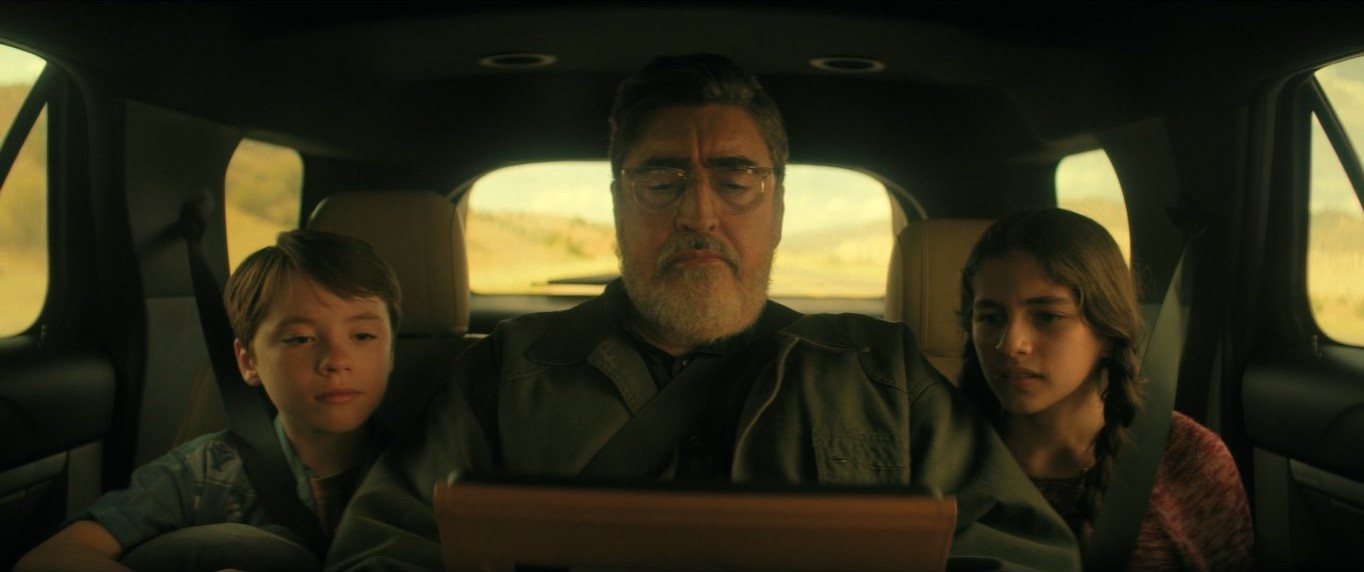
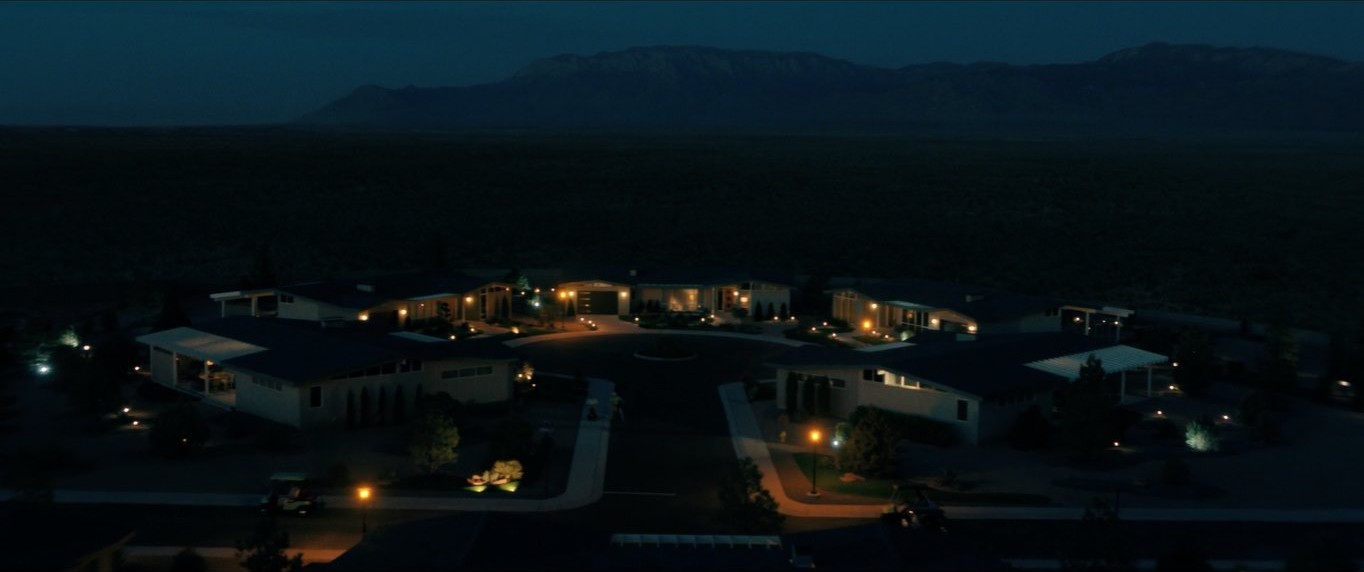
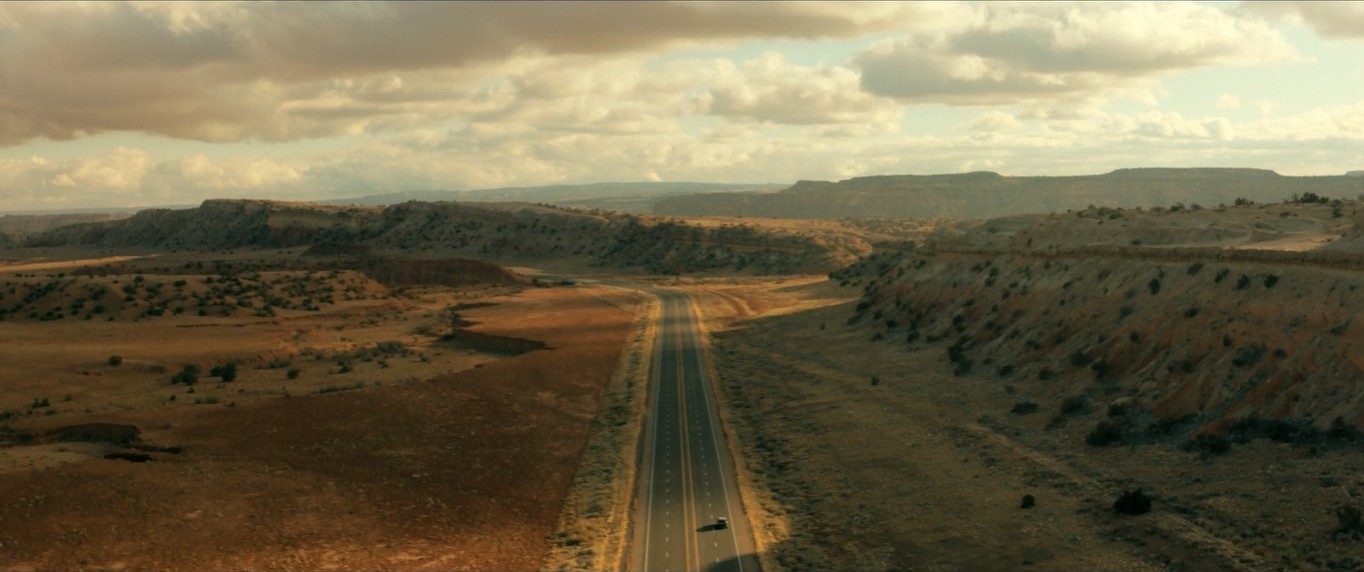
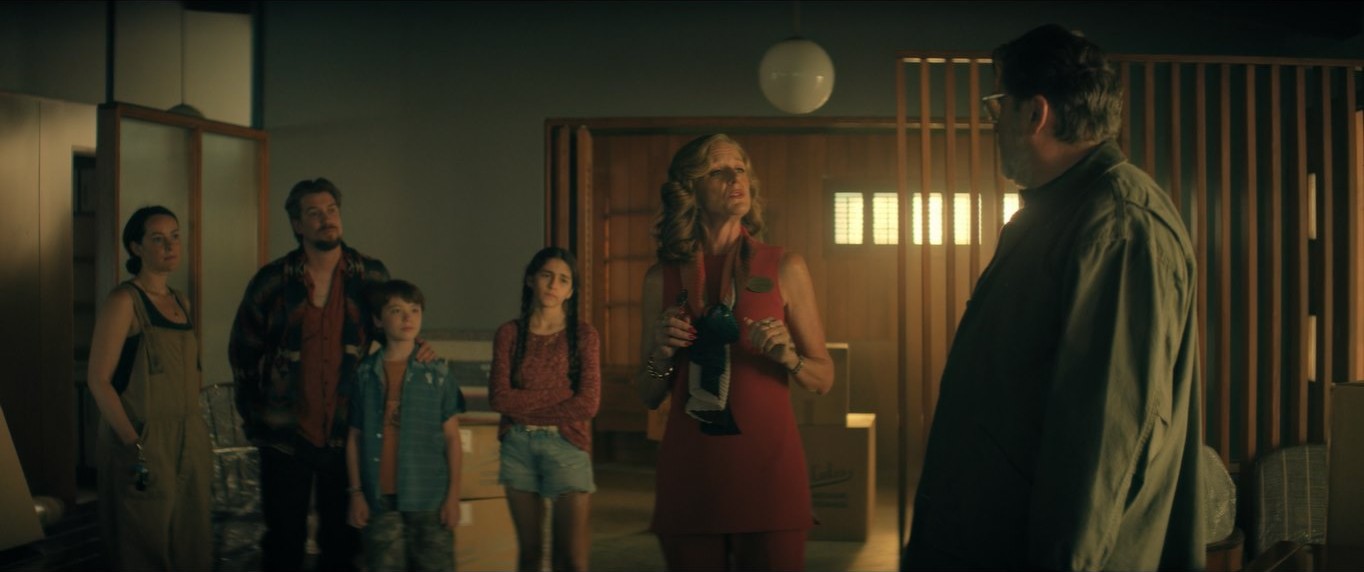
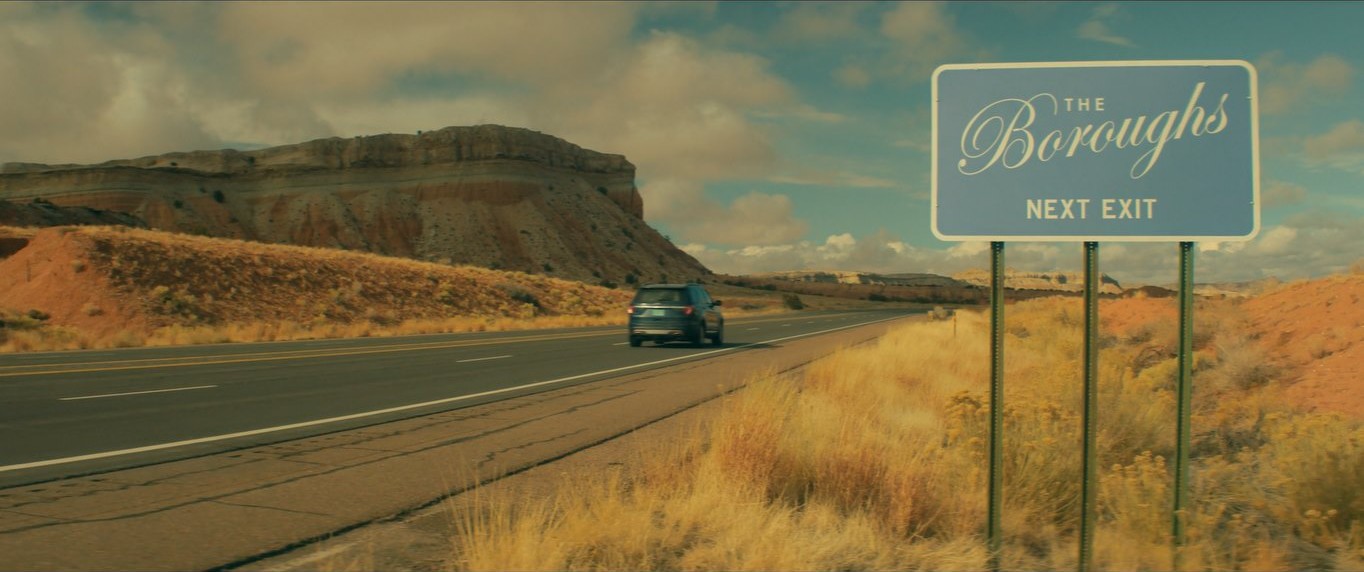
An elderly lady is talking on the phone with a gentleman who is on the verge of a breakdown, caused perhaps by dementia, or perhaps by the fact that “an owl is watching him.” Somehow saying goodbye to the unfortunate, the lady goes to the bedroom, where she is attacked by creatures from nightmares. This is the two-minute beginning of the story. The next second, the lens dives into the interior of the car, where a grumpy retired engineer Sam Cooper (Alfred Molina) is sitting in the back seat, surrounded by a couple of restless grandchildren. The trip is led by his daughter and son-in-law, the ultimate goal is the village of Boroughs, an idyllic American fairytale folklore, as if stuck in the middle of the twentieth century, when it was founded. In fact, Boroughs is a fashionable nursing home that has grown to the size of a town with its own infrastructure, from entertainment to the police. Lilly, Sam’s late wife, wanted to spend a “living period” here, and the unsociable engineer, who lost his only friend in her person, angrily creaking the hinges, moves into this “happy” abode, not wanting to bother the children with his obnoxiousness. There is no intrigue in the fact that Cooper moves into the house where the young lady from the prologue met her latest monster. That evening, Jack Willard (Bill Pullman), a former weather forecaster and now a neighbor and local playboy, shows up with a pack of beer. The “owl victim”, jumping out of the darkness, flashing a knife, will not keep you waiting either. In the end, Sam agrees to come to Jack’s housewarming party, where he will meet four more cheerful “vacationers”, and the feast itself will become the snowball that will provoke an avalanche of strange and frightening events.
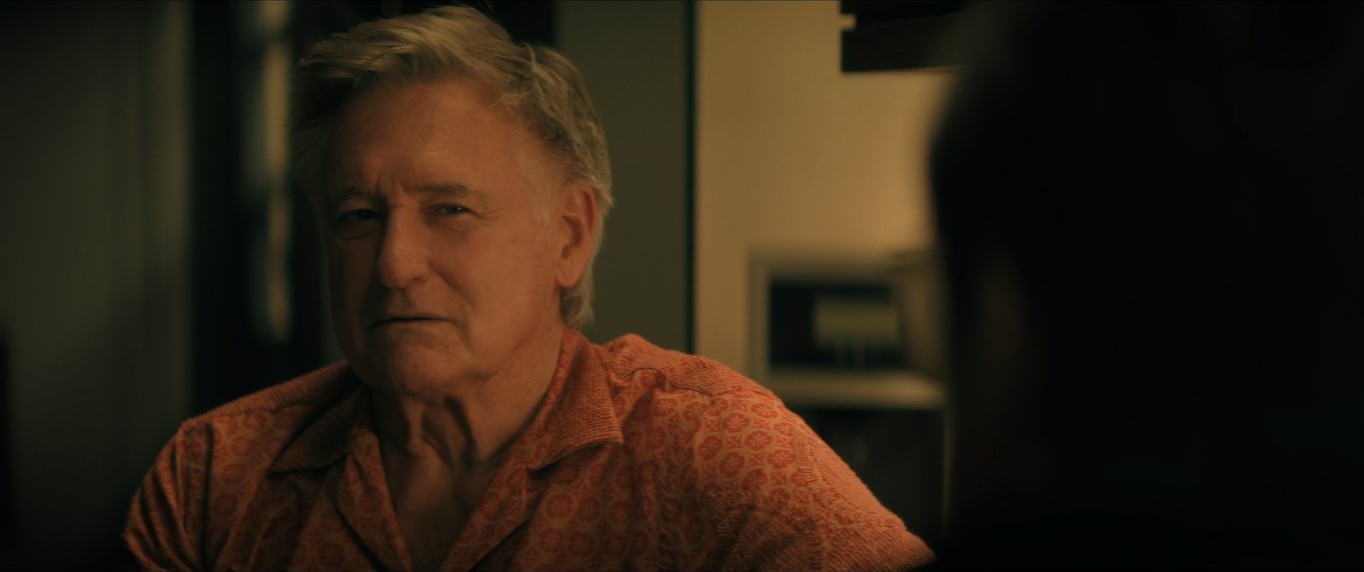
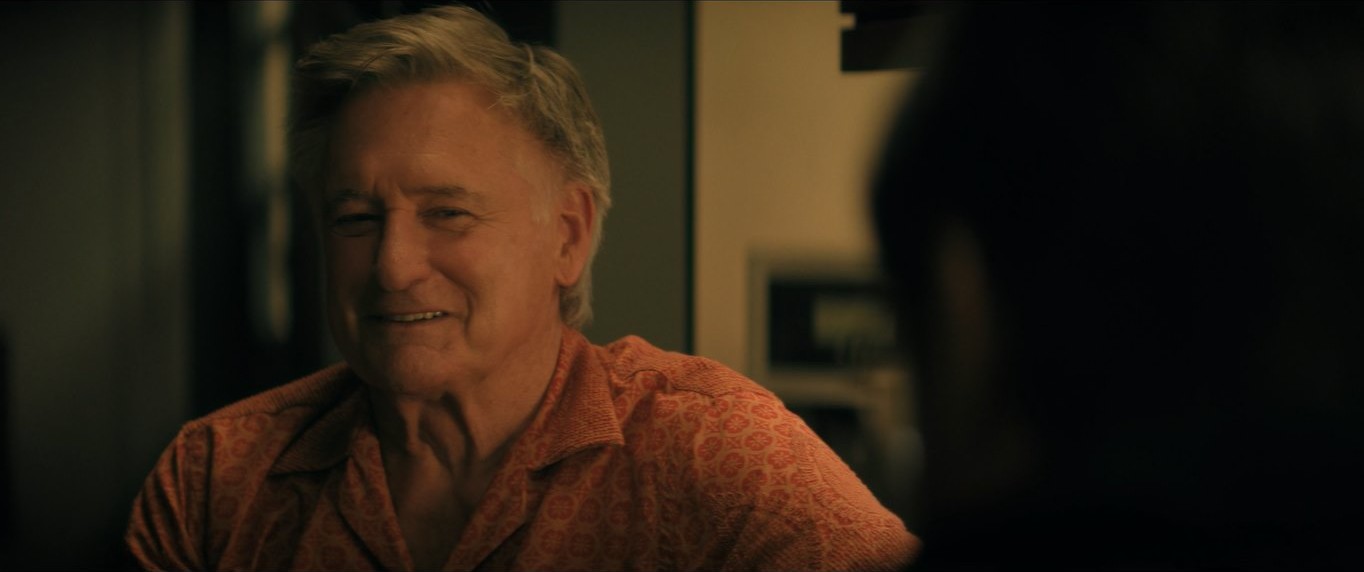
First of all, I would like to mention the amazing cast. Alfred Molina is a man of the broadest charisma, who has decorated such paintings as “Chocolate”, “Frida”, and many others with his playing. The master of the episode got the main role, but he does not work hard, remaining in harmony with the other participants in the production. Bill Pullman is known to connoisseurs for his work with David Lynch and Wes Craven, and others for the idiotic blockbuster “Independence Day”, which, however, did not affect his acting abilities. Denis O’Hara, who convincingly portrayed the leader of the bloodsuckers in the TV series True Blood, no less convincingly portrays a homosexual doctor who was punished by god or providence for his addictions with terminal prostate cancer.
 Bill Pullman Pretends to be Clint Eastwood
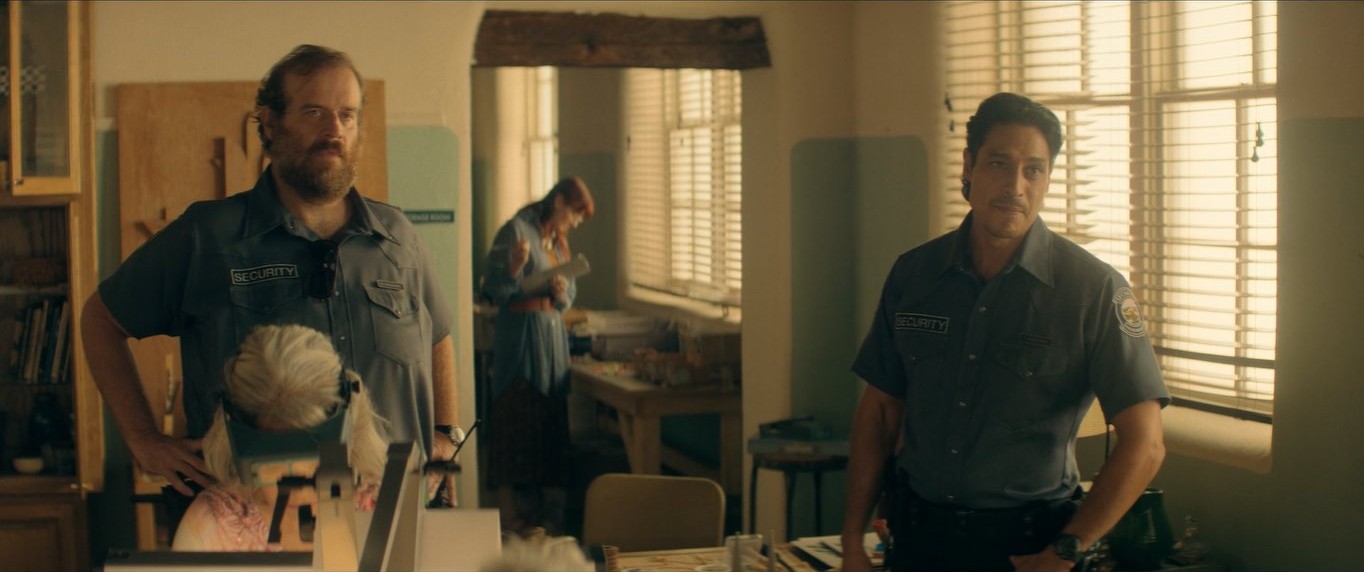
Geena Davis, the star of “Thelma and Louise” and “The Long Goodnight Kiss,” looks more charming in her seventies than many in their forties. That’s why the script prescribes a young lover for her, who is not only a security guard, but also a drummer – a small hint at her past relationship with Jeff Goldblum, who also enthusiastically beat the drum kit, even though he chose the path of the actor. A pair of black spouses – Judy, a journalist who broke down on her way to the Pulitzer, and Art, an art lover who fancies himself a philosopher – are portrayed by actress and activist Alfre Woodard, whose previous work in Hollywood is painfully politicized and of interest only to a vanishingly narrow stratum of the Black intelligents (the term sounds powerful, doesn’t it?), as well as Clark Peters, who started out as a soul singer, has a track record of the wonderful TV series “The Wire” and the first part of “John Wick”.
But everything is fine with drama, despite the mention of the words “Cooper” and “owls” in one episode. Such winks remain at the level of winks, and no outright borrowings are detected. Although Ron Howard’s film “Cocoon” from 1985 will come to mind, the only thing common here is the age of the characters, the rest of the nuances are conceived completely from the opposite: if there is a lot of water in the “Cocoon”, then there is even more sand in the “Boroughs” and so on.
 At a fake bus stop under a painted sky
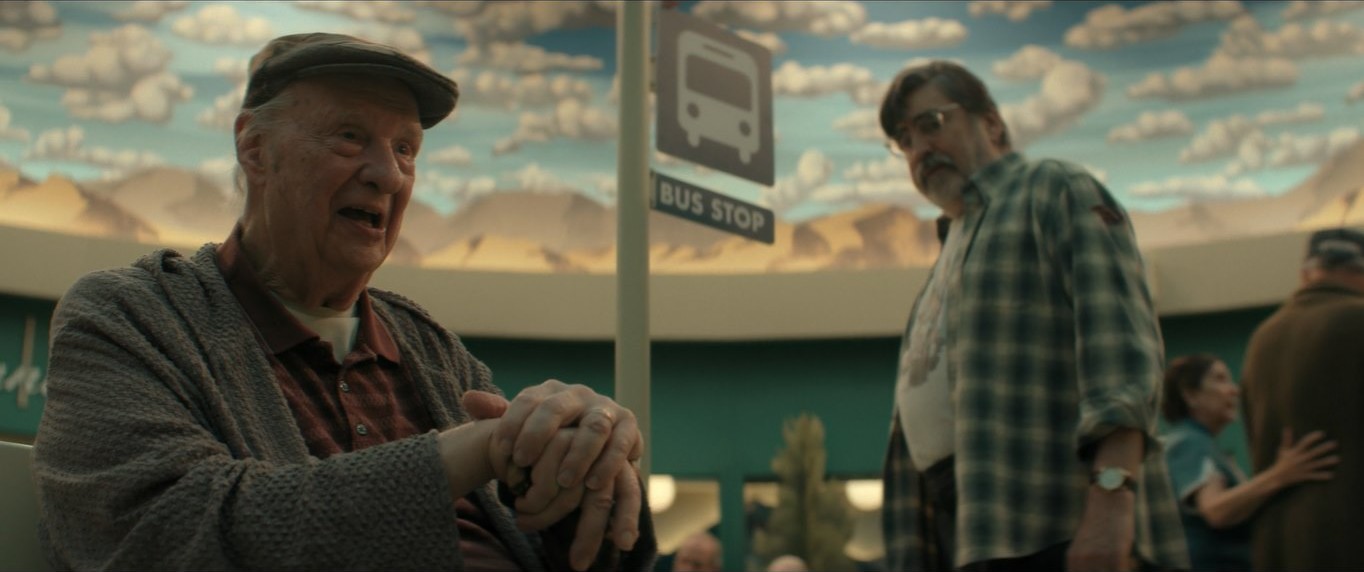
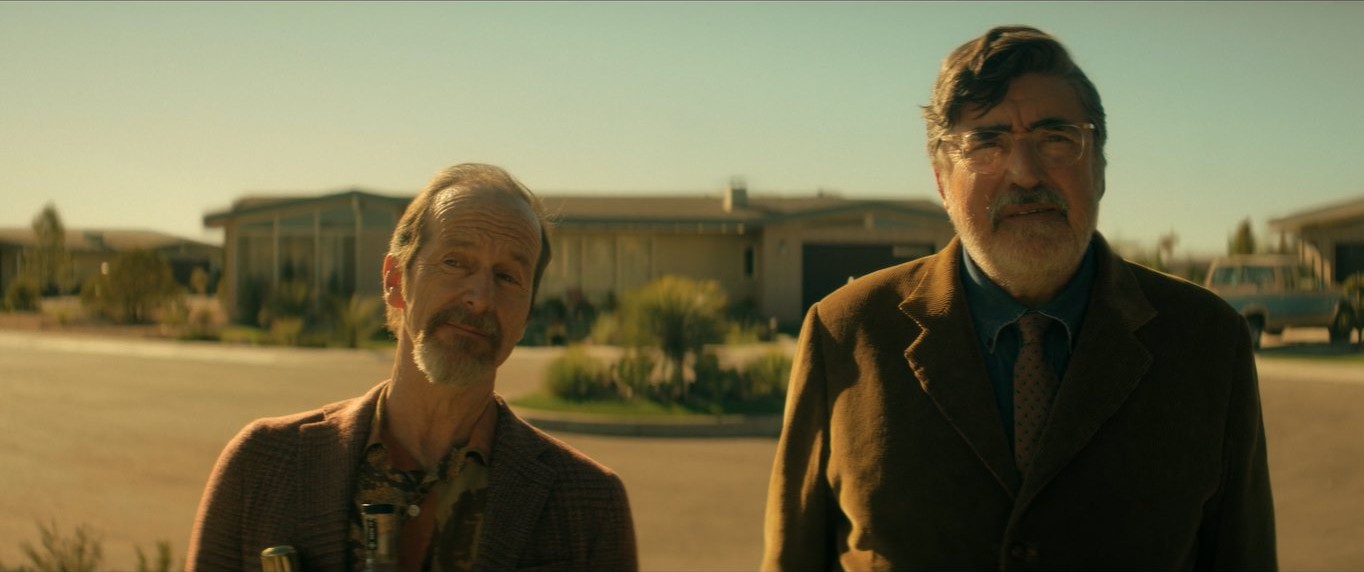
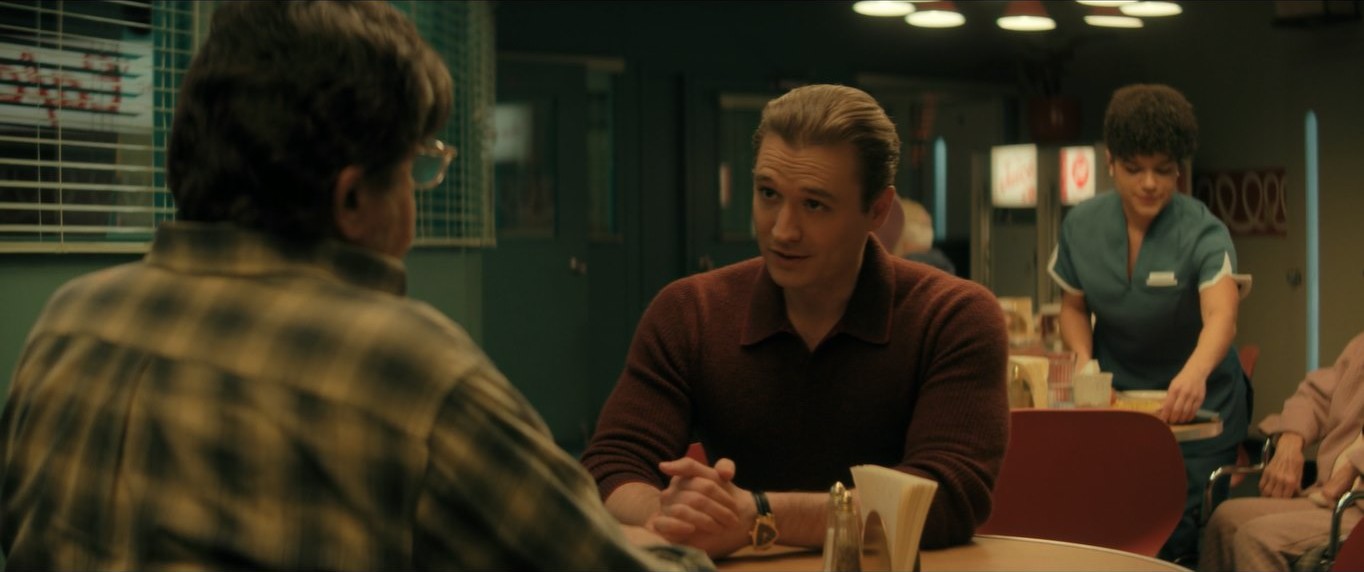
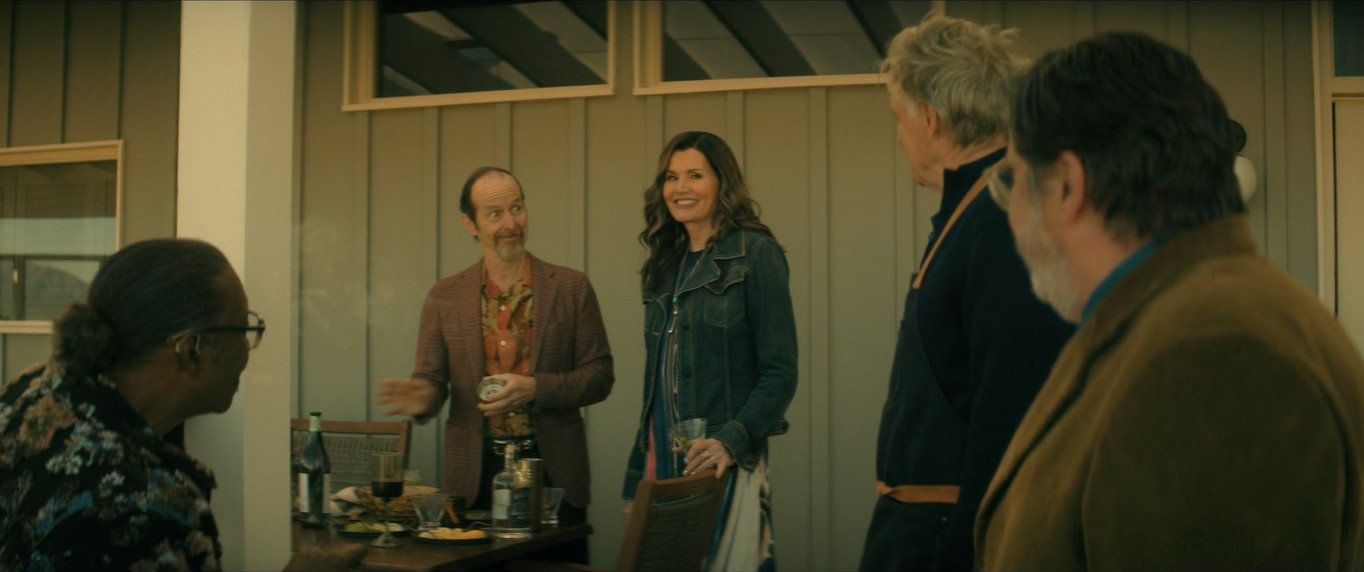
Despite the hot sun and the blackness of the night, the story offers the viewer semitones in the actions of heroes and antiheroes. Cause-and-effect relationships prevail, and the ridiculous formula is “He is a villain because he wants to enslave the world! – Why does he want to enslave the world?! – Yes, because he’s a villain, you stupid loafer!” is buried in the desert near Albuquerque. Everyone has their own motives, and “positive” people are often more annoying than those whom Hollywood stamping would immediately pack in foil with a “bad guy” stamp. The authors are just as careful with the emotional side of the story: they don’t get under the viewer’s skin with annoying pathetics, they don’t squeeze a tear out of him with a long shot of memories under the snotty squeaking of a dozen violins, the film doesn’t seem to be about that at all. And older, not a bit wiser people often behave like teenagers (if there are no great-grandchildren around, this is permissible).
The creators of the story, Jeffrey Addiss and Will Matthews, deftly play on the feelings of the bossa nova observer, occasionally exploding into a swing, breaking into a frightening crescendo only in a few moments. “Boroughs” was originally designated as science fiction, but there are a couple of nuances here: the owner of the town, Blaine Shaw, and his wife, as if they had stepped off the advertising pages of 1954 magazines. When Blaine drives into his property in a fancy electric car, Johnny Cash’s song “Belshazzar”, which tells about the Belshazzar feasts, is blaring from the speakers. We know from the Old Testament that Belshazzar caused a drunkenness by pouring wine into sacred vessels that had been robbed from the Temple in Jerusalem. In the midst of the festivities, the hand of the archangel Gabriel drew words in the air, meaning that the kingdom of Belshazzar would not survive the dawn, which happened.
 70s Disco
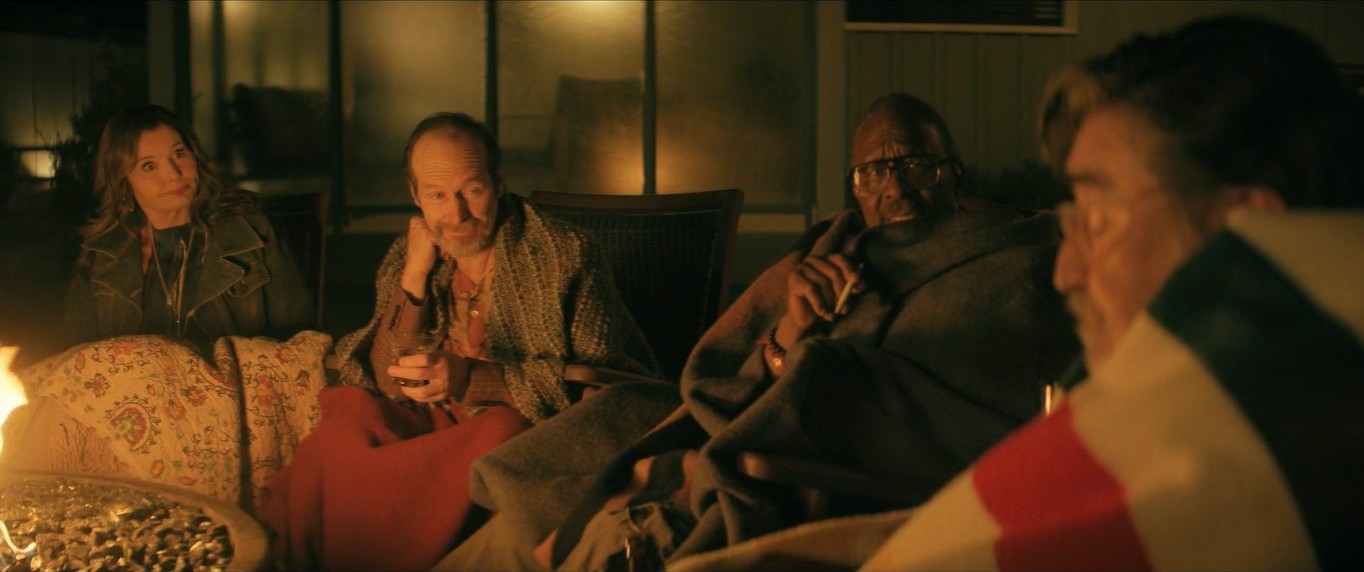
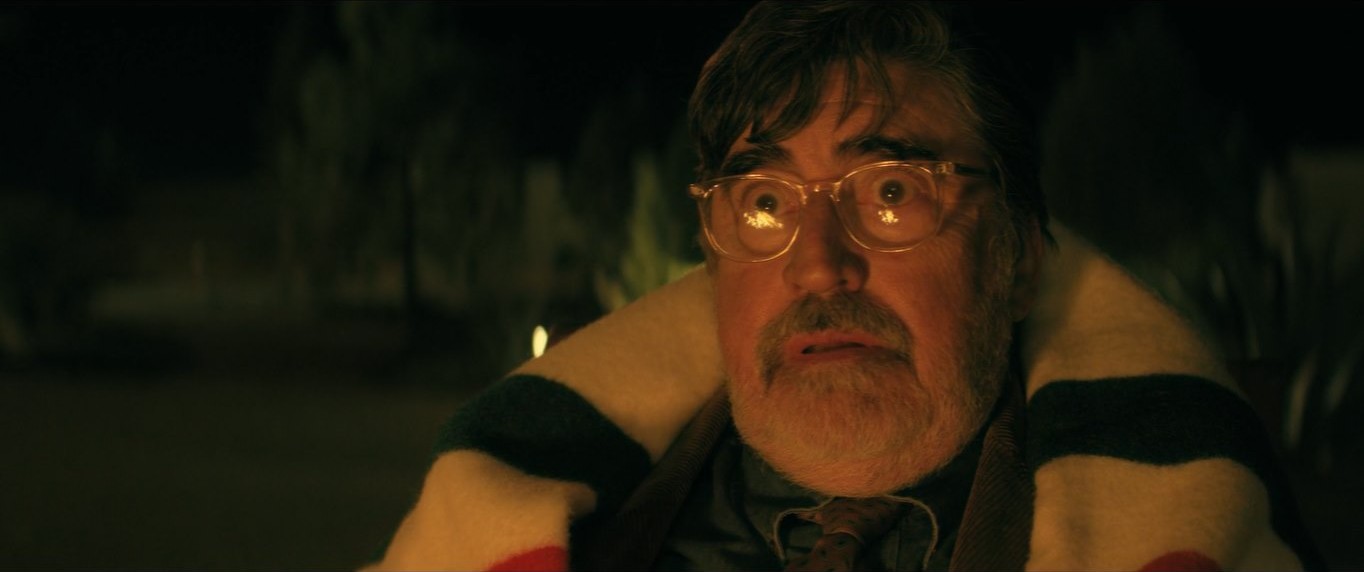
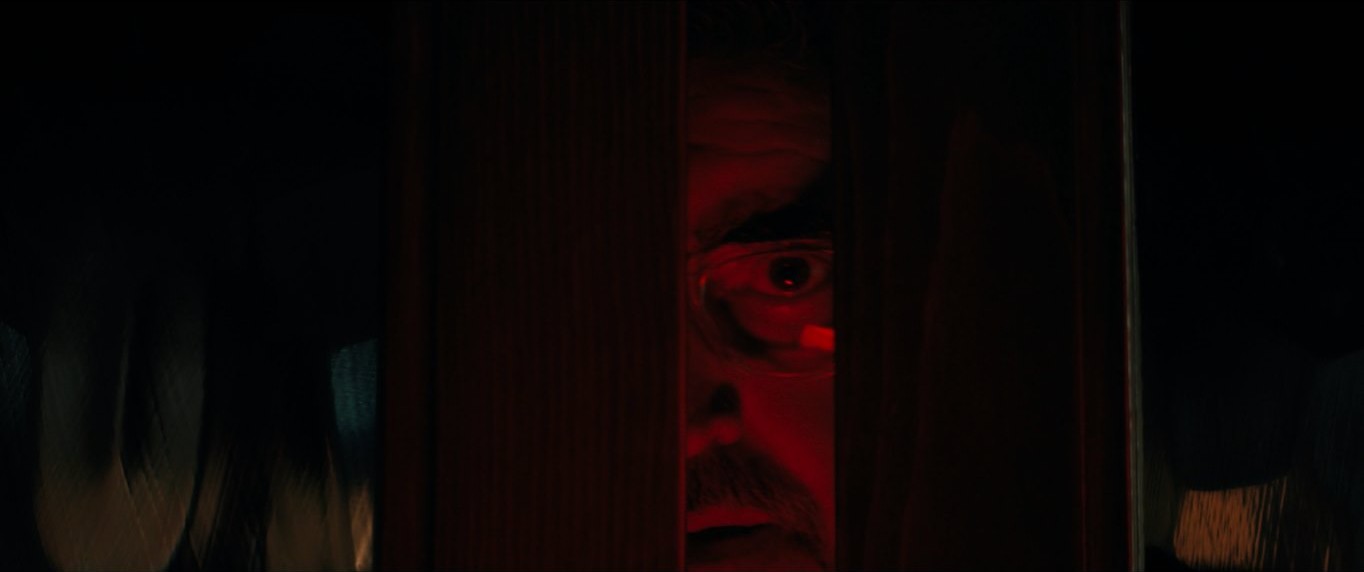
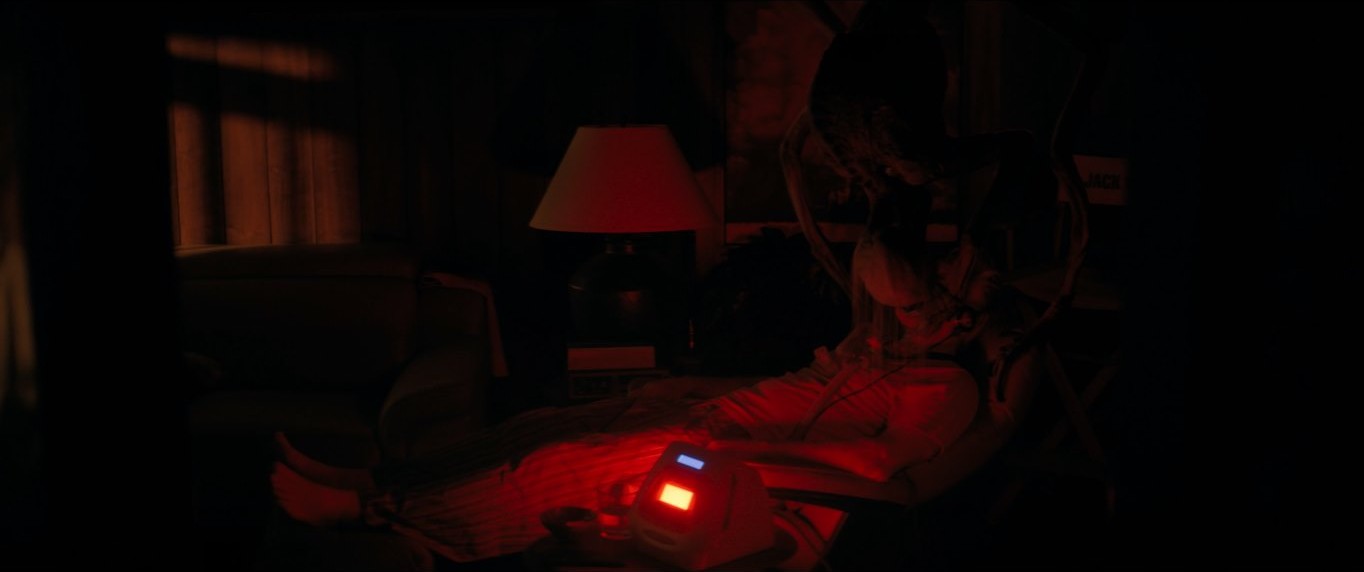
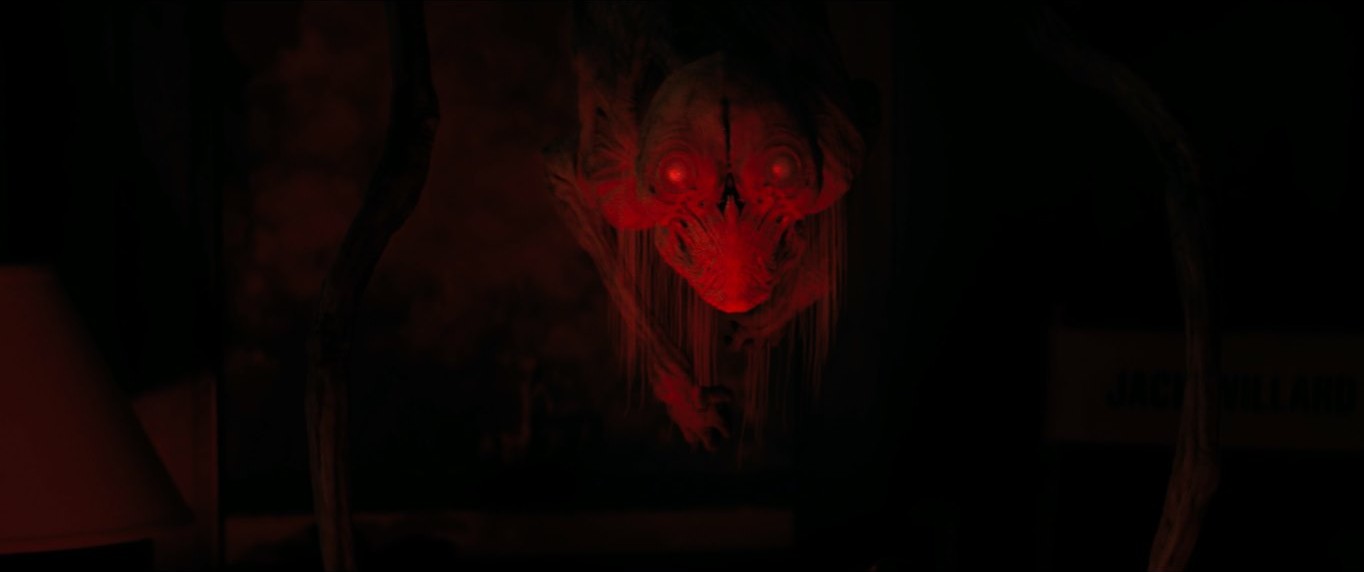
And in the light of one song, the story of “The Boroughs” takes on a completely different, metaphysical connotation, where it doesn’t even smell like the unfortunate aliens who couldn’t even get into Mel Gibson’s basement. Well, the Duffer brothers became executive producers because their new production company was in charge of filming, and they did the decidedly right thing by not getting involved in the directing process. The resulting detective horror story can appeal to anyone who can overcome their aversion to the official synopsis. A new classic, no doubt.
Watch online TV series Borose (episodes 1-8):
PS: There are at least two outspoken assholes in the series, one of whom has a figure of a Barrack “Bamalama” on the shelf, which speaks to the subtle sense of humor of the creators.
P. P. S.: In the right hands, a tube TV with a kinescope is not only an outdated piece of furniture, but also a formidable weapon against… Go take a look for yourself.