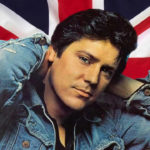

We continue the series “Treasure Island” about British rockabilly (Chapter 1. Chapter 2. Chapter 3.) On May 21, 1940, the first loud roar of the newborn Anthony Esmond Sheridan McGinnity, the offspring of an Irish Catholic and a Jewish woman, was heard in the English city of Norwich. Tony’s first conscious memory turned out to be traumatic: after the German bombing, his mother went to London to visit relatives, but returned a little pregnant, after which she was kicked out of the house to the accompaniment of Gaelic swearing. Subsequently, the couple seemed to have reached an agreement in order to at least raise their eldest son together, after all, in war it happens that a crazy “V-one” will land in the wrong Vixen, but a bitter residue was deposited in the souls of the whole family. In the future, Tony Sheridan will not be able to fully trust women.

Nevertheless, at the age of seven, Tony is sent to study the violin, which is equally beloved by both Jews and the Irish. In secondary school, he performs in Gilbert-Sullivan’s funny opera “The Mikado” starring Prince Nanki-Pu, which Stanislavsky embodied on the Russian stage a few decades earlier, and also torments the violin in the school orchestra. When Albion was hit by a wave of skiffle in the mid-1950s, Tony found himself at the forefront, switching from violin to guitar. Classical music lessons are bearing fruit, soon Sheridan’s band is already playing in the famous London club “The 2i’s Coffee Bar”, and in 1958 he turns out to be a regular guitarist on the ABC youth show “Oh Boy!”.
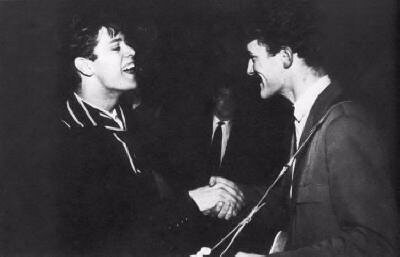
Another year passes, and Sheridan is already in full swing at the English concerts of Gene Vincent and Conway Twitty, being a sought-after session musician.
In Tony’s own words, “choosing rock and roll in 1950s England made you an outcast to your family, church, school, employers, and other public institutions. But I was gaining freedom.”
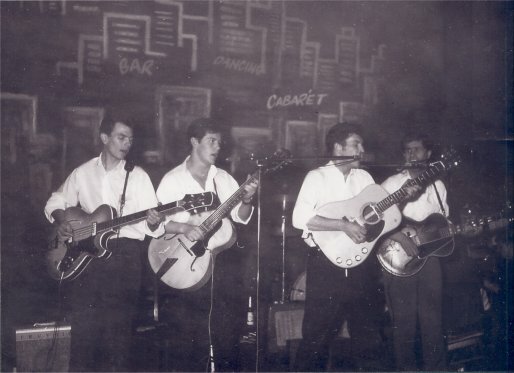
In 1960, Gene Vincent flew to the islands in the company of Eddie Cochrane and invited Sheridan to tour with him again. On April 16, after the performance, Vincent and Cochrane ordered a taxi to the airport. Sheridan asked for company, but was refused because there were already four passengers (including Sharon Sheeley and tour manager Patrick Tompkins), and there were also suitcases and guitars. The taxi did not reach the airport that night, Eddie Cochrane died of a traumatic brain injury without regaining consciousness, Gene Vincent suffered a leg injury, the pain of which did not go away for the rest of his life, and Tony Sheridan was Irish lucky not to get into that “Ford”.
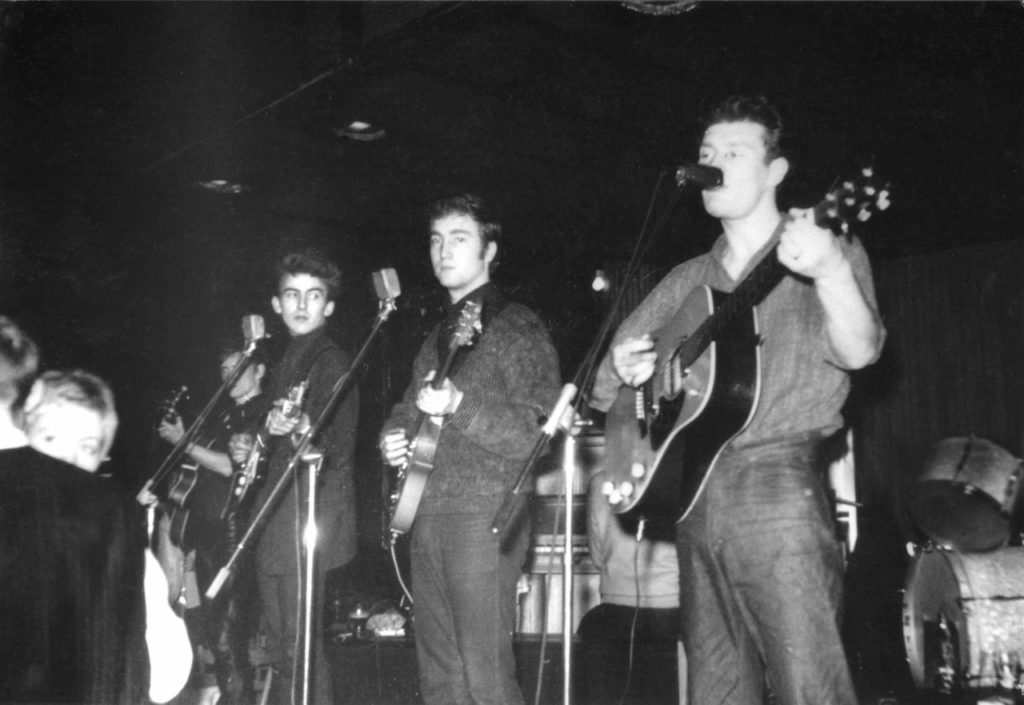
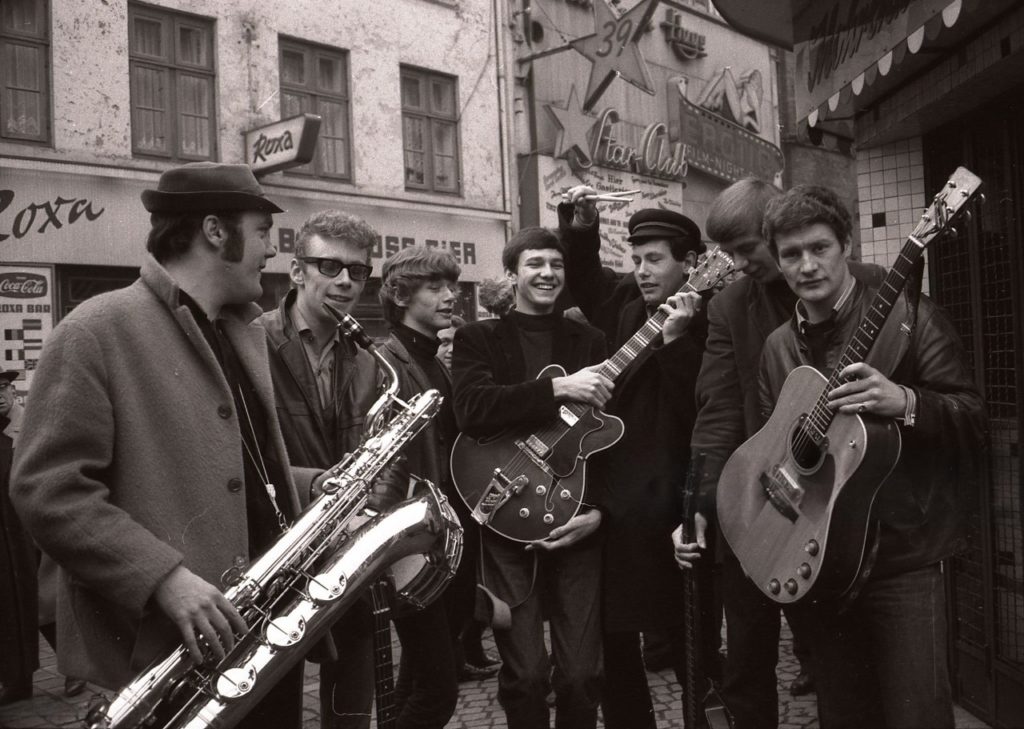
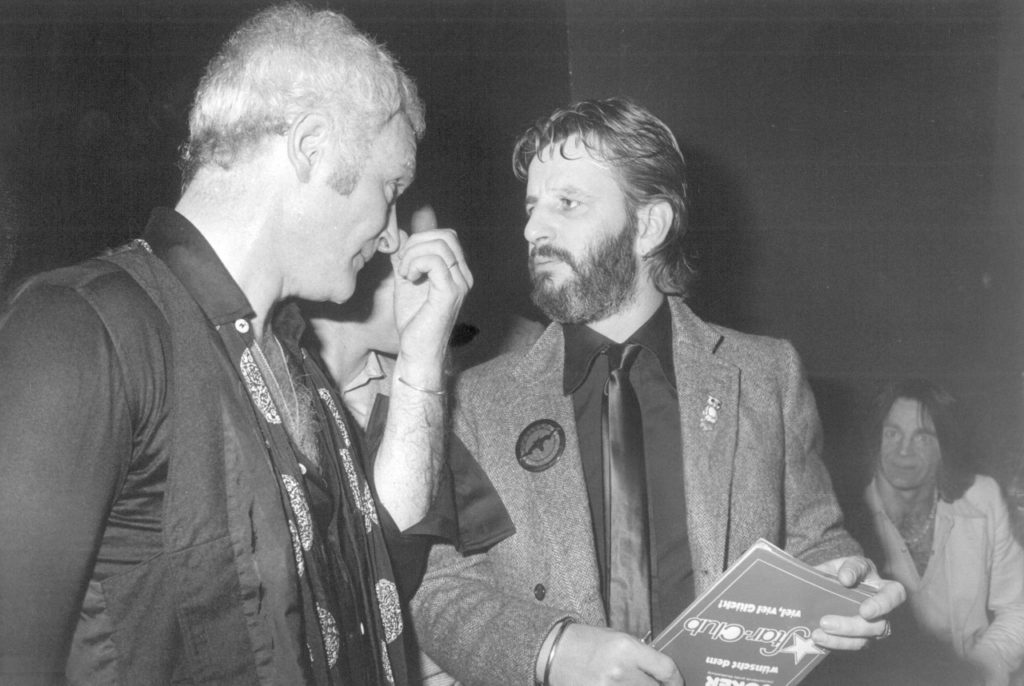
Tony’s personality was probably not the most stable, he was often late for concerts and in the studio, and when he appeared, he asked to borrow a guitar. And he also got “itch in his fists”, which even Ringo Starr recalled. Thus, Sheridan earned himself a sully reputation, but suddenly he received an invitation to a long-term collaboration with the Kaiserkeller club in Hamburg, Germany. It was there that another fateful meeting took place. With the Liverpool quintet of The Beatles, this time. The leader of the gang, Johnny Lennon, was Tony’s age, they instantly found a common language, and they quickly became friends with the others. The Beatles enthusiastically played along with Sheridan in his sets, while he, in return, enriched their arrangements with his guitar. One day, after a concert in Norwich, the guys came to Tony’s house, having a jam session in the backyard.
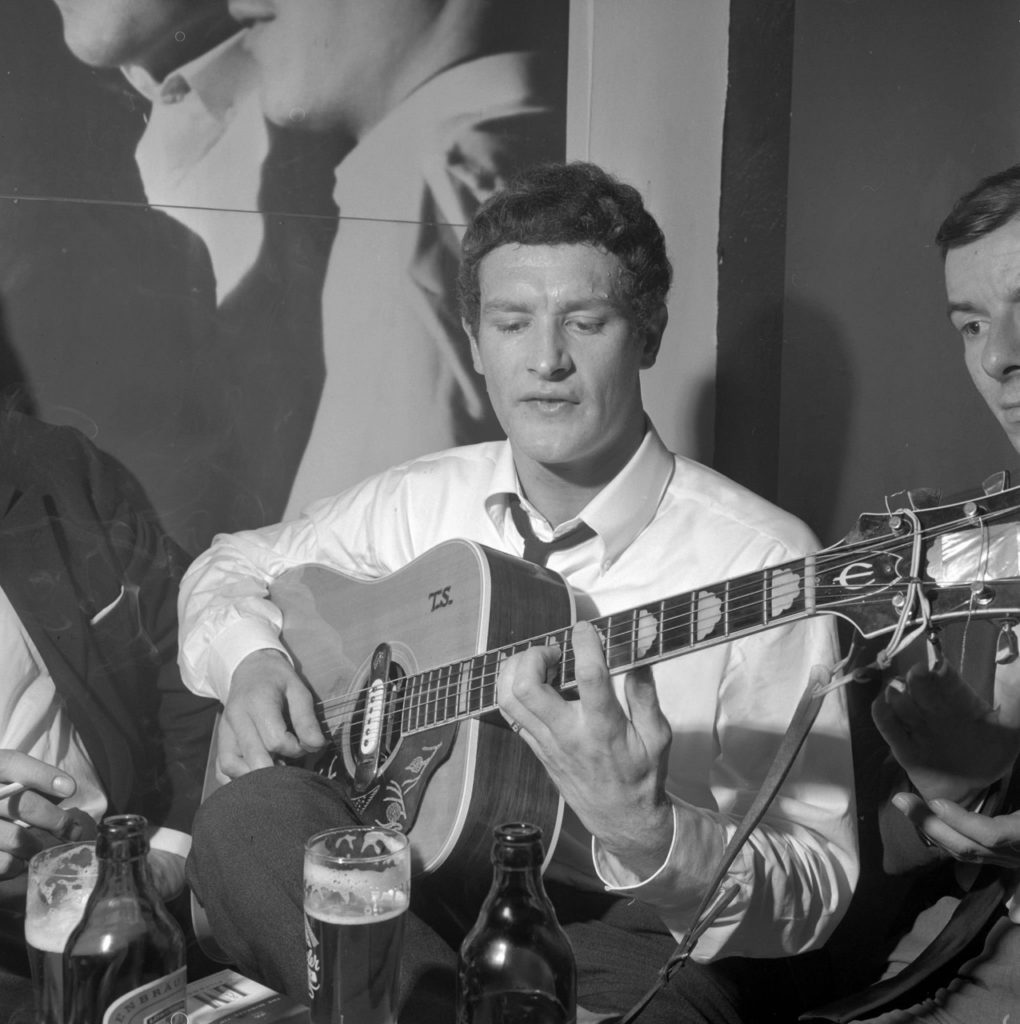
The second trip to Hamburg took place the following year in 1961. The relationship between the musicians became even warmer, and then the long-awaited luck came: Bert Kampfert, a composer, conductor and employee of the German audio company Polydor, offered a record contract, seeing the huge potential in Tony Sheridan’s burly baritone and his wild delivery. The Beatles, however, were not so pleased: according to the signed pieces of paper, they pledged to be an accompanying ensemble, and the name of The Beatles was changed to The Beat Brothers due to the consonance of “Beatles” with the German slang “Pidels”, meaning in our language “penis”. Although the Liverpoolians still recorded two songs with the original line-up at that time: “Ain’t She Sweet” and “Cry For A Shadow”.
Tony Sheridan & The Beatles – Cry for a Shadow
Meanwhile, the single “My Bonnie”, Tony Sheridan’s rock and roll rendition of a Scottish folk song, took good places in various German charts and was ready for release in the UK and the United States, where, as a result, it remained unnoticed until the onset of the feverish Beatlemania.
Tony Sheridan & The Beatles – My Bonnie
Tony, of course, understood that the success of sales had nothing to do with his work, and therefore, on the next long-playing disc, he made a significant shift towards Black music in the South of the United States. It didn’t help, the times took a wild gallop, rapidly changing. Suddenly, hippies with rotten straw instead of hairstyles and fresh dope instead of brains began to absurdly protest against the truly monstrous and criminal Yankee war in Vietnam. Sheridan assembled a group of adventurous musicians, with whom he began to entertain the American units located in the clearings among the endless Viet Cong jungle. One day, the orchestra came under heavy fire, one of the members died, and Tony was afraid of even a firecracker explosion on Christmas Night for the rest of his life. After receiving the title of honorary Captain of the US Army, our hero departed for Europe, where he sang dubious duets and interrupted himself by leading on radio stations.
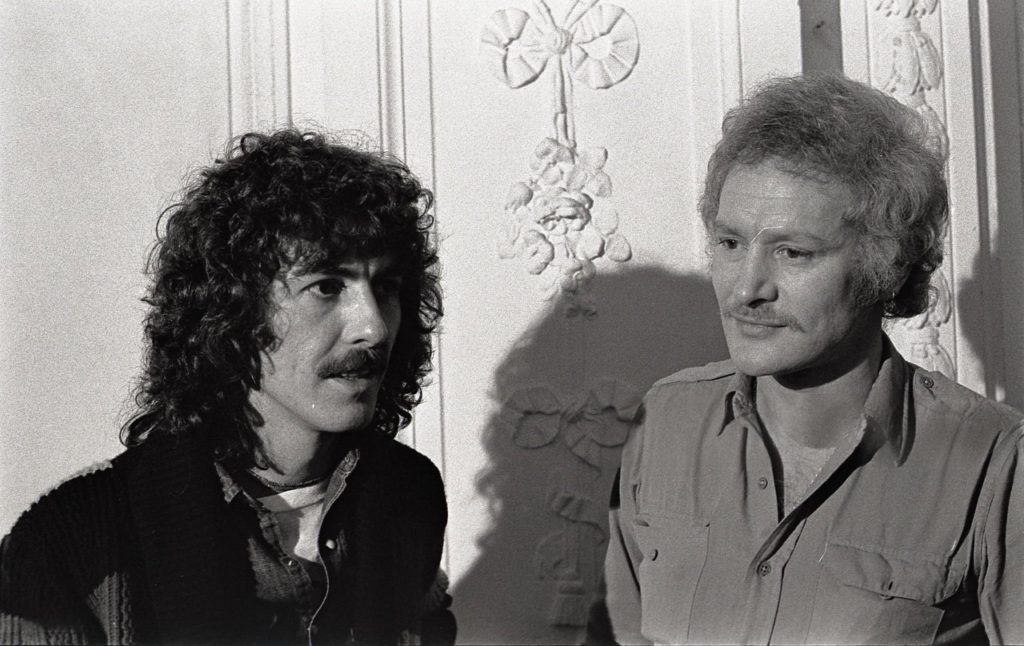
And luck again: in 1978, an American producer, having heard Tony’s early songs, invited him directly to Las Vegas to record an album and a subsequent series of concerts. The accompanying band is not just anyone, but The Elvis Presley TCB Band, who played with Elvis from 1969 until the end. Sheridan brings along bassist Klaus Voormann, the same one who made the cover of “Revolver” for The Beatles, and under his strict guidance records “Worlds Apart”, one side of which consists of country songs, the other of rock and roll classics.
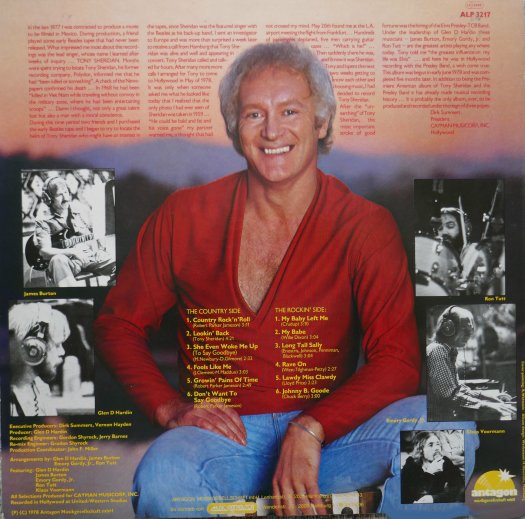
But the album, which does not have the support of a major label, goes down the drain along with the prospect of hoarding Vegas, although in the same year Tony, together with the TCB Band, gives a number of concerts at the legendary Hamburg Star Club.
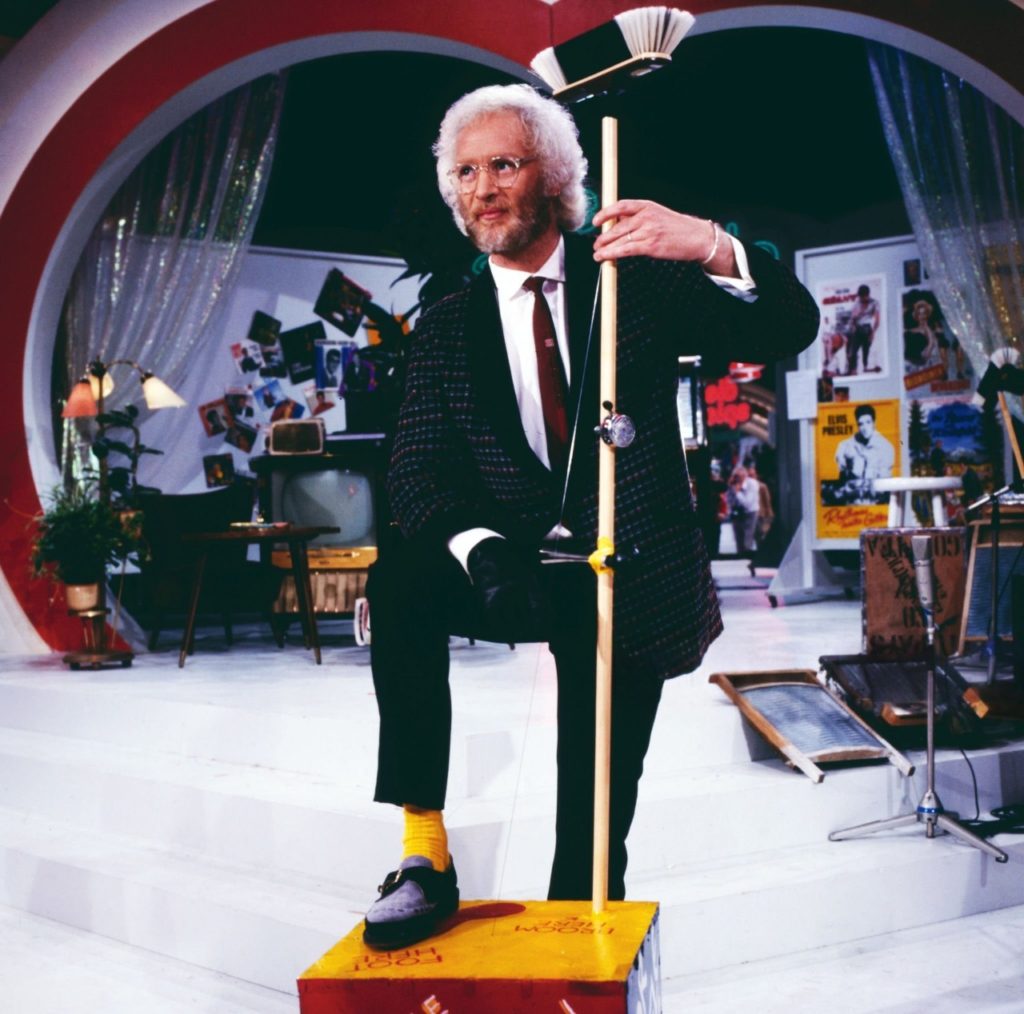
In the 1980s, Sheridan finally converted to Buddhism, in defiance of his Catholic-Jewish ancestors, and settled in the Rajneeshpuram commune in Oregon. Nevertheless, Tony Sheridan’s restless spirit finds its last refuge in Hamburg in 2013. Listen carefully to his “Nobody’s Child” at bedtime, Moon Dawgs!