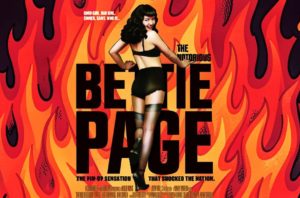
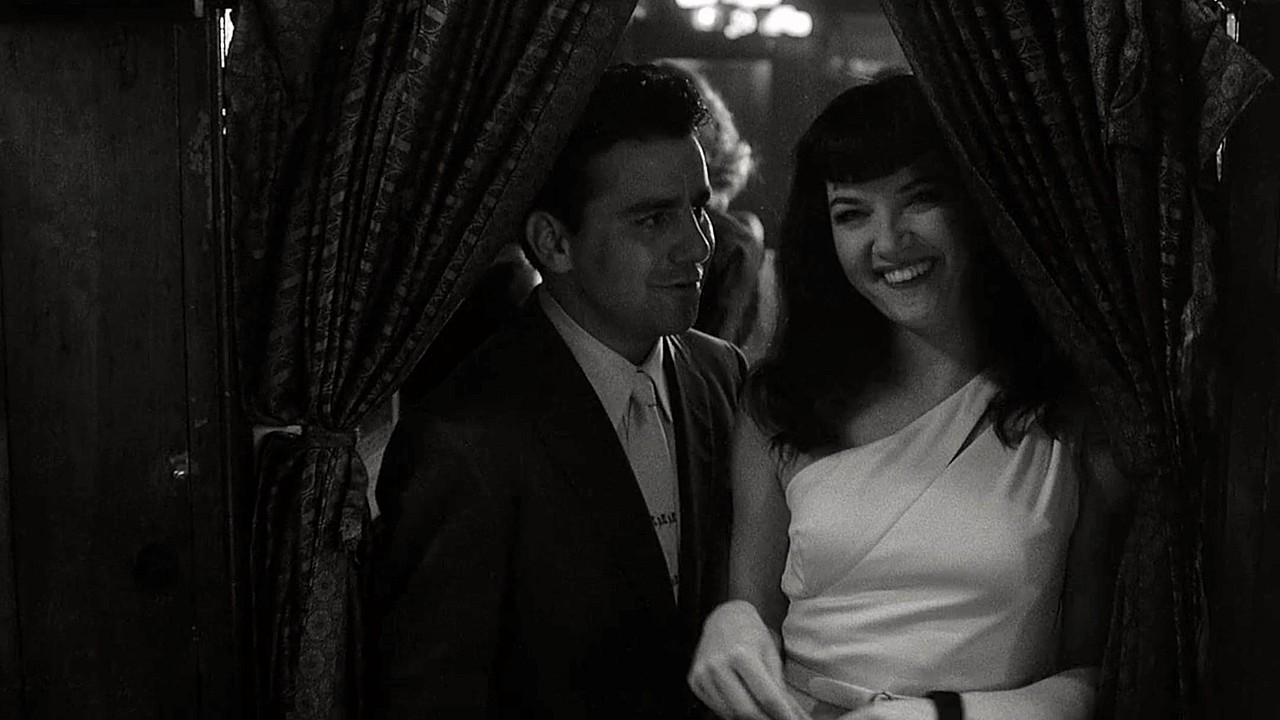
The Notorious Bettie Page (2005) is a biopic about the main pin-up star directed by Mary Harron. Viewers may remember Harron from the provocative “American Psycho” (2000) and the drama “I Shot Andy Warhol” (1996). While in “American Psycho” Harron explored the cold brutality and sterile violence of the 80s, here she turns to a much more delicate and slippery topic – the heyday of erotic photography in the puritanical era of the 1950s.
The difficulty of the material was to show the world of fetish photography without sliding into cheap scandal. Harron and her co-writer Guinevere Turner present this story through the surprisingly naive and chaste look of the heroine herself. The camera doesn’t savor controversial moments, but rather captures what is happening with detached, almost documentary curiosity. Due to this, potentially “dirty” filming turns into a kind of choreography, a theatrical game, which avoids accusations of explicit content.
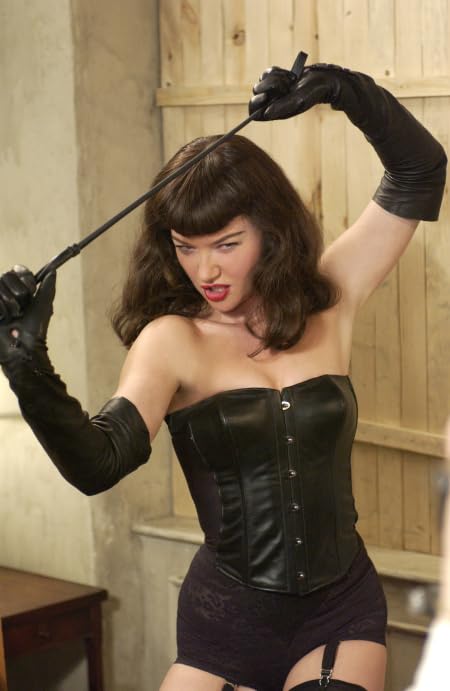
 "Mommy will punish you!"
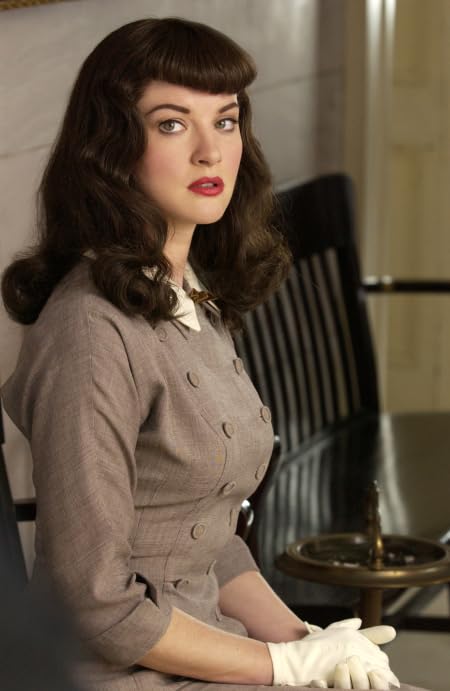
Betty Page was born in the South of USA on April 22, 1923 in Nashville, Tennessee. She grew up in a strict religious family, experienced very bad moments in childhood, domestic violence, as well as an asylum, and subsequently an abusive marriage, and in the late 40s moved to New York with the dream of becoming an actress. After art college, she was going to become a teacher, but she deliberately skipped an important exam, realizing that she was not cut out for such a job (the film says that by accident). The gentleness and beauty of Betty, the teacher, did not contribute to discipline in the classrooms, especially among boys.
On the screen, Betty appears as a simple-minded but charming girl with an easy attitude to life. She believes in the best in people, and she just doesn’t seem to notice the vulgarity of what’s happening. This combination of fanatical faith (she prays, reads the Bible, and goes to church) and work in an industry where they demand to be filmed naked, crucified, and bound creates a toss “between the boudoir and the prayer room” – the very conflict that makes her image of the “dark angel” so contradictory and ambiguous. According to rumors, Betty’s last husband divorced her after she attacked him and his children with a knife, believing that they were “not praying sincerely enough,” which indicates her obsession with religion, which the biopic touches only slightly (however, that husband said that Betty herself was the only person she could to cause harm).
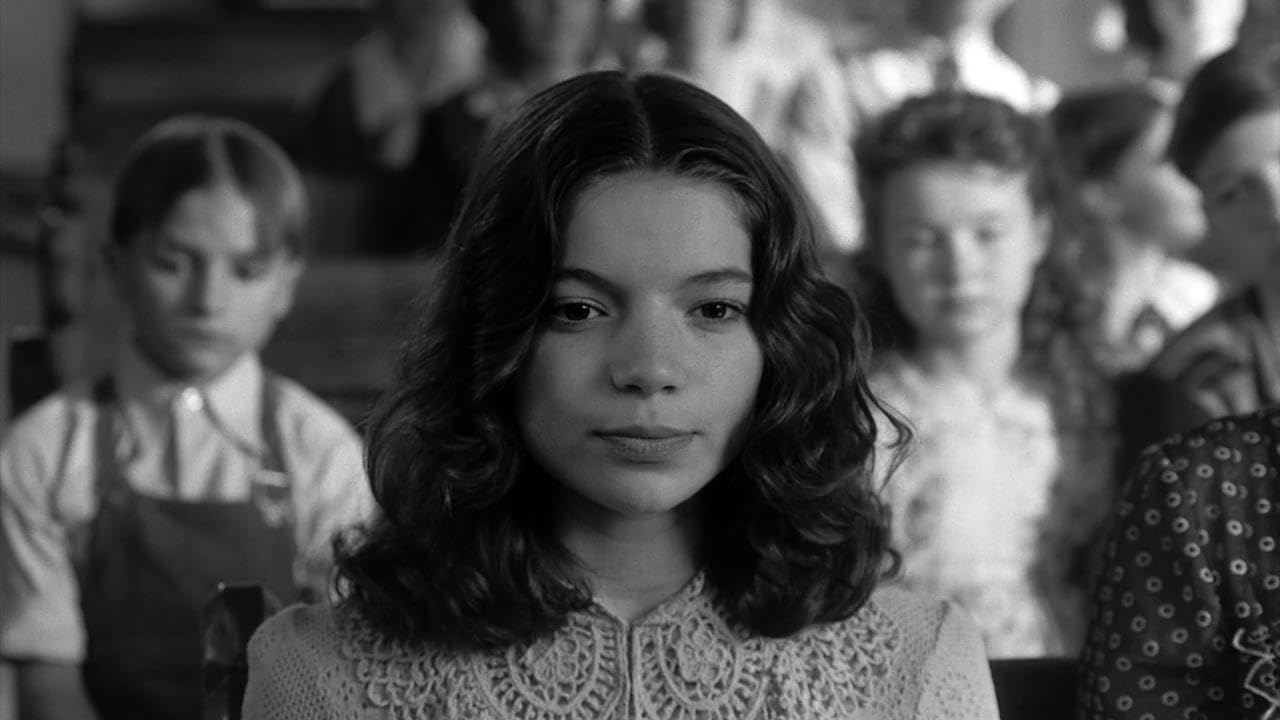
 Young Betty Page in church
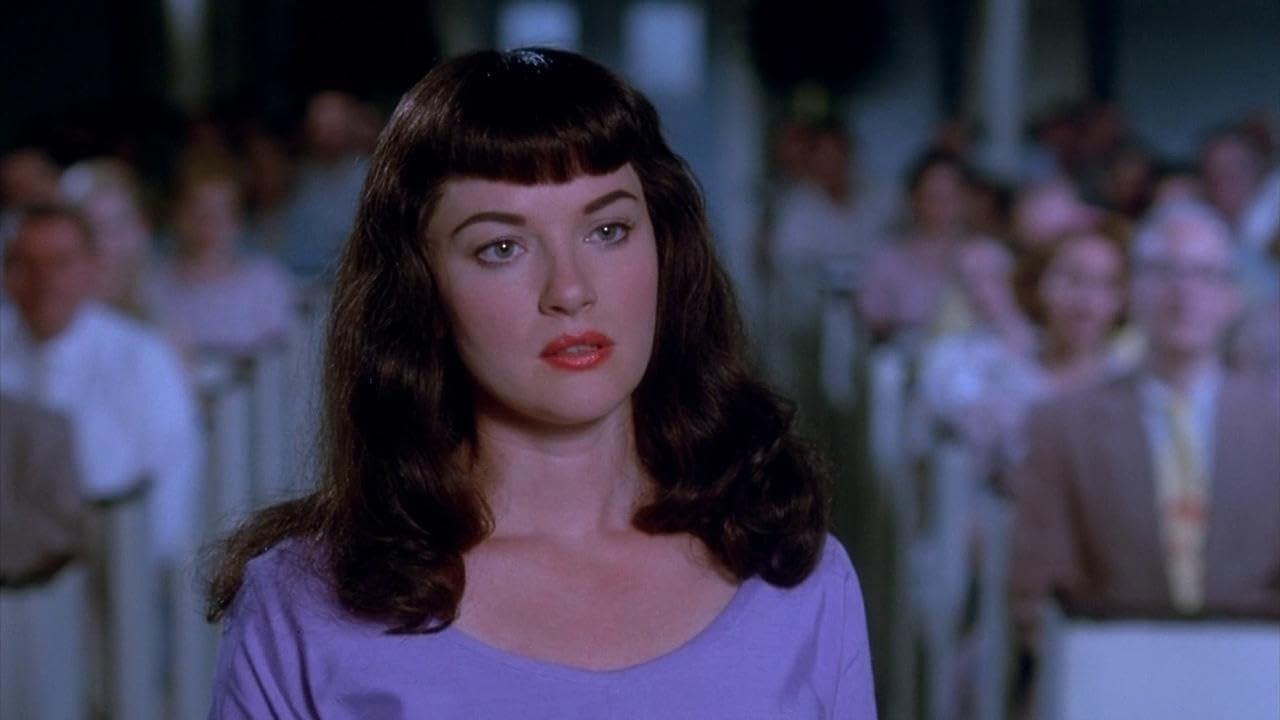
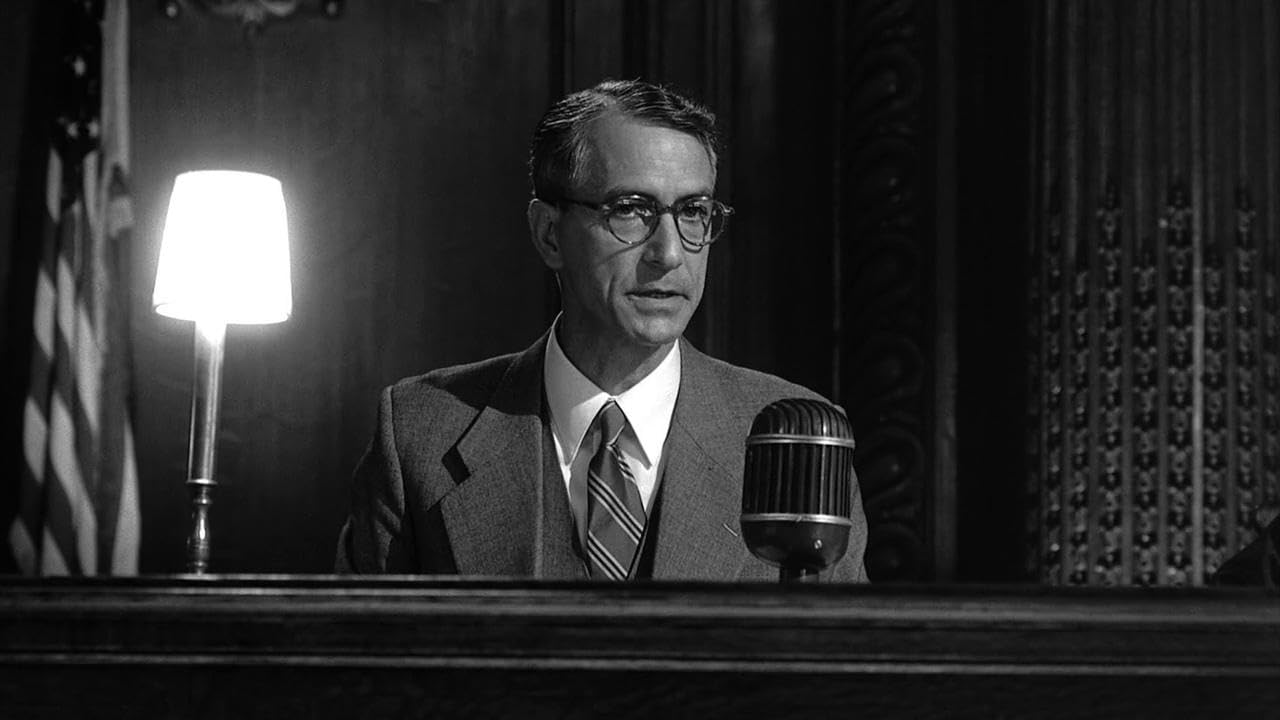
The film raises the moral aspects, showing the clash of puritanical America of the 50s with the nascent sexual revolution. We are shown the investigation of Senator Kefauver, who is trying to “fight filth.” “The Notorious Bettie Page” does not make moralists look like idiots, nor does it make the adult industry heroes. In the scene at the trial with the father, whose son committed suicide, there are no unequivocal assessments, the callous dad blames Betty and adult magazines for what happened, but he should have told how he raised his son so that he became interested in bondage techniques. The tragic irony of Betty’s fate is also revealed in a real case told by an eyewitness. Hollywood, releasing this film, essentially “fucked” Betty for the second time: the creators included an episode from her past about gang rape, which, as it turned out, no one except Betty and her first husband knew about at all. At Hugh Hefner’s screening, an elderly Betty Page screamed “No! No!” and she ran out of the hall in despair, feeling betrayed.
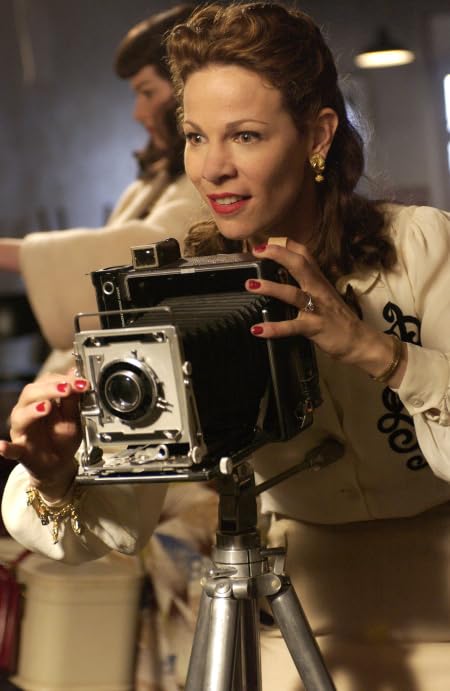
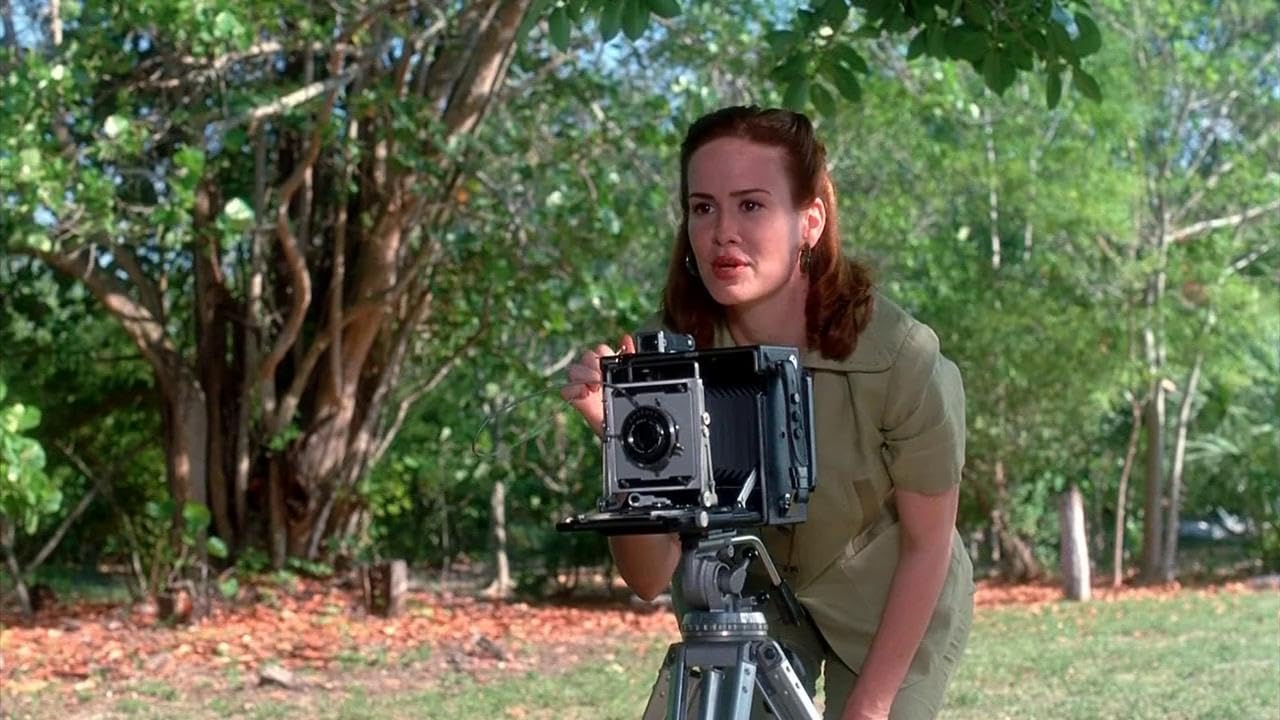
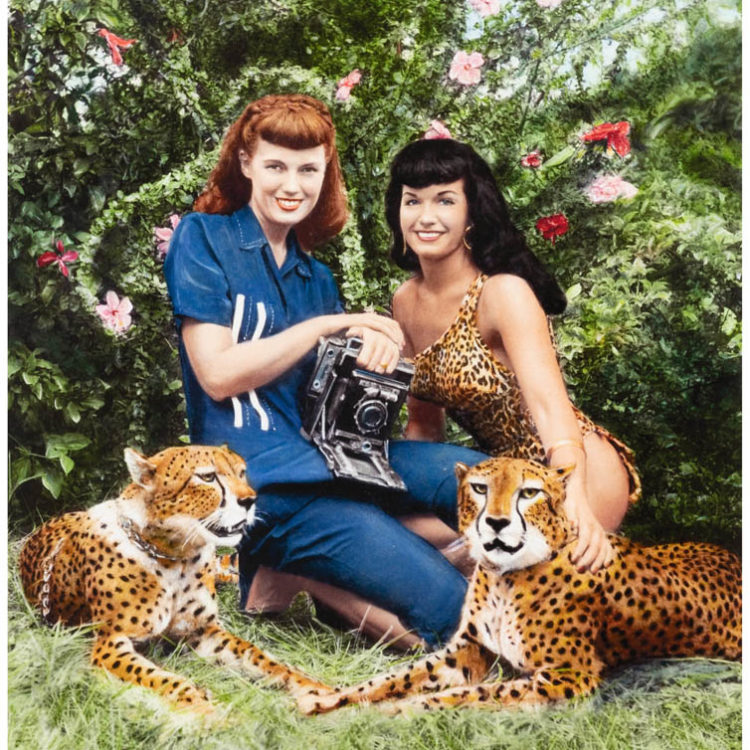
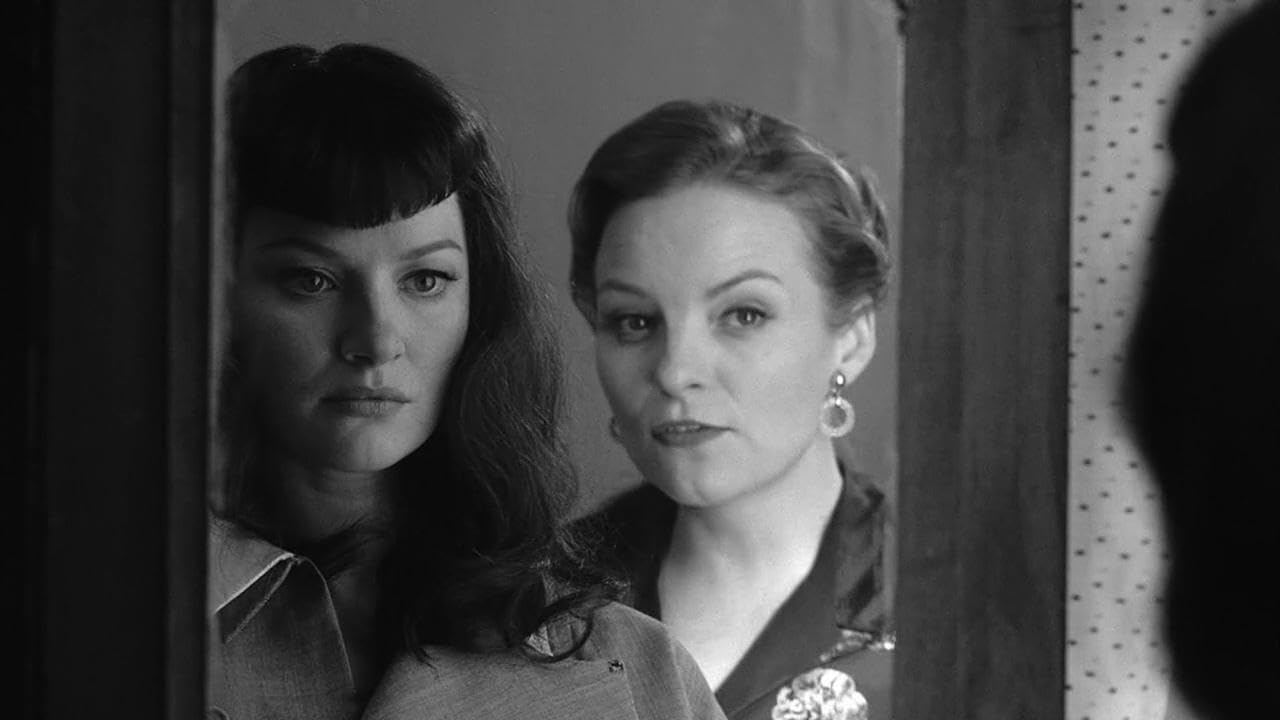
 Sarah Paulson as Bunny Yeager
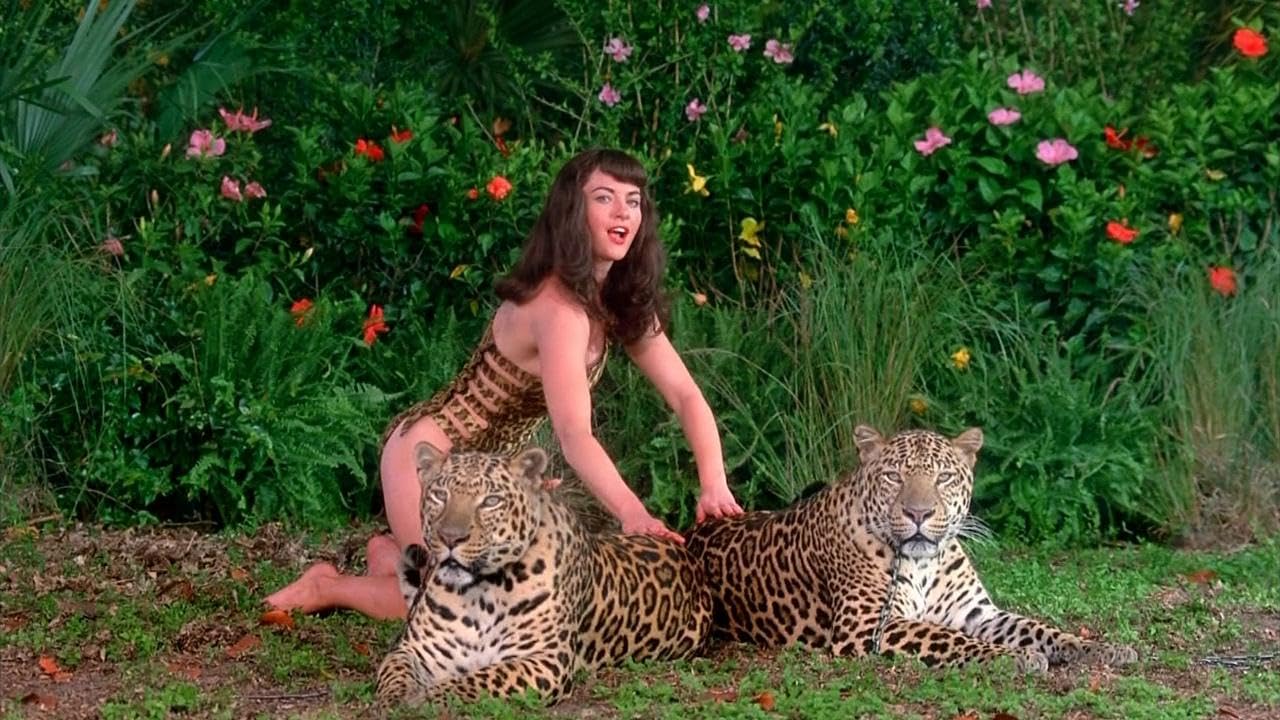
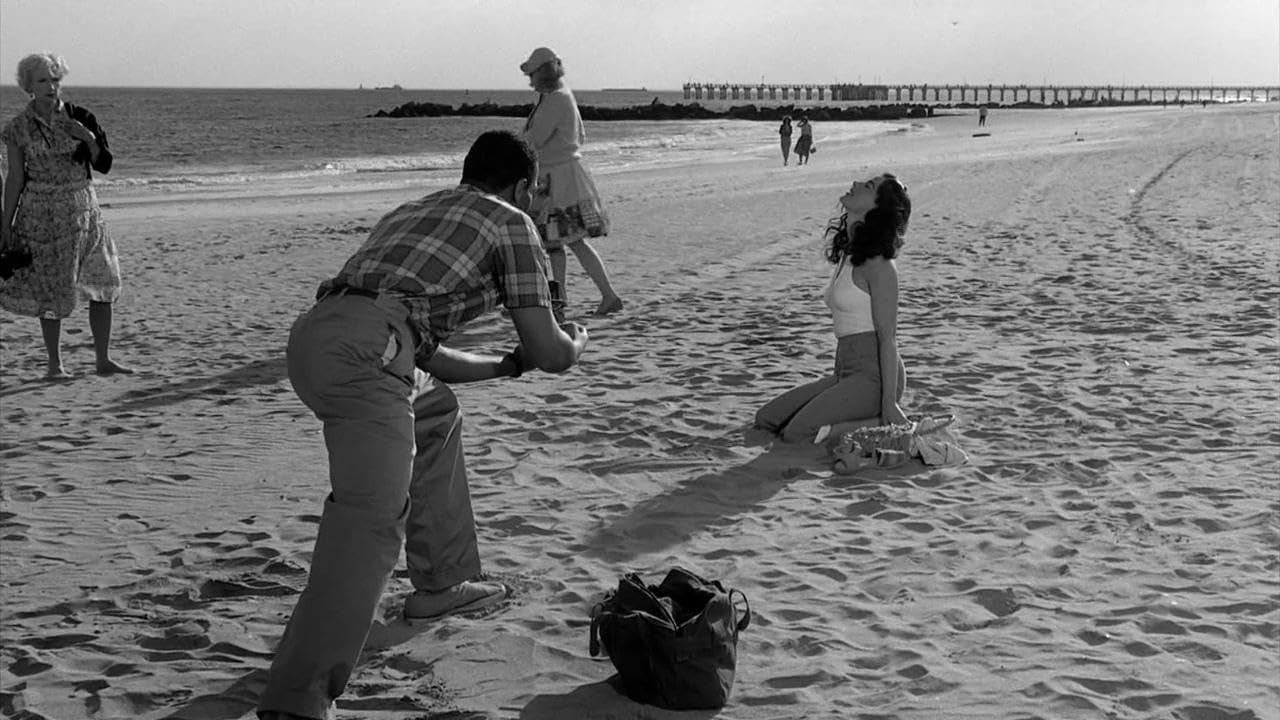
The main beauty of the film is Gretchen Mol, this is her real benefit. Not only is she physically strikingly similar to Betty, and she wasn’t shy about acting in an nudity-involving role, but she also puts that “American” smile and incredible naturalness into the image. Gretchen is not showing a sex symbol, but a real girl, for whom undressing in front of the camera is as natural as breathing. When Betty is asked to “do nothing” in acting classes and she starts taking off her stockings, it doesn’t look like vulgarity, but pure, almost childish simplicity. It is Gretchen Mol who makes the film endearing, despite the gloomy entourage of underground studios and the abundance of dubious characters.
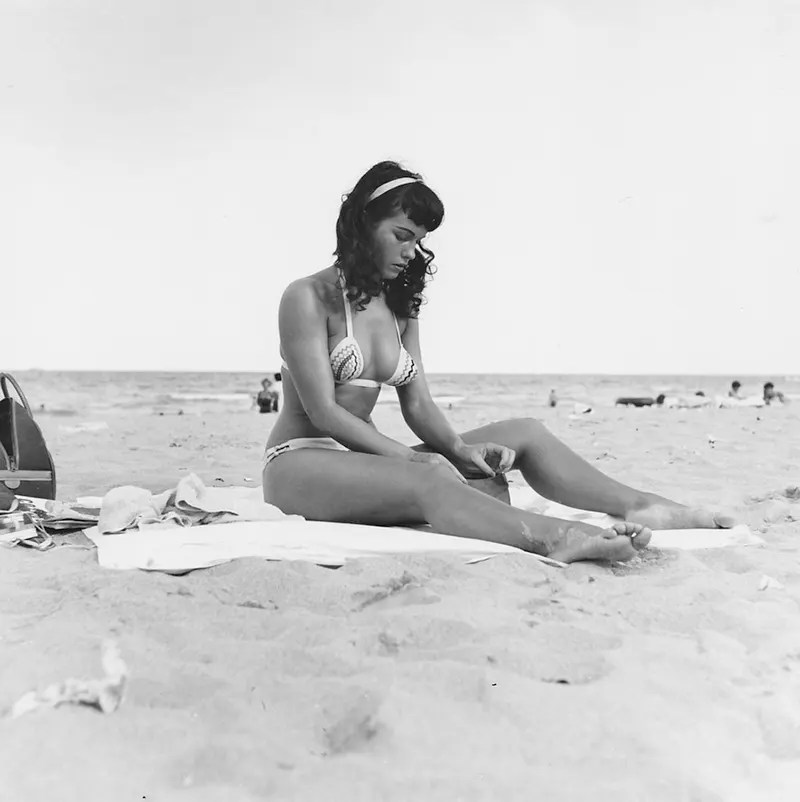
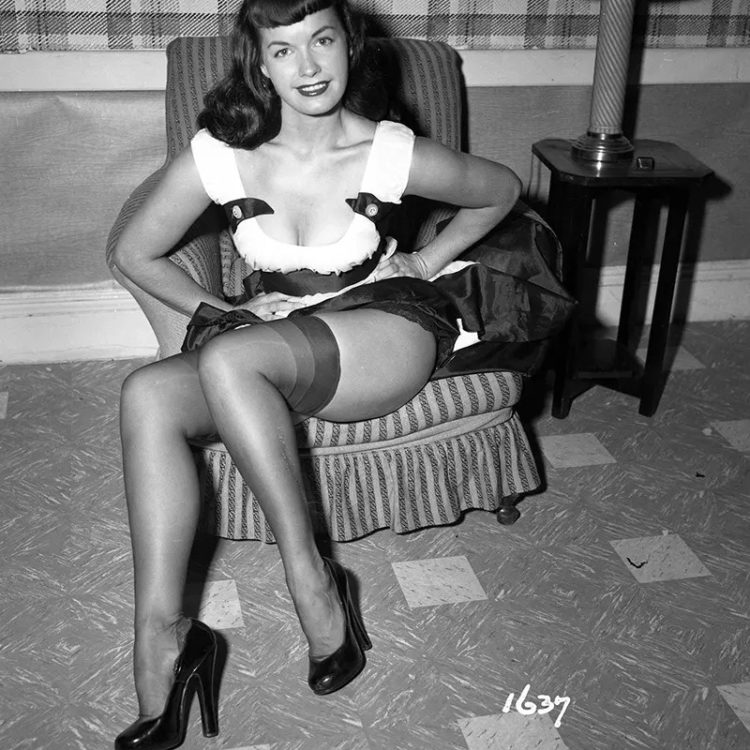
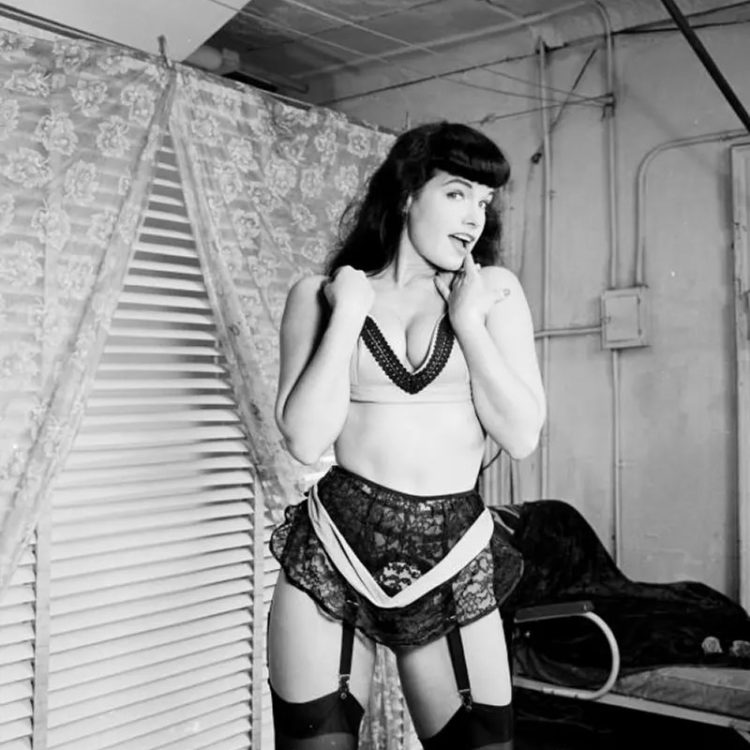
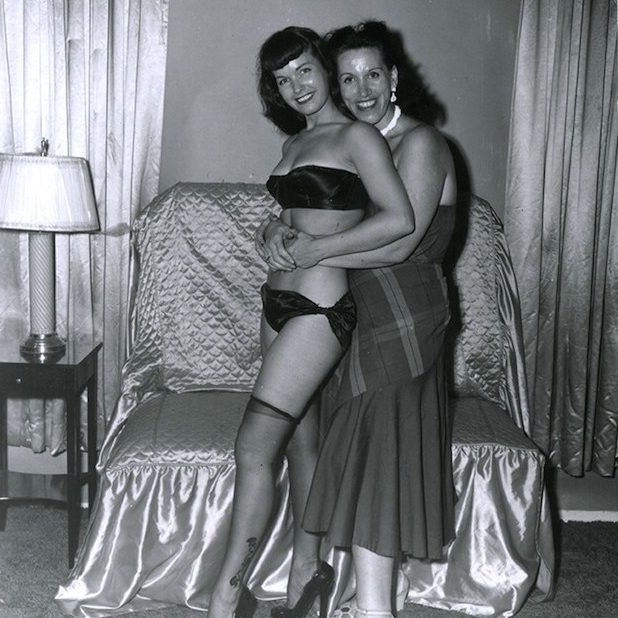
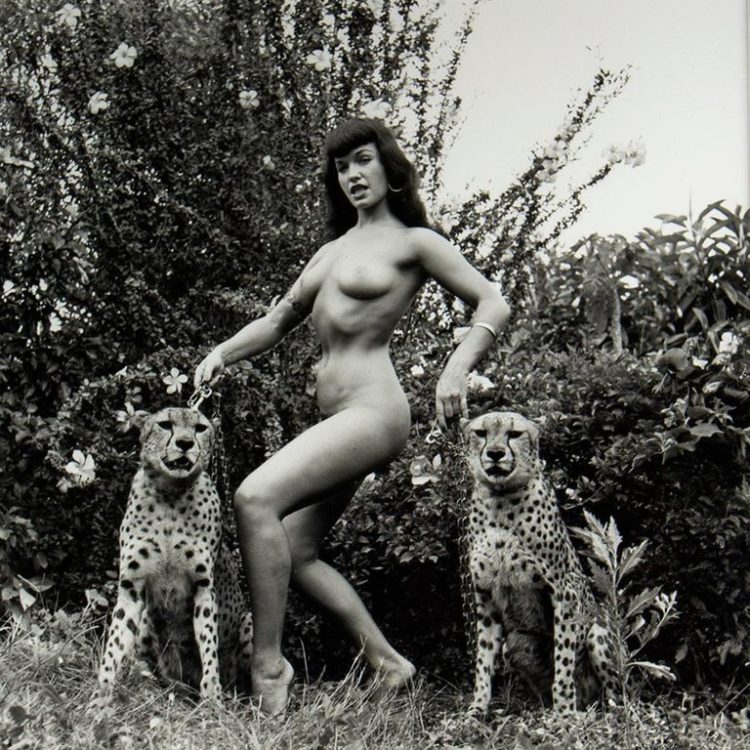
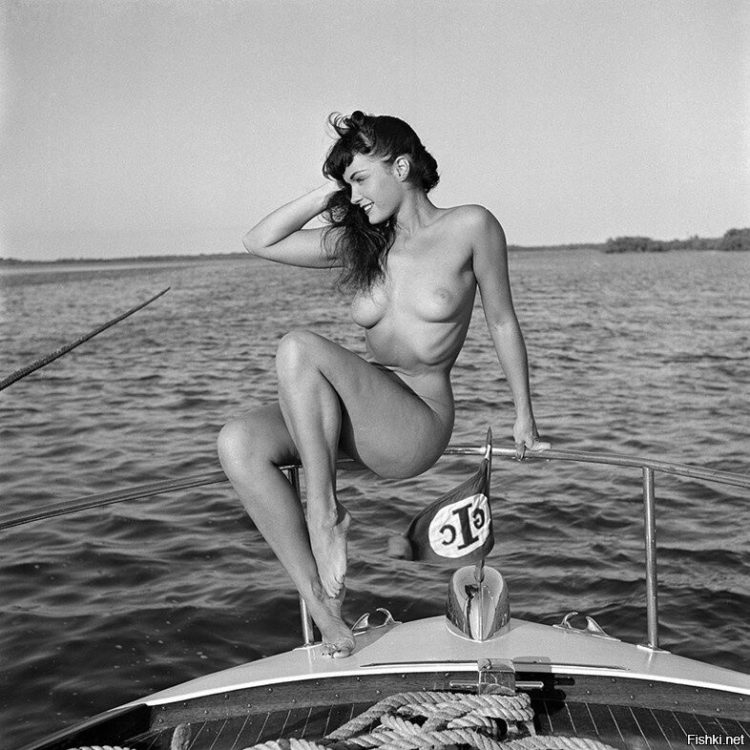
 The real Betty Page
The soundtrack deserves special mention. The film features songs by Patsy Cline, Peggy Lee, Julie London, as well as a lot of jazz and blues. Music creates the very feeling of nostalgia for a bygone era, where there were such forbidden pleasures, which now seem almost innocent.
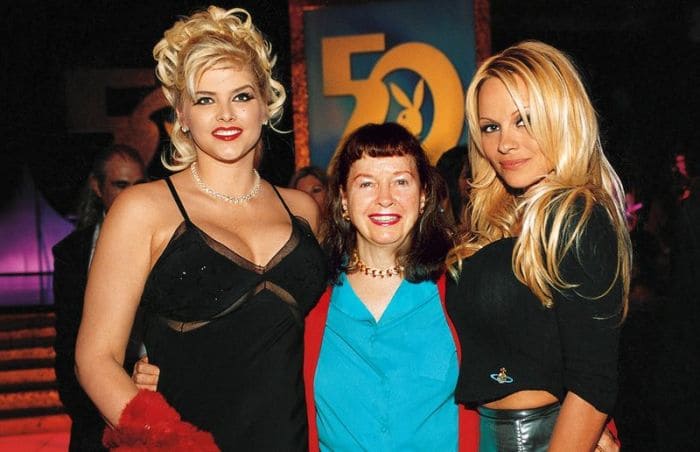
There are also cameos by Sarah Paulson as Bunny Yeager, Norman Reedus as Billy Neal, Betty’s first husband, and a couple of familiar faces from the Sopranos.
 Dangerous moment: you can do anything with Betty right now...
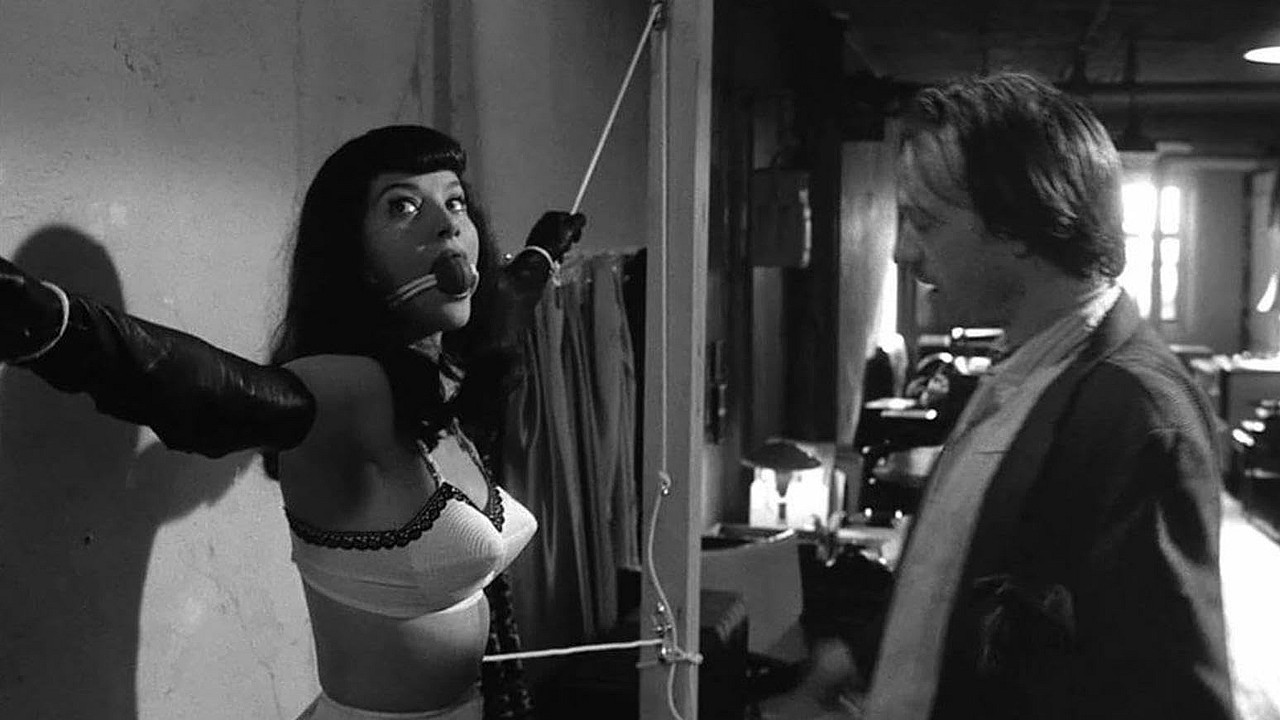
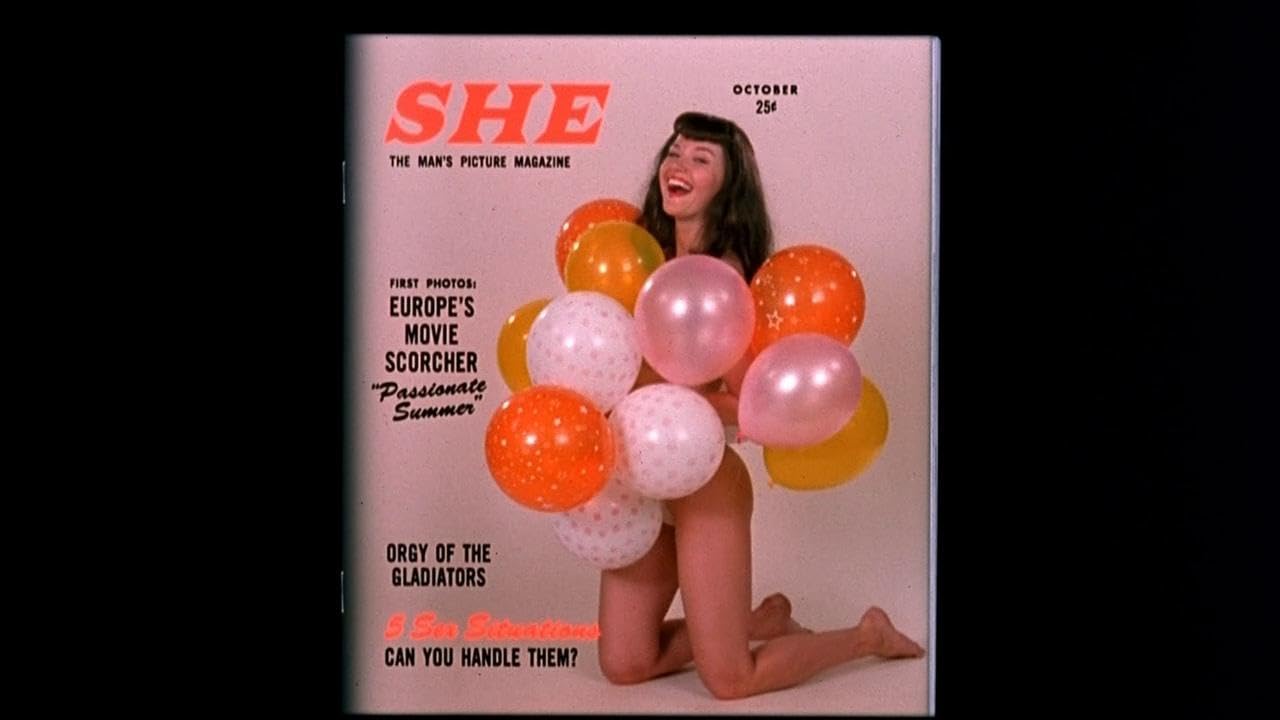
As a result, “The Notorious Betty Page” is a very worthy, albeit controversial movie. It’s superficial in terms of psychoanalysis (from there we never find out what was really going on in her head), but it’s incredibly stylish. This movie is dedicated to a woman who, unwittingly, became a sex symbol of America and changed attitudes towards eroticism. The first pin-up “bad girl” with a bow in her black hair eventually turned into a queen and formed a cult with millions of fans. Along with Marilyn Monroe, Betty Page became a pop culture phenomenon, spawning an army of imitators who still copy her famous bangs and perky look.