The Yankees made their unprecedented doodle in the first decade of August 1945, but Japan was not going to surrender, only the complete defeat of the Kwantung Army by Soviet troops a month later forced Hirohito to sign the surrender. The Korean peninsula, which had been under samurai rule for 35 years, suddenly found itself free. After all, the Yankees bring freedom to everyone, though often through a doodle. North of the 38th parallel, the Koreans who worked in production easily accepted Marxism and the help of the Soviets. South Koreans, being agrarians and, in fact, “Ukrainians,” rushed into the viscous embrace of capitalism.
Since both the South and the North considered themselves legitimate regimes, conflict was inevitable, but it did not begin until 1950. The United Nations, from which Soviet diplomats defiantly withdrew at that moment, sent an expanded contingent (90% Yankees) to Korea to counter the Northerners.
 Office romance
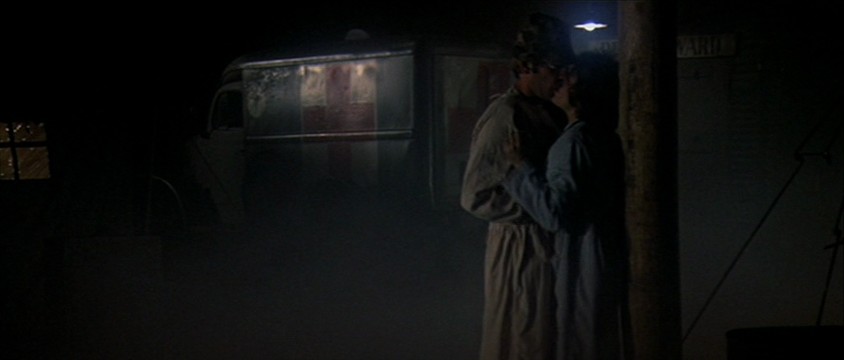
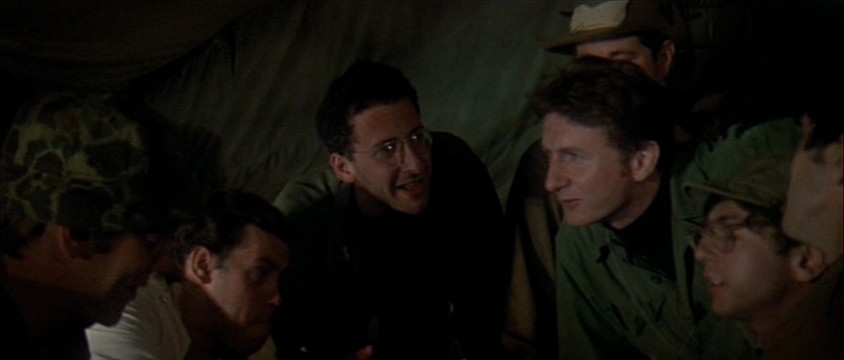
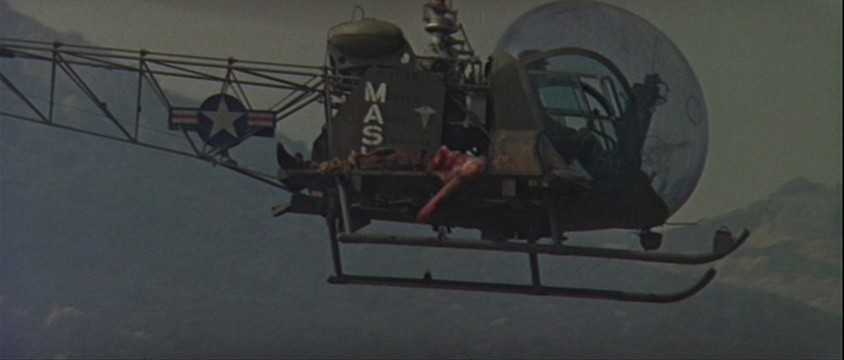
No one wanted to die, but they had to. M.A.S.H. is the Mobile Army Surgical Hospital. Richard Hornberger was one of the nameless hero doctors who saved the lives of private soldiers under an improvised canvas awning. The only thing that saved Konovalov from the nightmares of everyday life, the blood-red routine, was his sense of humor. Shameless in appearance, wise in essence. In 1968, Hornberger, with the assistance of military and sports journalist W. C. Heinz, took the pseudonym Richard Hooker and published M.A.S.H. – A Novel About Three Army Doctors.
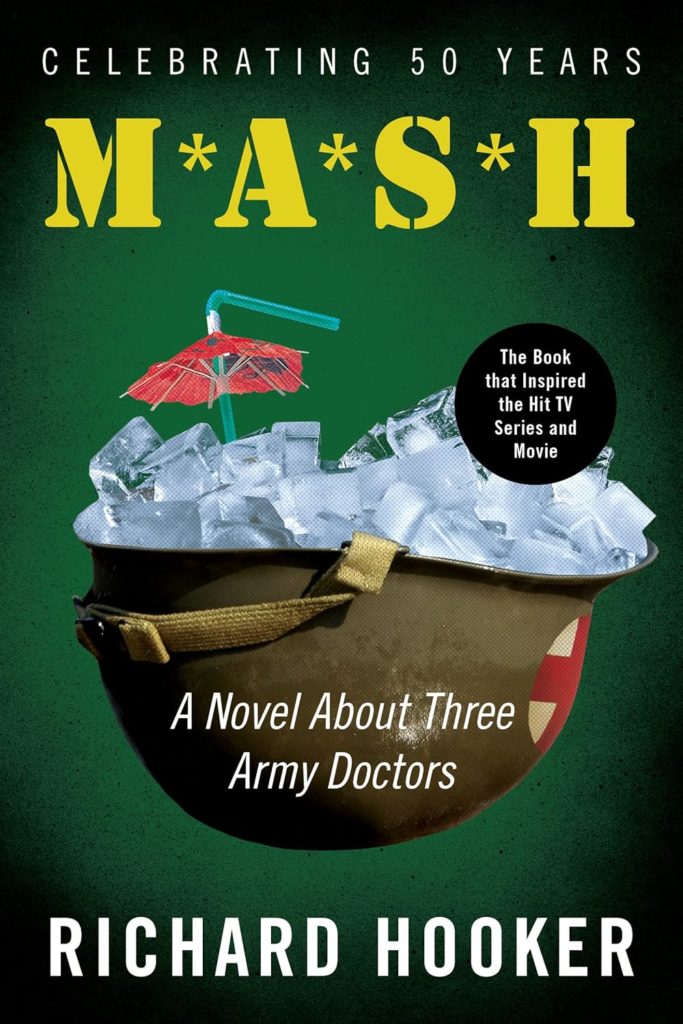
The book became the most serious statement about the wars of superpowers waged on the territory of third parties, and about the underside of the American military of those years, removing from the pedestal the hitherto iconic “Catch 22” by J. Heller. In those days, Americans still did not understand why their government was provoking mutual destruction, but they clearly knew that the sworn Soviet Union was to blame for everything. Meanwhile, Soviet Union regularly supplied coffins with the so-called “cargo 200” to the United States. And the “three hundredths” ended up on the tables of Hornberger and others like him. By 1967, the internal political struggle had allowed for bold anti-militarist statements. Hippies and other mental rickets were involved in the “anti-war” demarches. And I didn’t fucking depend on these performances. Although they thought otherwise.
 Hawkeye Pierce (Donald Sutherland)
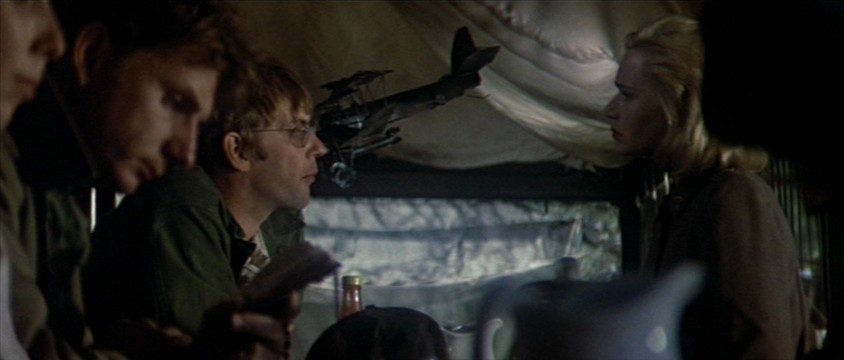
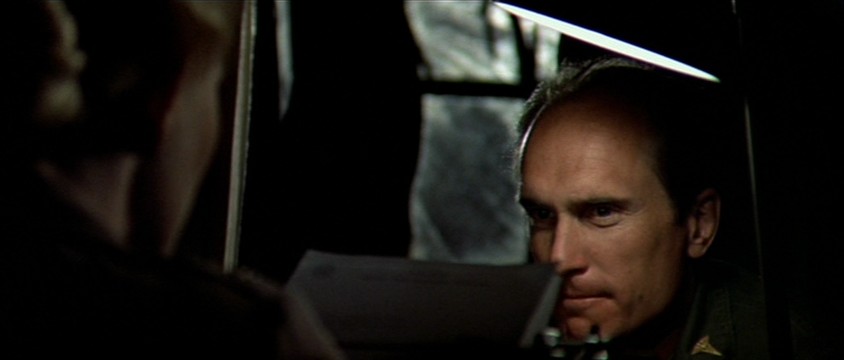
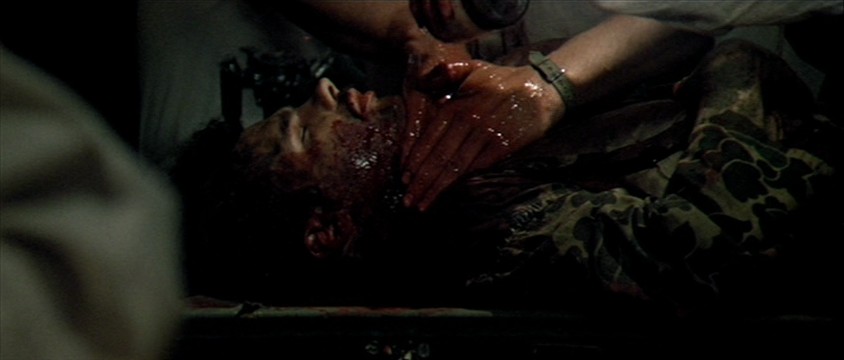
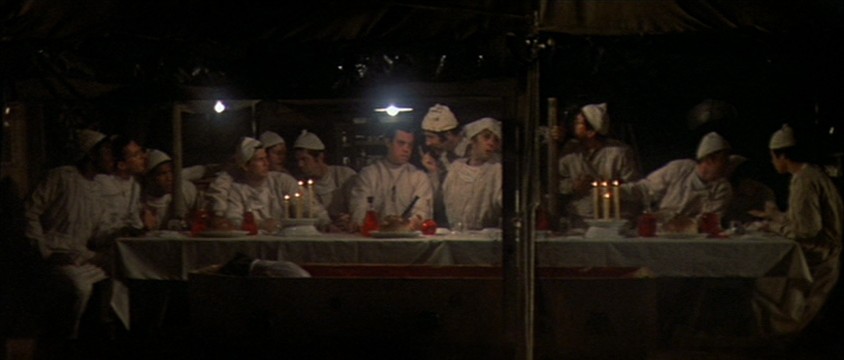
Robert Altman’s painting “M.A.S.H.” based on the script by Ring Lardner Jr. not only recouped production costs, but also brought wild profits for its time. Donald Sutherland was cast as Captain of the Hawkeye Pierce. The film was nominated on seven counts, taking only one Oscar for “best screenplay based on the book.” The title song is worth mentioning separately. Initially, director Robert Altman was preparing it for a single scene, he gave composer John Mandel only two technological tasks: the theme will be called “Suicide Is Painful” and will be the stupidest song in the world. As Altman himself said, his forty-five-year-old mind was not capable of producing anything stupid enough, so he delegated poetry to his fifteen-year-old son Mike. The result exceeded expectations, director Altman made the title piece, and later ironically complained:
“I only earned $70,000 on M.A.S.H., and my son has already become a millionaire thanks to that stupid text.”
It should be noted that the text is not so stupid, rather it is a philosophical statement wrapped in the lace of music. A theme that has been repeatedly replayed is worth remembering in The Shadows version, where plush brass players shuffle their paws in front of Hank Marvin’s cricket guitar.
The Shadows – Suicide Is Painless (M.A.S.H. Theme)
The orchestral variation became the leitmotif for the television series, which was broadcast on Russian television as “The Damn Service at the MASH Hospital.” The main violins are played by Alan Alda as Captain “Hawkeye” Pierce and Gary Berghoff, who migrated from the feature film, still in the same role as “Radar” O’Reilly. If Hawkeye rules regularly, building the foundation for Dr. House, then Radar, being always on the lookout, occasionally gives heat, and his drum solo generally gives odds to many buddy-riches. Unfortunately, Alan Alda’s increasing popularity was not liked by his accomplices. The departure from the show of Wayne Rogers, who perfectly portrayed Pierce’s partner “Trapper John”, was a huge loss that even the sister of “Hot Lips” O’Houligan, played by Loretta Sweet, could not brighten up.
 Hawkeye and Trapper John
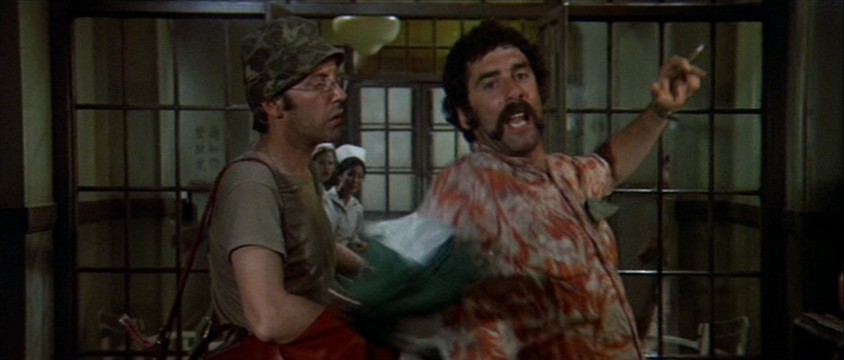
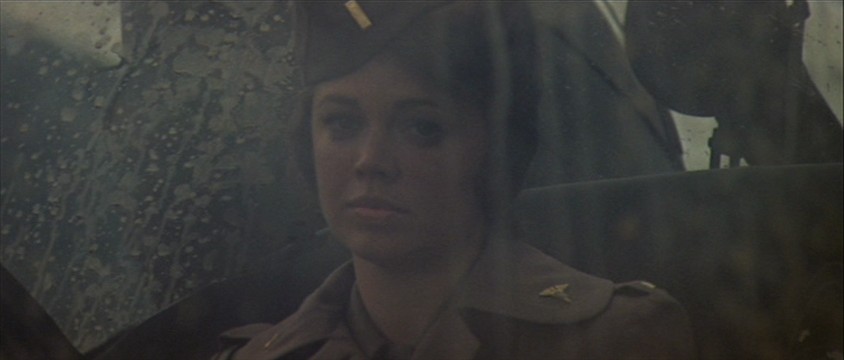
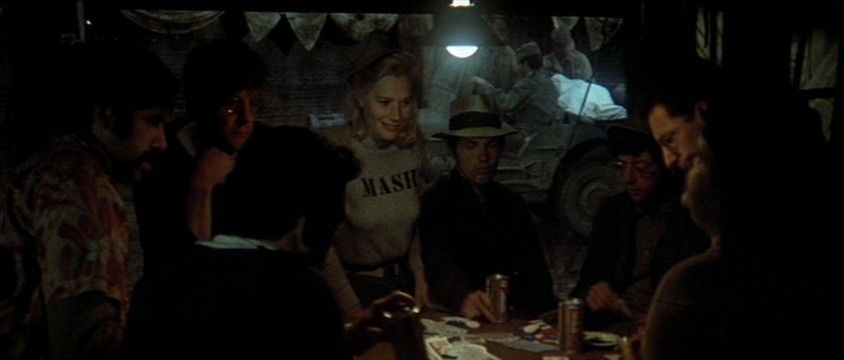
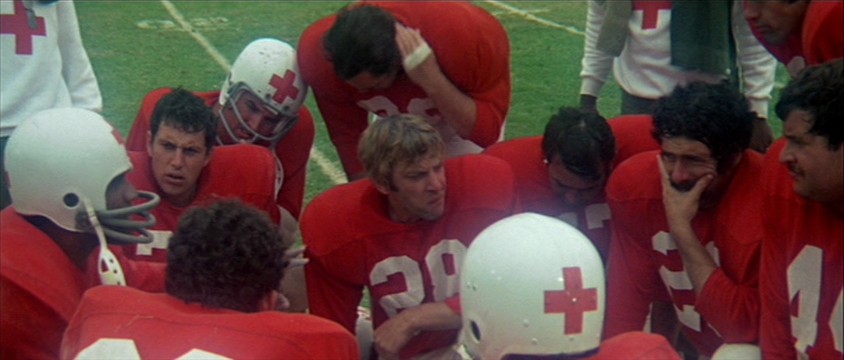
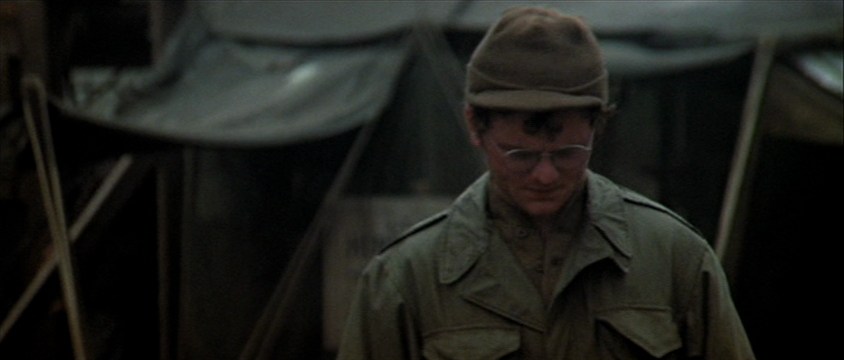
Simultaneously with the series, Hooker’s second book (this time only by Hornberger) “M.A.S.H. goes to Maine” was released, which tells about the post-war practice of Hawkeye in peacetime. The franchise purchased by the book publisher continued in more than a dozen books written by the ghost writer William Butterworth without any assistance from Hooker, who was announced on the covers. It should be noted that Butterworth, in his books, rolled on the bearings of satire of all the iconic personalities of our time. That’s how Pavarotti turned into a trashy Korsky-Rimsakov tenor.
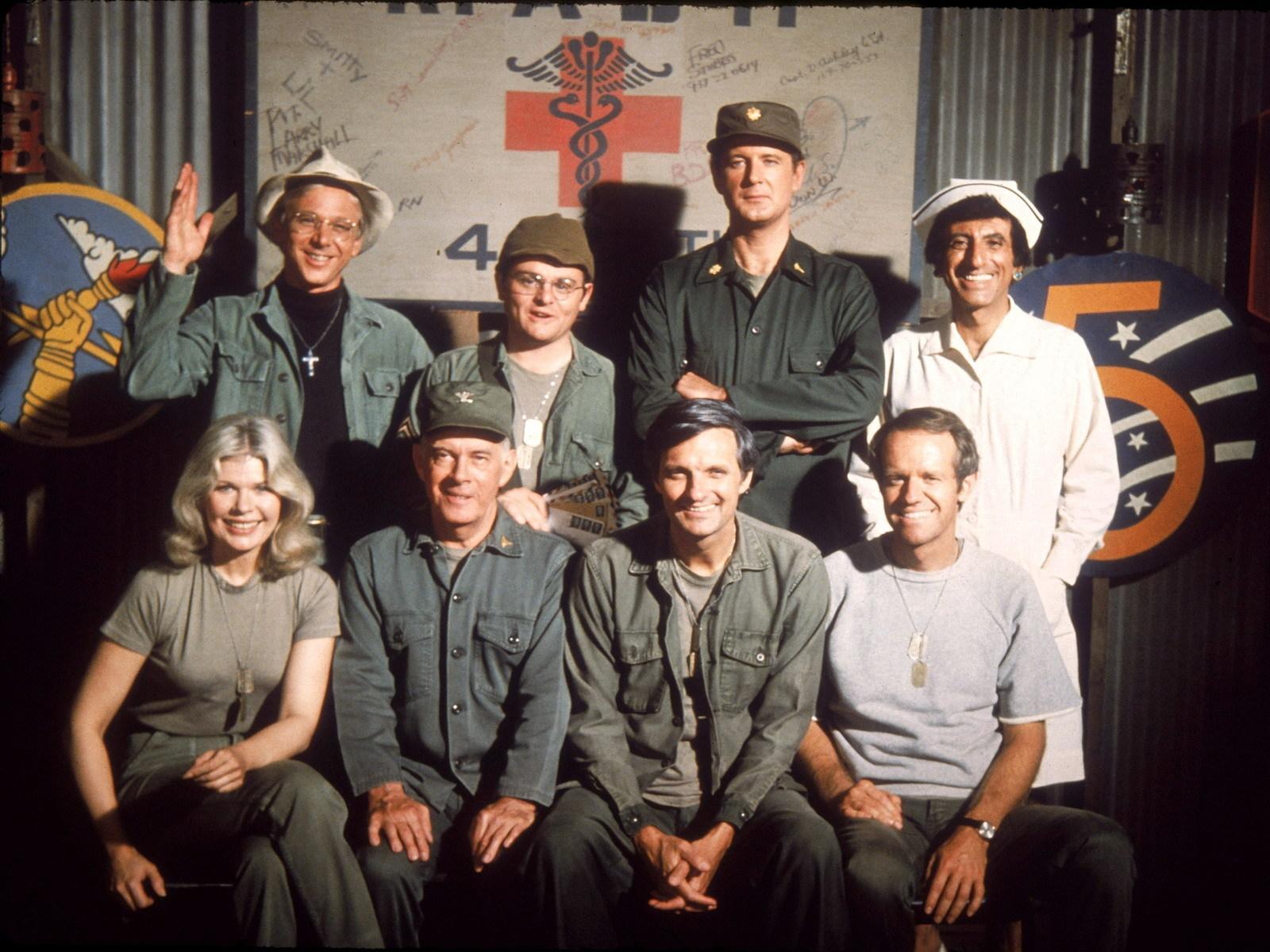
Meanwhile, the series slowly turned from a comedy, albeit clever and ironic, into a political statement. Founder and screenwriter Larry Gelbart left his brainchild after the fourth season, while Alan Alda felt on horseback, having received seven Emmy Awards from more than twenty nominations. Hawkeye began writing scripts and directing, first only in the series, and then on the big screen. At some point, Alda became such an influential figure outside of cinema that when a certain journalist started a rumor that the actor was going to run for senator, everyone believed it, except Alan himself. However, the scenarios of each new episode became darker. The actors began to show genuine fatigue, typical of military doctors. A real-life paramedic recalled how he and his colleagues in Korea kicked a dummy for weeks, after which the wounded went to the hospital a thousand a day. For two surgeons in the entire tent hospital, this is an unopened basin of the most cynical sketches.
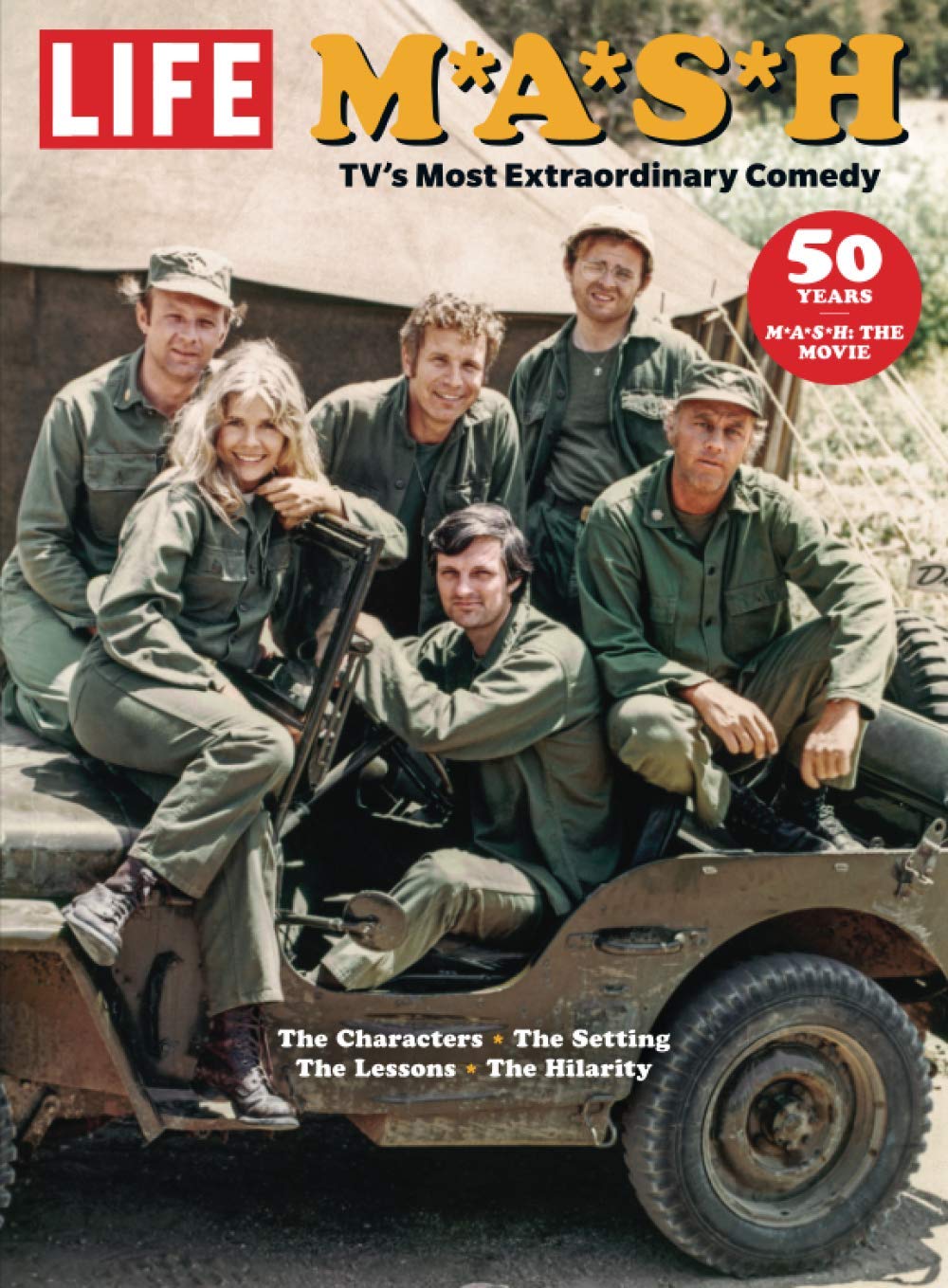
The series “M.A.S.H.” was broadcast from September 17th, 1972 to February 28th, 1983. In the year of the end of the main series, Larry Gelbart launched a new show, “AfterMASH,” which also featured Burt Metcalf, a producer and screenwriter who remained at M.A.S.H. from the first to the last series. Despite the original cast of authors, critics recognized the story as “one of the worst ideas on television.” The story about the Radar “W.A.L.T.E.R” did not go beyond the pilot episode at all. Nevertheless, the first seasons of “M.A.S.H.” raised the bar of smart comedy to a height that no one could reach for a long time, and such criticism of American militarism is completely impossible today. When yesterday’s sybarite sets the guts in the gutted stomach of yesterday’s schoolboy, the viewer suddenly realizes that behind all the jokes lies a deep understanding of the tragedy and absurdity of what is happening. When one well-fed person throws legions of hungry people into battle, so that they, God forbid, do not devour him.