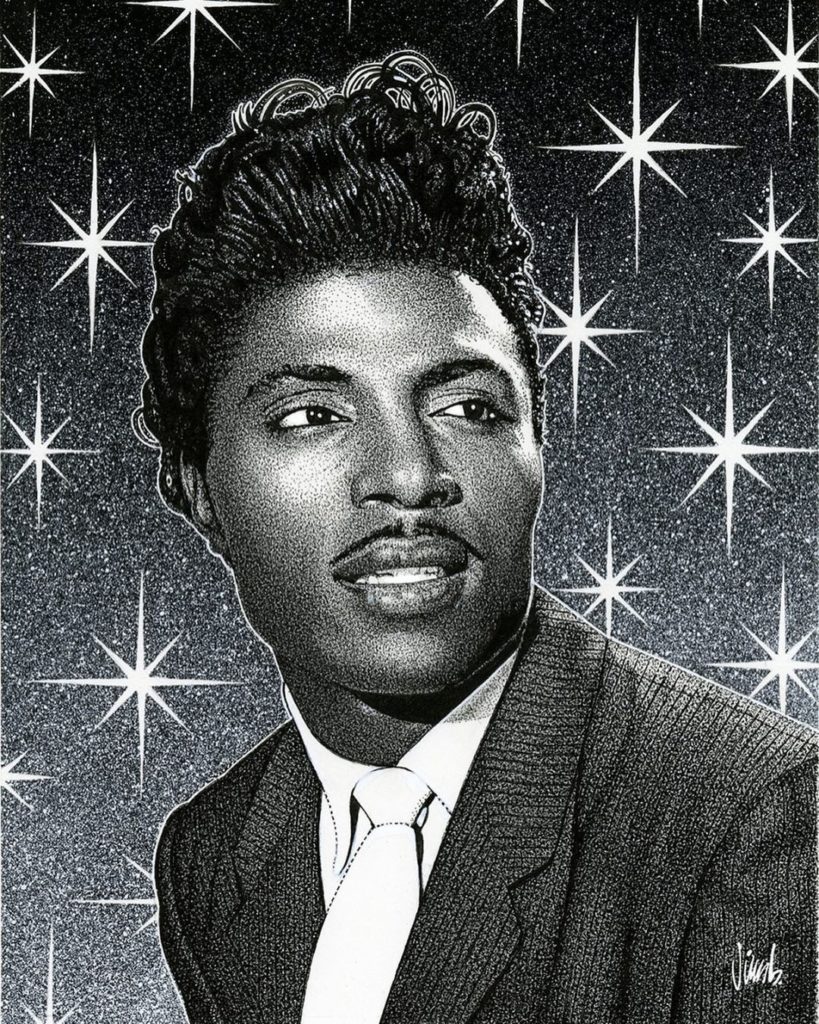
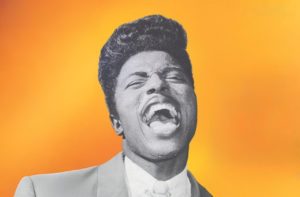
Little Richard, born on December 5, 1932, in Macon, Georgia, under the name Richard Wayne Penniman, was an elemental force who not only played rock and roll, he was rock and roll himself. With a voice that was a volcanic mix of evangelical fervor and primal screaming, and a percussive piano playing style, he shaped the sound and spirit of the genre. His flamboyant persona and unbridled sexual expression paved the way for new generations of performers, from Mick Jagger and David Bowie to James Brown and Prince.
His teacher, Sister Rosetta Tharp, recognized his talent early on. For the rest of his life, he was worshipped by subsequent musical Olympus icons: James Brown praised him for “giving funk a rhythm”; Bob Dylan longed to join his band someday; Paul McCartney and hundreds of other musicians mastered his wild, raucous, screaming singing style. Jimi Hendrix, as you know, first played in Little Richard’s band, but was fired for pulling the blanket too much on himself, and then tried to do with his guitar what Richard did with his voice.
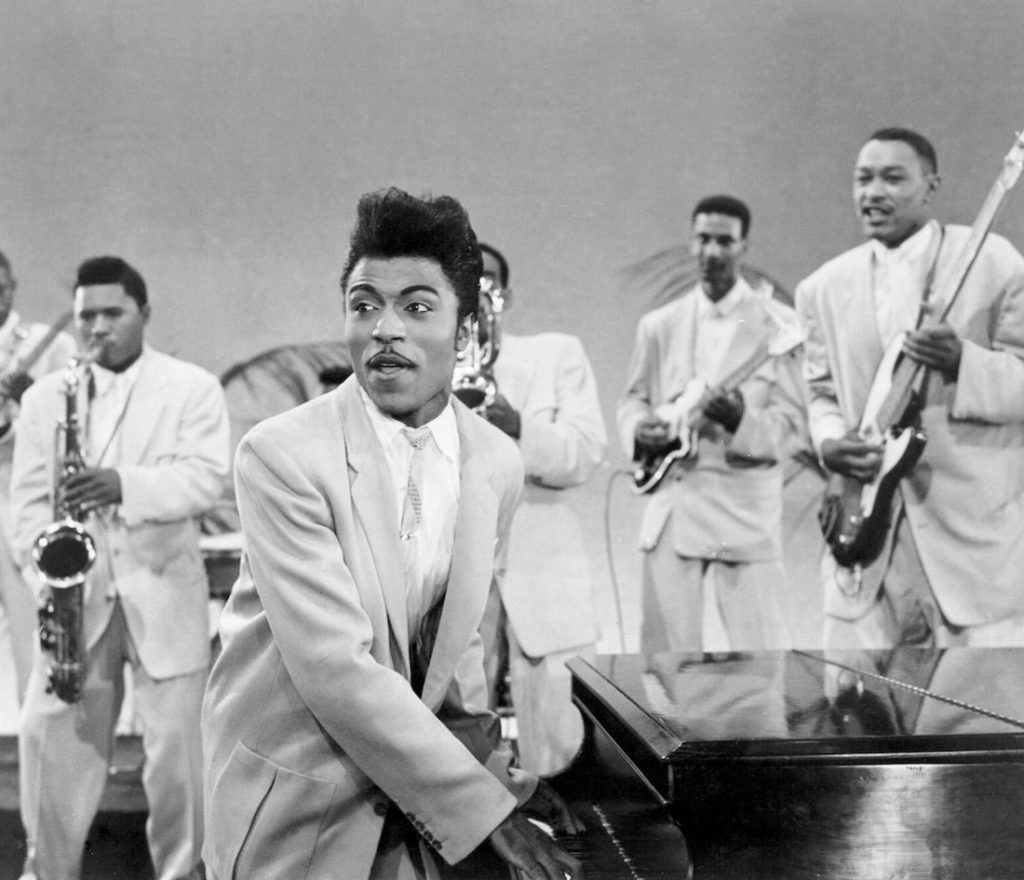
His magic manifested itself on Los Angeles Specialty Records (1955-1957), where he recorded his most impressive hits. Only three singles topped the Billboard R&B charts, but his influence overshadowed the rest of the chart participants, shaping the very essence of popular music. Below are 10 of his most famous rock and roll anthems, the foundation on which so much pop music was built. He was called the Architect or even the Quasar of Rock and Roll. His manner can also be heard in the voices of modern neo-rockabilly artists such as Nick Curran or J.D. McPherson.
10. Ready Teddy (1956)
“Ready Teddy” is an explosive track that is an exciting two—minute sprint of sexual anticipation disguised as a dance number. The song was originally the B-side to “Rip It Up”, but in 1956 it fell a little short of the top 40. Richard later recalled about the song he co-wrote with John Marascalco and producer Robert Blackwell: “They brought me the words, and I came up with the melody… I really made them hits.” His vocals are a relentless force that almost drowns out the rhythm section.
Famous covers: Elvis Presley, Buddy Holly, Adriano Celentano.
9. Jenny, Jenny (1957)
“Jenny, Jenny,” a masterpiece of manic, repetitive energy, is not so much a song as a tool to express Little Richard’s obsessive animal passion. The song was inspired by the outstanding session musicians from New Orleans at Cosimo Matassa’s J&M studio, especially Lee Allen’s tenor saxophone and Alvin “Red” Tyler’s saxophone. Little Richard’s Scream is an example of a laid—back rock standard that turns simple repetition into something exciting.
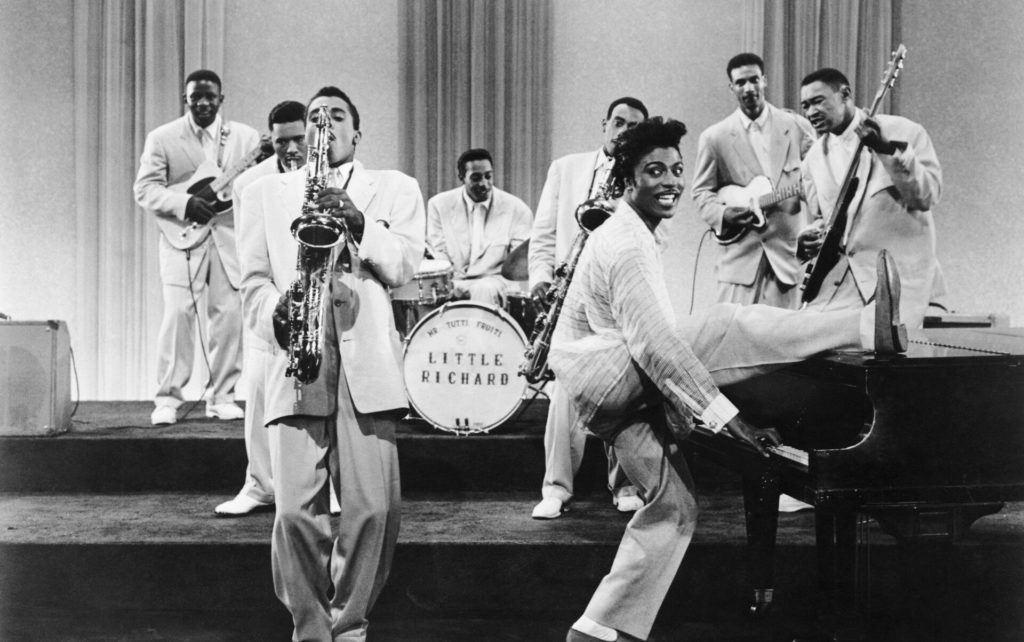
8. Keep a Knockin’ (1957)
This song is a defining leap from jump blues to rock anarchy, pure, rising noise. To the iconic double shuffle intro of drummer Charles Connor, whom John Bonham later paid homage to in the song “Rock and Roll”, Richard furiously performs the main line. The original song dates back to 1928, but Richard’s version, which made it his own, has become a benchmark.
Famous covers: Everly Brothers, Led Zeppelin.
7. Slippin’ and Slidin’ (1956)
This B-side to the monumental song “Long Tall Sally” has become a classic in itself. Richard took an earlier, slower rhythm and blues version of Eddie Bo’s “I’m Wise” as a basis, accelerated it and, releasing the song a week after Bo, completely eclipsed its predecessor with his rock and roll flurry. It revealed his percussive piano “trick” that defined the sound.
Famous covers: The Band.
Eddie Bo – I’m Wise:
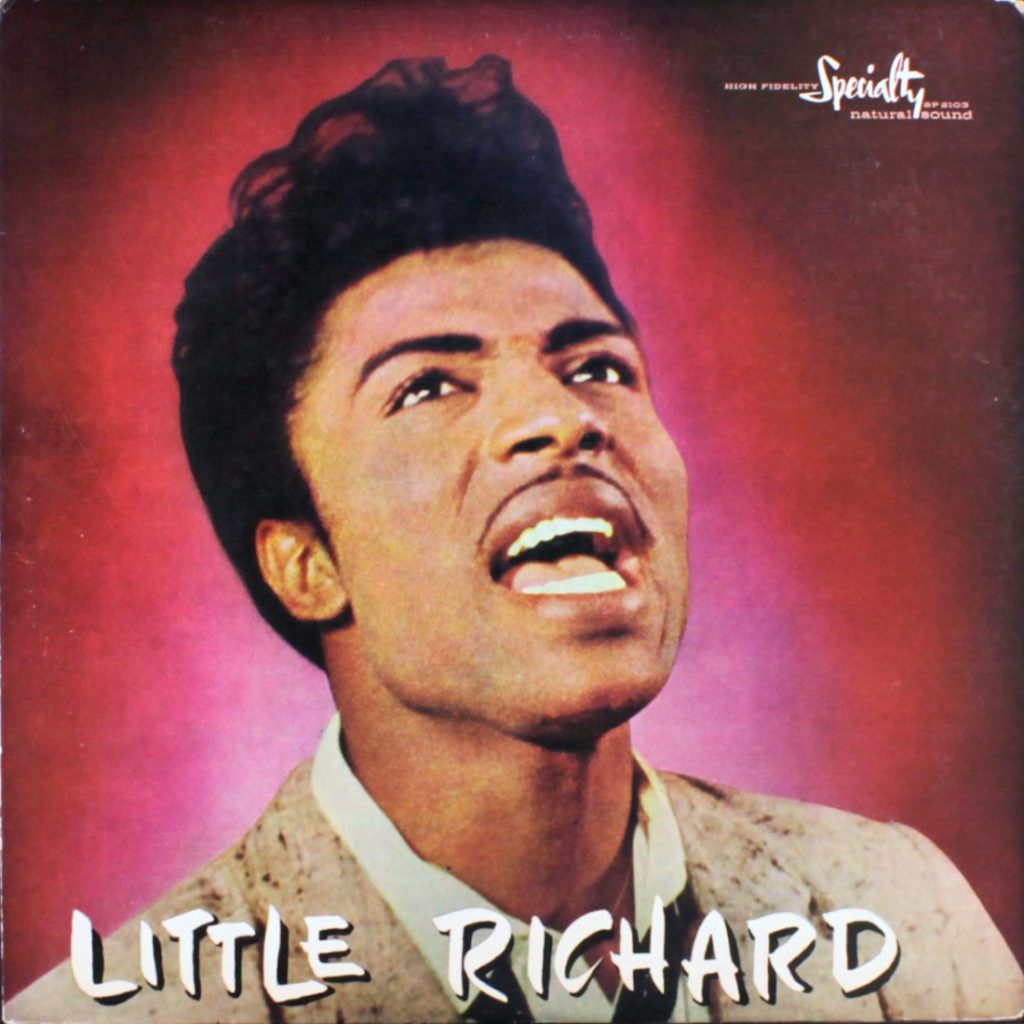
6. Rip It Up (1956)
This time-tested story about how to spend a weekend became Richard’s second rhythm and blues hit to top the charts. Written by Robert Blackwell and John Marascalco, it was so popular that it was performed by all the giants of the 50s era. However, Richard’s version had a deceptive, groovy lightness, a playful falsetto sounded in the chorus, and his remarkable vocal abilities were demonstrated in the verse. In the movie Elvis (2022), it is shown that Elvis allegedly communicated closely with Little Richard, but the white King considered the black King as a rival and, in addition, he was tormented by the thought that he did not invent rock and roll, but Richard.
Famous covers: Elvis Presley, The Everly Brothers, Chuck Berry, Buddy Holly, Bill Haley.
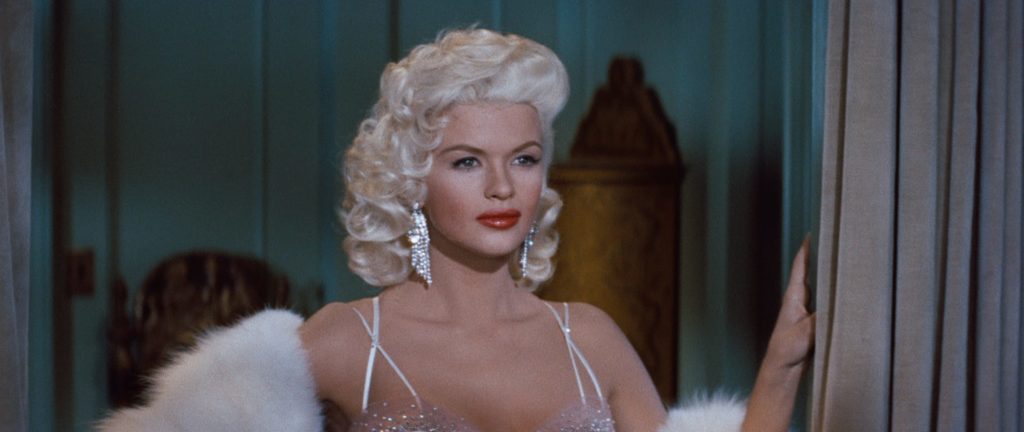
5. The Girl Can’t Help It (1957)
The title song to the landmark 1956 Jayne Mansfield film, written by Bobby Troup (author of Jingle Bell Rock) and originally intended for Fats Domino. Richard made her his, playing with a grin and raucous vocals. The film, which also starred Gene Vincent and Eddie Cochran, impressed young John Lennon in the summer of 1957 by showcasing his idols. Richard’s performance turns the swinging beat into evidence of unbridled sexuality.
Famous covers: The Animals.
4. Lucille (1957)
This more bluesy and measured shuffle, written in collaboration with Albert Collins, became Richard’s last “number one hit” on the Specialty label. Recorded in a low register, with an intermittent structure and desperate, pleading vocals — especially his rough cry in the “seal” of the song “Lucille” — heralded a new direction of rock and pioneered sexy manic passion.
Famous covers: Everly Brothers, The Beatles, Deep Purple, AC/DC.
3. Good Golly, Miss Molly (1958)
For the hit, written with previous collaborators, Richard borrowed the title phrase from DJ Jimmy Pennick and half-copied Ike Turner’s piano intro from Rocket 88. He confessed, “I’ve always liked this record… when we were looking for an introduction… I did it, and it came up.” This song, where his voice reaches its climax, has become one of the most enduring anthems.
Famous covers: Jerry Lee Lewis, Creedence Clearwater Revival, Mitch Ryder & Detroit Wheels.
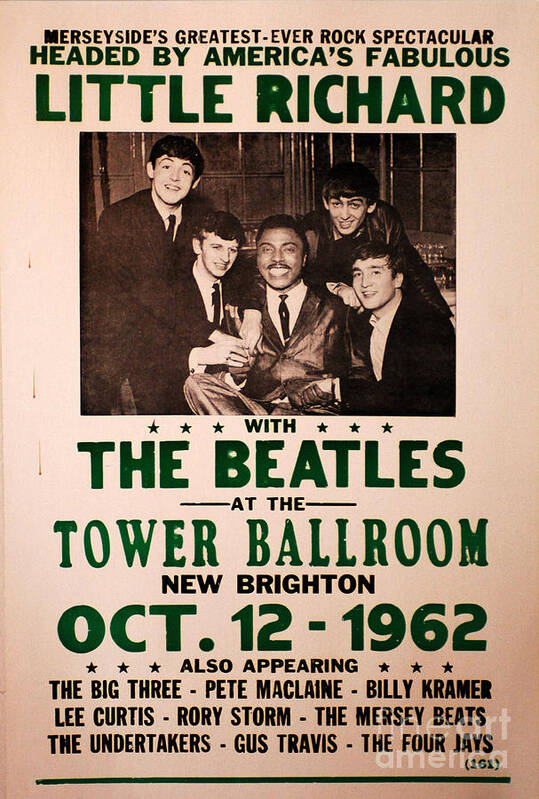
2. Long Tall Sally (1956)
This song, originally called “The Thing”, cemented Richard’s star status. It became his first No. 1 record, staying at the top of the charts for 19 weeks. The lyrics, which feature Uncle John and long-legged Sally, hinted at something obscene and possibly illegal. Her powerful and impetuous delivery has made her a kind of rite of passage for many bands.
Famous covers: The Beatles, Elvis Presley.
1. Tutti Frutti’ (1955)
A masterpiece that shocked the world. Her meaningless refrain—“A-wop-bop-a-lu-bop-a-lop-bam-boom!”—became a revolutionary battle cry. The song began as an obscene club number with deliberately explicit lyrics, including the original chorus: “Tutti frutti, good booty / If it don’t fit, don’t force it/ You can grease it, make it easy”. Producer Chris Blackwell hired author Dorothy Labostri to soften the lyrics for the general public, turning the unambiguous refrain from “good booty” into a more veiled “tutti frutti, aw rooty.” This cleaned-up version turned a rough, carnal delight into a 2.5-minute song that changed popular music forever.