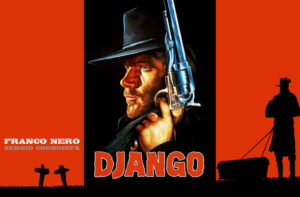
The sixties of the last century were the time of the birth of many screen legends that continue to live in the second quarter of the 21st century. One of them was released on world screens on April 6, 1966, and the name of this legend is Django.
It is unlikely that Sergio Corbucci, 39, who had a hand in creating peplums and parodies of big movies, could have imagined that the proposal of aspiring producer Manolo Bolognini to shoot a box-office western and thereby save him from bankruptcy would turn out to be not just a movie success, but would give rise to a special version of the classic genre, with an unchanging and ageless hero.
 Django, the stranger from nowhere
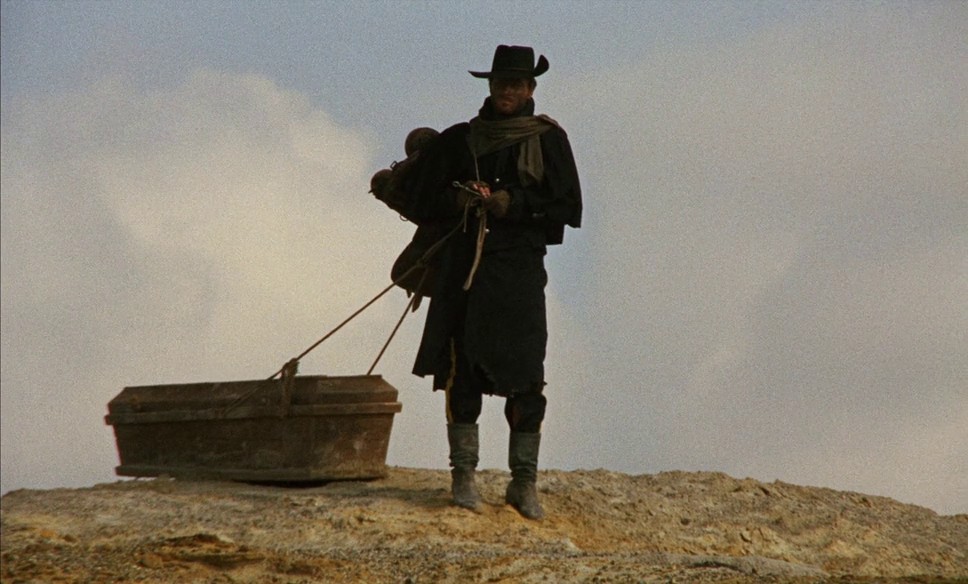
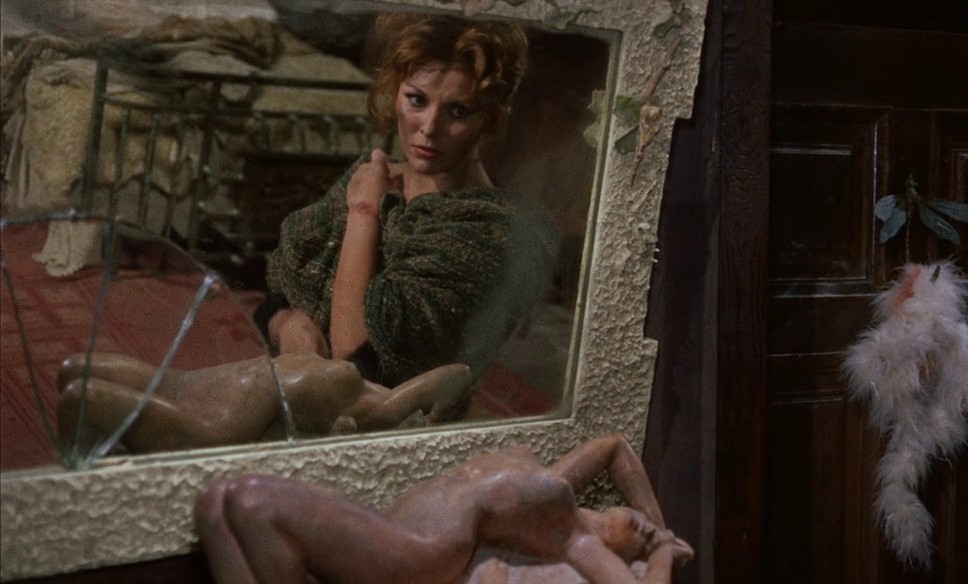
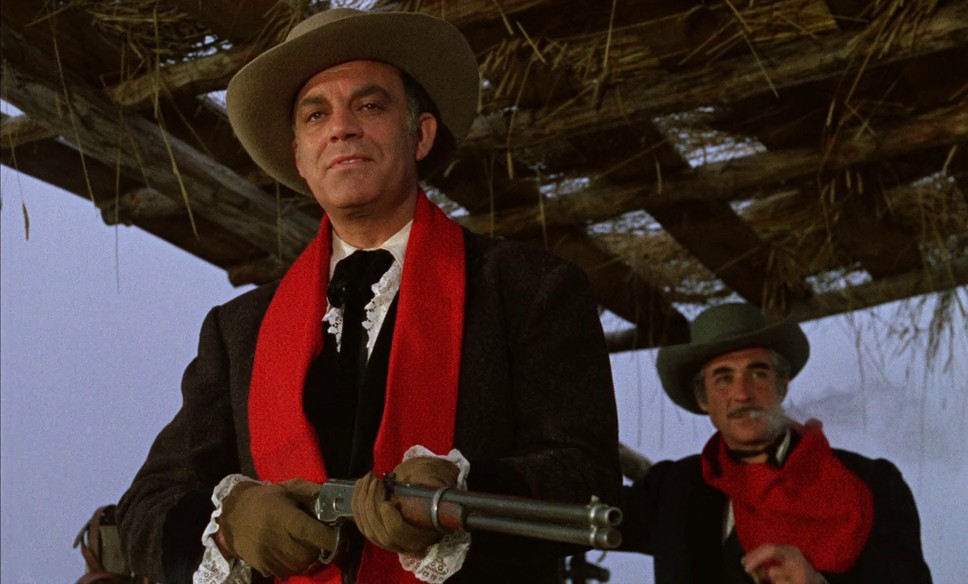
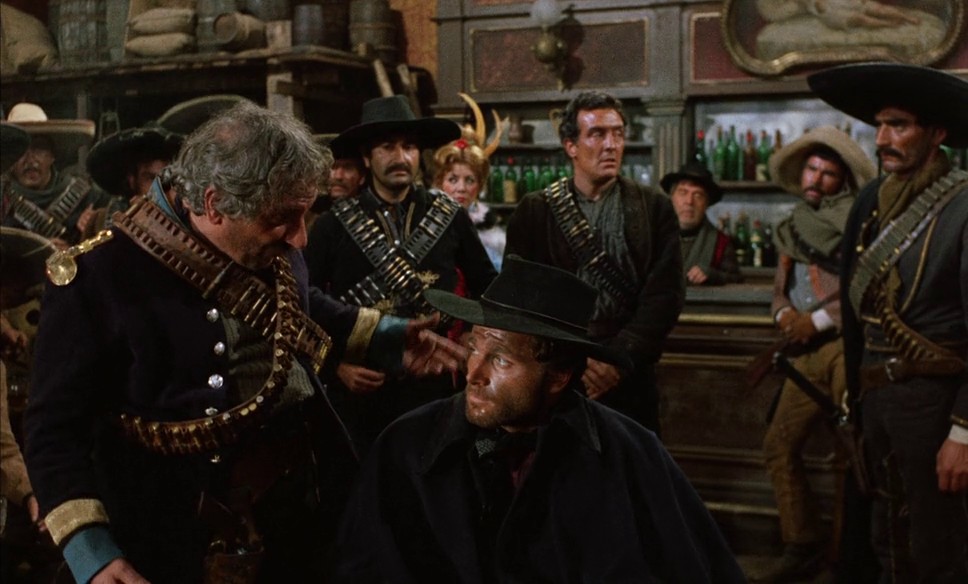
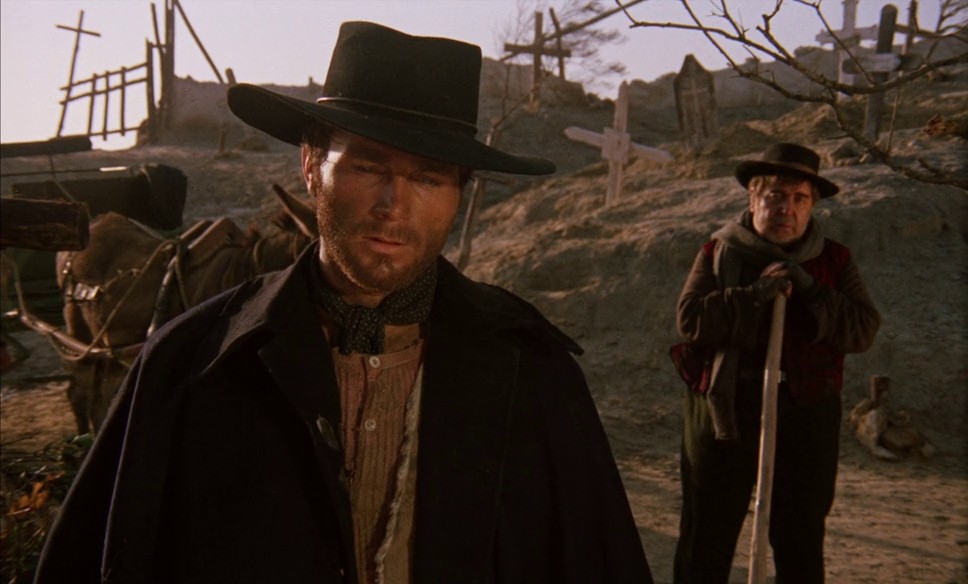
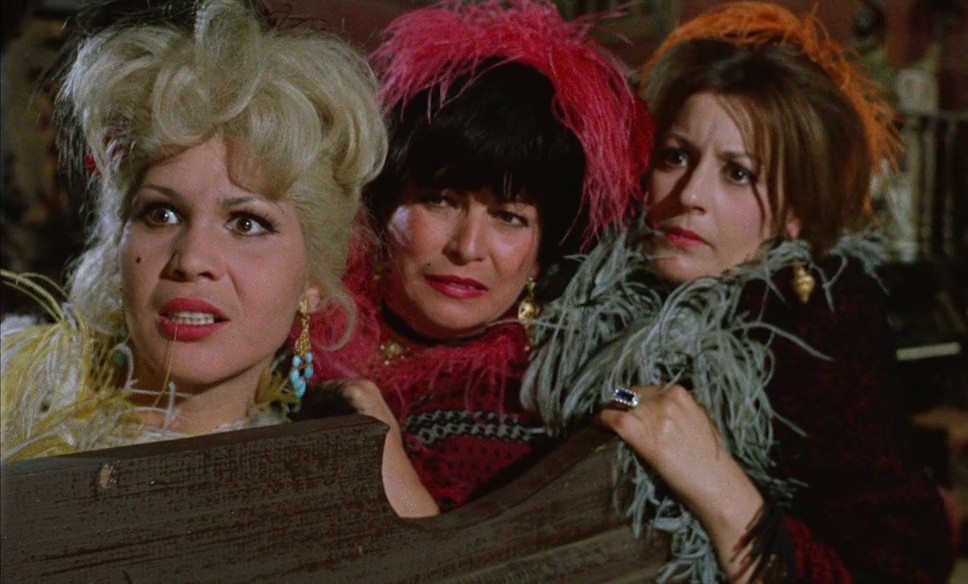
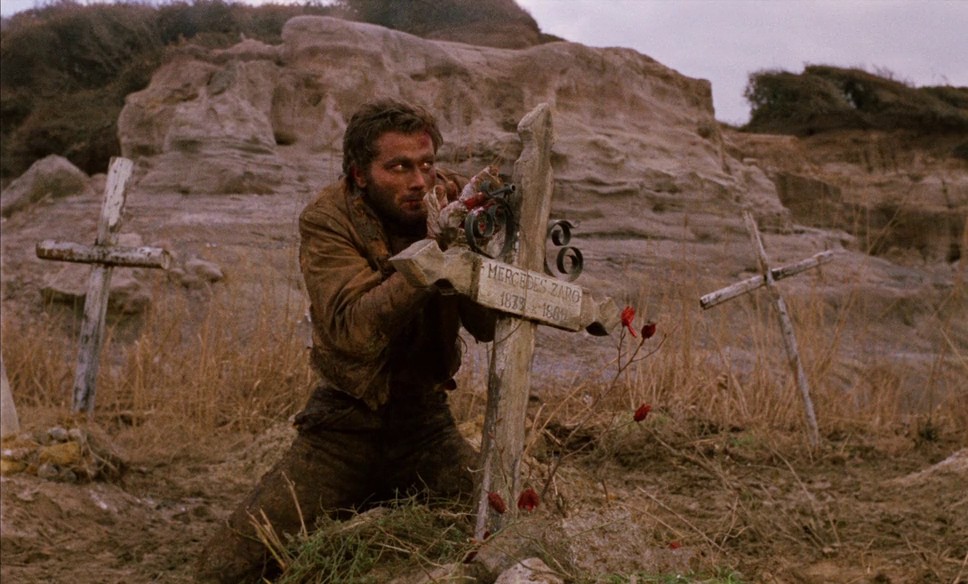
Starting work on the script of the movie, Sergio first came up with an epic ending, where her hero, actually deprived of the ability to hold a gun in his hands, defeats his enemies in the final shootout. The motive of overcoming physical infirmity prompted the director and the name of the hero, referring to the biography of the legendary jazzman of Gypsy origin Django Reinhardt, who became a virtuoso despite the medical verdict, after he seriously injured his left arm in a fire. And Django’s invariable attribute, the coffin on a leash, was borrowed by Corbucci from some comic book he accidentally purchased at a kiosk on Via Veneto in Rome. Well, the director involved several of his friends, including Bruno’s brother, in developing the screenplay. By the time filming began in December 1965, the director had more of a blueprint for the film in his hands, and his iconic details were already on set.
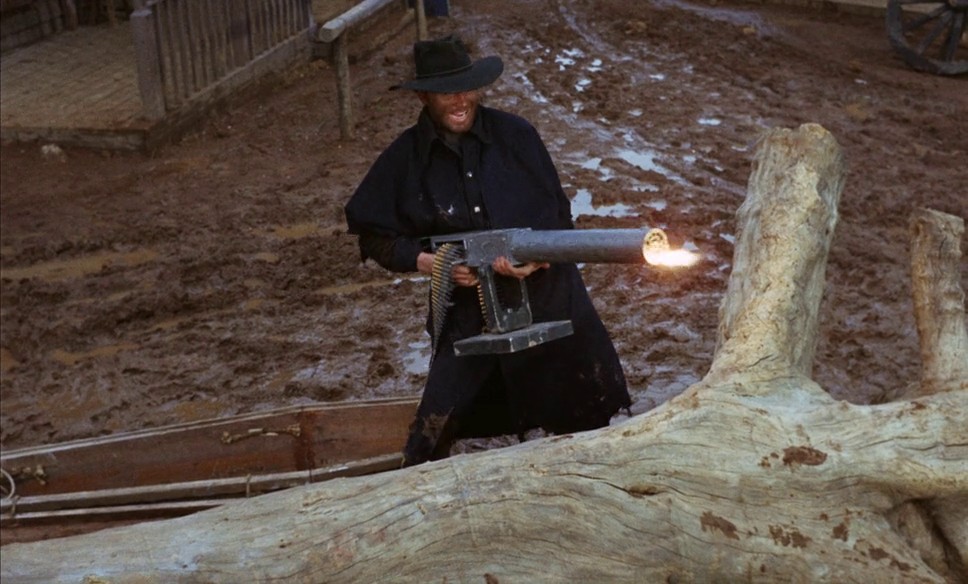
 The iconic image of Django with a machine gun
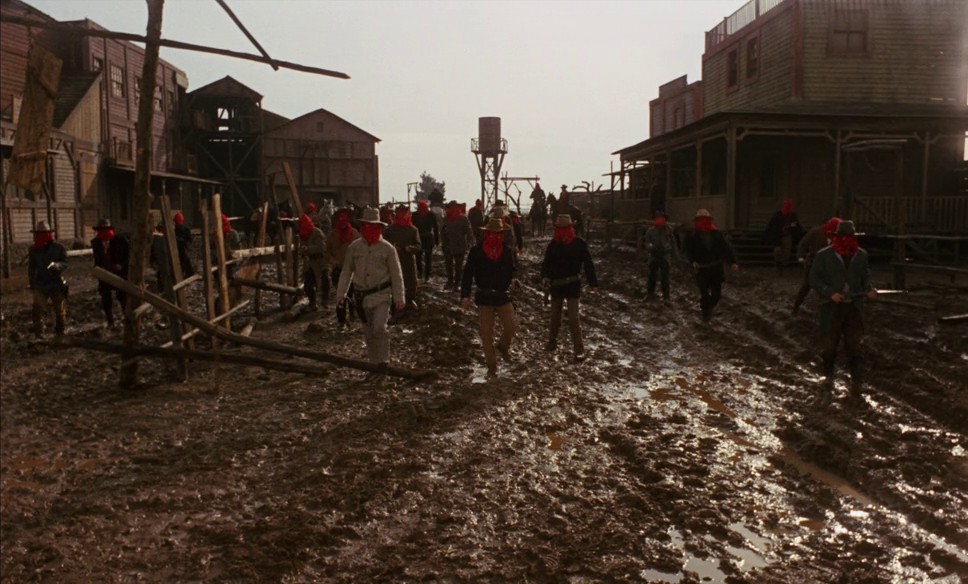
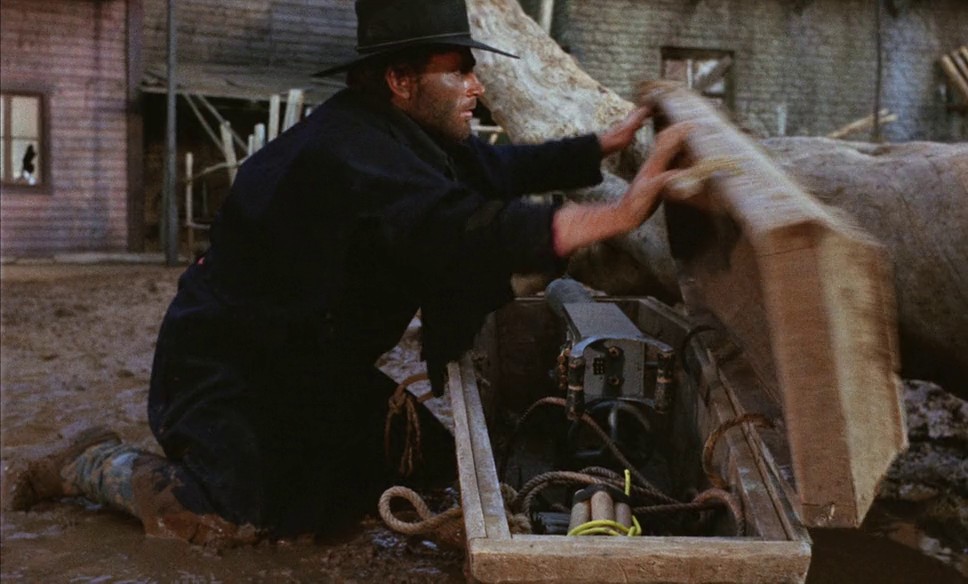
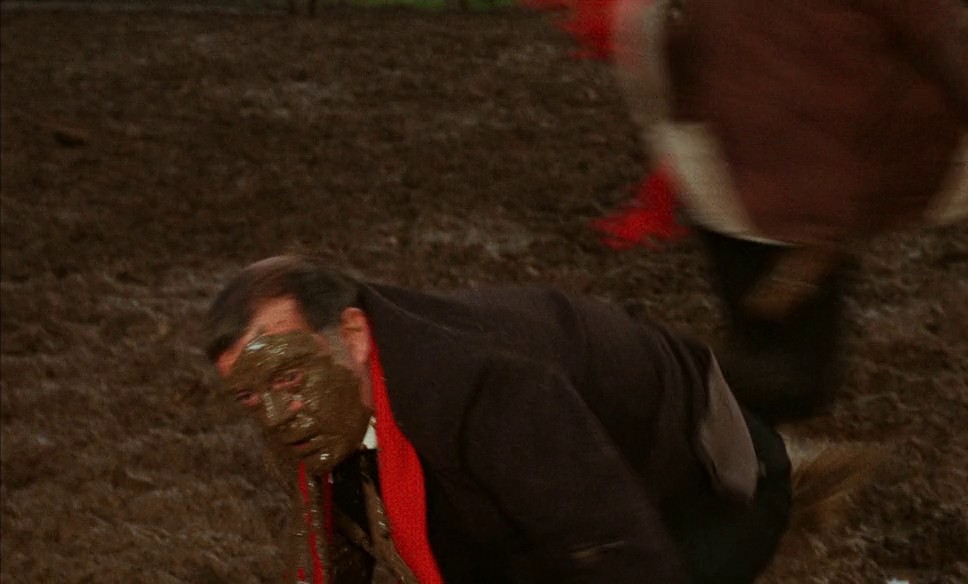
The time of action is the most Western high noon – the end of the sixties of the XIX century. A bloody Civil War between the North and the South has just ended in the United States. And in that very South, expanded just a quarter of a century earlier at the expense of Texas and other territories taken from its neighbors on the continent, gangs of Mexican thugs were rampaging. Actually, what else could they do, because their homeland was experiencing a civil massacre at that time because of Napoleon III’s adventurous attempt to create a Mexican Empire dependent on him (we will refer the curious to the poetic representation of these events in Joseph Brodsky’s brilliant “Mexican Divertissement”).
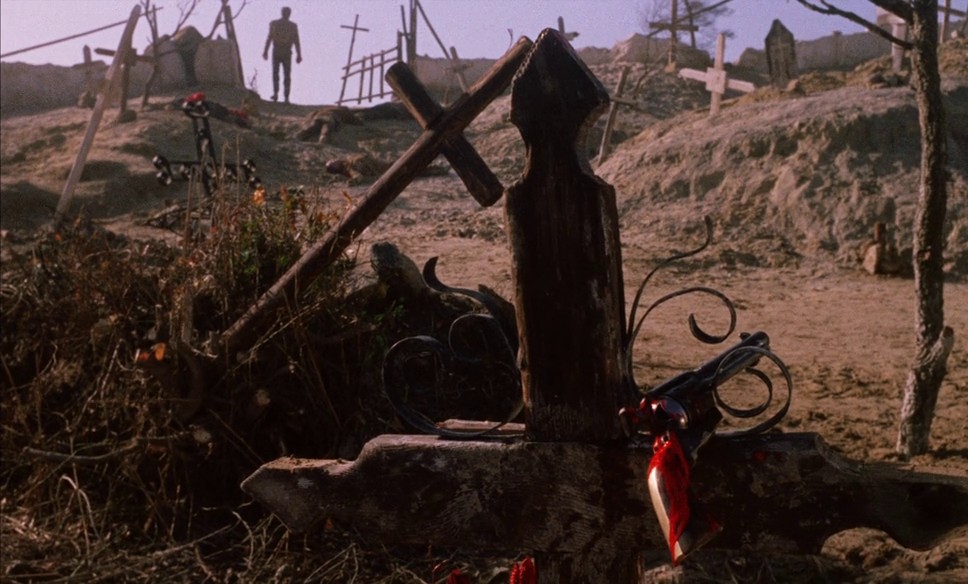
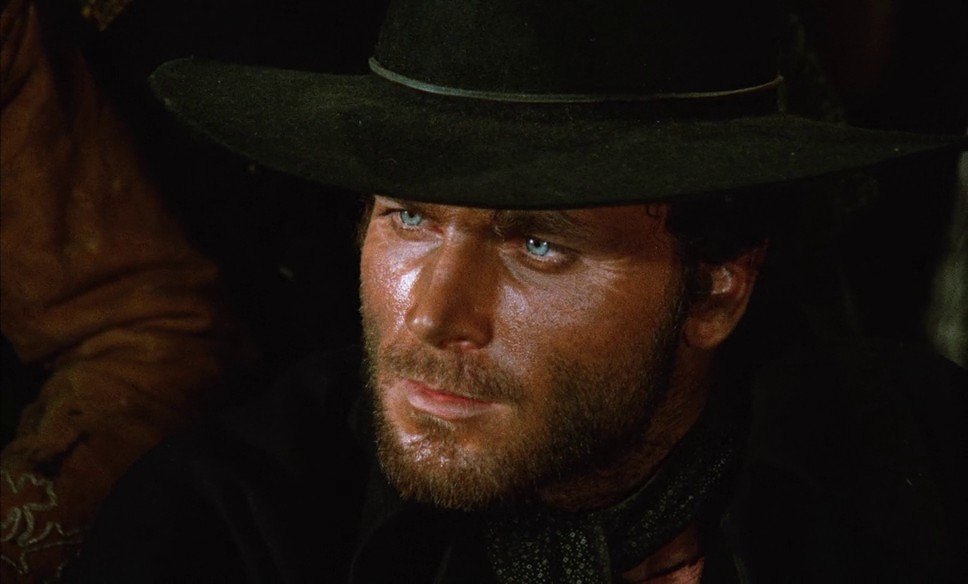
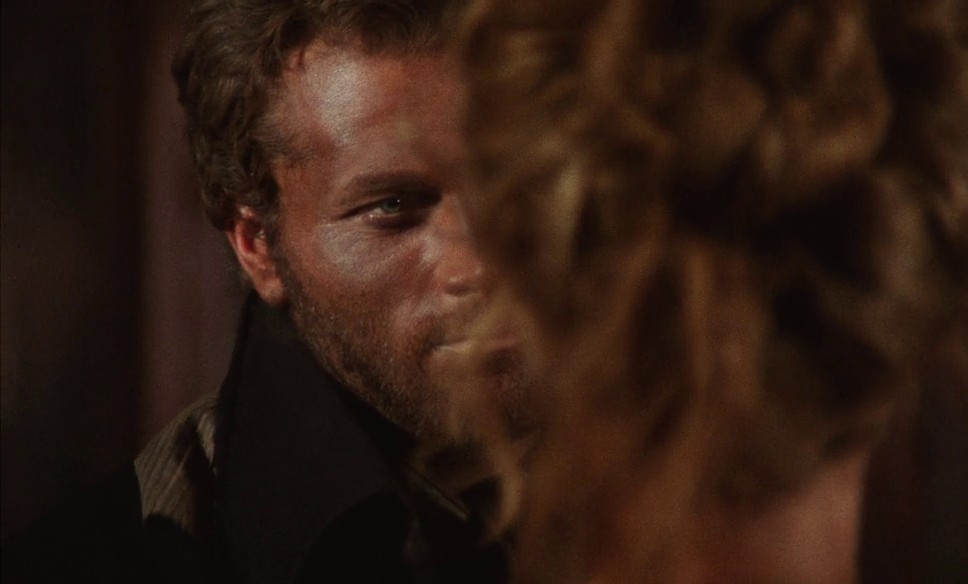
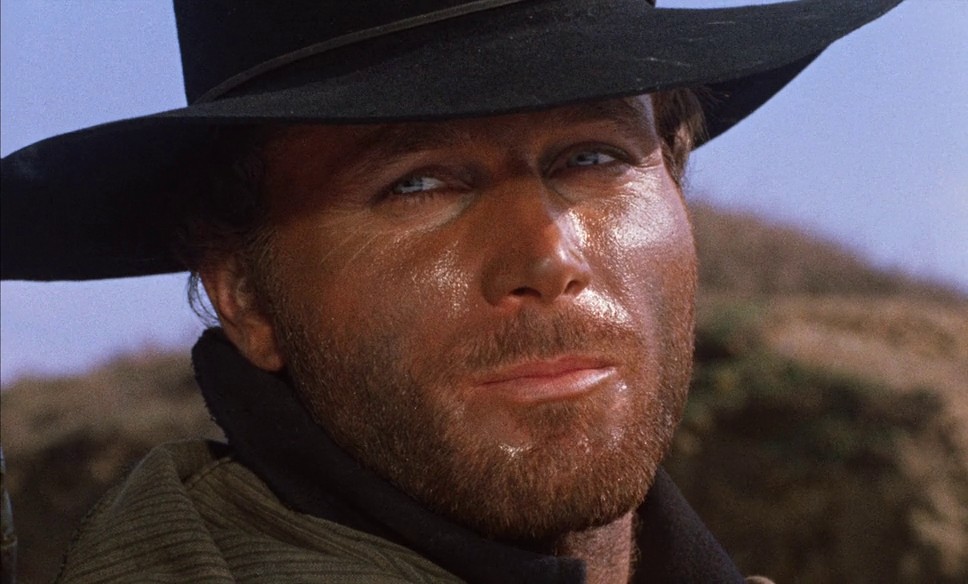
So, already in the first shots, somewhere in the southern border region, Someone appears in the worn uniform of a northern officer, dragging a coffin along the autumn mud. As befits a noble hero, he uses his excellent mastery of weapons, sending bullets to their destination. Just in case (because it may happen that someone is not familiar with this cult film yet), we will not reveal the details of the screen action. There was something about the character’s stubbly face that reminded him of Clint Eastwood‘s nameless silences from Sergio Leone‘s “dollar trilogy.” But Django had a searing experience of war behind him, unlike a Man without a Name, who in the same 1966, in the company of Bad and Evil, would be busy searching for another coffin with gold on the screen, and the terrible scenes of collective fratricide would be just the background to the story of the great film Il buono, il brutto, il cattivo.
 What does obsession with gold lead to?
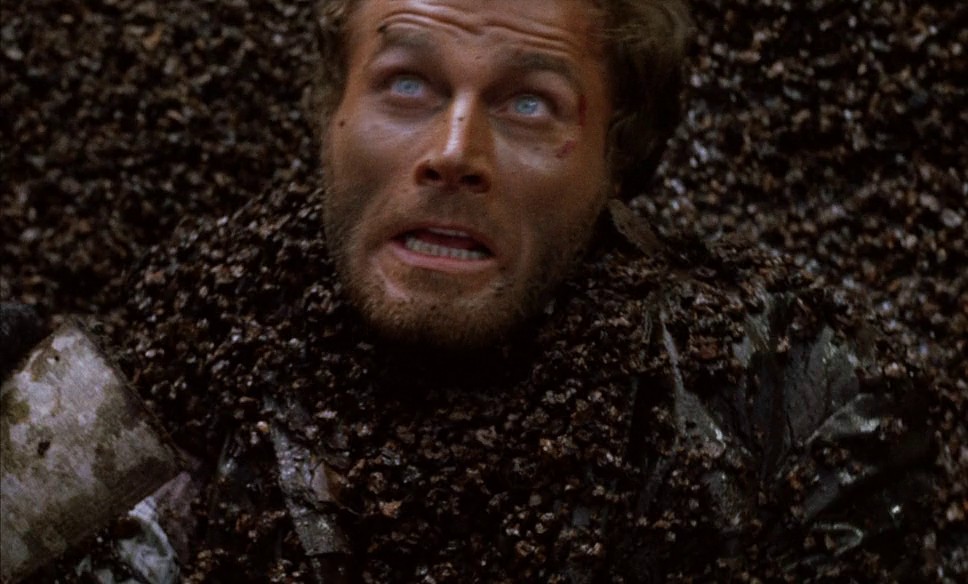
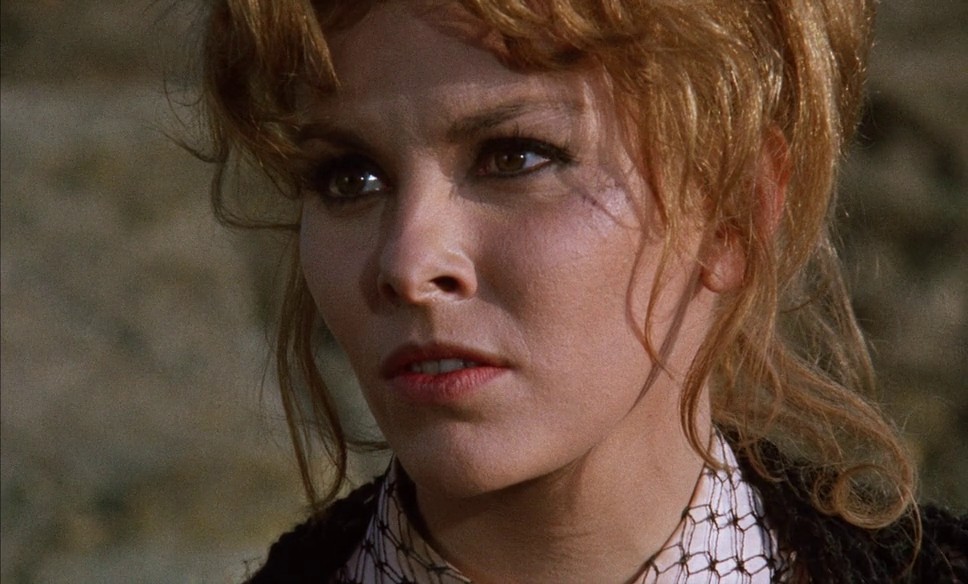
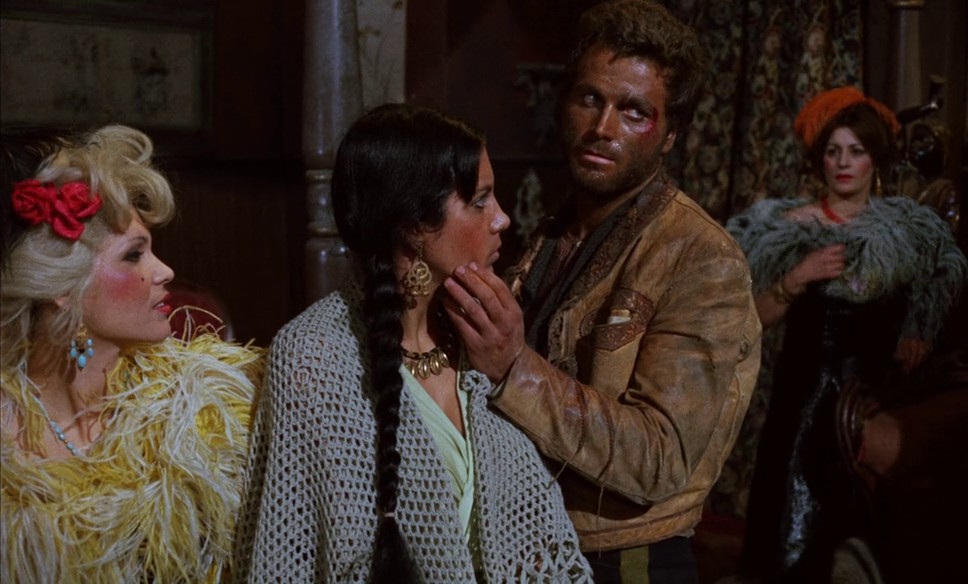
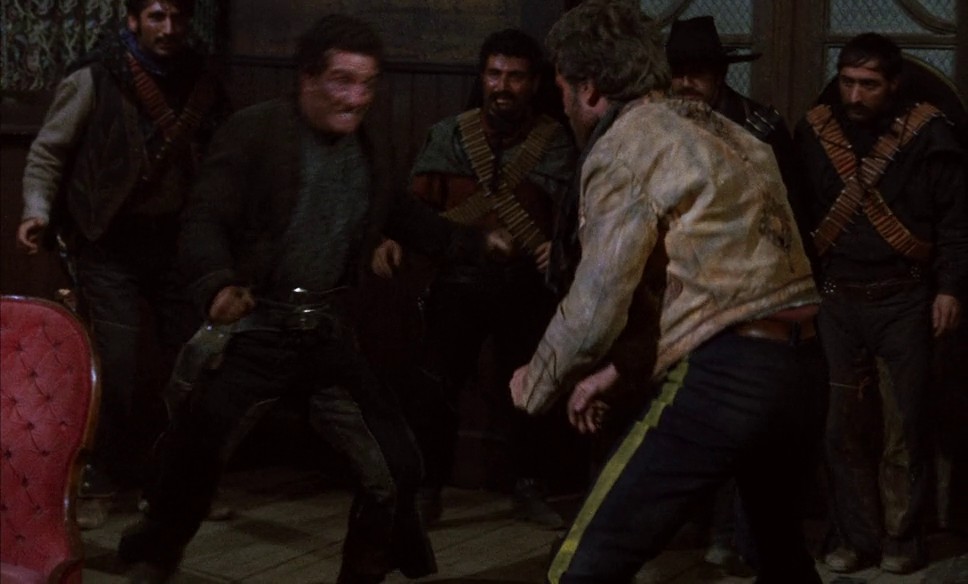
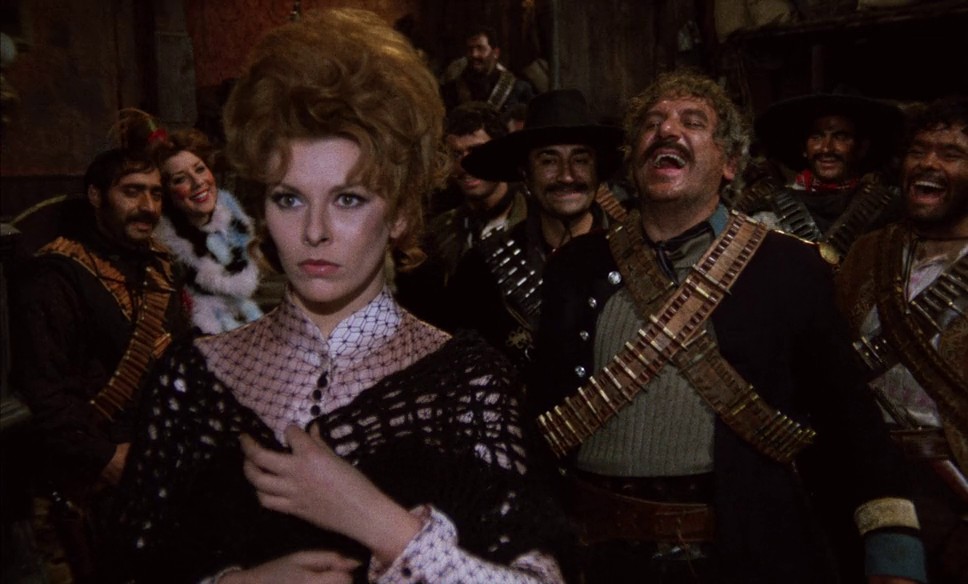
When Franco Nero was cast in the role of Django, the actor was less than 24 years old. He dreamed of serious roles, having by that time starred with several great screen masters in supporting roles (for example, as Abel in John Huston’s epic “The Bible”). And at first, Nero wanted to refuse, so as not to spoil his creative biography, as it seemed to him at the time, by shooting in some kind of film production. But the young dreamer of a stellar career was persuaded to change his mind by his friends, the spouses Paola and Elio Petri (the latter’s political fighters in the seventies were awarded the highest awards, including the Oscar). Nero himself, in addition to the masterful game, made an important detail to the screen story, suggesting that he play with his last name, which means black, and dress up in the uniform of a Yankee officer. By the way, Sergio Leone, who looked at the filming, which took place fifty kilometers from Rome, predicted a bright future for the young actor. And, let’s note, I was not at all mistaken in this.
Most of the filming took place in a nature reserve near the town of Lavinio, but several episodes were also shot in classic spaghetti Western scenery near Madrid. However, the director was worried that the producer of the movie did not provide the opportunity to shoot in the snowy locations that he dreamed of. He will fulfill this dream already on the set of the next and also iconic western, The Great Silence.
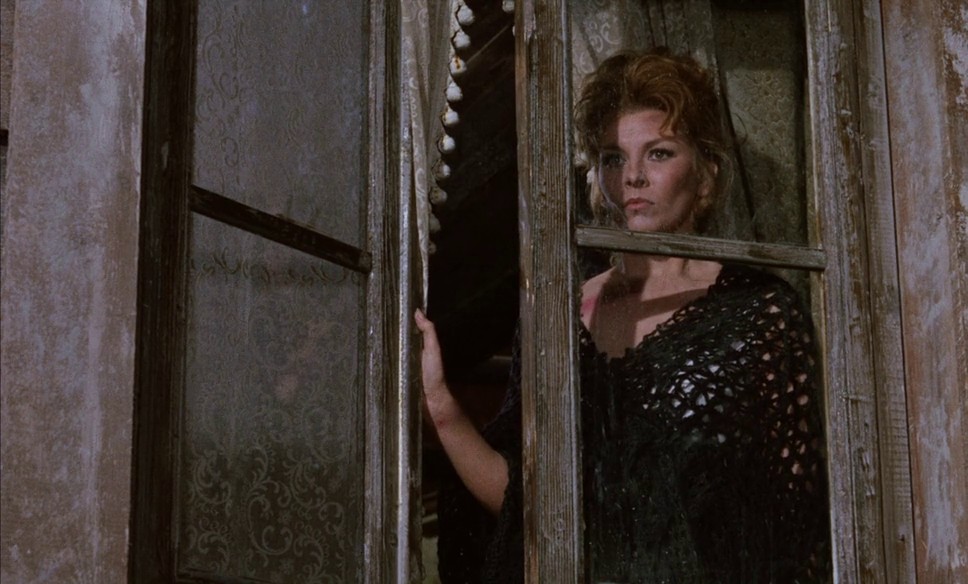
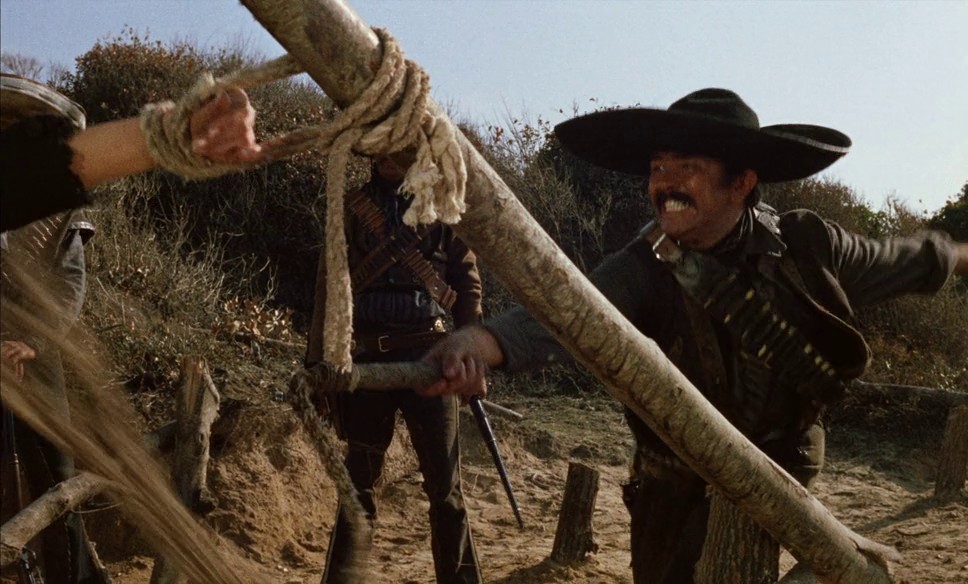
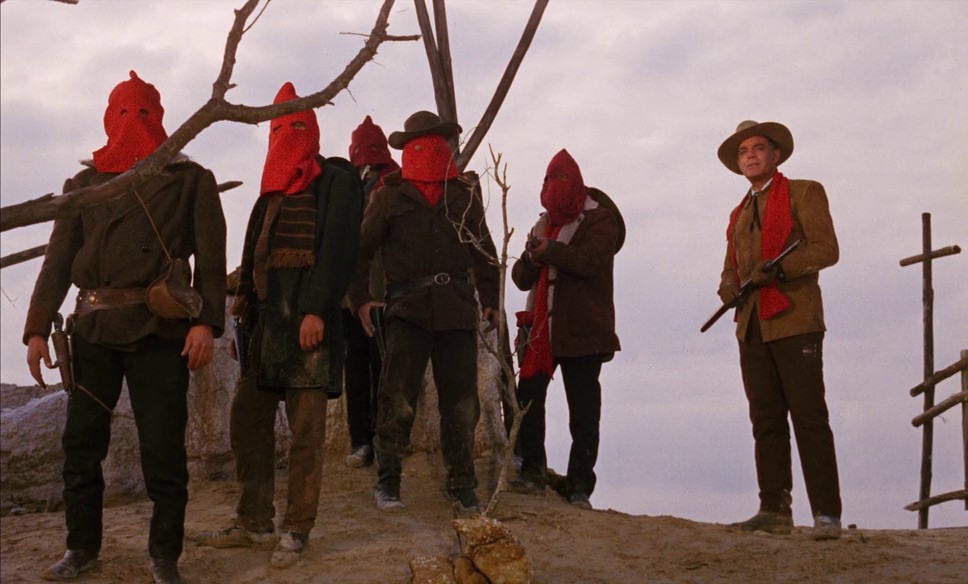
Avoiding spoilers, let’s say that an hour and a half of Django’s screen time contained several classic plots at once. Here is the hero’s struggle with armed thugs in Ku Klu clan robes and their dapper leader, Major Jackson. And the “great robbery” with the storming of the fortified fort. And the life of a wild Mexican guerrilla fighter. And the self-sacrifice of a loving woman. And the colorful everyday life of the saloon, the only place where life glows in the town abandoned by the inhabitants.…
 Django is a man who cannot be denied
Well, what kind of western, especially one that has acquired the status of a legend, without music? Most likely, Ennio Morricone simply did not have enough funds for the invitation, and the author of the soundtrack was Luis Bakalov, a 32-year-old Argentine composer who had previously worked on adapting classical musical themes for Pier Paolo Pasolini‘s masterpiece, The Gospel According to Matthew. And the musical basis of “Django” has also gained cult status, especially the title tune to the film, which you could hear from the great movie man Tarantino in his films “Kill Bill” and “Django Unchained.”
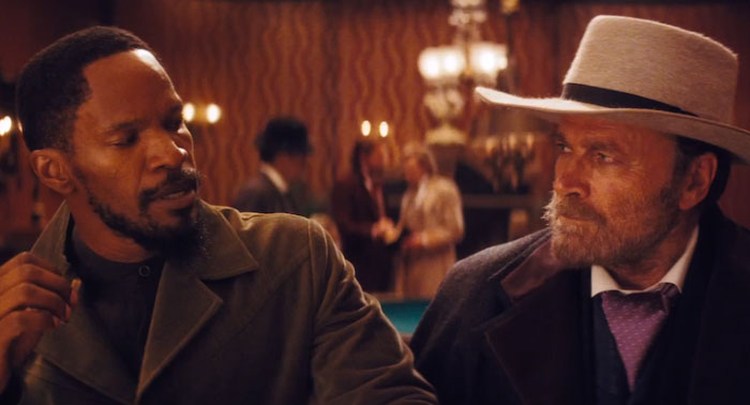
Let’s return to the statement of fact that was made at the beginning – shortly after its release, Django joined the club of cult westerns, spawning more than thirty unofficial “sequels”. The official sequel starring Franco Nero (“Django Strikes Again”) will be released only in 1987. But not one of these films was able to repeat the fantastic success of Sergio Corbucci’s movie, which has now reached its seventh decade.