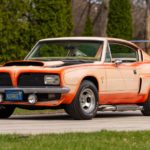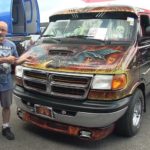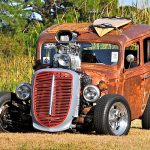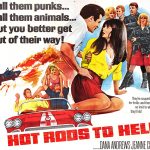
It is generally accepted that hot rods ruled the streets of the United States until the advent of muscle cars, and somehow no one thinks about the fact that muscular cars also quite often drove on the roads in a completely different form in which they came off the assembly line. After all, hot rods are a culture of custom cars that has developed, strengthened, and grown to impressive proportions over the decades. And when muscle cars appeared, the craftsmen brought the car to mind and thousands of tuning parts stores did not go away. So despite the fact that in road movies and other popular culture of the 70s, muscle cars most often appeared in a standard configuration, in fact, a Chevy Camaro or Dodge Charger that fell into the hands of a car lover often became a street car – or, as they became known a little later, a street freak..
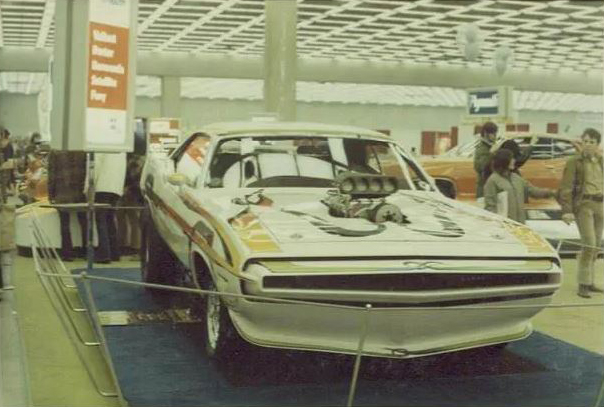
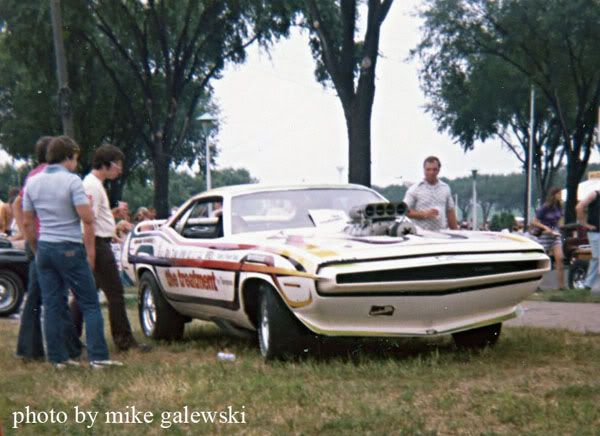
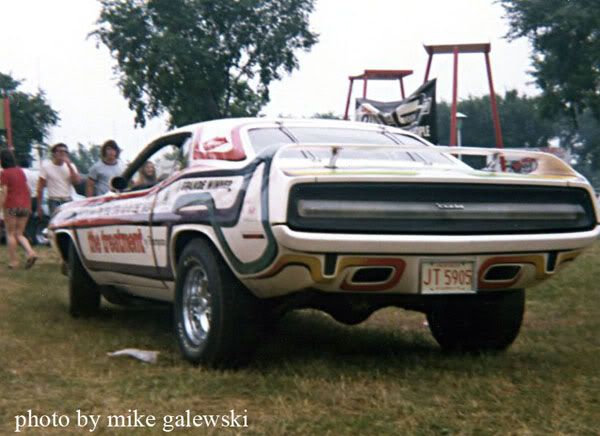
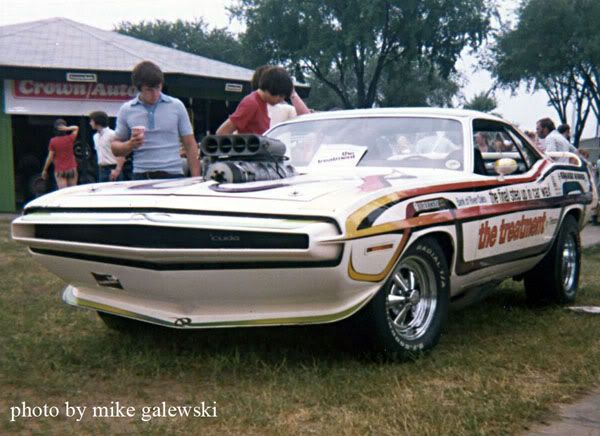
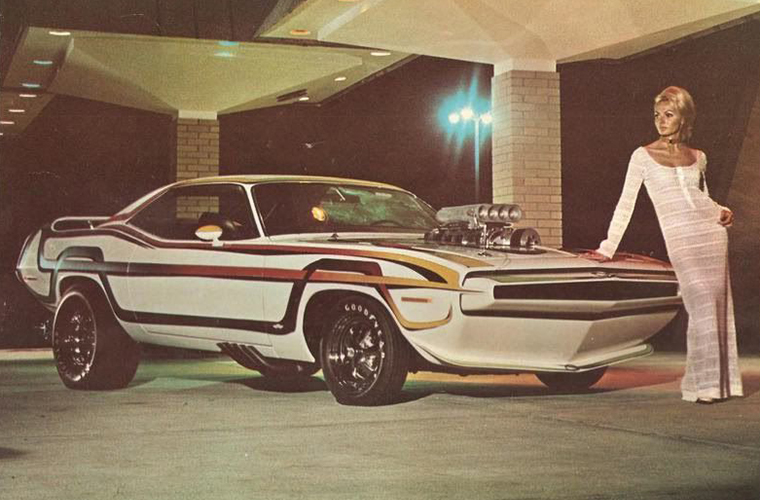
Sonic Cuda is, by and large, an ordinary custom car. Even though I was going to in the 70s. Apart from the painting characteristic of that decade, there is almost not a single feature characteristic of street freaks in this car. However, many customizations are categorized only for their appropriate appearance and powerful engine. For example, Beatnik Bandit is often called a hot rod - and no one is particularly offended. Thus, if you think that Sonic is a street freak, then hardly anyone will argue with you. After all, most of the categories in the custom culture are very vague.
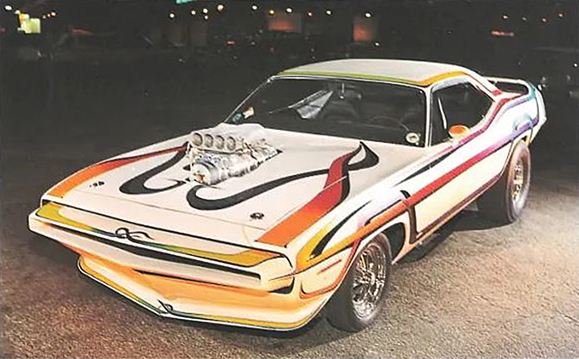
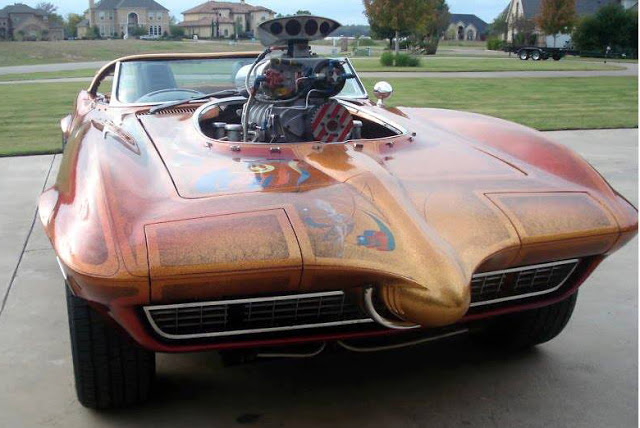
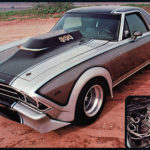
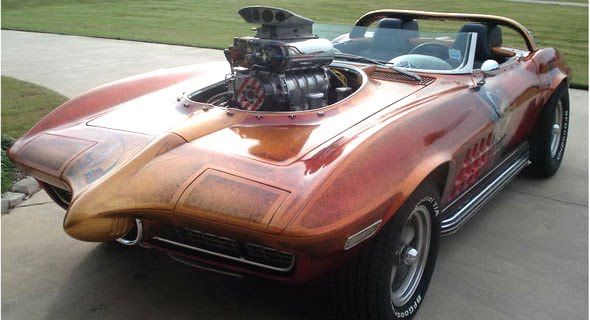
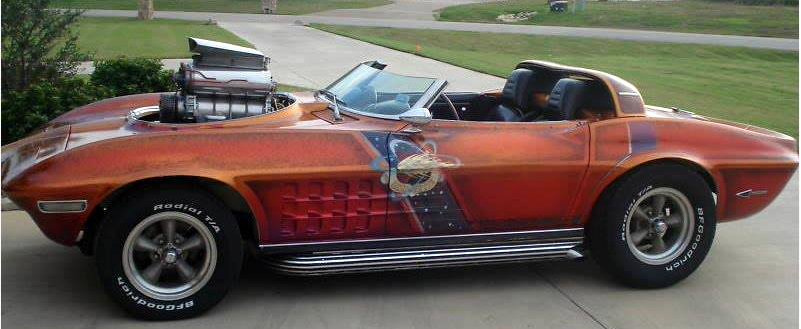
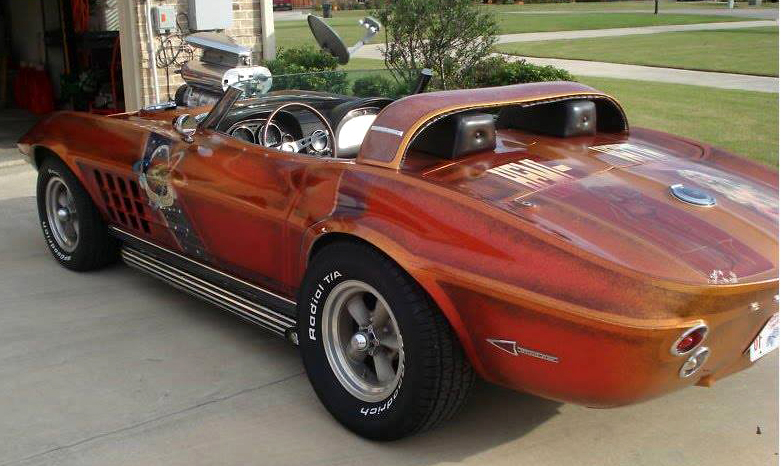
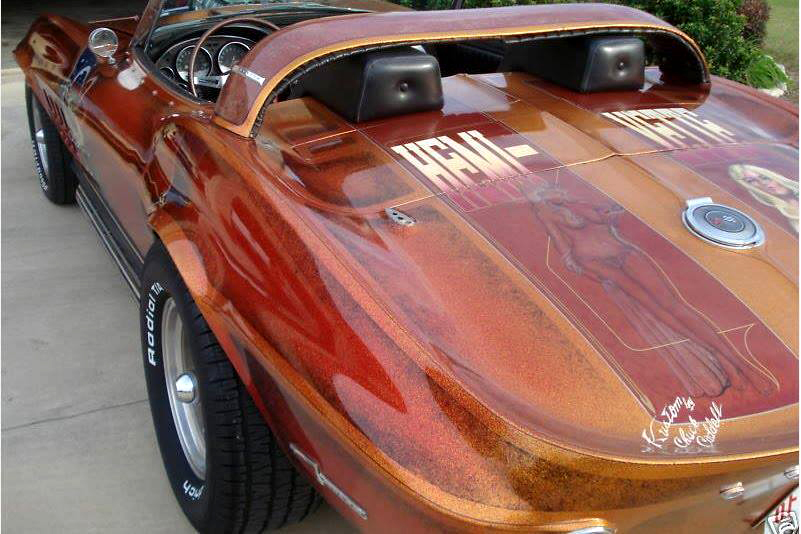
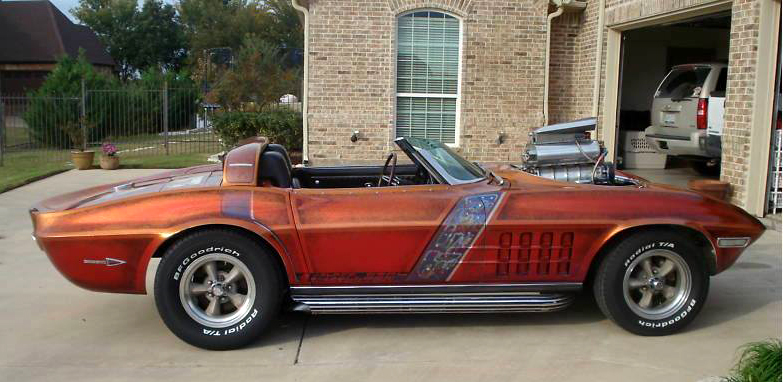
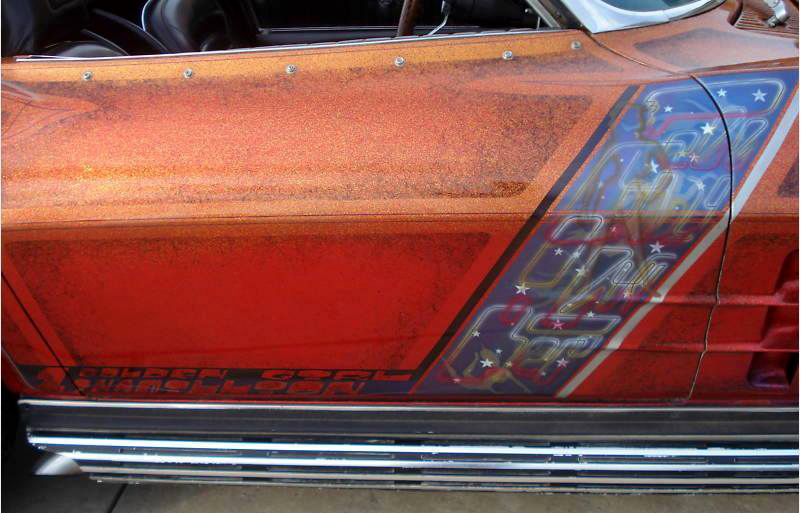
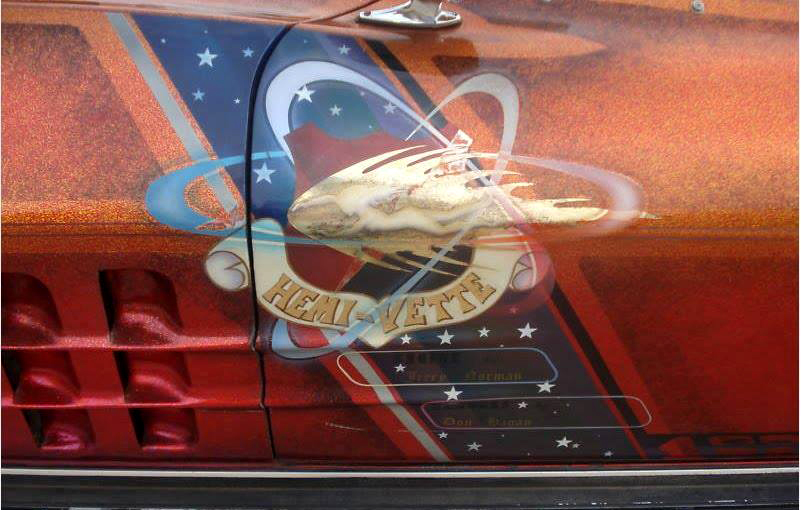
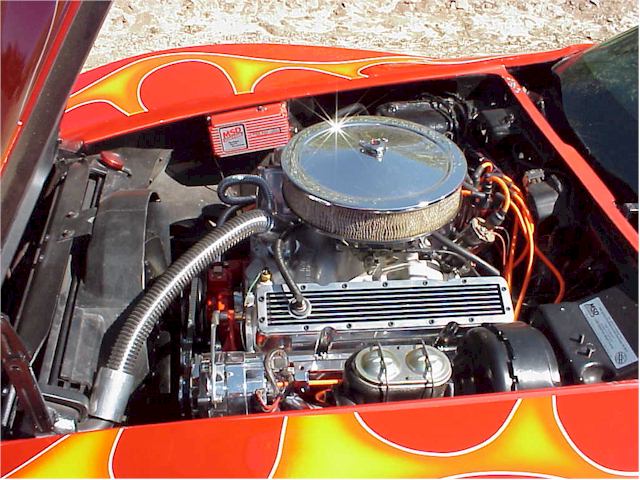
And this is a Hemi-Vette. As the name suggests, this is a Corvette with a Hemi engine. Some purists flinch at this fact alone. And yes, like the Sonic Cuda, this car is more of a custom car than a street freak. But nowadays he is often called a freak - and all because of his very radical appearance. Well, today, even in the 70s, no one really understood what was custom and what was freak, and any car could well fit into both categories. In other words, any car of the 70s custom scene can be called a street freak, or at least a street car. These concepts have never had clear boundaries, and what is what everyone decides for themselves.
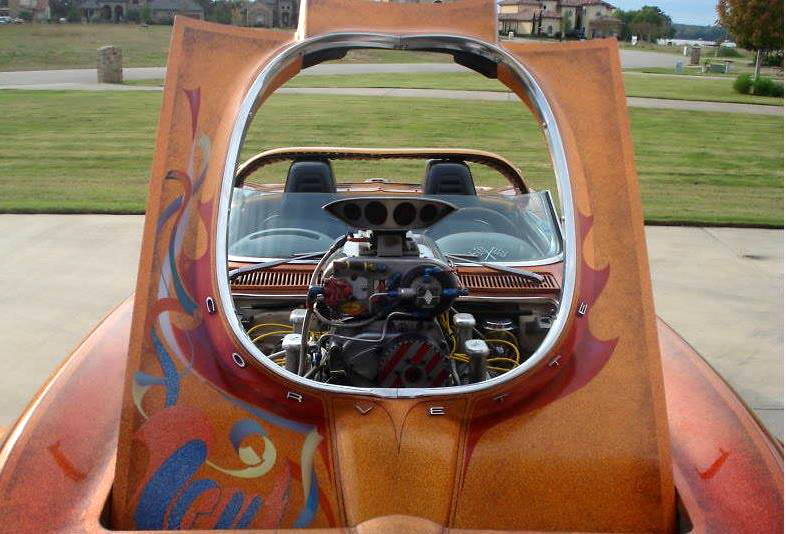
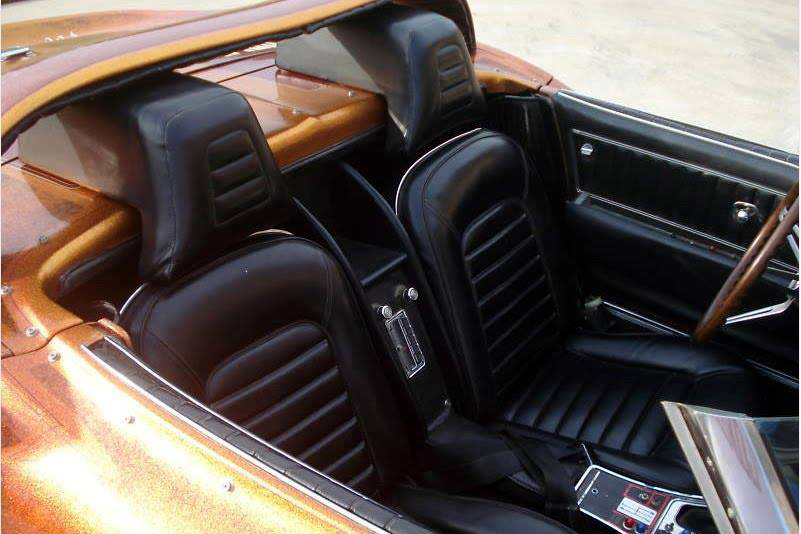
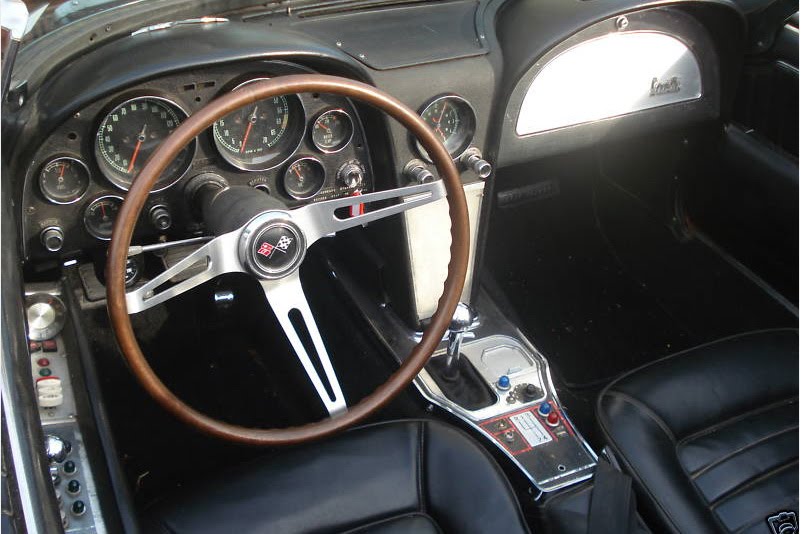
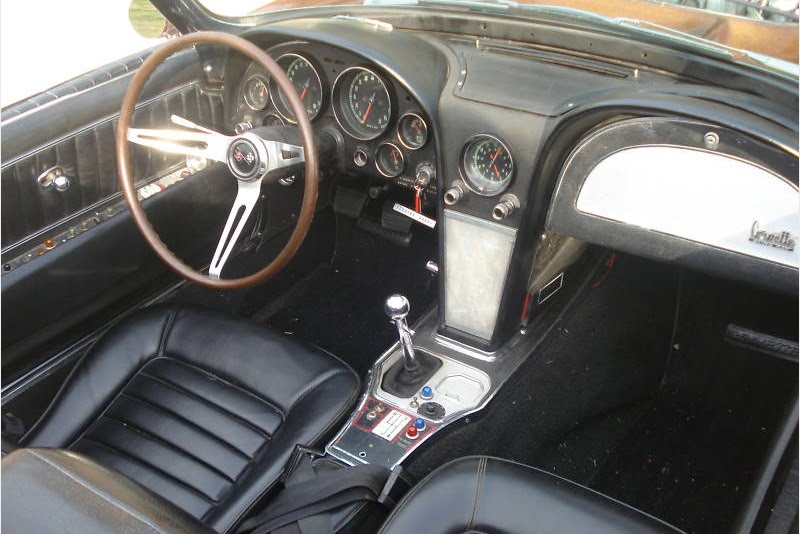
How street freaks appeared
In a nutshell, street freaks are direct descendants of hot rods, and therefore it’s worth starting a story about this area of customization by mentioning that hot rodding is originally a sports culture. And the main type of racing in the USA is racing in a straight line for a quarter mile. Thus, it turns out that the average guy’s dream is a dragster, which was most of the hot rods. So, the fact is that at the dawn of the automotive industry, sometimes you didn’t even have to have a license, and no one really thought about such stupid things as speed limits or seat belts. And the speed itself was often achieved by simply removing unnecessary parts, which, by the way, were quite easy to put back. But as time went on, the machines became faster, the designs became more complex, the laws became stricter, and the rules became freer. When the NHRA finally allowed shifting the front axle and using more than regular gasoline as fuel, it became simply impossible to have a real dragster that would at the same time be convenient and legal for daily trips to the neighboring diner.
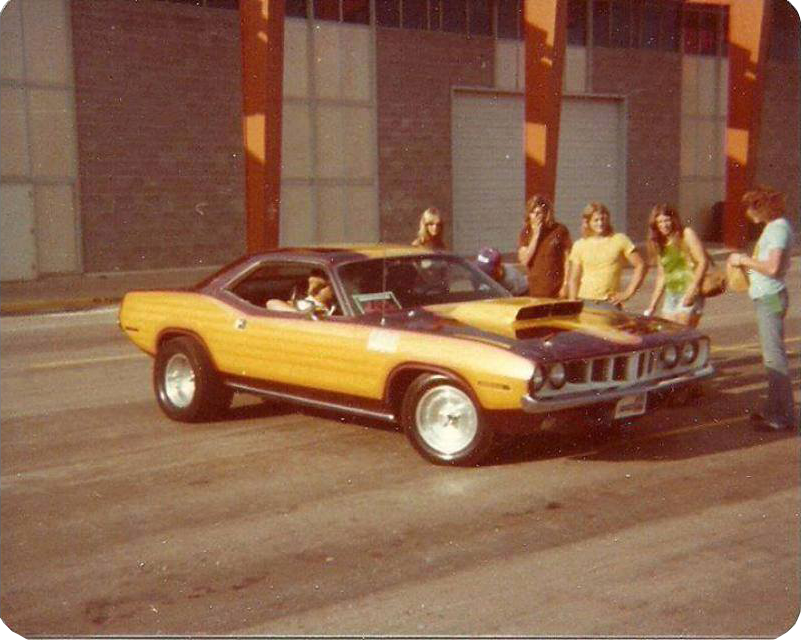
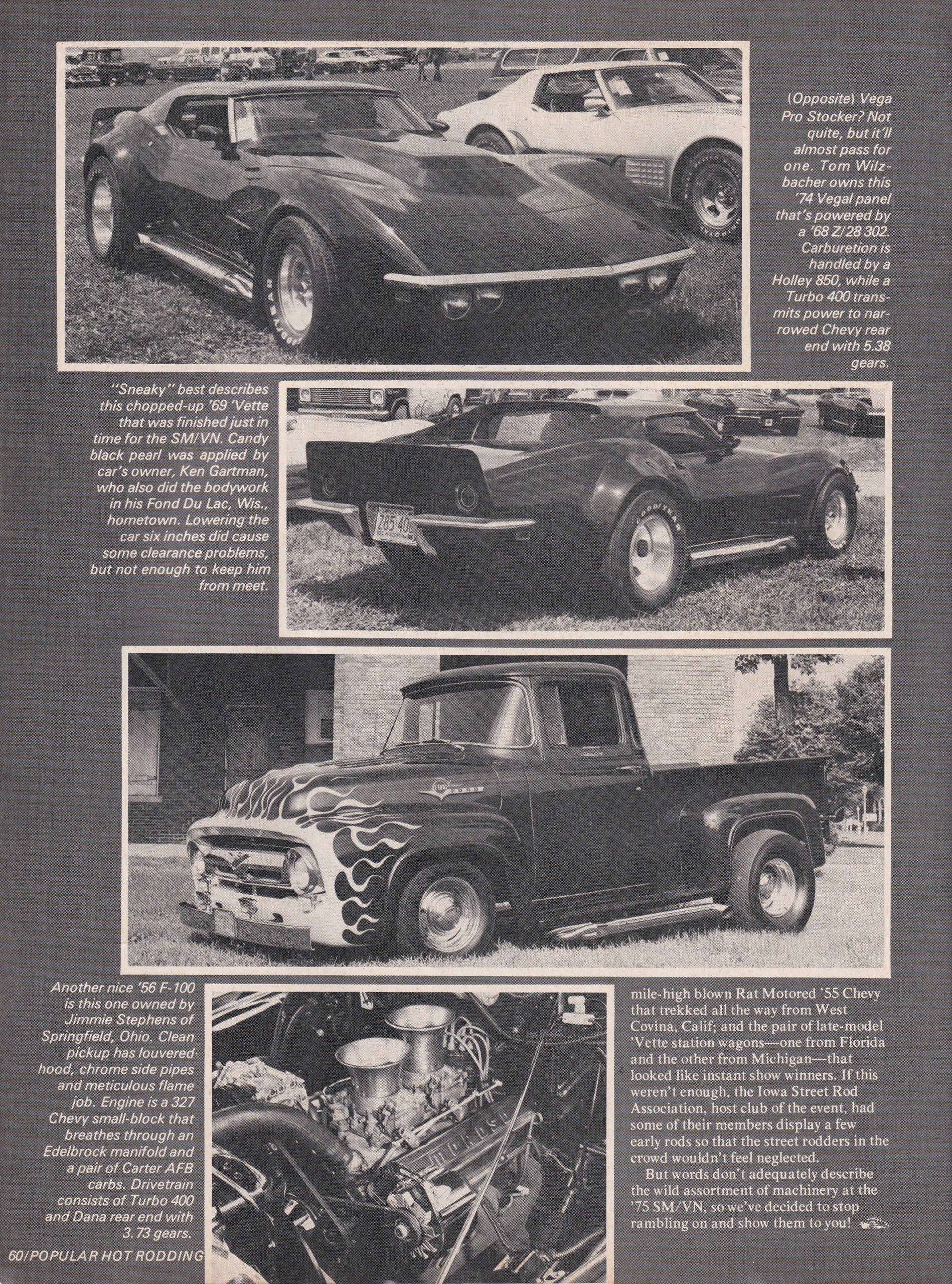
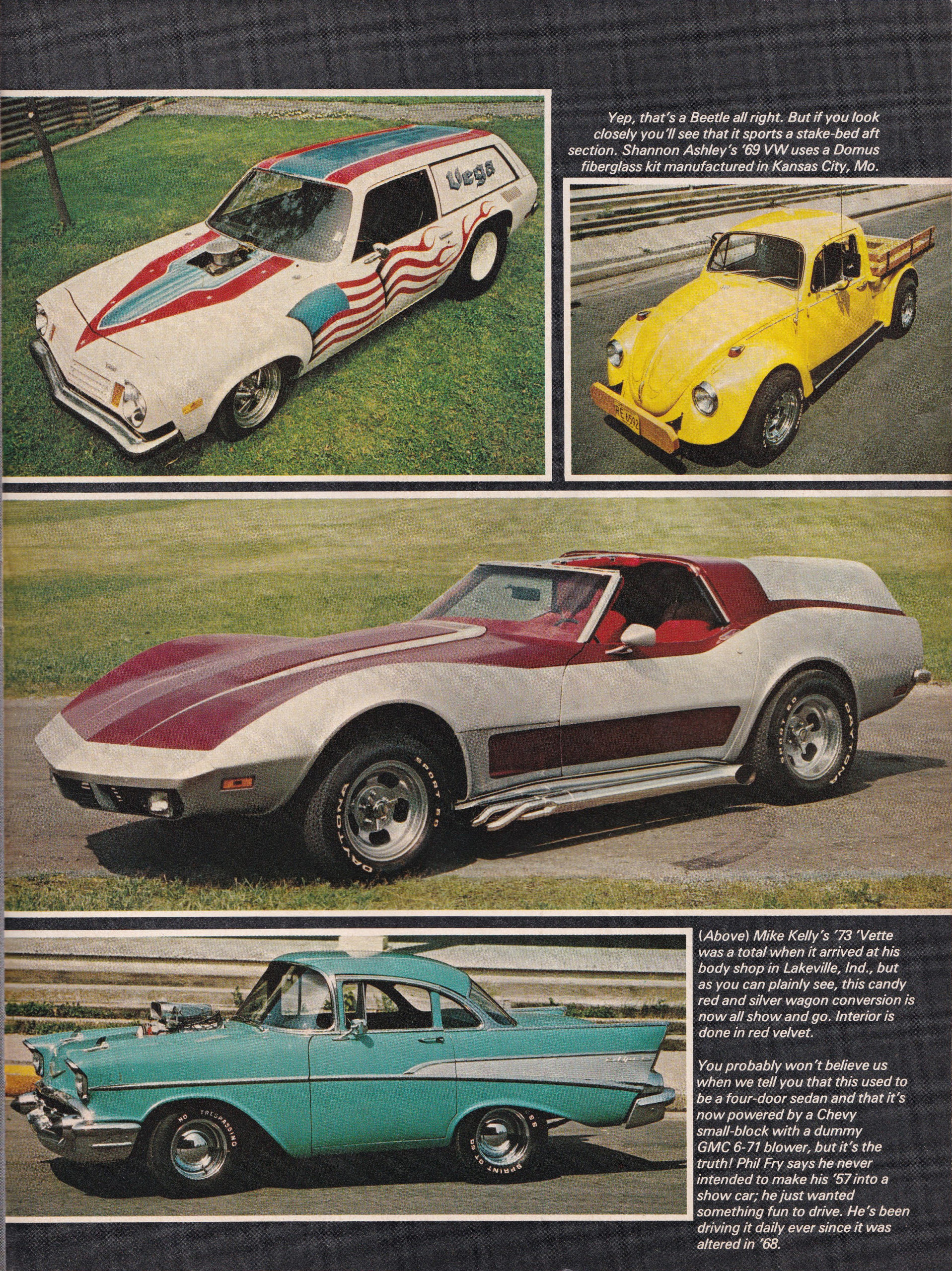
Examples of not particularly radical cars from the 70s. Personally, I don't feel comfortable calling them freaks - from my point of view, these are street cars. In some photos, you can see at least two things that were popular in the 70s. The first is the rear wheels protruding beyond the arches. This feature, apparently, began with gassers based on Willys and Corvette - muscle cars could easily fit the rear wheels under the arches. Nevertheless, this arrangement of wheels was considered stylish on the streets. And the second popular thing is the universal conversion. Where the love for station wagons came from is not particularly clear, but most likely it happened under the influence of another direction of customization - vanning, which peaked in the same decade. Absolutely everything was turned into station wagons, and the Corvette was completely put on stream: several companies were engaged in either converting landships into station wagons or selling kits for self-conversion.
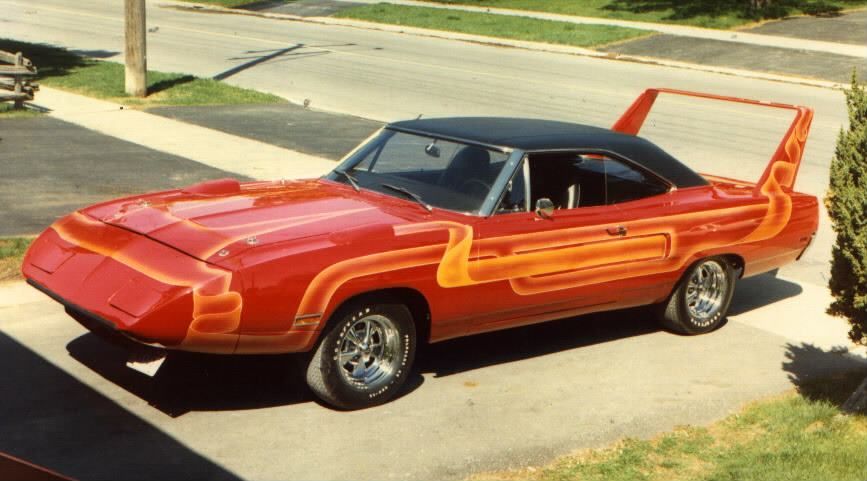
Examples of not particularly radical cars from the 70s. Personally, it doesn't feel right for me to call them freaks - from my point of view, these are street cars. In some photos, you can see at least two things that were popular in the 70s. The first is the rear wheels protruding beyond the arches. This feature, apparently, began with gassers based on Willys and Corvette - muscle cars could easily fit the rear wheels under the arches. Nevertheless, this arrangement of wheels was considered stylish on the streets. And the second popular thing is the universal conversion. Where the love for station wagons came from is not particularly clear, but most likely it happened under the influence of another direction of customization - vanning, which peaked in the same decade. Absolutely everything was turned into station wagons, and the Corvette was completely put on stream: several companies were engaged in either converting landships into station wagons or selling kits for self-conversion.
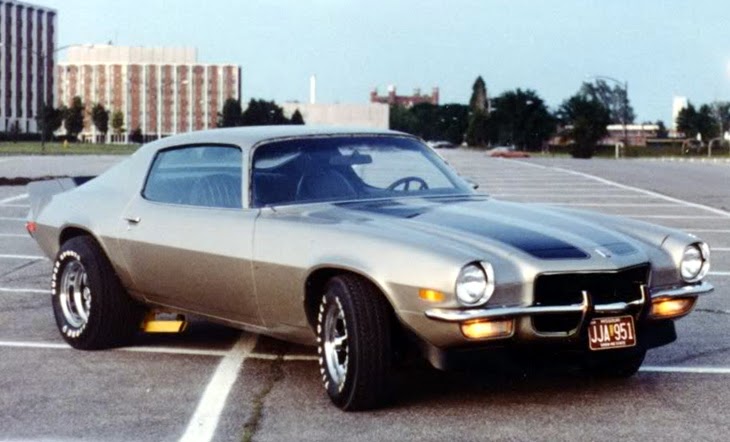
Examples of not particularly radical cars from the 70s. Personally, I don't feel comfortable calling them freaks - from my point of view, these are street cars. In some photos, you can see at least two things that were popular in the 70s. The first is the rear wheels protruding beyond the arches. This feature, apparently, began with gassers based on Willys and Corvette - muscle cars could easily fit the rear wheels under the arches. Nevertheless, this arrangement of wheels was considered stylish on the streets. And the second popular thing is the universal conversion. Where the love for station wagons came from is not particularly clear, but most likely it happened under the influence of another direction of customization - vanning, which peaked in the same decade. Absolutely everything was turned into station wagons, and the Corvette was completely put on stream: several companies were engaged in either converting landships into station wagons or selling kits for self-conversion.
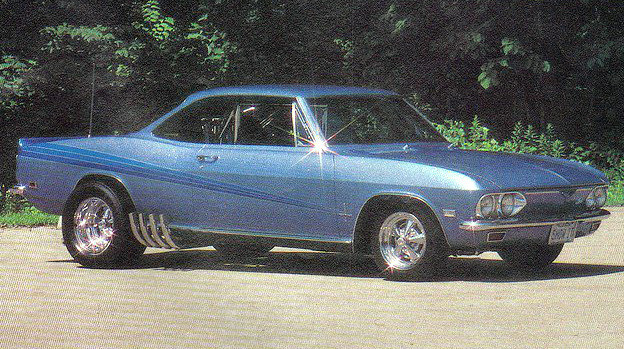
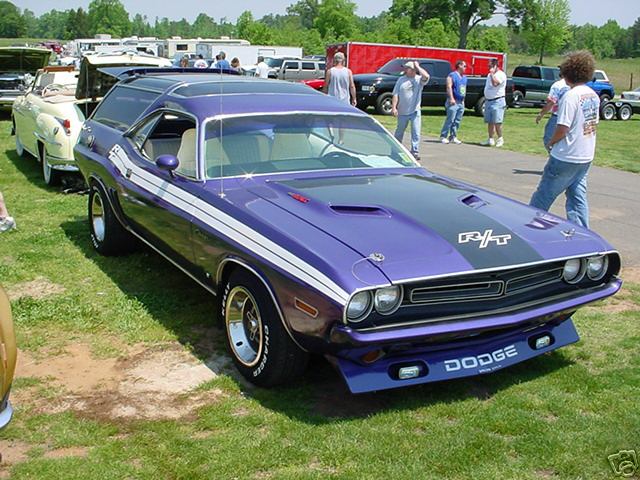
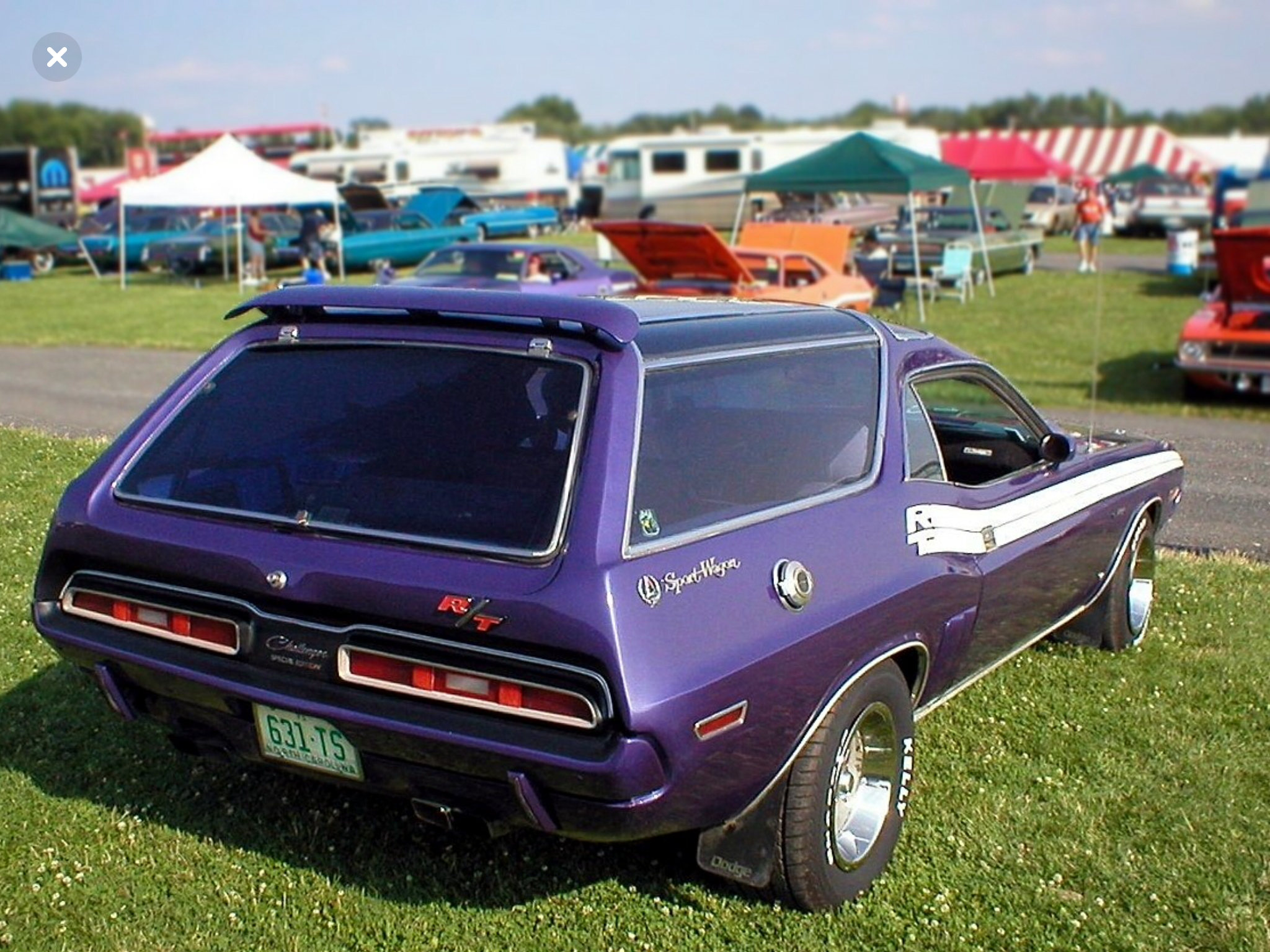
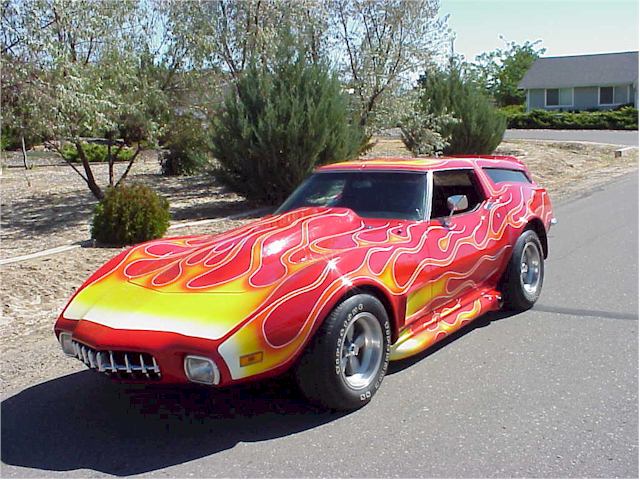
Examples of not particularly radical cars from the 70s. Personally, it doesn't feel right for me to call them freaks - from my point of view, these are street cars. In some photos, you can see at least two things that were popular in the 70s. The first is the rear wheels protruding beyond the arches. This feature, apparently, began with gassers based on Willys and Corvette - muscle cars could easily fit the rear wheels under the arches. Nevertheless, this arrangement of wheels was considered stylish on the streets. And the second popular thing is the universal conversion. Where the love for station wagons came from is not particularly clear, but most likely it happened under the influence of another direction of customization - vanning, which peaked in the same decade. Absolutely everything was turned into station wagons, and the Corvette was completely put on stream: several companies were engaged in either converting landships into station wagons or selling kits for self-conversion.
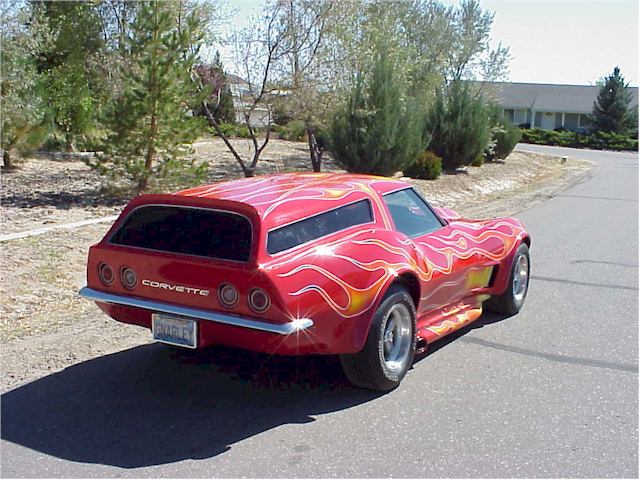
Examples of not particularly radical cars from the 70s. Personally, I don't feel comfortable calling them freaks - from my point of view, these are street cars. In some photos, you can see at least two things that were popular in the 70s. The first is the rear wheels protruding beyond the arches. This feature, apparently, began with gassers based on Willys and Corvette - muscle cars could easily fit the rear wheels under the arches. Nevertheless, this arrangement of wheels was considered stylish on the streets. And the second popular thing is the universal conversion. Where the love for station wagons came from is not particularly clear, but most likely it happened under the influence of another direction of customization - vanning, which peaked in the same decade. Absolutely everything was turned into station wagons, and the Corvette was completely put on stream: several companies were engaged in either converting landships into station wagons or selling kits for self-conversion.
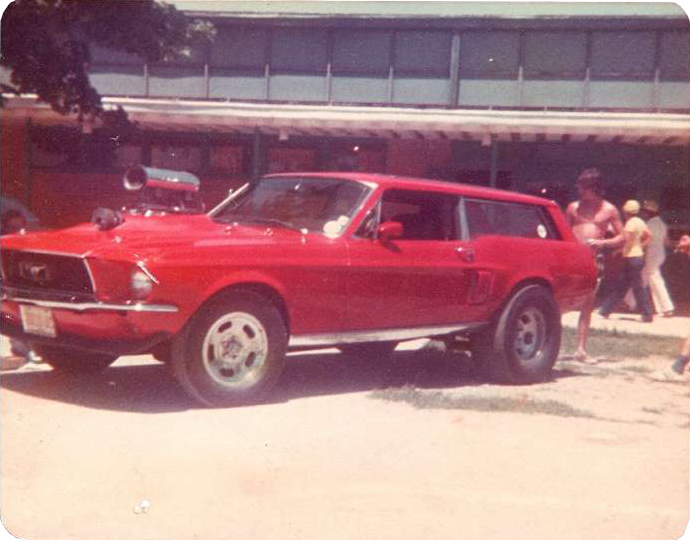
Examples of not particularly radical cars from the 70s. Personally, it doesn't feel right for me to call them freaks - from my point of view, these are street cars. In some photos, you can see at least two things that were popular in the 70s. The first is the rear wheels protruding beyond the arches. This feature, apparently, began with gassers based on Willys and Corvette - muscle cars could easily fit the rear wheels under the arches. Nevertheless, this arrangement of wheels was considered stylish on the streets. And the second popular thing is the universal conversion. Where the love for station wagons came from is not particularly clear, but most likely it happened under the influence of another direction of customization - vanning, which peaked in the same decade. Absolutely everything was turned into station wagons, and the Corvette was completely put on stream: several companies were engaged in either converting landships into station wagons or selling kits for self-conversion.
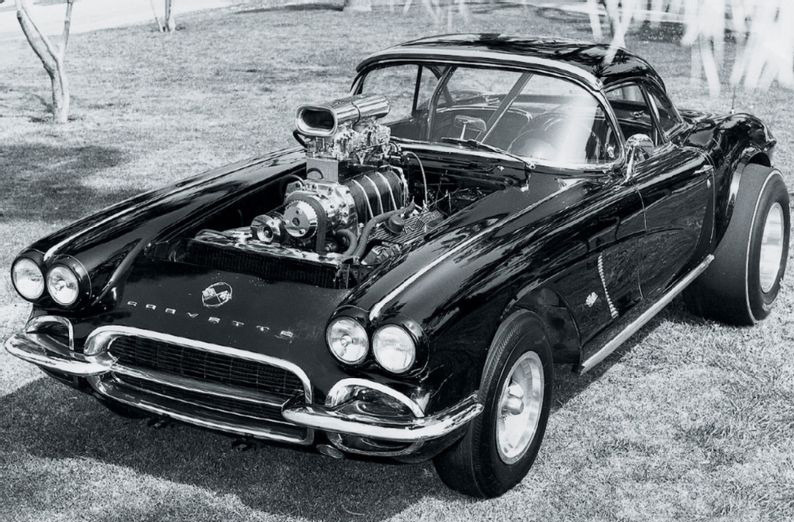
Examples of not particularly radical cars from the 70s. Personally, I don't feel comfortable calling them freaks - from my point of view, these are street cars. In some photos, you can see at least two things that were popular in the 70s. The first is the rear wheels protruding beyond the arches. This feature, apparently, began with gassers based on Willys and Corvette - muscle cars could easily fit the rear wheels under the arches. Nevertheless, this arrangement of wheels was considered stylish on the streets. And the second popular thing is the universal conversion. Where the love for station wagons came from is not particularly clear, but most likely it happened under the influence of another direction of customization - vanning, which peaked in the same decade. Absolutely everything was turned into station wagons, and the Corvette was completely put on stream: several companies were engaged in either converting landships into station wagons or selling kits for self-conversion.
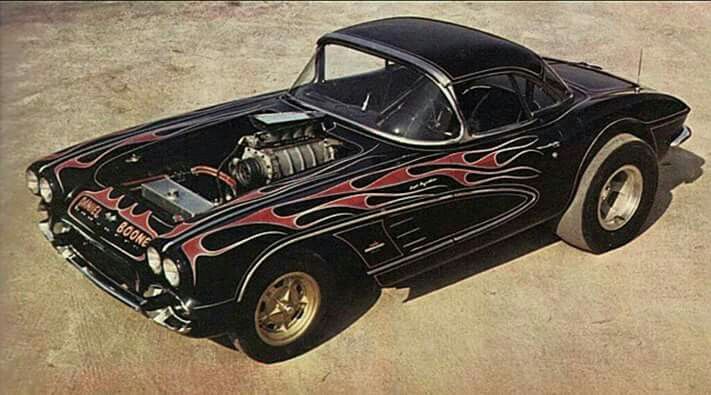
Examples of not particularly radical cars from the 70s. Personally, I don't feel comfortable calling them freaks - from my point of view, these are street cars. In some photos, you can see at least two things that were popular in the 70s. The first is the rear wheels protruding beyond the arches. This feature, apparently, began with gassers based on Willys and Corvette - muscle cars could easily fit the rear wheels under the arches. Nevertheless, this arrangement of wheels was considered stylish on the streets. And the second popular thing is the universal conversion. Where the love for station wagons came from is not particularly clear, but most likely it happened under the influence of another direction of customization - vanning, which peaked in the same decade. Absolutely everything was turned into station wagons, and the Corvette was completely put on stream: several companies were engaged in either converting landships into station wagons, or selling kits for self-conversion.
Examples of not particularly radical cars from the 70s. Personally, I don't feel comfortable calling them freaks - from my point of view, these are street cars. In some photos, you can see at least two things that were popular in the 70s. The first is the rear wheels protruding beyond the arches. This feature, apparently, began with gassers based on Willys and Corvette - muscle cars could easily fit the rear wheels under the arches. Nevertheless, this arrangement of wheels was considered stylish on the streets. And the second popular thing is the universal conversion. Where the love for station wagons came from is not particularly clear, but most likely it happened under the influence of another direction of customization - vanning, which peaked in the same decade. Absolutely everything was turned into station wagons, and the Corvette was completely put on stream: several companies were engaged in either converting landships into station wagons or selling kits for self-conversion.
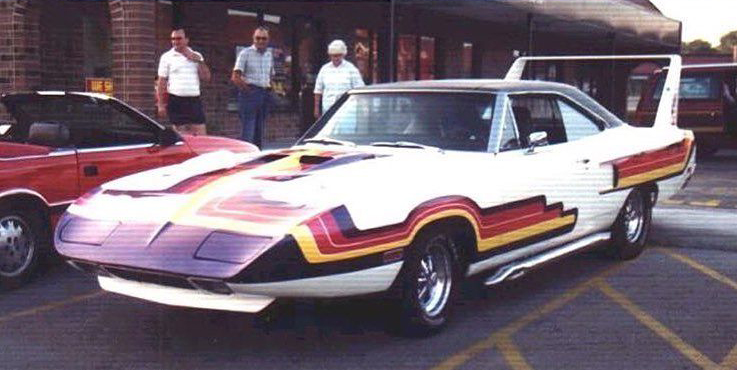
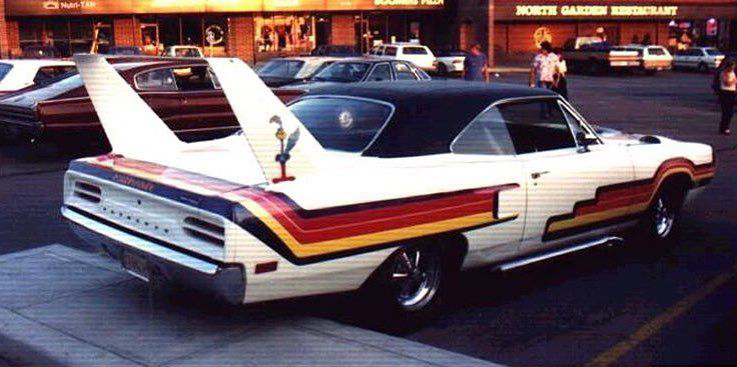
By a happy coincidence, this moment happened just in the seventies. Already in the 60s, there was not a single professional dragster left, from which everything that hindered speed would not be completely and irrevocably thrown out: passenger seats, radio, sound insulation… By the early seventies, this approach had become firmly and irrevocably established. This drew a bold line between hot rods and street rods: it is clear that it is simply impractical to glue girls without a back sofa, and by that time it was already illegal to drive even without headlights. But at the same time, a dragster was needed anyway – otherwise it was simply impossible to become the first guy in your neighborhood. It was precisely when such a dilemma arose that they built street roads.
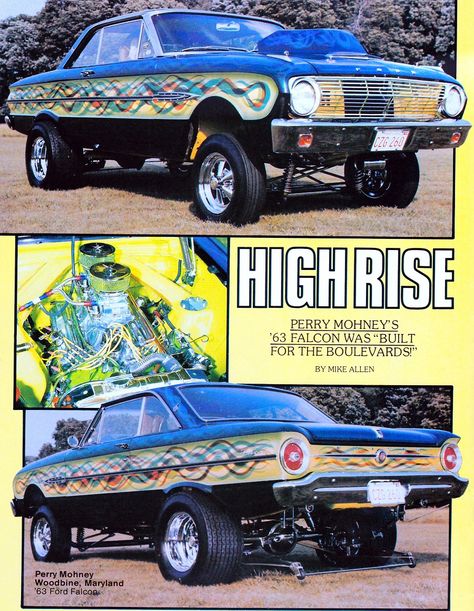
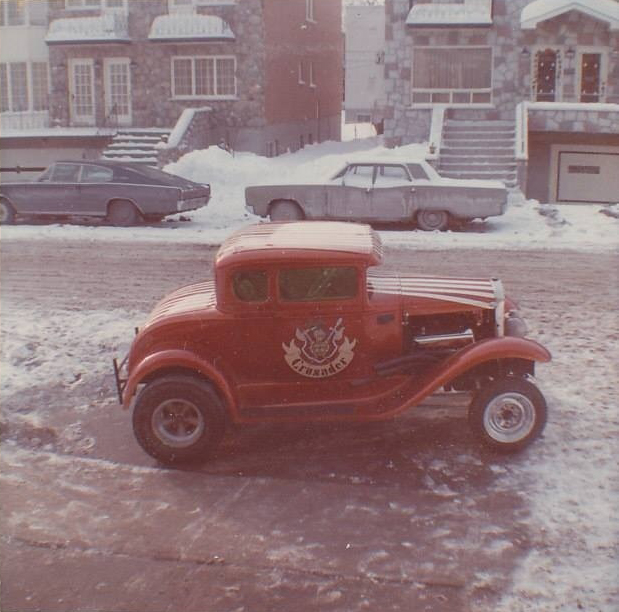
But these are canonical freaks. Heck, one of them even has a proud sticker with the inscription "street freak" on the trunk - and when fans of custom culture mention this phrase, they usually mean exactly that: cars with their noses up high and a straight front axle, imitating gassers. The idea of the gassers was to radically shift the weight to the rear half: not only did the front rise above the rear, but also the extremely simple design of the straight axle significantly reduced the weight of the front. Of course, traveling without stability stabilizers and even with such amazing aerodynamics often tickled the nerves, but it was a cheap and easy way to get a lot of speed. In the photos, you can see that the freaks were often limited to just the front axle and the high nose, often omitting all other aspects of the real gasser.
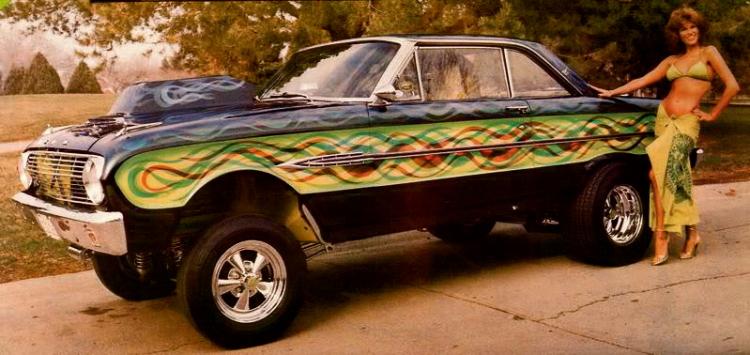
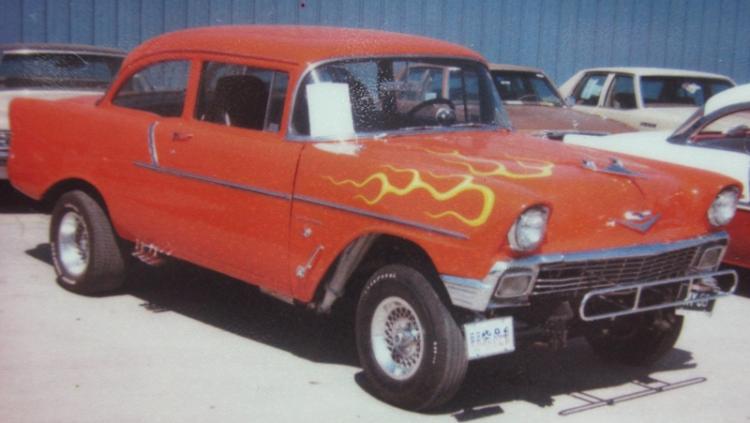
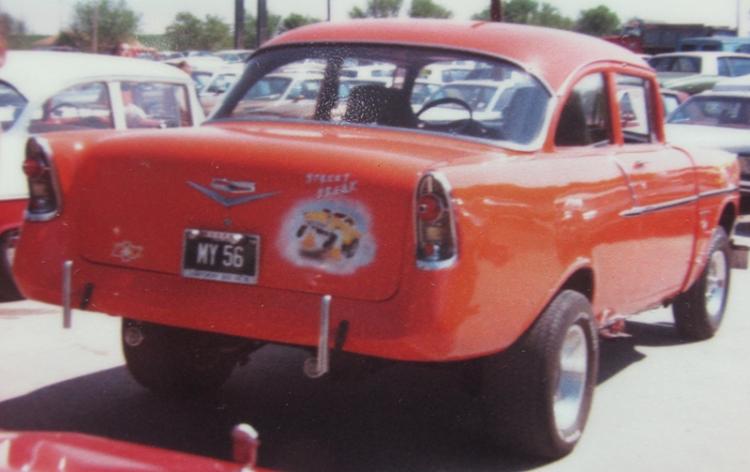
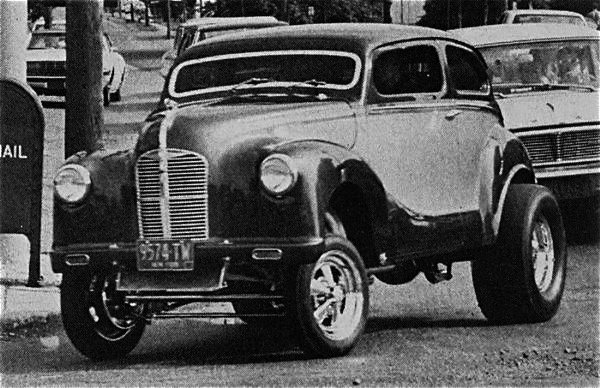
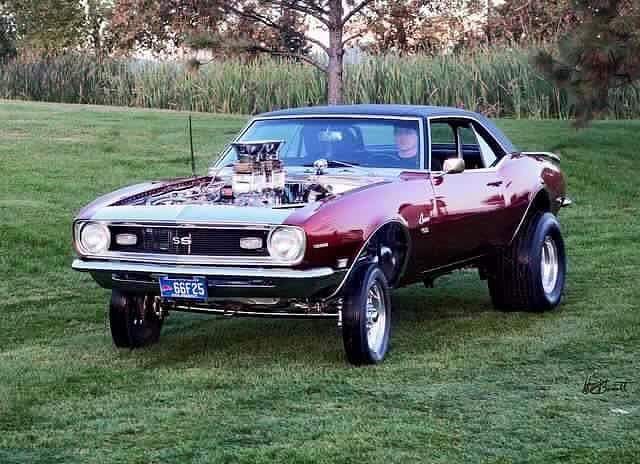
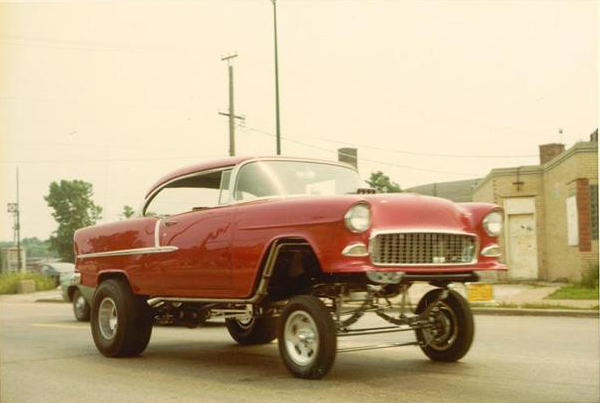
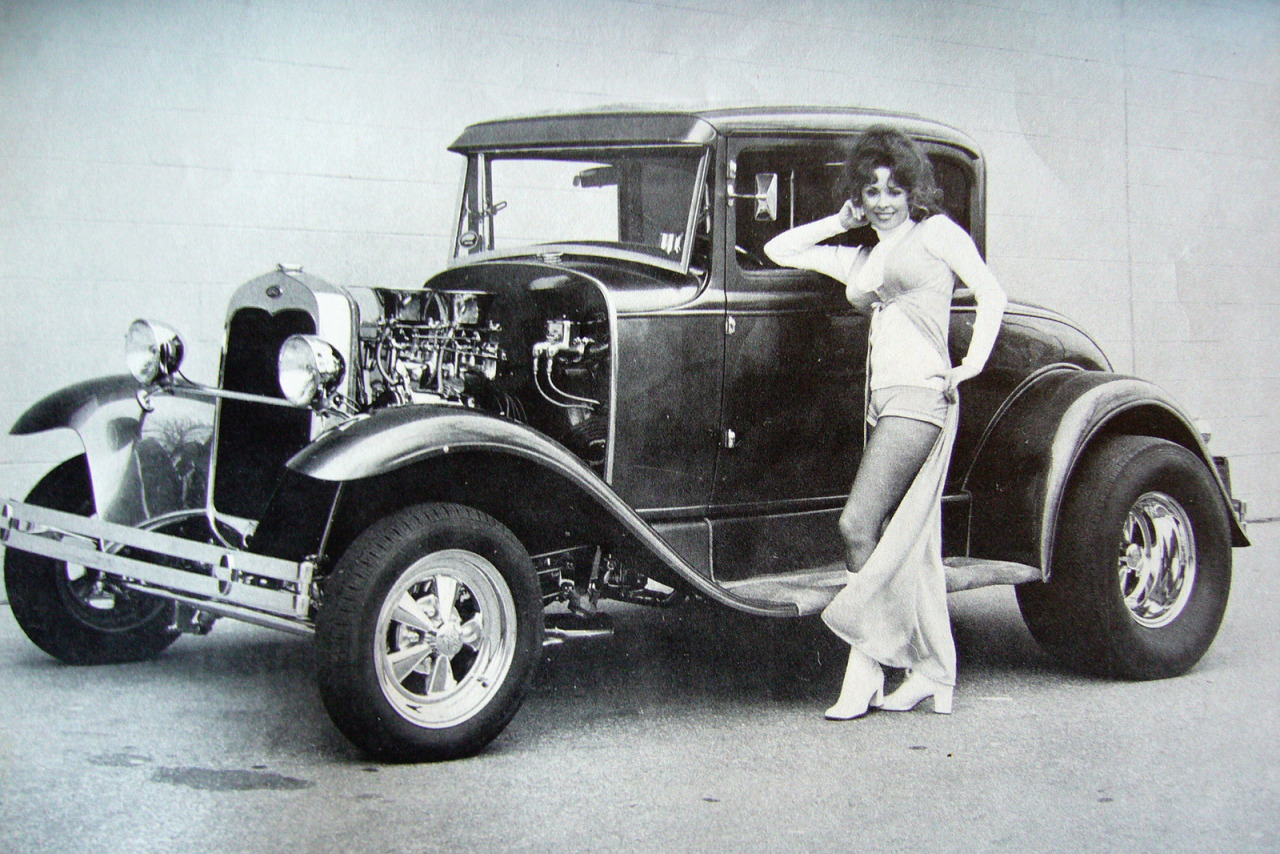
But these are canonical freaks. Heck, one of them even has a proud sticker with the inscription "street freak" on the trunk - and when fans of custom culture mention this phrase, they usually mean exactly that: cars with their noses up high and a straight front axle, imitating gassers. The idea of the gassers was to radically shift the weight to the rear half: not only did the front rise above the rear, but also the extremely simple design of the straight axle significantly reduced the weight of the front. Of course, riding without stability stabilizers and even with such amazing aerodynamics often tickled the nerves, but it was a cheap and easy way to get a lot of speed. In the photos, you can see that the freaks were often limited to just the front axle and the high nose, often omitting all other aspects of the real gasser.
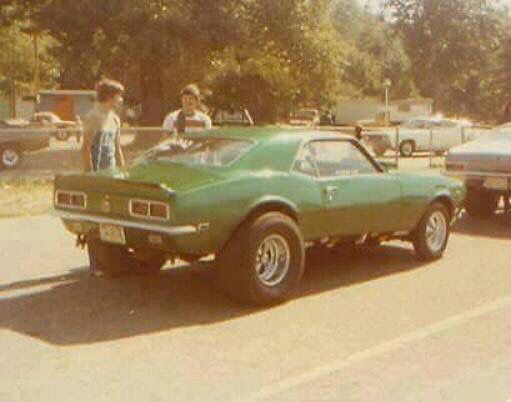
But these are canonical freaks. Heck, one of them even has a proud sticker with the inscription "street freak" on the trunk - and when fans of custom culture mention this phrase, they usually mean exactly that: cars with their noses up high and a straight front axle, imitating gassers. The idea of the gassers was to radically shift the weight to the rear half: not only did the front rise above the rear, but also the extremely simple design of the straight axle significantly reduced the weight of the front. Of course, traveling without stability stabilizers and even with such amazing aerodynamics often tickled the nerves, but it was a cheap and easy way to get a lot of speed. In the photos, you can see that the freaks were often limited to just the front axle and the high nose, often omitting all other aspects of the real gasser.
Cars, freaks, and childbirth
Probably, no one can say for sure exactly when the term “street machine” appeared, but at the same time, it is undeniable that it was in the 70s that it became firmly in use, began to appear on the covers of thematic magazines and flashed as stickers on the cars themselves. A street car is, in fact, exactly the same as a street rod – and both of these terms do not mean a professional, but still a dragster, suitable and legal for convenient daily movement on the streets. The only difference is that the concept of a street car is usually applied to hot rods – that is, to everything that was built before the 50s /60s (the date varies greatly and no one can really name the exact year), and a street car is, accordingly, everything., which is built after the X point .
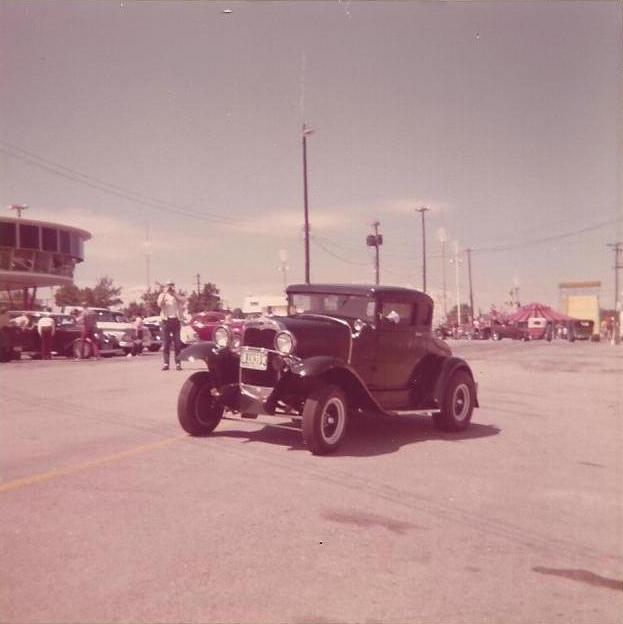
These are also street freaks, only they imitate stokers instead of gassers - and in this class, they practiced not lifting their noses higher, but huge, wide slicks at the back for greater connection to the road and better gear ratios at the gearbox, plus small, narrow wheels at the front for less contact with the surface on the driven wheels, and consequently less resistance to movement. The body itself stood on all this at an appropriate angle. By the way, one of these freaks appears to have a straight axis, characteristic of gassers. Well, it's possible, because while the NHRA standardized quarter-mile racing with rules and regulations, the Wild West of the Salt Lakes of the 40s still reigned among street freaks.
These are also street freaks, only they imitate stokers instead of gassers - and in this class, they practiced not lifting their noses higher, but huge, wide slicks at the back for greater connection to the road and better gear ratios in the gearbox, plus small, narrow wheels at the front for less contact with the surface on the driven wheels, and consequently less resistance to movement. The body itself stood on all this at an appropriate angle. By the way, one of these freaks appears to have a straight axis, characteristic of gassers. Well, it's possible, because while the NHRA standardized quarter-mile racing with rules and regulations, the Wild West of the Salt Lakes of the 40s still reigned among street freaks.
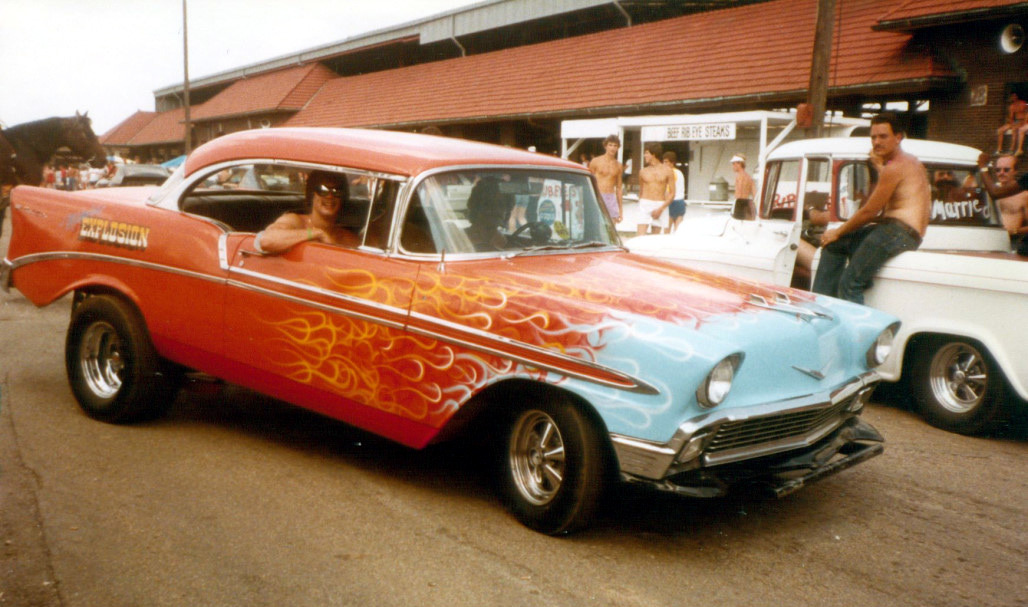
These are also street freaks, only they imitate stokers instead of gassers - and in this class, they practiced not lifting their noses higher, but huge, wide slicks at the back for greater connection to the road and better gear ratios at the gearbox, plus small, narrow wheels at the front for less contact with the surface on the driven wheels, and consequently less resistance to movement. The body itself stood on all this at an appropriate angle. By the way, one of these freaks appears to have a straight axis, characteristic of gassers. Well, it's possible, because while the NHRA standardized quarter-mile racing with rules and regulations, the Wild West of the Salt Lakes of the 40s still reigned among street freaks.
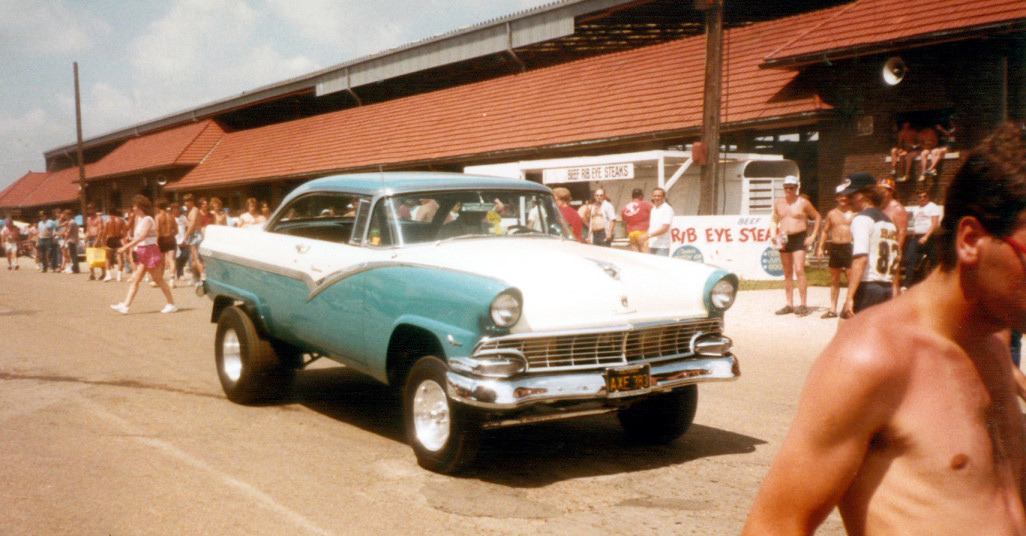
These are also street freaks, only they imitate stokers instead of gassers - and in this class, they practiced not lifting their noses higher, but huge, wide slicks at the back for greater connection to the road and better gear ratios in the gearbox, plus small, narrow wheels at the front for less contact with the surface on the driven wheels, and consequently less resistance to movement. The body itself stood on all this at an appropriate angle. By the way, one of these freaks appears to have a straight axis, characteristic of gassers. Well, it's possible, because while the NHRA standardized quarter-mile racing with rules and regulations, the Wild West of the Salt Lakes of the 40s still reigned among street freaks.
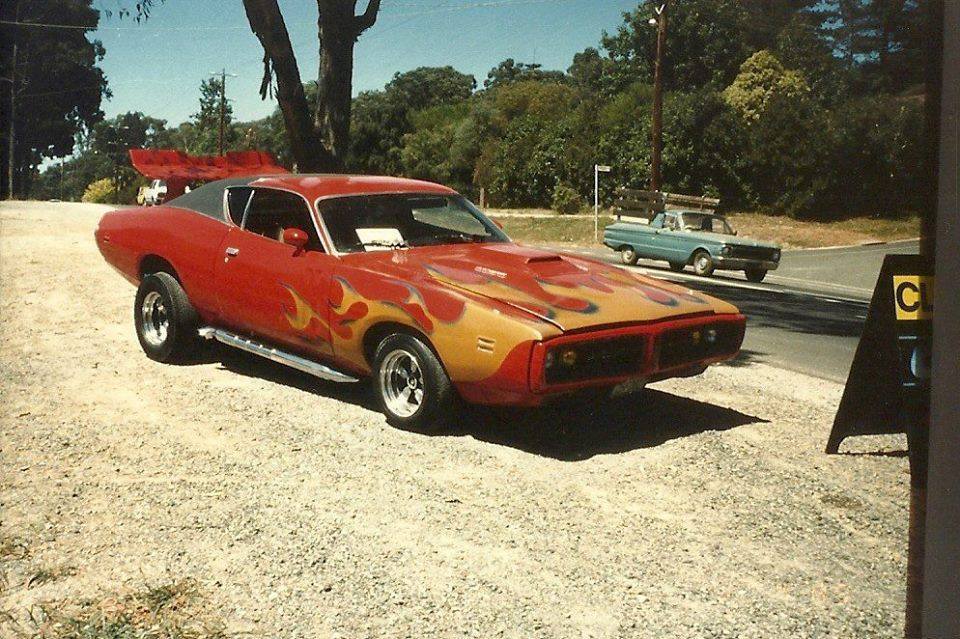
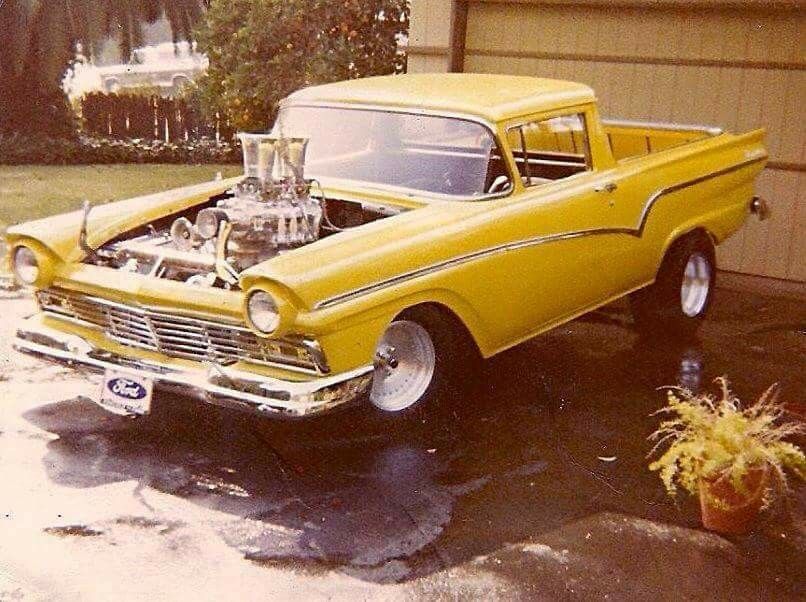
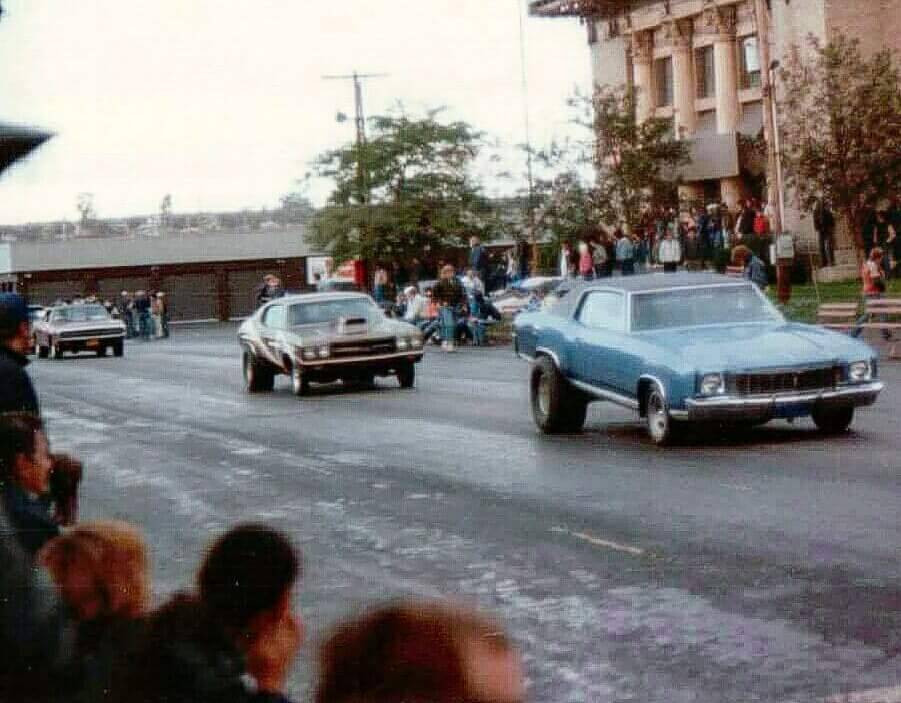
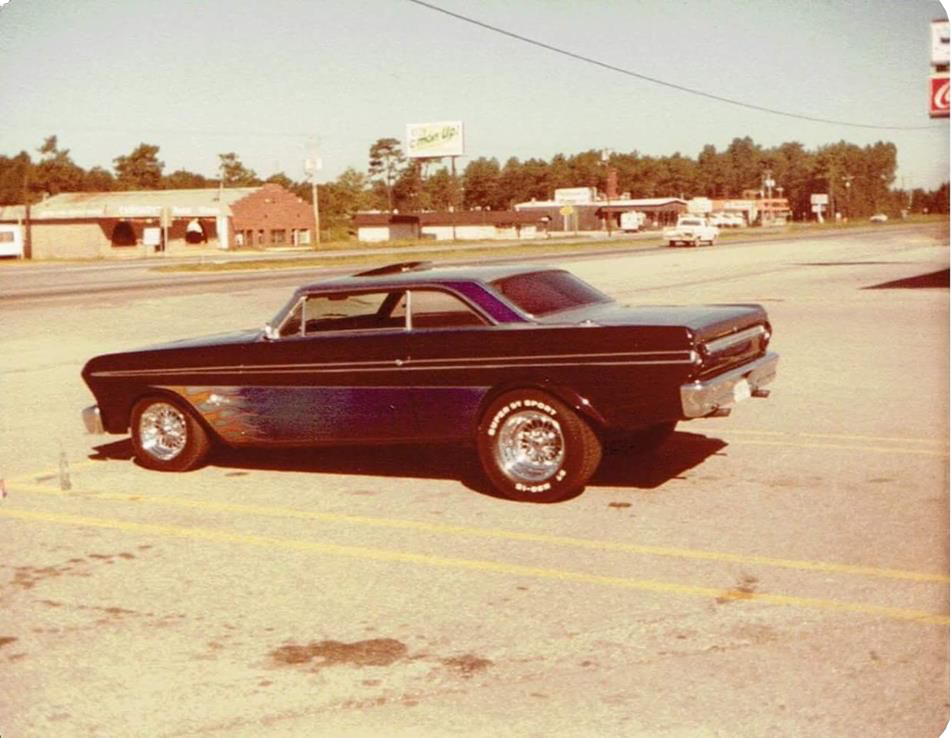
These are also street freaks, only they imitate stokers instead of gassers - and in this class, they practiced not lifting their noses higher, but huge, wide slicks at the back for greater connection to the road and better gear ratios at the gearbox, plus small, narrow wheels at the front for less contact with the surface on the driven wheels, and consequently less resistance to movement. The body itself stood on all this at an appropriate angle. By the way, one of these freaks appears to have a straight axis, characteristic of gassers. Well, it's possible, because while the NHRA standardized quarter-mile racing with rules and regulations, the Wild West of the Salt Lakes of the 40s still reigned among street freaks.
What, then, is a street freak? Well, like a street rod and a street car, the concept of a street car and a street freak overlap very strongly with each other. In fact, every street freak is automatically a street car, but not every street car is a freak. In other words, street freaks are a subsection of street cars for a certain decade: the concept of a street car may go beyond the 70s, but if you say “street freak“, then everyone will definitely understand what time period you are talking about. Is there any definite difference? Was it possible in the 70s to build a street car that wasn’t a street freak? Maybe yes, maybe no. It’s already difficult to figure it out, and from the height of the past decades, people quite calmly call almost everything that was built in the 70s freaks. The only exceptions are extremely careful customizations that avoid both radical and popular solutions at that time. Of course, there are very few of them.
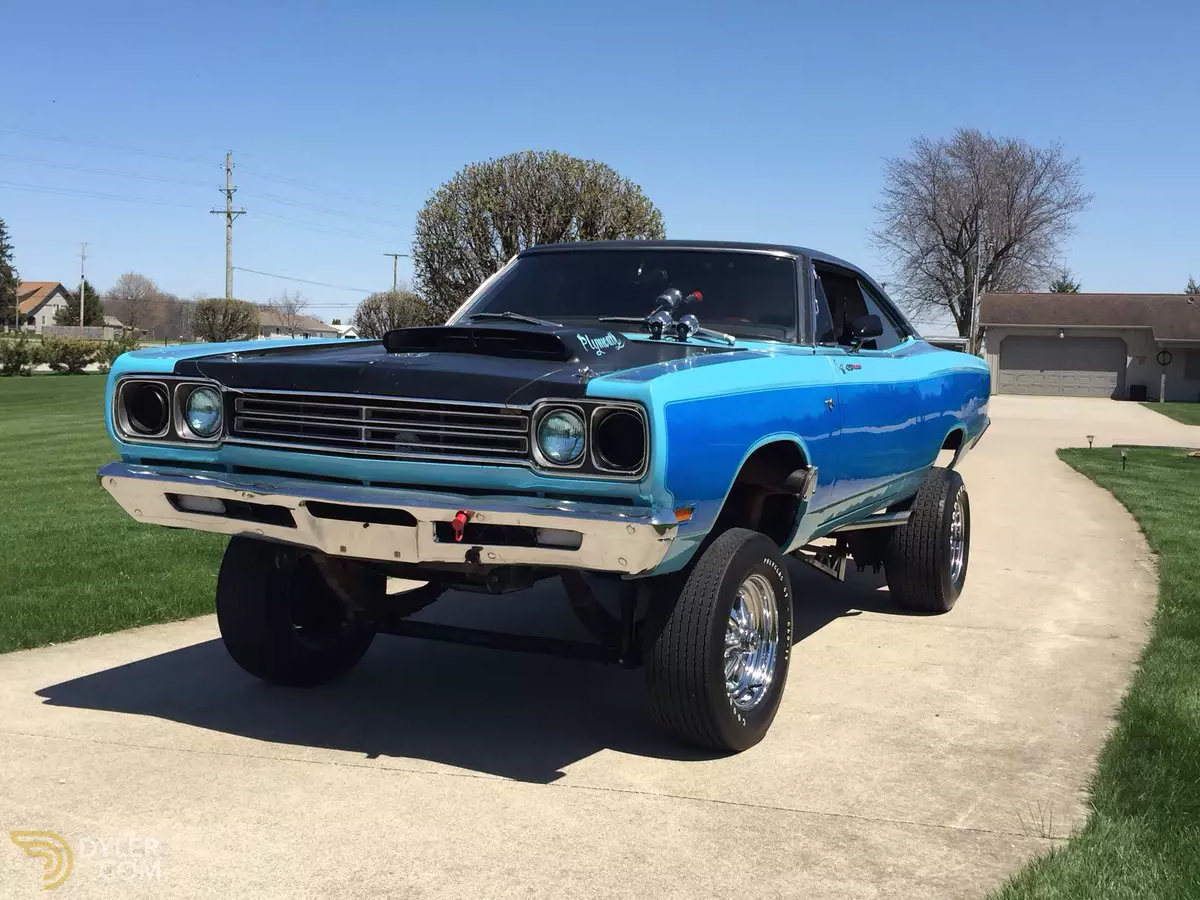
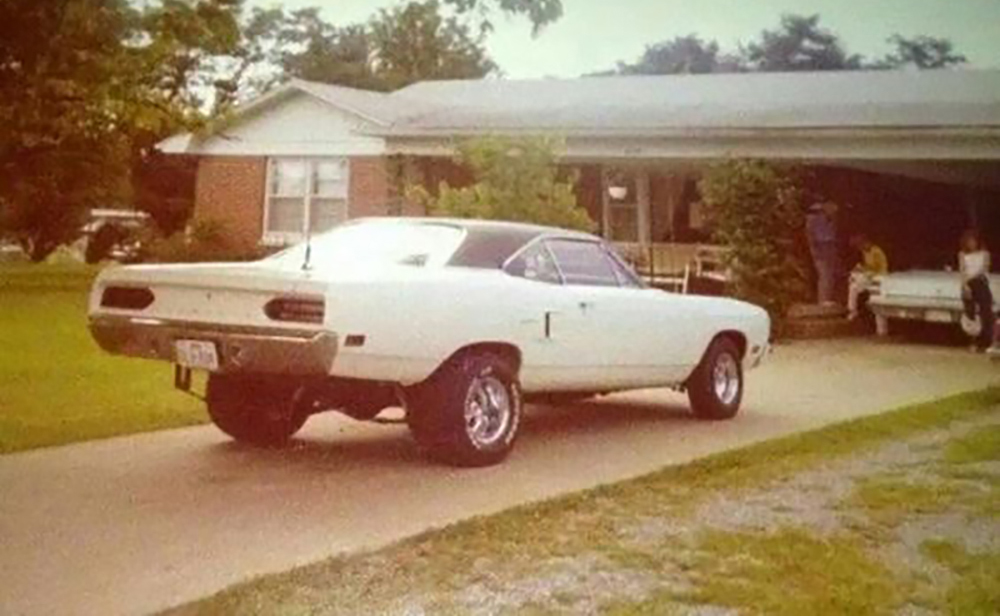
This 6.3-liter Roadrunner is one of the few that, according to the owner, has survived in this configuration to this day. It is claimed that this Plymouth was rebuilt into a freak almost immediately after the first owner acquired it in '69. The current owner restored the car, preserving the technical solutions and appearance of the 70s as much as possible. At the time of writing, the car is for sale for 24 thousand dollars. Let's hope that some militant purist doesn't buy it in order to return the car to its factory appearance.
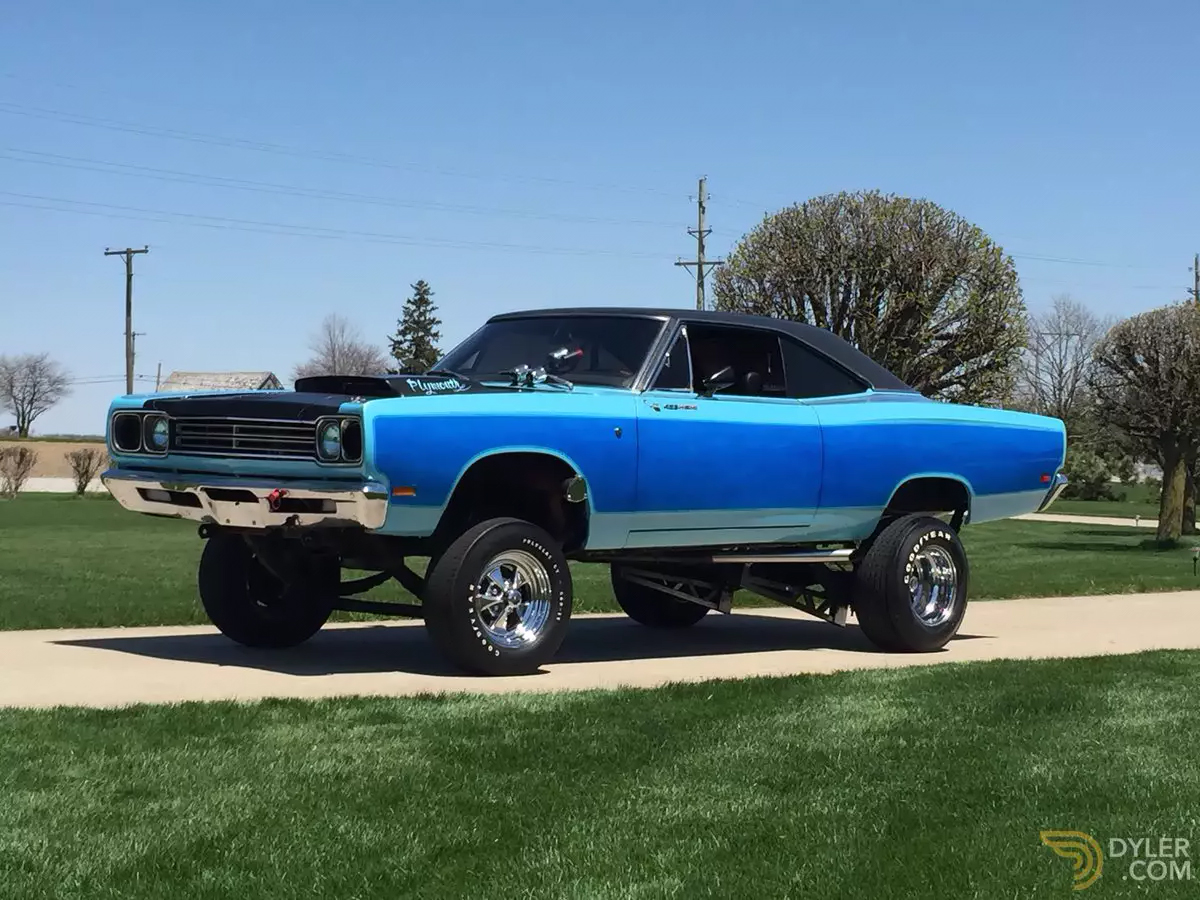
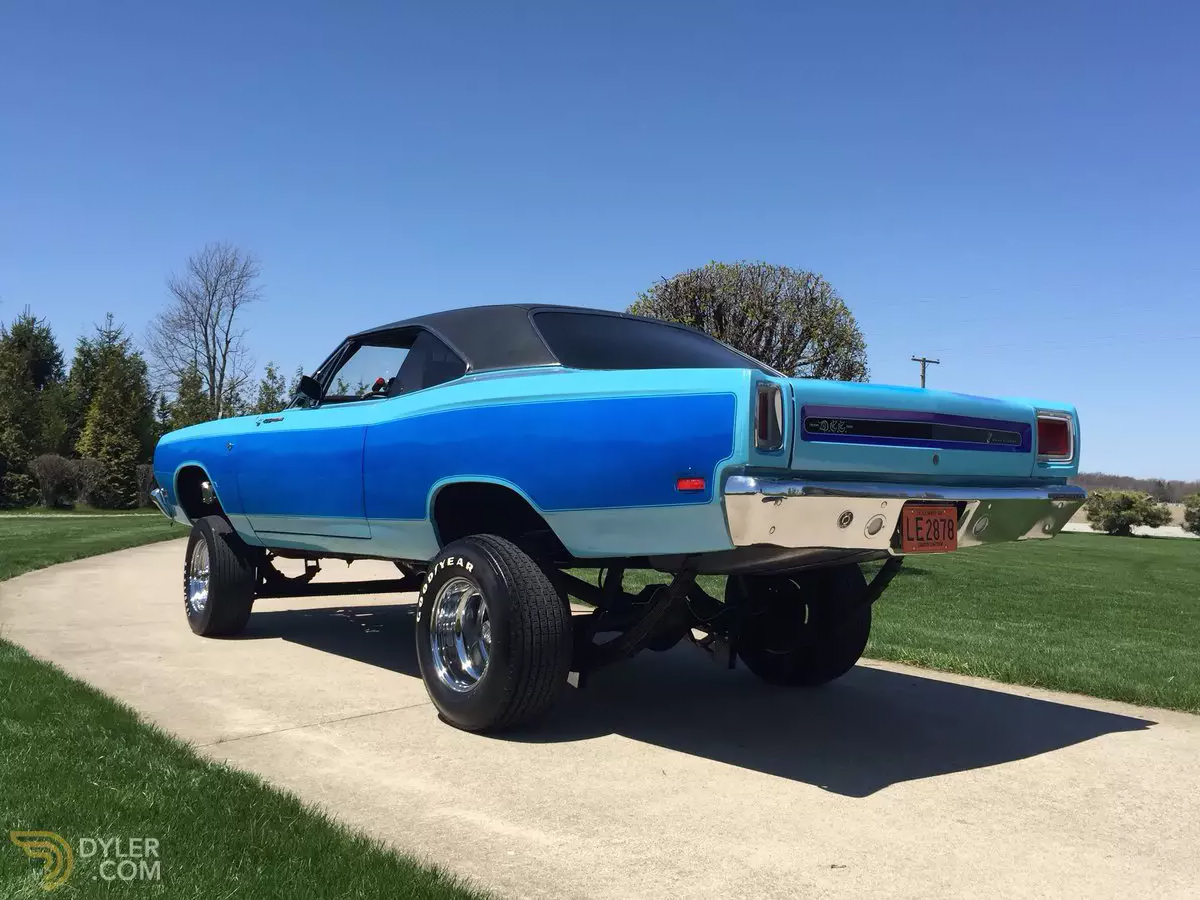
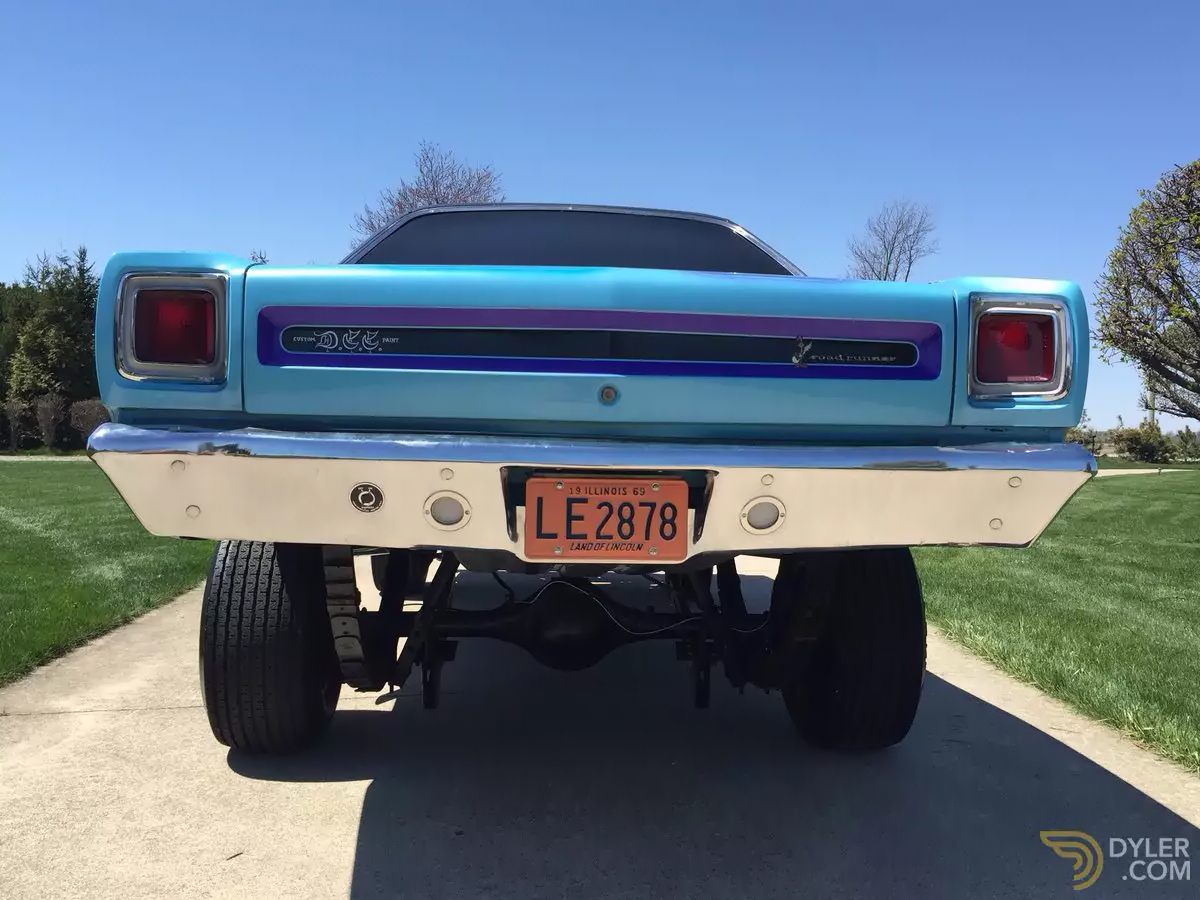
This 6.3-liter Roadrunner is one of the few that, according to the owner, has survived in this configuration to this day. It is claimed that this Plymouth was rebuilt into a freak almost immediately after the first owner purchased it in '69. The current owner restored the car, preserving the technical solutions and appearance of the 70s as much as possible. At the time of writing, the car is for sale for 24 thousand dollars. Let's hope that some militant purist doesn't buy it in order to return the car to its factory appearance.
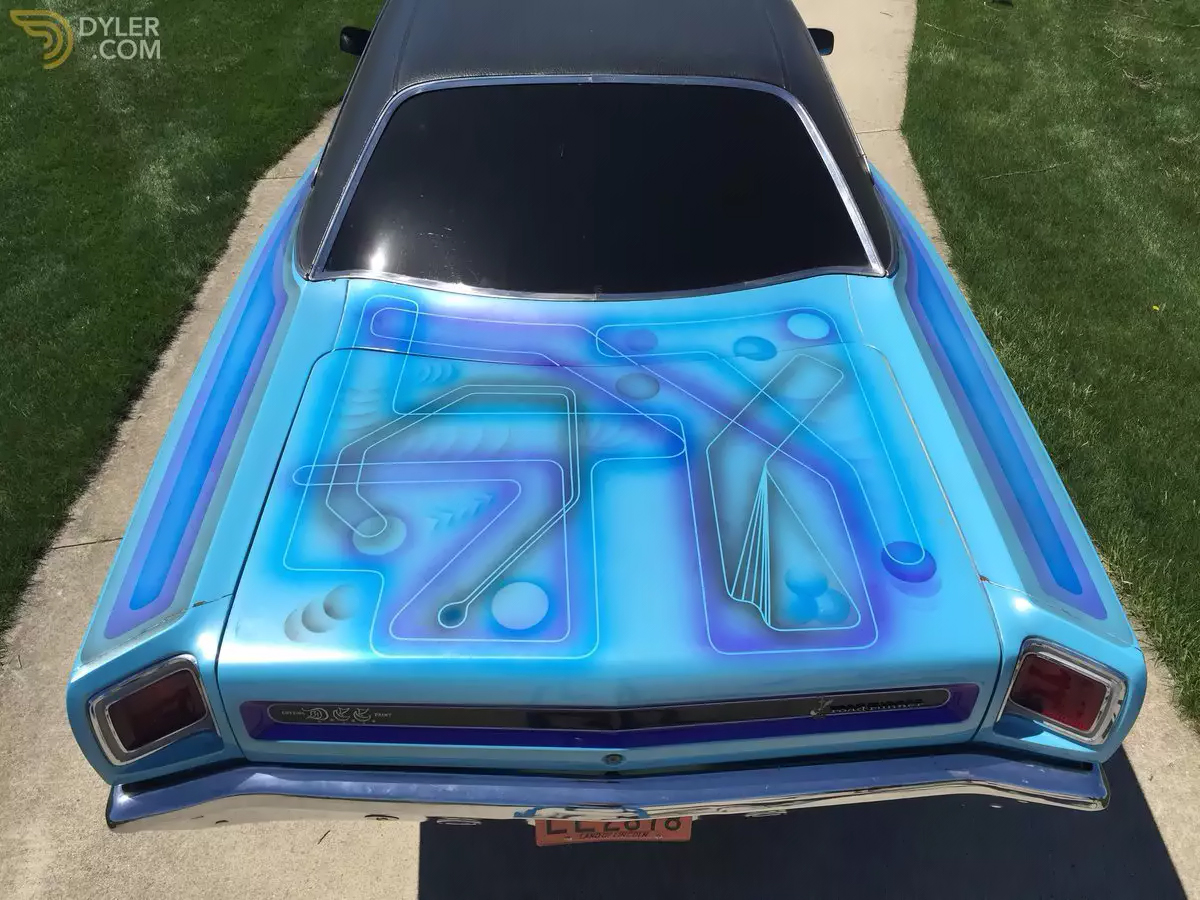
This 6.3-liter Roadrunner is one of the few that, according to the owner, has survived in this configuration to this day. It is claimed that this Plymouth was rebuilt into a freak almost immediately after the first owner acquired it in '69. The current owner restored the car, preserving the technical solutions and appearance of the 70s as much as possible. At the time of writing, the car is for sale for 24 thousand dollars. Let's hope that some militant purist doesn't buy it in order to return the car to its factory appearance.
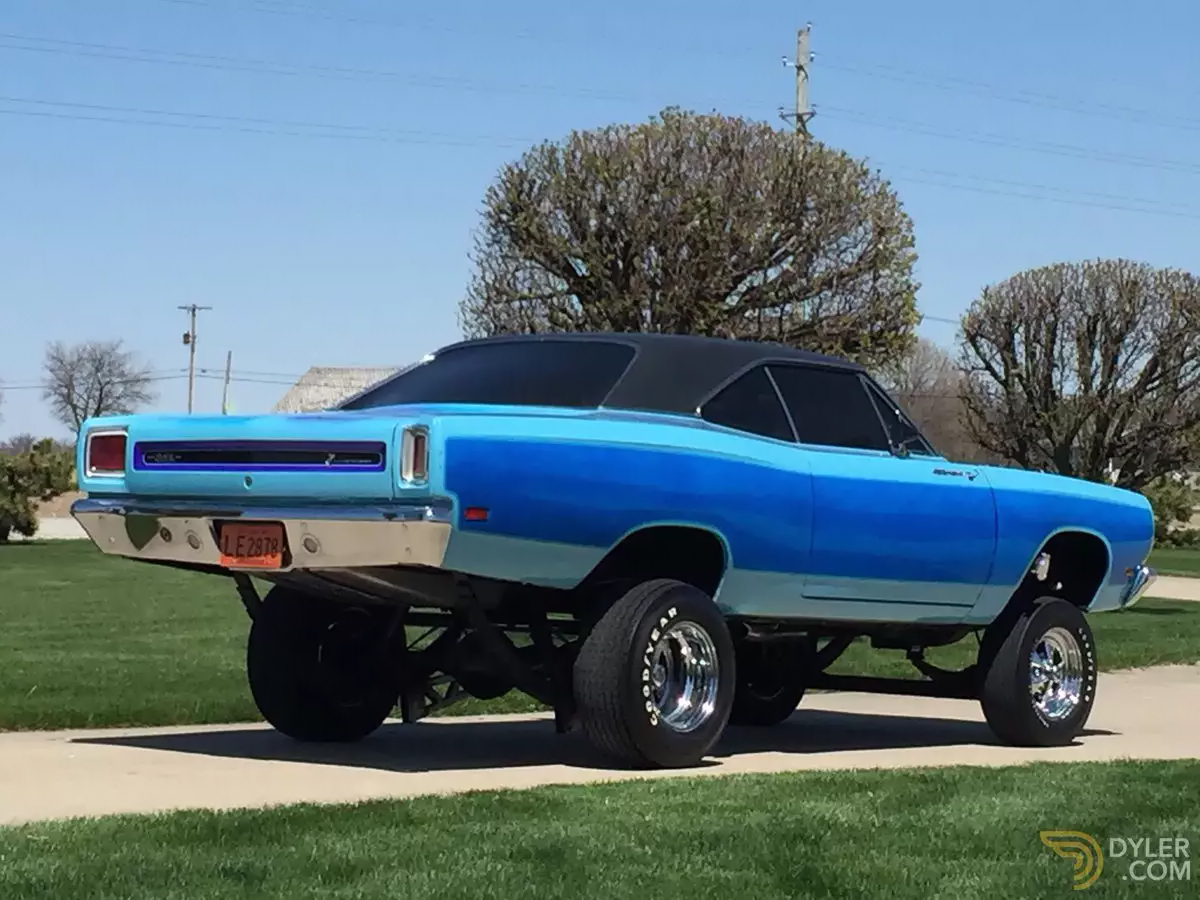
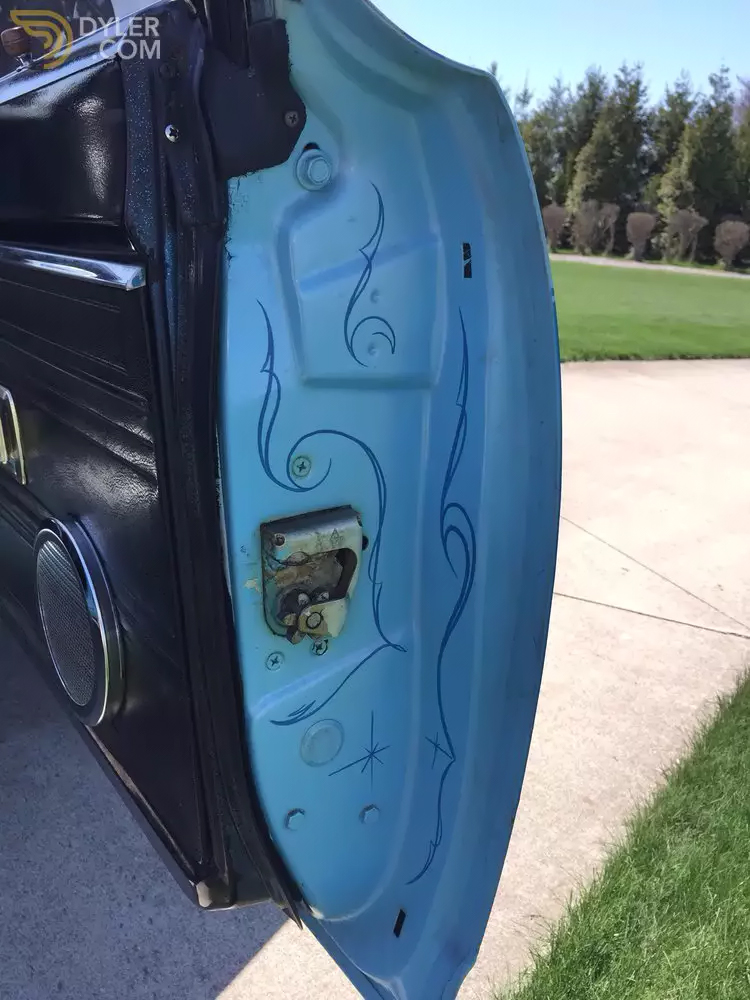
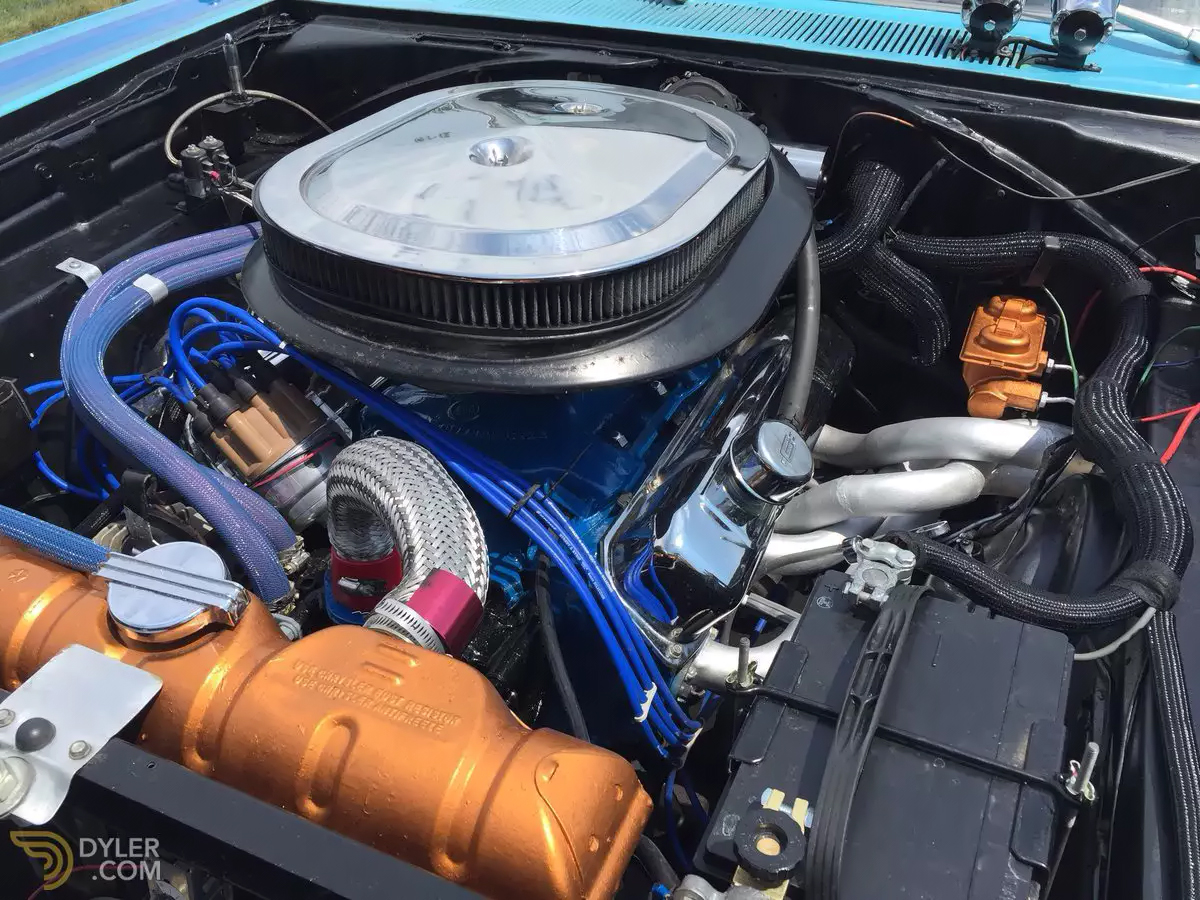
This 6.3-liter Roadrunner is one of the few that, according to the owner, has survived in this configuration to this day. It is claimed that this Plymouth was rebuilt into a freak almost immediately after the first owner purchased it in '69. The current owner restored the car, preserving the technical solutions and appearance of the 70s as much as possible. At the time of writing, the car is for sale for 24 thousand dollars. Let's hope that some militant purist doesn't buy it in order to return the car to its factory appearance.
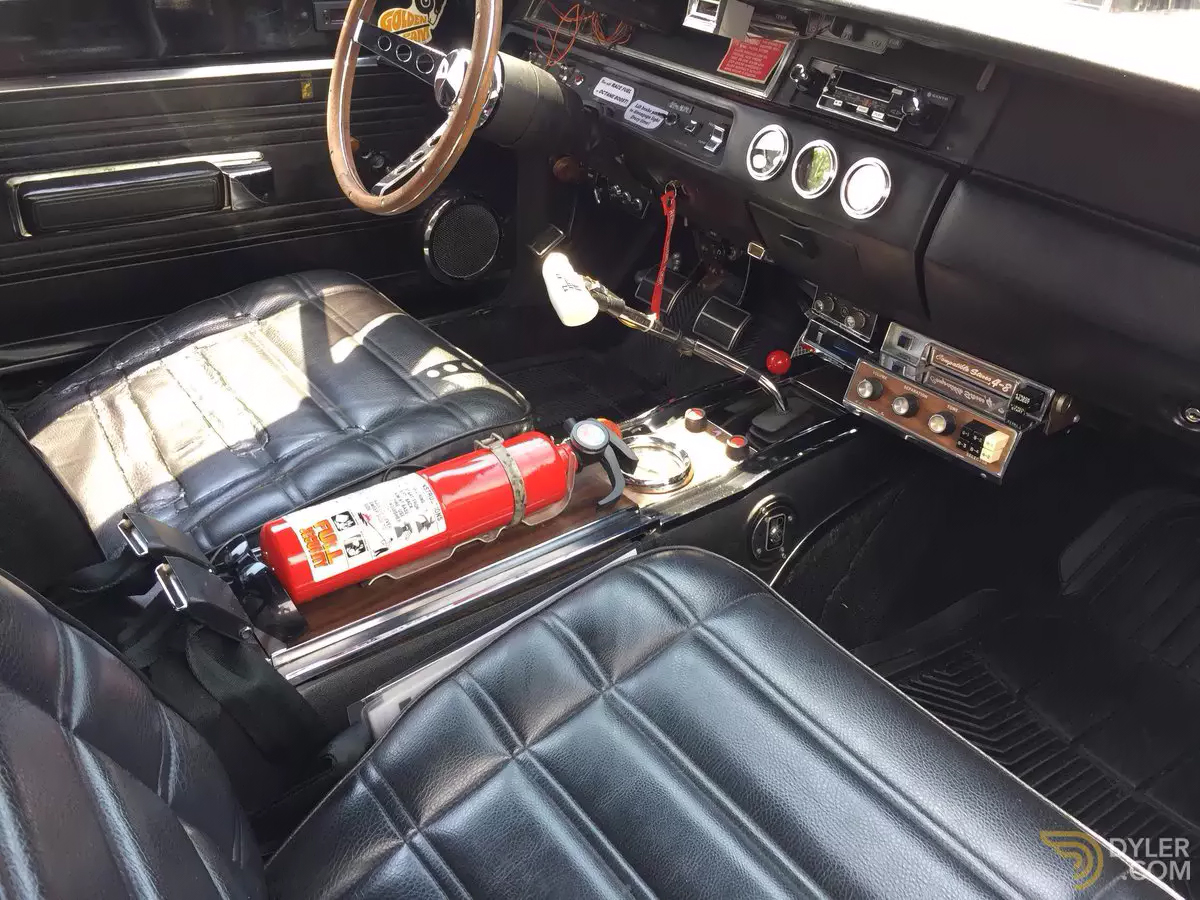
This 6.3-liter Roadrunner is one of the few that, according to the owner, has survived in this configuration to this day. It is claimed that this Plymouth was rebuilt into a freak almost immediately after the first owner acquired it in '69. The current owner restored the car, preserving the technical solutions and appearance of the 70s as much as possible. At the time of writing, the car is for sale for 24 thousand dollars. Let's hope that some militant purist doesn't buy it in order to return the car to its factory appearance.
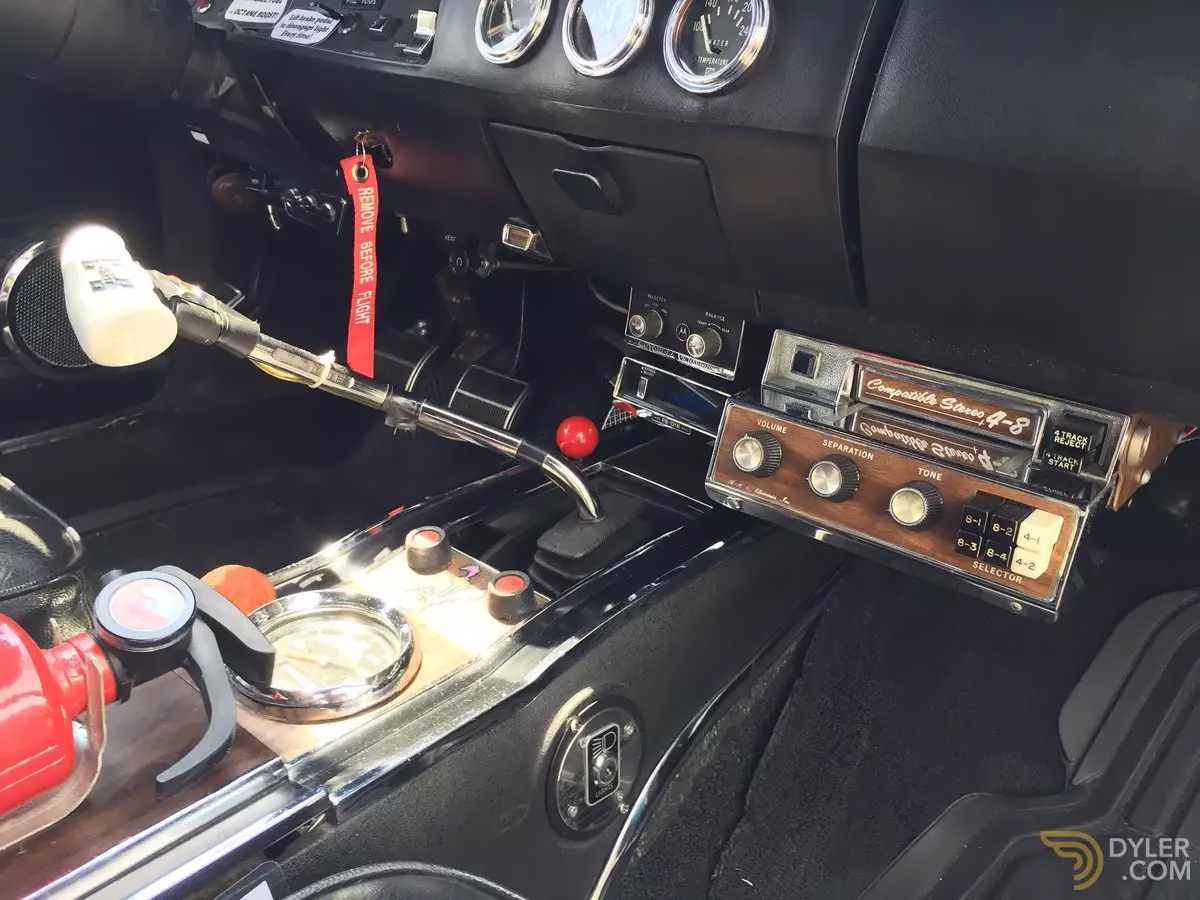
This 6.3-liter Roadrunner is one of the few that, according to the owner, has survived in this configuration to this day. It is claimed that this Plymouth was rebuilt into a freak almost immediately after the first owner purchased it in '69. The current owner restored the car, preserving the technical solutions and appearance of the 70s as much as possible. At the time of writing, the car is for sale for 24 thousand dollars. Let's hope that some militant purist doesn't buy it in order to return the car to its factory appearance.
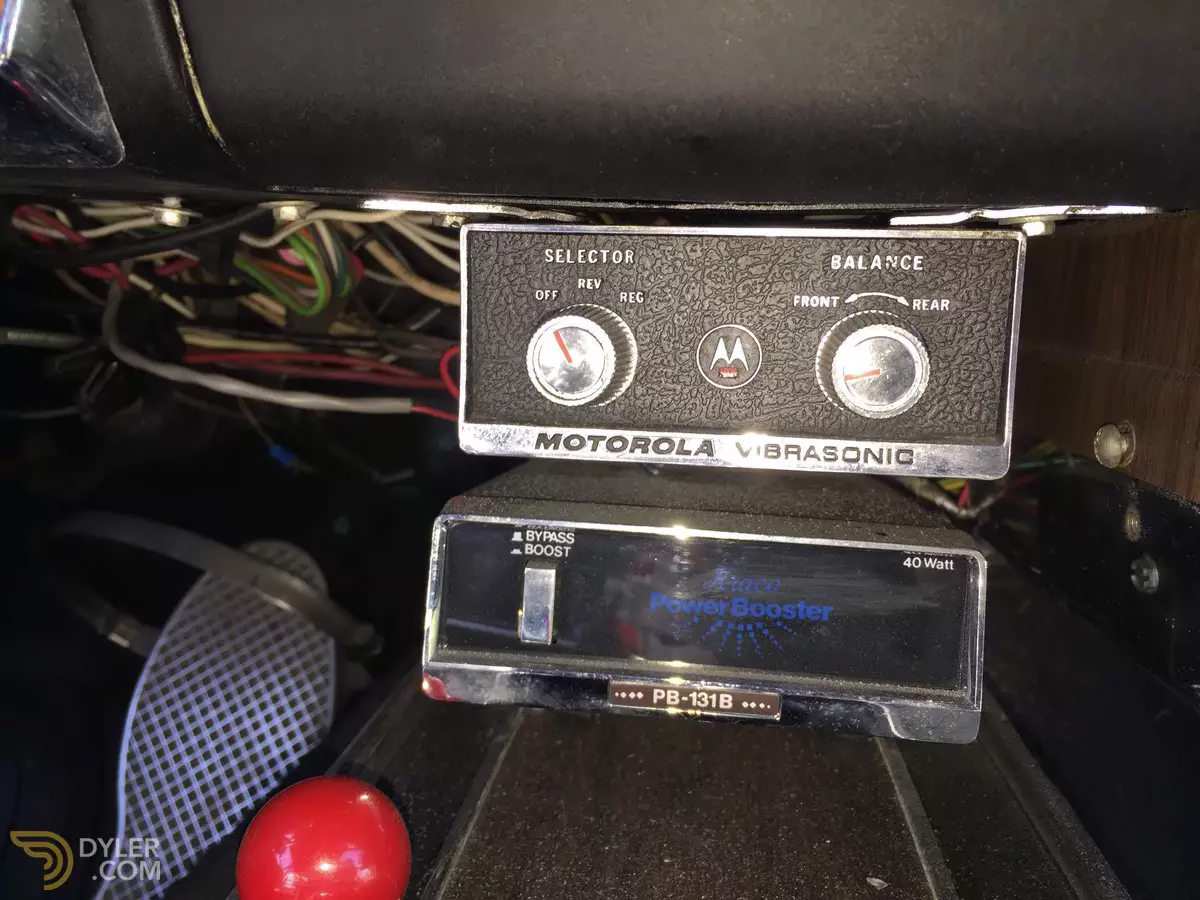
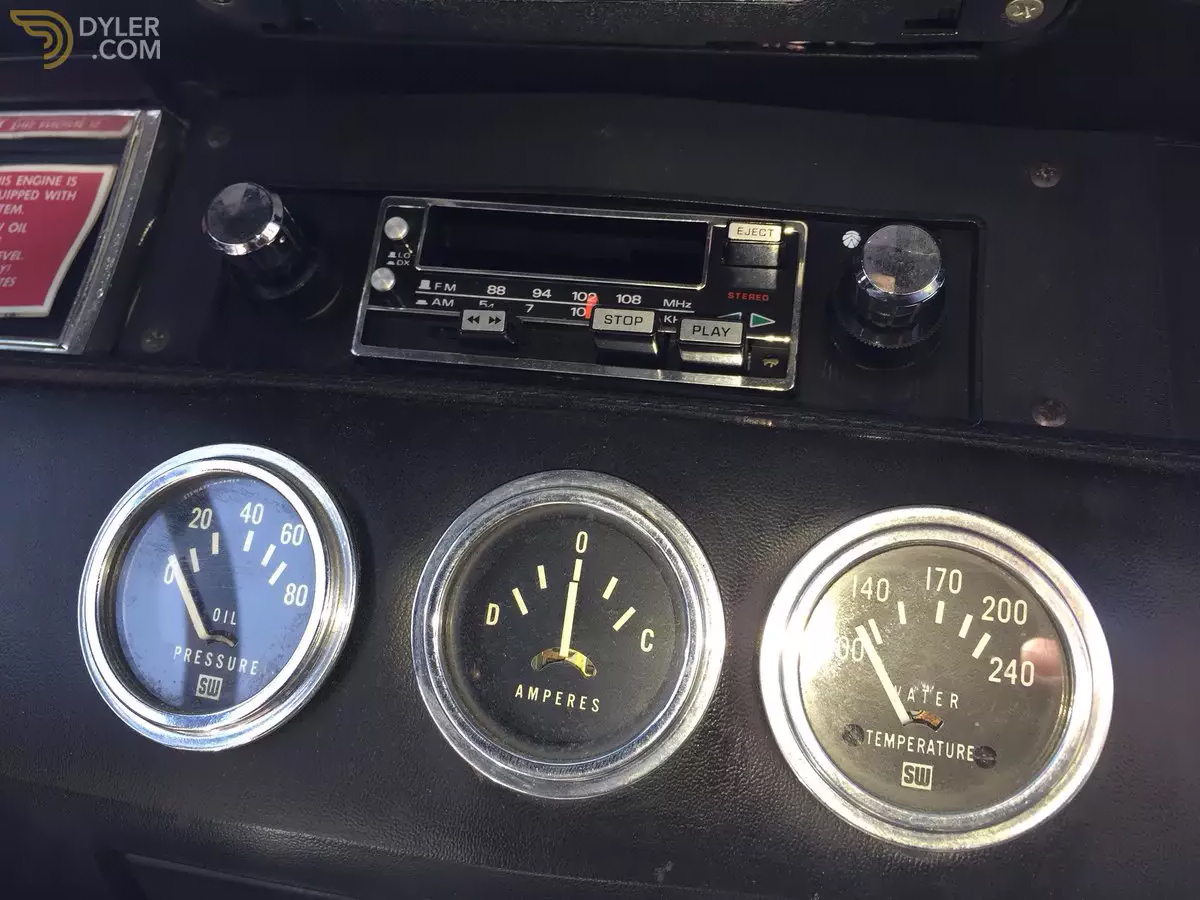
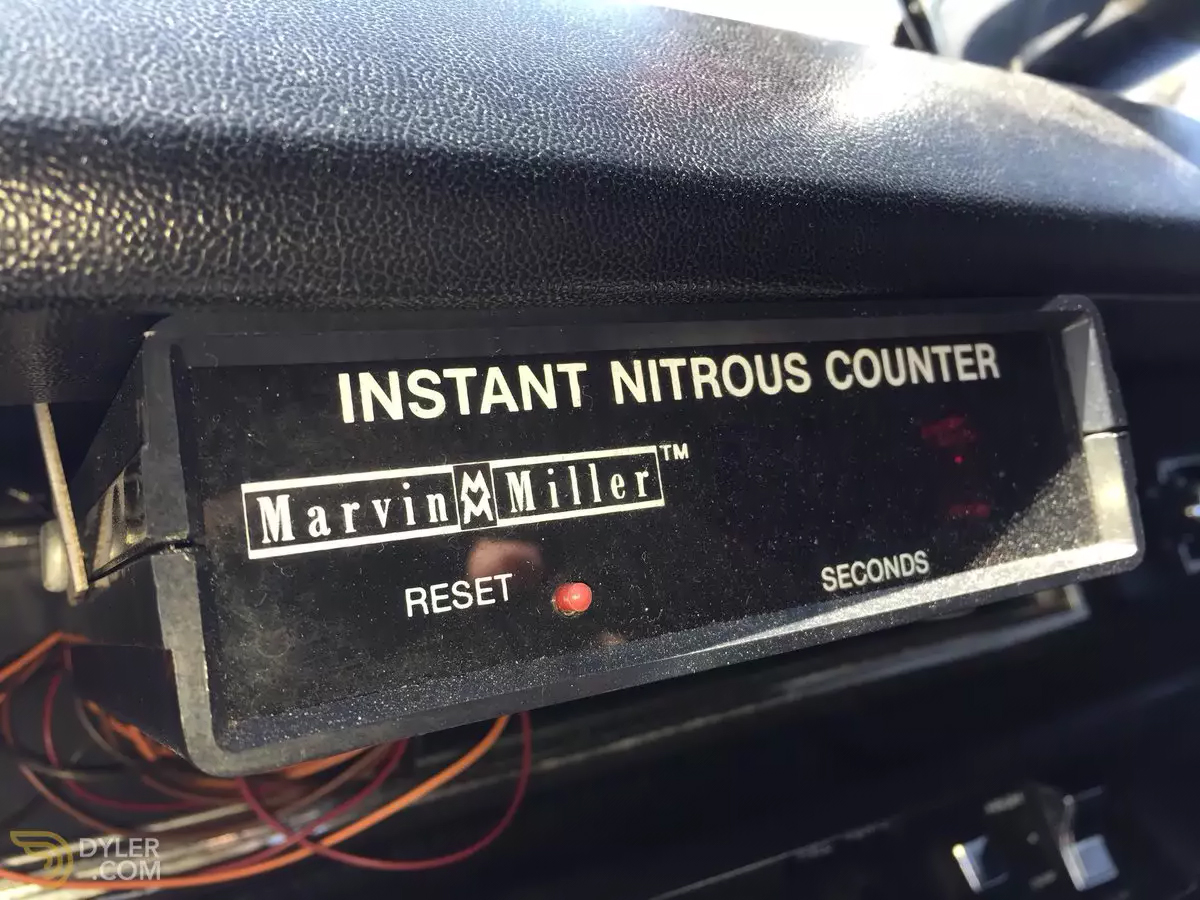
This 6.3-liter Roadrunner is one of the few that, according to the owner, has survived in this configuration to this day. It is claimed that this Plymouth was rebuilt into a freak almost immediately after the first owner acquired it in '69. The current owner restored the car, preserving the technical solutions and appearance of the 70s as much as possible. At the time of writing, the car is for sale for 24 thousand dollars. Let's hope that some militant purist doesn't buy it in order to return the car to its factory appearance.
Freak-specifics
As it seems to me personally, solely because of the name, the original idea of the phrase “street freak” is extremely simple.: this designation was probably invented specifically for those cars that looked uncomfortable and impractical. It’s freaky. In other words, I believe that a street freak is primarily a provocative appearance aimed at a wow effect, sometimes even to the detriment of performance and comfort, while a street car is a competent combination of elements of an everyday car and a racing car.
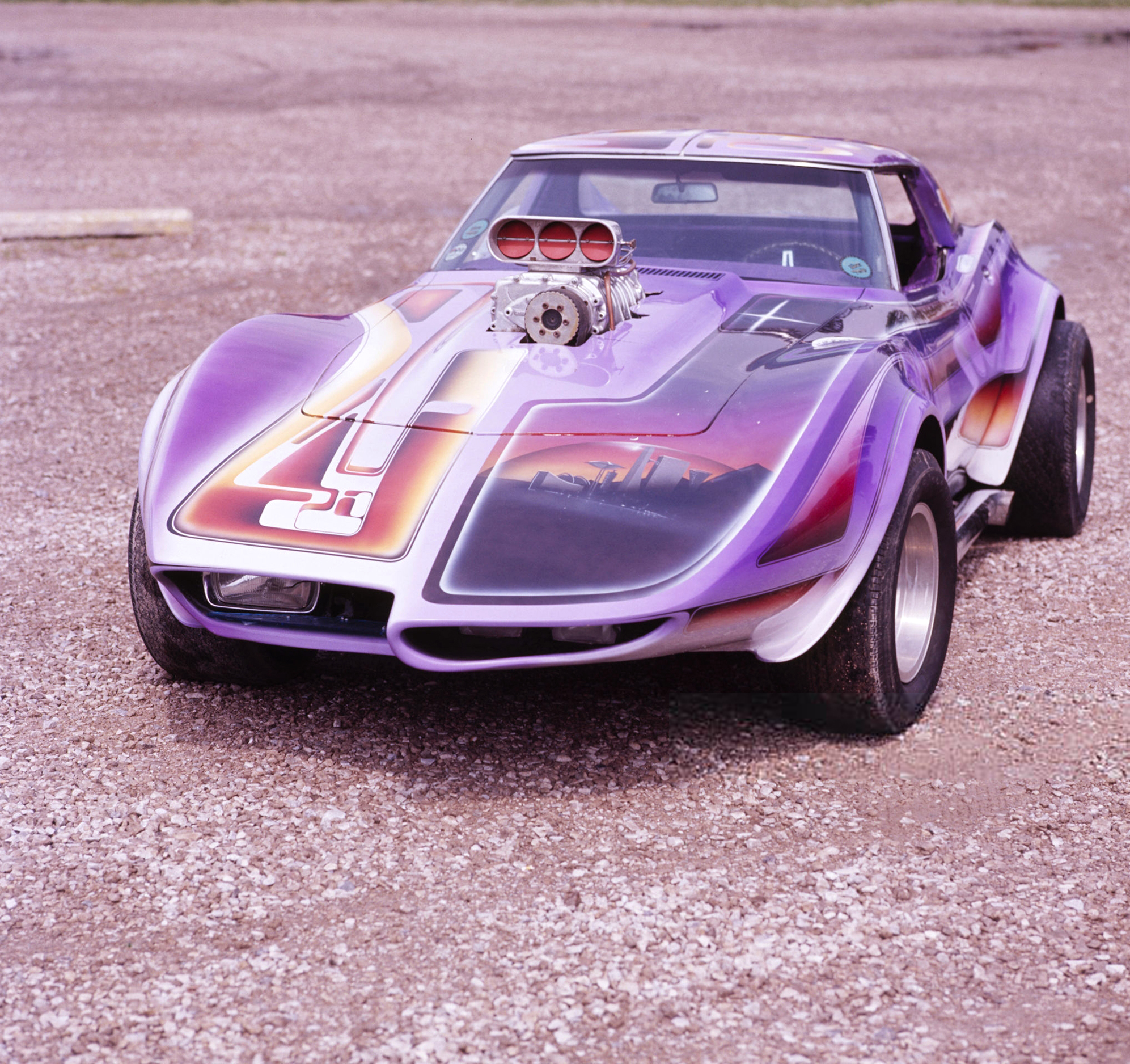
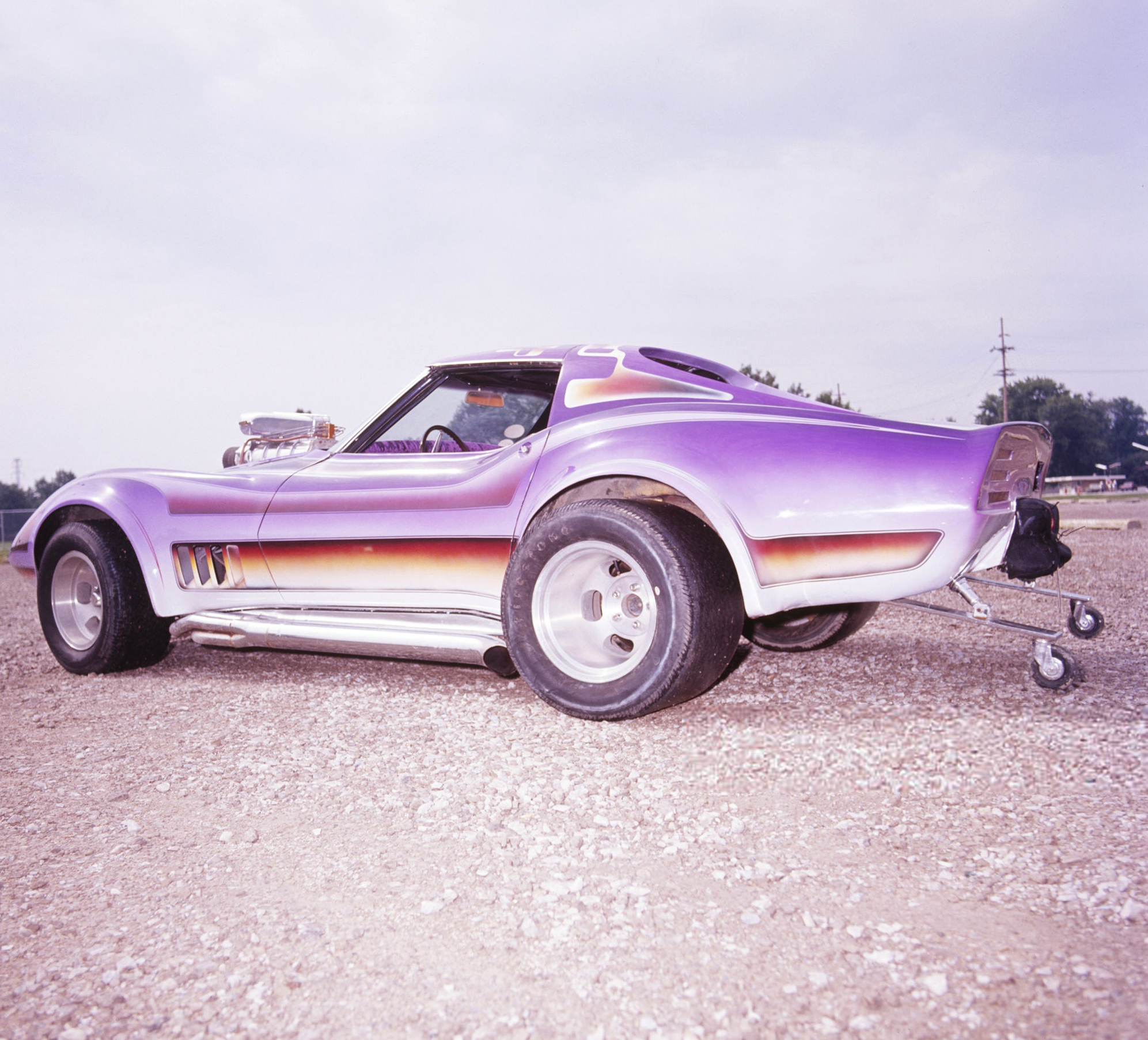
In the context of this article, Rick Todd's radical Chevy Corvette simply cannot be ignored. This car combines absolutely everything that was popular in the seventies: a full-length mural, a fake super boost, wide rear wheels protruding from the arches, and parachutes for some reason - and all this on a stunning asymmetrical custom body!
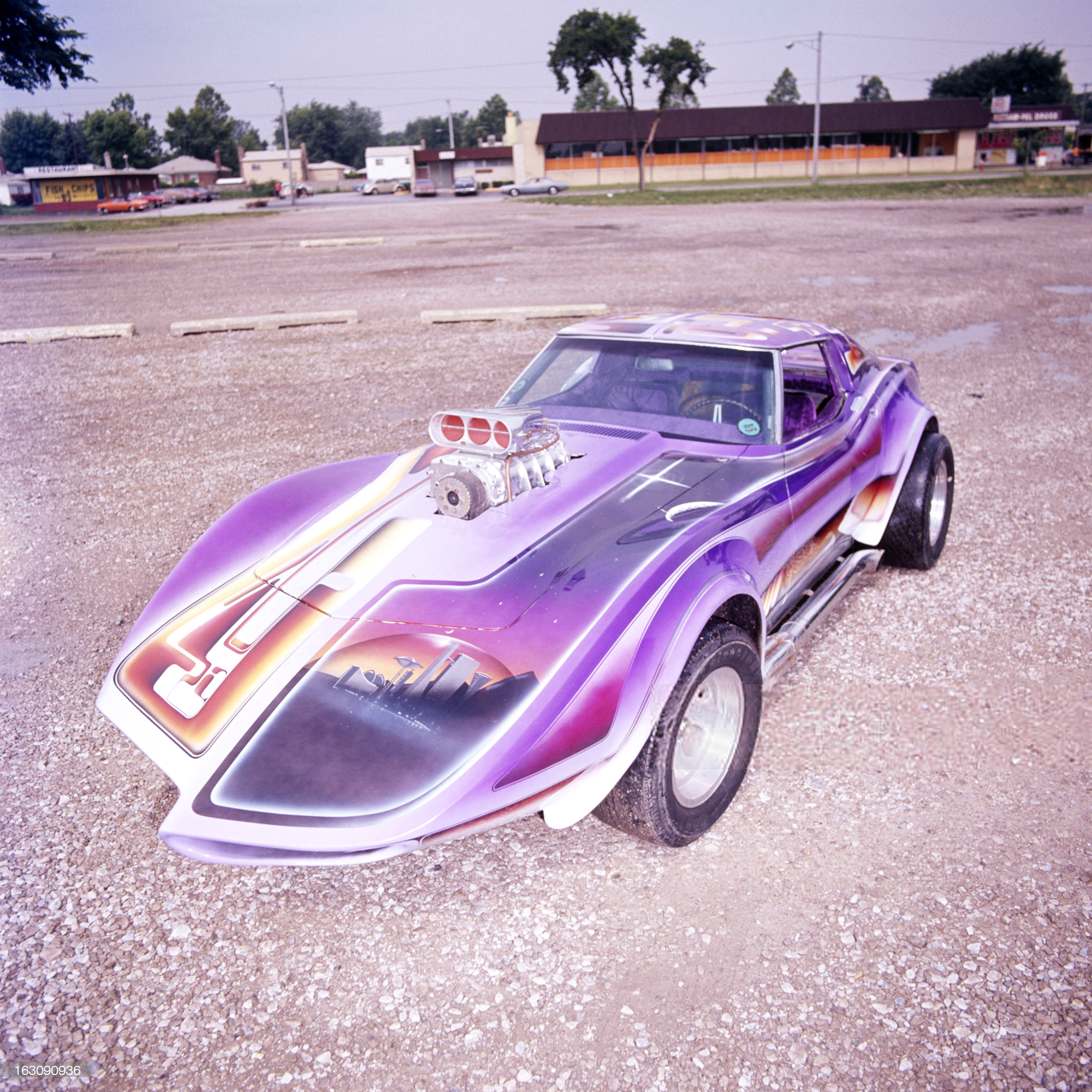
In the context of this article, Rick Todd's radical Chevy Corvette simply cannot be ignored. This car combines absolutely everything that was popular in the seventies: a full-length mural, fake supercharging, wide rear wheels protruding from the arches, and parachutes for some reason - and all this on a stunning asymmetrical custom body!
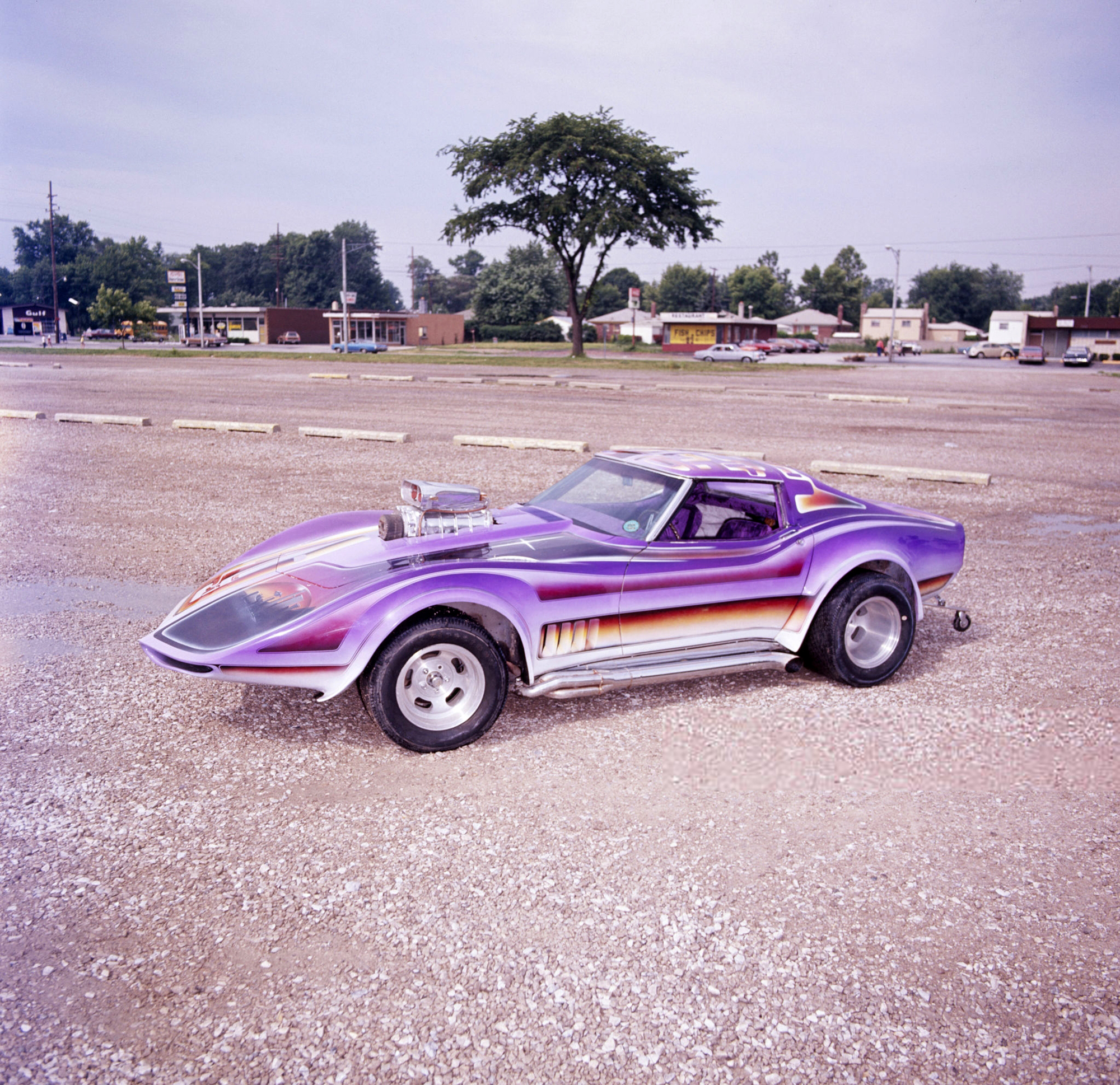
In the context of this article, Rick Todd's radical Chevy Corvette simply cannot be ignored. This car combines absolutely everything that was popular in the seventies: a full-length mural, a fake super boost, wide rear wheels protruding from the arches, and parachutes for some reason - and all this on a stunning asymmetrical custom body!
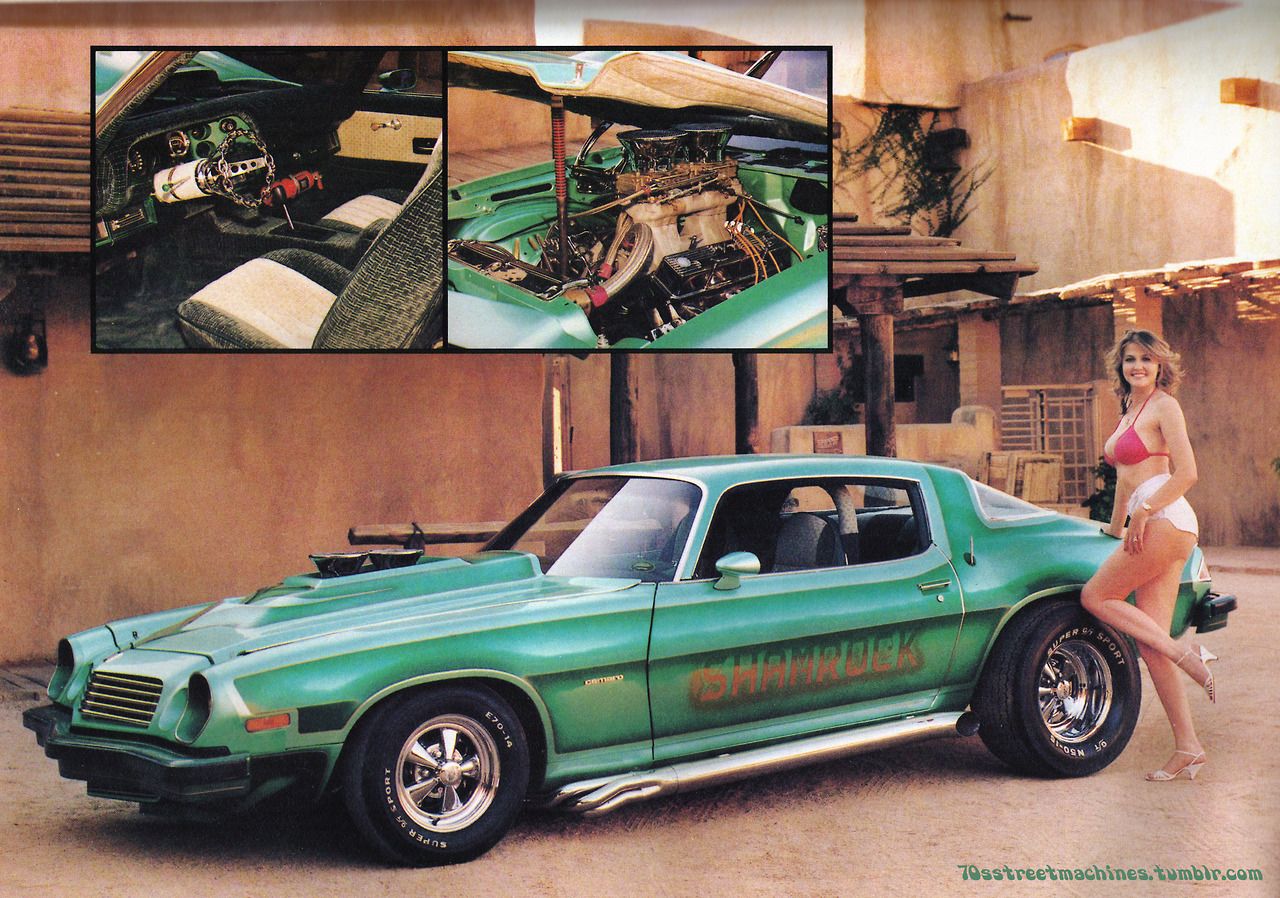
I support my opinion with the argument that since the 70s, street cars have increasingly turned out to be imitations of dragsters rather than real racing cars. By the words “imitation of a dragster” I do not mean at all the presence of an audio system in a five-minute professional unit, but rather the imitation of racing cars by adding non-working parts, imitating, for example, parachutes or superchargers. Yes, it was the seventies that brought to the custom culture such a controversial phenomenon as non-working aerodynamics and fake exhaust pipes. Well, if they didn’t, then at least they distributed it massively. And all because after the Yom Kippur War and the subsequent fuel crisis, not everyone in the United States could afford a monster that ate a couple liters of gasoline per kilometer. I had to simulate performance.
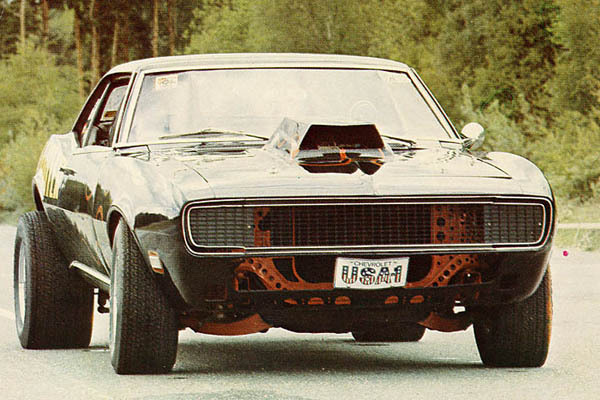
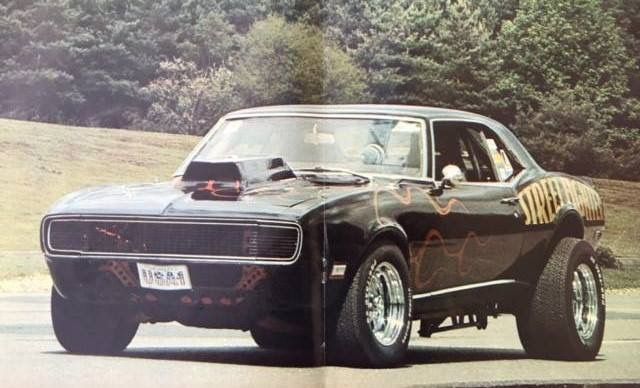
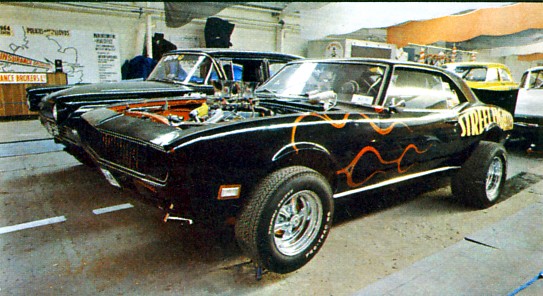
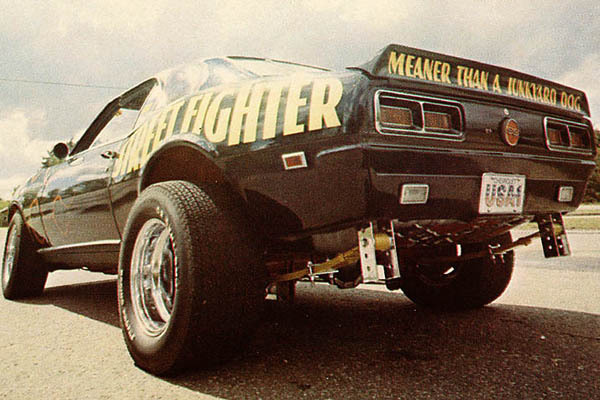
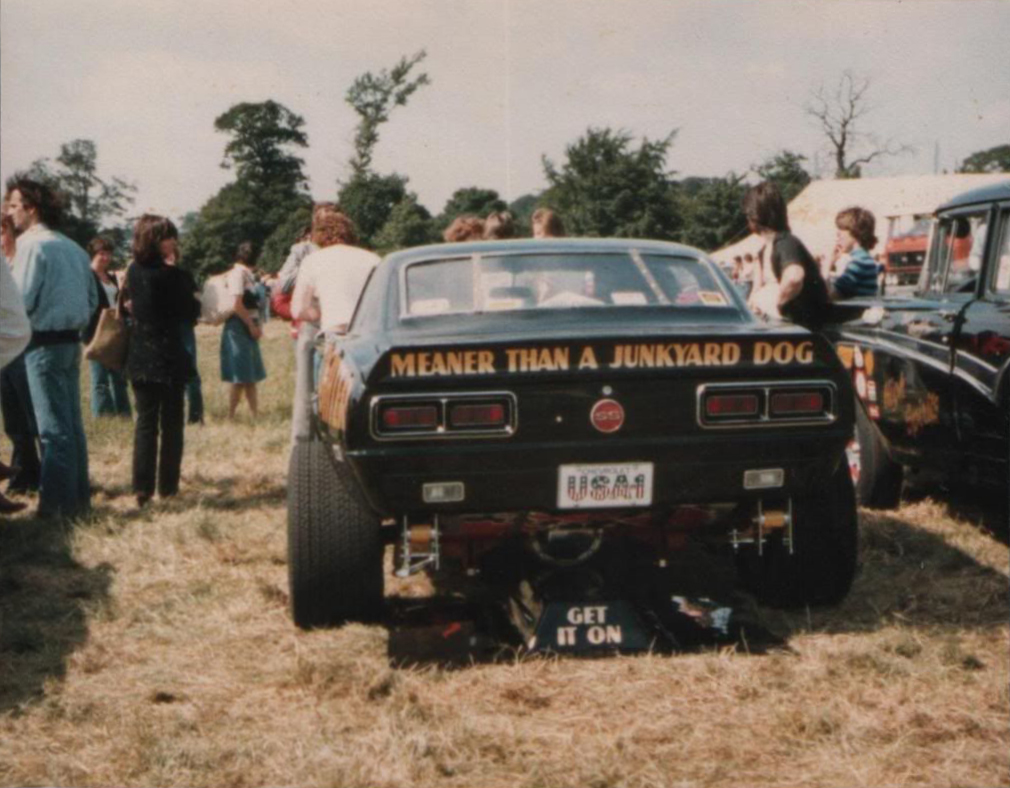
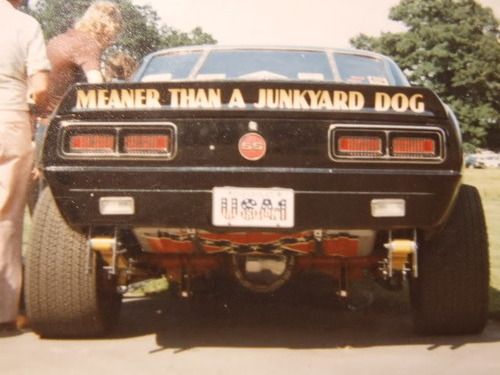
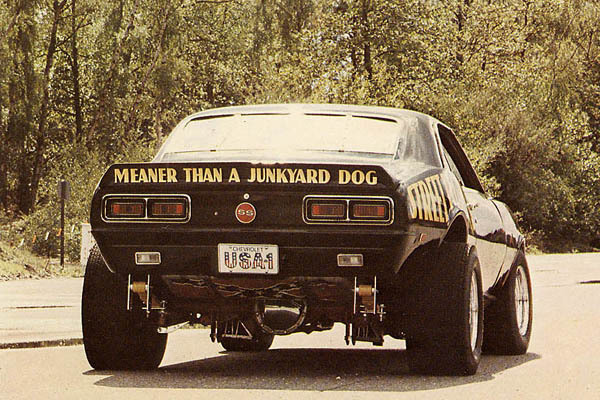
An excellent example of a very distinctive design, which, nevertheless, is easily recognizable as a street car from the 70s, is this Chevrolet Camaro, known as the Street Fighter. Unfortunately, not much is known about this car, but perhaps the most interesting is the fact that this car is a representative of the British school of automotive engineering. It must be said here that in the 70s and 80s, the custom scenes of Great Britain and Australia almost one-on-one repeated what was happening in the USA.
The spirit of the Seventies
As you can see, the image and a significant part of the stuffing of street cars depends entirely on the dragsters living with them at the same time, and therefore, at the beginning of the seventh decade, the gassers were the main target for imitation: despite the fact that at the beginning of the seventies they were already reliably losing in speed and popularity to other classes, it was the gassers who were still the first to arrive it came to mind when it was necessary to combine such things as a dragster and a full-size car. The second most popular cars were the Super Stock class and its direct successor, the newly emerged Pro Stock class, and by the end of the decade, the gassers will finally disappear from the consciousness of the people. Everyone will imitate stokers, and street freaks will smoothly flow into a new direction of the custom school, characteristic of the new decade.
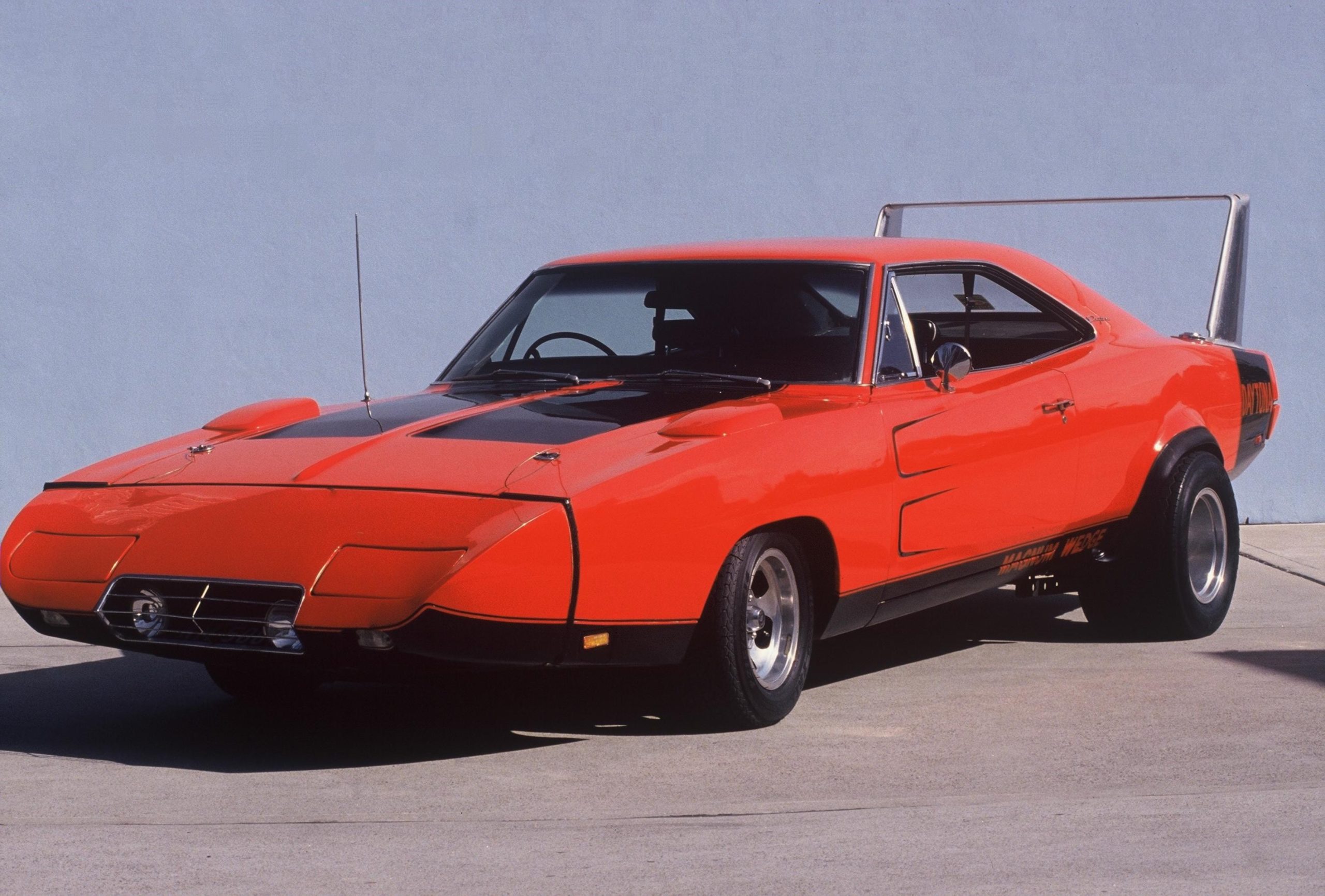
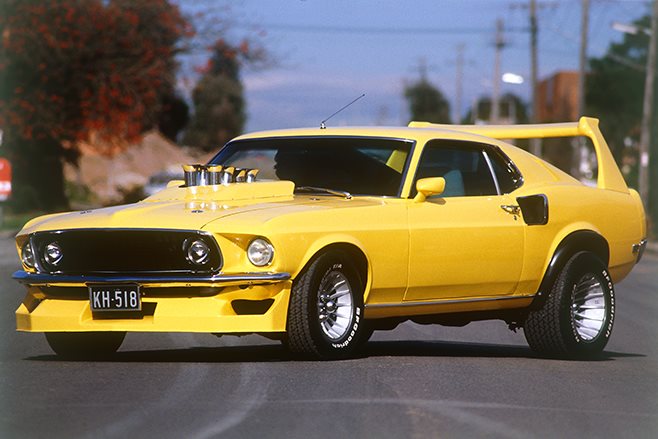
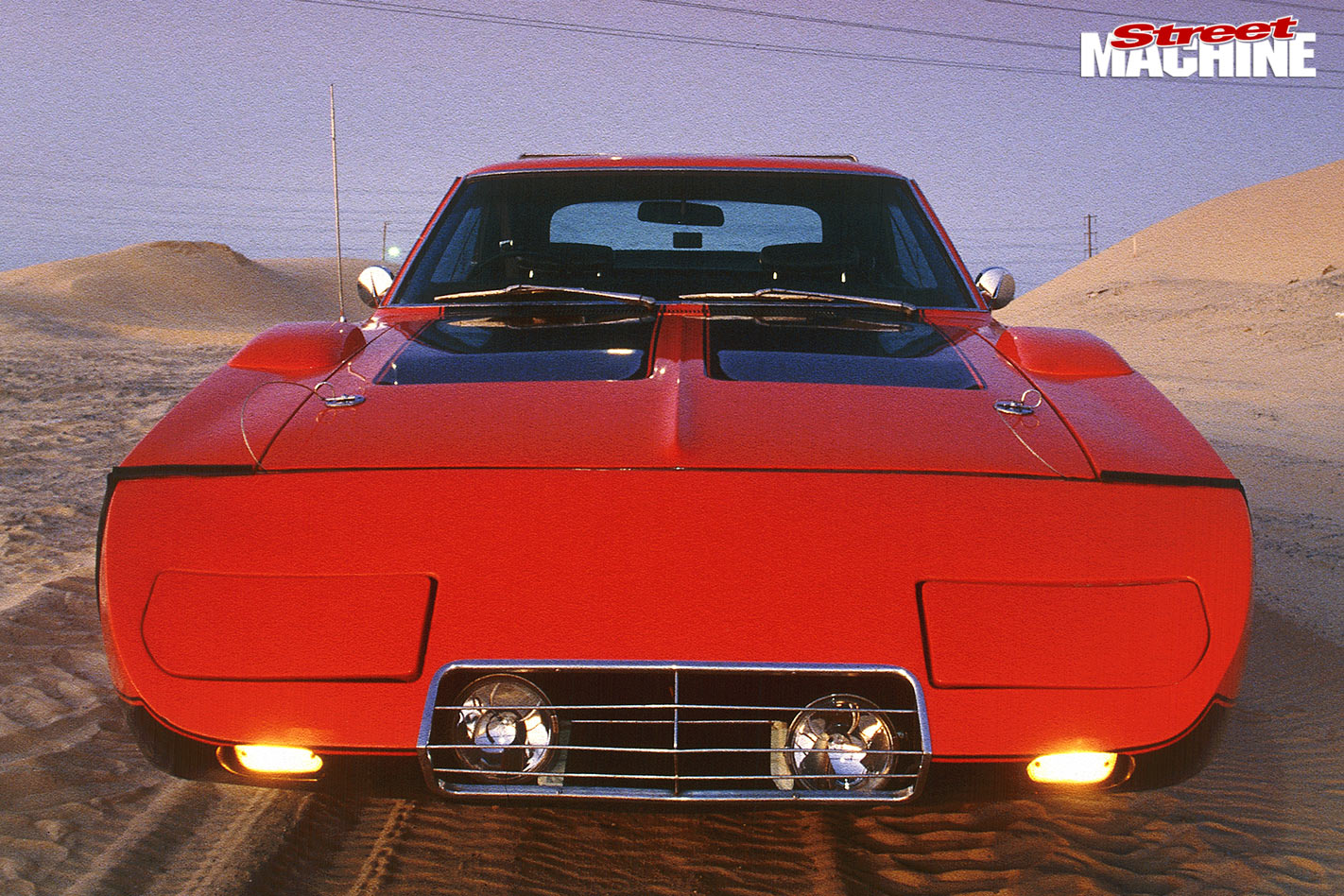
No, it's Not a Charger disguised as a NASCAR'The Olympic car is a real Daytona! It's impossible to say for sure if the car is still alive, but some of the photos look very fresh. Little is known about the history of the car, but in the 70s it was taken to Australia and converted to right-hand drive. Apparently, it was around the same time that he got his distinctive appearance.
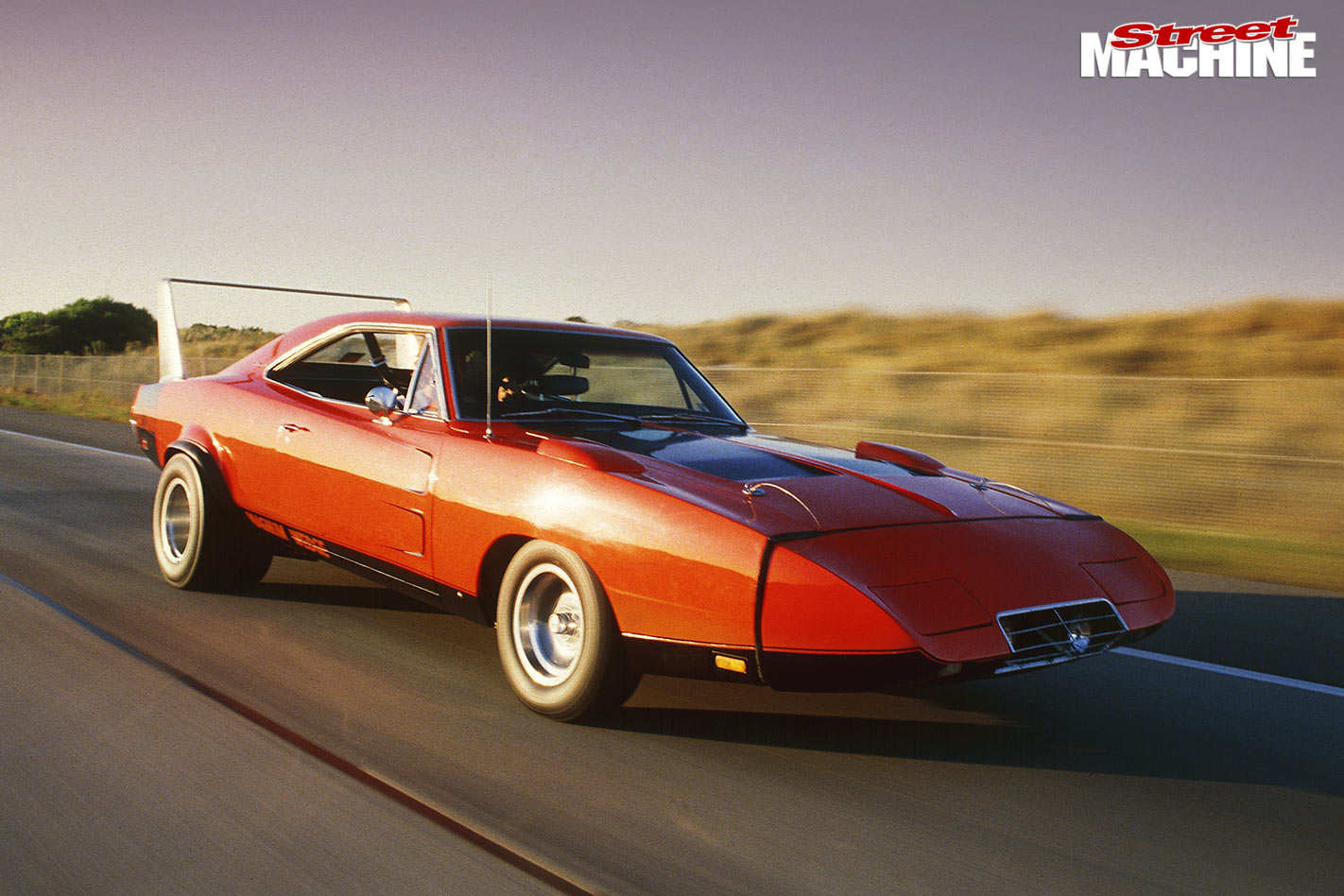
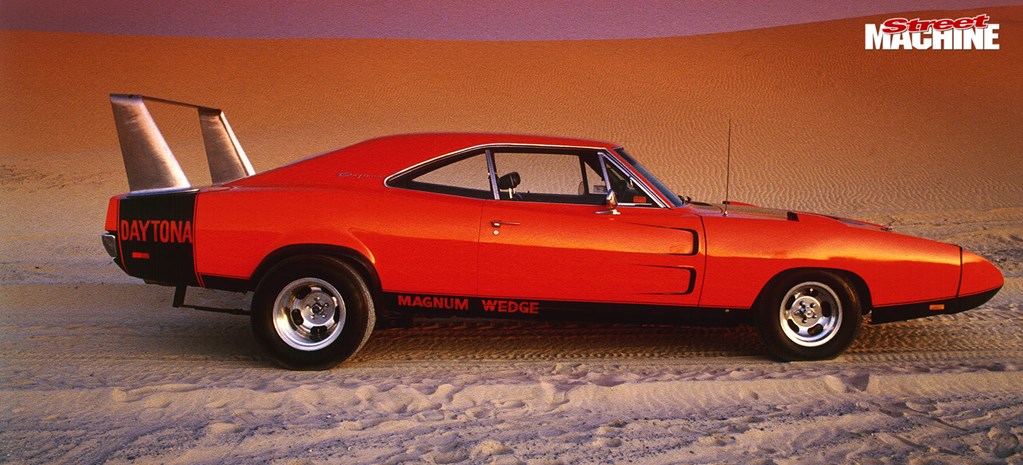
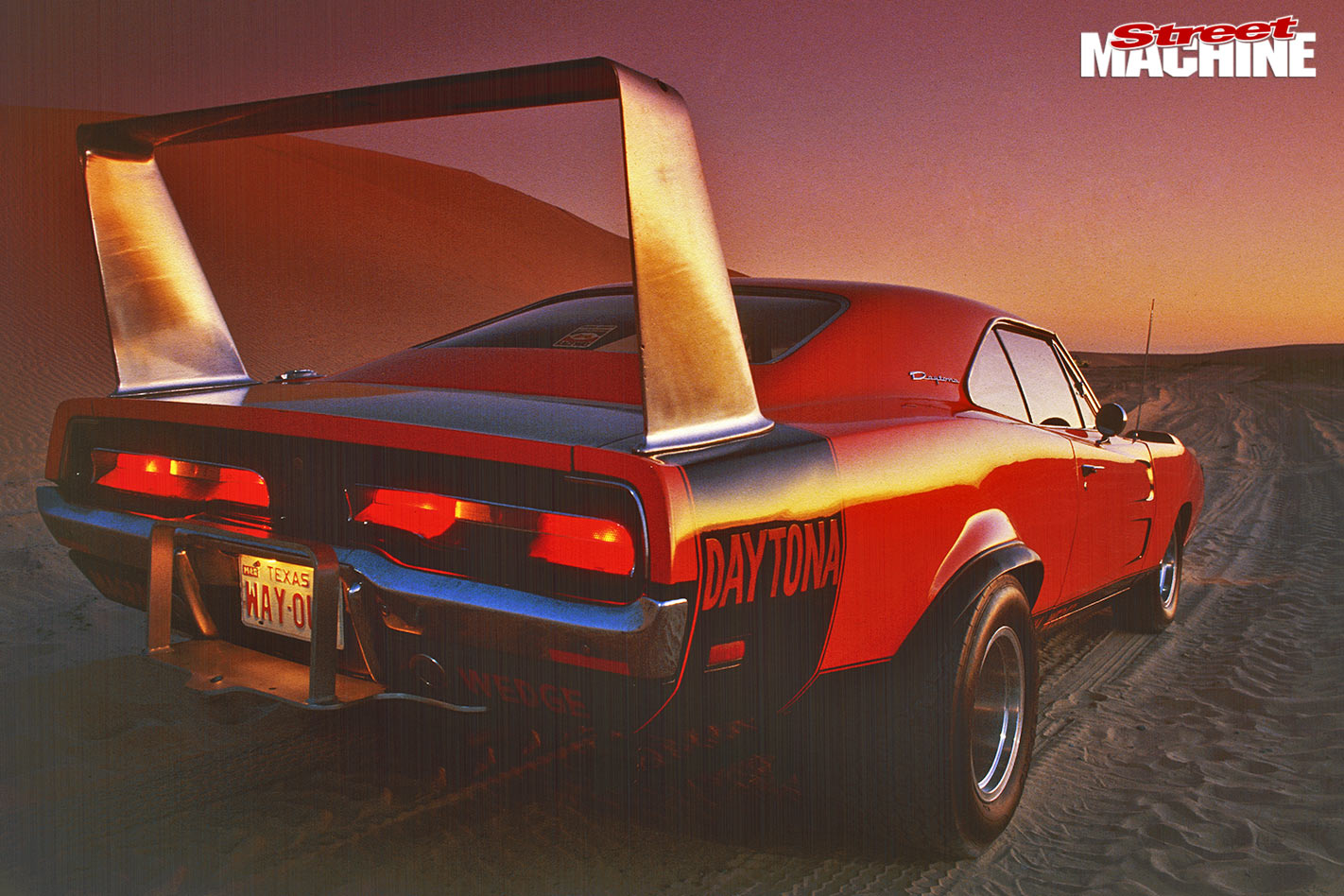
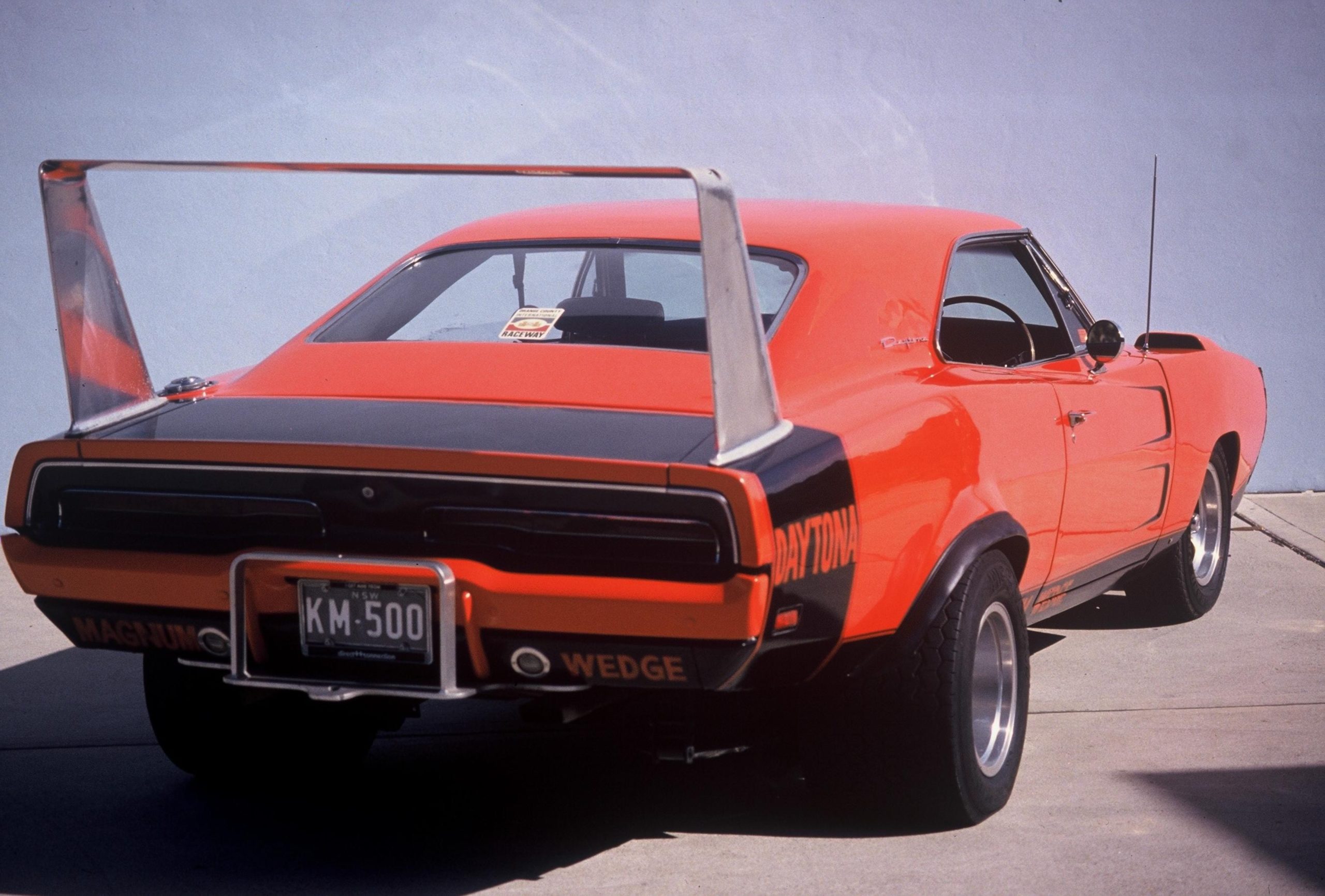
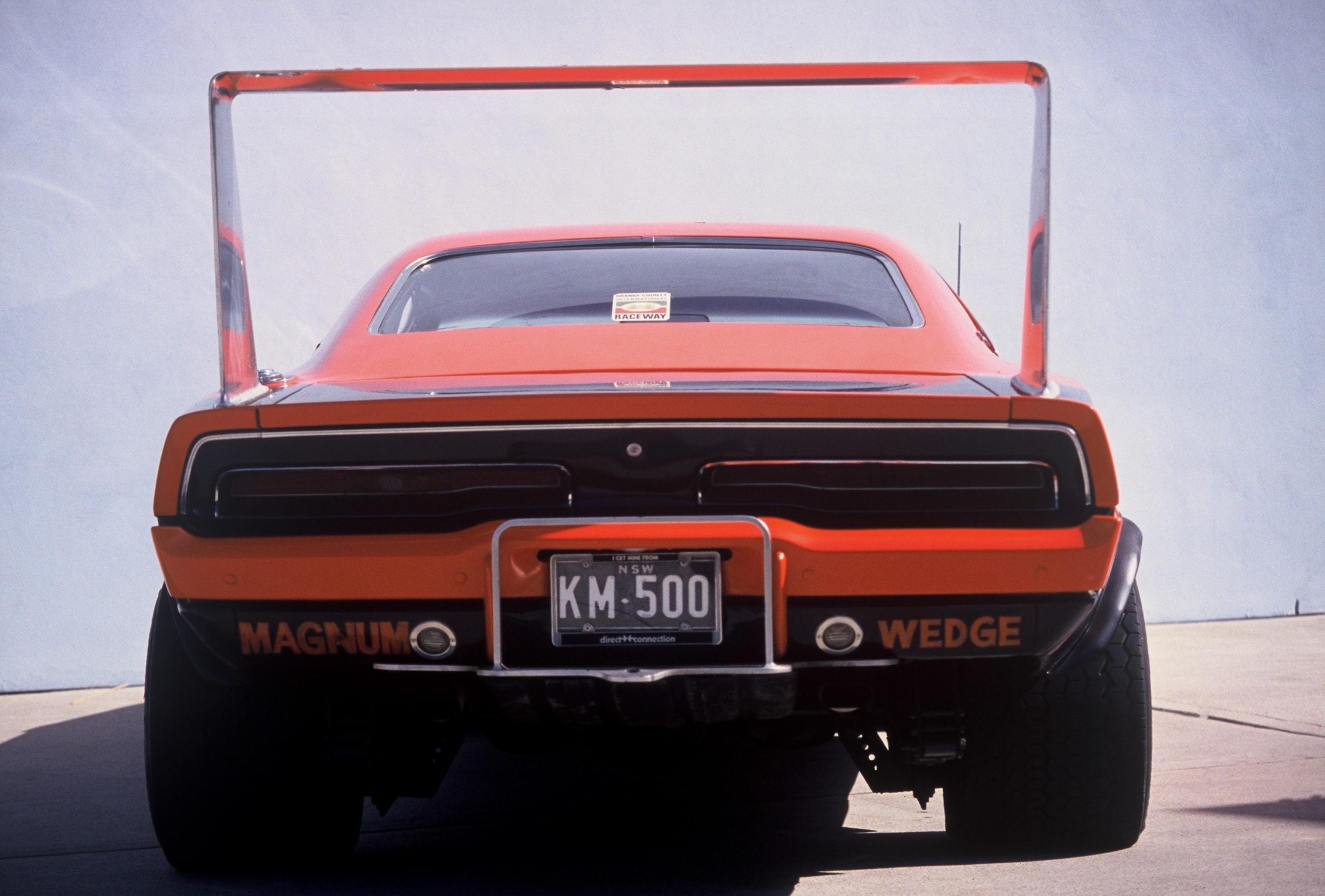
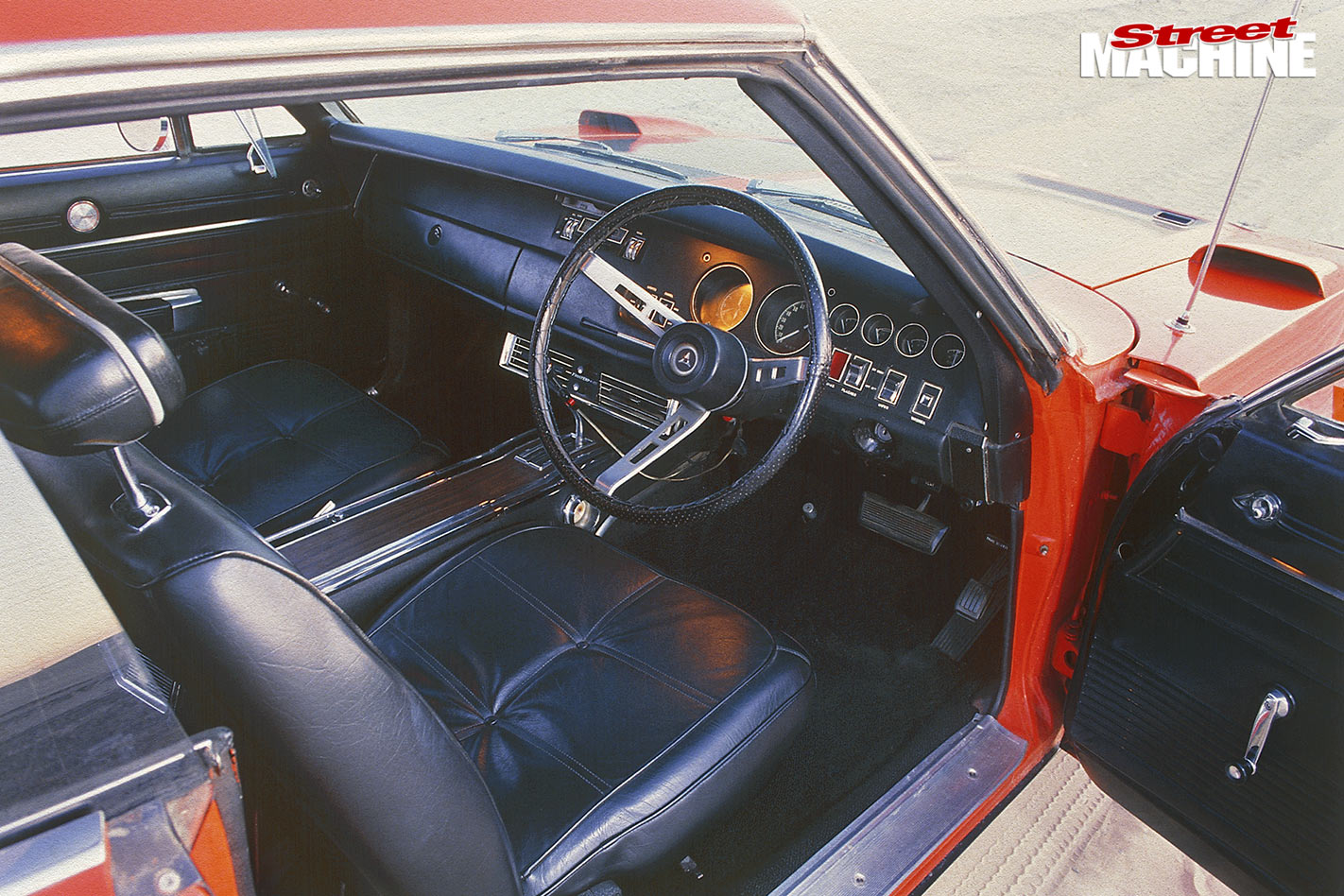
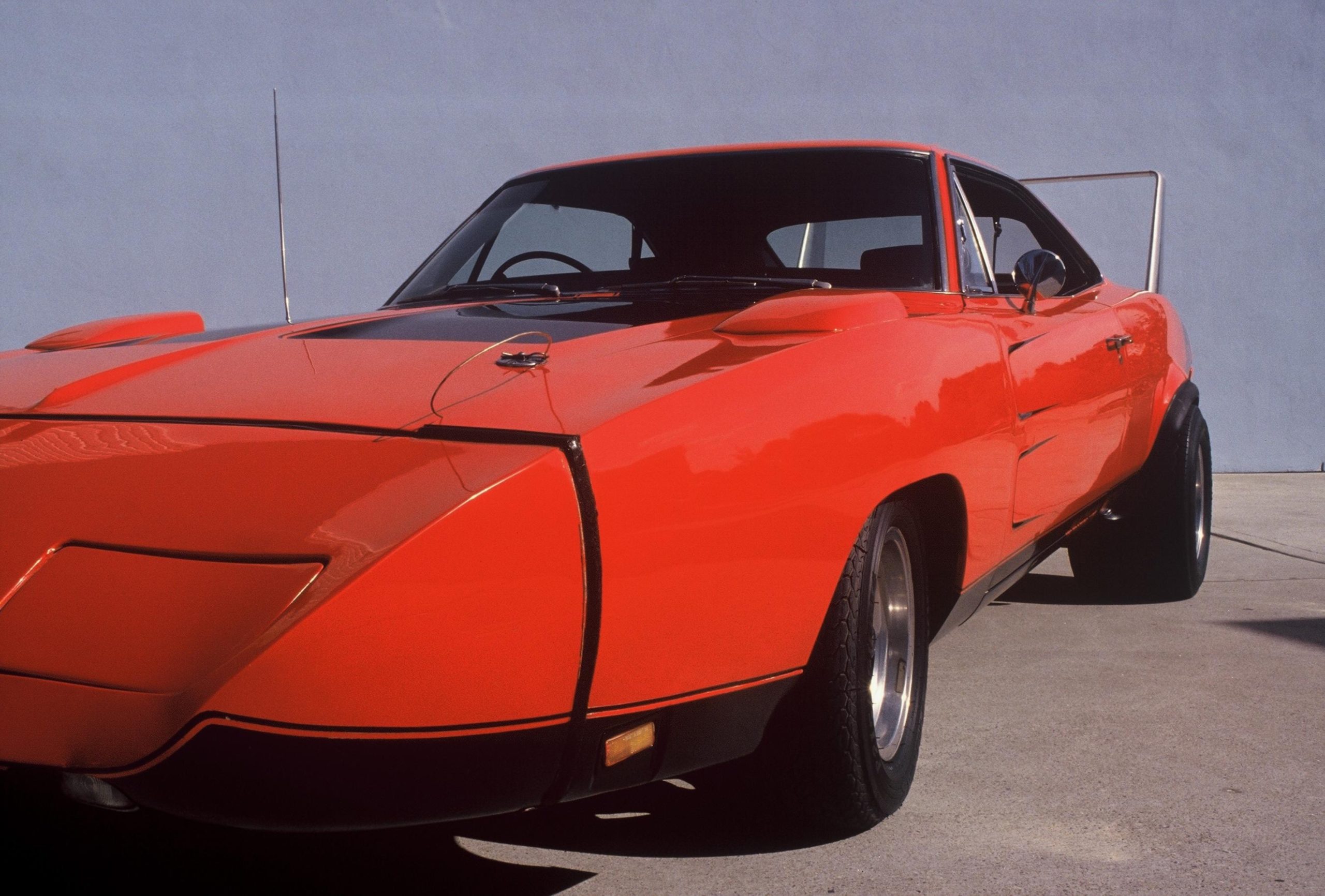
In a nutshell, that’s exactly how the seventies went: the fuel crisis and numerous restrictions led to the fact that real dragsters almost completely disappeared from the streets – it became simply impossible to get documents for them, and not everyone was able to feed a huge voracious engine. Since then, an extremely rare street-legal car could compete with a real racing unit – after all, since you couldn’t drive the same car both onto the street and onto a quarter-mile-long lane, there was absolutely no point in throwing the radio and leather seats out of your car. And since we’re not really chasing speed anymore, maybe there’s no point in putting on a real super boost?.. Somehow, it turned out that the streets were filled with imitators: some very decent, carefully tuned and able to show a good time at a distance of 402 meters – even if not the kings of the drag strip, but certainly the fastest on their street. And others were empty, incapable of anything, and frankly fake.
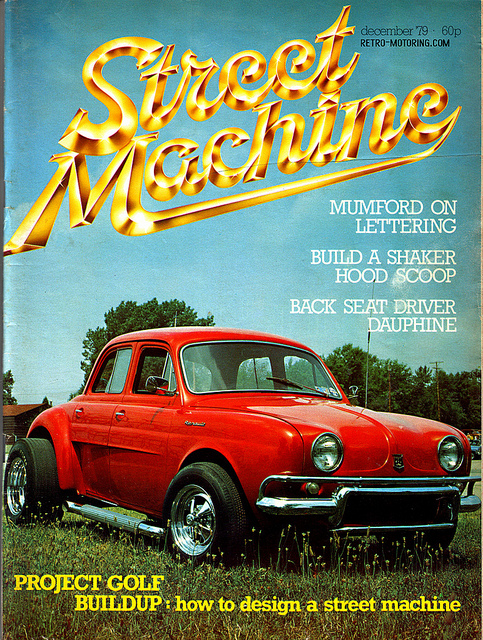
Several magazine covers from the 70s clearly show how firmly the new terms have come into use. Some magazines of that decade were even named Street Machine, and one of them, the Australian, continues to exist under that name to this day. On the scan, however, the British magazine Street Machine - the Australian one at that time was called Van Wheels. Which, by the way, is also very relevant to the era.
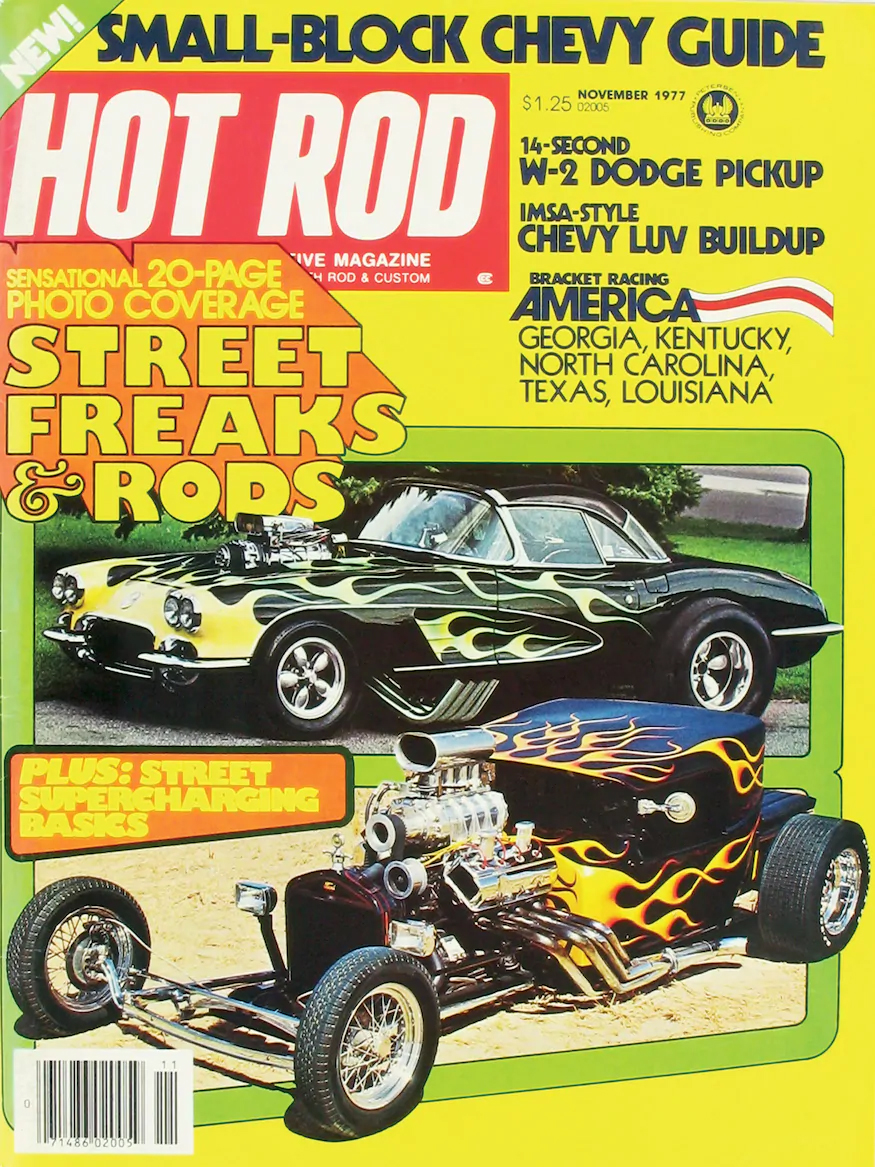
Several magazine covers from the 70s clearly show how firmly the new terms have come into use. Some magazines of that decade were even called Street Machine, and one of them, the Australian, continues to exist under this name to this day. On the scan, however, the British magazine Street Machine - the Australian one at that time was called Van Wheels. Which, by the way, is also very relevant to the era.
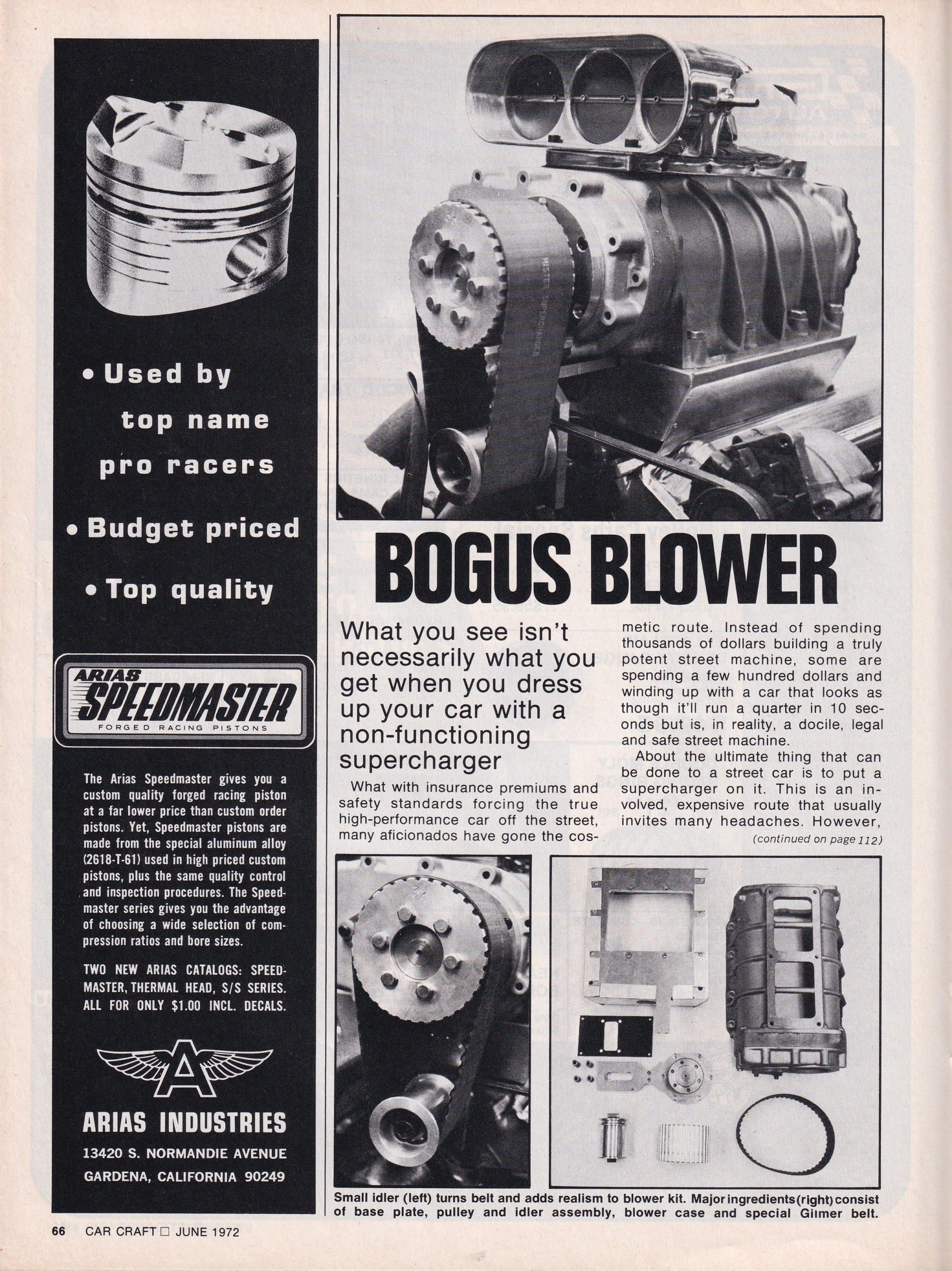
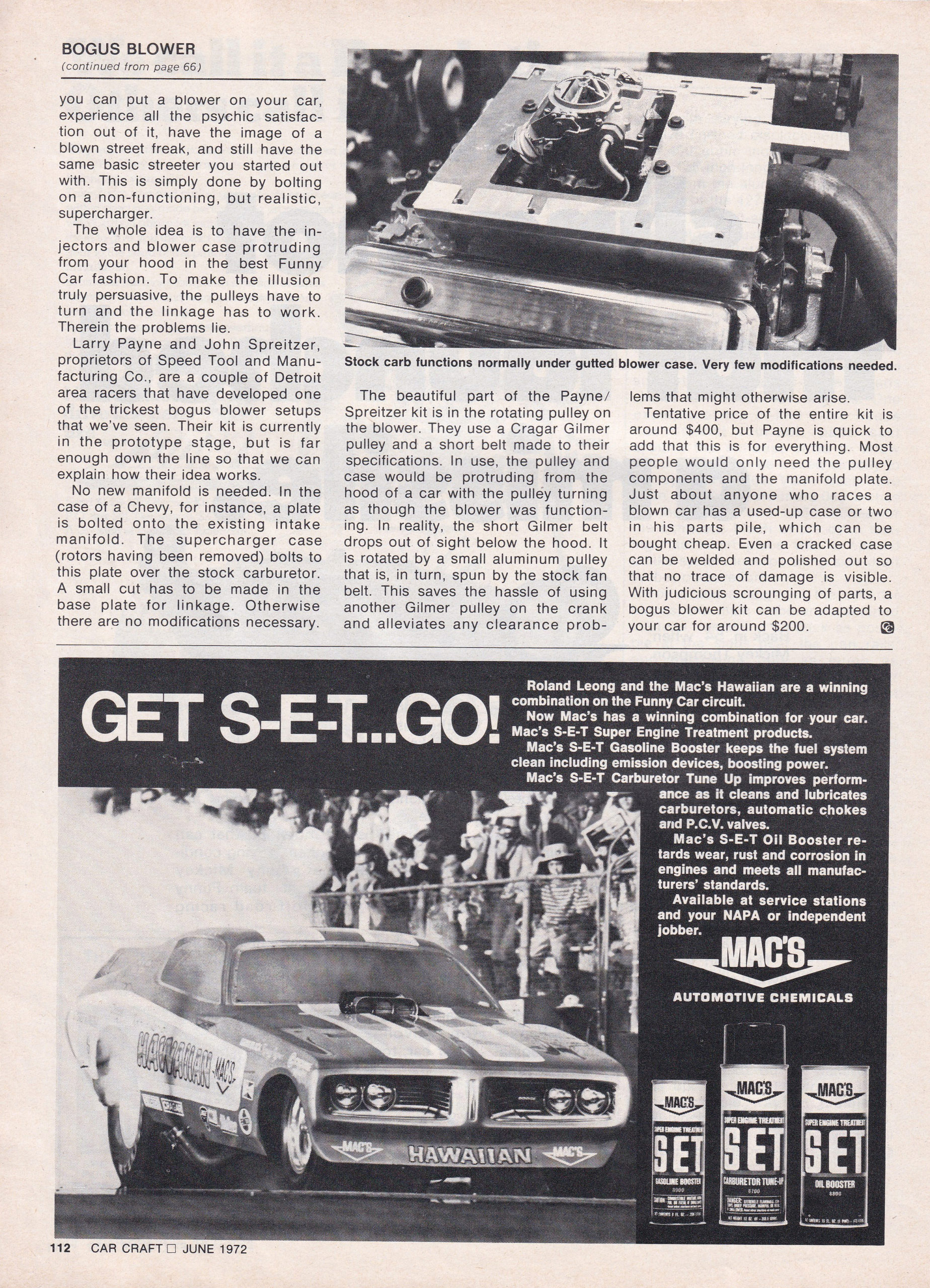
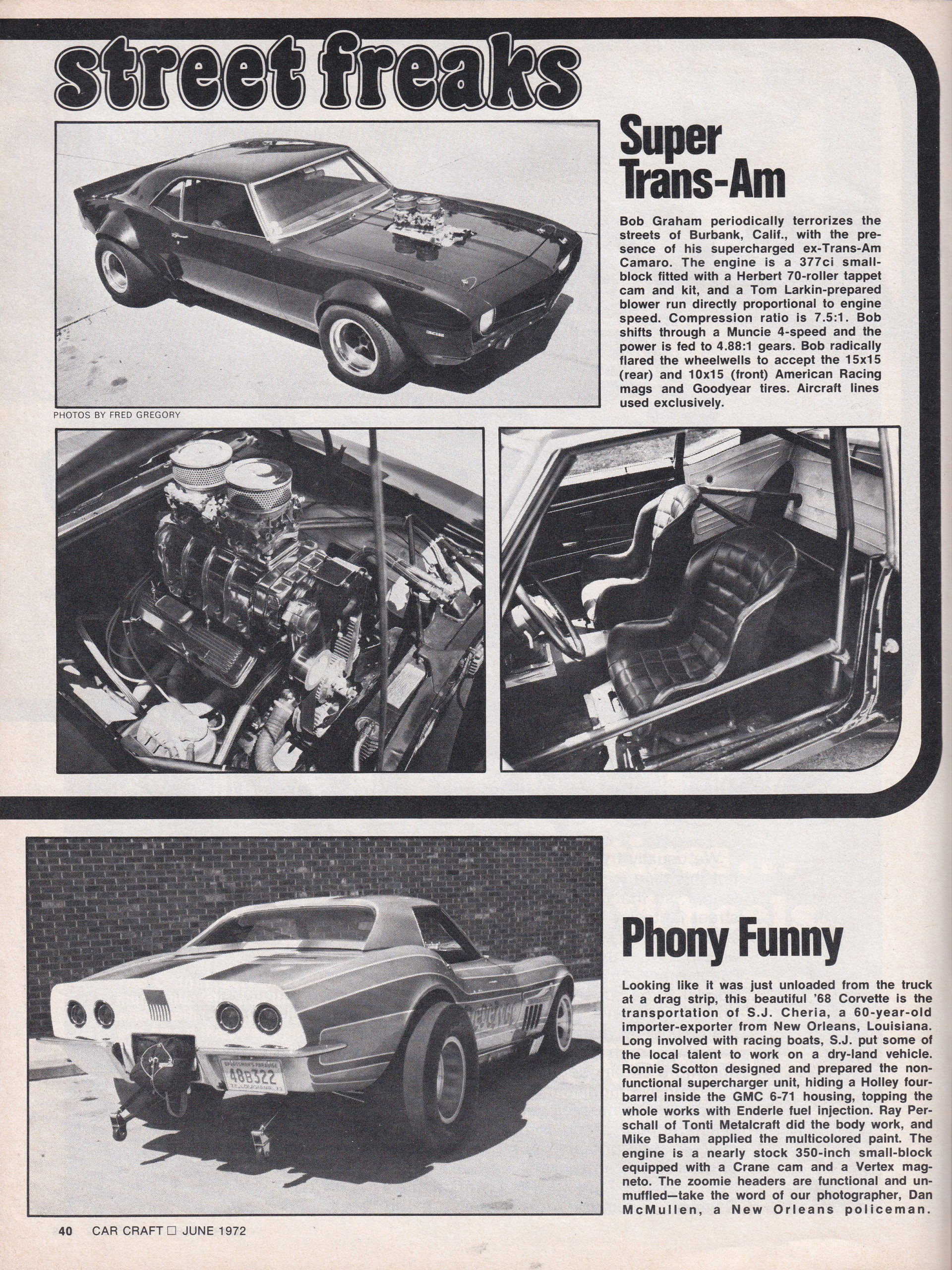
A great example of the spirit of the seventies is an article from Car Craft magazine in June '72 detailing how to make a fake super boost. The false soups, I must say, differed greatly in quality, and the most natural of them depicted the real unit very plausibly: down to the rotating pulley, the moving belt and the corresponding sounds. Interestingly, in addition to everything already mentioned, this article points to nothing else as the reason for the transition from real street dragsters to imitations... high insurance prices.
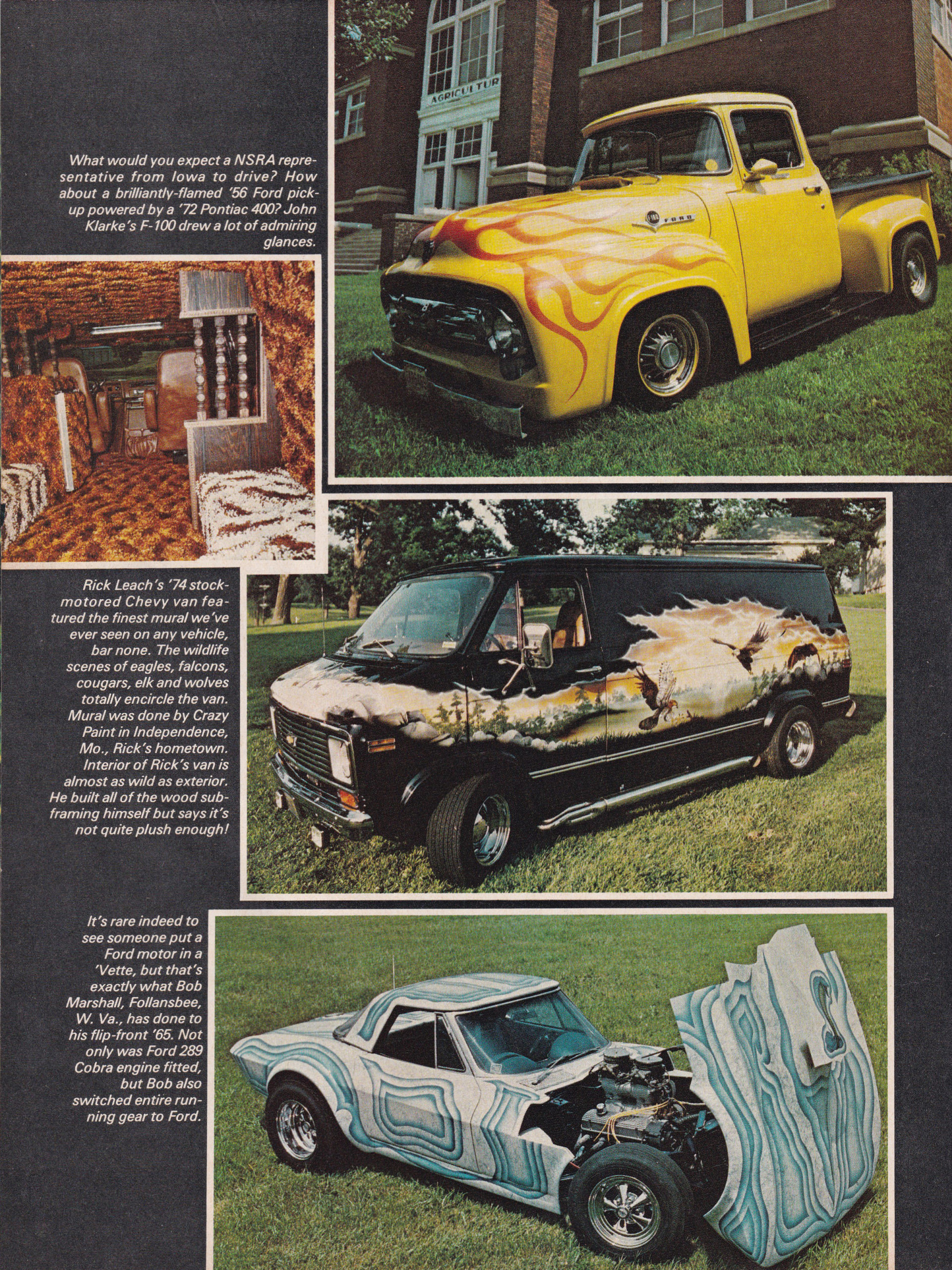
A great section from the pages of Popular Hot Rodding magazine for October 75th. The very middle of the decade! Absolutely everything that was so popular at that time is briefly shown here.: Here we have vans, freaks, fake superchargers, and Corvette station wagons.
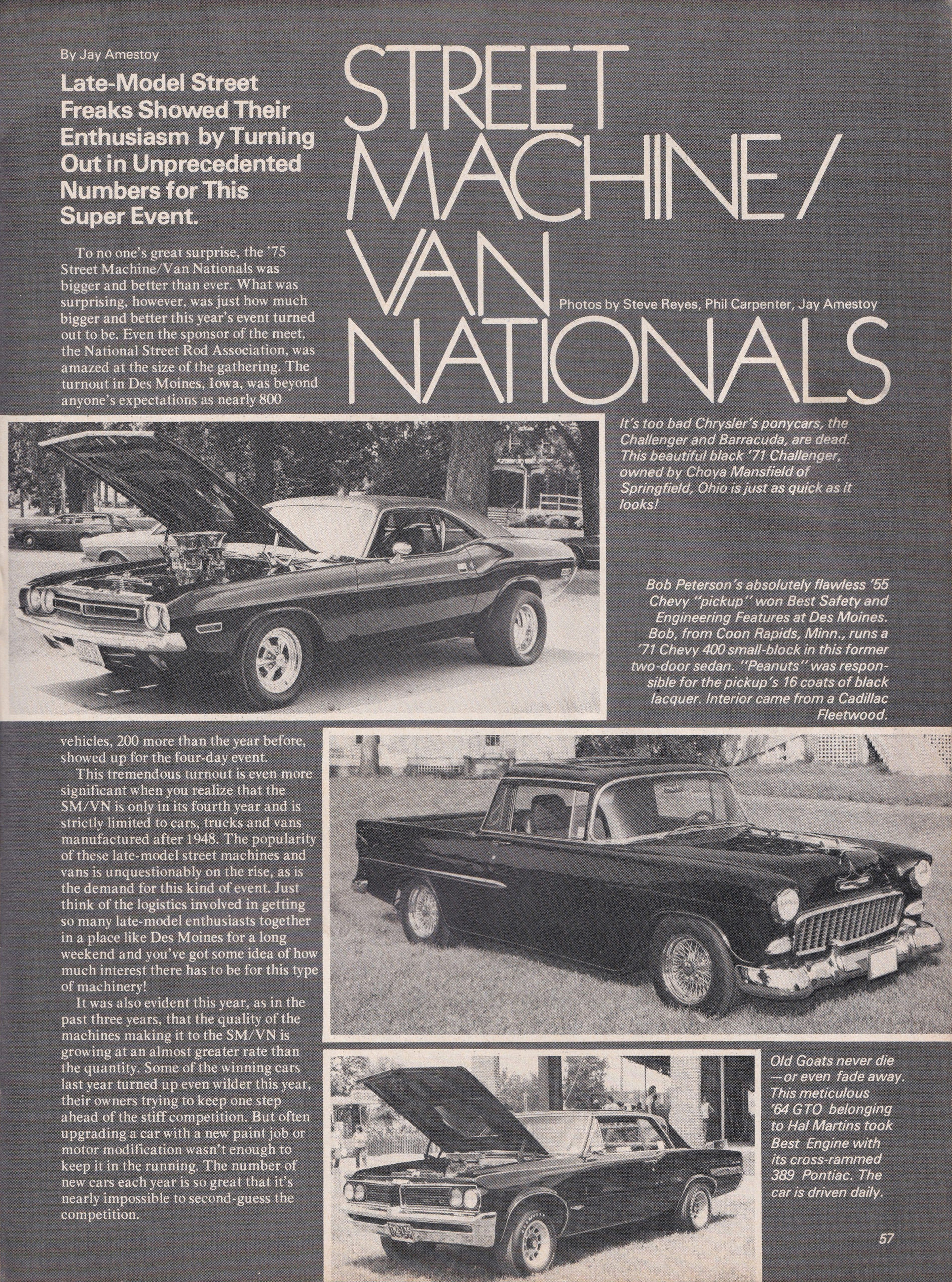
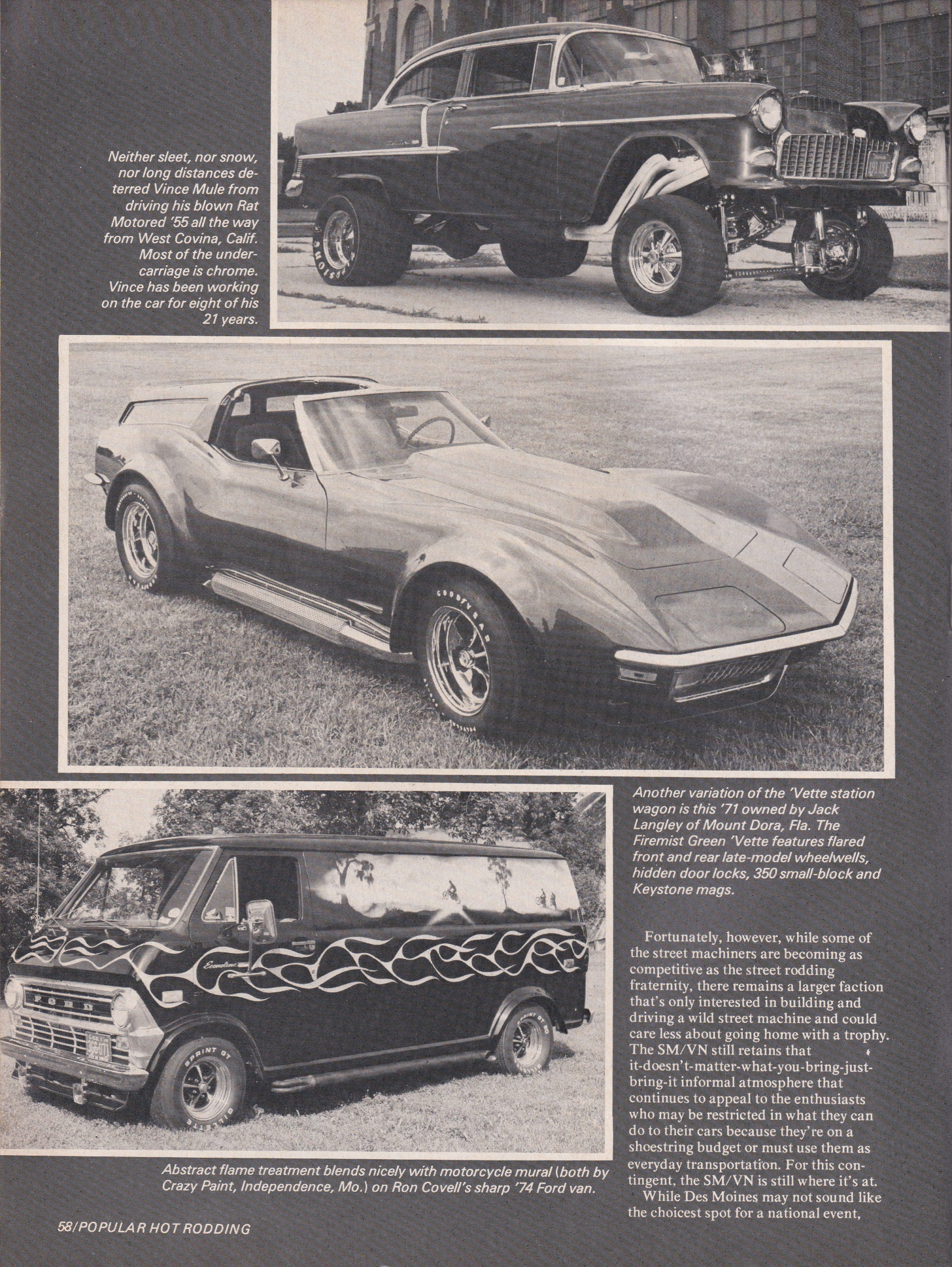
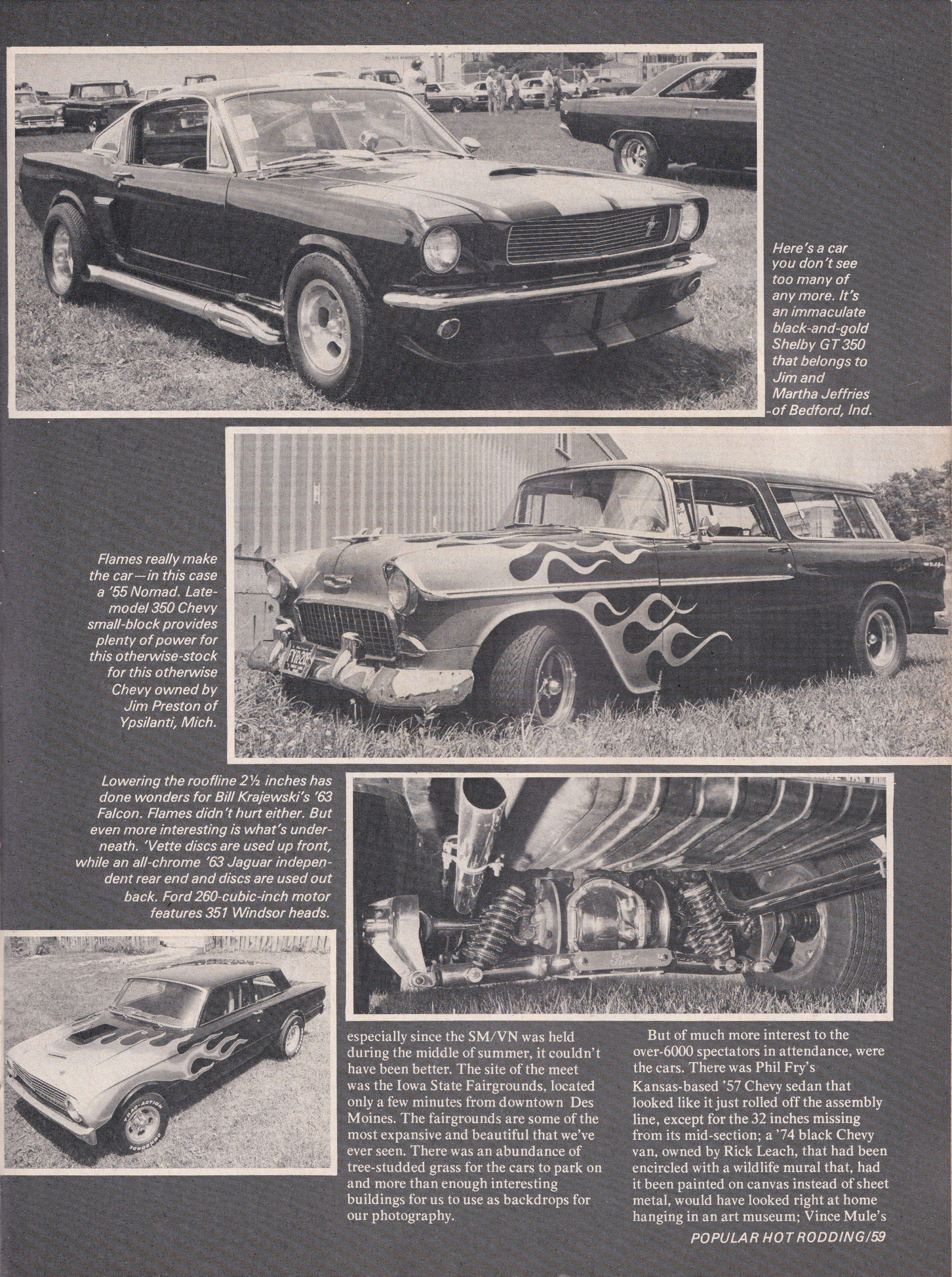
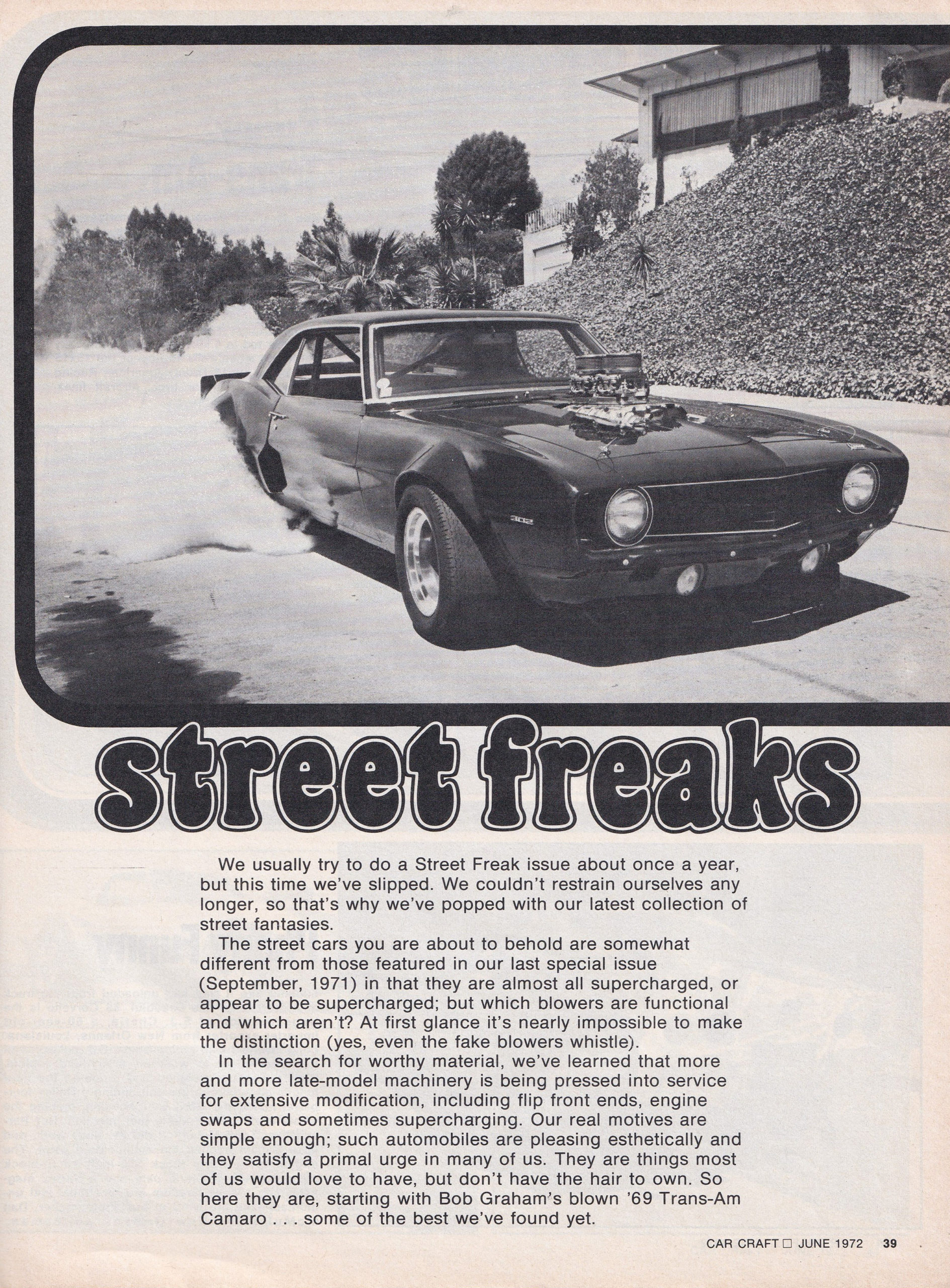
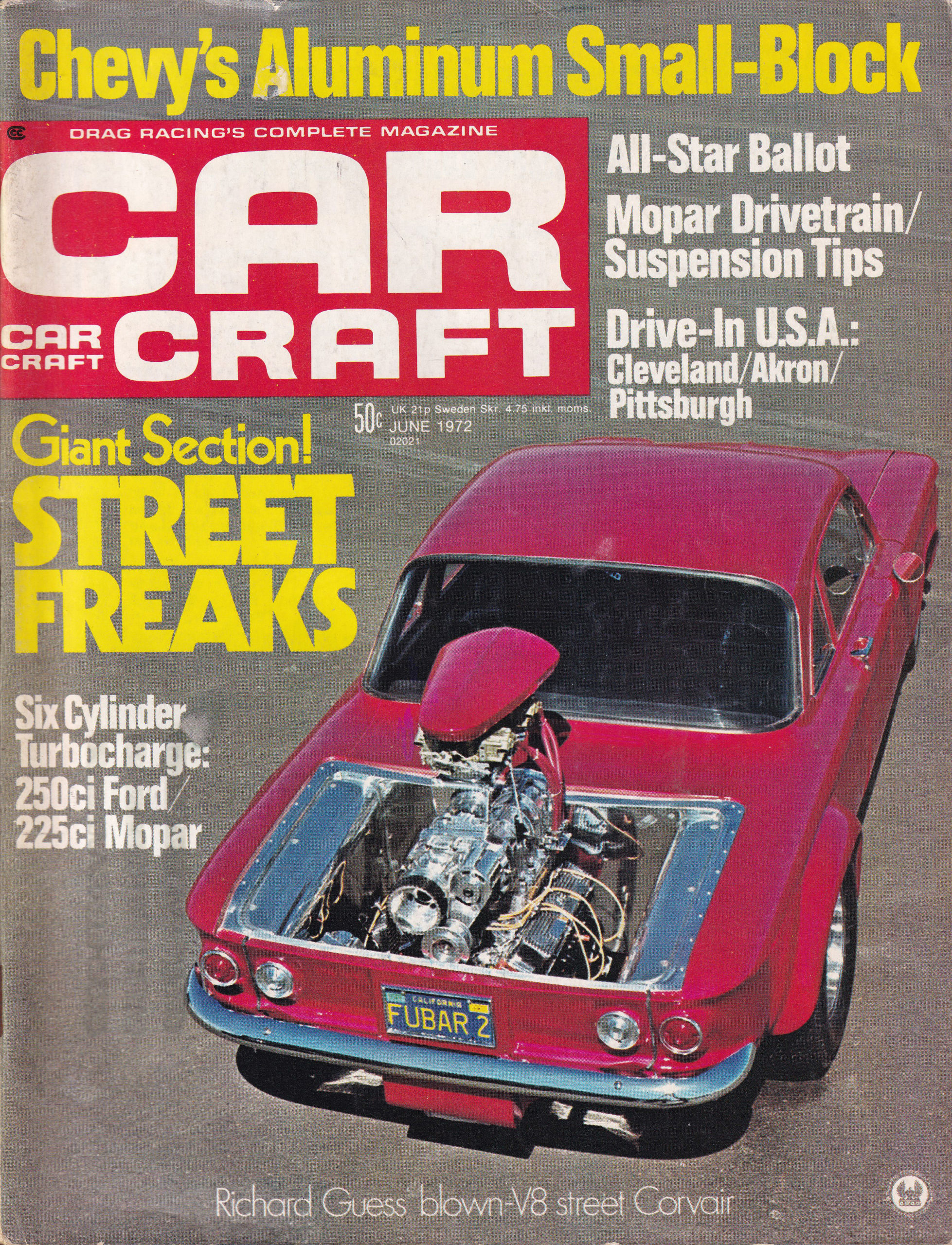
Until June of '72, Car Craft published an issue dedicated to freaks only once a year, but there were more and more high-quality street cars, and the magazine broke its own rule. And in the end, Car Craft in the second half of the seventies will begin to organize the still existing Street Machine Nationals, also known as the 'Nats - and for a long time at least 60% of the material for the magazine will be collected there. Specifically, based on what can be seen on the pages of the June issue of the 72nd, we can safely conclude that already in the early seventies any custom car was calmly called a freak: a completely classically made Chevelle, a very radical Vette with fake superchargers, and even a very professionally executed fully functioning tee-bucket were recorded here. But my favorite is definitely a custom Corvair called the FUBAR. It's always nice to see such a rarity as a properly executed car with an engine in the back. And the FUBAR is executed correctly: it has a 3.5-liter Chevy small unit with classic Holley carburetors and a working 6-71 supercharger from GMC. Dan Glover's Chevrolet with an engine in the cabin also deserves special mention - as a bonus, I'm attaching an additional page about this car, found on the Internet. And one more question: on one of the pages it says that someone Bruce Stead installed two transmissions in his Chevy Nova. So, I know why they put multiple engines in cars. But why does a car need two transmissions?
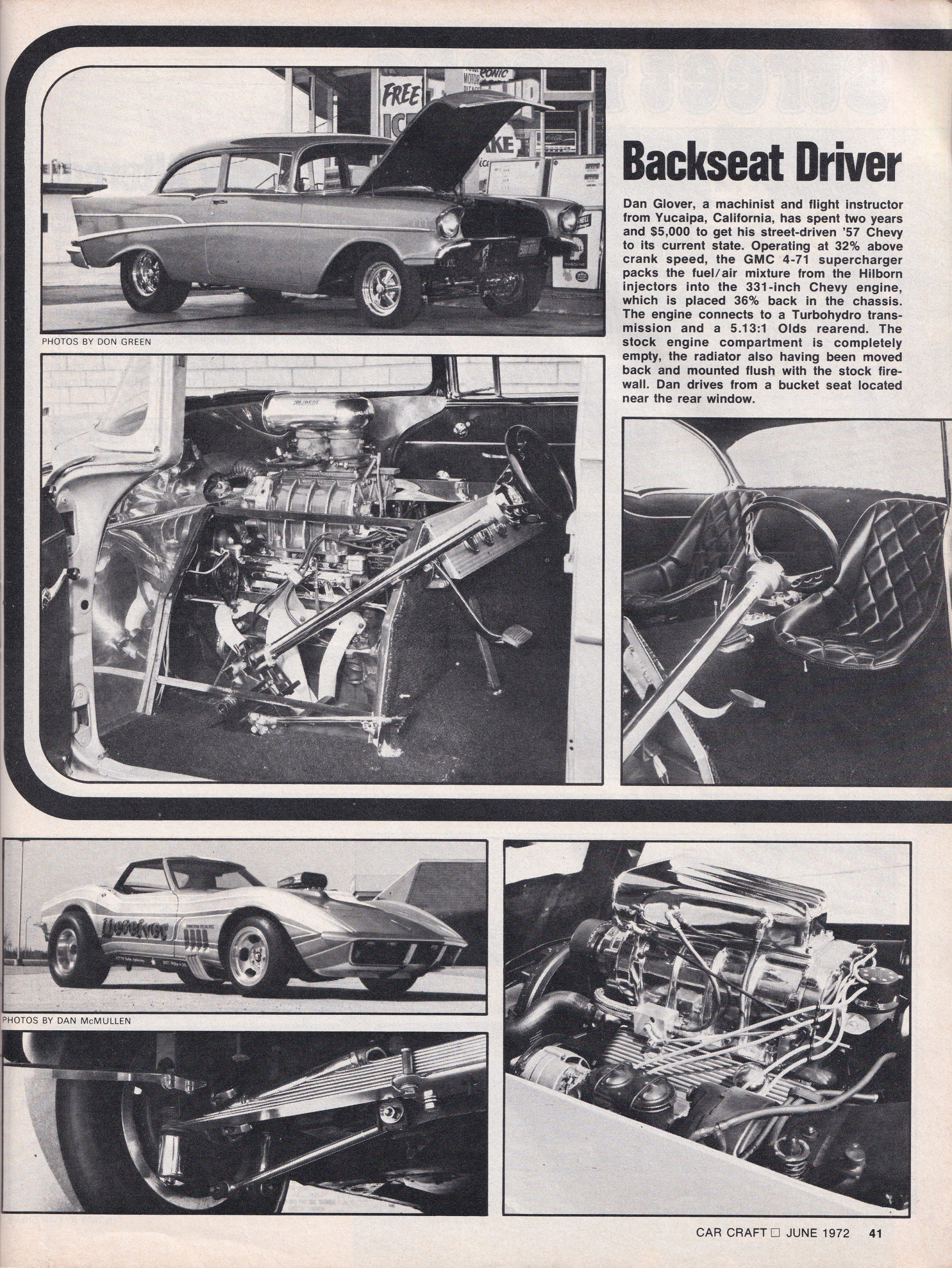
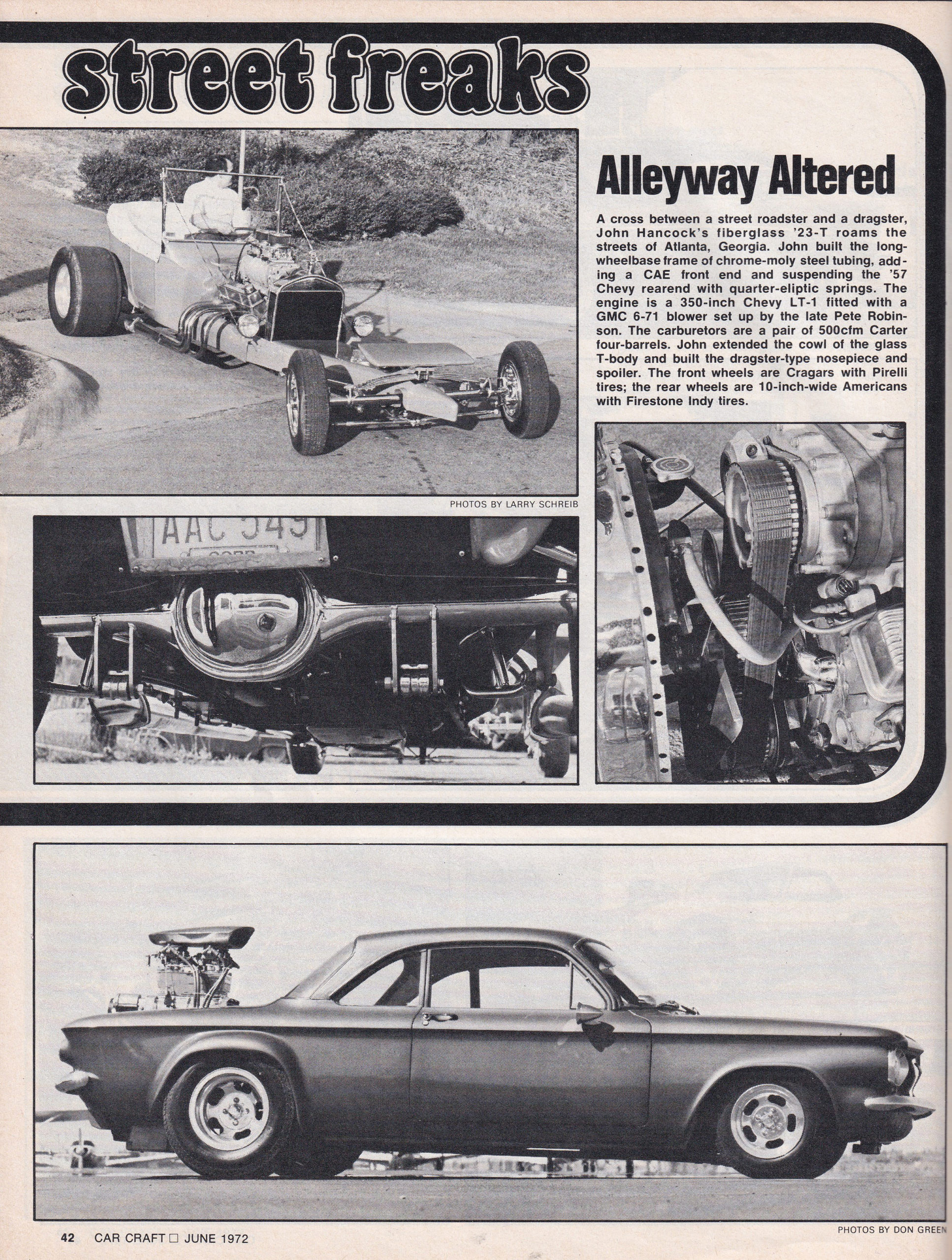
Until June of '72, Car Craft published an issue dedicated to freaks only once a year, but there were more and more high-quality street cars, and the magazine broke its own rule. And in the end, Car Craft in the second half of the seventies will begin to organize the still existing Street Machine Nationals, also known as the 'Nats - and for a long time at least 60% of the material for the magazine will be collected there. Specifically, based on what can be seen on the pages of the June issue of the 72nd, we can safely conclude that already in the early seventies any custom car was calmly called a freak: a quite classically made Chevelle, a very radical Vette with fake superchargers, and even a very professionally executed fully functioning tee-bucket were recorded here. But my favorite is definitely a custom Corvair called the FUBAR. It's always nice to see such a rarity as a properly executed car with an engine in the back. And the FUBAR is executed correctly: it has a 3.5-liter Chevy small unit with classic Holley carburetors and a working 6-71 supercharger from GMC. Dan Glover's Chevrolet with an engine in the cabin also deserves special mention - as a bonus, I'm attaching an additional page about this car, found on the Internet. And one more question: on one of the pages it says that someone Bruce Stead installed two transmissions in his Chevy Nova. So, I know why they put multiple engines in cars. But why does a car need two transmissions?
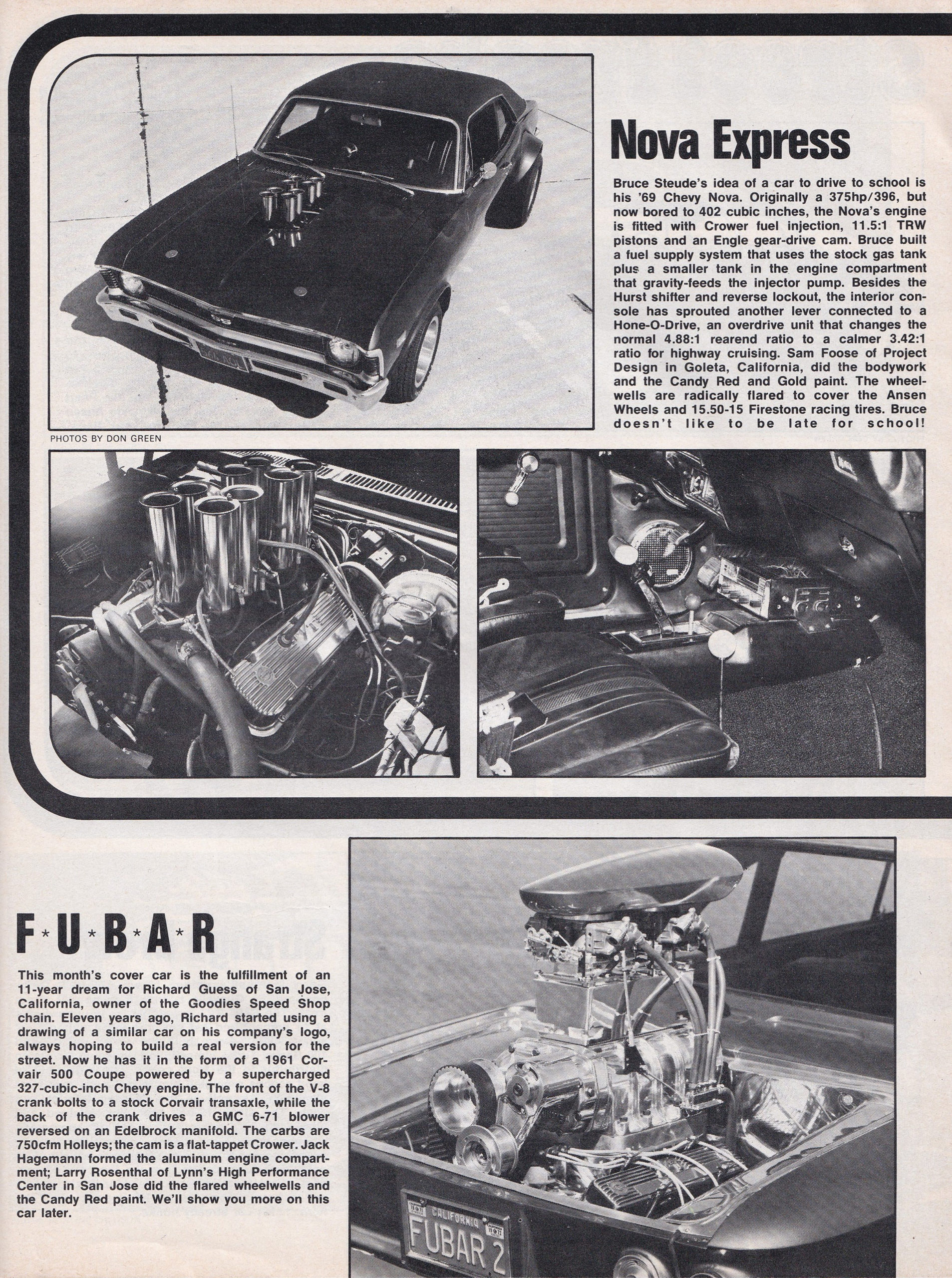
Until June of '72, Car Craft published an issue dedicated to freaks only once a year, but there were more and more high-quality street cars, and the magazine broke its own rule. And in the end, Car Craft in the second half of the seventies will begin to organize the still existing Street Machine Nationals, also known as the 'Nats - and for a long time at least 60% of the material for the magazine will be collected there. Specifically, based on what can be seen on the pages of the June issue of the 72nd, we can safely conclude that already in the early seventies any custom car was calmly called a freak: a completely classically made Chevelle, a very radical Vette with fake superchargers, and even a very professionally executed fully functioning tee-bucket were recorded here. But my favorite is definitely a custom Corvair called the FUBAR. It's always nice to see such a rarity as a properly executed car with an engine in the back. And the FUBAR is executed correctly: it has a 3.5-liter Chevy small unit with classic Holley carburetors and a working 6-71 supercharger from GMC. Dan Glover's Chevrolet with an engine in the cabin also deserves special mention - as a bonus, I'm attaching an additional page about this car, found on the Internet. And one more question: on one of the pages it says that someone Bruce Stead installed two transmissions in his Chevy Nova. So, I know why they put multiple engines in cars. But why does a car need two transmissions?
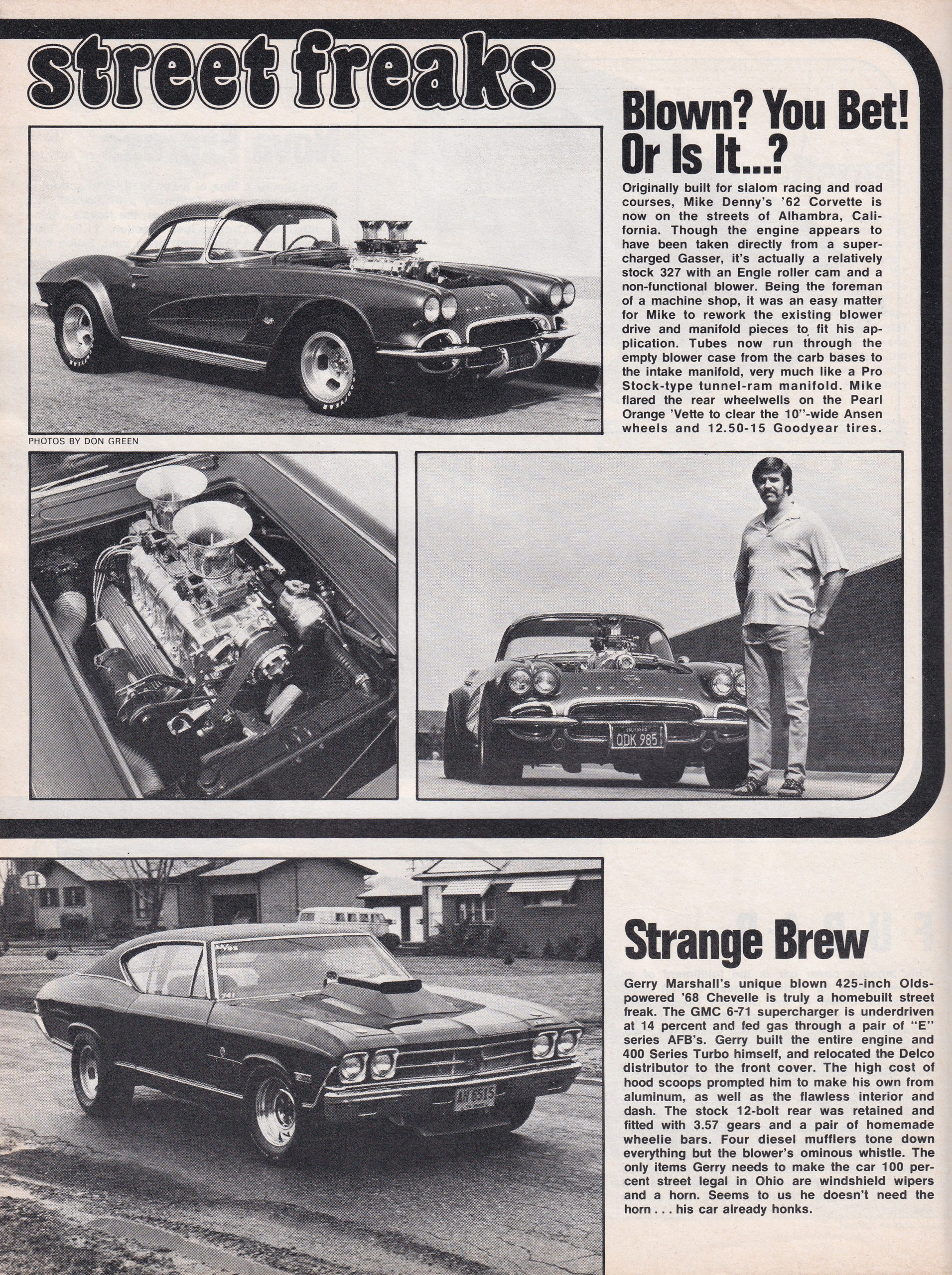
Until June of '72, Car Craft published an issue dedicated to freaks only once a year, but there were more and more high-quality street cars, and the magazine broke its own rule. And in the end, Car Craft in the second half of the seventies will begin to organize the still existing Street Machine Nationals, also known as the 'Nats - and for a long time at least 60% of the material for the magazine will be collected there. Specifically, based on what can be seen on the pages of the June issue of the 72nd, we can safely conclude that already in the early seventies any custom car was calmly called a freak: a quite classically made Chevelle, a very radical Vette with fake superchargers, and even a very professionally executed fully functioning tee-bucket were recorded here. But my favorite is definitely a custom Corvair called the FUBAR. It's always nice to see such a rarity as a properly executed car with an engine in the back. And the FUBAR is executed correctly: it has a 3.5-liter Chevy small unit with classic Holley carburetors and a working 6-71 supercharger from GMC. Dan Glover's Chevrolet with an engine in the cabin also deserves special mention - as a bonus, I'm attaching an additional page about this car, found on the Internet. And one more question: on one of the pages it says that someone Bruce Stead installed two transmissions in his Chevy Nova. So, I know why they put multiple engines in cars. But why does a car need two transmissions?
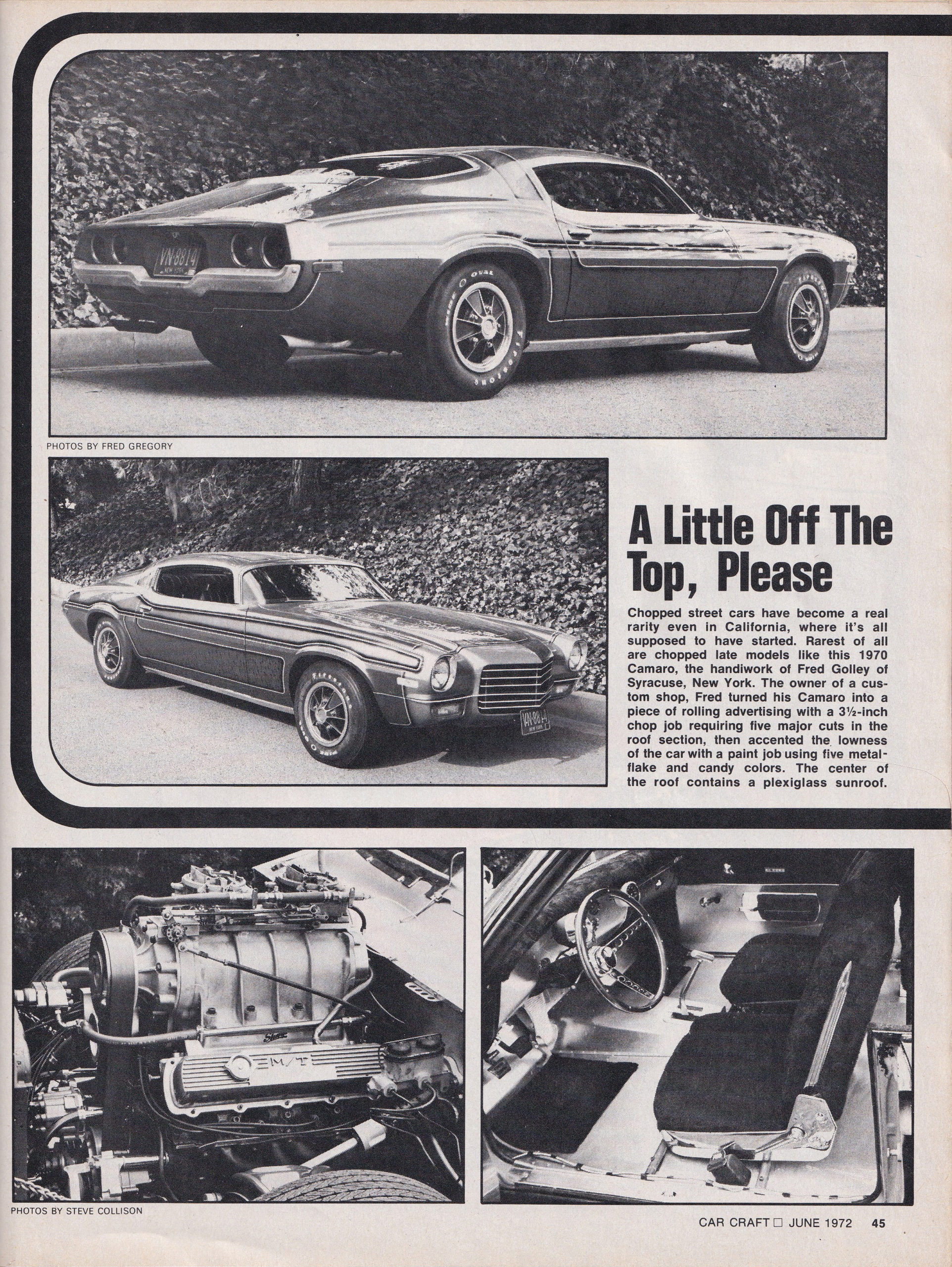
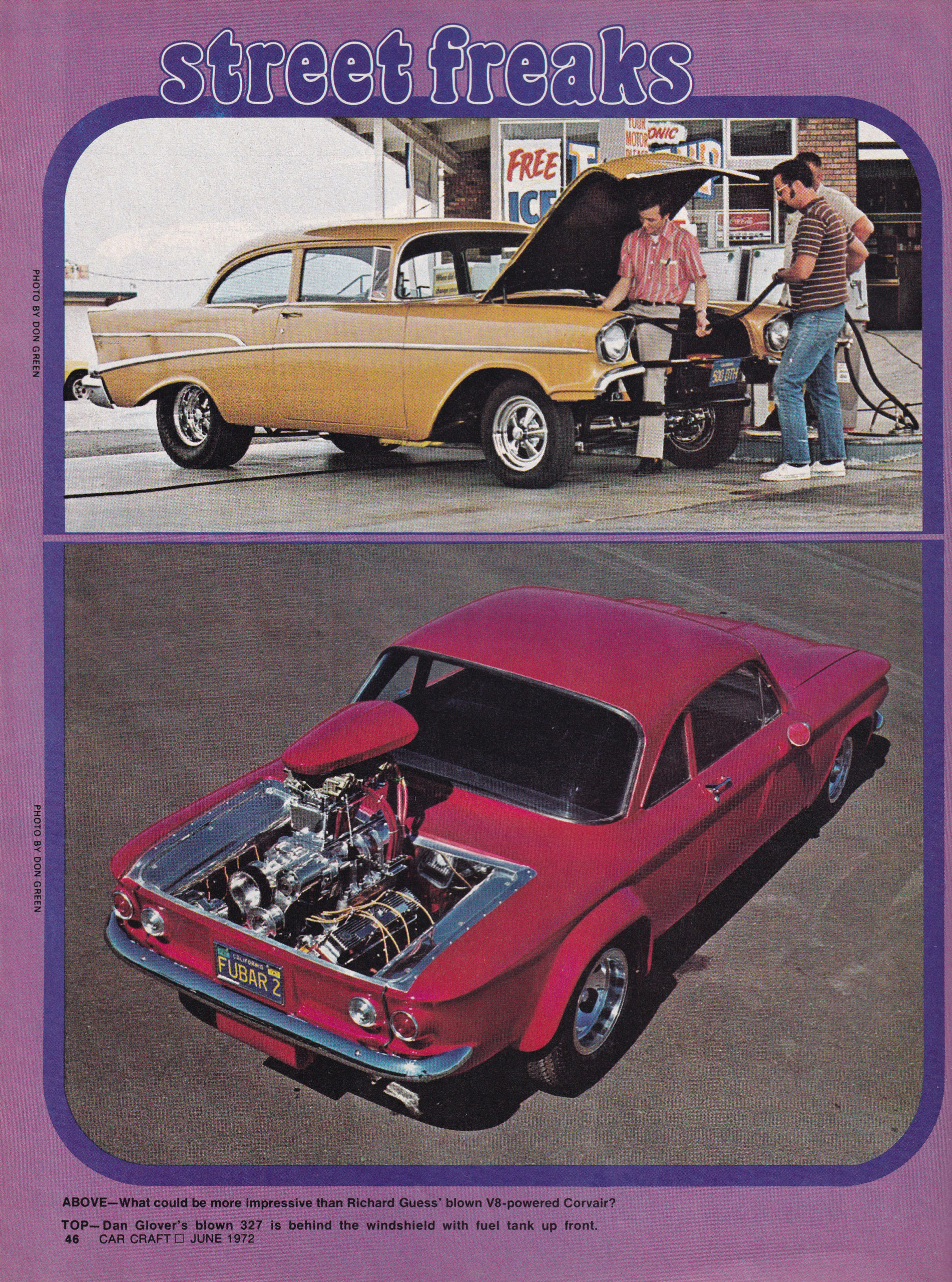
Until June of '72, Car Craft published an issue dedicated to freaks only once a year, but there were more and more high-quality street cars, and the magazine broke its own rule. And in the end, Car Craft in the second half of the seventies will begin to organize the still existing Street Machine Nationals, also known as the 'Nats - and for a long time at least 60% of the material for the magazine will be collected there. Specifically, based on what can be seen on the pages of the June issue of the 72nd, we can safely conclude that already in the early seventies any custom car was calmly called a freak: a completely classically made Chevelle, a very radical Vette with fake superchargers, and even a very professionally executed fully functioning tee-bucket were recorded here. But my favorite is definitely a custom Corvair called the FUBAR. It's always nice to see such a rarity as a properly executed car with an engine in the back. And the FUBAR is executed correctly: it has a 3.5-liter Chevy small unit with classic Holley carburetors and a working 6-71 supercharger from GMC. Dan Glover's Chevrolet with an engine in the cabin also deserves special mention - as a bonus, I'm attaching an additional page about this car, found on the Internet. And one more question: on one of the pages it says that someone Bruce Stead installed two transmissions in his Chevy Nova. So, I know why they put multiple engines in cars. But why does a car need two transmissions?
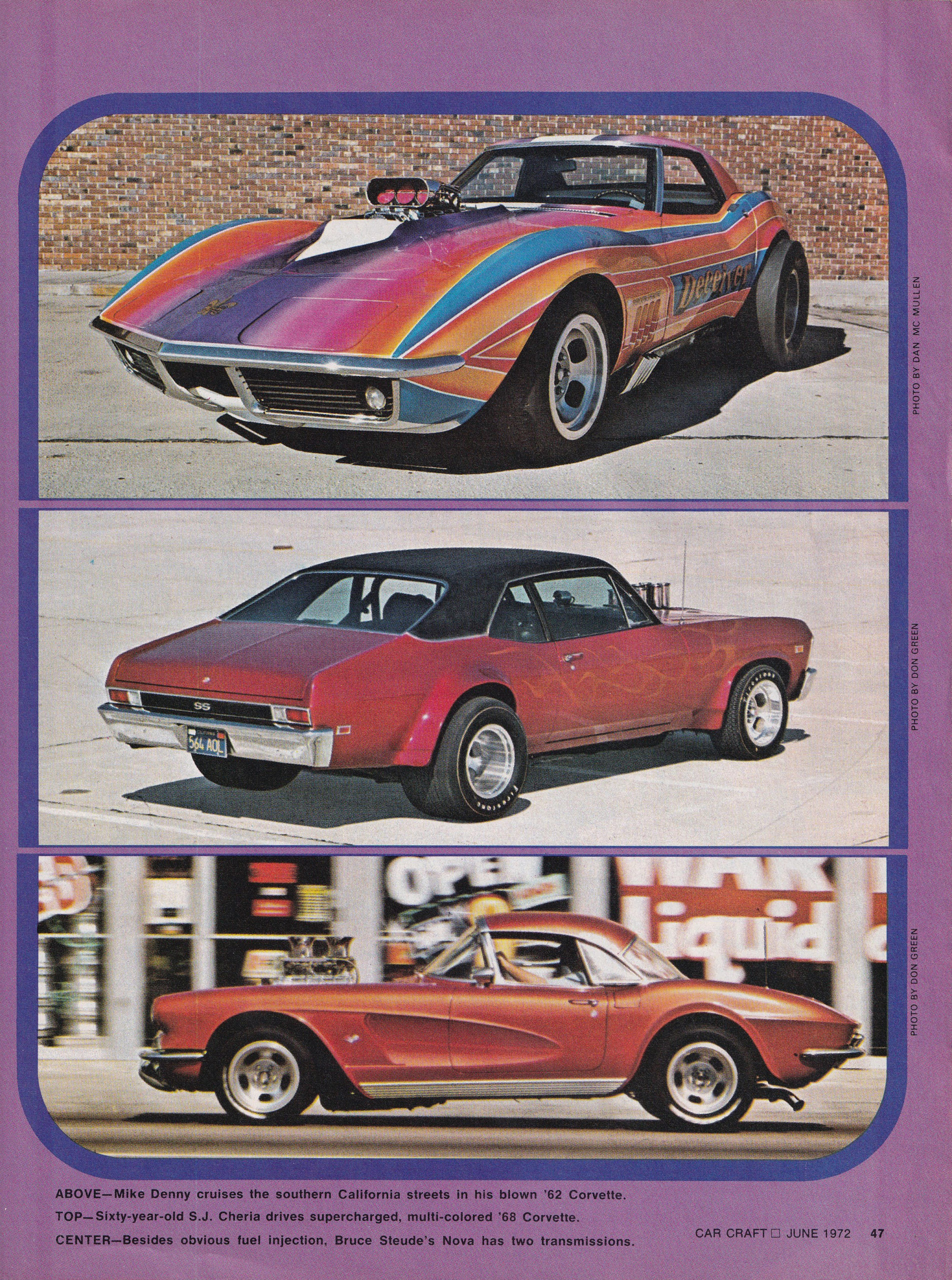
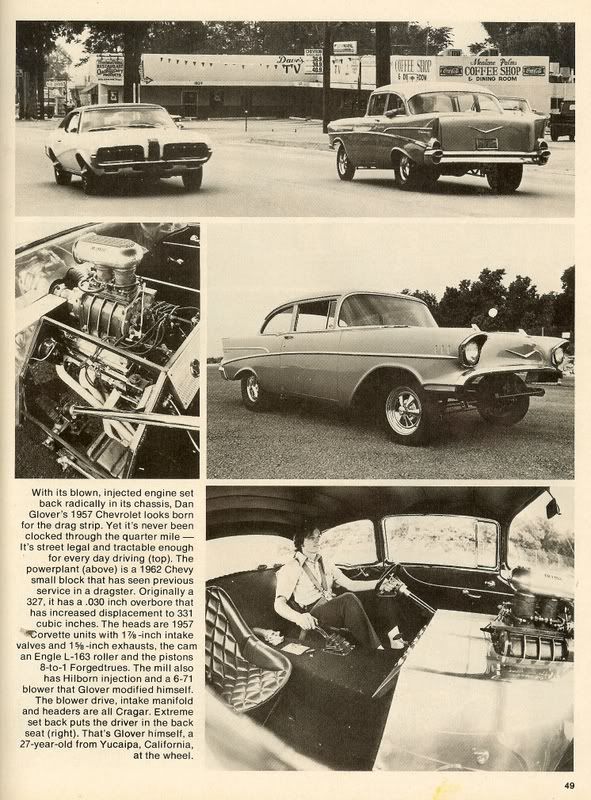
Until June of '72, Car Craft published an issue dedicated to freaks only once a year, but there were more and more high-quality street cars, and the magazine broke its own rule. And in the end, Car Craft in the second half of the seventies will begin to organize the still existing Street Machine Nationals, also known as the 'Nats - and for a long time at least 60% of the material for the magazine will be collected there. Specifically, based on what can be seen on the pages of the June issue of the 72nd, we can safely conclude that already in the early seventies any custom car was calmly called a freak: a quite classically made Chevelle, a very radical Vette with fake superchargers, and even a very professionally executed fully functioning tee-bucket were recorded here. But my favorite is definitely a custom Corvair called the FUBAR. It's always nice to see such a rarity as a properly executed car with an engine in the back. And the FUBAR is executed correctly: it has a 3.5-liter Chevy small unit with classic Holley carburetors and a working 6-71 supercharger from GMC. Dan Glover's Chevrolet with an engine in the cabin also deserves special mention - as a bonus, I'm attaching an additional page about this car, found on the Internet. And one more question: on one of the pages it says that someone Bruce Stead installed two transmissions in his Chevy Nova. So, I know why they put multiple engines in cars. But why does a car need two transmissions?
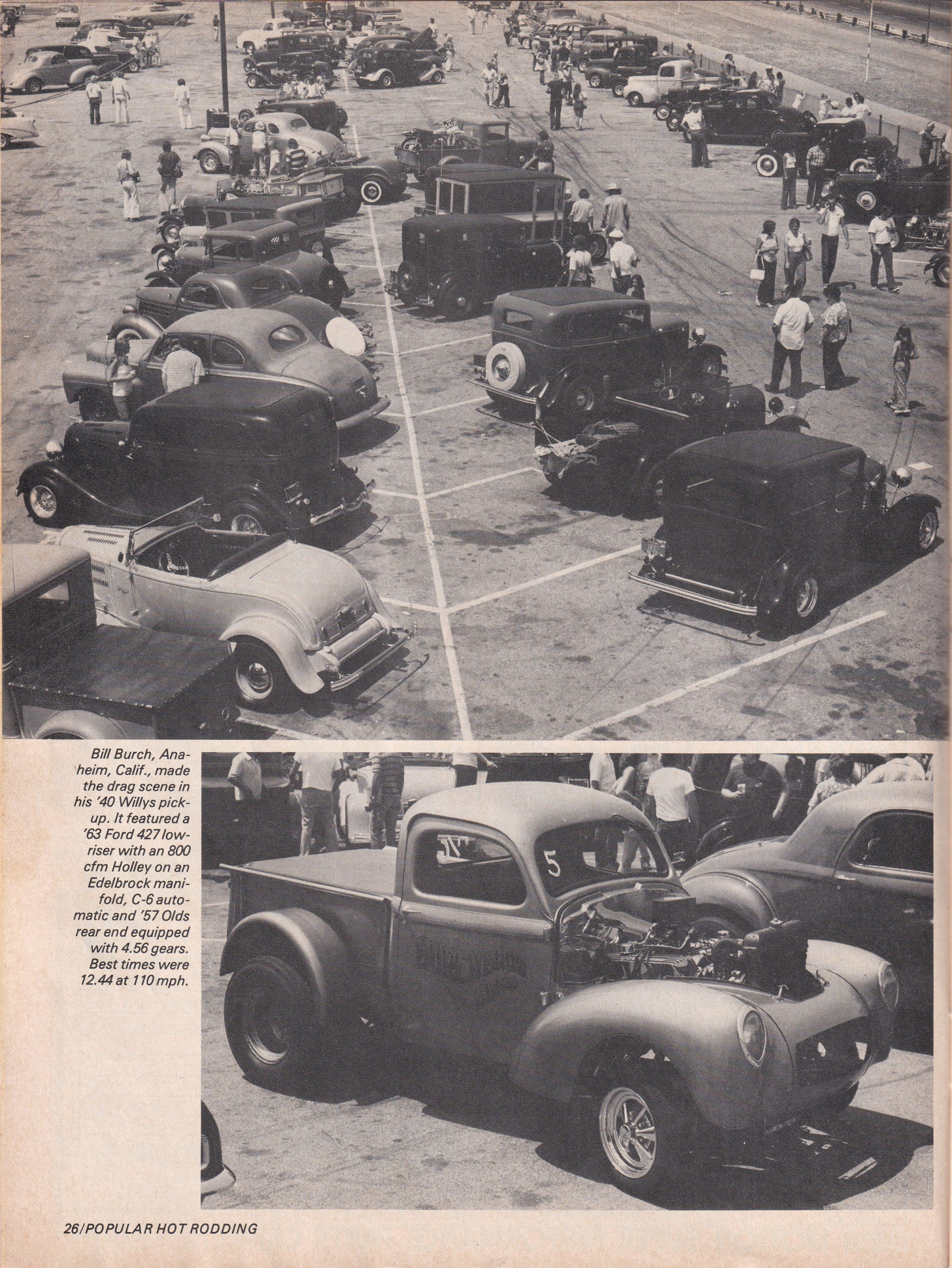
The Street Rod Drag Race section from Popular Hot Rodding for October '75 tells us that street rodding was already considered a useless show-off in the seventies. However, the photos prove that a considerable number of people built street cars correctly, set them up competently and were not afraid to drive their iron horses onto the strip - and they showed quite good results. The fastest street cars ran a quarter mile in eleven seconds, which for the seventies was, in fact, a first-class time for a car fully equipped for a comfortable cruise through the streets. Moreover, the editors claim that most of the eleven-second cars could well have turned into ten-second ones if the owners had squeezed all the juices out of them and stolen the engine under the red line. Yes, Street Rod is in the name of the section for a reason - in this particular case, only those cars that were produced before 1954 competed, but all of the above applies quite well to street freaks in particular, and to street cars in general.
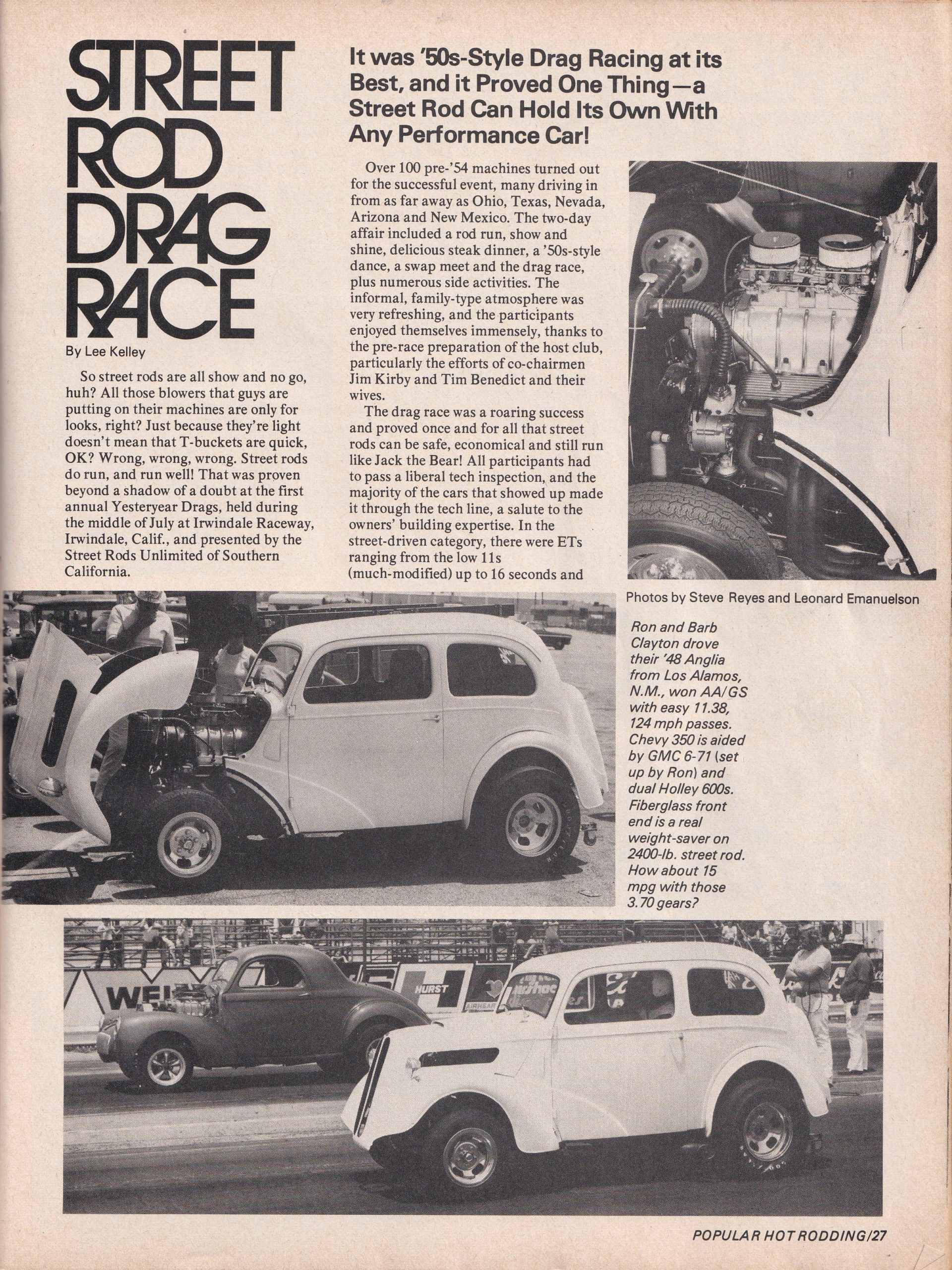
The Street Rod Drag Race section from Popular Hot Rodding for October '75 tells us that street rodding was already considered a useless show-off in the seventies. However, the photos prove that a considerable number of people built street cars correctly, set them up competently and were not afraid to drive their iron horses onto the strip - and they showed quite good results. The fastest street cars ran a quarter mile in eleven seconds, which for the seventies was, in fact, a first-class time for a car fully equipped for a comfortable cruise through the streets. Moreover, the editors claim that most of the eleven-second cars could well have been signed up for ten-second ones if the owners had squeezed all the juices out of them and stolen the engine under the red line. Yes, Street Rod is in the name of the section for a reason - in this particular case, only those cars that were produced before 1954 competed, but all of the above applies quite well to street freaks in particular, and to street cars in general.
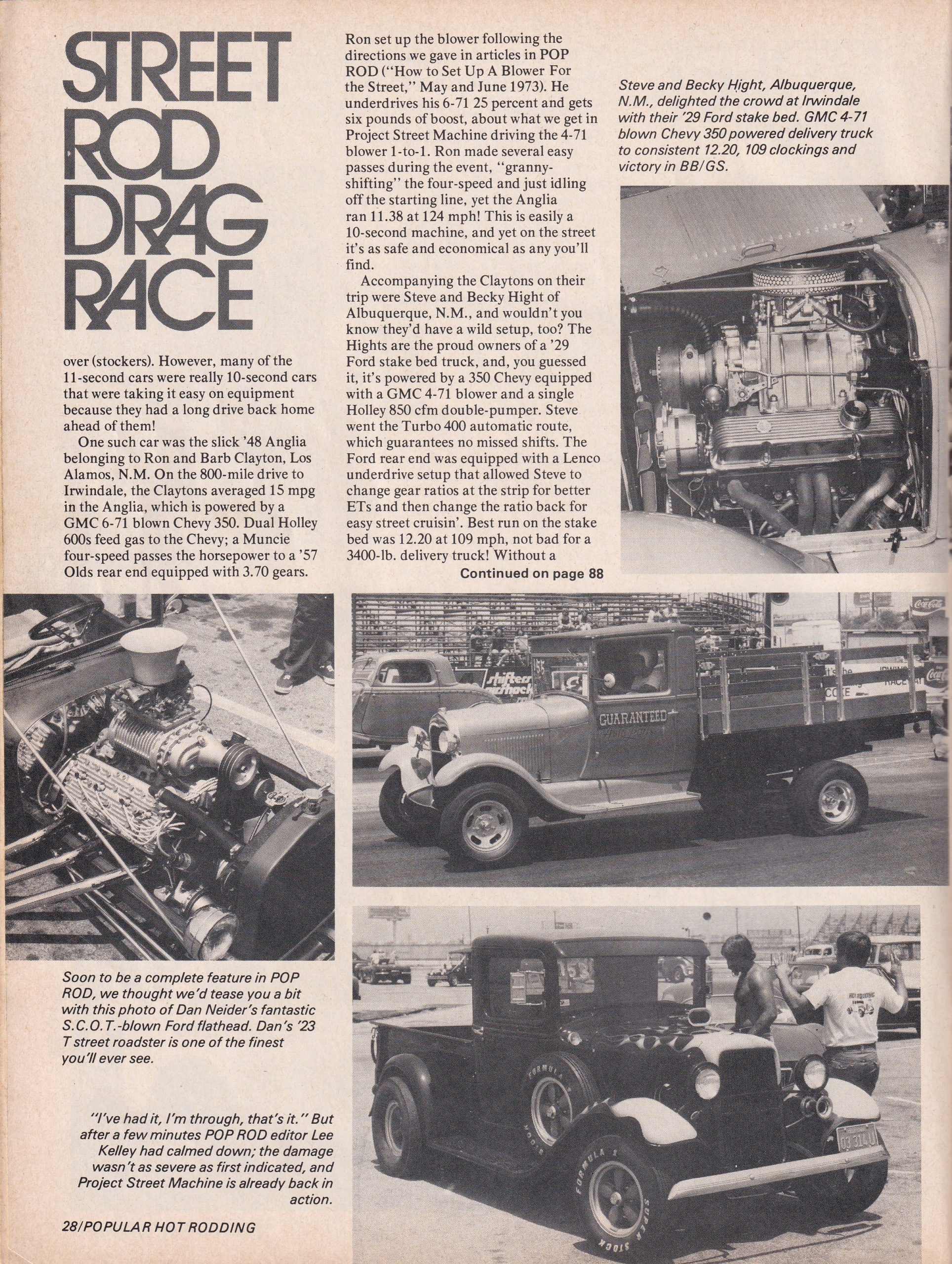
The Street Rod Drag Race section from Popular Hot Rodding for October '75 tells us that street rodding was already considered a useless show-off in the seventies. However, the photos prove that a considerable number of people built street cars correctly, set them up competently and were not afraid to drive their iron horses onto the strip - and they showed quite good results. The fastest street cars ran a quarter mile in eleven seconds, which for the seventies was, in fact, a first-class time for a car fully equipped for a comfortable cruise through the streets. Moreover, the editors claim that most of the eleven-second cars could well have turned into ten-second ones if the owners had squeezed all the juices out of them and stolen the engine under the red line. Yes, Street Rod is in the name of the section for a reason - in this particular case, only those cars that were produced before 1954 competed, but all of the above applies quite well to street freaks in particular, and to street cars in general.
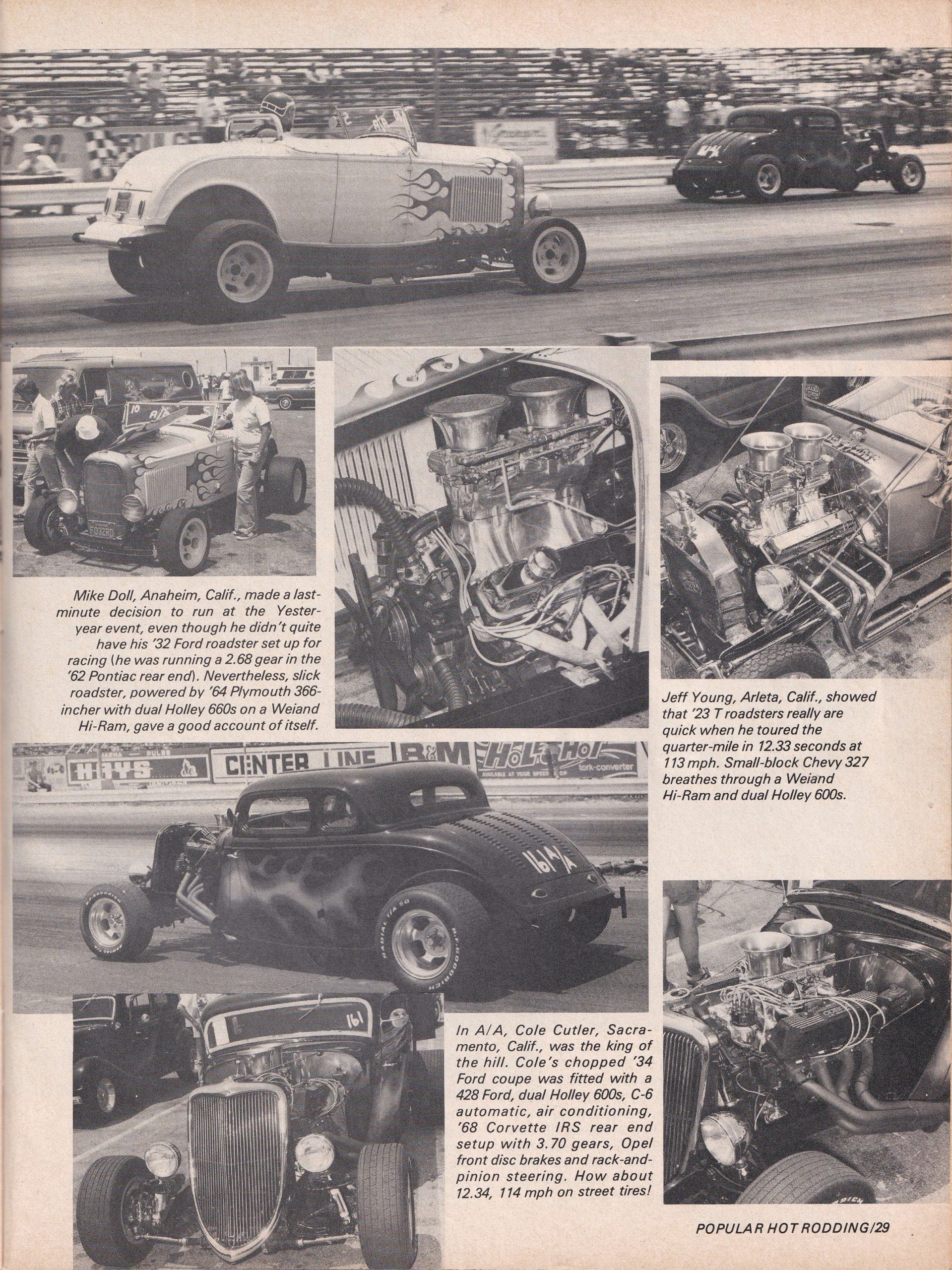
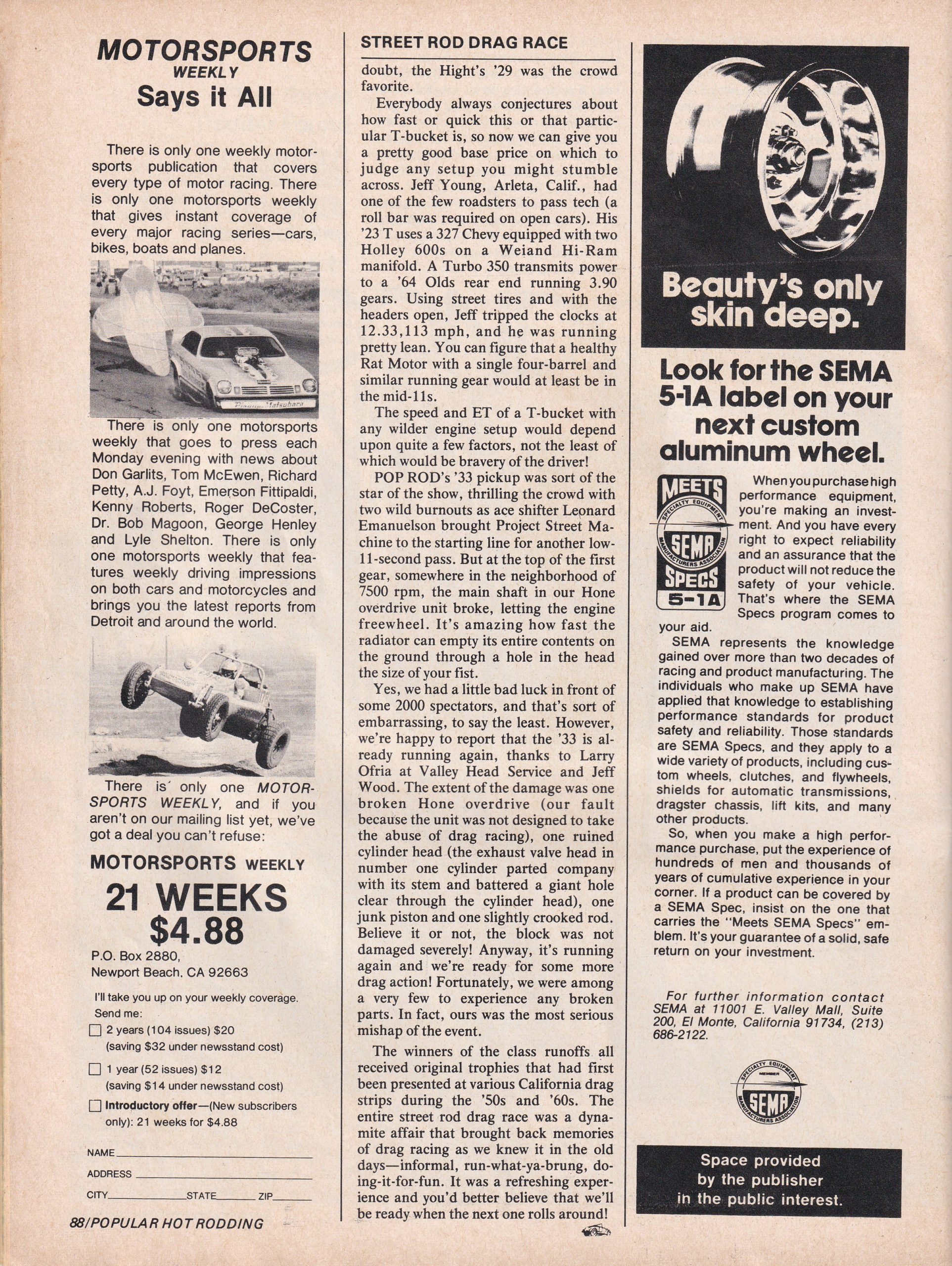
The Street Rod Drag Race section from Popular Hot Rodding for October '75 tells us that street rodding was already considered a useless show-off in the seventies. However, the photos prove that a considerable number of people built street cars correctly, set them up competently and were not afraid to drive their iron horses onto the strip - and they showed quite good results. The fastest street cars ran a quarter mile in eleven seconds, which for the seventies was, in fact, a first-class time for a car fully equipped for a comfortable cruise through the streets. Moreover, the editors claim that most of the eleven-second cars could well have been signed up for ten-second ones if the owners had squeezed all the juices out of them and stolen the engine under the red line. Yes, Street Rod is in the name of the section for a reason - in this particular case, only those cars that were produced before 1954 competed, but all of the above applies quite well to street freaks in particular, and to street cars in general.
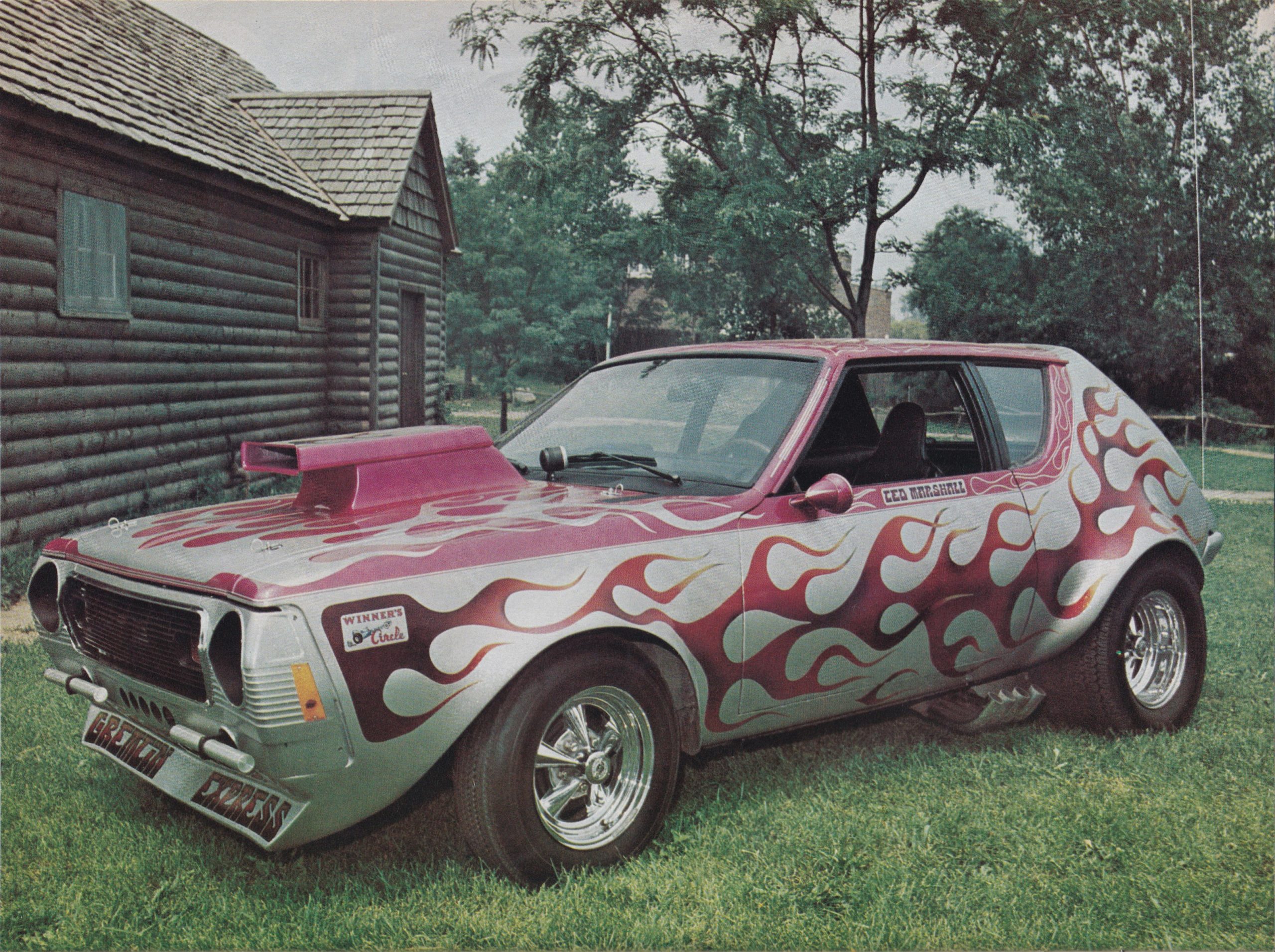
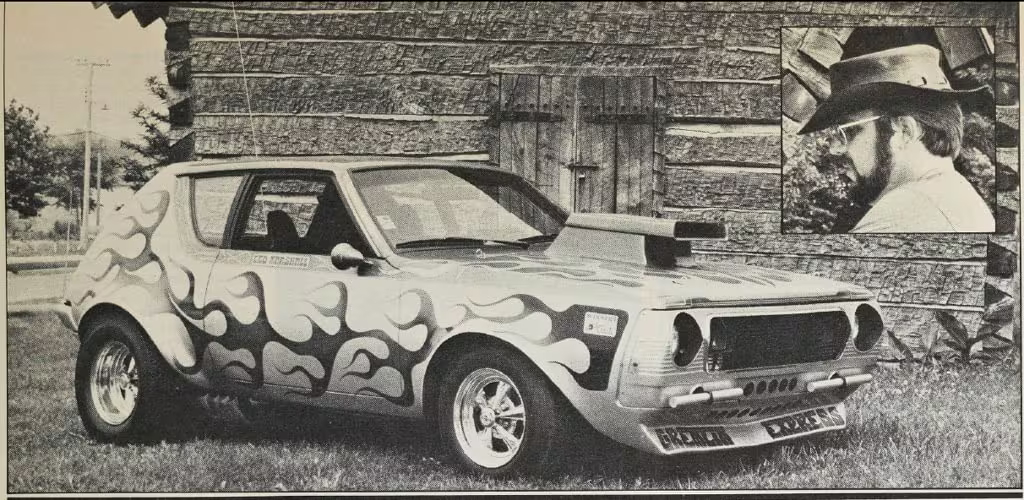
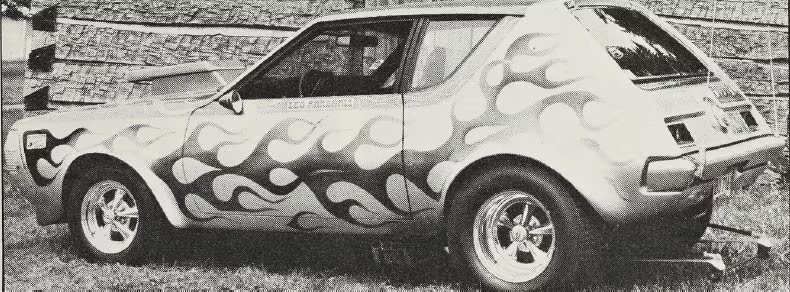
A great example of how freaks could also be fast is Gremlin Express. It had a 6.6-liter AMC free-breathing engine with an 850 CFM Holley carburetor and ran a quarter mile in eleven seconds, despite having a passenger seat and a full set of electronics in the cabin, including an eight-track cassette player and a CB radio. And it's also Gremlin. And if Gremlin's could run fast, then what about other cars?
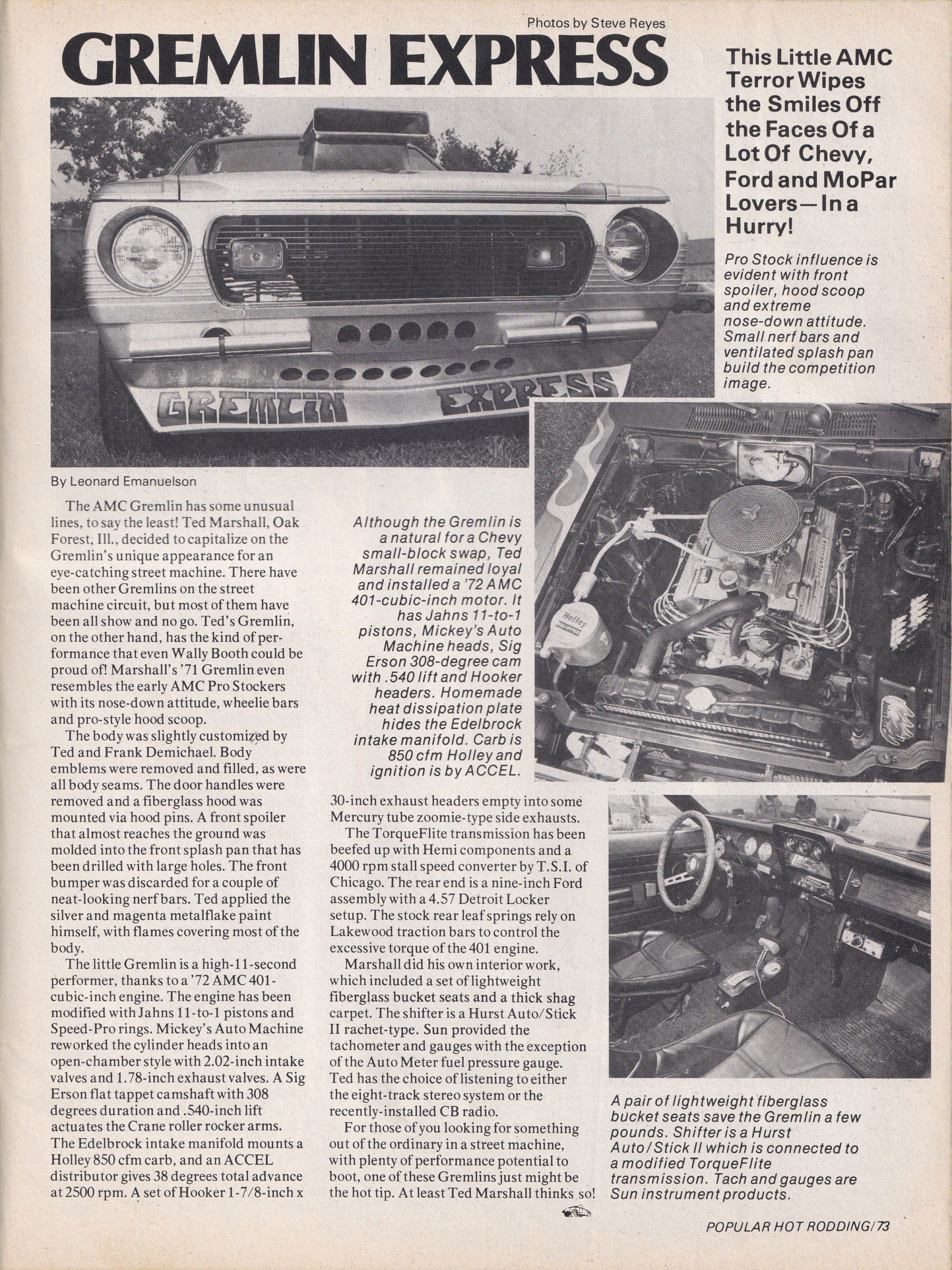
A great example of how freaks could also be fast is Gremlin Express. It had a 6.6-liter AMC free-breathing engine with an 850 CFM Holley carburetor and ran a quarter mile in eleven seconds, despite having a passenger seat and a full set of electronics in the cabin, including an eight-track cassette player and a CB radio. And it's also Gremlin. And since Gremlin's could run fast, what about other cars?
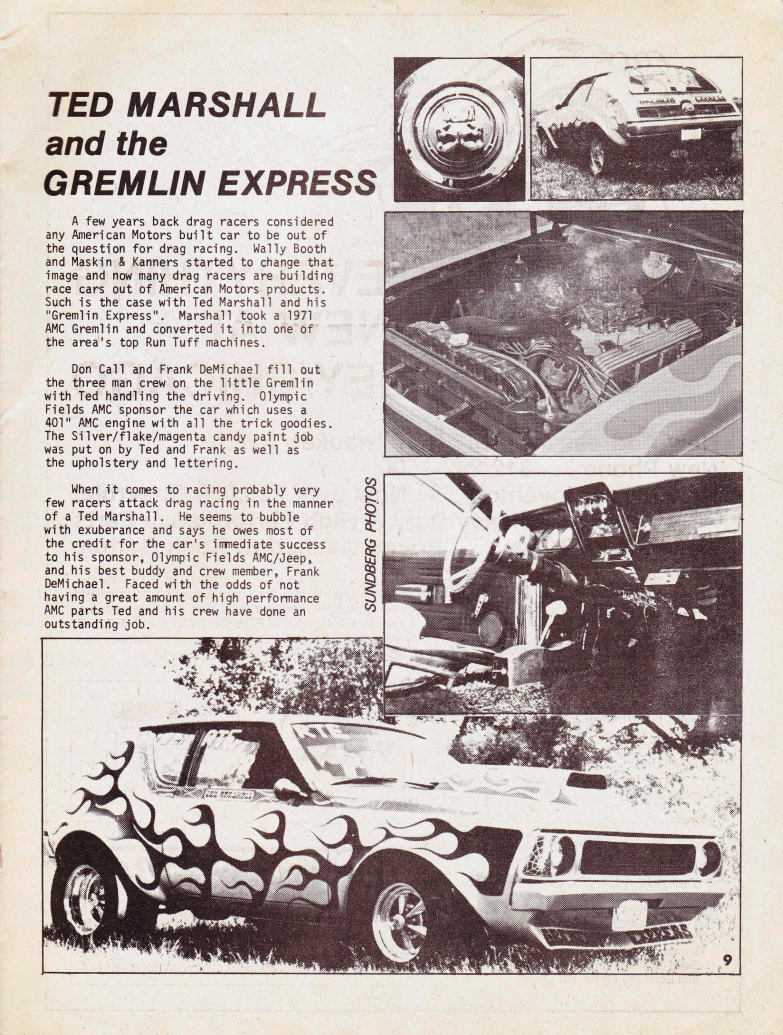
A great example of how freaks could also be fast is Gremlin Express. It had a 6.6-liter AMC free-breathing engine with an 850 CFM Holley carburetor and ran a quarter mile in eleven seconds, despite having a passenger seat and a full set of electronics in the cabin, including an eight-track cassette player and a CB radio. And it's also Gremlin. And if Gremlin's could run fast, then what about other cars?
A view from the present
Nowadays, most street freaks and street cars are automatically classified as empty, useless fakes – sometimes completely undeservedly. And the reason is that the main direction of the school of customization in our time is, oddly enough, the classical direction. Muscle cars in particular are considered a rarity, from which dust motes need to be blown off, and are especially revered in the standard configuration, and therefore freaks are automatically considered samples of Bubba tuning and the living embodiment of the manual “How to Destroy a Good Car.”Plus, the 70s seem to the current audience to be, for the most part, an absolutely tasteless decade when everyone was on acid and couldn’t come up with anything good by default.
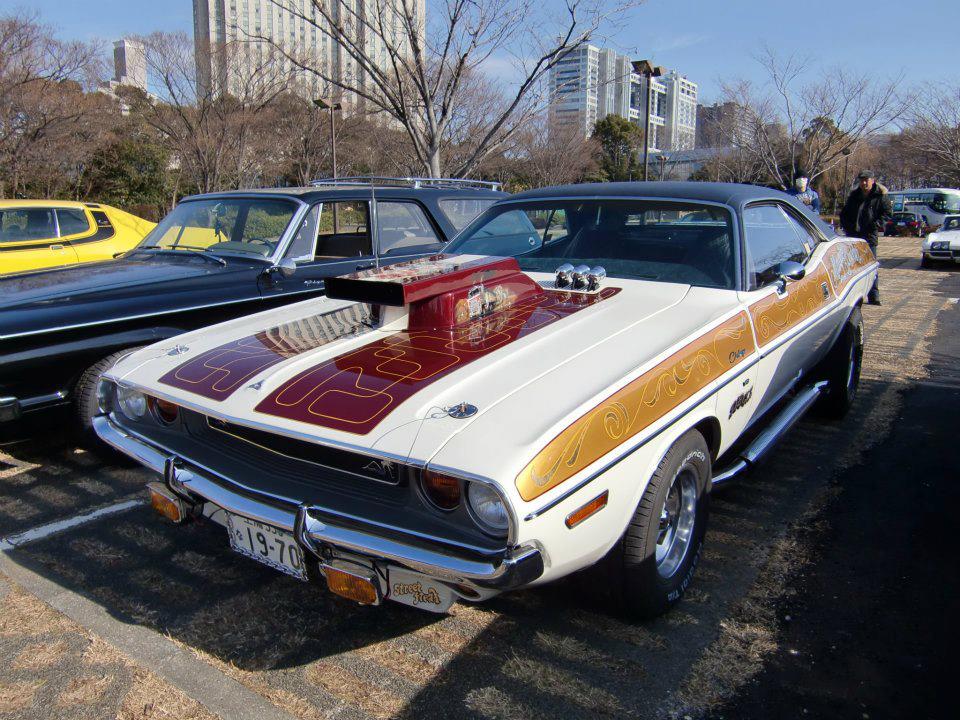
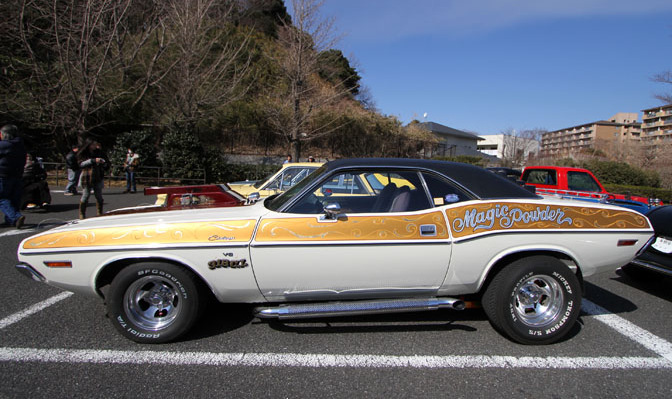
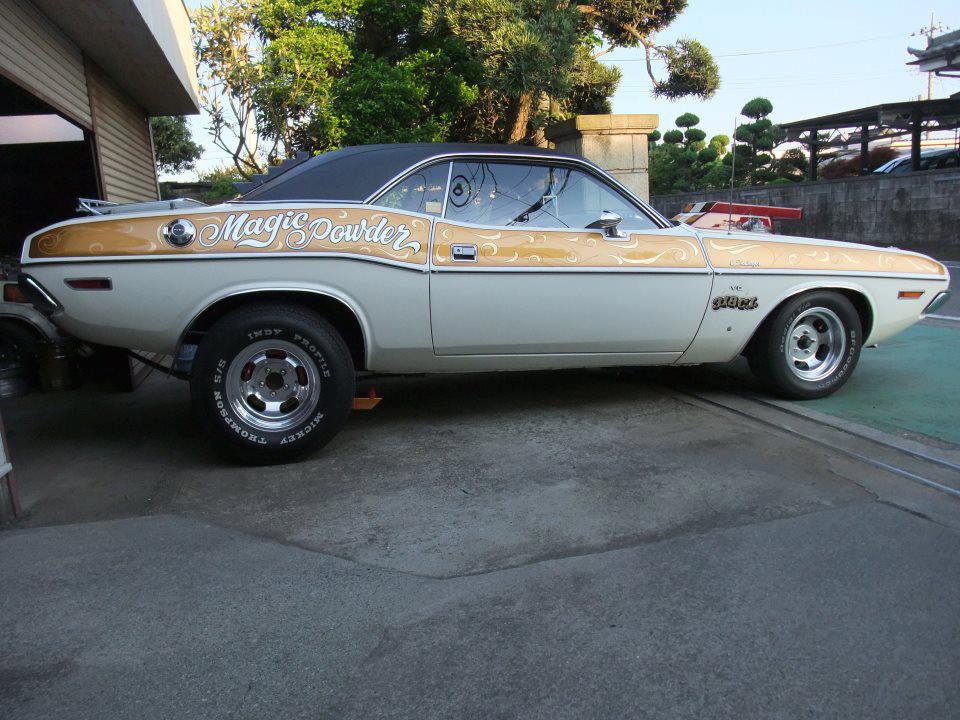
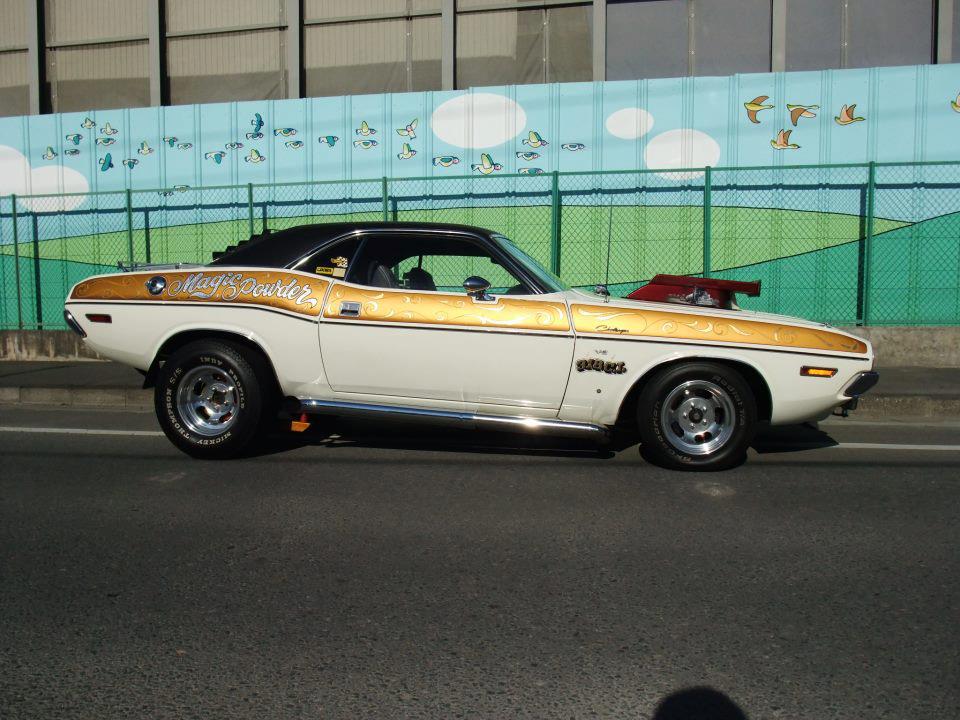
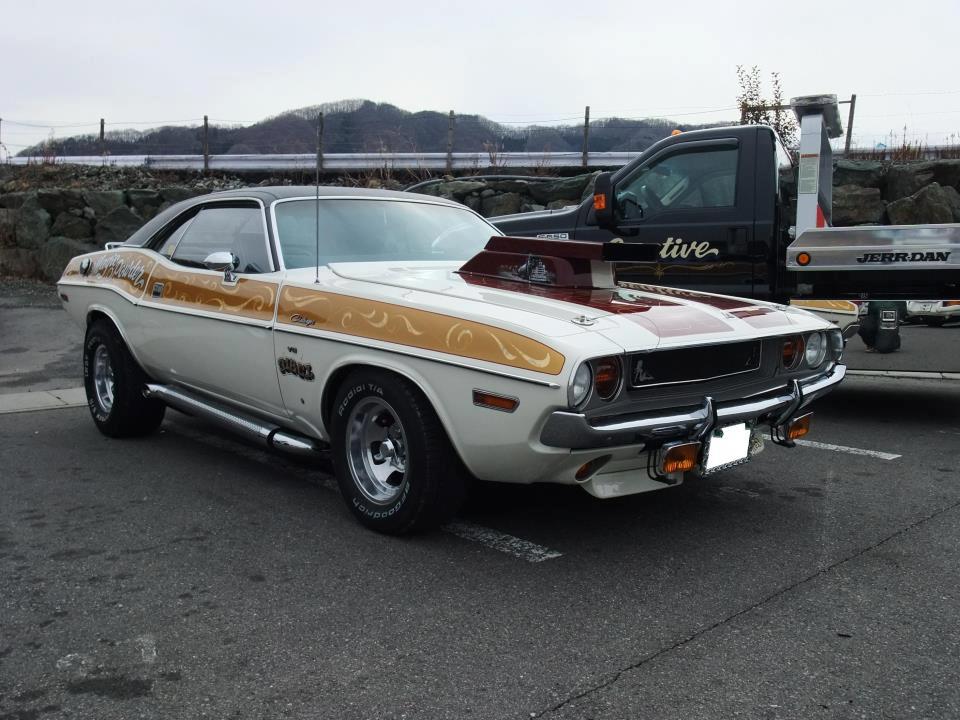
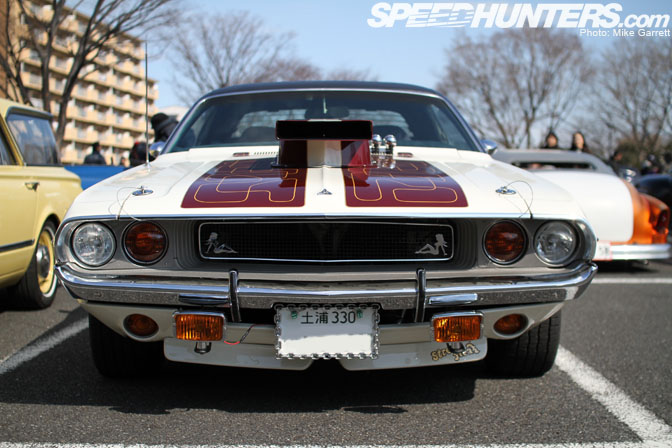
In fact, the custom culture of the 70s is already experiencing a small local rebirth - in Japan. For example, the Magic Powder is a Dodge Challenger with a 5.2-liter engine, made according to all the canons of street freaks, right down to the corresponding sticker under the front bumper. There is a psychedelic pattern, a characteristic square air intake on the hood, a corresponding tilt of the body, and a few murals, one of which depicts Farrah Fawcett in exactly the same pose in which she was depicted on the famous 1976 poster, which sold 12 million copies.
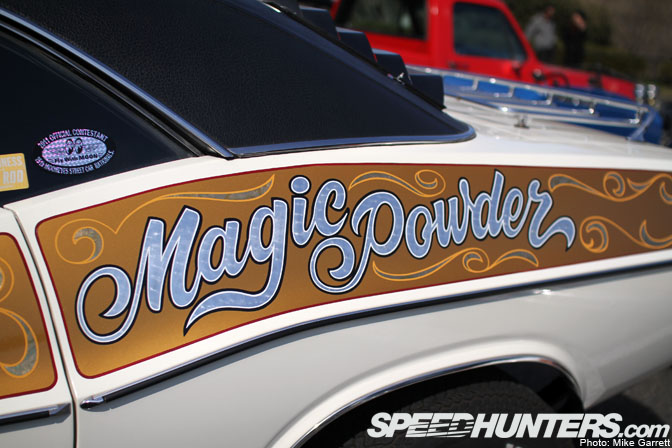
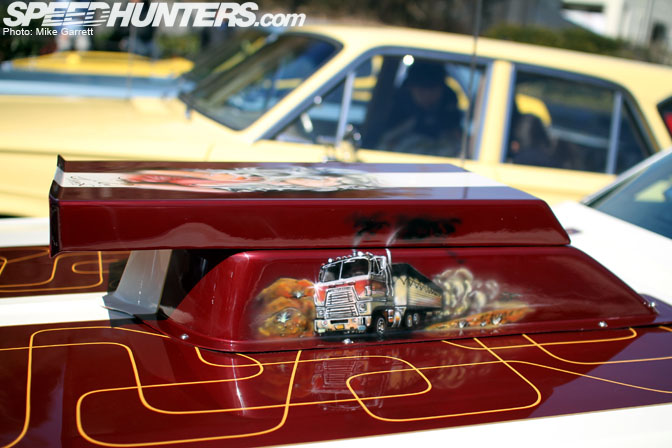
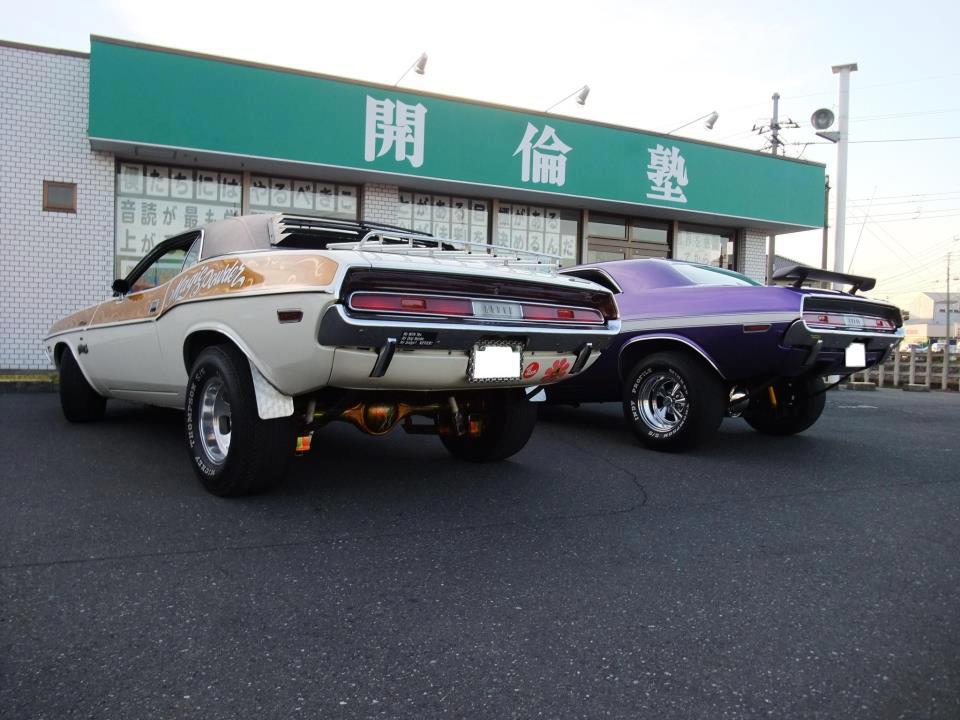
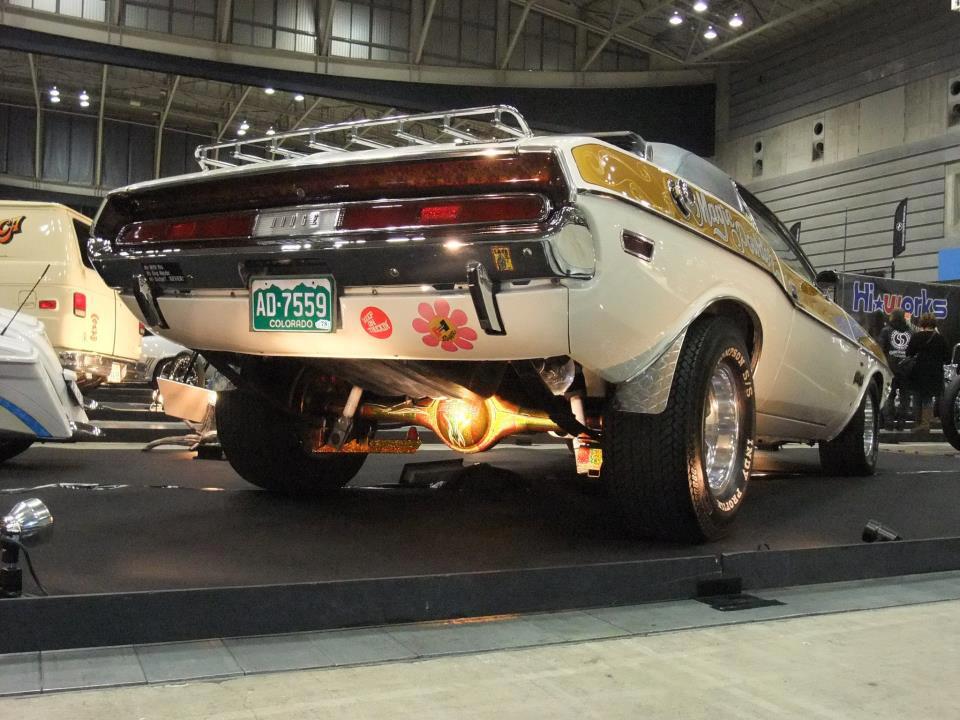
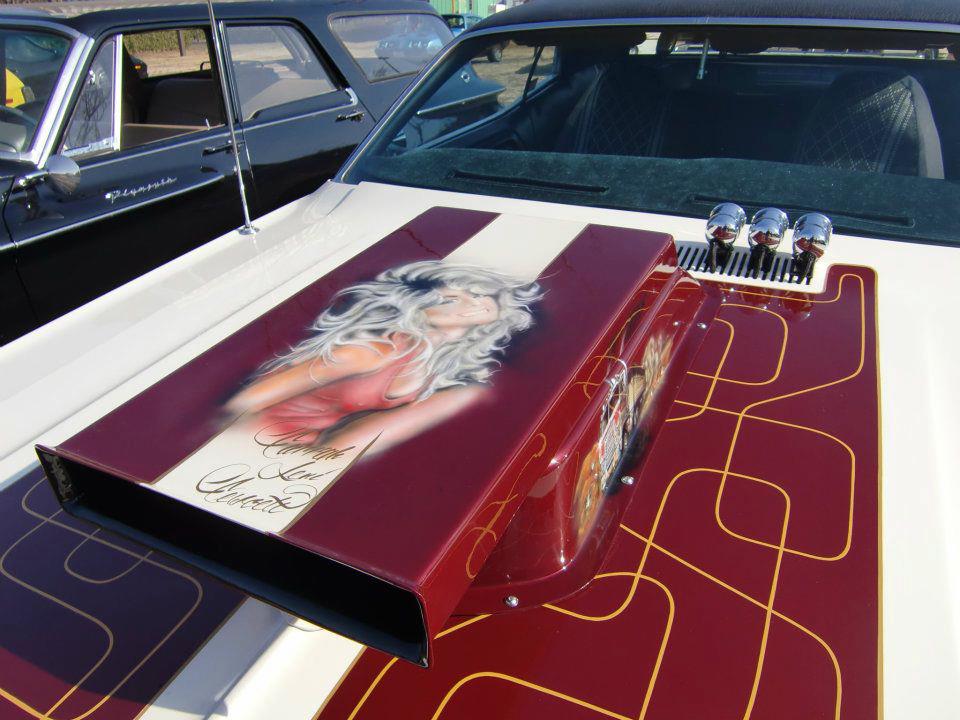
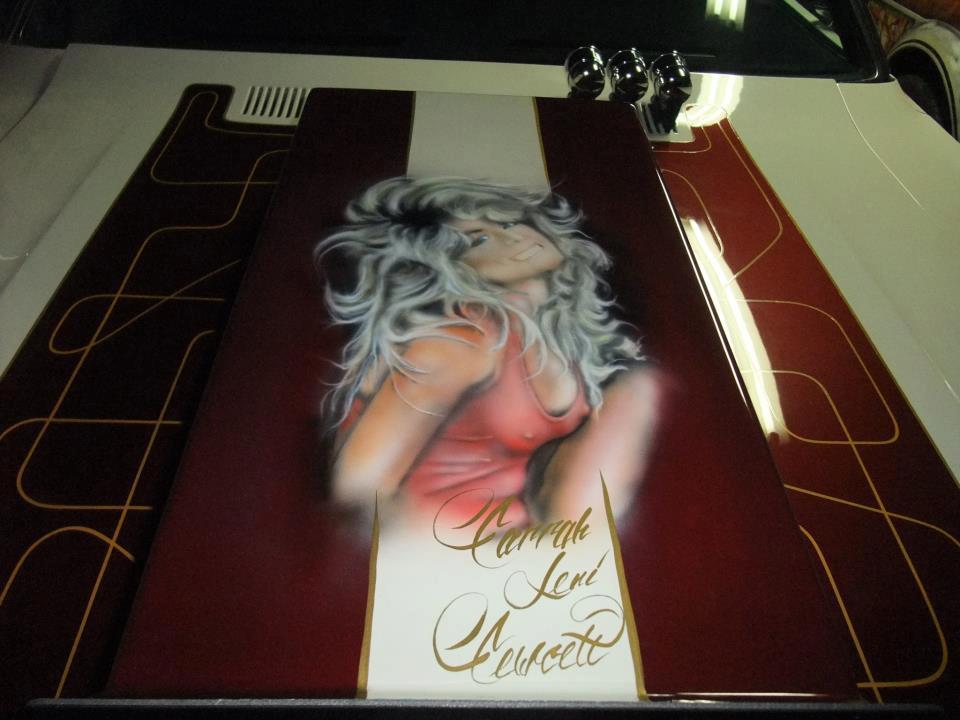
And, frankly speaking, fuck such critics. The fashions are changing. In the 70s, a factory muscle car stood on every corner in the USA – now the owner of a Roadrunner doesn’t have to worry too much: everyone immediately understands his tastes and preferences. But at that time, of course, any car enthusiast wanted to somehow personalize their Plymouth in order to show themselves among a dozen of the same. Of course, there were also frankly bad freaks, but there are frankly bad cars in absolutely any direction, just like the masters sometimes get frankly unsuccessful or at least controversial projects.
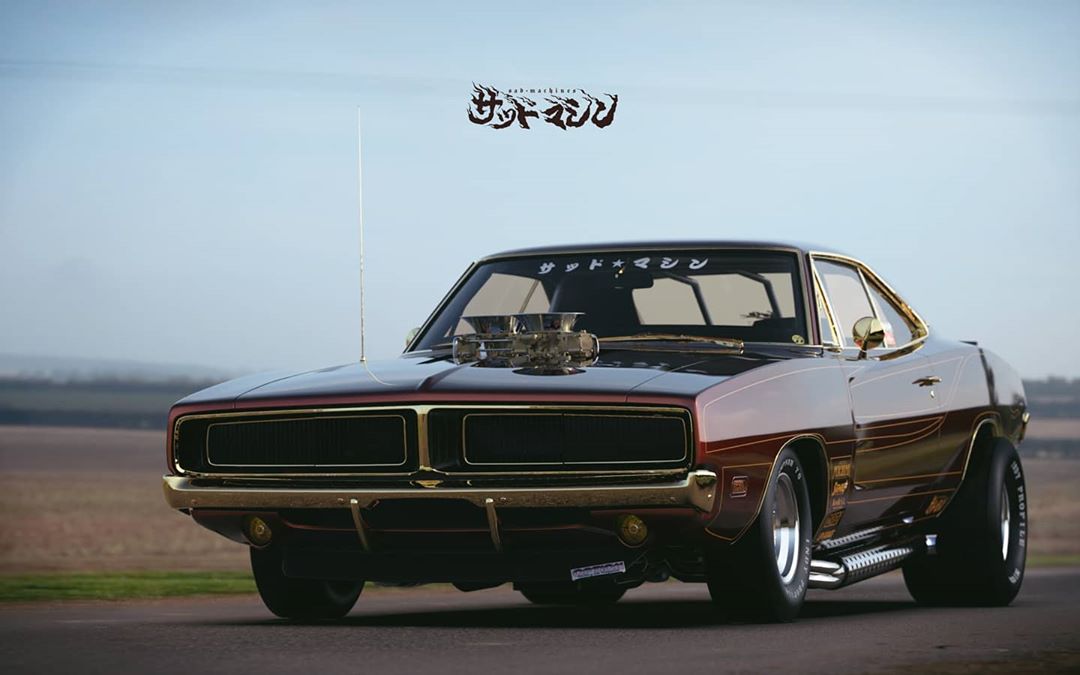
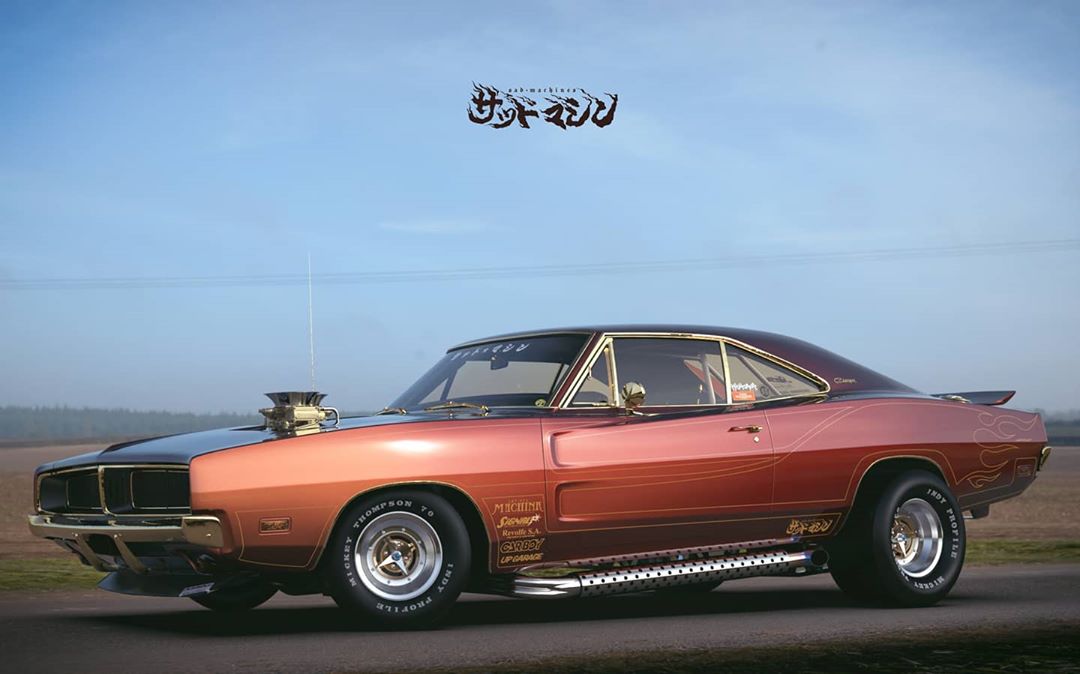
Another freak from Japan is the Challenger's closest brother, the Dodge Charger. Unfortunately, this car is a virtual one - a 3D model created by a famous artist specializing in cars. Nevertheless, the concept is extremely organically executed, and there is nothing that prevents such a project from being presented on the streets of Tokyo.
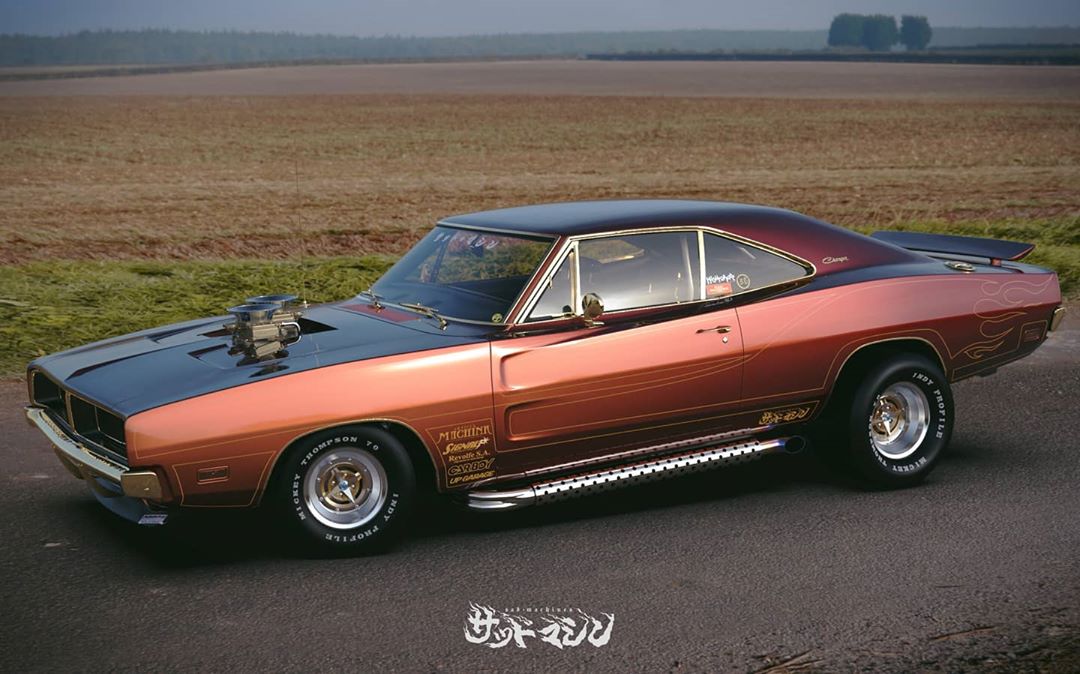
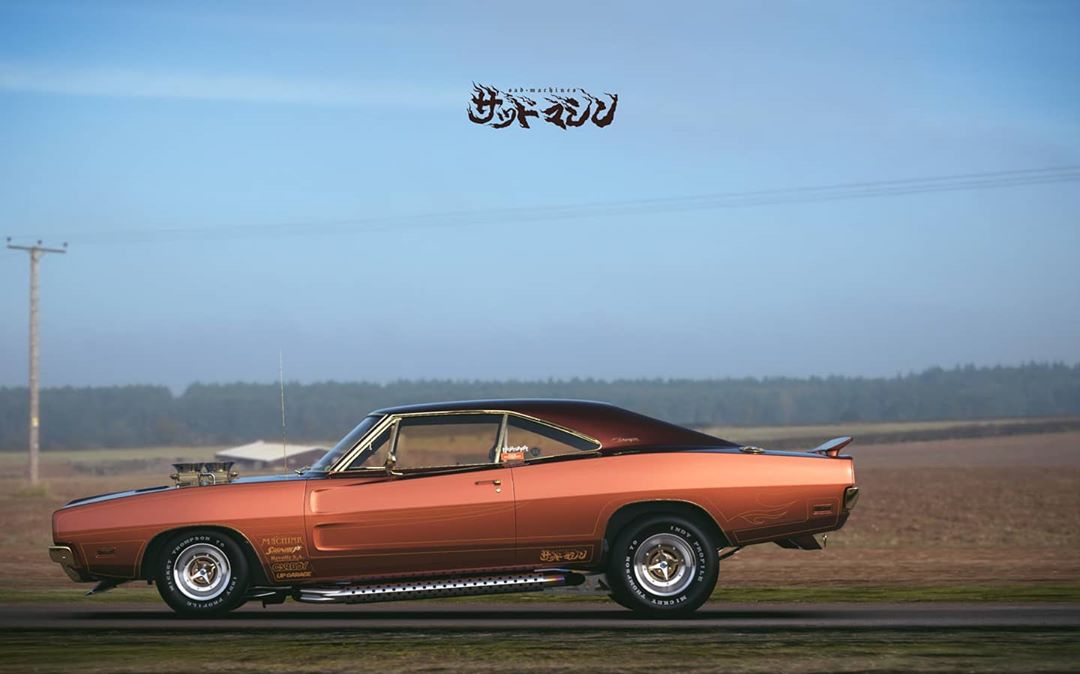
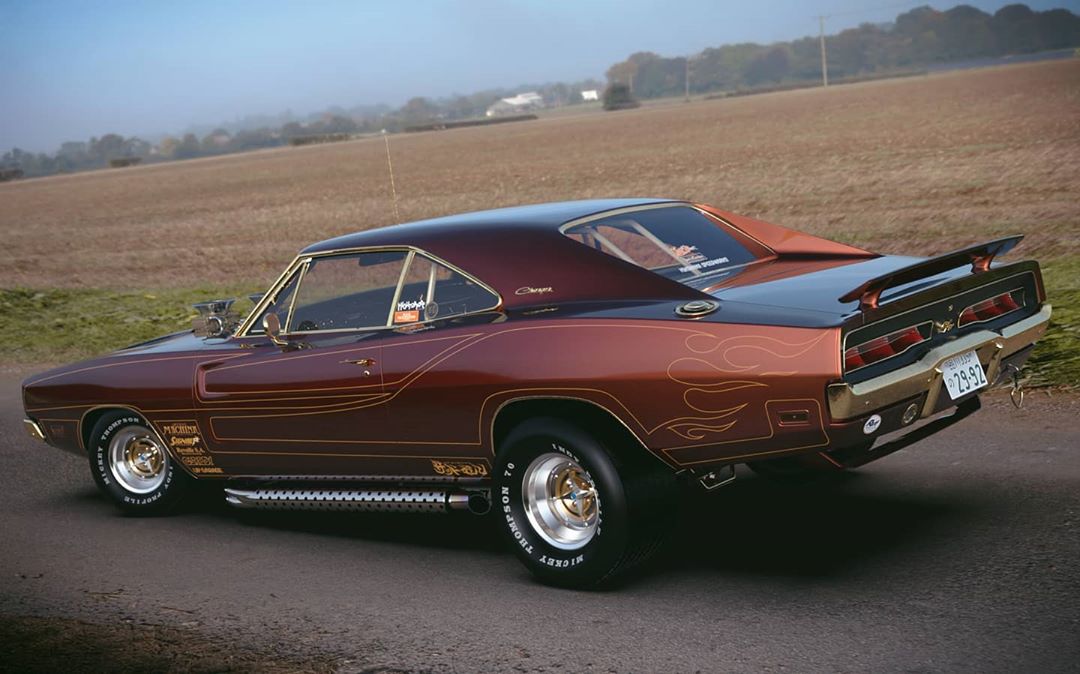
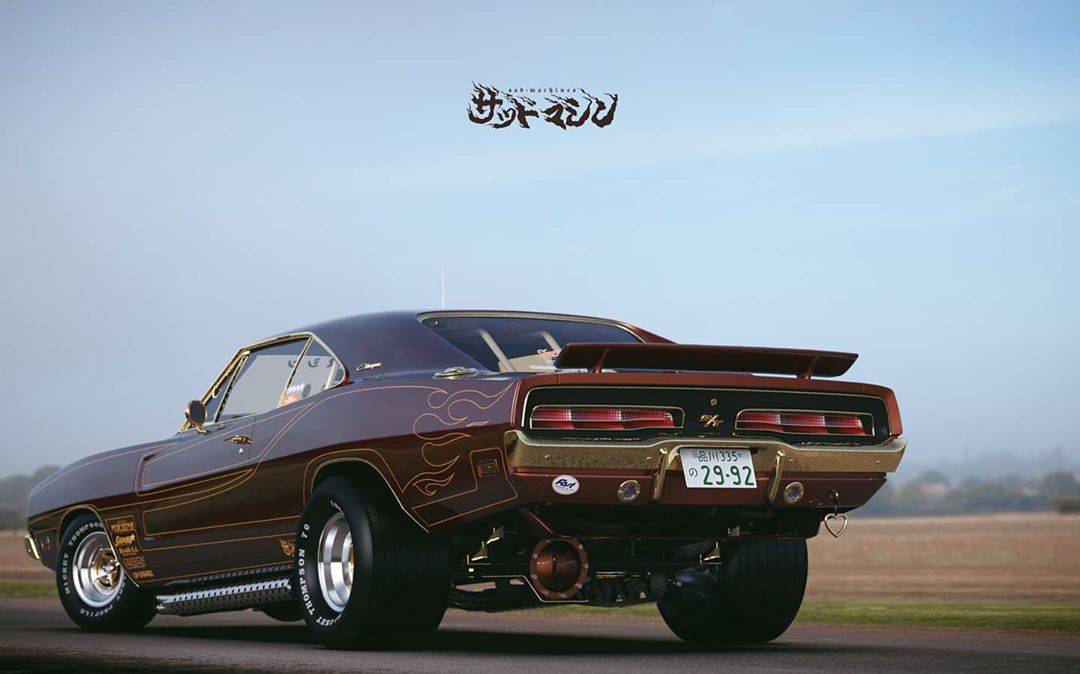
In addition, street freaks are a style that is entirely driven by speed and quarter-mile racing. People wanted a dragster, or at least something similar to it, and they built exactly what they wanted. In fact, this is all the same thing that happened decades before the seventies; the logical next step, which for some reason is suddenly ignored and trying their best to forget. Street rods just adapted to the reality of that time: hot rods were a thing of the past and people began to build gassers instead, using artistic techniques and technologies appropriate to the time. And as the gassers remained in the past, fans of customization gradually switched to the style characteristic of stockers. All this is nothing more than a unique cultural layer of the seventies, unique in its kind. It’s kind of strange that he’s so disliked in foreign forums – and in general, the dominance of purists in a culture that was originally called custom is very surprising. This is not to mention the fact that some year X may well see a freak revival – and I bet a good part of the critics will change their shoes in the blink of an eye and go rebuild cars for gassers and cover them with the colors of the acid seventies.
https://bangshift.com/general-news/car-features/mopar-car-features/high-rider-1969-plymouth-road-runner-1970s-street-freak-time-capsule/
https://dyler.com/cars/plymouth/road-runner-for-sale/1969/31565/plymouth-road-runner-street-freak-coupe-1969-blue-for-sale
https://www.carscoops.com/2009/10/custom-made-1966-corvette-speedster/
http://justacarguy.blogspot.com/2017/11/a-70s-street-freak-version-of-vette.html
https://www.autoevolution.com/news/dodge-charger-street-freak-shows-heavy-1970s-look-150094.html
https://www.whichcar.com.au/features/dodge-charger-daytona
http://www.worldkustom.com/en/blogflash/hemi-corvette/
http://www.vettewagon.org/main.htm
https://www.hemmings.com/stories/2018/09/27/stance-nation-get-schooled-sorta
https://moparblog.com/magic-powder-challenger/