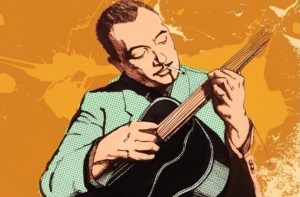
Continuation of the story about Django and manouche (Chapter 1, Chapter 2). A lot of black jazzmen were from Louisiana, where they still speak French in Creole and Cajun dialects. After visiting Paris, they often stayed there, enjoying the gratitude of the public, the opportunity to understand the local language and the absence of segregation. However, fearing instant Hitler, the Americans piano-packed their clarinets and departed into the arms of understandable domestic evil. Venues and finances were freed up for the Parisian musicians, Django Reinhardt was already considered the leading one. In addition, guitar amplifiers appeared, allowing six-string paladins to be heard behind of a big band.
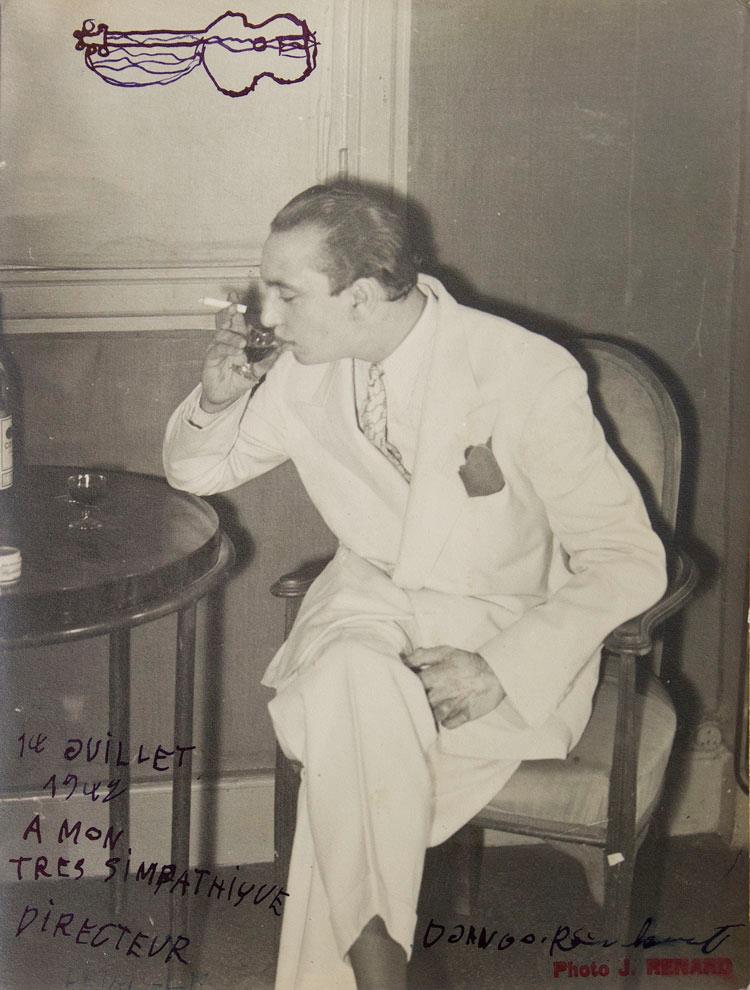
Goebbels, as you know, cursed most of his contemporary art, be it painting, literature or music, but the Wehrmacht officers listened to Joseph’s sermons with the lower part of the back of their heads, smoothly turning into legs. The “occupation” of France took place in a “one-time occupation” mode, everyone continued to crunch rolls under the bubbling of coffee pots, only movers and whores could complain of an abundance of calluses, and the communists went into resistance. Even Jews and Gypsies were persecuted by the Gestapo without due diligence. The gazes, guns, and aircraft of the Germans were directed across the English Channel.
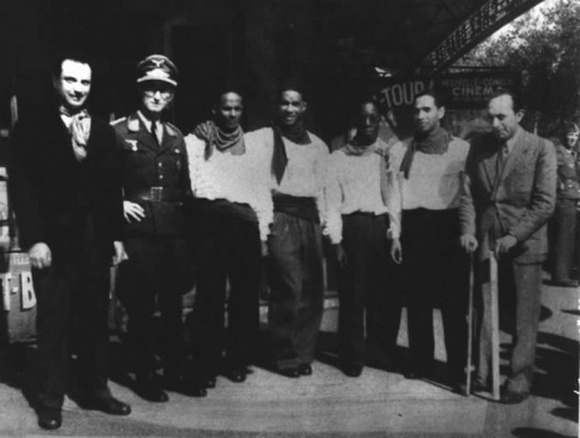
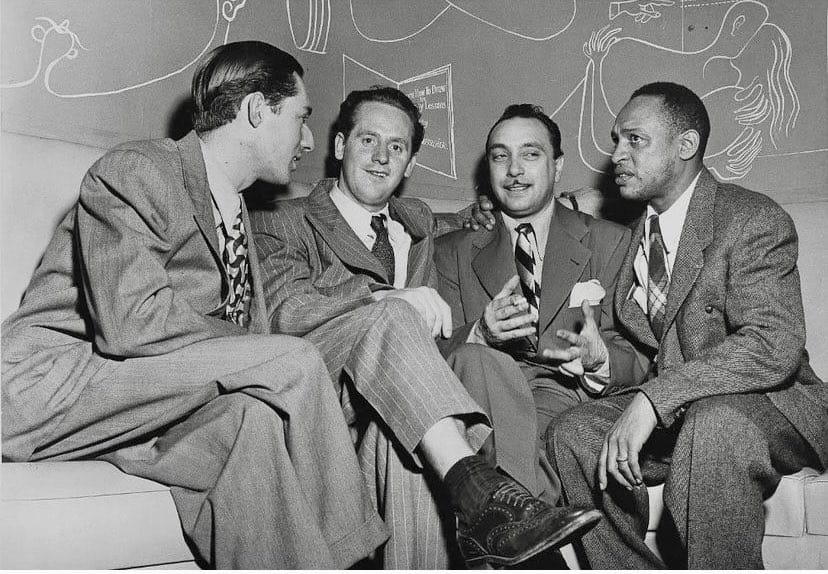
Dietrich Schulz-Köhn, the popularizer of jazz in Germany and a good friend of Charles Delaunay, while on the march with his unit, briefly lived in the capital of Frankreich. In his own Luftwaffe Oberleutnant uniform, he managed to meet and take pictures with Delaunay and Reinhardt. In general, the Nazi burghers, who seized the “open-air museum” and believed that they were holding Odin by eye, were fattening until 1943, when it became clear that the Russian bast stuffed down their throats did not look like a croissant, and they could not swallow it.
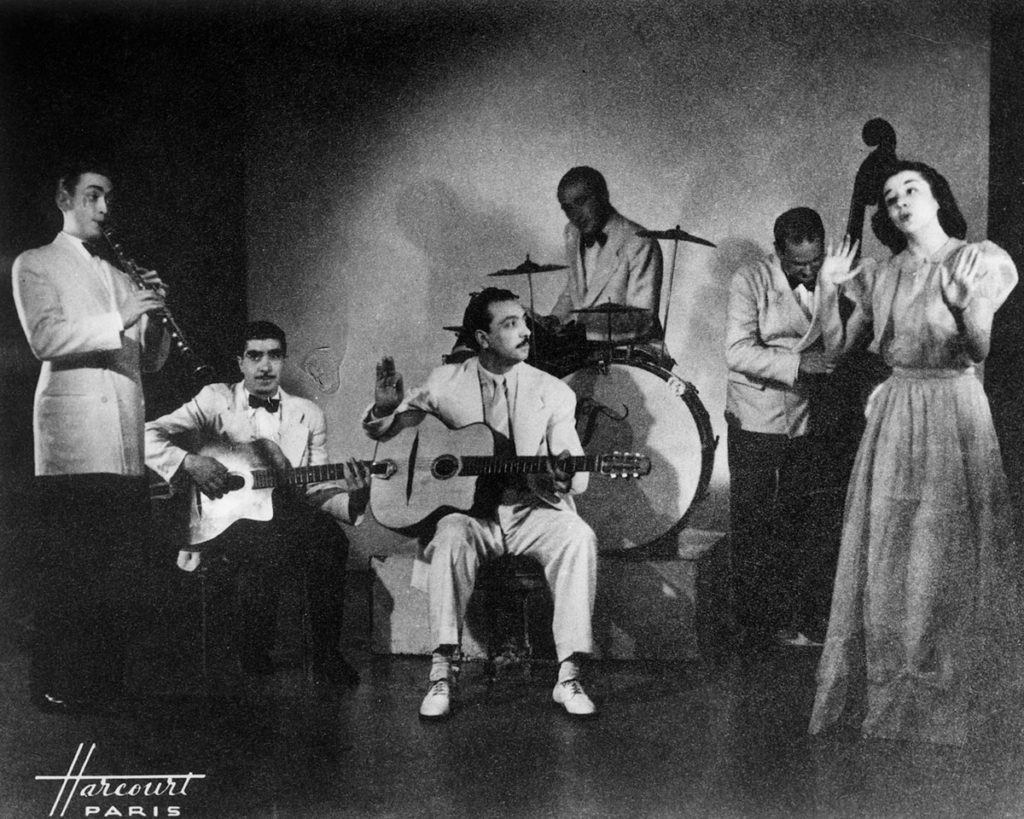
Inspired by the reports from the Eastern Front, the Resistance, the French resistance movement, was revived. In Paris, communist cells, consisting mainly of Armenians and Jews, quietly destroyed the “Jubermen” and loudly blew up their warehouses. The issue of “nationalities” has become acute. Django, who remarried at the wrong time, read leaflets about the battles on the Kursk Bulge and watched impotently as friends and acquaintances who had not had time to go into the woods were arrested. He himself twice tried to leave the walls of ancient Lutetia, and twice he got away with it with the intercession of Wehrmacht officers. But he remained trapped in Paris, where the clear summer sky turned ash-gray with a premonition of death.
Django Reinhardt – Nuages
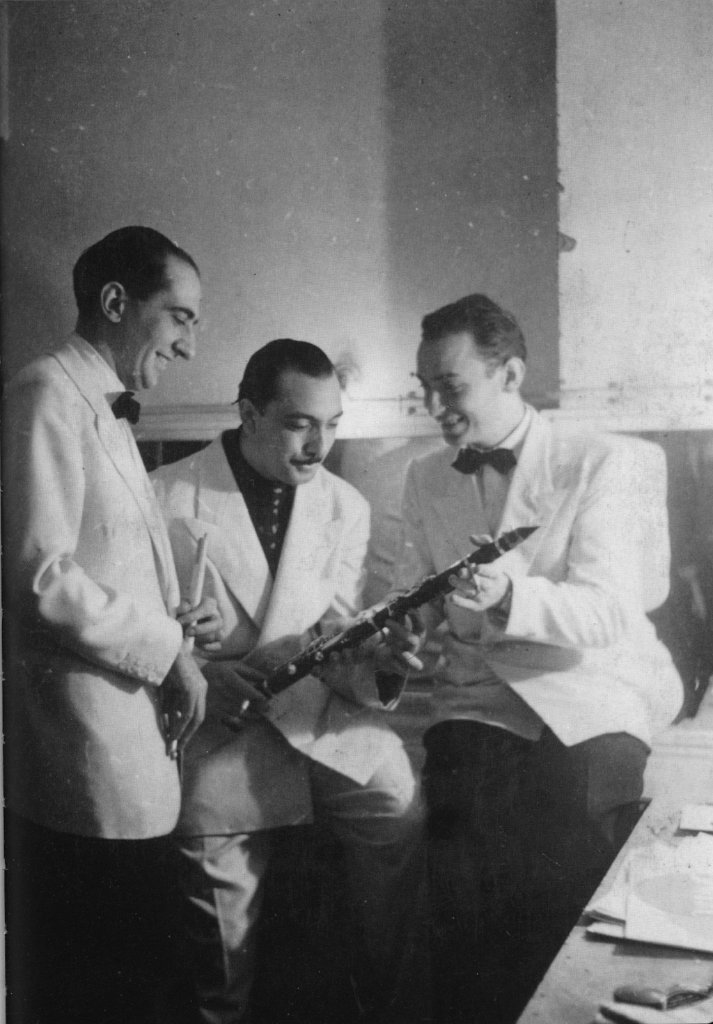
Even in 1940, after exchanging a Grapelli violin for a Hubert Rostaing clarinet, Reinhardt recorded one of his most significant works, Nuages/Clouds, about the darkness gathering over every fate on this tiny planet. This fragile and disturbing melody, which later acquired French and English lyrics, could not become a partisan anthem, but it became a password for its members in the resistance.
Django Reinhardt – Rythme futur
“Rythme Futur” was another reflection of time, fast-paced, grotesque, scary, but with the hope of deliverance. The “Gypsy Mass”, which Django, who did not know musical notation, composed, inviting the “interpreter” who recorded after him, in the key of academic music in memory of his lost tribesmen, has never been preserved.
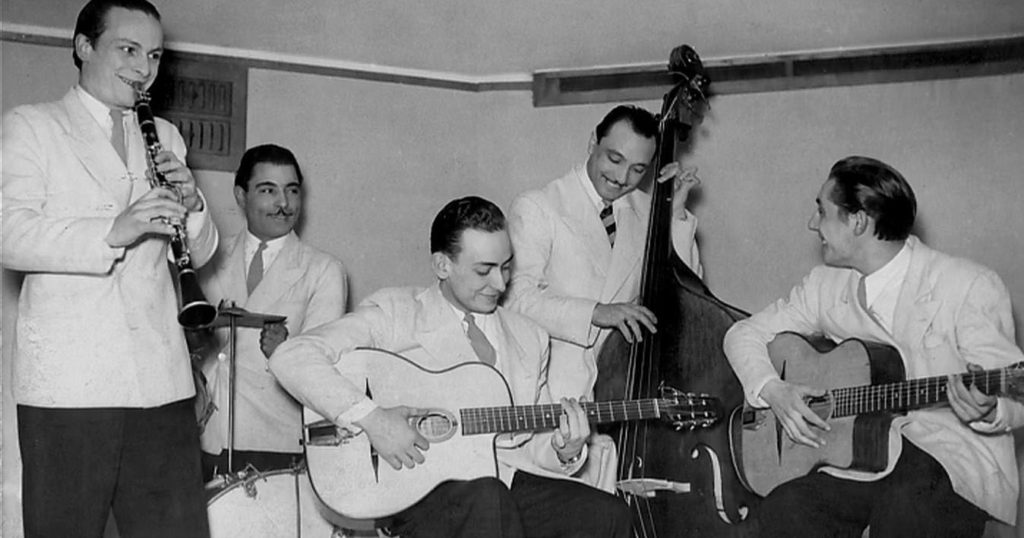
Video by Django Reinhardt and Hubert Rostaing: Vendredi 13 (Friday the 13th)
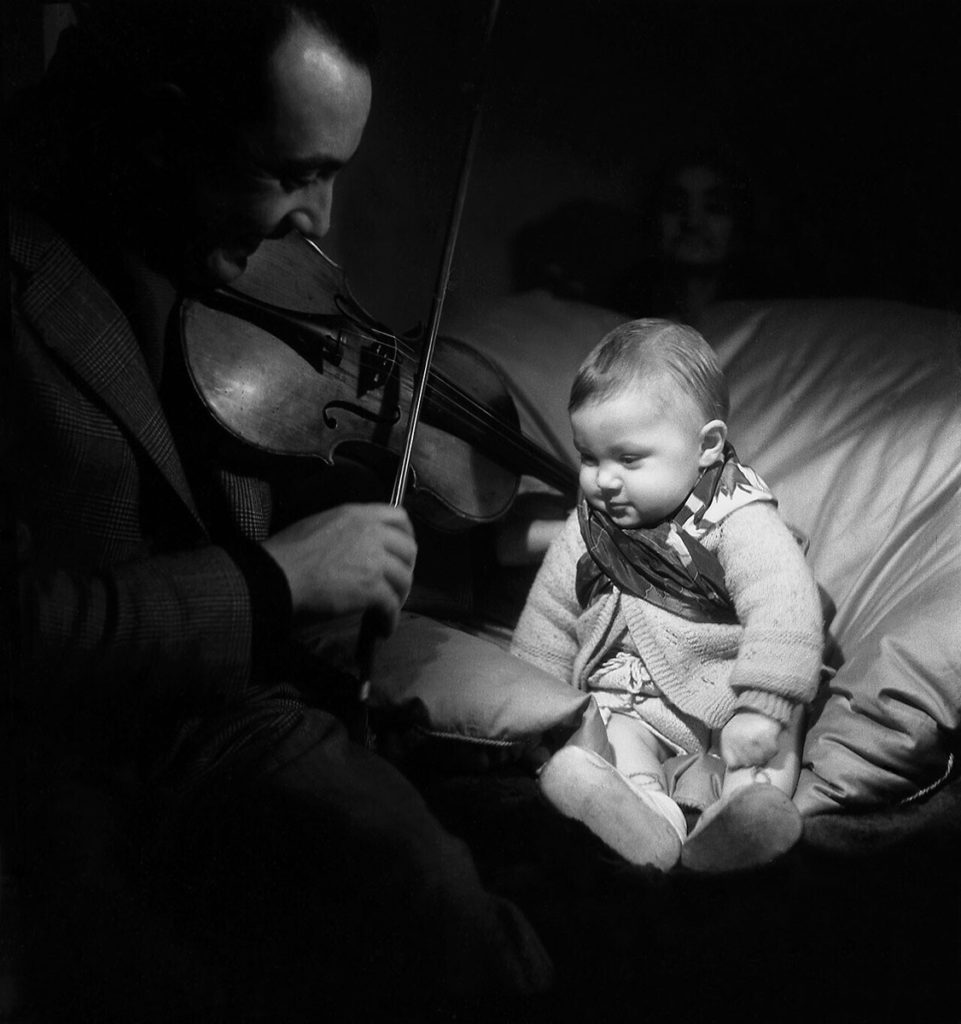
Stefan Grapelli was doing as well as the Nazis’ regular bombing allowed the inhabitants of London. Already in 1940, he invited pianist George Shearing, blind from birth, to join his band, who was to become one of the biggest stars of jazz in the following decades. It is difficult to imagine what went on in Shearing’s mind at the sound of falling bombs, but these memories will play a certain role in his own recordings. Anyway, Grapelli and all his musicians deftly dodged the firecrackers of the evil “Charlie Chaplin” (see “The Great Dictator”), and immediately after the war, as soon as it became possible, Django and Stefan met to create several new masterpieces in the old-fashioned way, as a quintet. However, both guitarists were now British, and the double bass player was from Jamaica. Grapelli did not want to return to Paris, and Reinhardt found London too English. Not to mention that the size of this “great” Britain did not match the scope of the nomadic gypsy soul.
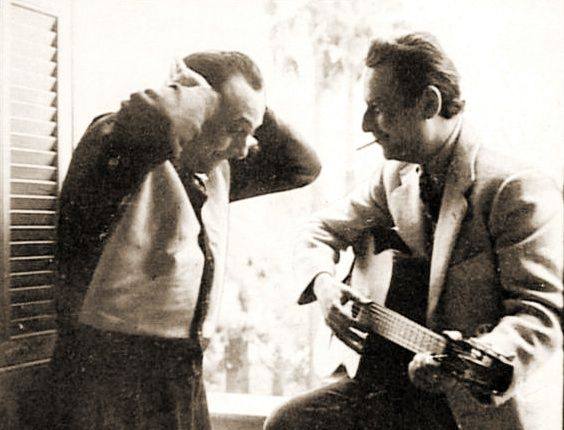
In 1946, Django went to the USA, where, among other things, he gave a couple of concerts with Duke Ellington. Someone grumbles that the guitarist didn’t have a place in the orchestra’s main program, but that’s the only way it could have been if Django didn’t know the notes and couldn’t have supported the arrangement without a proper number of rehearsals, which couldn’t have been on that schedule. But the laconic piano accompaniment of the great Ellington came in handy, emphasizing the passages and letting the notes of the great Reinhardt breathe. The tour ended with two performances at Carnegie Hall, at the end of the first Django gets a standing ovation, the audience demands him for an encore six times. The managers began to fuss immediately.
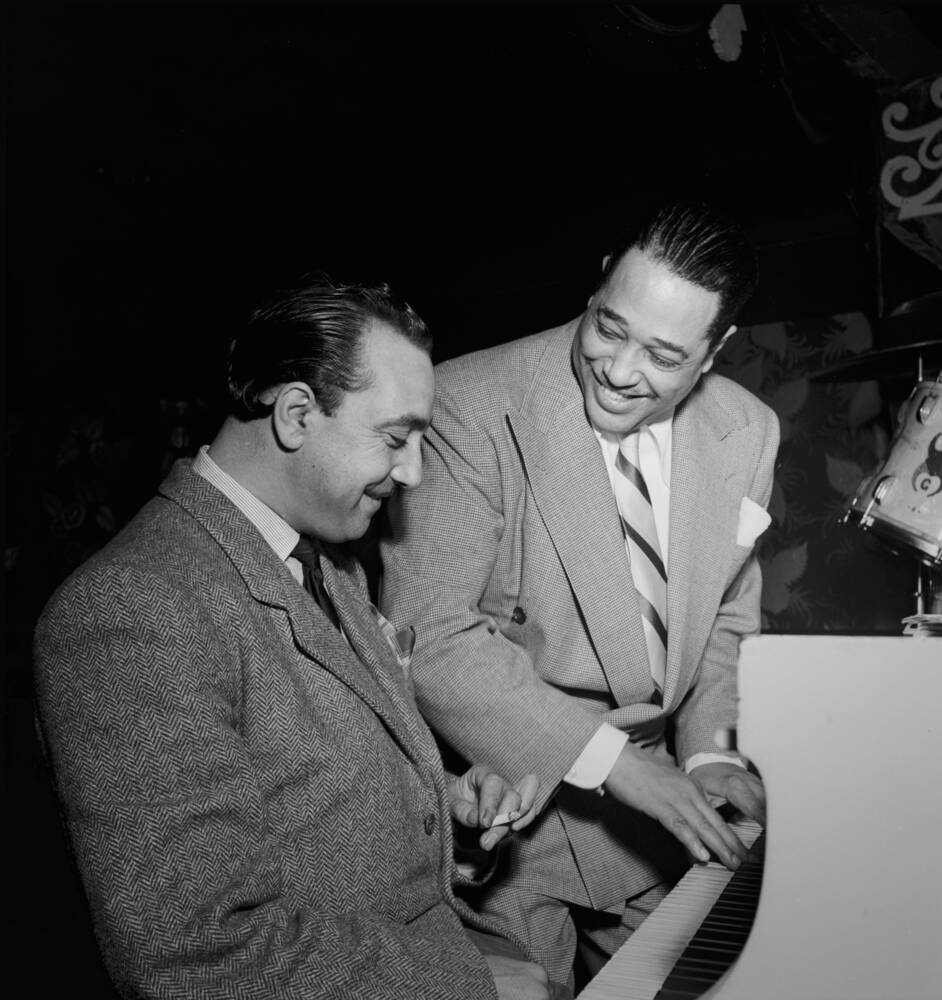
Barney Josephson was the owner of the legendary Café Society, where Billie Holiday performed the hopeless “Strange Fruit” for the first time, the club was located in Greenwich Village in the same New York, tired Django agreed. The listener fell in immediately, every jam with the club gang caused a frenzied stir, but Reinhardt was waiting for the promised call to California, the one where Hollywood, Vivien Leigh and Rita Hayworth are.If not by washing, then by skating, he will still appear in American films, but in February 1947, the gypsy leaves the United States, returning to the Gallic shores.
To be concluded…