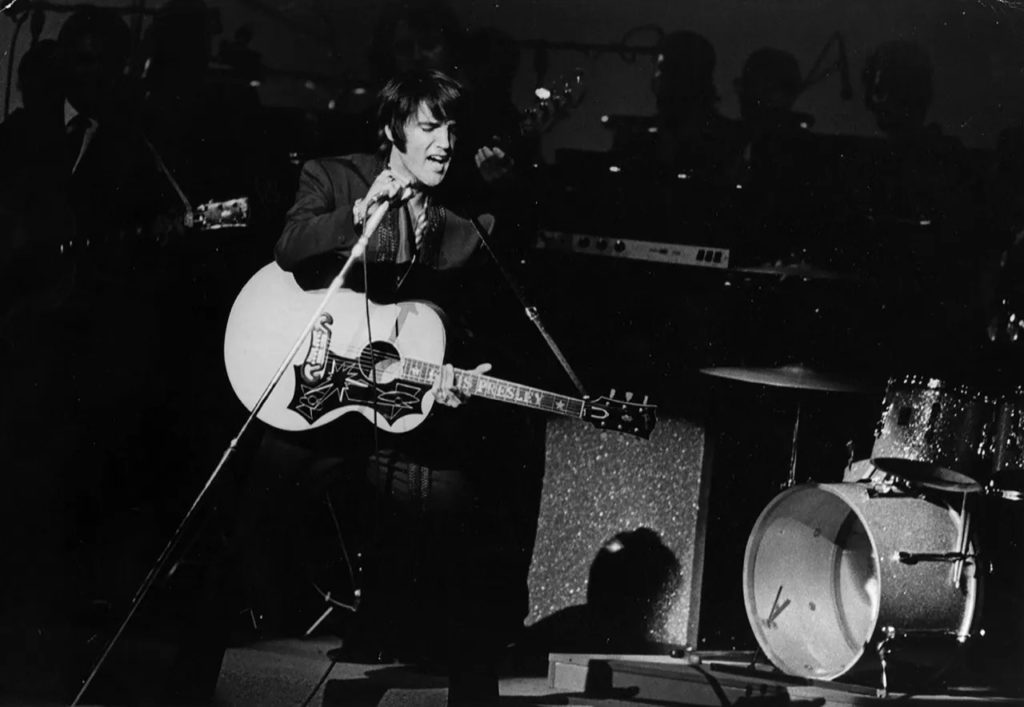
Nineteen sixty-eight was the debut year for both the magnificent Creedence Clearwater Revival and Jethro Tull, as well as for the absolutely fantasy Tyrannosaurus Rex, which, having shortened the name, will still prove themselves in the future. At the same time, Elvis was drowning in the mire of the longest video clips for the most clueless albums, the songs for which were written by a flock of tame RCA Jewish paperback writers. The generation raised on the recordings of the Sun studio managed to grow up, breed kids and get tired of the fornication sins along with lysergic acid. Even with the Beatles, it wasn’t that good at all with the appearance of a certain It named Ono. It was time to change something.
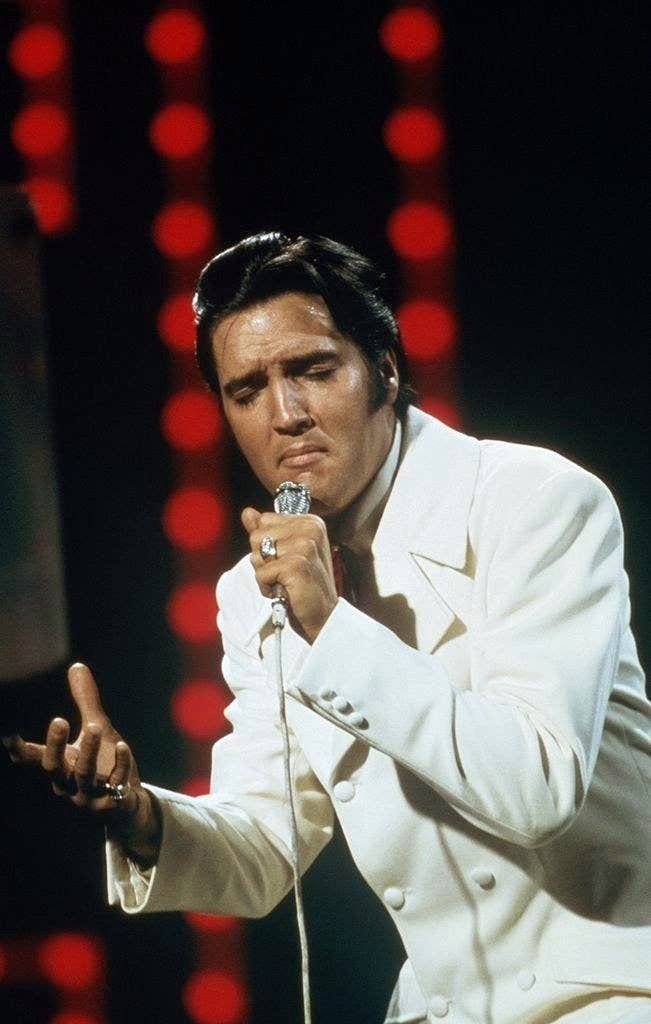
Lieutenant Stromboli, aka Colonel Parker, has signed a deal with NBC to film Elvis performing in front of a live audience (for the first time in seven years!). The show was supposed to be lighthearted and toothless, with the obligatory Christmas carols snuffling and a couple of trademark “all-the-way-mom, I’m-a-drunk-old-chum” chugs. The problems for Stromboli began when producer Steve Binder
first conspired with Elvis to give heat in the spirit of the fifties, and in addition, staged numbers with fresh material were invented, telling the story of a guy from the hinterland in pursuit of a presumptuous American dream. The events that took place on the eve of the assassinations of Martin Luther King and Robert Kennedy prompted Presley to insert the heart-rending “If I Can Dream” as a Christmas carol, which Major Mangiafuoco insisted on, which was not just hoarse in the spirit of the times, but clearly marked a new beginning in the worldview and activities of one of the greatest singers.
The success of the “Elvis Presley ’68 Comeback Special” was stunning, knocking Bedbug Parker to the ground, making all his pedipalps twitch helplessly. It was then that the vile creature should have been crushed completely, but Elvis limited himself to the phrase “from now on, I sing the songs I believe in and act in the films I believe in.” In January 1969, Presley refused the services of RCA recording studios in Nashville and Hollywood, which meant a break with all his permanent musicians, who were bound by contract to the place. True, he invited Scotty Moore with him, but this proposal was not destined to take shape on paper.
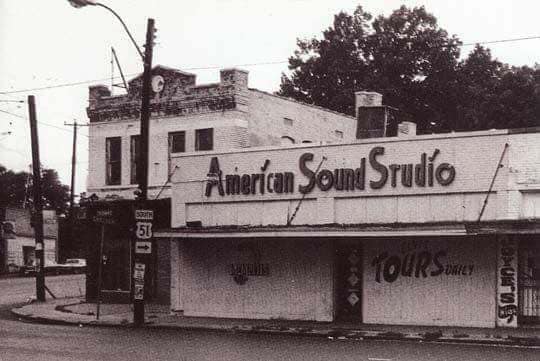
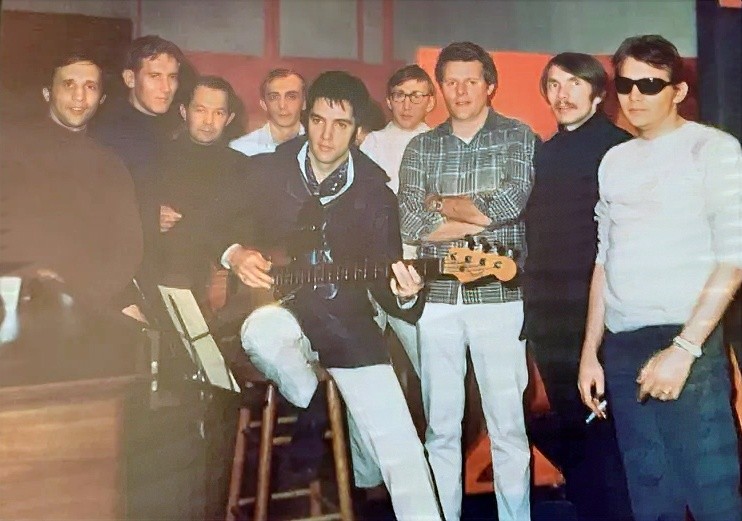
On January 13, 1969, accompanied by the clowns of the label and the puppets of Field Marshal Pawker, Elvis entered the American Sound Studio building, returning home to Memphis. ASS (it is suspected that the name of the studio was chosen with the exact aim of making the abbreviation look fatter) was headed by Chips Momen, who had a hand in the famous sound of Stax Records, and Presley’s choice, who got a taste for southern soul after “If I Can Dream”, was thoughtful and unambiguous.
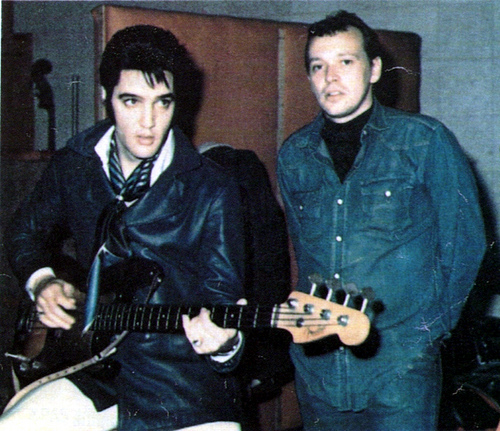
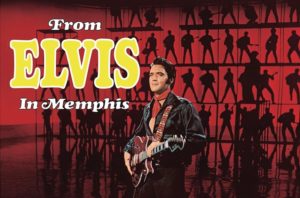
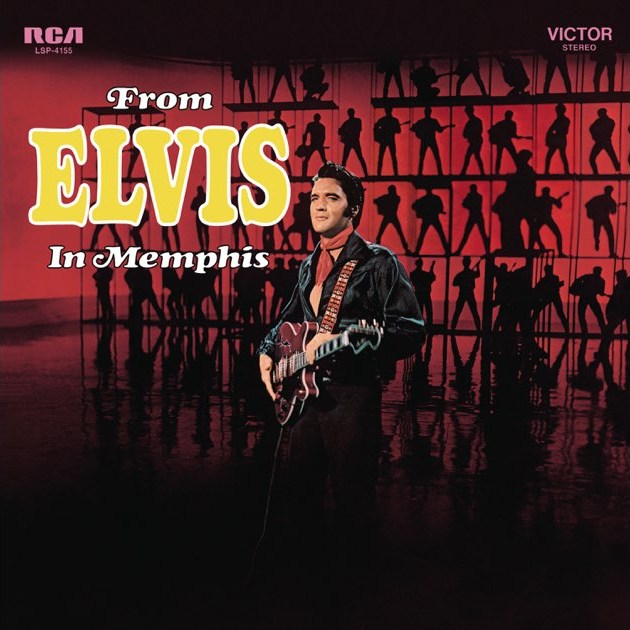
But the cold got the better of her, and then Lisa-Maria turned one, which she definitely should have celebrated. As a result, the sessions lasted until February 22nd. Eventually, there were songs on two albums and several singles, the main of which was “Suspicious Minds”, the last for Elvis to reach #1 on the Billboard chart for his lifetime. Here and now we will sniff and lightly nibble the record “From Elvis In Memphis”, which has become a milestone not only for the King, but also for the Moon Dawgs throughout the galaxy.
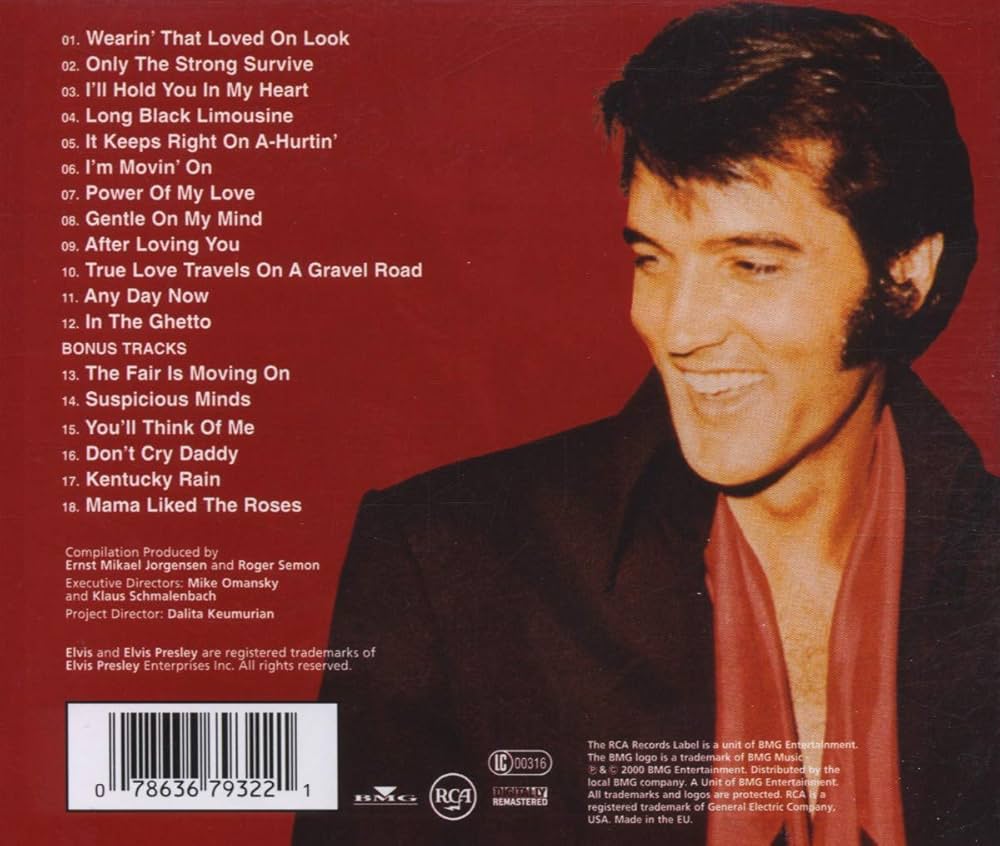
Elvis Presley – From Elvis In Memphis (1969)
02 Only the Strong Survive
03 I’ll Hold You In My Heart (Till I Can Hold You In My Arms)
04 Long Black Limousine
05 It Keeps Right On A-Hurtin’
06 I’m Movin’ On
07 Power of My Love
08 Gentle On My Mind
09 After Loving You
10 True Love Travels On a Gravel Road
11 Any Day Now
12 In the Ghetto
Download or listen online to Elvis Presley – From Elvis In Memphis (1969) (mp3, 34 Mb)
Wearing That Loved On Look is a groovy soul that accumulates the energy that Elvis had in his early rockabilly numbers. Of course, the rhythm has changed, a powerful chorus of portly girls has been added, and instead of a double bass, funky runs on the bass guitar.
Only The Strong Survive is perhaps Presley’s most black song. And it is impossible to describe this magical feeling of unjustified joy of life in words, just put the needle on the right track.
I’ll Hold You In My Heart (’til I Can Hold You In My Arms) impressively floats between gospel, blues and country, being both the first course, the main course, and the dessert. The King is at the piano at his own peppercorn.
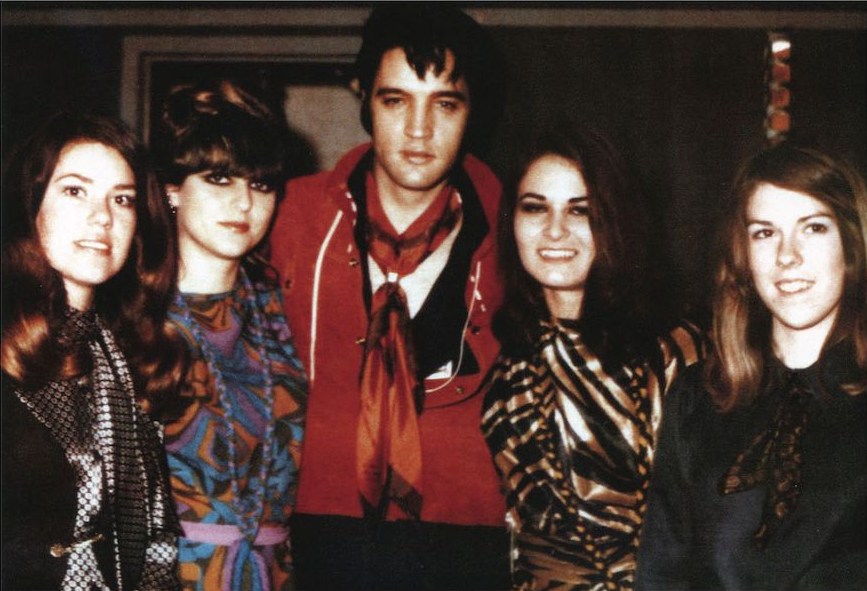
Long Black Limousine is one of the standards of southern soul. It’s amazing how the pomp of wind instruments and choirs, which turned out to be a failure for others, was organic for Elvis. And even accompanied by a wall of Jericho pipes, he could tell a personal, cozy, though often painful, story.
It Keeps Right On A-Hurtin’ is a delightful country shuffle. Just a song, just Elvis. He’s just a little whiny, but it’s good for the cause.
I’m Movin’ On begins in the manner of Johnny Cash to continue with uncompromising gospel music. Hank Snow seems to be thrilled.
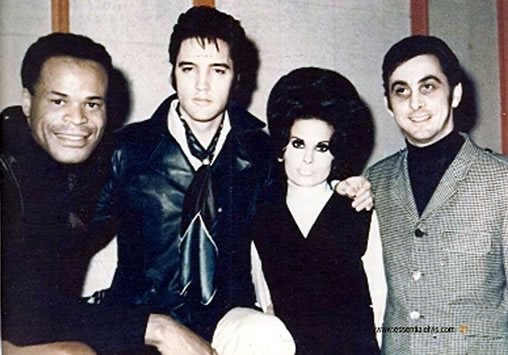
The Power Of My Love is the blues in the sexiest manner. The male invites the female to have intercourse. And he’s good at it.
Gentle On My Mind is magical again. And funky bass again.
After Loving You grabs the listener by the scruff of the neck and plunges into the early years of Elvis. There is no issue from there.
True Love Travels On Gravel Road is, of course, great. Although he travels barefoot on a gravel path.
Any Day Now is a hidden masterpiece. This song should be heard on every corner. Every day. It doesn’t matter what day it is.
In The Ghetto caused the biggest controversy, but turned out to be the most powerful song on the album. In addition to the magnificent heartfelt backup songs, you should pay attention to the incomparable drumming. His counterpoints emphasize the hope that there will be a future for these guys after all…
Some critics decided to discredit the album in the year of its release, but subsequent reviews were trampled on by the brainless heads of critics. Open your ears to the music, Moon Dawgs!