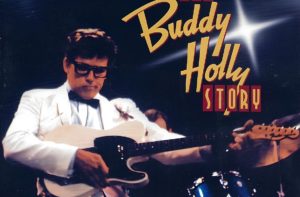
Who called Charles Hardin Holly “Buddy”? Perhaps these were his two older brothers, in whose antics Charlie always sought to participate on an equal footing. The whole family, with the exception of their father, who worked to provide a little bit of daily life, actively played music both at home and on the veranda. When the sons went to participate in a local music competition, the youngest ran after them, grabbing what was lying badly – a violin. Larry’s older brother wisely allowed Buddy to perform, no less wisely greasing the bow with tallow (for the reader who is not a violinist, it should be explained: the bow consists of horsehair stretched over a wooden frame. The sound-absorbing coupling with the strings is created by applying special mastic to the hair. Fat, on the contrary, makes contact soundless). Thus, the Holly brothers won one of the main prizes, and Buddy had a lot of fun on stage without making a single creak. There’s not a word about it in The Buddy Holly Story.
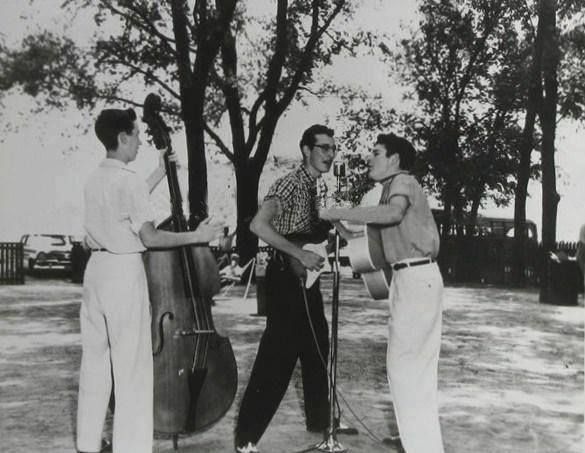
About a year ago, in 1952, Buddy began playing music with his school friend Bob Montgomery. Apparently, in the small town of Lubbock, there was a healthy atmosphere in all walks of life, since no one scolded the guys for picking the strings instead of playing that strange thing they call “football” in those parts. According to the memoirs of a classmate, Buddy at that time wore a bright red shirt and blue jeans. Glasses, too, though. There is also no mention of this in the film.
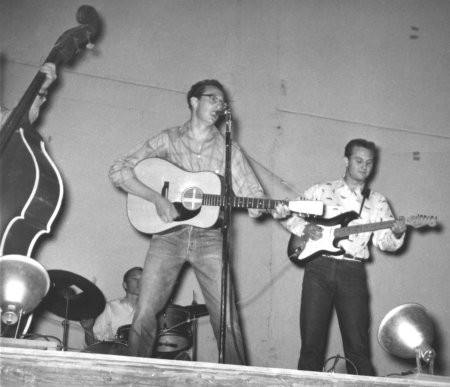
In 1956, Buddy Holly attended an Elvis concert, after which he developed his own style of playing the first Fender Stratocaster in rock’n’roll. Bob Montgomery didn’t share his enthusiasm, but bassist Joe Mauldin and drummer Jerry Allison did. The film presents one of the versions of how a trio of Texas guys came up with the name The Crickets. Not a word about Elvis, although, perhaps, the budget simply did not allow.
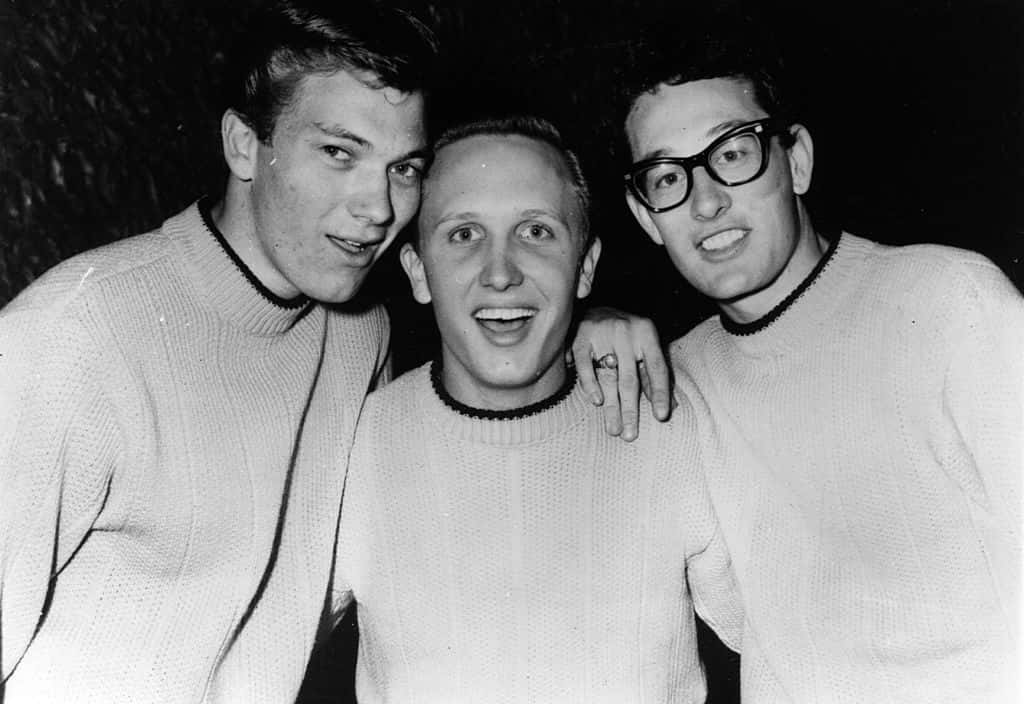
The Everly Brothers took Buddy to a New York boutique, where they found him those famous black horn-rimmed glasses that were already being carried by the famous comedian Steve Allen. There is no mention of the brothers in the film.
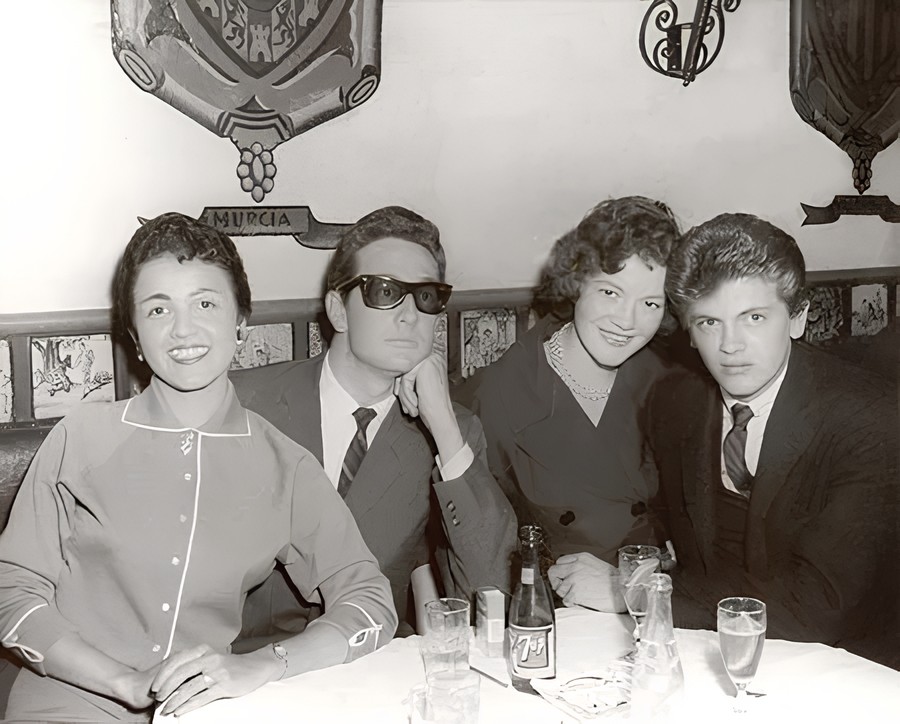
The collaboration with producer Norman Petty turned out to be fruitful from a musical point of view, but for the star, who shares the tops of the charts with Presley himself, the fees were simply terrible. And Petty should only be blamed for the fact that, being a talented musician himself, he was a complete sucker in the financial side of show business. Although he managed to write his last name in a lot of Buddy’s hits. Does anyone remember what the actor who played Norman Petty in the movie looked like?
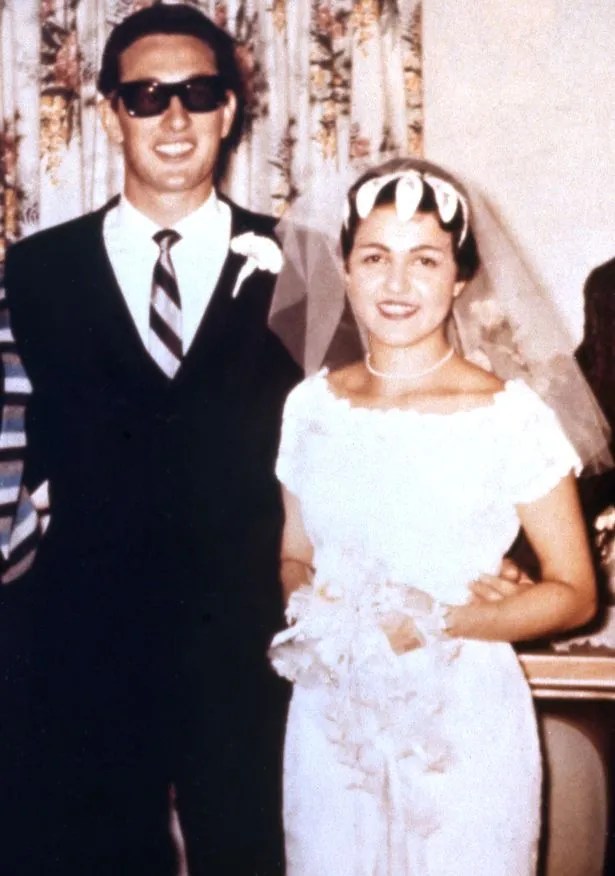
Maria Elena Santiago, who became Mrs. Holly, screamed the loudest about Buddy being underpaid. And she probably knows better, she served as a secretary at one time, and sometimes decent girls there don’t hear what young ladies’ ears should hear. And sometimes they see something completely different. The secretary who took saxophone lessons from the incompetent saxophonist Billy Clinton will not let you lie. There is no squabble over so-called “royalties” in the film, and thank God.
What is The Buddy Holly Story movie about? About Gary Busey, the thirty-three-year-old actor portraying a twenty-two-year-old singer? Busey was born in Texas, like Holly, and began his career in show business as a drummer. In this field, he proved himself in the Rubber Band team, which proved itself to be nothing else, and then helped Leon Russell, a pianist who began as an accompanist for Dick Dale and The Ventures, who soon became an independent musical unit, in several recordings.
 A simple Texas kid
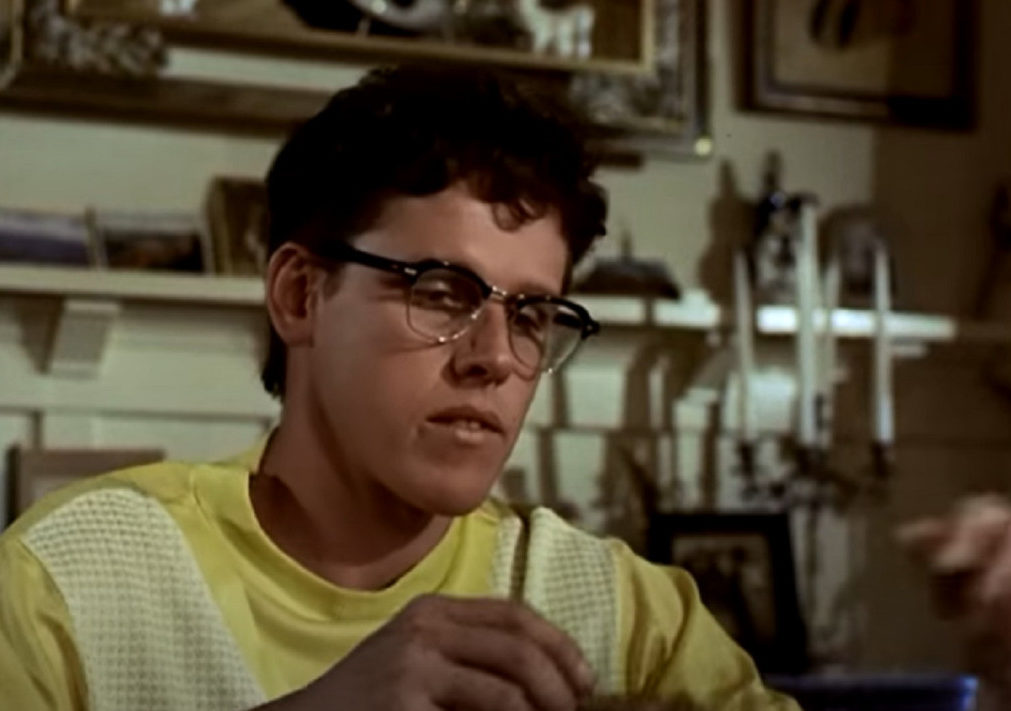
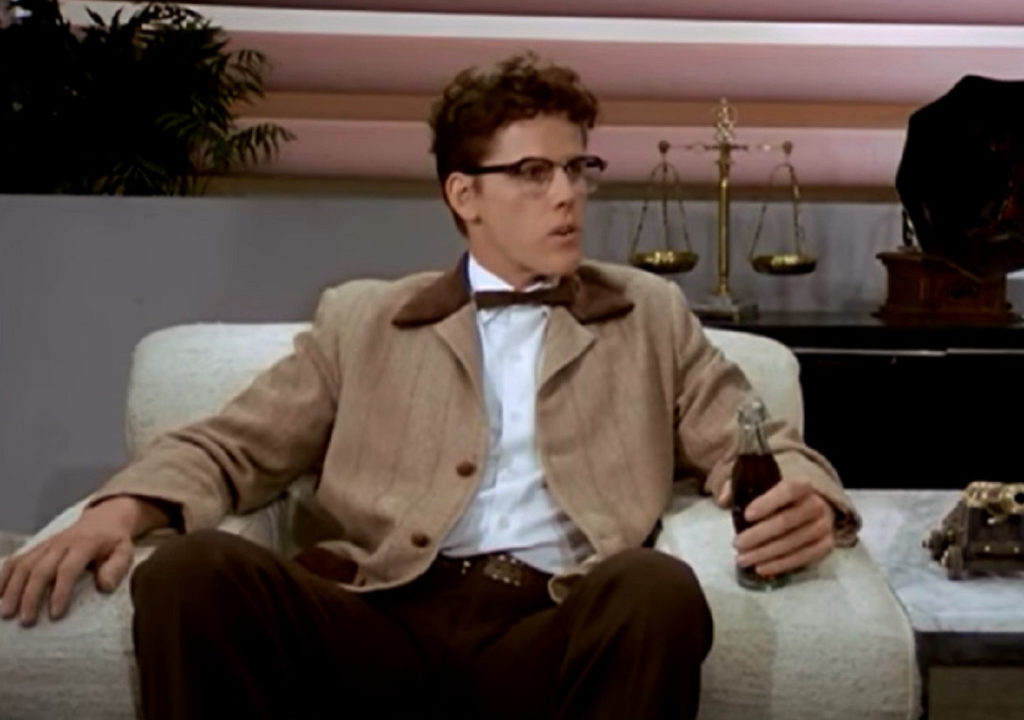
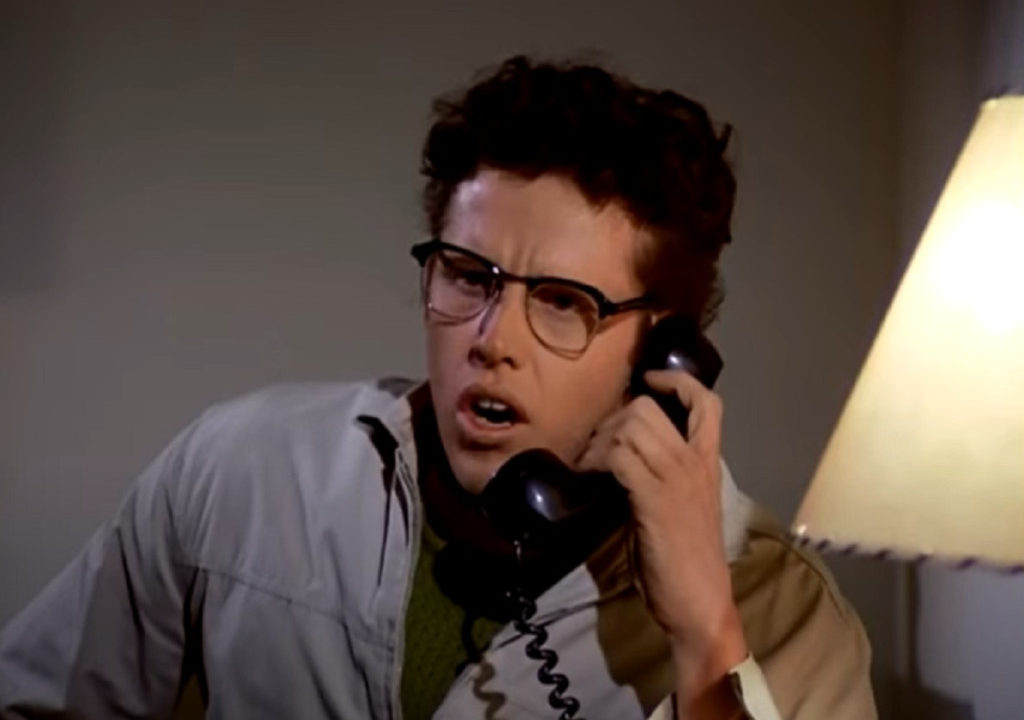
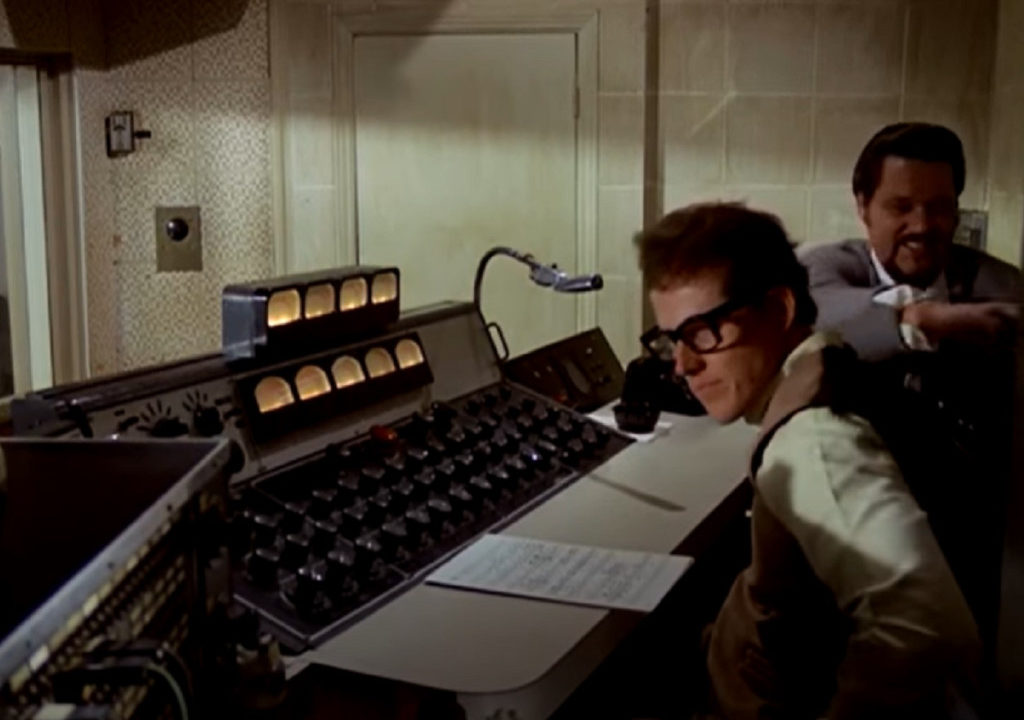
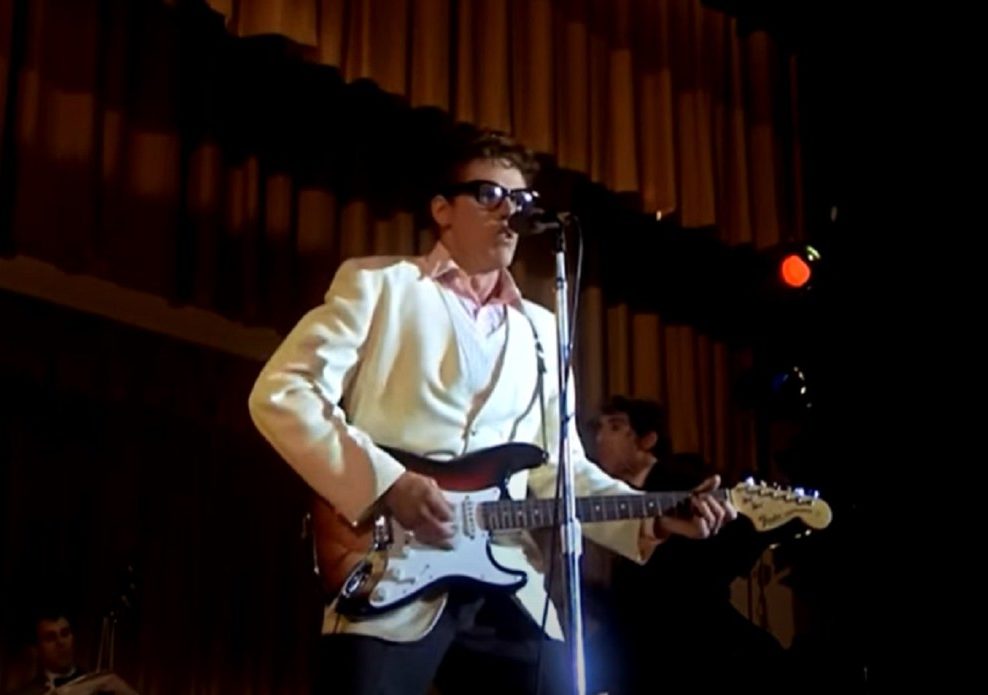
Busey came to the idea of becoming a film actor quite late, and later Soviet visitors to video clubs fell in love with him for his charisma in portraying the main antipodes. Gary is excellent at portraying Buddy, although, like any other actor, he is not completely accurate. Not to mention the fact that he only looks like his character from afar from a certain angle. His singing is slightly “sandpaper” in contrast to the velvety purring of the prototype, and the phrasing is unnecessarily frivolous, once again reminding us that Gary is on the screen.
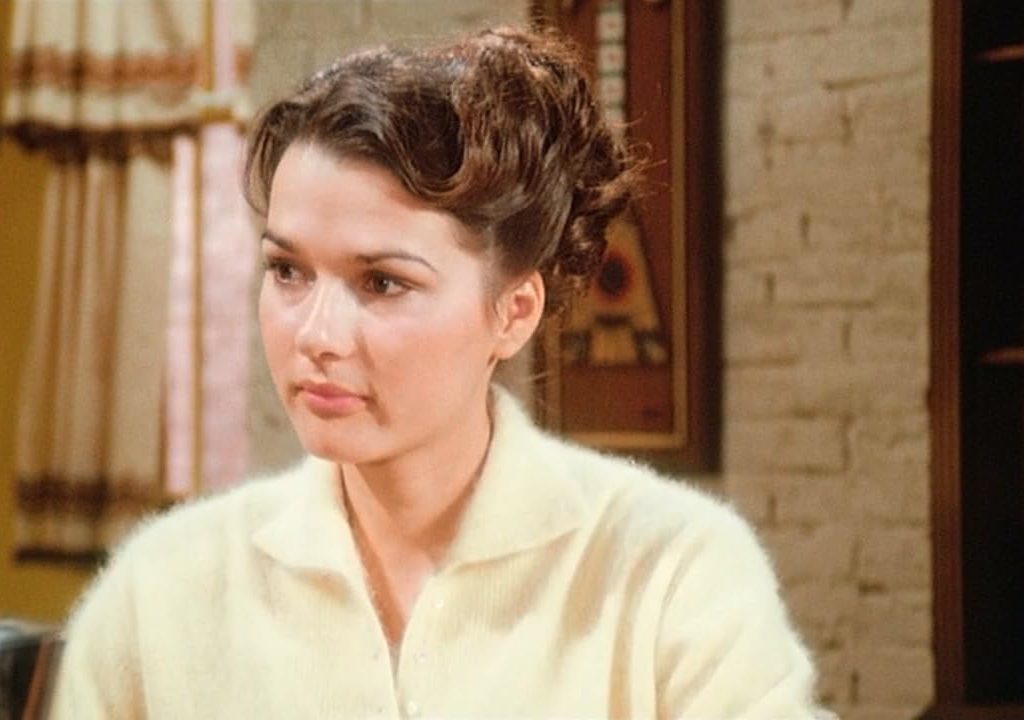
Mister Don Stroud and mister Charles Martin Smith wholeheartedly portray a drummer with a double bass player, but the names of their characters do not appear in the history of The Crickets. Maria Richwine plays Buddy’s wife according to all the canons of old Hollywood, as well as camerawork. Director Steve Nash, a mediocre comedian, suddenly grabbed a hair from the Lord’s beard, and screenwriter Robert Gittler (not to be confused with Hitler, although the end was the same) took his own life two days before the premiere.
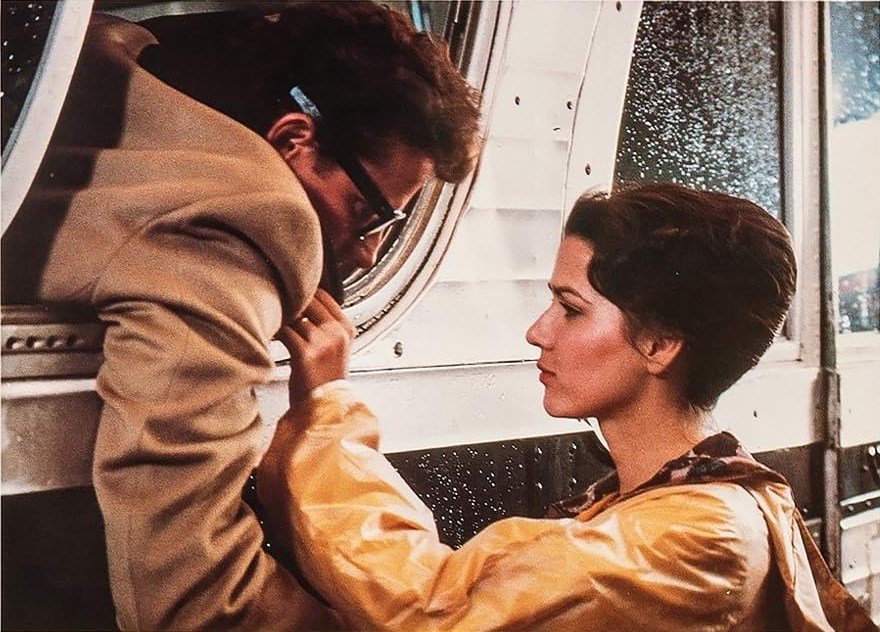
 Maria Elena
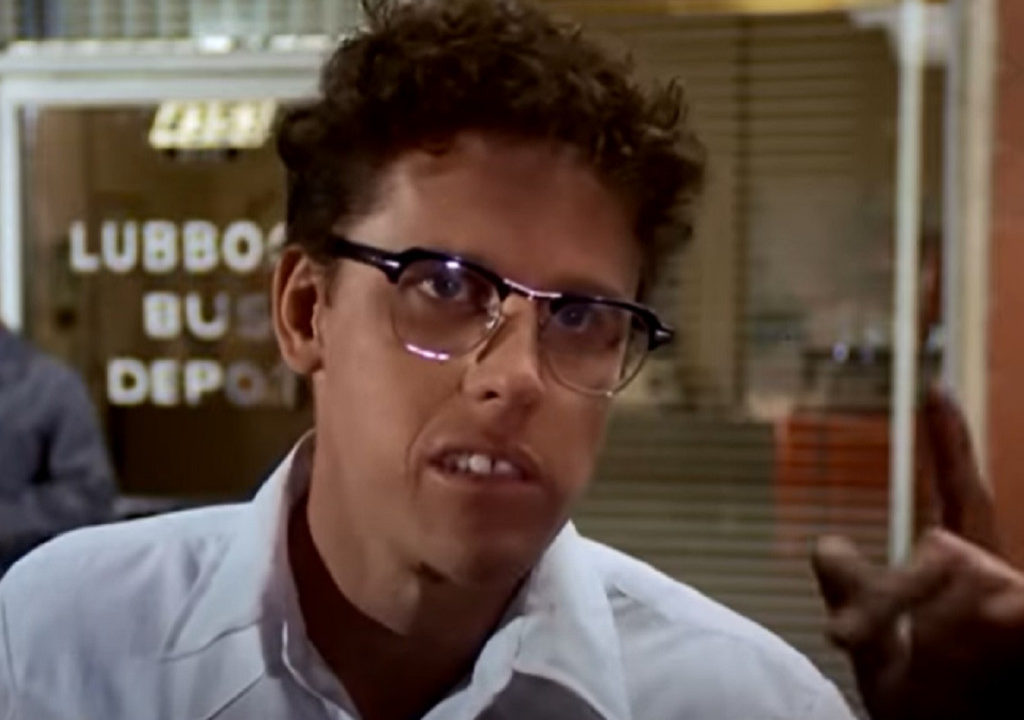
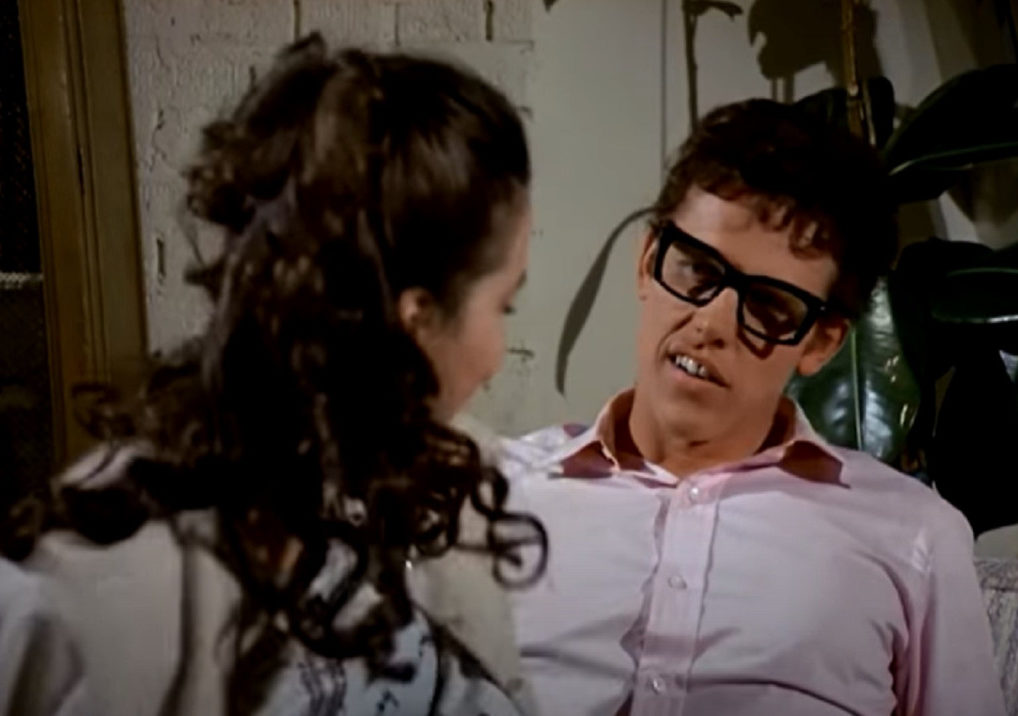
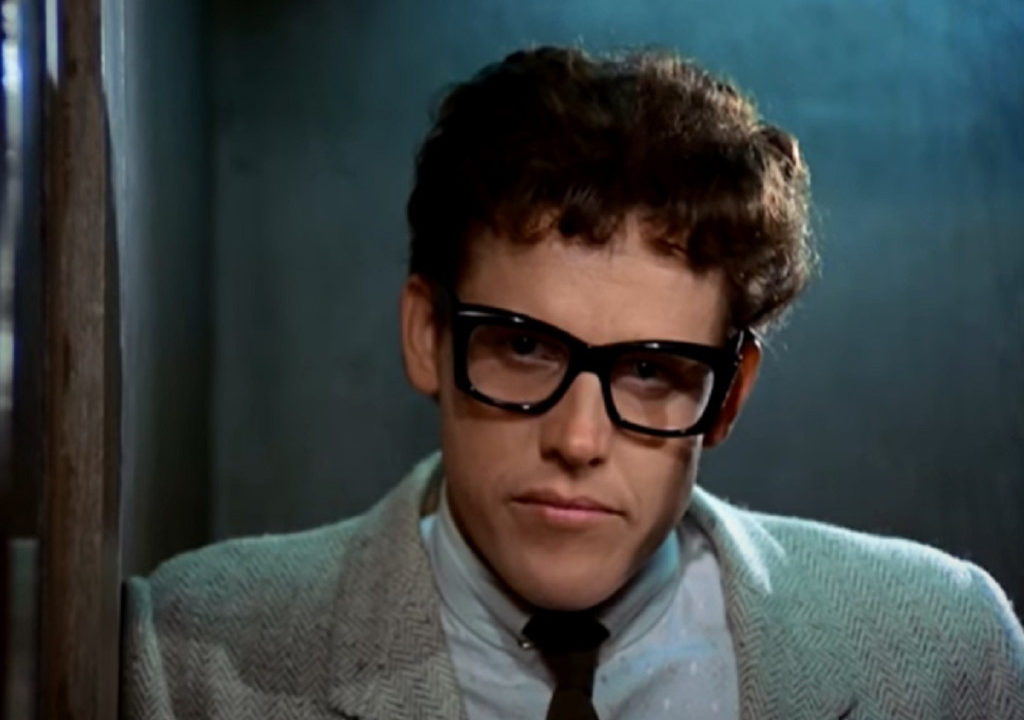
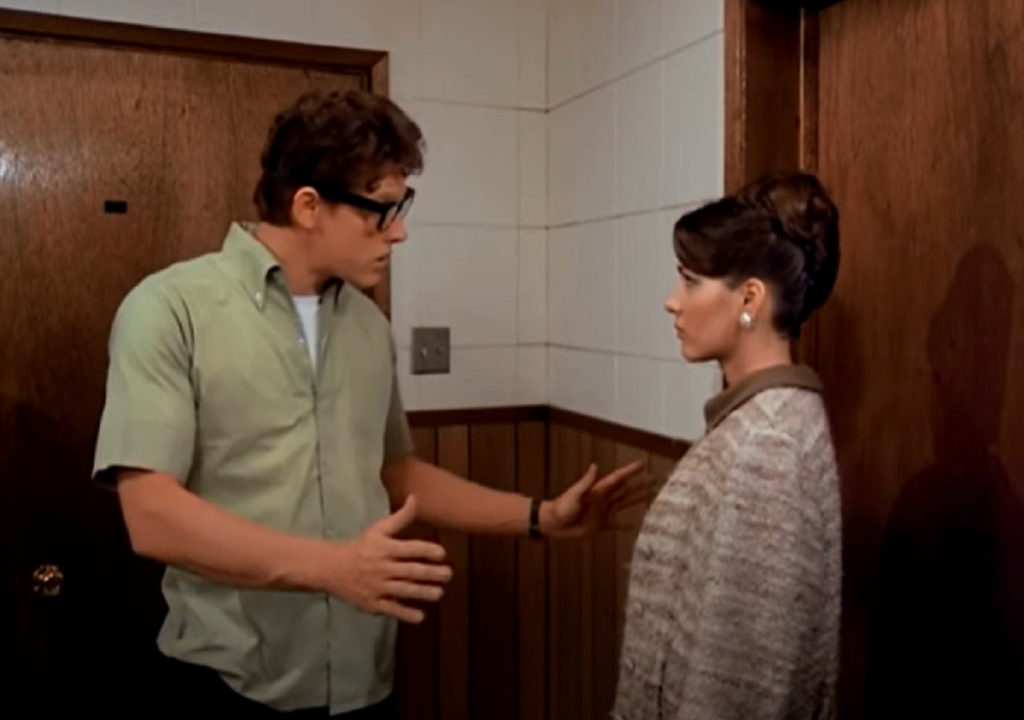
Gary Busey was nominated for an Oscar and several other awards, but did not receive any. But composer Joe Renzetti won the Oscar for “best adapted music.” The movie ends (and this information won’t spoil the viewing) with Buddy’s last concert.
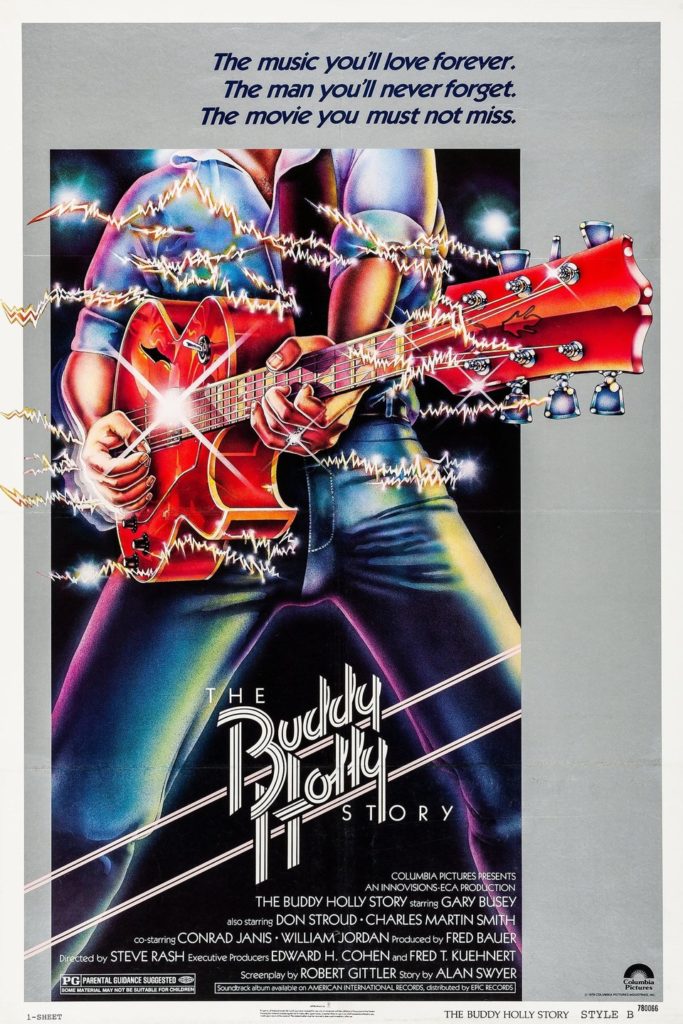
Throughout its entire length, the biopic does not indulge in emotional shocks, it rather tries to be almost documentary, but such pseudo-sincerity should not be ignored, all participants in the events, including Jerry Allison and the notorious Peggy Sue, as well as caring observers like Sir Paul McCartney, exposed the unreliability of “The Buddy Holly Story.” And indeed, the whole real story disappeared somewhere, and the audience was given a crust, hiding the pulp. Today, this movie can be watched solely out of nostalgia, although nostalgia would be profanity. Like a Buddy Holly movie, this craft doesn’t work at all.
PS: One of the producers of “The Buddy Holly Story” expressed himself in “the truth will be what we show in the movie.” He’s right, and it’s horrible.