
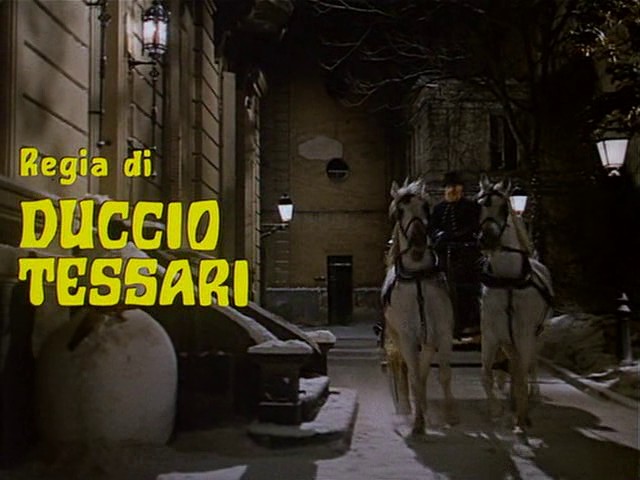
Duccio Tessari, one of the founders of the spaghetti Western genre, was known to our viewers for a long time only as the director of the adventure film “Zorro” starring Alain Delon. Having appeared on Soviet screens in October 1976, this film became one of the champions of foreign film distribution. In just a year, it was viewed by more than 55 million people. Such an exorbitantly high figure was undoubtedly due to the fact that the film became a cult among Soviet boys who watched it in cinemas many times. But other wonderful films made by Duccio Tessari in the 1960s and 1970s have come down to our vesey only in the post–Soviet period. We will talk about one of them further.
 Jimi the Bad Guy and our heroes
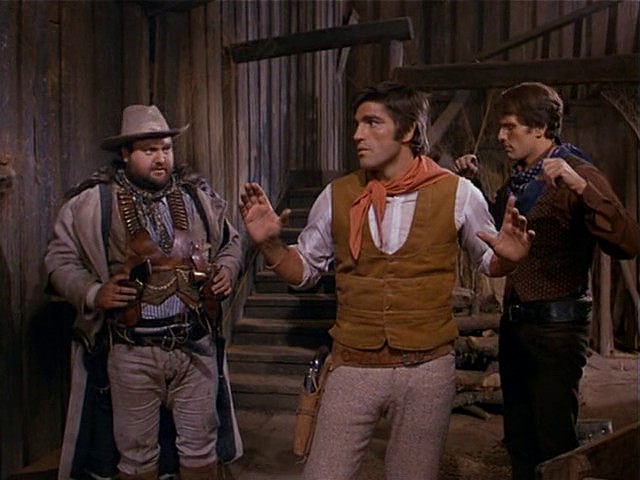
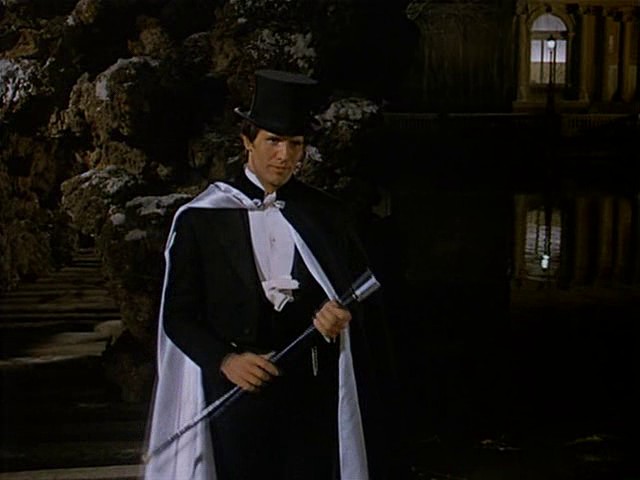
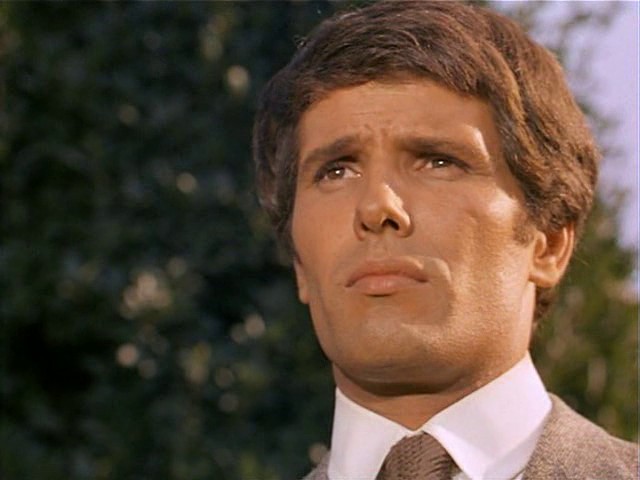
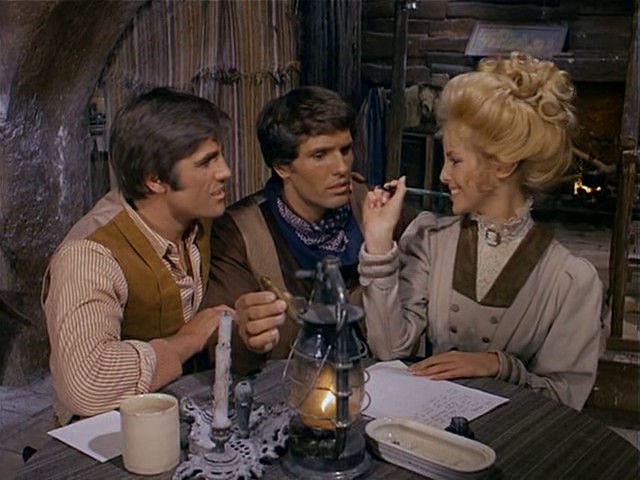
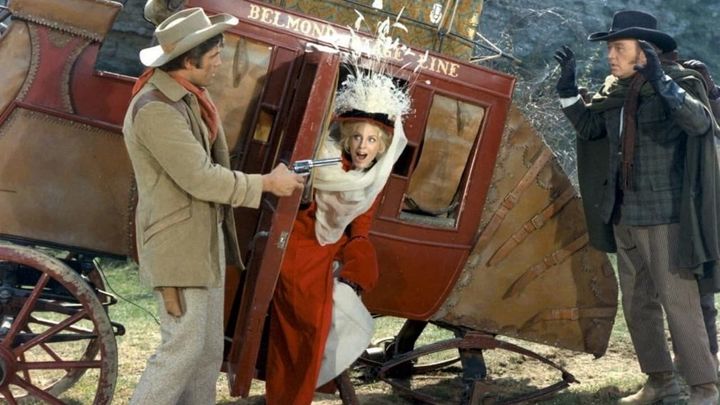
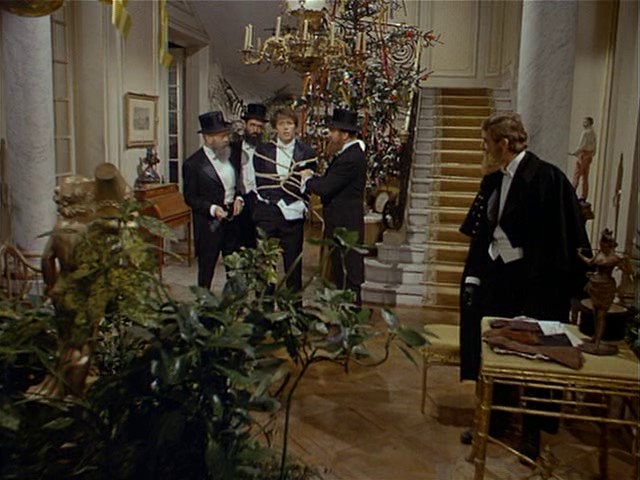
The adventure comedy Vivi o preferibilmente morti, which means “Alive or preferably dead” in English, can certainly be included in the special category of “Christmas westerns” in the Italian way. The beginning of the film’s events directly refers to Christmas Eve. But the main character of the movie, Monty Mulligan, is not spending this wonderful evening at the Christmas service. The sharp-dressed hero, who, as in Duccio Tessari’s previous films, is played by Giuliano Gemma, comes out of a luxurious mansion – a gambling club where he was looking for luck at cards. But fortune didn’t seem to be on his side that evening. At least, the harbingers of big problems for Monty are four bearded men in tailcoats who introduced themselves as the Mackintosh brothers.
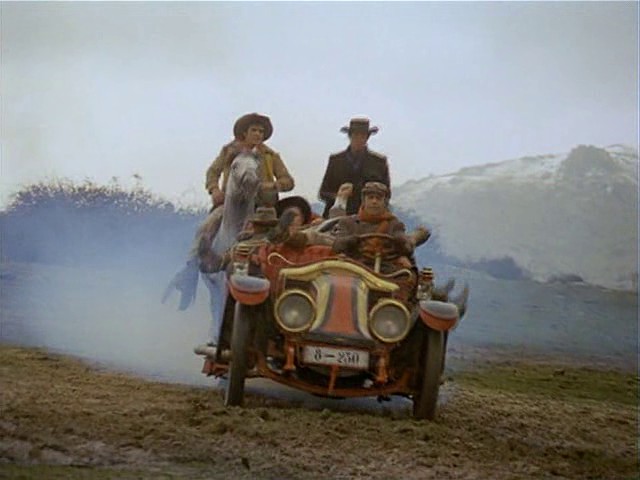
 Mr. Barnes in his car and Monty and Ted on horseback
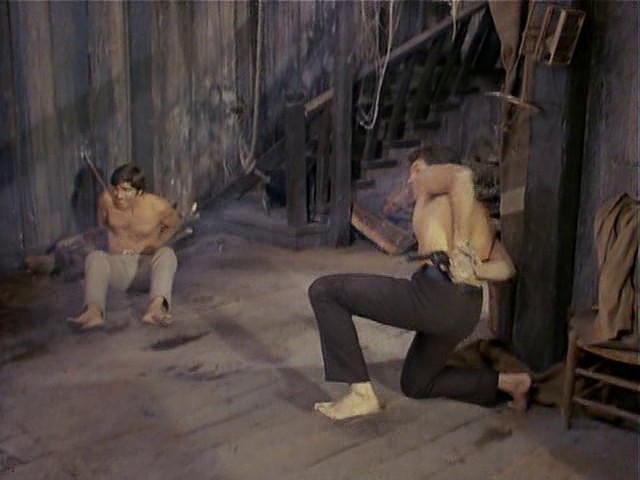
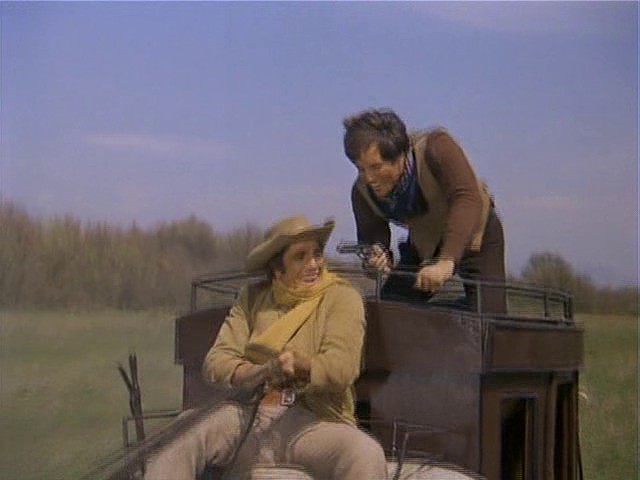

This quartet of bearded clones of either Dostoevsky or Leo Tolstoy wants to receive the loan they gave earlier and the pennies they got for it. But, Christmas evening would not have been like this if a miracle hadn’t happened… Avoiding spoilers, let’s say that the creator of this spaghetti western shows not only that he is an excellent director, but also an excellent plot developer (the film will contain references to “Red Chief” O’Henry and “The Great Train Robbery” and many other archetypal plots). By the way, Tessari was one of the screenwriters of Sergio Leone’s film “For a Fistful of Dollars,” the first great example of the spaghetti Western genre. But the outstanding Italian writer Ennio Flajano, better known as the co-screenwriter of such masterpieces by Federico Fellini as “The Road”, “Nights of Cabiria”, “8 and a Half”, is probably responsible for the dialogue part of Monty Mulligan’s screen adventures in the Wild West, and older viewers undoubtedly remember one of the best comedies. Italian cinematography “Cops and Thieves”, for which Flajano was awarded the Palme d’Or at the Cannes Film Festival in the early 50s as the best screenwriter.
 Nino Benvenutti as Ted Mulligan
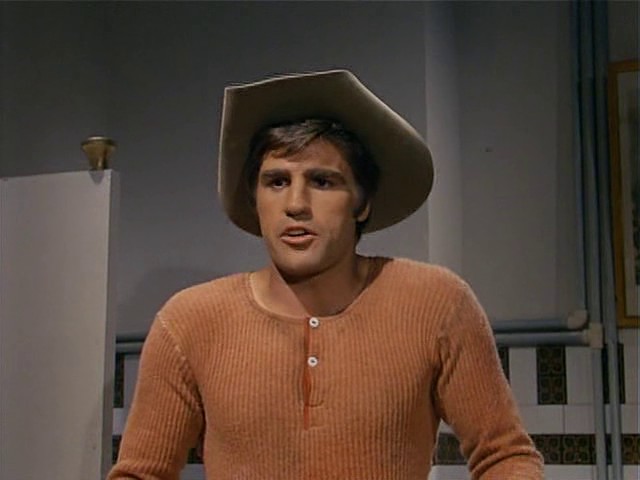
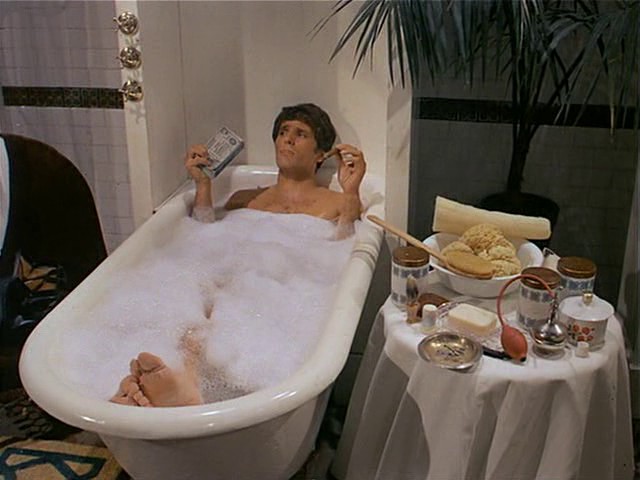
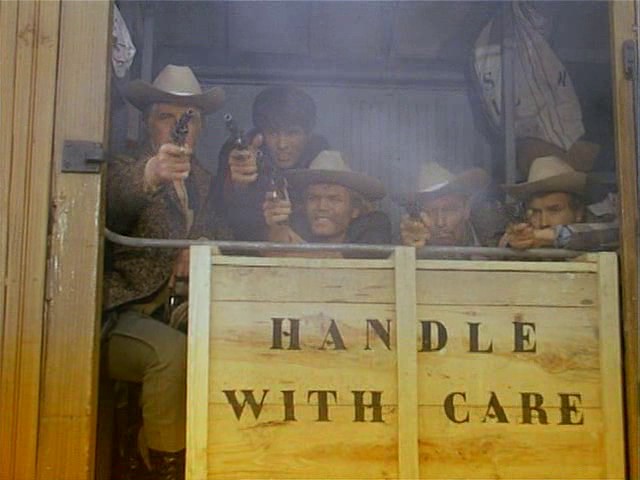
But casting is also important for a successful film. And in that comedy western that we recall, he hit the bull’s-eye. Giuliano Gemma, the lead actor, was discovered in the mid-60s by Tessari and became a star thanks to his spaghetti westerns “Gun for Ringo” and “Ringo’s Return.” Duccio Tessari lists this dilogy as one of his favorite films by such a venerable movie fan as Quentin Tarantino. Ted’s bully brother was played by Nino Benvenuti, the 1960 Olympic champion and multiple world boxing champion in two weight classes. But you can be sure that the winner of the title “best boxer in the world” in 1968 (this award from Ring magazine is still considered the most prestigious in the boxing world) not only waves his fists superbly, but also demonstrates a very decent acting level.
 Antonio Casas as Mr. Barnes
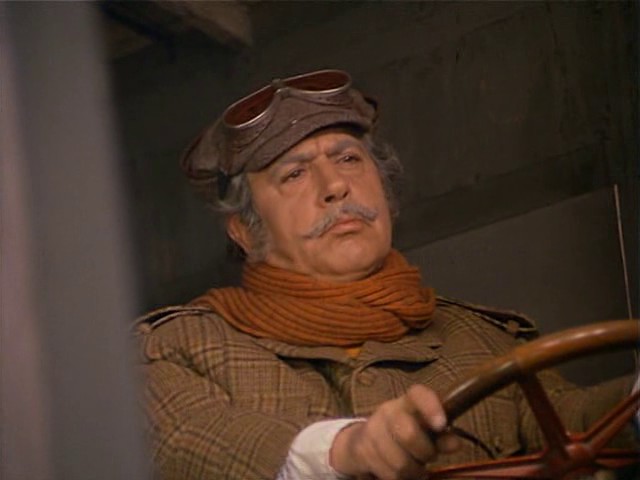
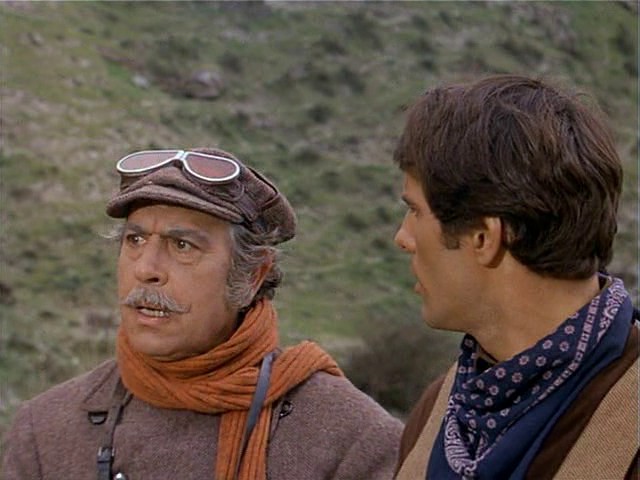
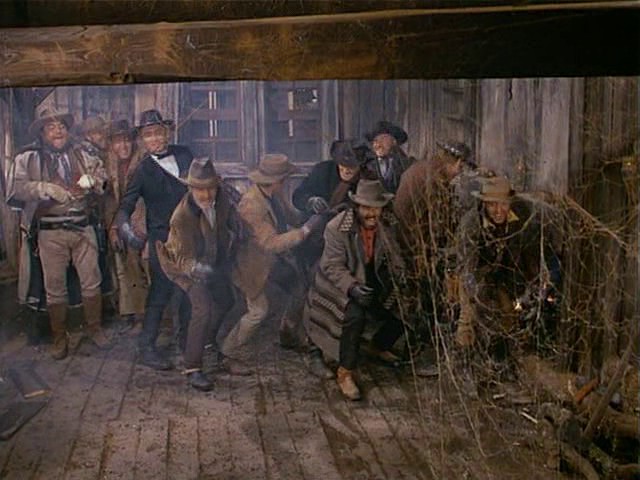
By the way, Gemma and Benvenuti, who were the same age, had served together in a civil service in one of the fire stations in Rome about ten years earlier. So their fraternity wasn’t just on-screen. The third partner of the Mulligan brothers’ adventures in the Wild West turns out to be Mr. Barnes, who is old enough to be their fathers. He was played in this film by the wonderful Spanish actor Antonio Casas, whom fans of westerns may remember for the role of Stevens in Sergio Leone’s epic film “Bad, Good, Evil”, before which he also starred in Duccio Tessari’s spaghetti dilogy about Ringo. Well, the main female role of Scott’s banker’s daughter was played by a very young Sydney Rome, whose partners in the films of the seventies would be such world–class stars as Marcello Mastroianni, David Bowie and the great Marlene Dietrich herself.
Perhaps it only remains to add that “Vivi… o Preferibilmente Morti”, which starred in the “cowboy” towns of Spain, which have become a Wild West for European screen masters, will appeal to both fans of spaghetti westerns and those who appreciate buffoonish comedies with an abundance of gags, where such geniuses of comedy without words as Buster Keaton and Charlie Chaplin can also be envied.